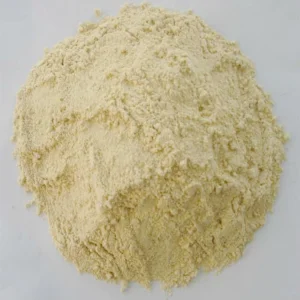
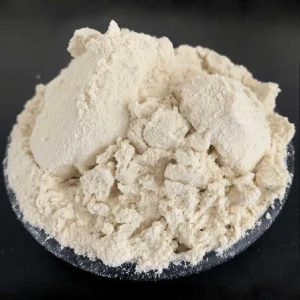
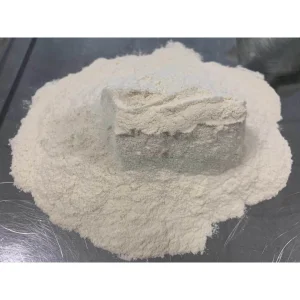
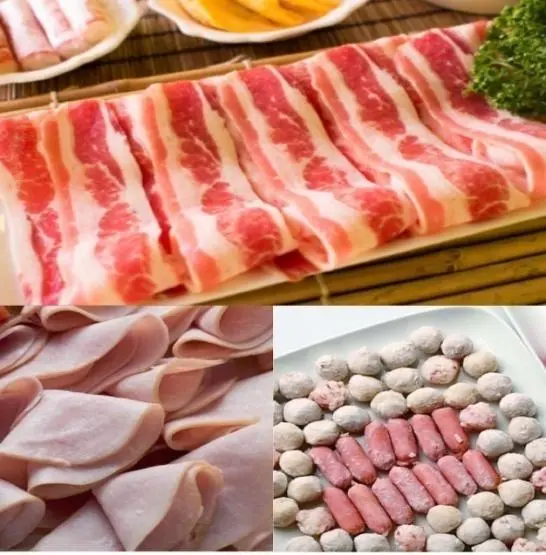
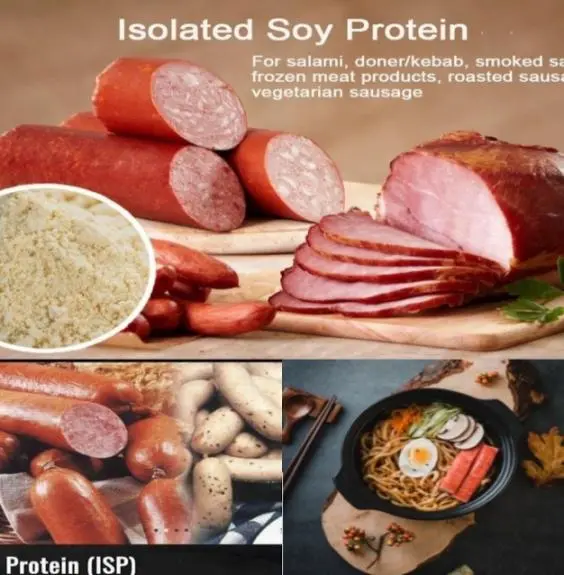
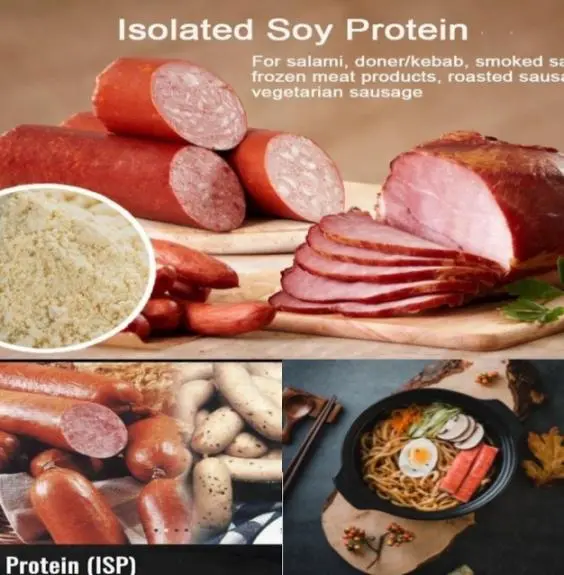
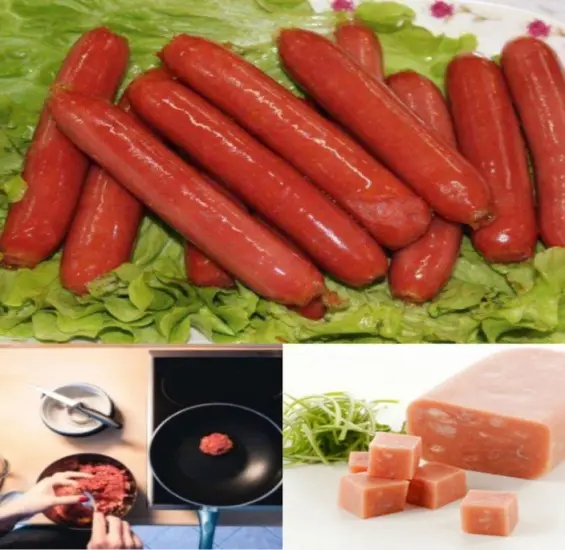
High-purity ingredients optimized for viscosity, water retention, and structural integrity in food processing.
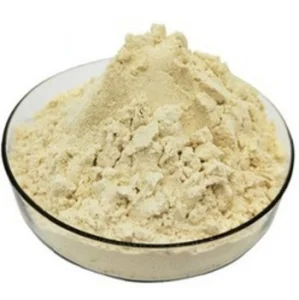
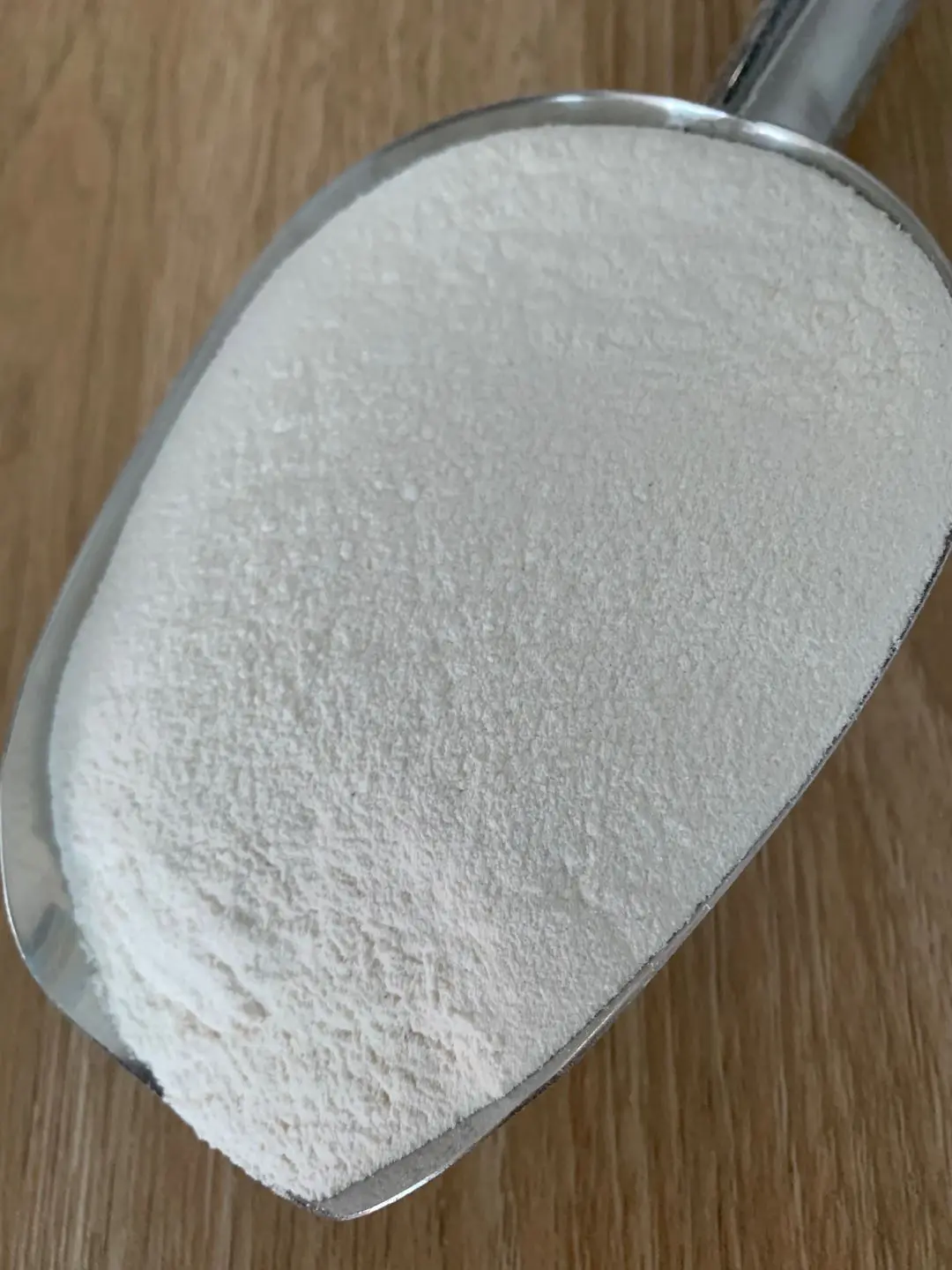
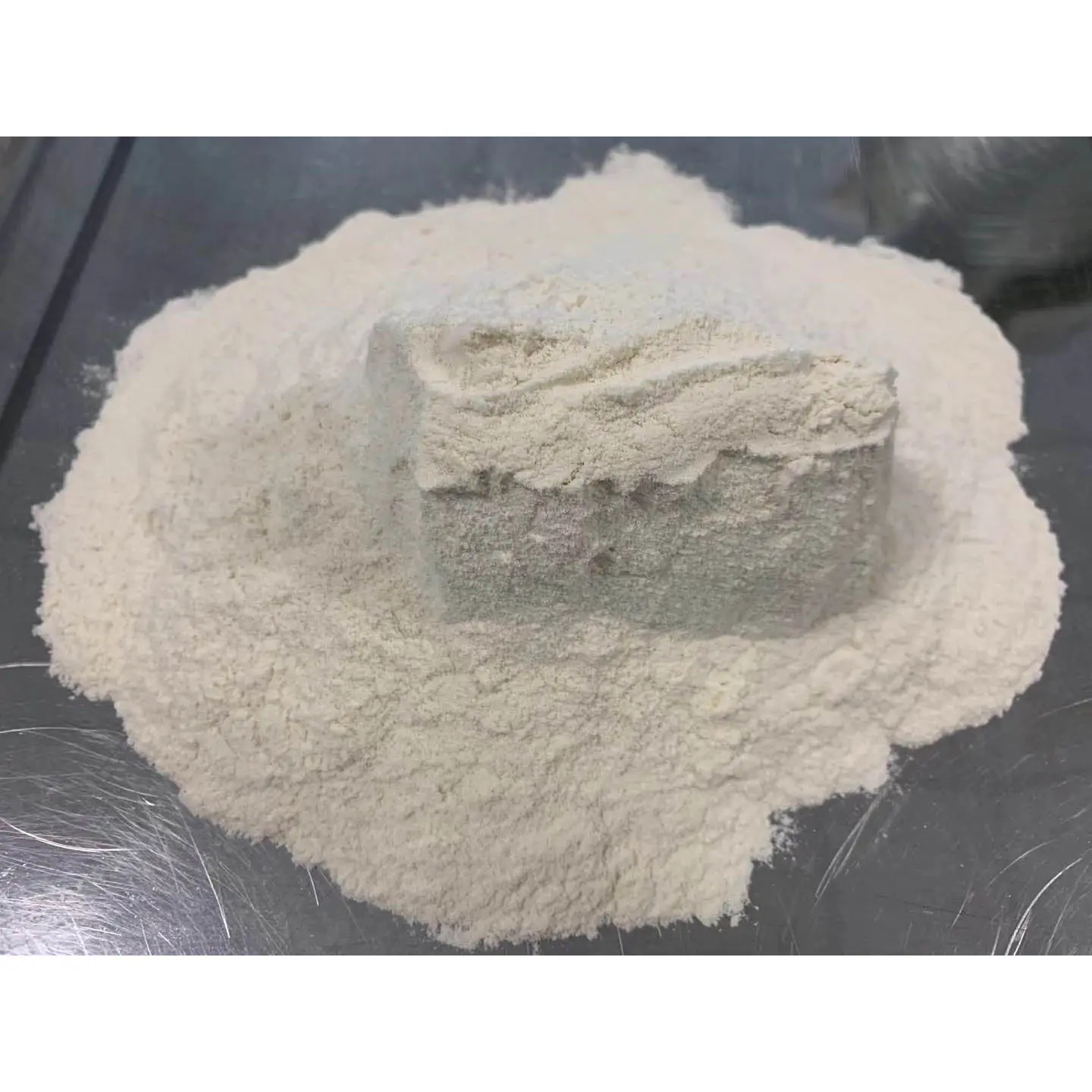
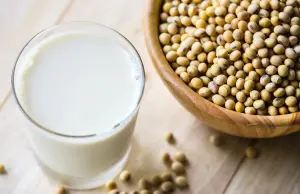
In modern industrial food science, Isolated Soy Protein (ISP) Emulsion Type acts as a foundational agent for stabilizing complex multi-phase systems. The structural functionality of ISP—particularly commercial grades like 9007B-C, 9500, and 9001BW—is defined by its ability to locate at the oil-water interface, reducing interfacial tension and forming a coherent, viscoelastic film around dispersed lipid droplets.
This emulsifying mechanism is largely governed by the balance between hydrophilic and lipophilic amino acid residues on the protein's polypeptide chains. During high-shear mechanical mixing (such as chopping or homogenization), the globular proteins undergo partial denaturation, exposing hydrophobic segments that interact directly with the lipid phase, while the hydrophilic regions remain oriented toward the aqueous phase. This creates a highly stable, uniform matrix resistant to coalescence, creaming, or syneresis under thermal processing.
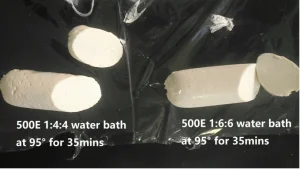
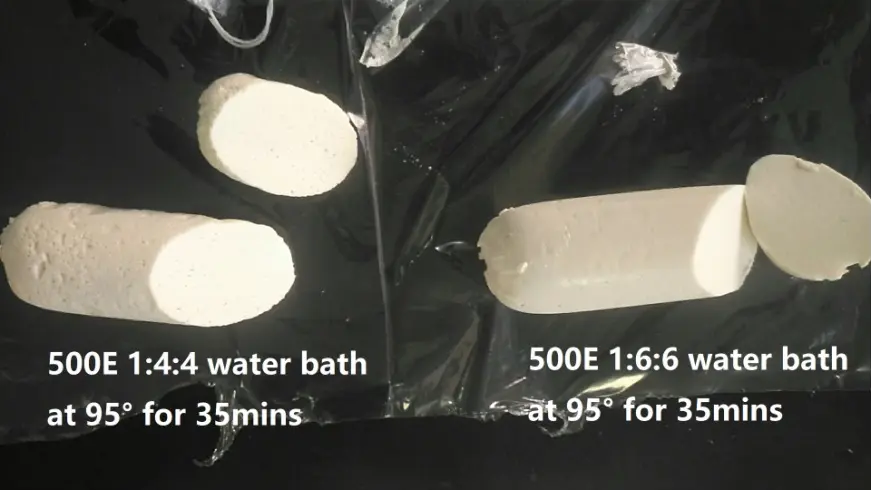
Science-Backed Performance Indicator: The gelation phase of Emulsion-Type Isolated Soy Proteins occurs at critical thermal denaturing temperatures (typically between 75°C to 80°C), where the protein network cross-links with water molecules, trapping fat droplets inside a robust proteinaceous lattice. This enables food manufacturers to achieve high water-binding and fat-binding ratios (up to 1:5:5 water-to-protein-to-oil configurations).
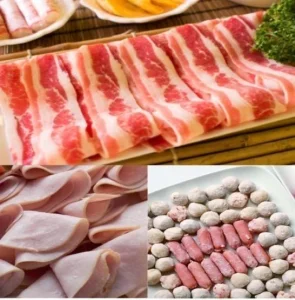
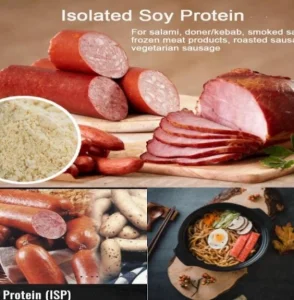
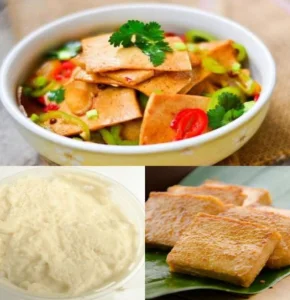
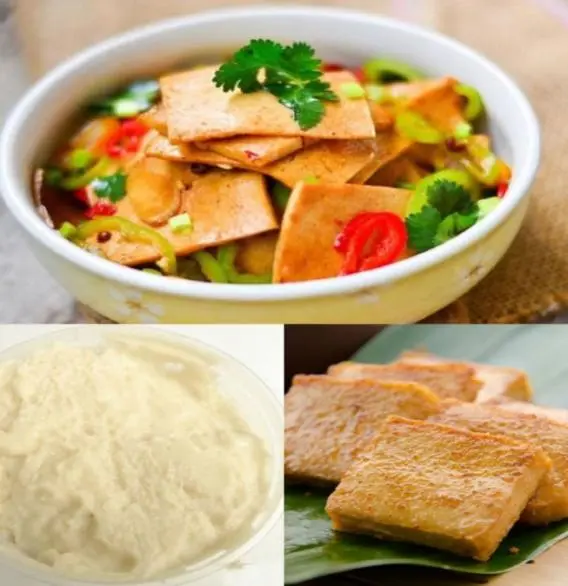
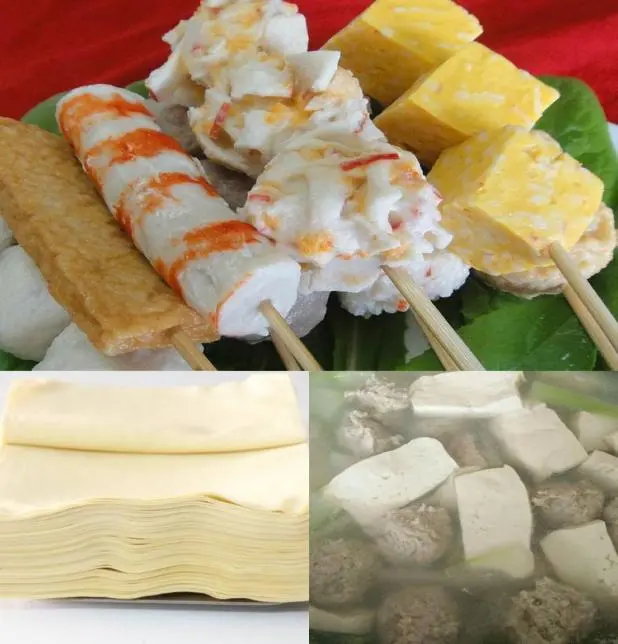
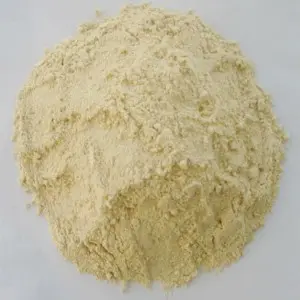
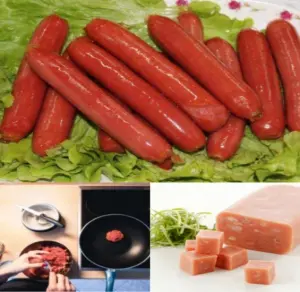
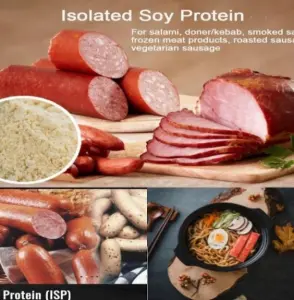
Distinguishing between different functional profiles is crucial for R&D departments. While injection-type proteins (such as 9020, 9026, and 9028) are designed for low viscosity and high solubility to easily pass through needle systems into intact muscle tissue, emulsion-type proteins focus on high viscosity, high gel-strength, and rapid water absorption. These are optimized for high-speed cutters and emulsifiers, providing structure to finely comminuted meat batters, sausages, canned meats, and vegetarian meat analogues.
Originally established in May 2003, XINRUI GROUP has grown into a major diversified industrial collective in China, covering an expansive footprint of more than 1,000 mu. Under the group's umbrella, a deep processing circular economy supply chain has been built, integrating agricultural cultivation, industrial refining, municipal cogeneration, heating, and gas utilities to achieve an annual output value of 2.8 billion Yuan.
The manufacturing infrastructure is divided into two primary processing giants:
Sourcing Isolated Soy Protein from our facility in Shandong offers strategic advantages for global buyers, rooted in raw material security and vertical integration. The backbone of our product quality lies in our strictly monitored Non-GMO Soy Planting Bases. China remains a reliable source for native, identity-preserved (IP) Non-GMO yellow soybeans, which are key for accessing European, Middle Eastern, and North American food sectors where consumer sentiment and regulatory frameworks restrict genetically modified ingredients.
Our circular economic model also buffers us against global energy and feedstock volatility. Because our cogeneration plant supplies its own electricity, steam, and heating to the protein extraction lines, we maintain cost stability and minimize our carbon footprint. For global procurement officers, this translates to stable year-round pricing, reliable lead times, and predictable contract renewals.
In accordance with Google's Search Quality Evaluator Guidelines, global food ingredients must meet strict safety certifications. Our plants feature rigorous quality management systems that are audited annually by third-party international registries. We maintain the following certifications:
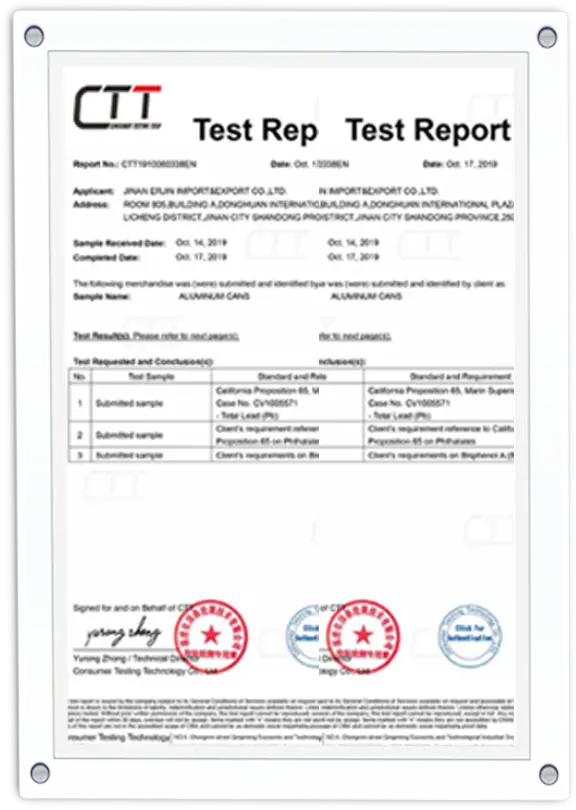
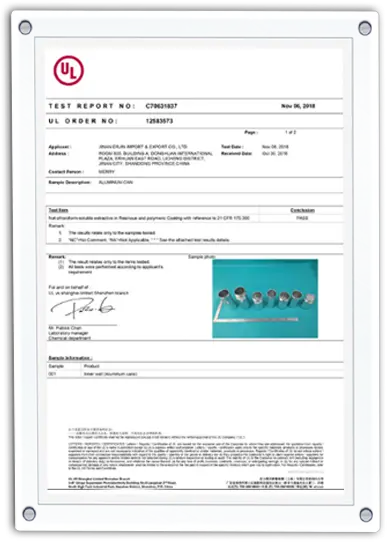
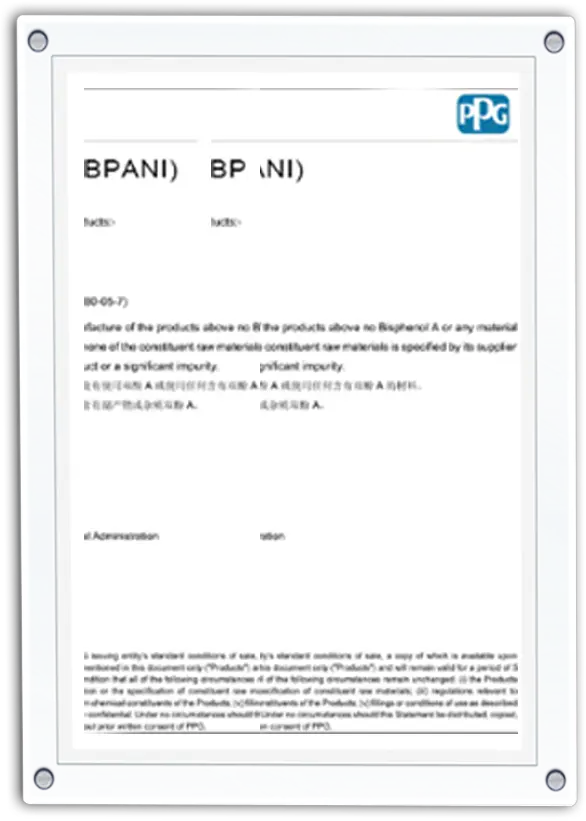
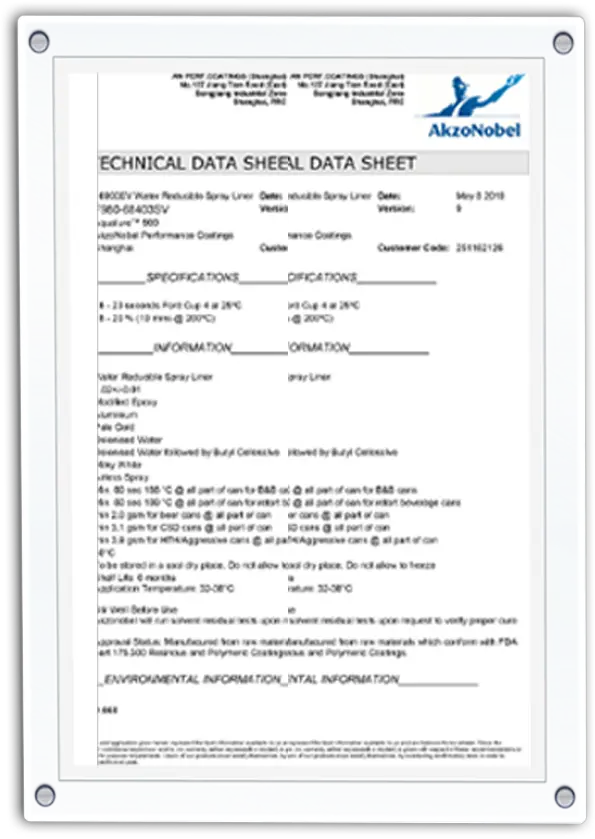
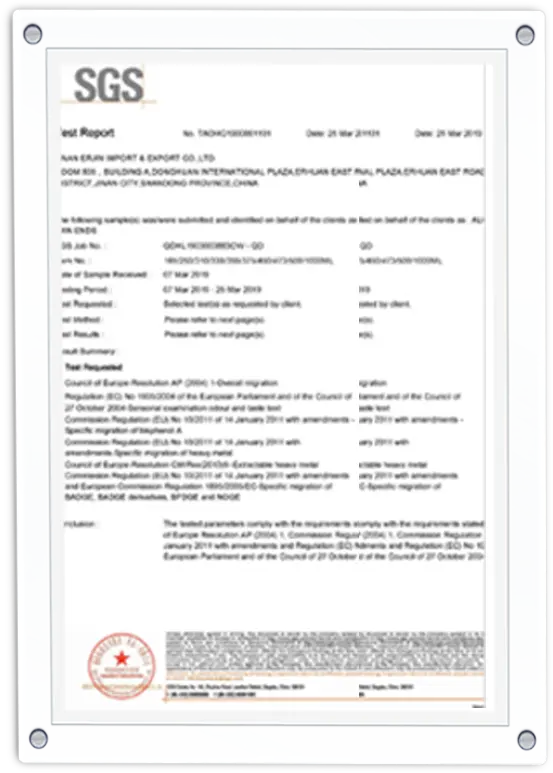
By holding IP Non-GMO, BRC (British Retail Consortium), HACCP, ISO9001, ISO22000, Halal, Kosher, and SGS certification, we guarantee that every batch of isolated soy protein, wheat gluten, and soluble dietary fiber shipped to Europe, North America, Southeast Asia, or Latin America complies with local food safety laws, customs requirements, and religious dietary standards.
Depending on your region and target market, Isolated Soy Protein Emulsion types can be adapted to several processing setups:
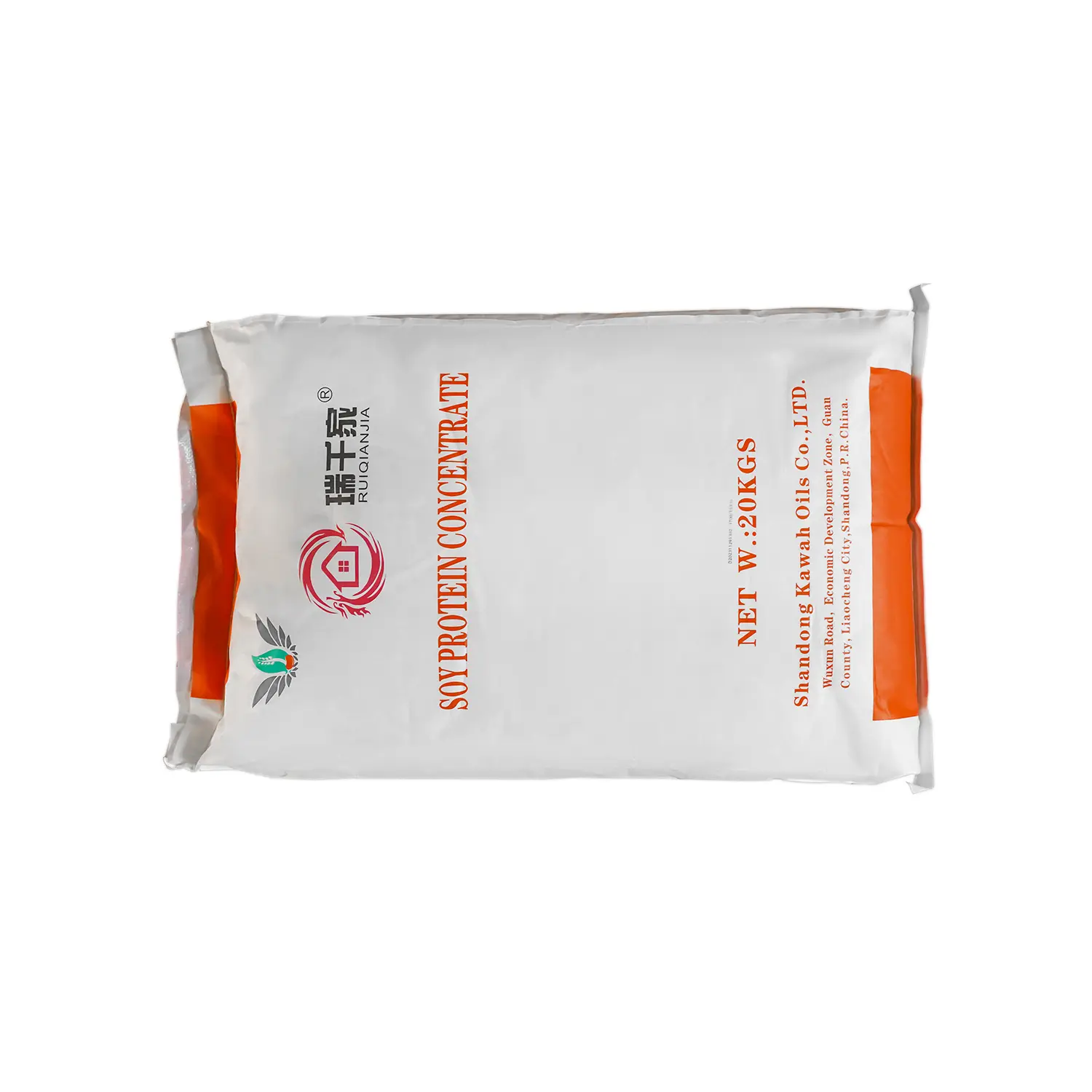
We are a group company named Xinrui Group integrating manufacturing and exporting. The manufacturer of soy protein isolate is Shandong Kawah Oils Co., Ltd, which produces 50,000 tons of isolated soy protein per year. The manufacturer of wheat gluten is Guanxian Xinrui Industrial Co., Ltd. (formerly known as Guanxian Ruixiang Biotechnology Development Co., Ltd), which produces 30,000 tons of vital wheat gluten per year. The exporter is named Guanxian Ruichang Trading Co., Ltd.
We have HACCP, ISO9001, ISO22000, BRC, HALAL, KOSHER, IP-NON GMO, SGS, etc. Other certificates are available on request to satisfy the import requirements of your target country.
Our 9007B-C emulsion-type protein begins to gel around 75°C, reaching its peak network density at 80°C to 85°C. This makes it suitable for autoclaves, high-temperature boiling, and pasteurization tunnels without structural breakdown.
Because we use our own cogeneration plant for steam and electricity, we are insulated from external energy price shocks. This allows us to offer long-term fixed-price contracts to global buyers, mitigating inflation and raw material cost spikes.
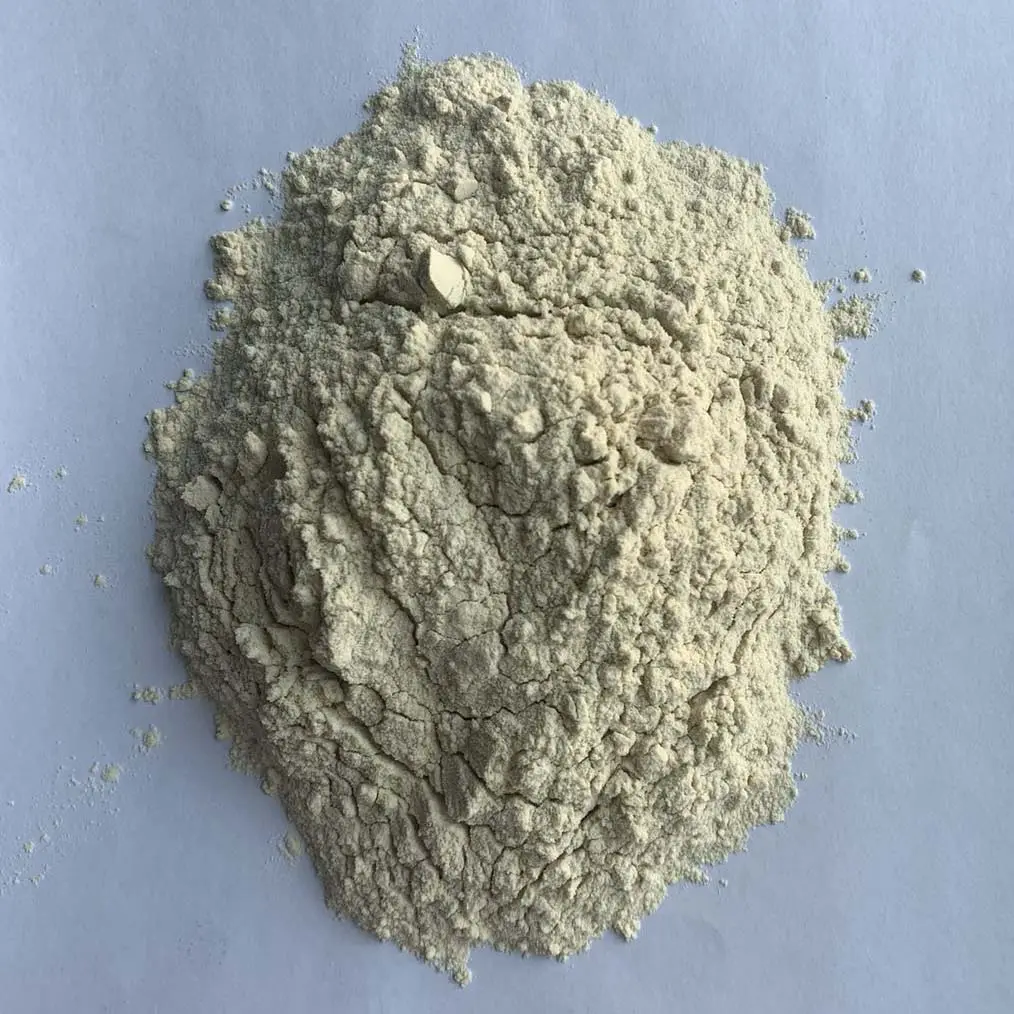
Yes, through our R&D center at Shandong Kawah Oils, we can adjust the degree of enzyme-assisted hydrolysis, changing viscosity levels (from low for injection to high for chopping) and tailoring mesh sizes (typically 80-100 mesh) to fit your equipment.
Our Isolated Soy Protein has a shelf life of 12 to 18 months when stored in a cool, dry place below 25°C and under 60% relative humidity. It should be kept away from strong odors and moisture to prevent clumping and maintain powder flowability.
Get a direct look at our manufacturing facilities, spray drying systems, and modern packaging lines. Watch our videos to tour the Shandong Kawah Oils and Guanxian Xinrui Industrial facilities:
By coordinating production across our facilities, Xinrui Group offers a single point of contact for plant-based proteins, grain starches, and functional fibers. Our integrated structure ensures quality control from raw materials to final shipment.

Guanxian Xinrui Processing Headquarters
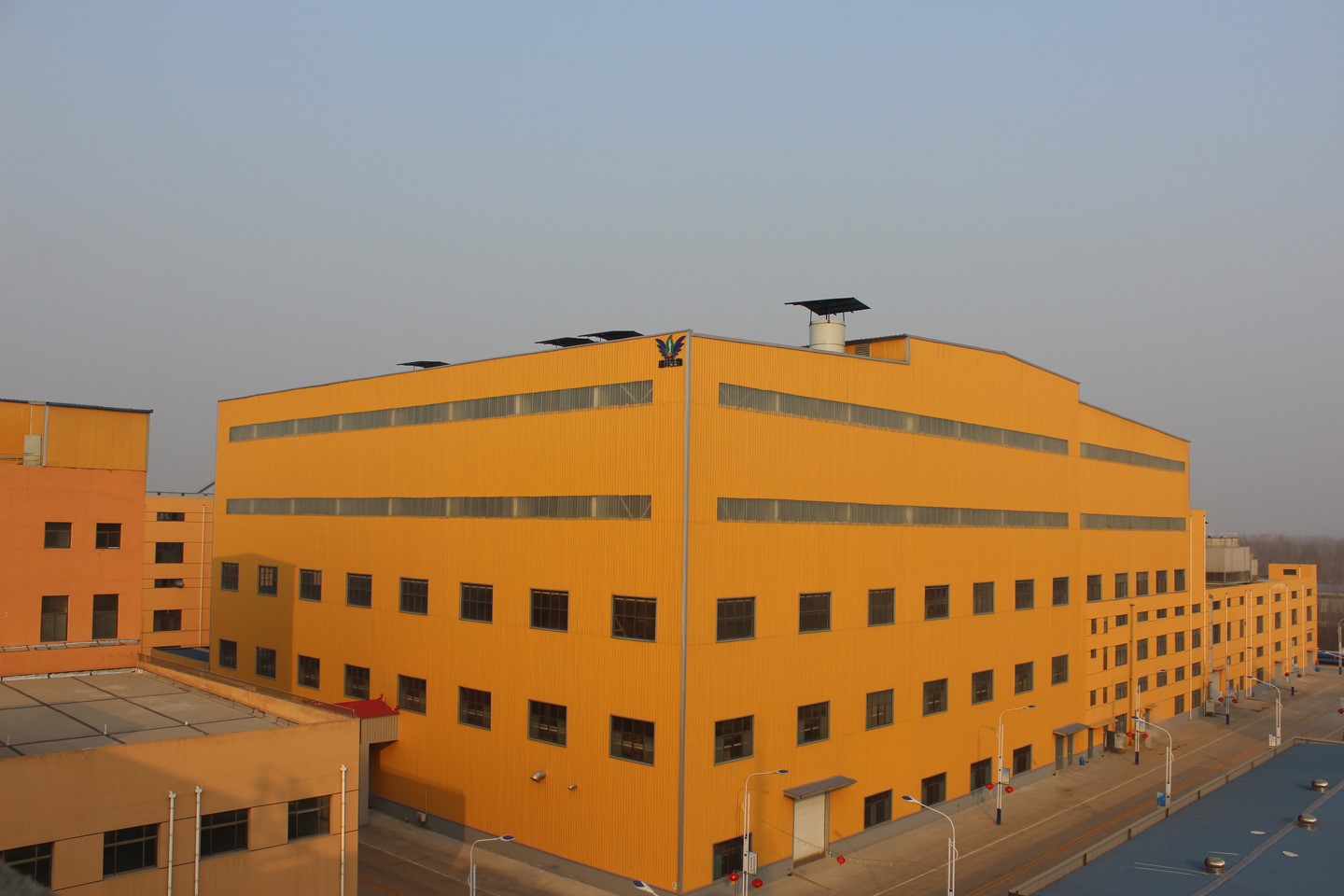
Tri-Canter Separation Machinery
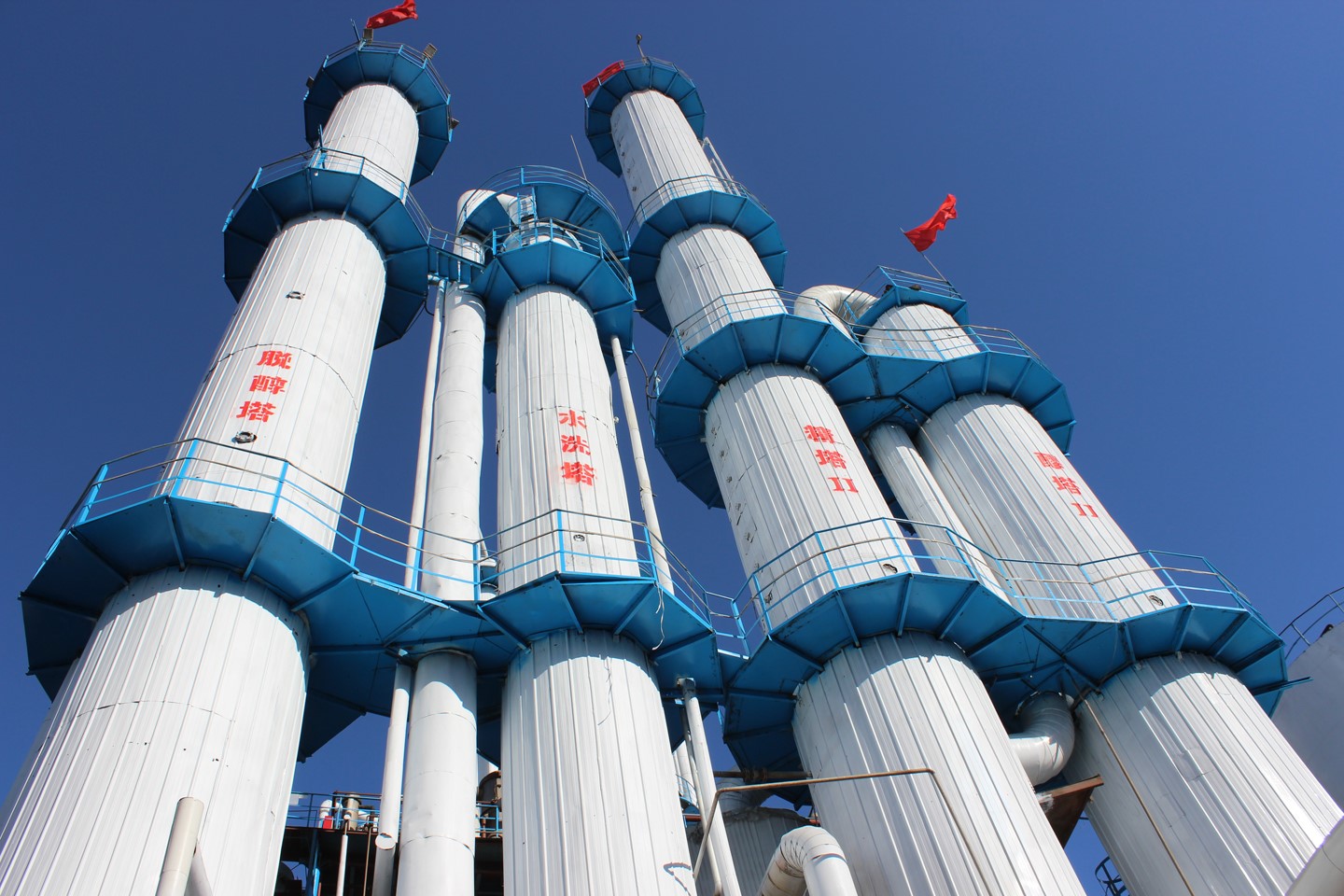
Shandong Kawah Oils Spray Drying Tower
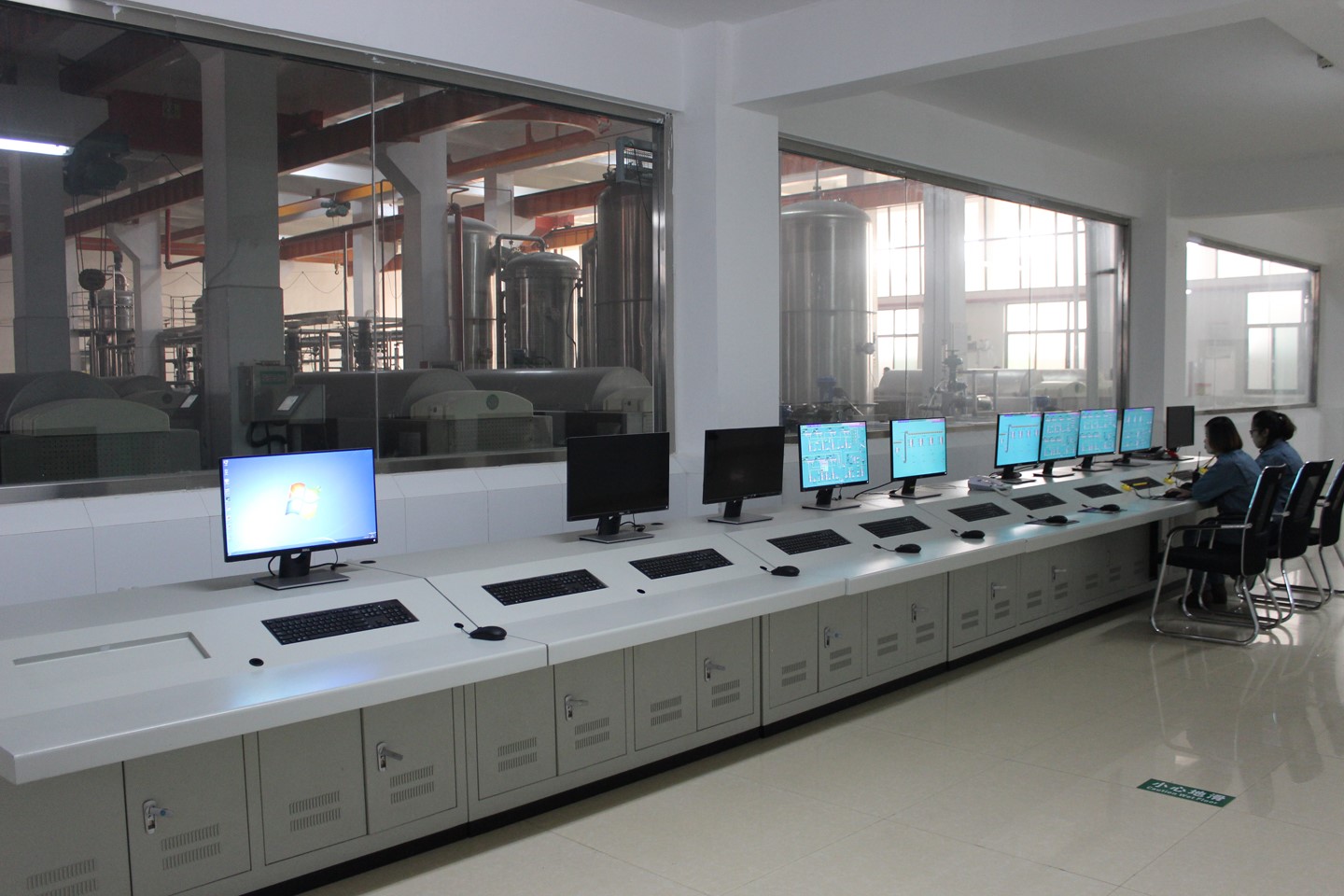
Large Scale Raw Material Silos and Production Base
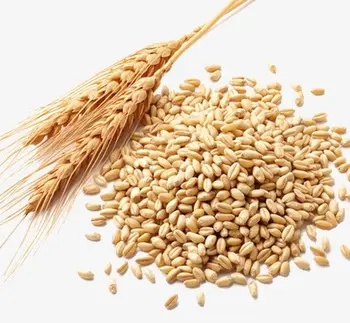
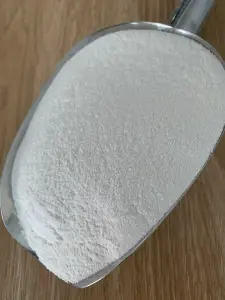
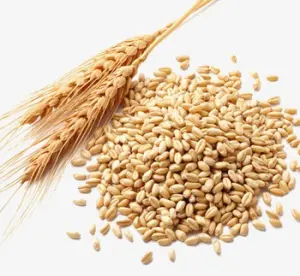
This complete product line integration means we can offer other agricultural derivatives like Vital Wheat Gluten (VWG-P/VWG-PS), Wheat Starch, and Soluble Dietary Fiber alongside our isolated soy proteins. Whether you are reformulating meat products, designing plant-based food lines, or sourcing high-grade ethanol, our technical team can provide tailored solutions for your production processes.
Our product categories are organized by function to help R&D teams select the right ingredients:
Select from our certified product line. Contact our sales office for custom viscosity and bulk orders.
We provide technical support, recipe development, and trial samples for large food manufacturers. Reach out to our R&D team today for customized protein ratios.
Contact Global Procurement Office Xinrui Group