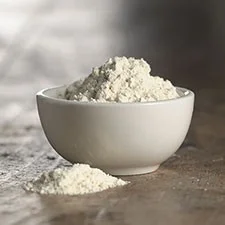
Direct supply from state-of-the-art Chinese refining facilities. Engineered for high emulsification, injection, and texturizing applications in modern food systems.
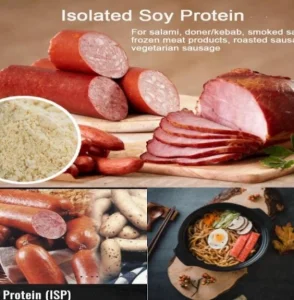
The global meat substitutes sector has transitioned from a niche dietary segment into a massive macro-industry driven by advanced biotechnology, food security demands, and carbon-reduction targets. Major multinational consumer packaged goods (CPG) companies and quick-service restaurant (QSR) chains require raw plant protein matrices that offer impeccable organoleptic properties. Translating crops like soybeans and wheat into fibrous structures that replicate muscle fibers demands highly optimized raw materials.
Key industrial success factors are water binding capacity (WBC), oil absorption capacity (OAC), and thermal gelation. Without highly pure isolated soy proteins and precise wheat starches, alternative proteins fail to retain moisture during high-shear cooking processes. Large-scale global buyers require high-consistency ingredient parameters to minimize batch-to-batch variation in extrusion plants.

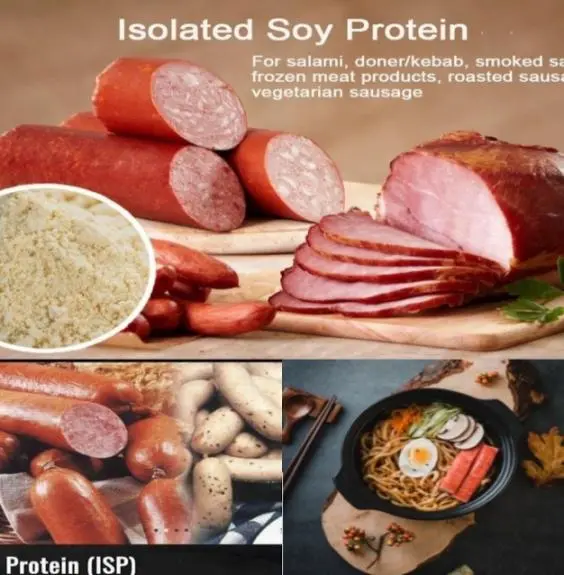
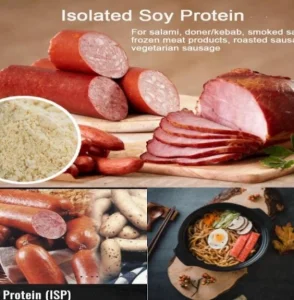
Utilizing high-emulsification Isolated Soy Proteins (ISP) to build cohesive gel networks that lock in lipids and mimic animal fat cells.
Substituting chemical emulsifiers and texturizers with natural soybean dietary fibers and native wheat starches for cleaner ingredient profiles.
Full identity preservation (IP Non-GMO) protocols from agricultural plantation to final spray drying tower outputs.
Our core production is backed by XINRUI GROUP, established in May 2003, occupying an expansive footprint of over 1,000 mu. Driven by circular economy principles, the group has developed integrated business segments including urban heating, gas supply, and cogeneration. The group generates an annual production value of 2.8 billion RMB, facilitating massive manufacturing efficiencies and stable energy cost baselines, which translates directly to stable pricing structures for our global partners.
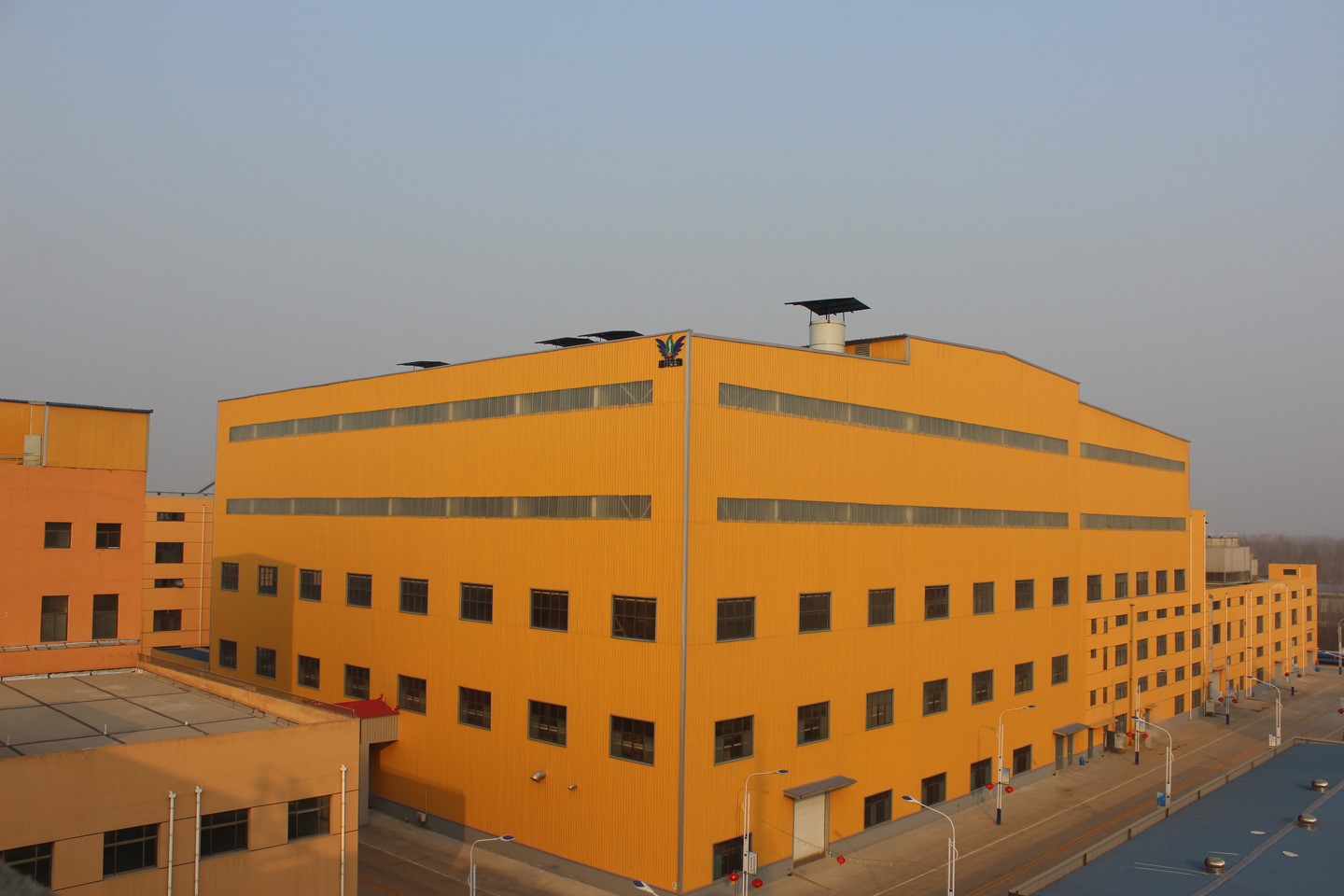
By controlling both wheat and soybean agricultural supply chains, Guanxian Ruichang Trading Co., Ltd. (export arm of the group, directing over 60%-70% of output to global markets) provides customized raw matrices. Below are our four core operational groups engineered for specific formulation challenges.
| Ingredient Category | Core Function in Meat Substitutes | Typical Target Products | Technical Grades Available |
|---|---|---|---|
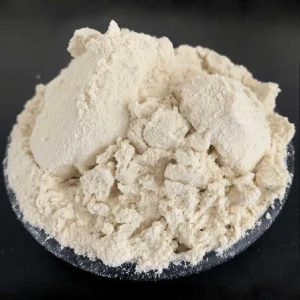
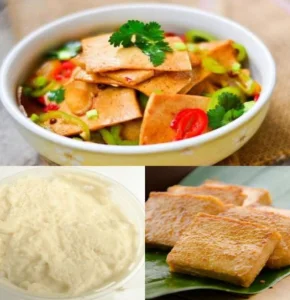
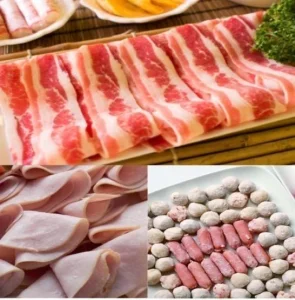
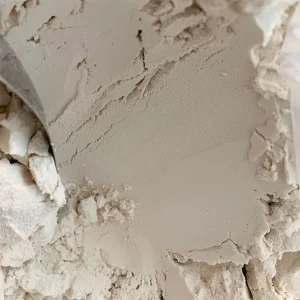
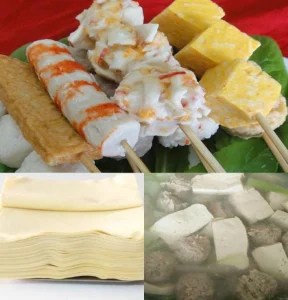
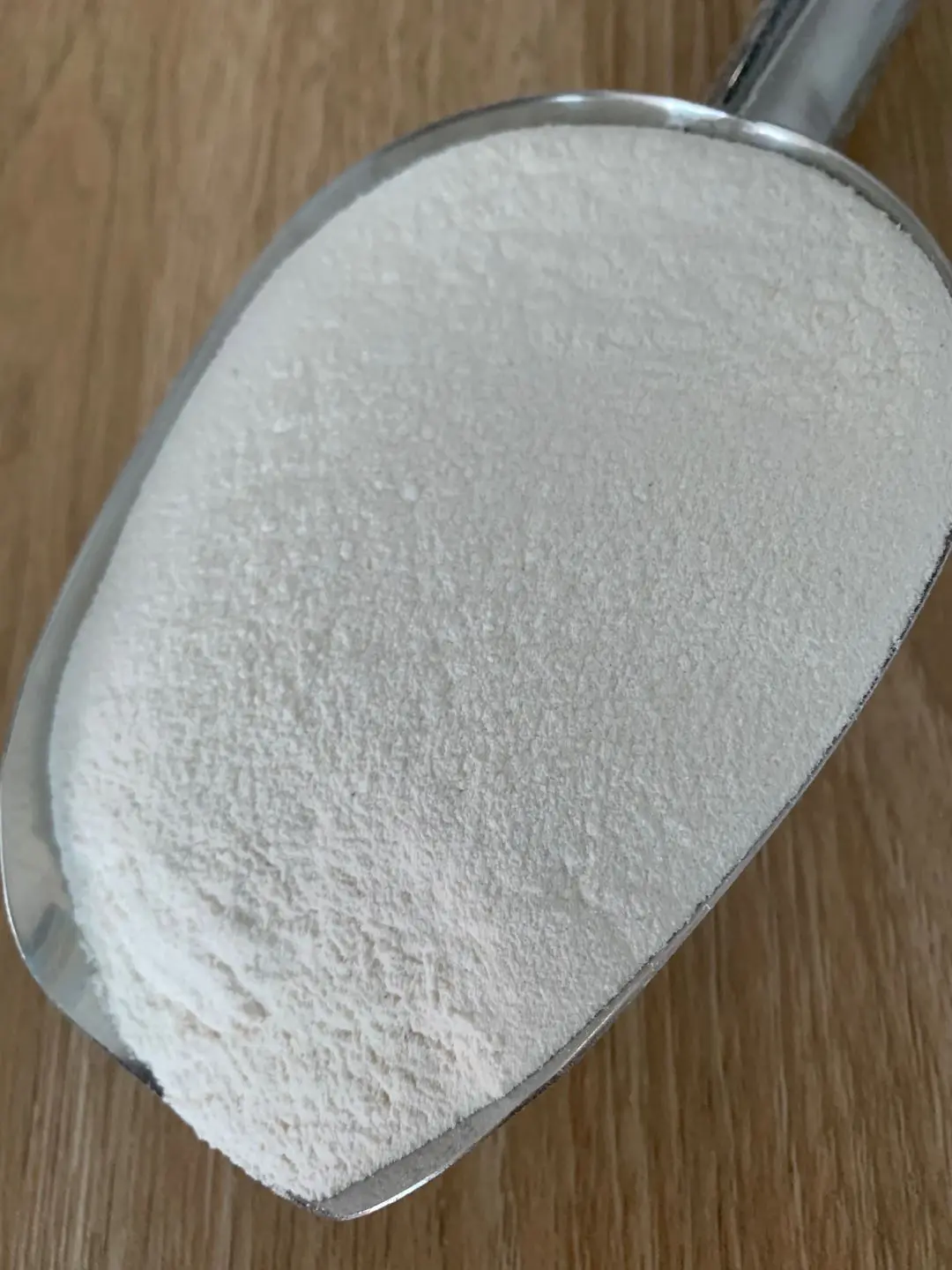
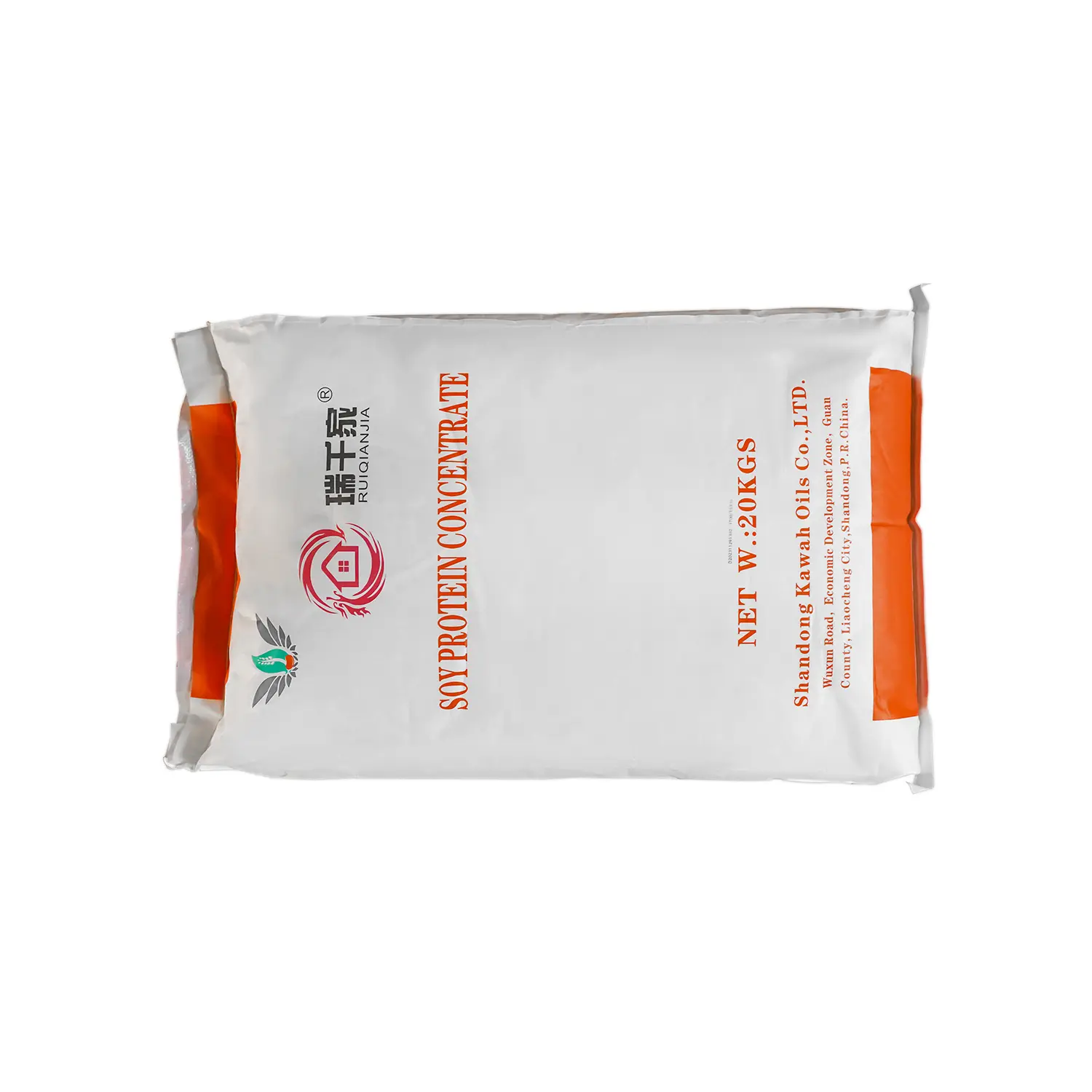
| Isolated Soy Protein (ISP) | Emulsification, gelation, high protein payload, water & fat retention | Sausages, plant-based patties, vegan nuggets, vegetarian hotdogs | 9007B-A, 9001BH, 9003B (Veg), 9005B (Tofu), 9020/26/28 (Injection) |
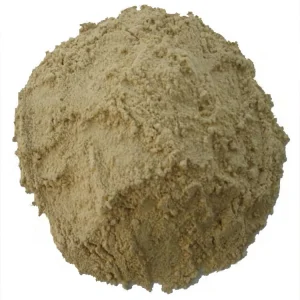
| Soy Dietary Fiber (SDF) | Structural fiber matrix, physical water-binding, cost reduction | Minced meats, burger patties, bakery shelf-life extensions | SDF-100, SDF-200, Soluble Dietary Fiber Grades |
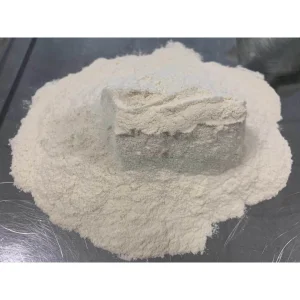
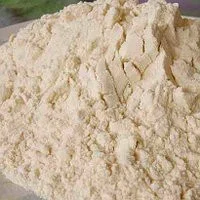
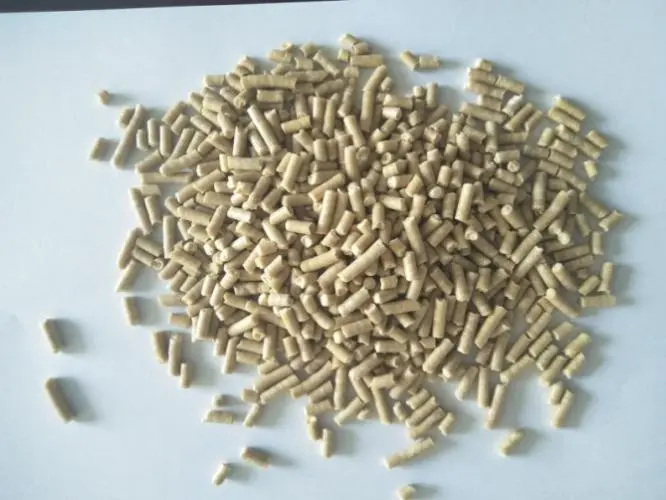
| Vital Wheat Gluten (VWG) | Viscoelasticity, chewy bite structure, high-tensile protein network | Mock duck, seitan, plant steaks, chewable meat analogue bases | VWG-P (Powder), VWG-PS (Pellets) |
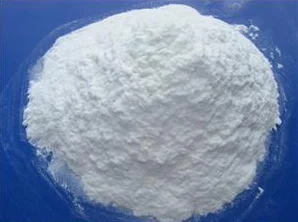
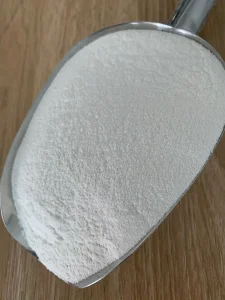
| Wheat Starch (A & B) | Gelatinization controller, texture softening, viscosity modifier | Battering & breading systems, vegan processed cheese, binders | Wheat Starch A Grade, Industrial/Feed Grade Starch B |
“Our circular economy ensures that by-products are fully utilized. For instance, low-temperature soybean meal extraction provides the high-purification base for our isolated soy protein. Similarly, wheat processing starch B is directed into high-grade industrial ethanol production, achieving waste-free manufacturing.”
Operating as a major player in alternative proteins means meeting global food compliance standards. Our agricultural bases and factory operations enforce complete traceability back to the seeds. We monitor pesticides, heavy metals, and genetic modifications to comply with stringent regulations in the European Union, North America, and other markets.
Our dedicated export trading firm, GUANXIAN RUICHANG TRADING CO., LTD. (established in 2011), manages comprehensive customs clearance, phytosanitary checks, and ocean freight logistics to major global hubs. This integrated structure removes middlemen, ensuring buyers receive genuine factory pricing with consistent quality control.
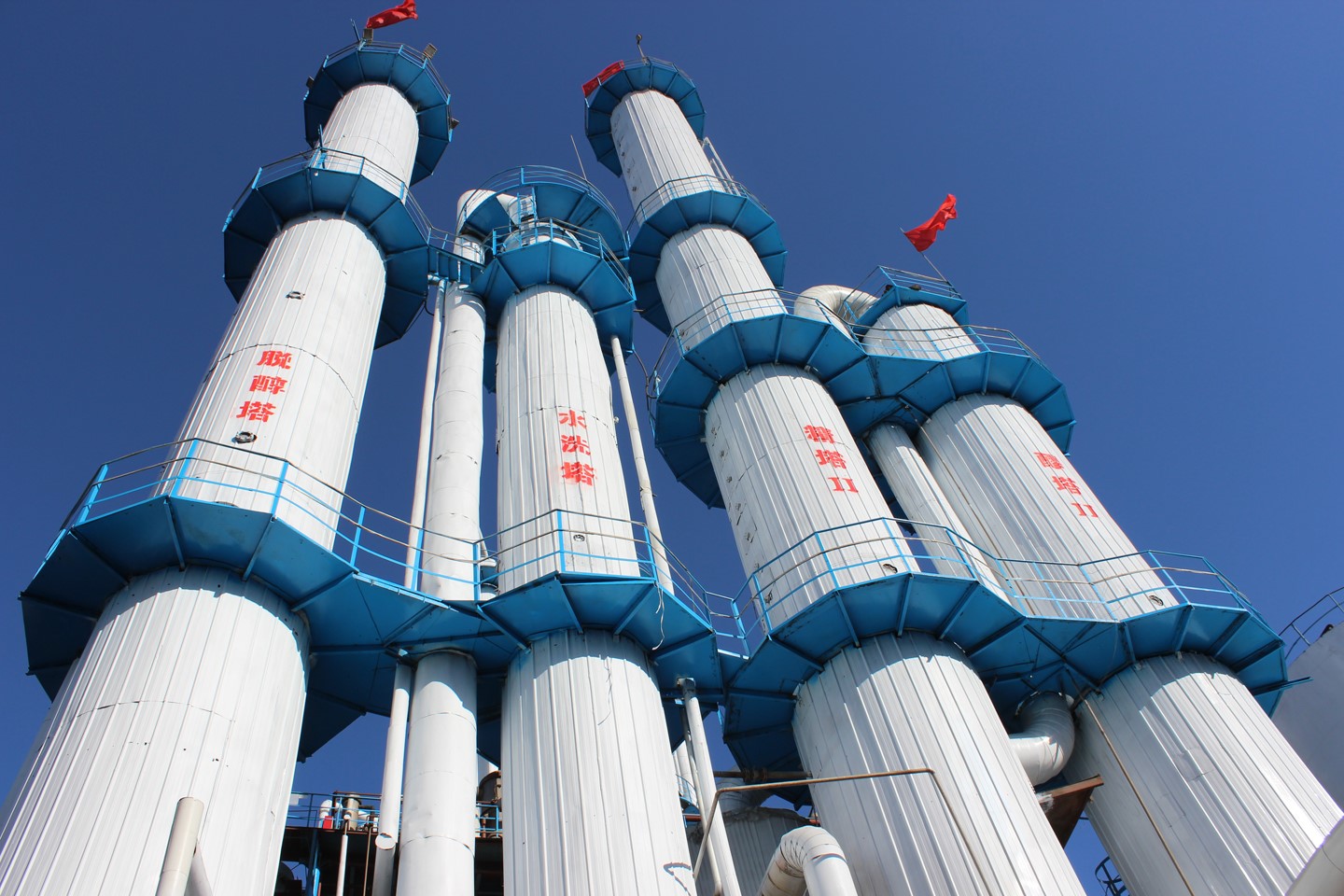
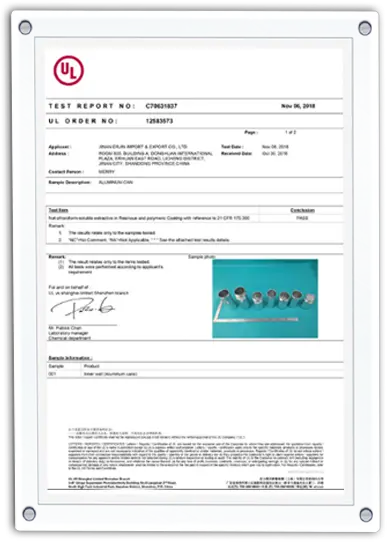
Explore our large-scale agricultural and extraction mills, showing how we process wheat and non-GMO soybeans into functional food ingredients.
Different product lines structured for beverage, baking, industrial processing, and livestock applications.
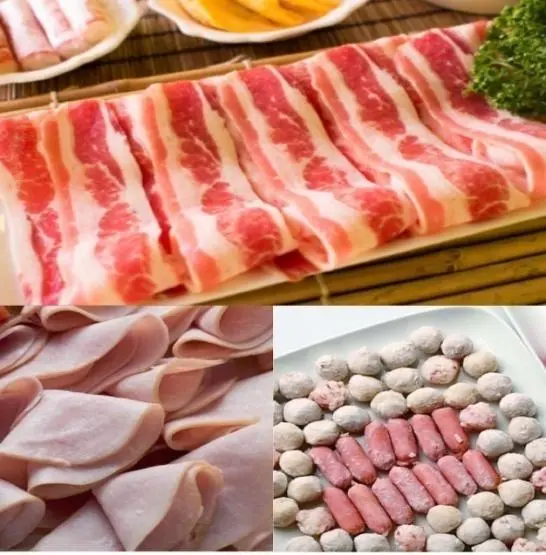
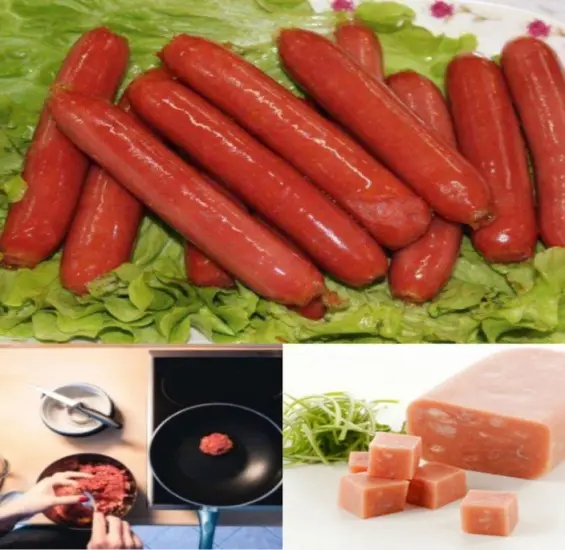
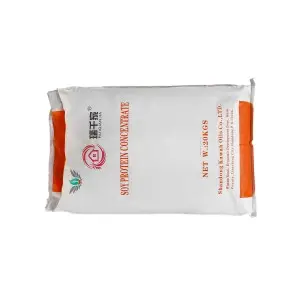
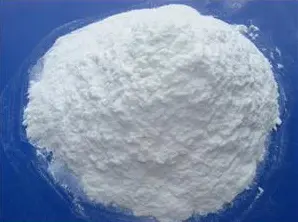
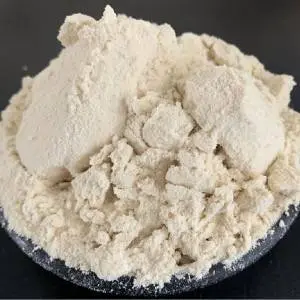
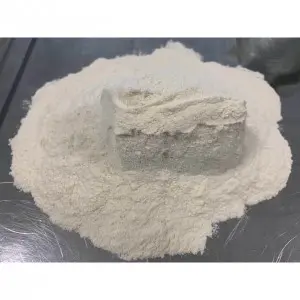
The formulation of meat substitutes is evolving beyond simple texturized soy flour. Modern food processing centers are leveraging HME (High Moisture Extrusion) technologies. These systems subject plant proteins to higher shear and temperature conditions, turning them into fibrous, wet-extruded products that closely match chicken breast or beef tenderloin profiles. To withstand these high-shear environments, proteins require high molecular weight structures and precise pH ranges.
In addition, global markets are focusing heavily on sodium reduction and allergen diversification. While soy remains the most cost-effective and functionally complete plant protein source, blending it with vital wheat gluten balances texture and elasticity. This reduces the need for synthetic gums like methylcellulose, satisfying the clean-label demands of modern consumers.
When procurement managers assess potential suppliers, they prioritize several critical parameters to ensure seamless operations:
Comprehensive technical and commercial answers for food technologists and enterprise procurement departments.
Select a product to view technical datasheets, active ingredient ratios, packaging standards, and bulk container capacities.
 Xinrui Group