Explore our highly engineered plant-based proteins, optimized for emulsification, gelling performance, and water-binding capacity across diverse industrial food applications.
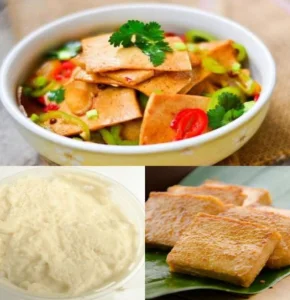
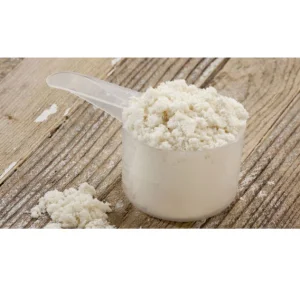
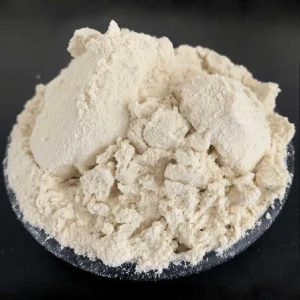
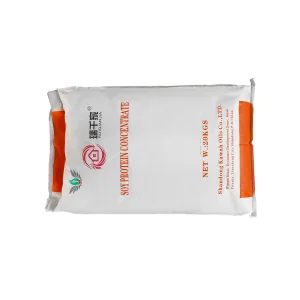
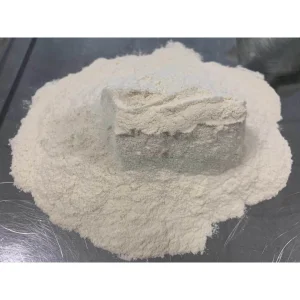
In the contemporary landscape of global food science and commercial food processing, the transition toward plant-based proteins has evolved from a consumer lifestyle choice into an imperative operational strategy for multinational food brands. Frozen Vegetarian Curd, historically recognized under regional definitions like tofu, is now engineered at a molecular level to serve as a high-functional structural matrix for next-generation meat analogs, prepared ready meals, and specialized nutritional foods. This transition is heavily supported by advancements in high-moisture extrusion (HME) technology, cryogenic freezing methodologies, and advanced plant protein isolation procedures.
As a leading Wholesale Frozen Vegetarian Curd Manufacturer & Supplier, Xinrui Group, alongside its specialized subsidiaries Guanxian Xinrui Industrial Co., Ltd. and Shandong Kawah Oils Co., Ltd., sits at the confluence of this raw agricultural conversion and specialized food component manufacturing. Globally, commercial food developers face triple pressures: consumer clean-label demands, strict allergen mitigation protocols, and functional ingredient performance constraints (particularly thermal stability, gel strength, and moisture retention during freezing and subsequent reconstitution cycles). By leveraging high-purity Isolated Soy Protein (ISP) and Functional Soy Protein Concentrates (SPC), industrial developers can formulate frozen curds that mimic the fibrous structure, chewiness, and flavor-holding capacity of animal-derived proteins while achieving a highly desirable nutritional profile.
Demographic trends indicate that by 2030, the global plant-based protein market will reach an estimated value exceeding USD 36 billion, with the industrial and institutional sectors commanding a substantial portion of this volume. High-volume buyers—ranging from institutional caterers to quick-service restaurant (QSR) chains—increasingly demand stable, clean-label plant protein products that can be shipped globally, thawed locally, and prepared with minimal loss of structural integrity. This whitepaper details the physicochemical foundations, state-of-the-art manufacturing methodologies, and supply chain strategies that support the production of premium Frozen Vegetarian Curd for international markets.
Founded in 2003 and spanning an expansive industrial footprint of more than 1,000 mu, Xinrui Group represents the pinnacle of integrated, bio-based industrial refining in China. Our operational strategy is built on a highly optimized, vertical circular economy model. We utilize domestic, identity-preserved, Non-GMO crops to extract high-purity food ingredients, while redirecting side streams and co-products (such as pentosans, starch B, and soy meal residues) into technical alcohol production and high-value animal nutrition profiles. This integrated closed-loop loop ensures near-zero waste and provides unparalleled cost stability and raw material traceability.
Our key processing entities include:


Creating premium frozen vegetarian curd requires a deep understanding of protein gelation kinetics. Unlike traditional tofu, which relies primarily on calcium sulfate or magnesium chloride precipitation, industrially formulated plant protein curd requires a synergistic formulation of Isolated Soy Protein (ISP), Functional Soy Protein Concentrate (SPC), and structuring hydrocolloids or starches to withstand freezing stresses. The core challenges in frozen protein products are syneresis (water separation) and crumbly texture changes caused by ice crystal growth during freezing.
During the freezing cycle, water molecules migrate to form extracellular ice crystals. This process concentrates the remaining dissolved solutes and pushes protein molecules closer together, forcing them to cross-link. When thawed, these proteins are often unable to rebind the water, leading to a spongy, dry, and undesirable texture. To prevent this quality loss, we optimize the ratio of 7S (conglycinin) and 11S (glycinin) globulins within our isolated soy protein lines. The 11S globulin contains multiple disulfide groups, which form a strong, heat-induced elastic gel. Meanwhile, the 7S globulin contributes excellent emulsification and water-binding properties. Together, they create a resilient molecular network that retains water throughout freeze-thaw cycles.
Our processing parameters are strictly monitored to achieve optimal functional traits:
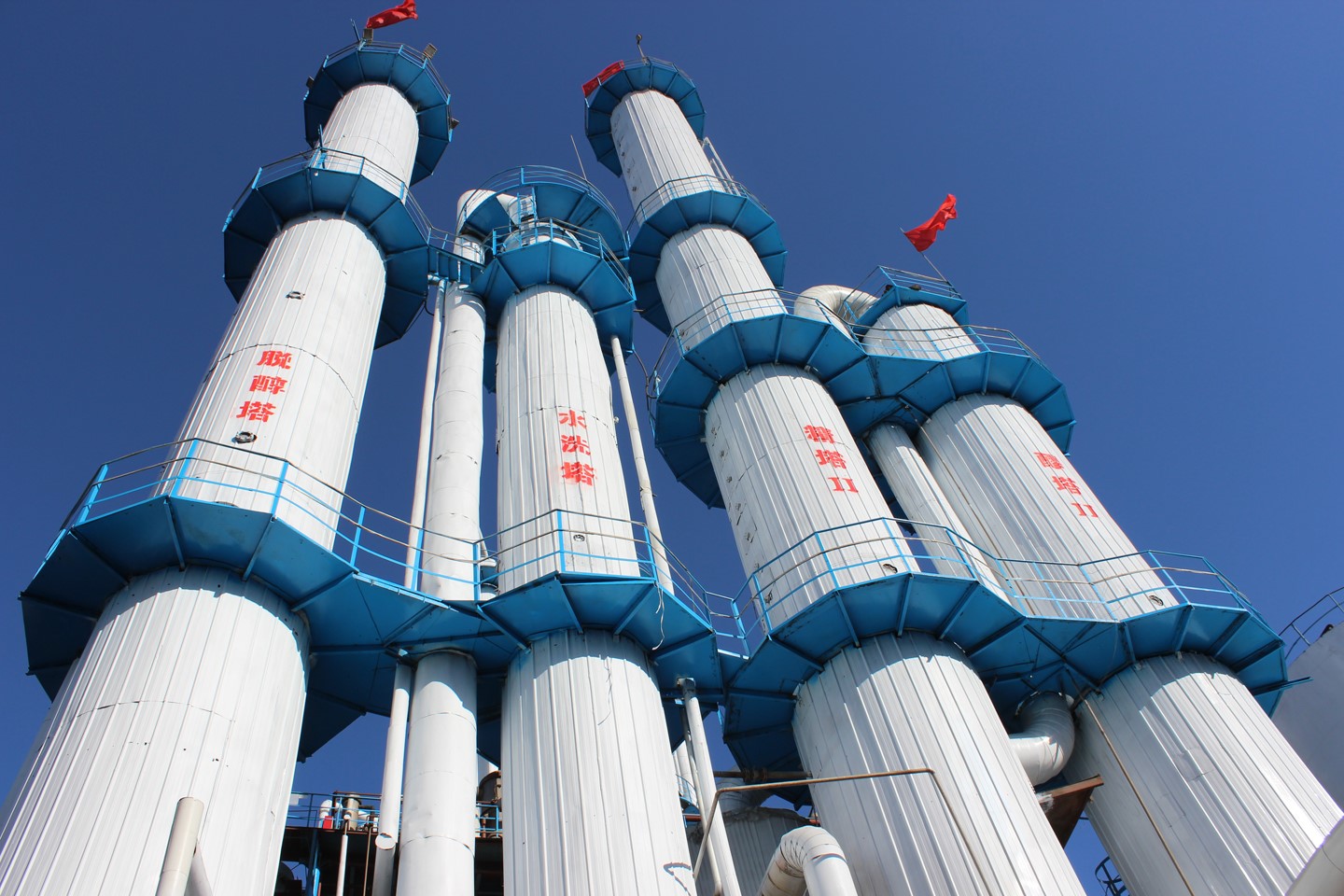
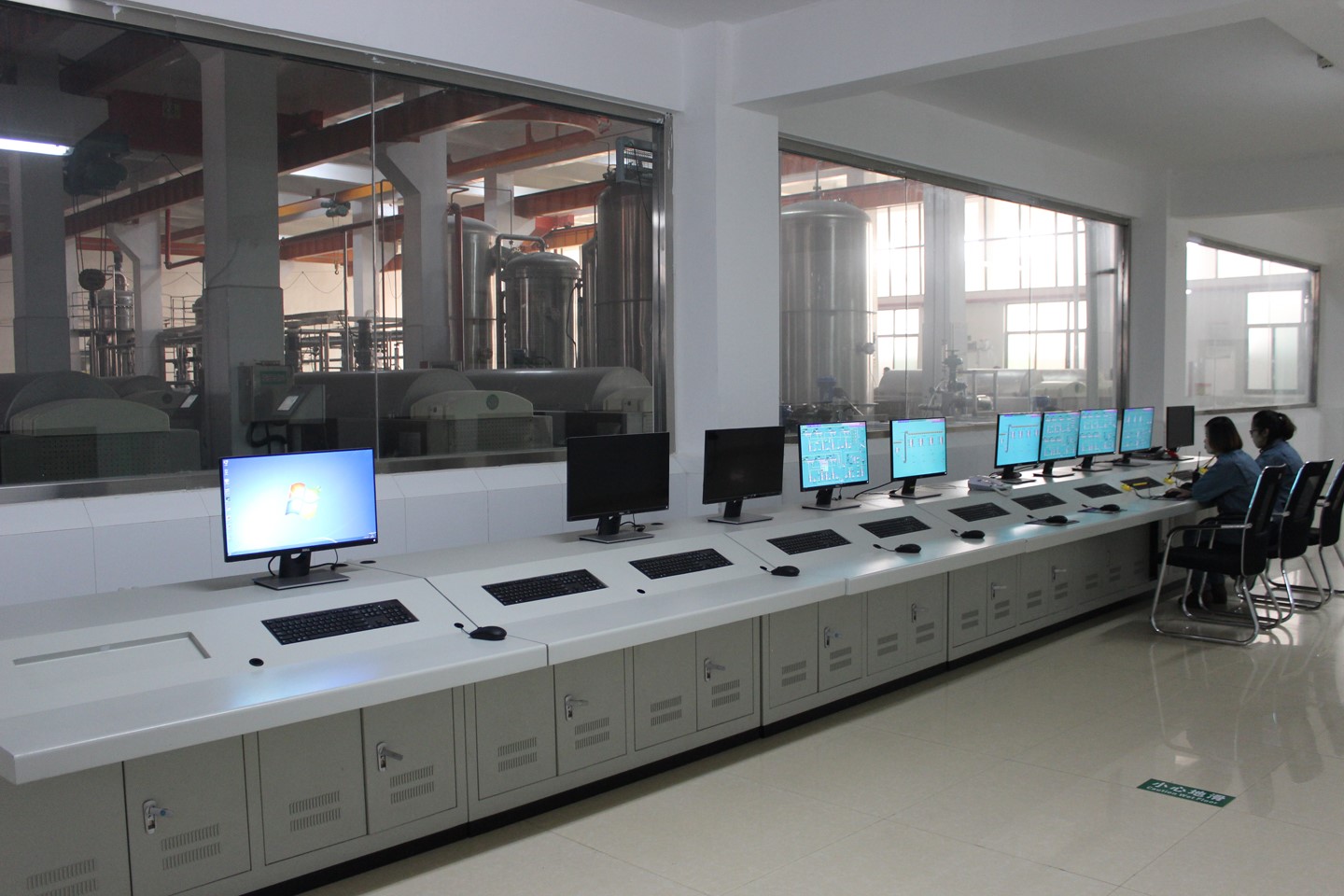
The manufacturing infrastructure of Shandong Kawah Oils Co., Ltd. represents a major technological advancement in domestic plant protein production. By integrating a centralized digital control architecture (SCADA) with automated raw material handling, wet-extraction systems, and spray drying, our facility operates with high consistency, safety, and energy efficiency. Our Factory 4.0 model addresses critical supply chain challenges: quality variation, batch-to-batch inconsistencies, and high carbon footprints.
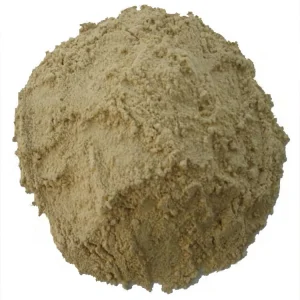
At the center of our soybean processing facility is the Dachuanyuan Spray Drying Tower. This system uses advanced thermodynamic controls to dry isolated soy protein slurry into a fine, highly functional powder without exposing the proteins to excessive heat. Traditional spray drying can denature proteins, ruining their gelling properties. Our low-temperature, high-volume spray drying technology preserves the protein's native structure, ensuring the final product dissolves quickly and gels reliably when processed by end-users. This process is key to achieving consistent quality in our specialized soy protein isolates, including our 9005B, 9003B, and 9001BW series.
In addition, our wheat processing line at Guanxian Xinrui Industrial Co., Ltd. uses imported tri-canter separation technology. This advanced mechanical separation system divides wheat flour slurry into high-purity vital wheat gluten, starch A, and starch B. Compared to older ring-dryer or simple hydrocyclone systems, the tri-canter process is a completely closed loop. This closed system prevents external contamination, reduces water consumption by 40%, and preserves the viscoelastic properties of the gluten protein. The result is a highly functional ingredient that adds structure and bite to frozen plant-based curds and meat analogs.
B2B procurement directors at industrial food companies look for more than just raw ingredients; they need functional reliability and supply chain security. When purchasing soy protein isolates and texturized plant proteins for frozen vegetarian curds, procurement teams typically focus on three main operational goals:
Our protein isolates (like the 9030 Dispersion Type) are processed to maintain low viscosity at high concentrations, making them easy to pump and mix during automated production. For structured curds, high-viscosity variants are available to help maintain shape before cooking.
Our meat and emulsion-grade isolates (such as 9001BW and 9007B-C) form stable oil-in-water emulsions that do not break during high-temperature cooking, canning, or long-term frozen storage.
We source soybeans exclusively from our verified, Non-GMO domestic planting bases. This ensures strict identity preservation (IP) from the farm to the final package, meeting the safety requirements of markets in Europe, North America, and Japan.
Using advanced flash desolventizing and gentle steam-stripping processes, we minimize the volatile aldehydes and alcohols that cause the characteristic raw soy bean flavor. This allows food developers to create clean-tasting products without using heavy masking agents.
Different markets require different functional characteristics from frozen plant-based protein curds. Understanding these regional preferences is essential for successful product development:
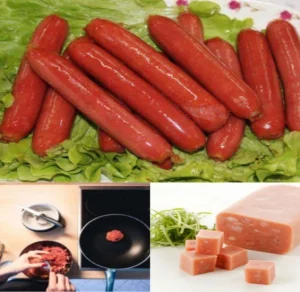
In Europe and North America, frozen plant protein matrices are widely used to mimic beef, pork, and poultry. These applications require high tensile strength and a fibrous bite. Developers typically combine Isolated Soy Protein (like 9001BW or 9500) with Vital Wheat Gluten and Soy Dietary Fiber (SDF). The wheat gluten provides elasticity, while the soy dietary fiber helps retain moisture, preventing the product from drying out during commercial flame-broiling or pan-frying.
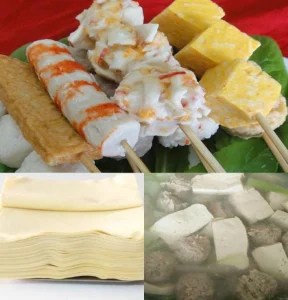
In Asian markets, frozen vegetarian curd is frequently used in hot pots, dim sum, and dumpling fillings. For these products, the curd must absorb savory broths without losing its shape. The 9003B and 9005B vegetarian protein series are specifically formulated to create a firm, springy texture that withstands long cooking times. When used in dumpling fillings, these proteins help bind water and fat, preventing the wrapper from becoming soggy during frozen storage.
Institutional kitchens and ready-meal manufacturers require ingredients that remain stable through freeze-thaw cycles and extended holding times on steam tables. Incorporating Soy Dietary Fiber (SDF) alongside our functional isolates helps prevent syneresis, ensuring the food maintains its appearance and texture from the packaging facility to the consumer's plate.
Watch our actual production lines in action, featuring our advanced extraction facilities, quality control testing, and packaging operations.
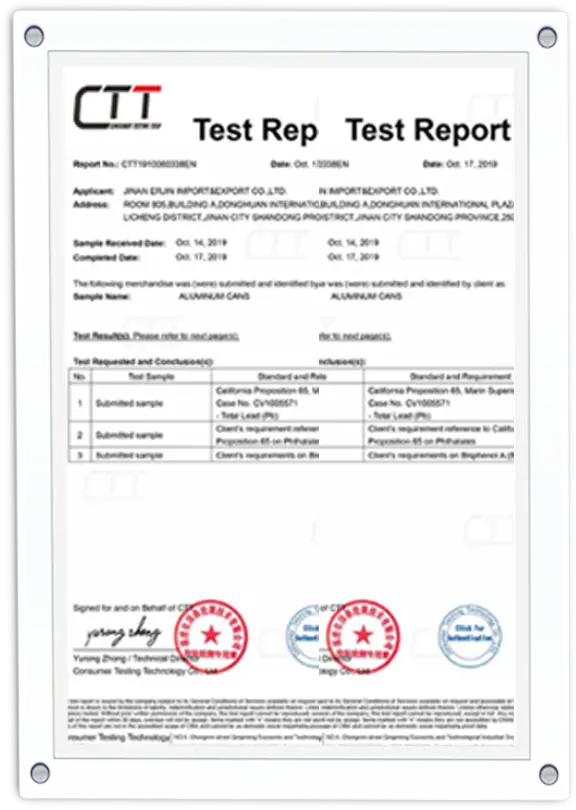
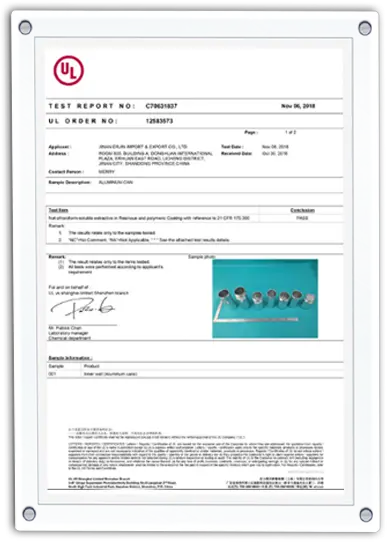
Our manufacturing facilities operate under strict international food safety standards. We maintain a comprehensive suite of third-party certifications to ensure compliance with global regulatory and dietary requirements:
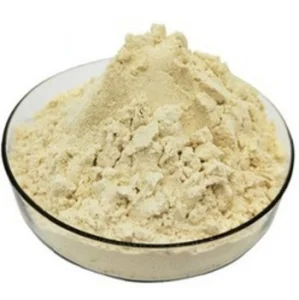
Explore our secondary portfolio of functional ingredients, including dispersion-type isolates, wheat starches, and high-emulsifying soy proteins designed for specialized food systems.
 Xinrui Group