Premium functional proteins, isolated gluten pellets, and food formulation additives.
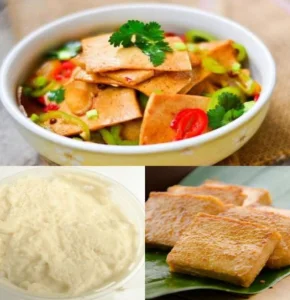
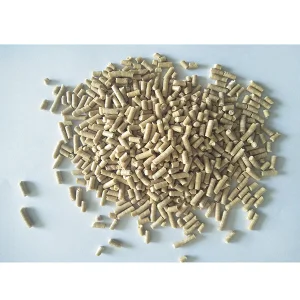
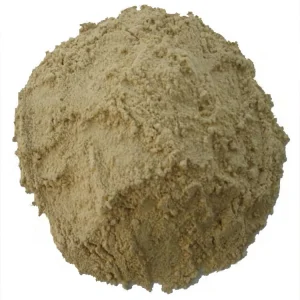
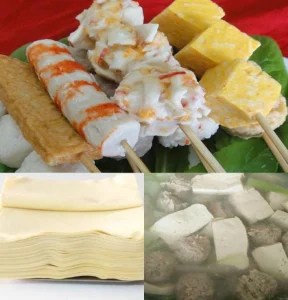
Analyzing supply chain requirements, starch-gluten matrices, and modern food engineering standards.
In modern industrial baking and food processing, standard raw wheat flour rarely meets the rigorous demands of automated production lines. Variabilities in agricultural harvests, fluctuating protein content, and regional soil dynamics result in inconsistent baking performance. To bridge this gap, high-performance wheat flour premixes have emerged as the foundational standard for commercial scale operations. By integrating target-specific functional ingredients such as customized starch fractions, non-GMO proteins, and texture-improving emulsification complexes, industrial bakers can achieve consistent product yields, robust crumb structures, and stable freeze-thaw tolerances.
Internationally, purchasing entities—ranging from high-output bakery conglomerates to commercial noodle manufacturers and meat-analog processors—require specialized flour solutions tailored to local preferences. In North America and Europe, the demand focuses on clean-label premixes that maintain long shelf-life stability without artificial additives. In emerging economies throughout Latin America and Asia-Pacific, rapid urbanization drives the consumption of wheat-based staples, placing premium pressure on high-yield milling processes, quick-hydration formulas, and structural integrity under various thermal processing methods. Understanding these nuanced regional behaviors is essential for delivering exact, application-ready raw materials.
Controlled gluten strength and gas retention capacity ensures uniform dough rise and volumetric expansion across thousands of bake cycles daily.
Proper hydration levels directly translate to increased dough yields. Premixes with tailored soy dietary fiber significantly boost moisture retention.
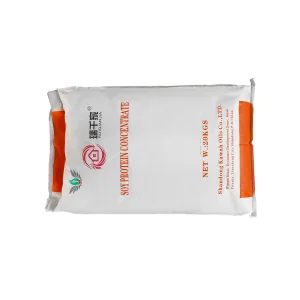
Combining functional non-GMO soy protein concentrates with wheat starch replicates chemical dough conditioners, keeping label statements simple.
How the combination of wheat gluten, soy isolate, and specialized dietary fibers creates functional solutions.

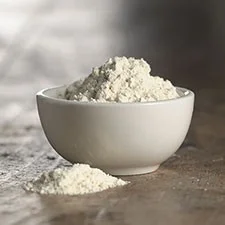
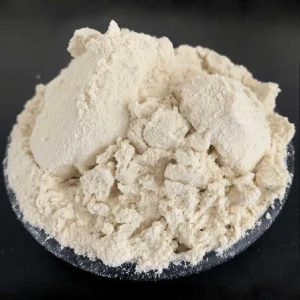
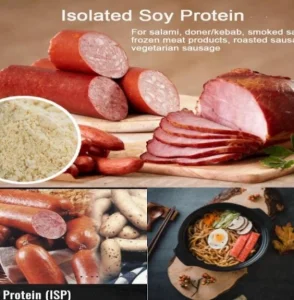
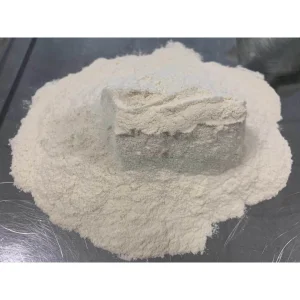
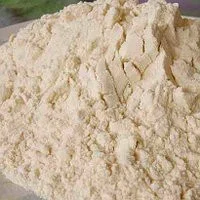
Industrial premix engineering relies on understanding the interactions between wheat starches and structured storage proteins. While wheat gluten supplies the necessary stretch (extensibility) and snap-back (elasticity) properties of dough, it frequently requires support from other raw materials to perform effectively under high mechanical stress. That is where high-quality Isolated Soy Protein (such as our 9001BW or 9005B series) comes into play.
By blending soy isolates into a wheat flour matrix, we adjust the overall amino acid balance while modifying the water absorption index (WAI). Non-GMO Soy proteins bind water rapidly, allowing the premix to hydrate efficiently and prevent mechanical starch damage during industrial mixing. This synergy maintains the structural strength of dough piece weights throughout high-velocity extrusion systems, which are common in instant noodle production and industrial cracker baking.
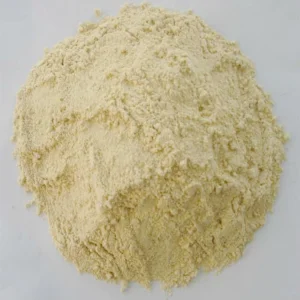
Equally critical is the inclusion of functional fibers. Soy Dietary Fiber (SDF) functions as a moisture reservoir. In high-speed baking lines, thermal water loss can dry out crumb matrices prematurely, leading to stale products. The addition of SDF creates a structural matrix that holds water through the baking cycle, releasing it slowly to keep the finished product soft.
Furthermore, managing the balance between Wheat Starch A (characterized by large, lenticular granules that paste predictably) and Wheat Starch B (consisting of smaller, spherical granules) allows for precise control over retrogradation and final product crispness. Our integrated processing facility separates these starch phases cleanly using advanced centrifugal technology, providing tailored base flours that serve as the foundation for our custom client premixes.
Discover how our closed-loop refining facility delivers cost efficiencies and stable supply security.
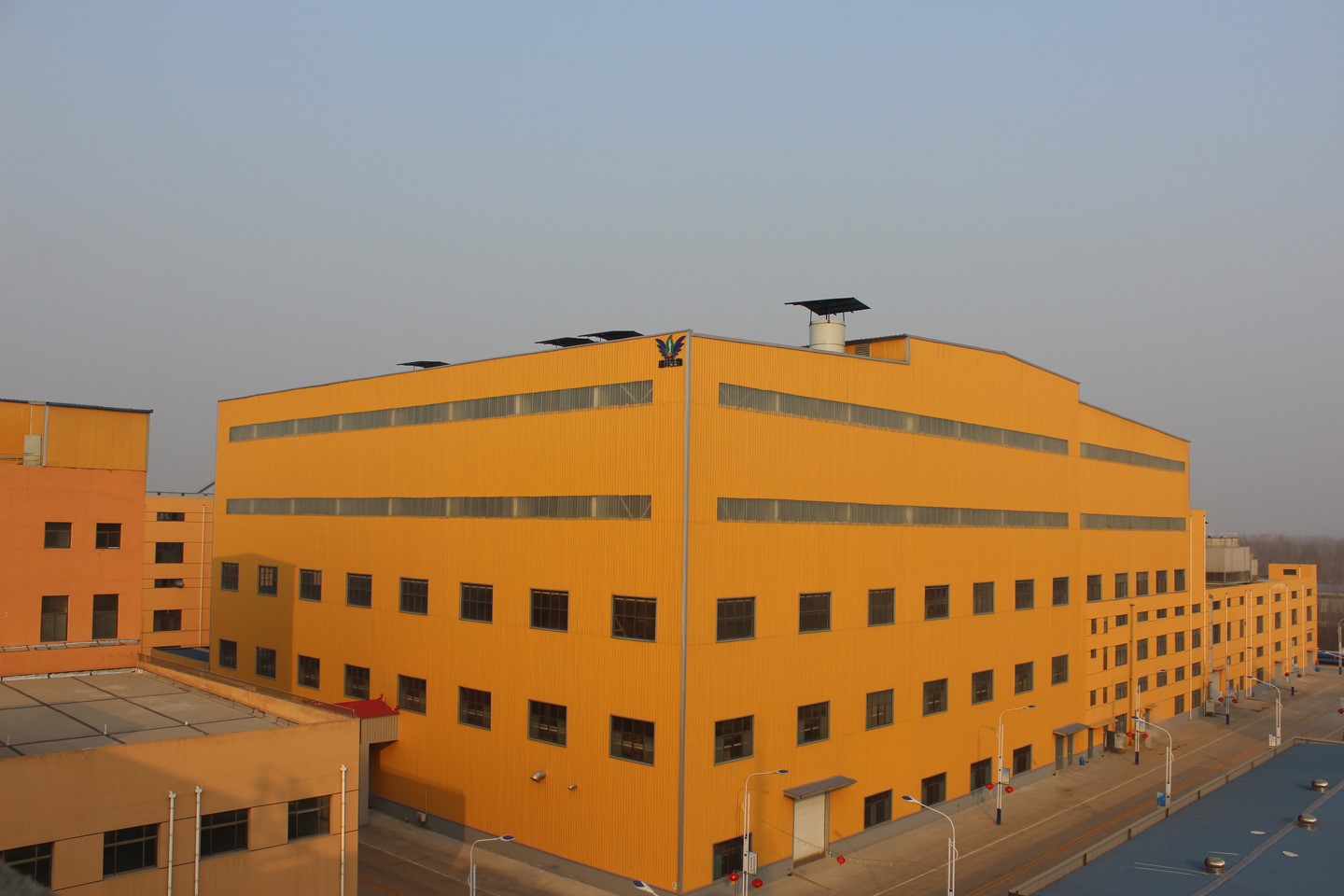
Founded in 2007 with a registered capital of 100 million Yuan, Guanxian Xinrui Industrial Co., Ltd. (formerly known as Guanxian Ruixiang Biotechnology Development Co., Ltd) operates an advanced grain biorefinery facility processing 500,000 tons of wheat flour annually. Rather than running standard milling operations, our facility functions as a zero-waste, deep-processing circular economy system.
Using raw wheat, we produce high-grade vital wheat gluten, wheat starch A, and wheat starch B. To ensure efficiency, our Starch B and pentosan co-products are routed directly into our integrated distilleries to produce premium industrial ethanol and sustainable animal feed. This closed-loop system reduces overall raw material costs, insulating our buyers from global grain market volatility.
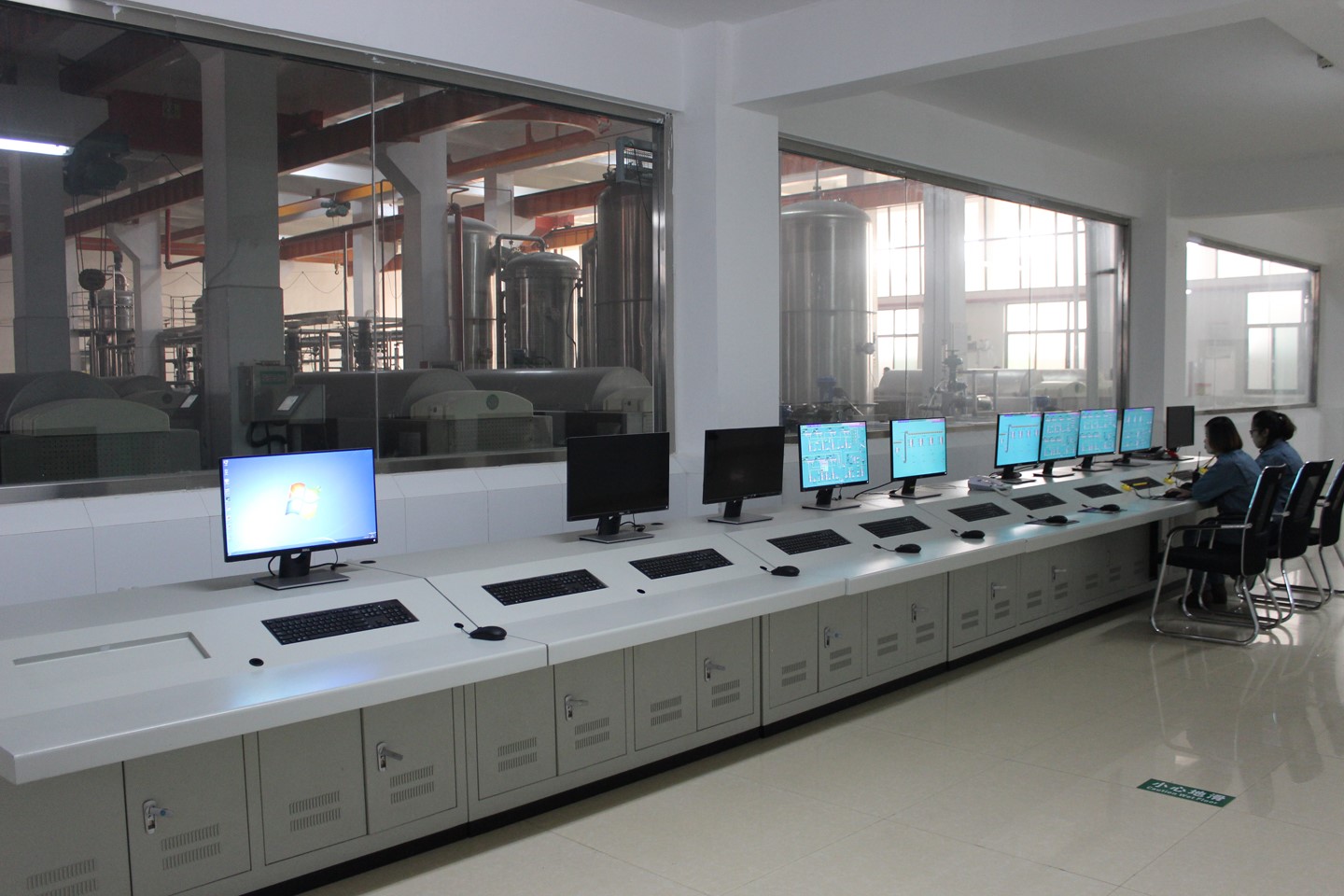
Our extraction lines utilize advanced tri-canter separation technology imported from European engineering leaders. This fully enclosed process runs continuously, isolating proteins and starches cleanly to ensure consistent purity, low ash levels, and zero microbiological contamination.
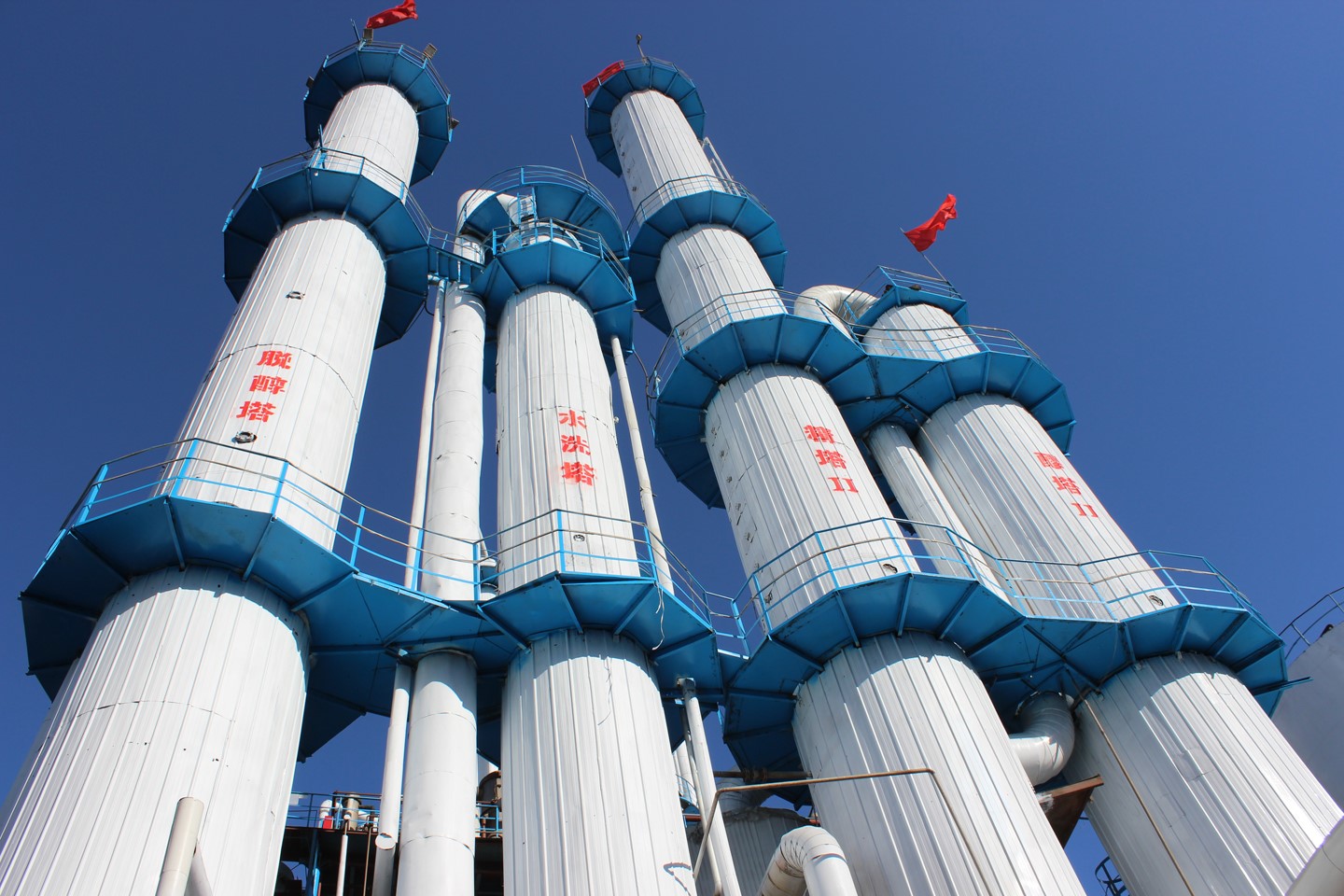
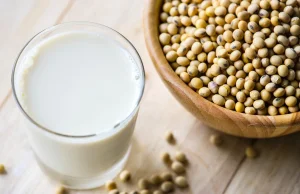
In parallel, our oilseed processing division, Shandong Kawah Oils Co., Ltd. (established in 2014 with 120 million Yuan registered capital), processes 180,000 tons of domestic non-GMO soybeans annually. Kawah Oils operates the largest single production line spray-drying tower in China, engineered by Dachuanyuan. This setup extracts soybean oil, low-temperature food-grade soy meal, isolated soy protein, and dietary fiber in consecutive, highly controlled steps.
This integration of wheat and soybean processing within a single industrial group gives us a unique competitive advantage. We manage the supply chain from raw, non-GMO farming origins to the finished premix container, guaranteeing complete batch traceability, consistent quality, and reliable supply capacity.
Explore custom formulation profiles optimized for specific global production systems.
Different markets have distinct functional requirements for flour. Our research and development center customizes wheat flour premixes to meet these specific regional and product needs:
Goal: Prevent ice crystal formation and retain gas. Our blends combine high-viscoelastic vital wheat gluten with soluble dietary fibers to protect the yeast cell walls, ensuring a consistent bake volume after 90 days of deep-freeze storage.
Goal: High elasticity and minimal starch leaching during boiling. We balance wheat starch A with non-GMO isolated soy protein to yield an elastic, yellow-toned noodle string that remains firm in hot broths.
Goal: Nutritious baking profiles that retain moisture. By incorporating our high-purity Soy Dietary Fiber, bread formulas can maintain high water-absorption rates without collapsing the gluten structure, preserving a soft, commercial crumb texture.
Watch our automated manufacturing processes, quality control labs, and deep-processing operations.
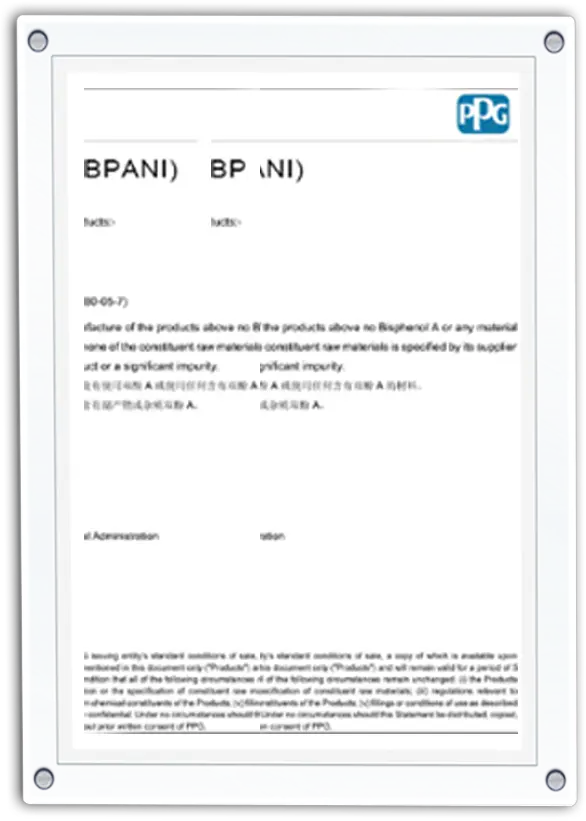
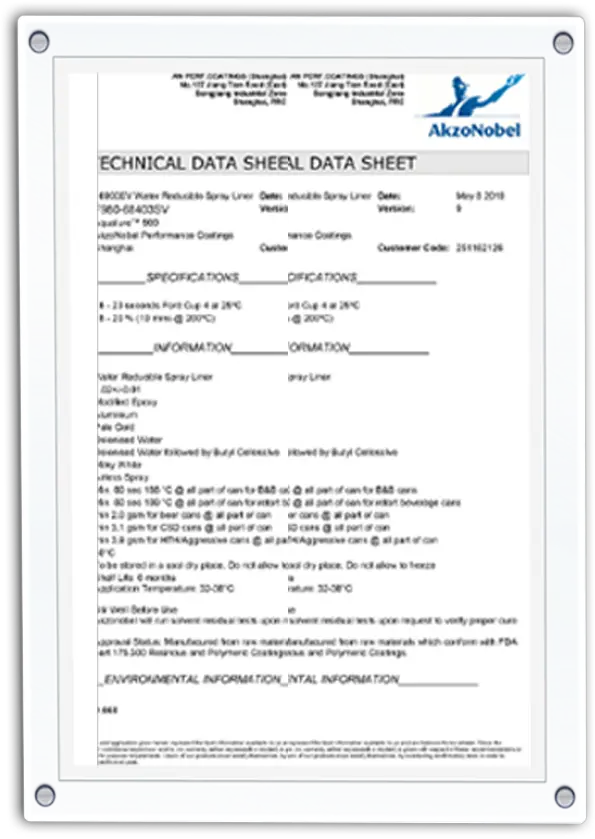
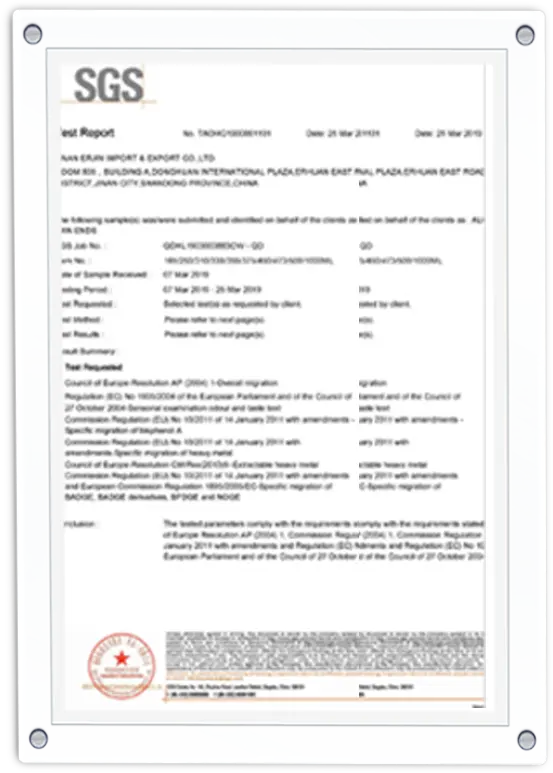
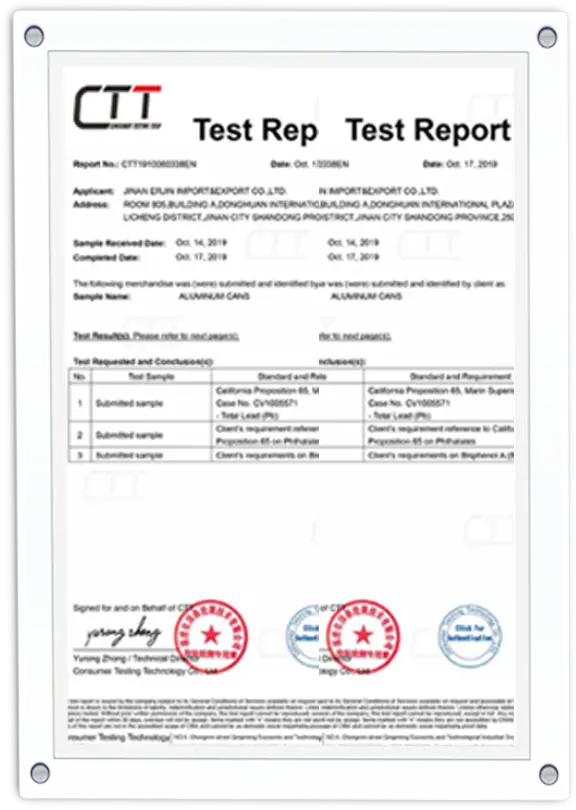
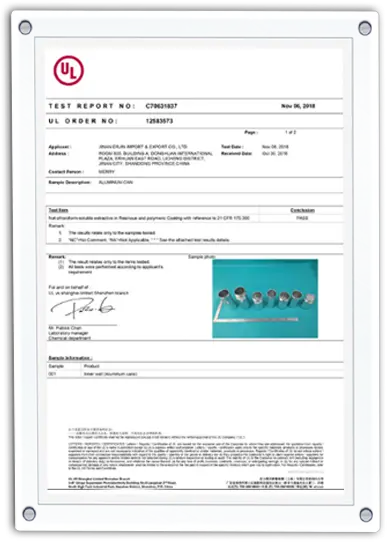
Our raw materials are fully verified, audited, and compliant with major international food safety systems.

Deep-dive industrial answers to help you navigate specifications, logistics, and raw material characteristics.
High-viscosity starches, dietary fibers, and functional dispersion protein isolates.
 Xinrui Group