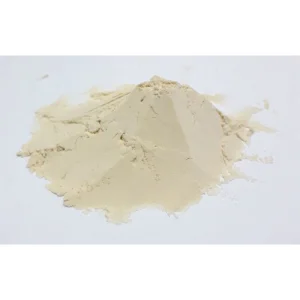
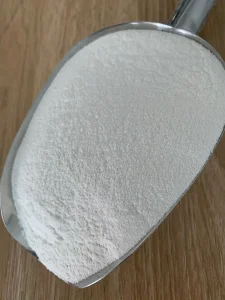
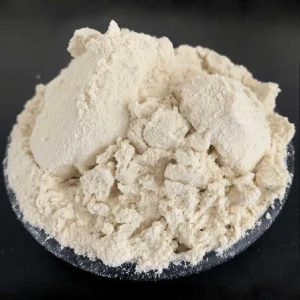
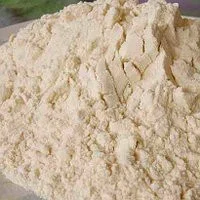
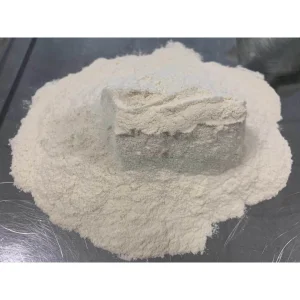
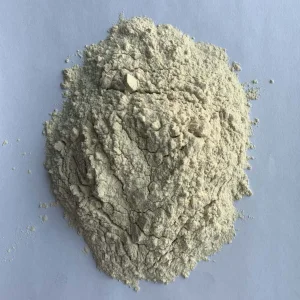
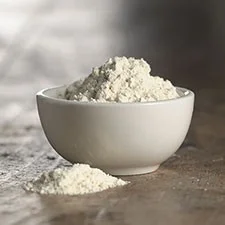
The global food ingredient sector is undergoing a profound structural shift. As clean-label demands, plant-based diet options, and agricultural optimization become central to the supply chains of food manufacturers, Vital Wheat Gluten 75% has transitioned from a standard baking texturizer to a critical raw material for structural and protein-content enhancement. At its core, Vital Wheat Gluten (also referred to as VWG) is a natural protein concentrated from wheat flour, boasting a high protein index of at least 75% (dry basis) alongside excellent viscoelastic properties.
From an international trade perspective, the procurement requirements for raw materials are shifting. Industrial buyers no longer prioritize cost alone; they look for consistency in rheological qualities, water binding capacity, and long-term supply chain security. For industries relying on consistent flour blending, baking formulations, high-end aquaculture feeds, and meat analog production, standard grades of gluten are no longer sufficient. Achieving a consistent 75% protein content requires precision-controlled wet extraction, delicate drying processes, and thorough quality management systems.
Global demand is driven by several key factors: first, the growth of the plant-based protein market requires robust binding agents to mimic the bite and chew of real muscle meat; second, the expansion of modern industrial baking requires functional wheat gluten to strengthen dough matrices; and third, the global aquaculture sector demands high-protein, digestible ingredients to optimize feed formulation. Because of these factors, purchasing officers must navigate market challenges such as energy pricing, variable crop qualities, and fluctuating ocean logistics. Xinrui Group addresses these challenges through raw material integration, integrated energy systems, and advanced production technology.
Established in May 2003, Xinrui Group has developed into a highly diversified industrial group. Spanning a total area of more than 1,000 mu, the group has established an integrated circular economy that handles agricultural planting, deep food processing, thermal power co-generation, gas supply, and international trade, achieving an annual output value of 2.8 billion Yuan.
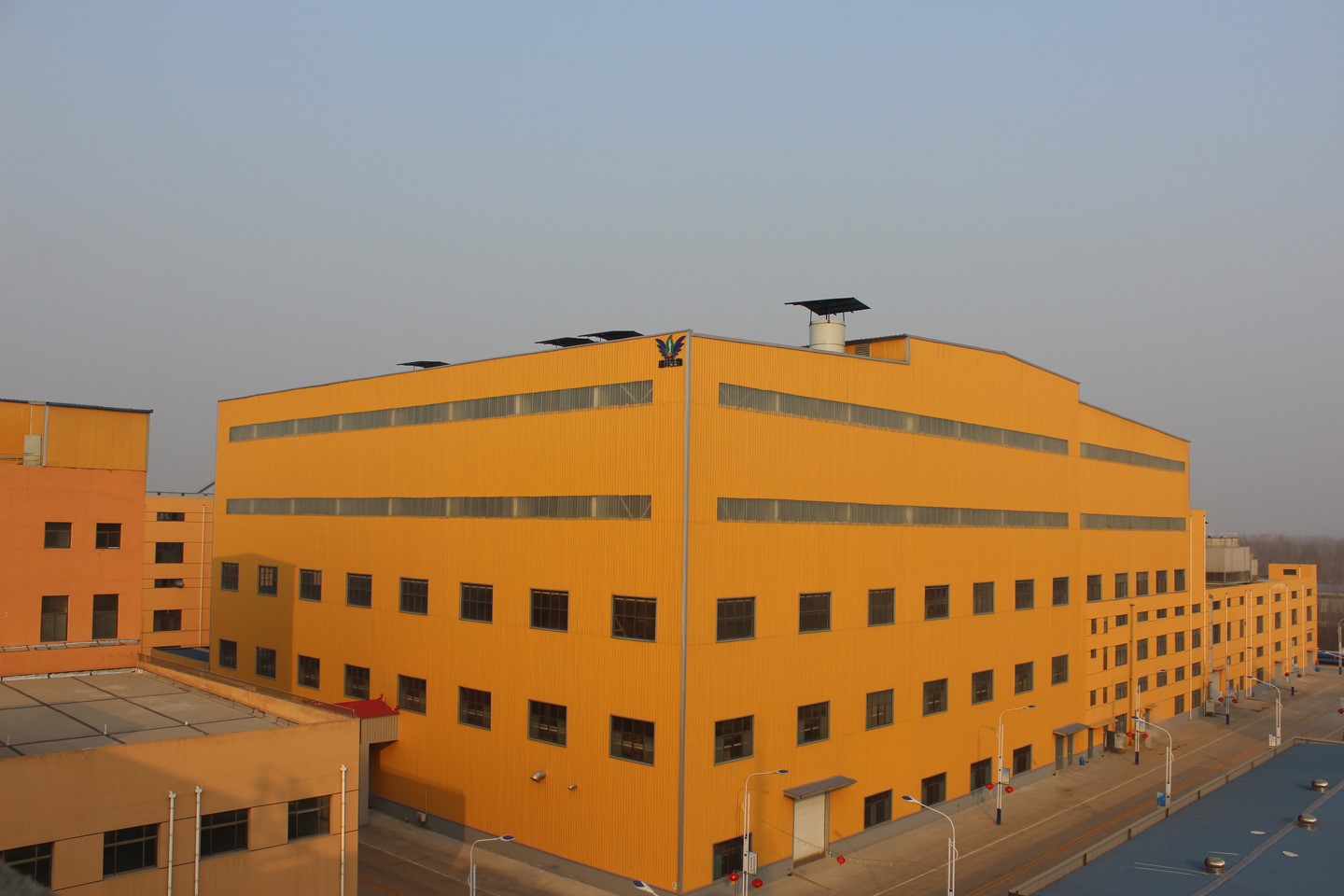
Under this industrial umbrella, Guanxian Xinrui Industrial Co., Ltd. (formerly known as Guanxian Ruixiang Biotechnology Development Co., Ltd) serves as our specialized wheat processing base. Established in 2007 with a registered capital of 100 million Yuan, the plant processes 500,000 tons of wheat flour annually. Our production lines use the crop to manufacture high-grade vital wheat gluten, wheat starch A, and wheat starch B. To ensure efficiency, starch B and pentosan are recycled for alcohol and animal feed production, completing our zero-waste manufacturing loop.
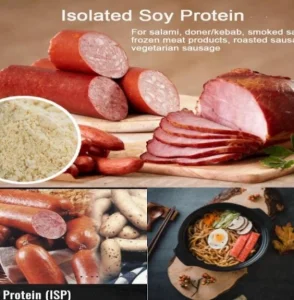
In parallel, the export operations of the group are managed by Guanxian Ruichang Trading Co., Ltd. (established in 2011, registered capital of 6 million Yuan). This entity directly handles overseas sales, exporting soy protein isolate, vital wheat gluten, soluble dietary fiber, vermicelli, and premium ethanol to global markets. Over 70% of the group's overall production capacity is exported, providing global partners with direct-from-factory pricing and integrated service.

To complement our wheat-based products, the Group established Shandong Kawah Oils Co., Ltd. in 2014 with a registered capital of 120 million Yuan. Recognized as a leading enterprise in agricultural industrialization, Kawah Oils processes 180,000 tons of locally grown, Non-GMO soybeans annually. The facility extracts oil, low-temperature food-grade meal, isolated soy protein, and soy dietary fiber in successive, high-efficiency steps.
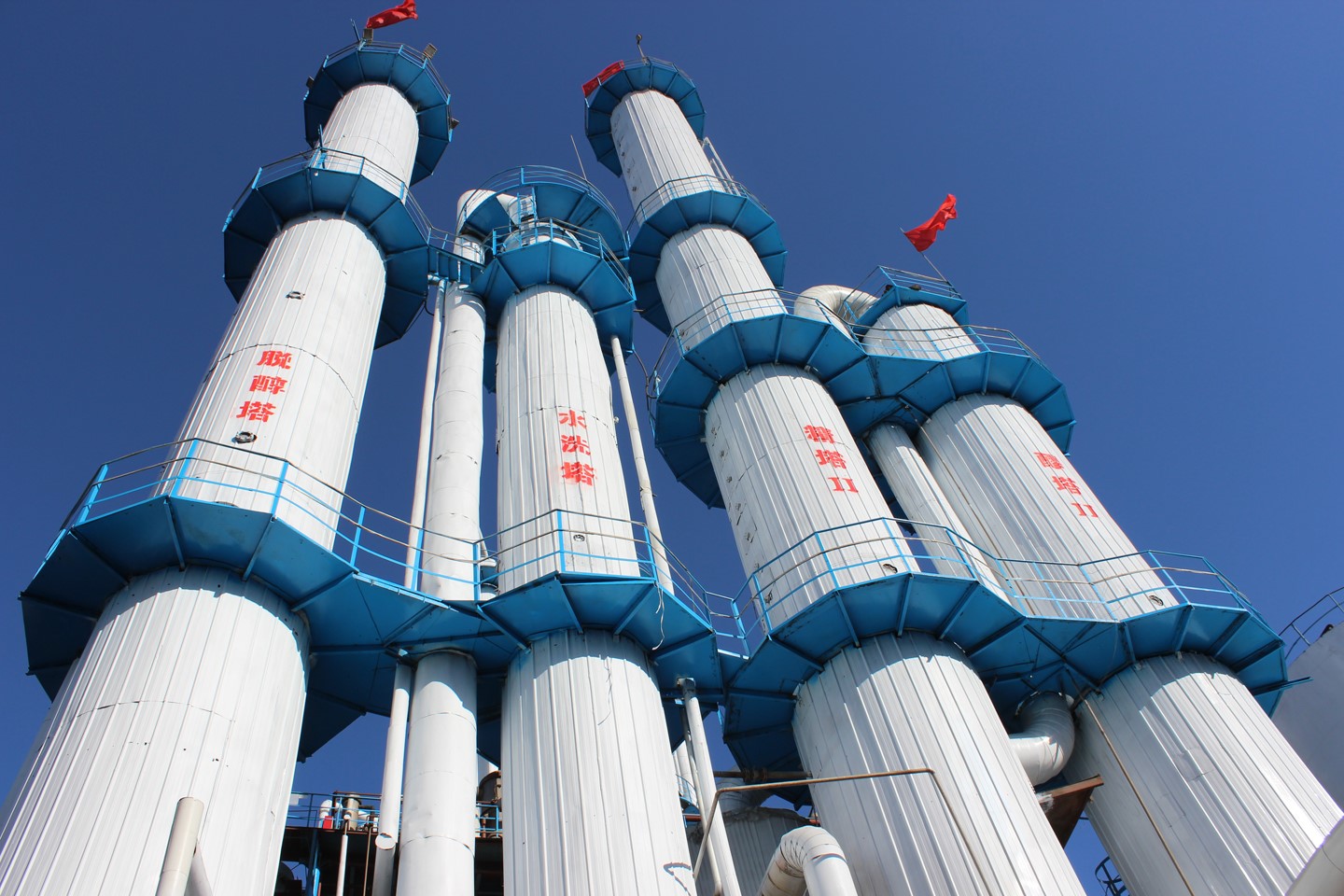
Equipped with advanced processing technology, the facility features a spray drying tower from Dachuanyuan, representing one of the largest single-line spray-drying capacities in China. This configuration enables us to meet both wheat and soy protein needs, offering a reliable, high-volume sourcing hub for global food manufacturers.
The functional performance of Vital Wheat Gluten 75% in food systems is determined by its composition of two main proteins: gliadin and glutenin. When hydrated, gliadin acts as a viscous medium that provides extensibility and fluidity, while glutenin forms a cross-linked network through disulfide bonds that provides elasticity and resistance to deformation. Together, they create a cohesive protein matrix capable of holding gas, water, and structural components.
For high-performance applications, our vital wheat gluten is manufactured under strict quality controls to ensure the following parameters:
Maintains a minimum 75% protein content (N x 5.70, dry basis) to ensure reliable binding and texturizing performance across varied production runs.
Absorbs 1.5 to 2.0 times its dry weight in water, helping retain moisture in baked goods and plant-based foods to improve yield and texture.
Monitored using dynamic rheometry to maintain balanced elasticity and extensibility, ensuring the dough remains stable under mechanical stress.
To produce this level of gluten, Guanxian Xinrui Industrial Co., Ltd. uses high-performance tri-canter separation technology imported from Europe. Unlike conventional washing processes, this closed, automated tri-canter separation method divides wheat flour slurries into A-starch, B-starch, and gluten proteins using specialized centrifugal forces. This approach keeps the processing loop clean and closed, minimizing microbial contamination and protecting the native protein structure from thermal damage.
By preventing structural damage during extraction, we ensure the gluten rehydrates quickly and completely. For industrial bakers, this translates to predictable proof times and improved loaf volume; for meat analog producers, it results in strong, cohesive fibers that mimic animal protein.
Modern ingredient sourcing requires strong supply chain security. Volatile energy markets, shipping delays, and raw material changes can disrupt manufacturing operations. Xinrui Group addresses these challenges through a vertically integrated, localized circular model designed to ensure operational stability and consistent supply.
Our circular model includes several key elements:
This closed-loop system allows us to reuse byproducts efficiently. Pentosan and B-starch are directed into our ethanol distillation lines to produce premium industrial and food-grade ethanol, while wastewater is processed to recover nutrients. This integration keeps our pricing competitive and aligns with global sustainability requirements.
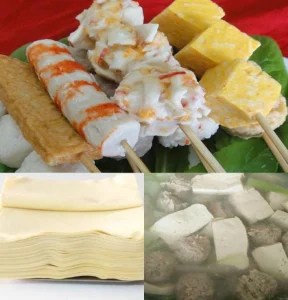
Vital Wheat Gluten 75% is used as a functional ingredient across a variety of food, feed, and industrial applications:
Adding 1% to 2% Vital Wheat Gluten to low-gluten flour boosts dough strength, gas retention, and volume. This yields bread with a fine crumb structure and a longer shelf life.
In vegetarian foods, our gluten rehydrates to form a fibrous, chewy structure. It binds ingredients securely, preventing crumbling during cooking and mimicking the texture of meat.
Improves tensile strength and elasticity, reducing breakages during automated processing. The resulting noodles and pasta maintain an appealing chewiness (al dente texture) and show lower starch loss in boiling water.
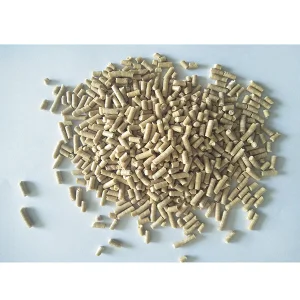
Serves as a highly digestible protein source and binder for shrimp and fish feeds. It improves pellet water stability, reducing feed waste and helping maintain cleaner pond water.
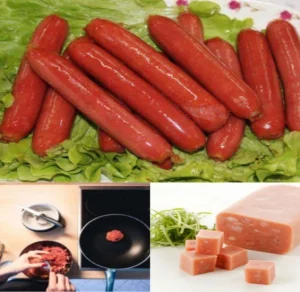
Acts as an emulsifier and binder in sausages and meatballs, retaining juices during thermal processing to improve product texture and yield.
Provides an amino acid profile rich in glutamine, enhancing palatability and digestibilty while acting as a natural texturizer in wet and dry pet foods.
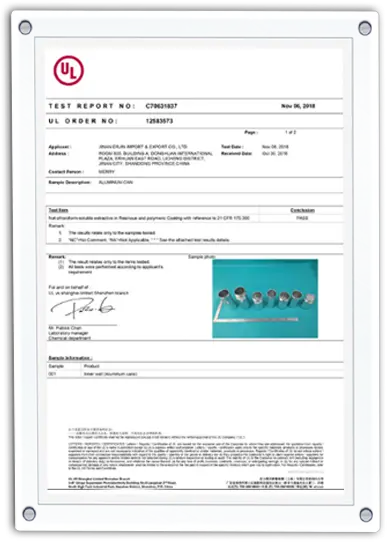
To serve as a reliable partner in the global food industry, Guanxian Xinrui Industrial operates under strict international quality standards. Every batch of Vital Wheat Gluten 75% and Isolated Soy Protein is traceable back to its grain source and undergoes comprehensive chemical, physical, and microbiological analysis.
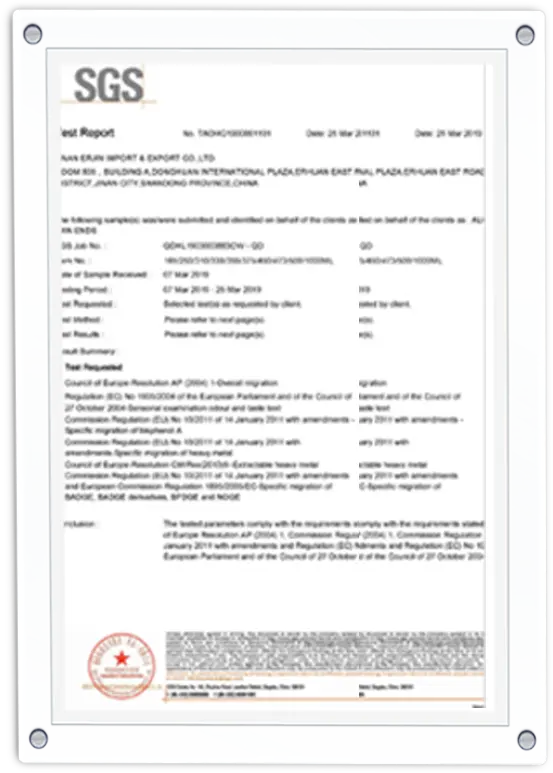
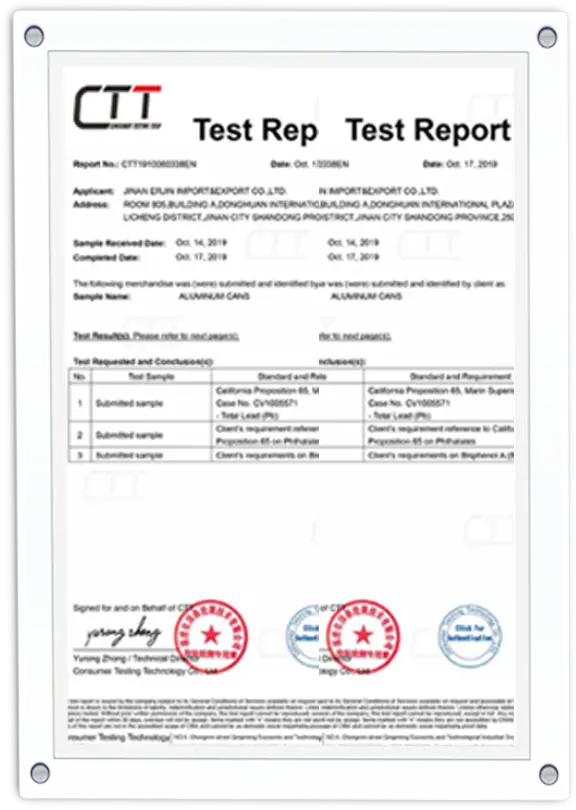
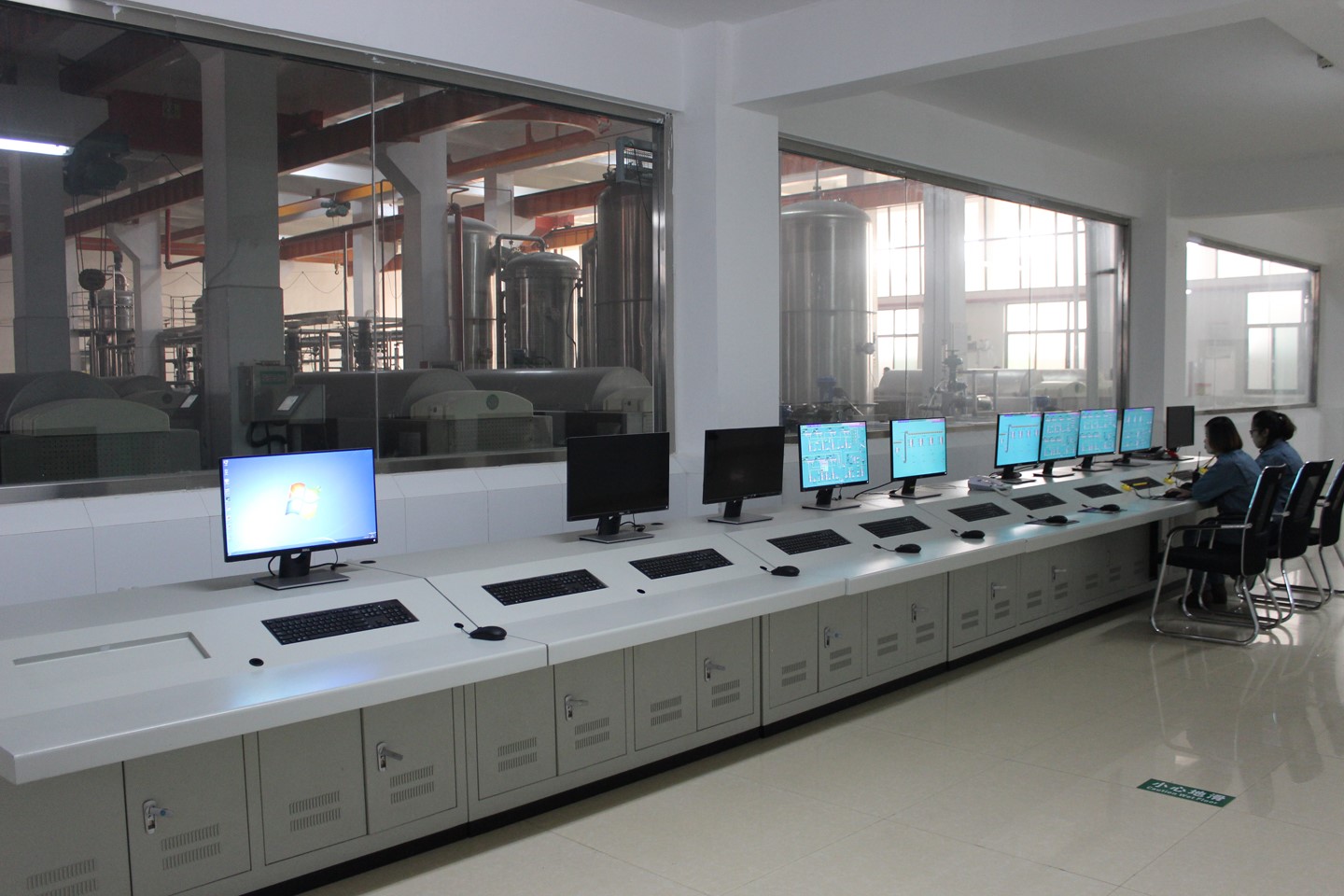
We believe in maintaining transparent production standards. Buyers and technical teams can explore our operations through our collection of facility videos, which showcase our milling lines, spray drying towers, and quality control laboratories:
 Xinrui Group