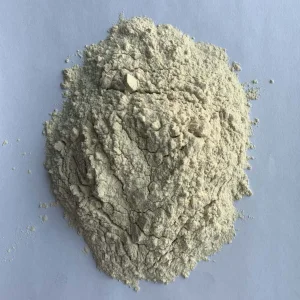
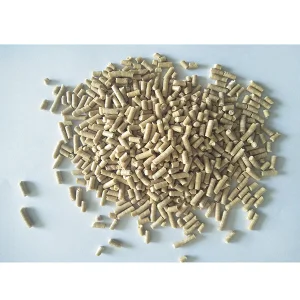
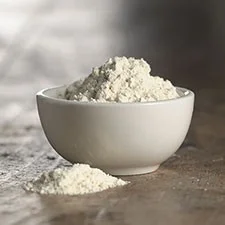
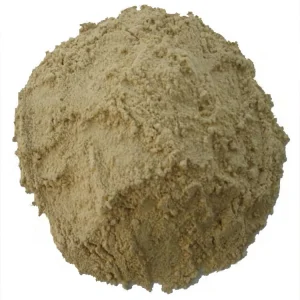
The global demand for vegetarian curd is no longer confined to traditional Asian culinary frameworks. Today, plant-based diets, vegan meat analogs, and clean-label stabilizers are driving a multi-billion dollar industrial sector. Large-scale food processing relies heavily on Isolated Soy Protein (ISP) and Vital Wheat Gluten (VWG) to replicate the structural bite, water-binding capacity, and nutritional density of animal-based products. As food technologists seek allergen-friendly, non-GMO, and highly functional matrices, vegetarian curd manufacturers have evolved into advanced bio-refineries.
Modern vegetarian curd is manufactured using precise mechanical and thermal technologies to isolate proteins while preserving their native structures. In B2B formulations, this is measured by parameters such as the Nitrogen Solubility Index (NSI), gel strength, and viscosity profiles. The synergy between high-gel isolated soy proteins (such as the 9005B and 9003B series) and structured wheat gluten allows producers to manufacture vegetarian curds with customizable firmness, elastic behavior, and cooking stability.
Industrial food processors face strict international regulations. Ensuring food safety requires fully traceable inputs. Non-GMO soybean verification (IP-Non GMO), BRC GS (Global Standard for Food Safety), Halal, and Kosher certifications are non-negotiable. Sourcing raw materials from a integrated supplier that controls both the agricultural planting bases and the downstream chemical separation processes guarantees consistency in batch processing, limiting structural failures during thermal processing (retort or freezing).
Established in May 2003, Xinrui Group spans over 1,000 mu, anchoring a complex circular economy network in China. Our integrated model combines urban heating, cogeneration, gas supply, and deep agricultural processing. Through our subsidiaries—Guanxian Xinrui Industrial Co., Ltd. (established 2007) and Shandong Kawah Oils Co., Ltd. (established 2014)—we process 500,000 tons of wheat flour and 180,000 tons of soybeans annually, yielding an annual group output value of over 2.8 billion Yuan.
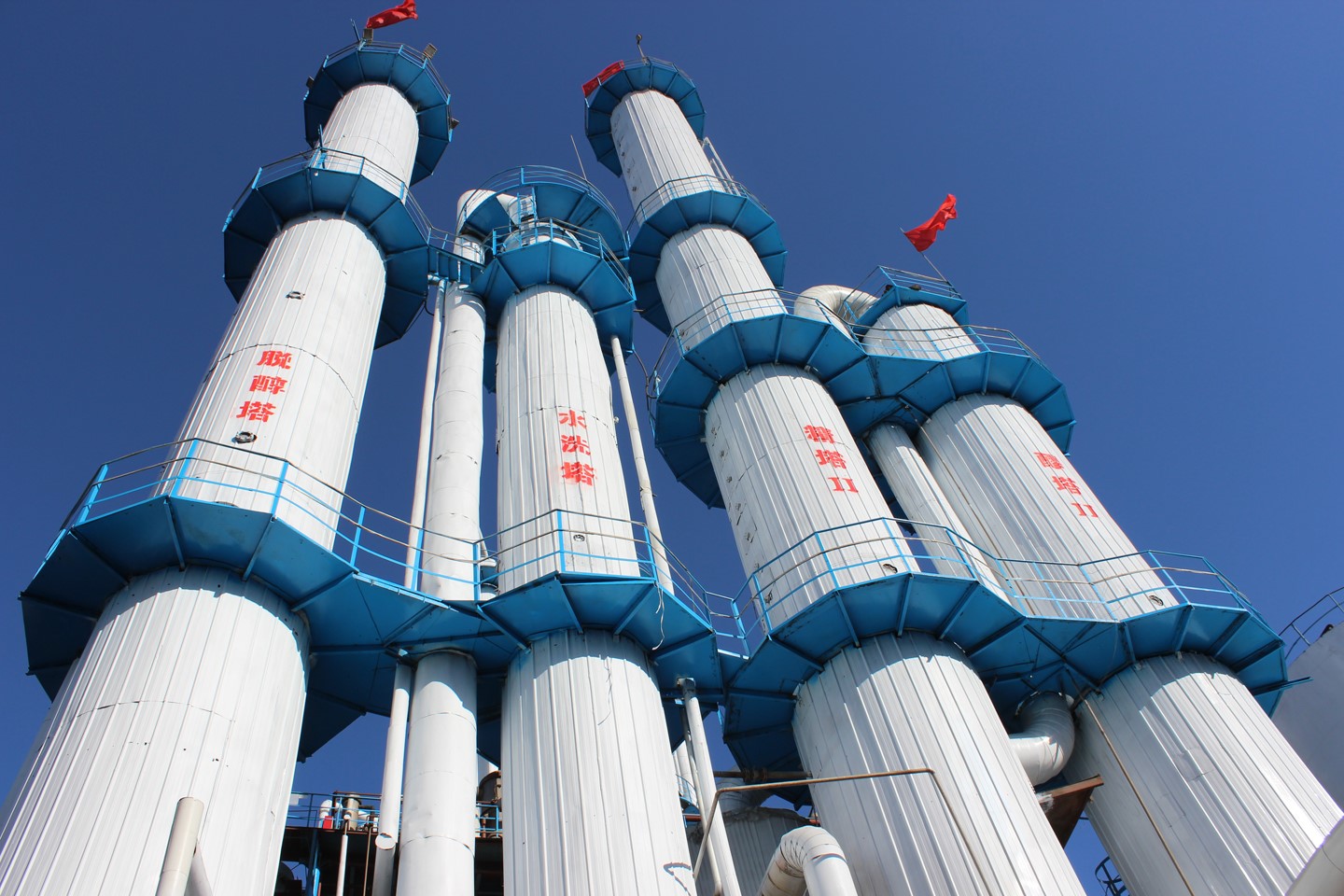
Our infrastructure operates on a zero-waste policy. For example, our wheat processing line utilizes advanced tri-canter separation technology imported to guarantee clean, closed-loop processing. Raw wheat yields wheat gluten, wheat starch A, and wheat starch B. The starch B and pentosan streams are immediately redirected to produce high-grade ethanol and animal feed, maximizing resources and reducing cost overheads. This vertical integration allows us to supply international food manufacturers with cost-stabilized, high-purity ingredients.
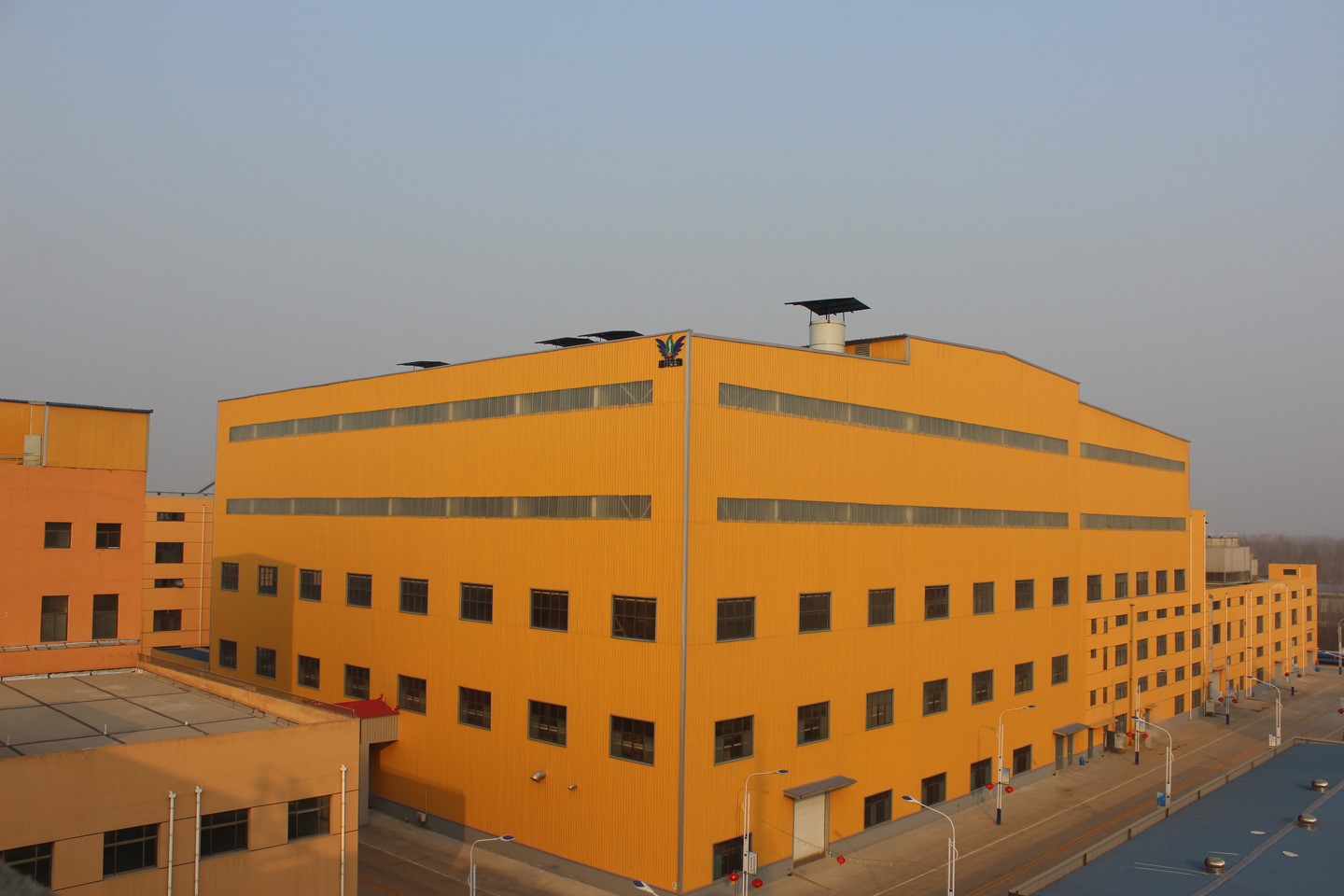
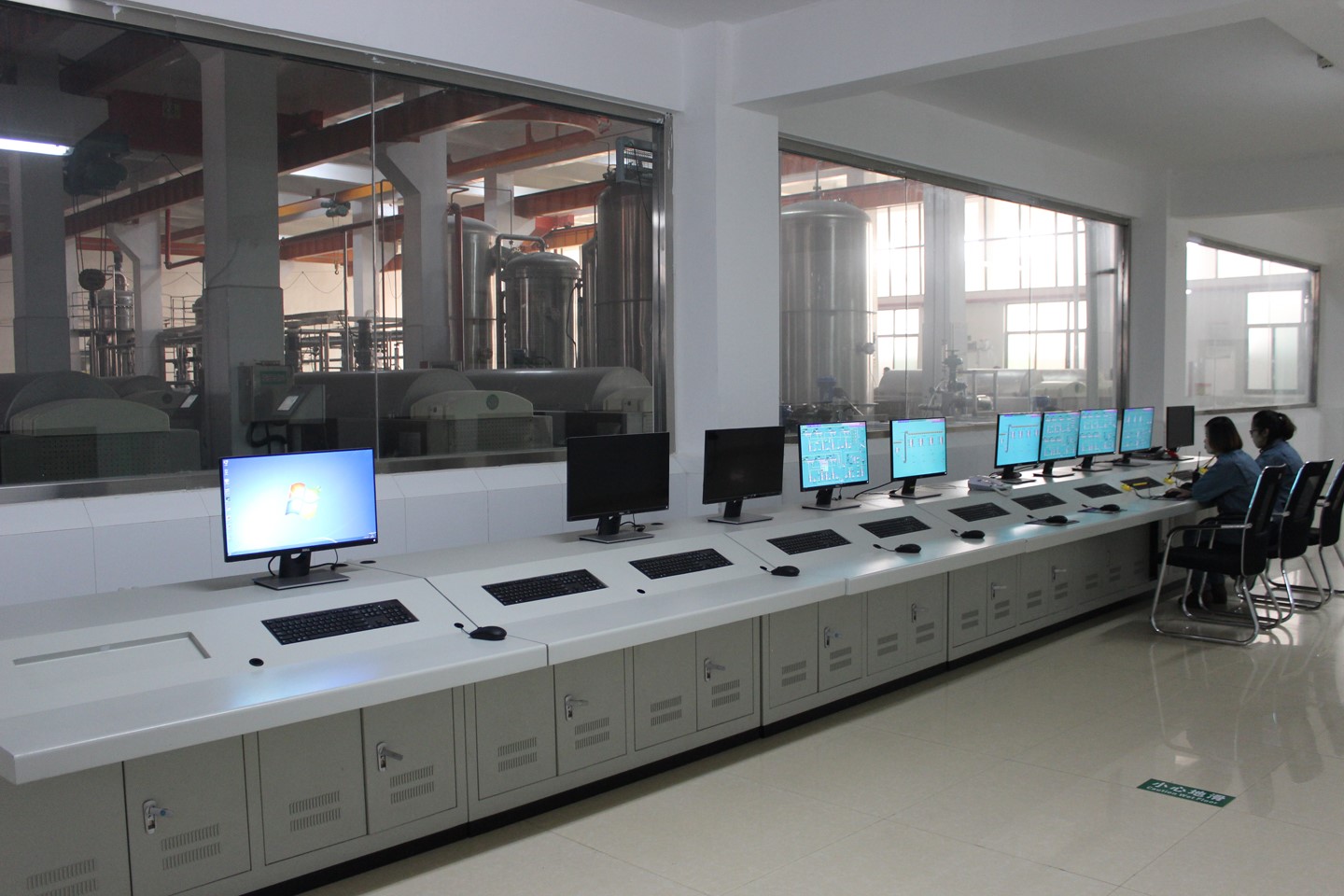
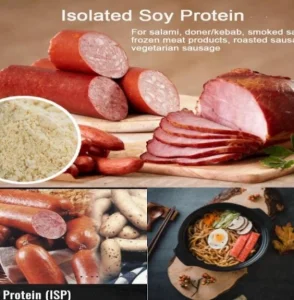
Our subsidiary, Shandong Kawah Oils Co., Ltd., is a leading agricultural enterprise integrating plantation, R&D, processing, and import/export. Sourcing domestic NON-GMO soybeans as raw inputs, Kawah Oils processes them sequentially to extract non-GMO soybean oil, low-temperature food-grade soybean meal, isolated soy protein (ISP), and dietary fiber.
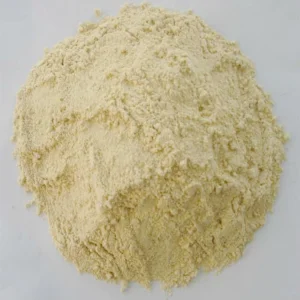
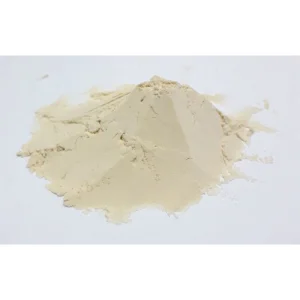
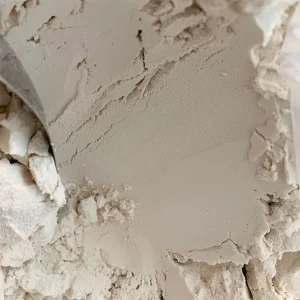
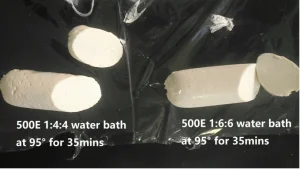
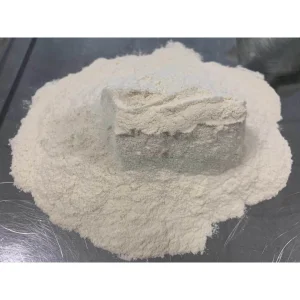
Our technical capabilities are built around our processing equipment. We operate the largest single production line in China, powered by a state-of-the-art Dachuanyu spray drying tower. This system processes the isolated soy protein slurry under precise thermodynamic controls, preventing protein denaturation. The resulting powder maintains high water absorption (up to 1:6 ratio), strong gelation dynamics, and rapid dispersion capabilities, serving as the benchmark standard for high-performance vegetarian curd production globally.
Global logistics are managed through Guanxian Ruichang Trading Co., Ltd. (founded in 2011, 6 million Yuan registered capital). Exporting over 60-70% of our group's capacity directly to overseas markets, Ruichang Trading ensures streamlined customs, container logistics, and secure trade pathways.
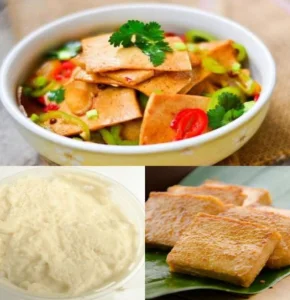
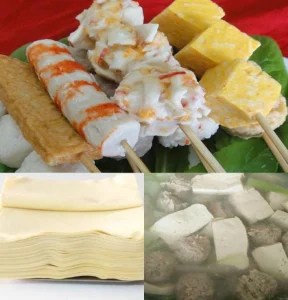
For manufacturers producing traditional Eastern European silken tofu, firm tofu, or specialized Chinese dry curd, our ISP 9005B and 9003B (Vegetarian Type) offer the exact coagulant reactivity required. These protein isolates mix uniformly with water and coagulants (gypsum or GDL), yielding a high-density curd structure that resists water syneresis during transport and packaging.
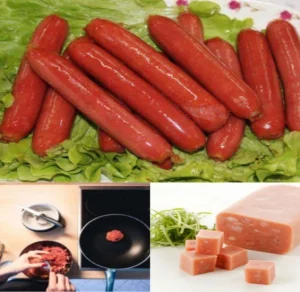
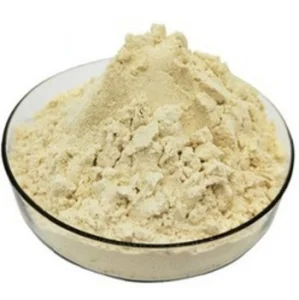
By blending ISP 9007B-C (Meat & Emulsion Type) and Vital Wheat Gluten (VWG-P), processors can create meat analogs that replicate the fibrous texture of beef, pork, or poultry. Our wheat gluten provides the stretchable, elastic gluten network, while the soy protein forms a stable emulsion with oil and water, ensuring a juicy, realistic mouthfeel after cooking.
Using ISP 9030 (Dispersion Type), beverage manufacturers can produce high-protein soy milk, shakes, and nutritional supplements. This type disperses without gritty residues or clumping. Additionally, incorporating Soy Dietary Fiber (SDF) into bakery formulas increases water retention, extends shelf life, and provides health-conscious consumers with a functional source of dietary fiber.
The plant-based market is evolving rapidly. Global buyers are moving away from heavily processed, multi-additive ingredient lists. The current trend focuses on "Clean Label" ingredients—meaning plant-based curds must achieve structural stability without chemical cross-linkers or modified starches. This shift requires raw materials with clean, natural properties, such as our non-GMO Isolated Soy Protein. Our thermal spray-drying technologies optimize the protein's native gelation properties, allowing it to solidify naturally when heated.
Another major trend is the development of High-Moisture Extrusion Cooking (HMEC). Unlike traditional dry extrusion, HMEC works with moisture levels of 50-70% to align plant proteins into long, fibrous structures that closely mimic muscle tissue. Supporting this technology requires wheat gluten and soy protein isolates with high tensile strength and elasticity. Our R&D team continuously adjusts the disulfide bond profiles of our proteins to ensure they perform reliably under these intensive extrusion conditions.
Sustainability is also a key commercial driver. Global enterprises are seeking suppliers that minimize their carbon footprint. Our vertical circular economy—which integrates CHP (Combined Heat and Power) generation and uses zero-waste starch byproducts for eco-ethanol production—provides a significant compliance advantage for multinational buyers tracking Scope 3 carbon emissions.
Xinrui Group supplies raw food materials globally. Our systems are optimized to handle large-scale volume purchases, custom specifications, and long-term contracts. Below is an overview of our core product matrix for purchasing managers.
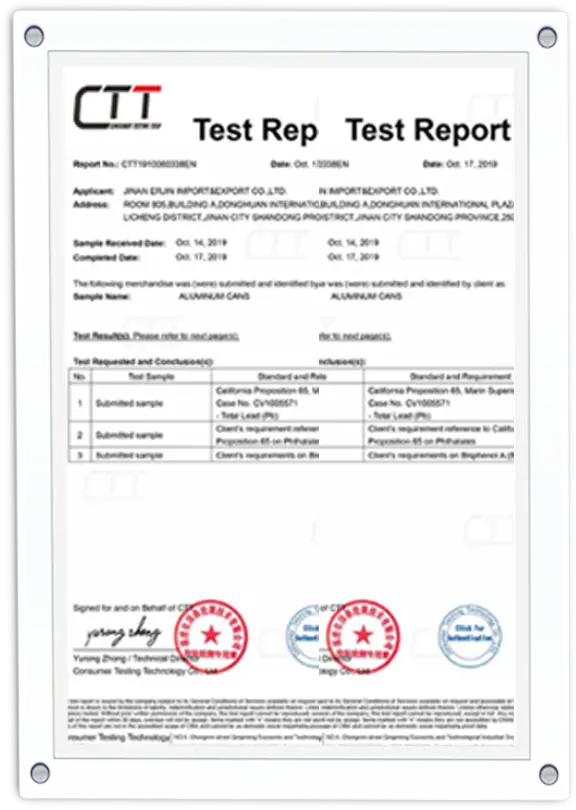
Our facilities and farming operations maintain strict international compliance, ensuring seamless customs clearance and quality verification.
 Xinrui Group