Explore our certified plant protein compounds engineered for structural functionality, high emulsification, and targeted industrial applications.
The global food technology matrix is undergoing a structural transition. Driven by geopolitical supply chain reorganization, aggressive environmental compliance frameworks, and shifting consumer macromolecular preferences, plant proteins have moved from alternative novelties to baseline necessities. In this modern context, non-GMO soybean isolate and high-purity wheat proteins are critical functional raw materials across the global processed meat, plant-based dairy, high-viscosity dispersion beverage, and baked goods industries.
As a premier vegan protein factory, we address this change by combining robust raw-material security with state-of-the-art fractionation technology. Plant protein formulation is no longer just about meeting nutritional requirements; it focuses on replicating the specific physical behaviors of animal proteins: gel strength, water retention, oil emulsification, and clean taste profiles. Our refining processes are optimized to stabilize these key parameters, reducing production downtime and batch variability for international food producers.
Tons Wheat Processed Annually
Tons Non-GMO Soybean Annually
Yuan Annual Output Value
Direct Export Capacity Ratio
Established in May 2003, Xinrui Group spans a total area of more than 1,000 mu. Through decades of strategic growth, the group has integrated several key subsidiaries to create a highly efficient, multi-tiered circular bio-industrial ecosystem:
Guanxian Xinrui Industrial Co., Ltd. (formerly known as Guanxian Ruixiang Biotechnology Development Co., Ltd) was established in 2007 with a registered capital of 100 million Yuan. The facility processes 500,000 tons of wheat flour annually, extracting high-purity wheat gluten alongside wheat starch A and wheat starch B. To eliminate waste, starch B and pentosan are recycled directly into ethanol and high-grade animal feed production. Our extraction line uses imported tri-canter separation technology, maintaining a clean, closed, and fully automated processing environment.
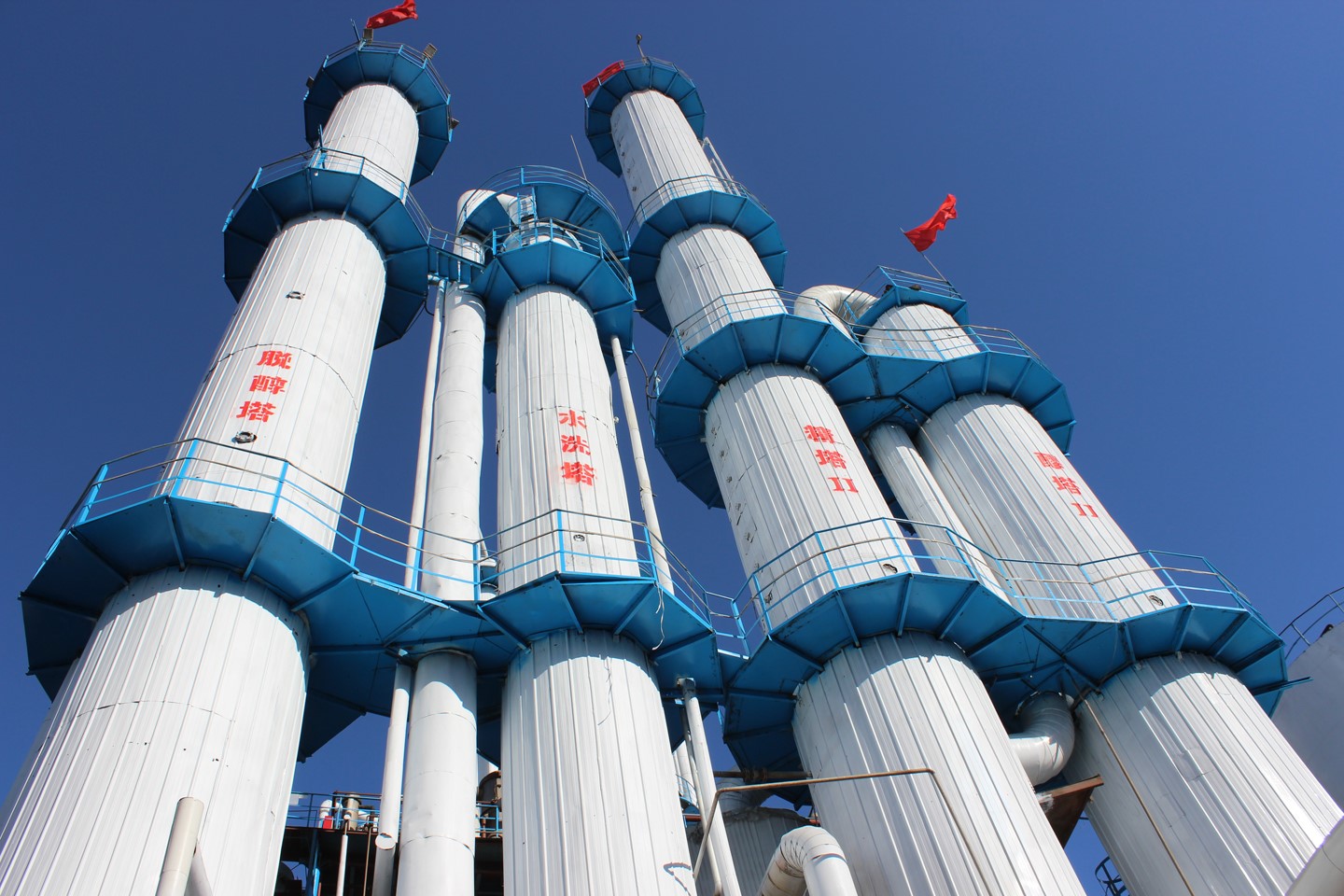
Shandong Kawah Oils Co., Ltd., established in 2014 with a registered capital of 120 million Yuan, is a key provincial agricultural industrialization enterprise. Processing 180,000 tons of domestic non-GMO soybeans annually, it handles everything from cultivation and research to import/export. The facility processes soybeans step-by-step to produce non-GMO soybean oil, low-temperature food-grade meal, isolated soy protein, and soy dietary fiber. The plant features a high-capacity spray drying tower from Dachuanyuan, housing China's largest single-line soy protein isolate production configuration.
This closed-loop setup links our energy systems, urban heating networks, cogeneration systems, and agricultural plantations. By utilizing byproducts from one stage as inputs for the next, we control costs and protect our operations from external raw material and energy price spikes.

Our extraction methodologies preserve native protein structures while achieving targeted functional modifications.
Used in our wheat gluten production lines, this physical separation process splits wheat starch and vital gluten in a continuous loop. Operating at strict temperatures under high centrifugal forces, the native gluten retains its elastic, stretchable properties without chemical denaturation.
At the Kawah Oils plant, non-GMO soy protein is isolated using a gentle acid-precipitation, alkali-dissolution method. Preserving the protein's original molecular weight distribution allows us to manufacture variants with high gelation, strong water-binding, and excellent fat-binding properties.
Using China's largest single-line Dachuanyuan spray drying configuration, we turn liquid protein slurry into fine, free-flowing powder. Controlling particle size distributions and thermal exposure ensures rapid dispersion and hydration when used in food production.
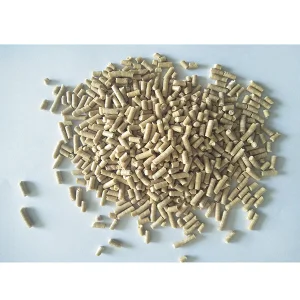
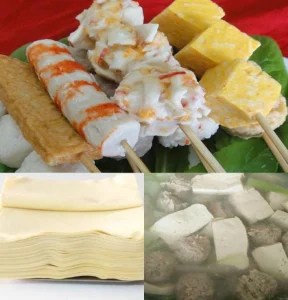
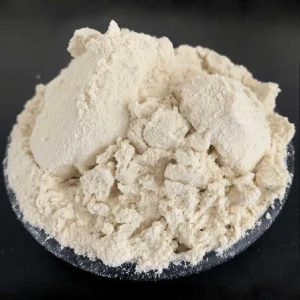
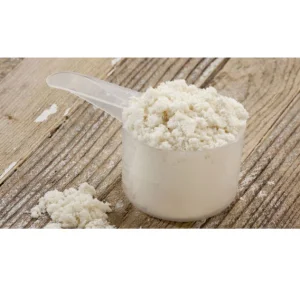
Our core product lines are divided into four main categories, each tailored to specific food processing and industrial requirements.
No single plant protein formula works for every market. Consumer tastes, regional food regulations, and manufacturing environments vary significantly across the globe. Our technical teams help food developers formulate products tailored to their local market needs:
Global manufacturing requires reliable delivery, cost stability, and clear documentation. Operating from Shandong Province, the heart of China’s agricultural processing corridor, Xinrui Group offers distinct supply chain advantages:
Integrated Production Systems: Our on-site cogeneration plant, urban heating network, and municipal gas connections insulate us from the energy disruptions and price spikes that often impact detached manufacturing sites.
Direct Export Operations: Established in 2011, Guanxian Ruichang Trading Co., Ltd. handles our export logistics. Shipping directly from our factories, Ruichang manages over 60% to 70% of the group’s total production capacity for international markets. By eliminating middleman markups and organizing customs clearance directly, we ensure efficient transit times to key global ports.
Reliable Raw Material Sourcing: Operating dedicated non-GMO soybean and wheat planting bases guarantees clean, traceable raw materials, protecting your supply chain from contamination risks.
Our commitment to continuous innovation guides our long-term research and process development.
We are researching targeted enzyme systems to break down specific peptide bonds in soy protein. This work aims to reduce natural bean flavors and lower allergen profiles while preserving the protein's native nutritional value.
We are optimizing our soy concentrates and gluten profiles to perform better in high-moisture extrusion systems. This will allow manufacturers to produce plant-based whole-muscle cuts with realistic, fibrous meat textures.
We are working to eliminate synthetic emulsifiers and thickeners from food formulations by relying entirely on the natural gelation and binding properties of our soy protein isolates and wheat starches.
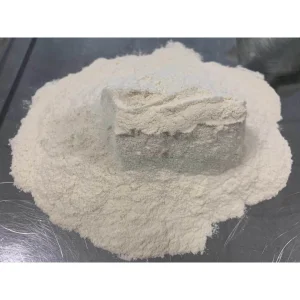
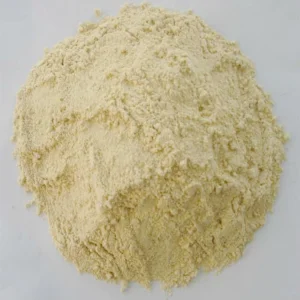
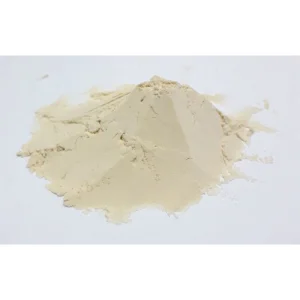
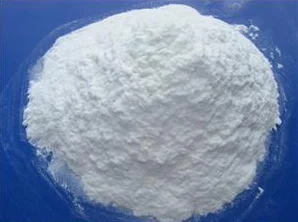
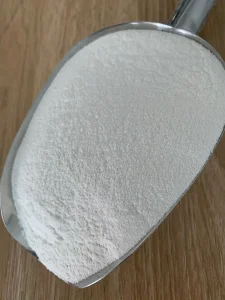
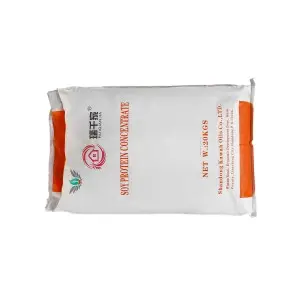
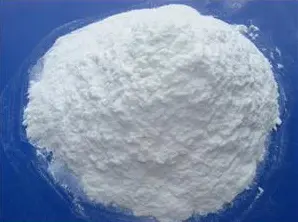
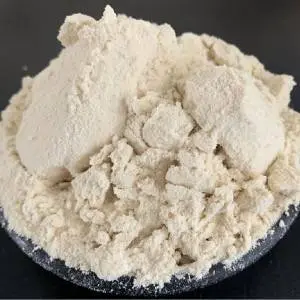
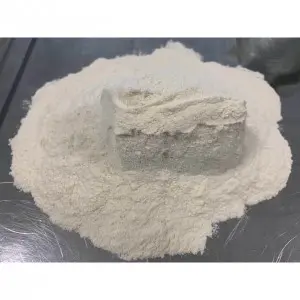
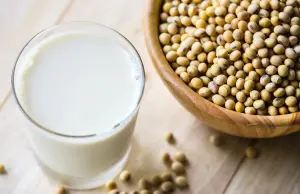
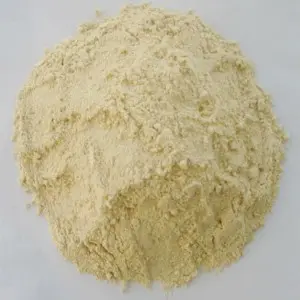
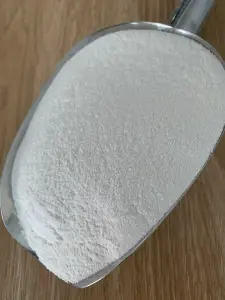
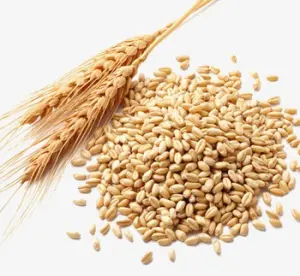
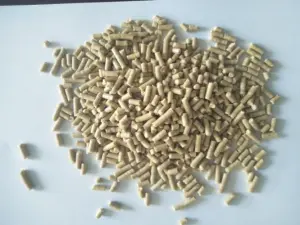
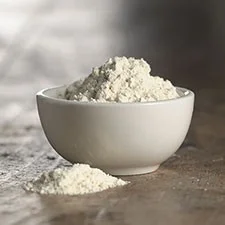
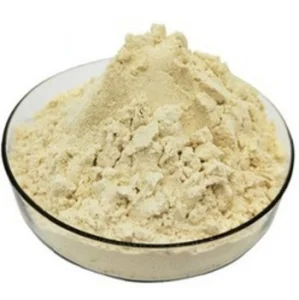
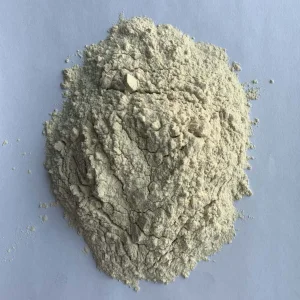
A visual guide to our core functional products, processed under strict quality controls across our integrated facilities.
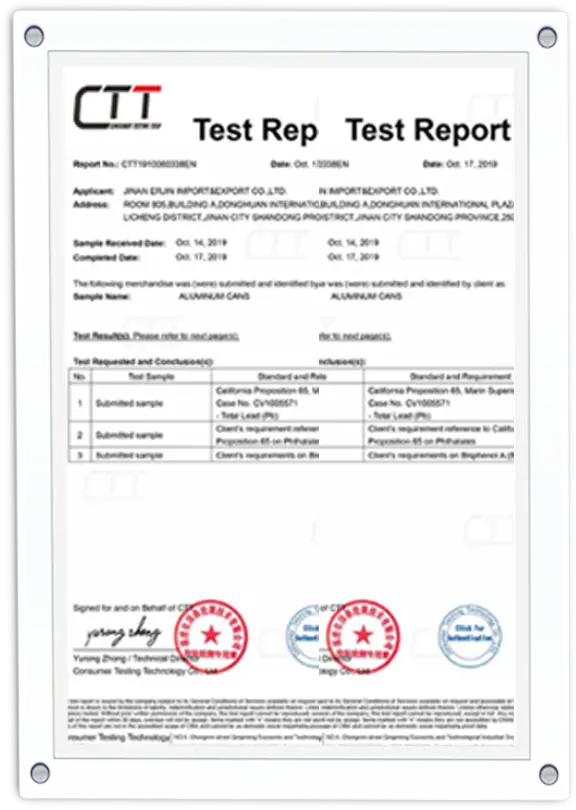
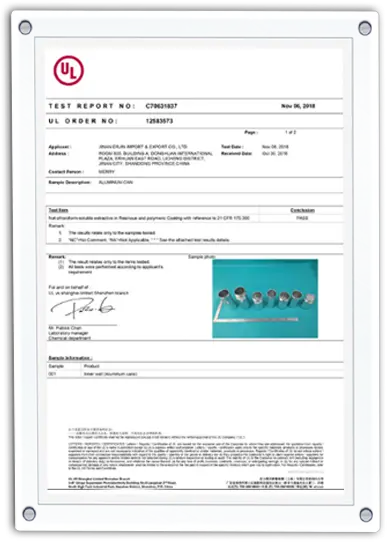
Our facilities are verified by recognized international auditing bodies to meet strict safety and manufacturing standards.
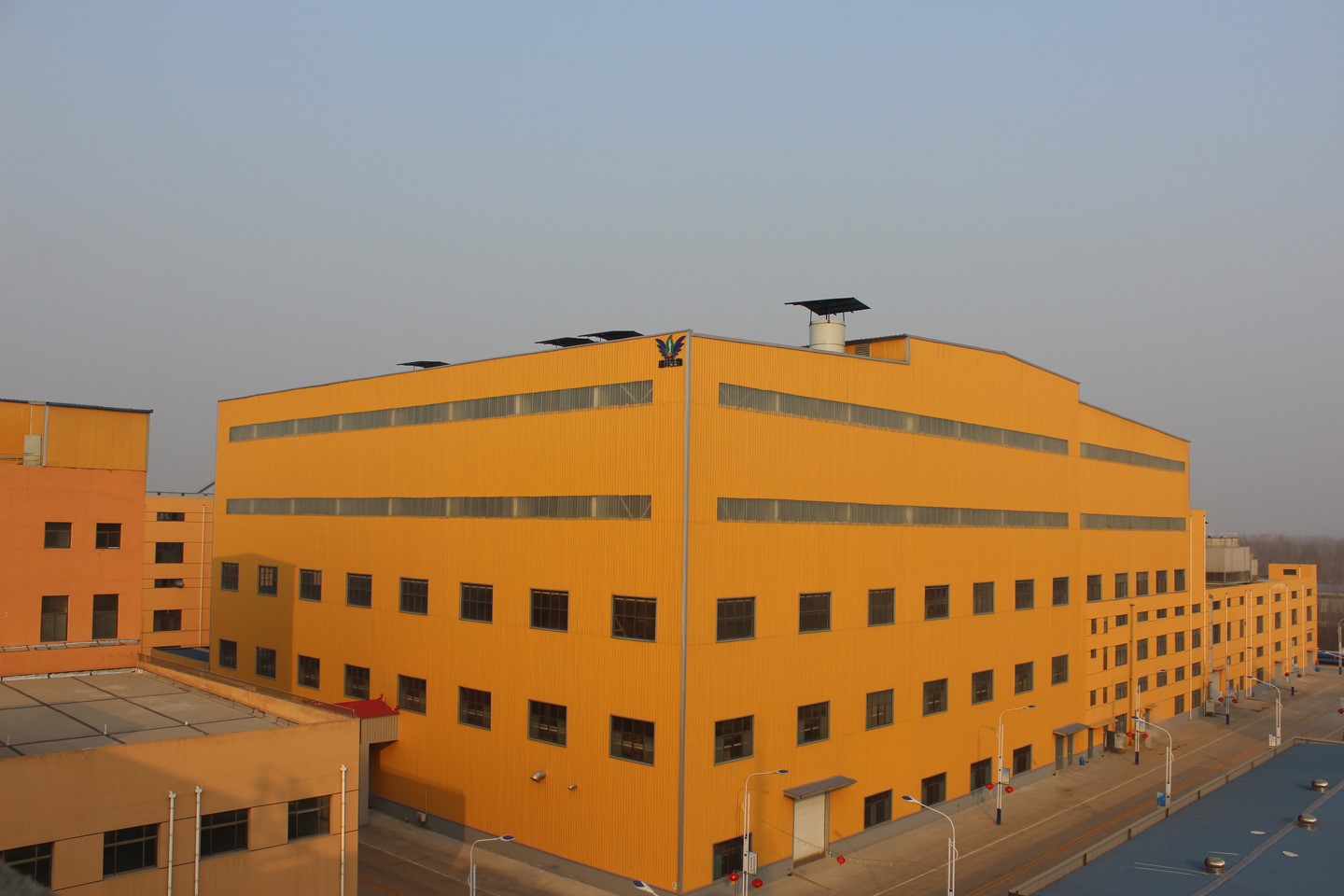
Get a direct look at our production capacity, advanced drying towers, extraction systems, and warehousing.
Find technical details regarding our production methods, raw material sourcing, and global distribution operations.
We are a group company named Xinrui Group integrating manufacturing and exporting. The manufacturer of soy protein isolate is Shandong Kawah Oils Co., Ltd, which produces isolated soy protein 50,000 tons per year. The manufacturer of wheat gluten is Guanxian Xinrui Industrial Co., Ltd. (formerly known as Guanxian Ruixiang Biotechnology Development Co., Ltd), which produces vital wheat gluten 30,000 tons per year. The exporter is named Guanxian Ruichang Trading Co., Ltd.
We have HACCP, ISO9001, ISO22000, BRC, HALAL, KOSHER, IP-NON GMO, SGS etc. Other certificates are available as your request.
Identity Preserved (IP) Non-GMO certification guarantees that the soy proteins are fully traceable back to non-genetically modified seeds. We enforce this through dedicated planting bases, separate transport channels, and PCR testing at both raw material receipt and final packaging stages.
By recycling starch byproducts into ethanol and animal feed, and operating our own heat cogeneration and gas supplies, we insulate our factories from utility price volatility. This integration keeps our pricing stable and our deliveries reliable, even during energy shortages.
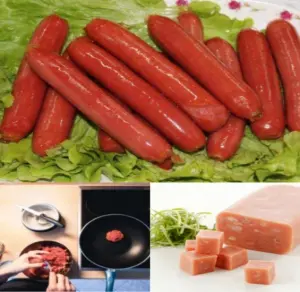
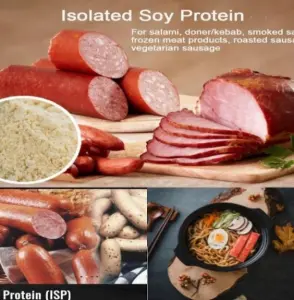
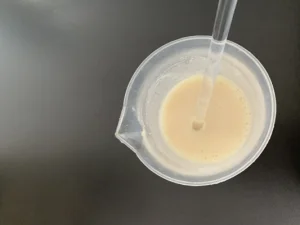
Dispersion type soy protein (such as our 9030 and 9032 grades) is formulated for rapid hydration and low viscosity, making it suitable for liquid beverages and dry drink mixes. Chopping type protein (like 9002B and 9007B-C) is designed to form strong, elastic gel networks under high-speed shear force, which helps bind water and fat in emulsified sausages and processed meats.
Select from our complete range of plant proteins, dietary fibers, and starches, optimized for global food and industrial manufacturing.
 Xinrui Group