High-Quality Textured Soy Protein Isolate Manufacturer & Supplier

Innovative Plant Protein Engineering, Macro-Industry Solutions & Global Procurement Integration

Premium Plant Protein Solutions

Explore our core selection of isolated soy proteins and functional crop derivatives engineered for specific food processing applications.
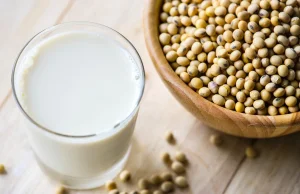
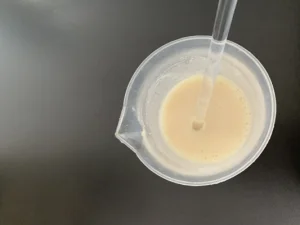
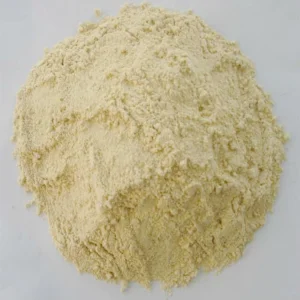
Wholesale Beverage & Dispersion Type, Isolated Soy Protein 9030/9032

Beverage & Dispersion Type, Isolated Soy Protein 9030/9032

View Product Specs
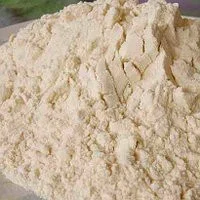
Wholesale Meat & Injection Type, Isolated Soy Protein 9020/9026/9028

Meat & Injection Type, Isolated Soy Protein 9020/9026/9028

View Product Specs
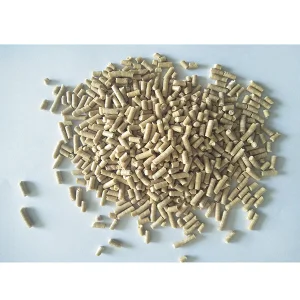
Wholesale VWG-PS Wheat Gluten Pellets

Wholesale VWG-PS Wheat Gluten Pellets

View Product Specs
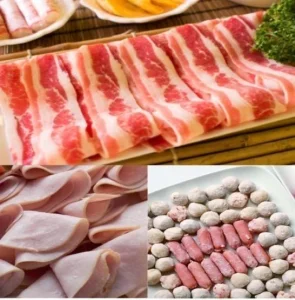
Wholesale 9007B-C Meat & Emulsion Type, Isolated Soy Protein

Wholesale 9007B-C Meat & Emulsion Type, Isolated Soy Protein

View Product Specs
Wholesale 9002B Chopping Type, Isolated Soy Protein

Wholesale 9002B Chopping Type, Isolated Soy Protein

View Product Specs
High-Quality 9030 Dispersion Type, Isolated Soy Protein

High-Quality 9030 Dispersion Type, Isolated Soy Protein

View Product Specs
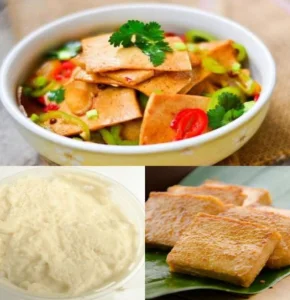
High-Quality Tofu & Vegetarian Type, Isolated Soy Protein 9005B

High-Quality Tofu & Vegetarian Type, Isolated Soy Protein: 9005B

View Product Specs
Wholesale 9003BA Vegetarian Type, Isolated Soy Protein

Wholesale 9003BA Vegetarian Type, Isolated Soy Protein

View Product Specs

1. Executive Scientific Analysis: The Role of Textured Soy Protein Isolate in Modern Food Systems

In the rapidly transforming global food ecosystem, the demand for sustainable, nutrient-dense, and highly functional plant-based macro-nutrients has reached a historic zenith. Underpinning this revolution is Textured Soy Protein Isolate (TSPI), a bio-engineered substance that acts as the physical and structural surrogate for animal muscle protein. Unlike standard soy flours or concentrates, TSPI boasts a protein content exceeding 90% on a dry basis, meticulously stripped of oligosaccharides, polar lipids, and off-flavor volatile organic compounds (VOCs) that historically limited the acceptance of plant proteins.

From a technological standpoint, the extrusion and texturization of soy protein isolates represent a delicate balance of thermomechanical shear, molecular alignment, and cross-linking of globulin fractions (specifically Glycinin 11S and Beta-Conglycinin 7S). When subjected to precise heat and hydration parameters, these globular proteins denature and re-align into highly ordered, fibrous matrix structures. The resulting fibrillar network mimics the tensile strength, mastication resilience, and juice-retention capacity of beef, poultry, or seafood myofibrillar protein structures.

2. Industrial Profile: The Consolidated Infrastructure of Xinrui Group

Founded in May 2003, Xinrui Group has established an expansive, vertically integrated agricultural circular economy. Spanning an area of more than 1,000 mu, the group operates on a diversified industrial blueprint encompassing municipal cogeneration power plants, urban district heating networks, industrial gas supplies, and massive crop deep-processing plants. Annual industrial output currently exceeds 2.8 billion Yuan, reflecting a robust capital foundation and long-term operating stability essential for serving tier-1 international food conglomerates.

Our core food ingredient operations are run through two primary manufacturing subsidiaries:
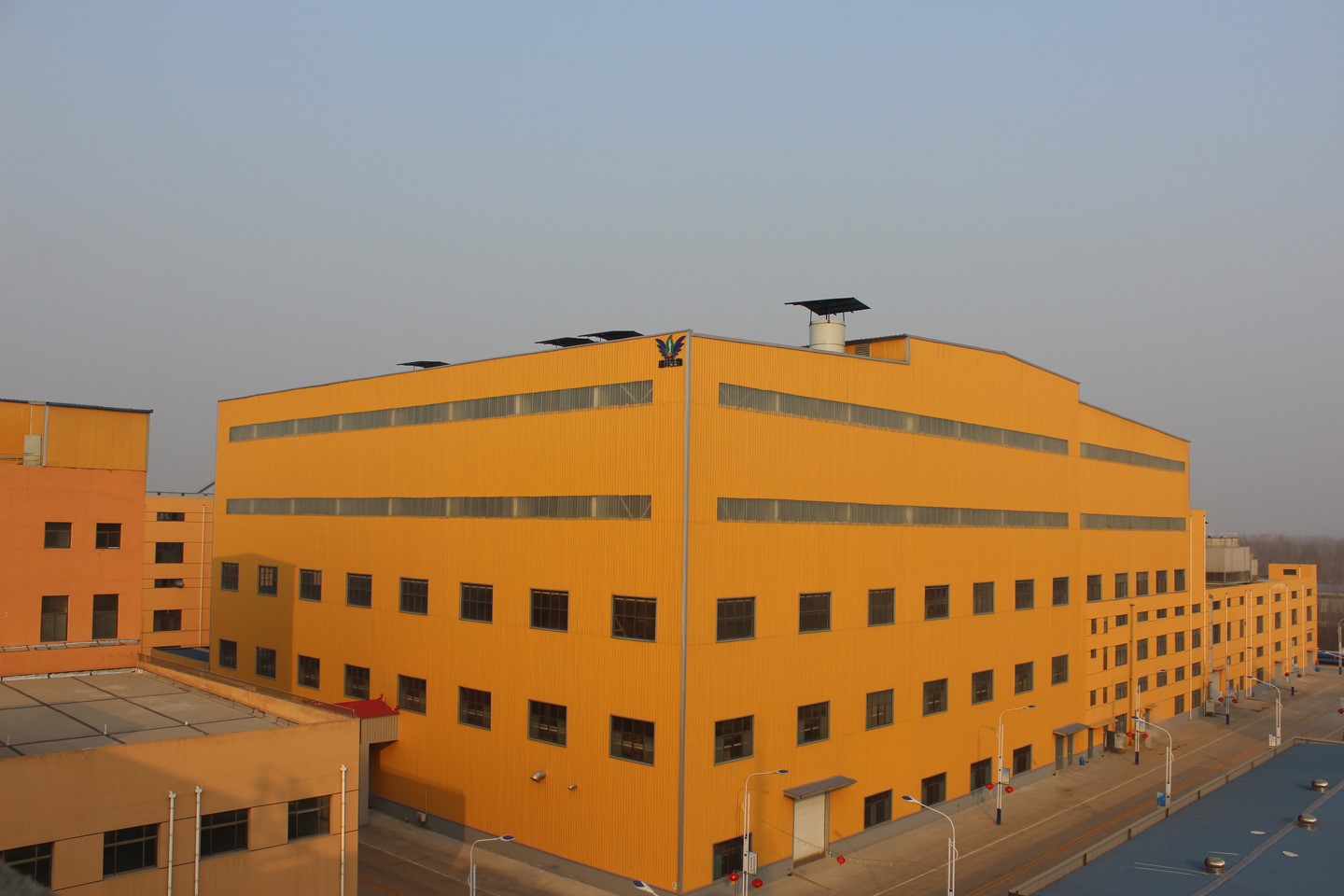
  • Shandong Kawah Oils Co., Ltd.: Established in 2014 with a registered capital of 120 million Yuan. It stands as a provincial leading enterprise in agricultural industrialization. Shandong Kawah Oils processes 180,000 tons of raw NON-GMO soybeans annually, extracting high-purity food-grade soybean oil, low-temperature desolventized soybean meal, high-viscosity isolated soy protein, and structural soy dietary fiber.
  • Guanxian Xinrui Industrial Co., Ltd.: (formerly known as Guanxian Ruixiang Biotechnology Development Co., Ltd.) Established in 2007 with 100 million Yuan in registered funds. This branch processes 500,000 tons of premium wheat flour annually to extract vital wheat gluten, A-grade starch, and B-grade starch. Starch B and organic pentosan fractions are systematically routed to our alcohol and bio-feed fermentation facilities, realizing a zero-waste industrial loop.
Xinrui Group Industrial Factory View

500k+

Tons Wheat Flour Processed Annually

180k+

Tons Non-GMO Soybeans Processed

50,000

Tons Soy Protein Isolate Annual Capacity

30,000

Tons Vital Wheat Gluten Output

3. Structural Advantages of China-Based Protein Refineries

Purchasing global protein raw materials requires strict compliance, functional reliability, and cost-containment. Shandong Kawah Oils offers significant advantages over Western counterparts due to several key factors:

Dachuanyuan Spray Drying Technology

Our single-line protein extraction plants are built around spray drying towers from DACHUANYUAN, boasting the largest single-line processing capacity in China. This scale guarantees unparalleled batch consistency, minimizing variance in bulk density, moisture levels, and particle size distribution.

Tri-Canter Separation Integration

For our wheat processing operations under Guanxian Xinrui Industrial, we have imported advanced German tri-canter separation machinery. This continuous, closed-loop extraction system maintains extreme cleanliness, ensuring that vital wheat gluten and starch isolates are free from microbiological contamination.

Secured Domestic NON-GMO Chain

We source raw soybeans directly from dedicated Heilongjiang planting bases. By maintaining strict control over the agricultural inputs and utilizing IP (Identity Preserved) non-GMO transportation corridors, we guarantee that all isolates are free from genetic modifications and glyphosate residues.

4. Functional Application Scenarios & Macro Industry Solutions

Different food systems require unique biochemical responses. Below is an overview of how our specific isolated soy protein types solve formulation problems for industrial food scientists:

Emulsified Meat Formulations

Models: 9001BW, 9001B-Y, 9000, 9007B-A, 9007B-C

Specifically developed for fine-paste sausages, canned meats, and hot dogs. These isolates are optimized to bind water and oil in a stable 1:5:5 matrix, preventing fat syneresis during high-temperature sterilization and improving bite and springiness.

Injection & Hydration Protocols

Models: 9020, 9026, 9028

Formulated with low viscosity and high solubility for meat muscle injection. These proteins pass smoothly through fine needles without clogging, dispersing quickly within the meat tissue to increase cook yield and maintain tenderness.

Beverage & High-Dispersion Formulations

Models: 9030, 9032

Engineered for dry-mix beverages, meal replacement shakes, and dairy alternatives. These isolates hydrate quickly in cold water without clumping, providing excellent stability and a smooth mouthfeel with minimal chalkiness.

Vegetarian & Tofu Systems

Models: 9003B, 9003BA, 9005B

Designed for plant-based meat analogues and traditional tofu production. They provide the necessary gel strength and elasticity to create a structured meat-like chew, offering excellent water retention and texture retention under retort heating.

5. Global Procurement Integrity & Closed-Loop Logistics

Purchasing raw ingredients internationally requires a partner that can manage both production and global logistics. Founded in 2011 with a registered capital of 6 million Yuan, Guanxian Ruichang Trading Co., Ltd. serves as the dedicated export arm of the Xinrui Group.

Guanxian Ruichang Trading exports over 70% of the group's total production capacity directly to overseas markets. By integrating manufacturing and export under one group, we eliminate third-party margins and maintain complete control over the chain of custody. This logistics system ensures that vital wheat gluten, soy dietary fiber, isolated soy protein, and industrial ethanol are delivered with short lead times, reliable container booking, and consistent documentation.

Industrial Manufacturing Centrifuge & Processing

International Quality Certification

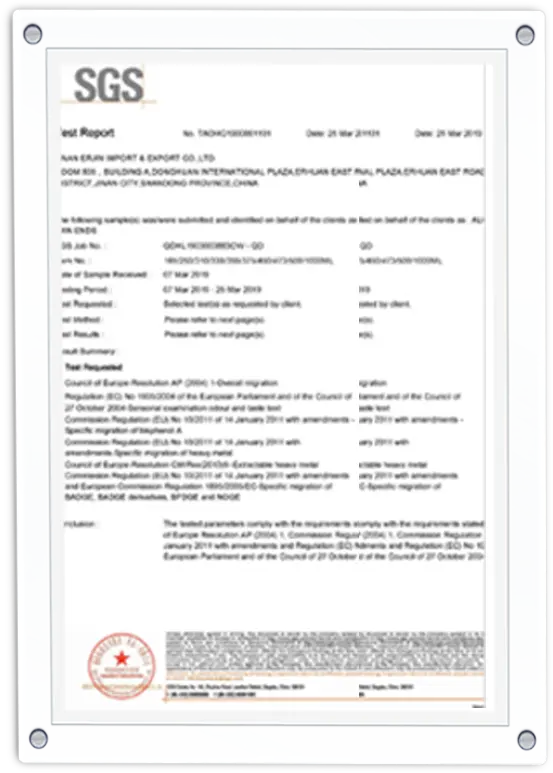
Our facilities are fully certified to meet the quality and safety standards of the global food market. Shandong Kawah Oils and Guanxian Xinrui Industrial operate under strict international oversight, holding certifications including: ISO9001, ISO22000, HACCP, BRC (British Retail Consortium), Halal, Kosher, and IP-NON GMO.

These certifications verify that our plant proteins are processed under strict hygiene conditions, with full batch traceability and regular testing to prevent cross-contamination.
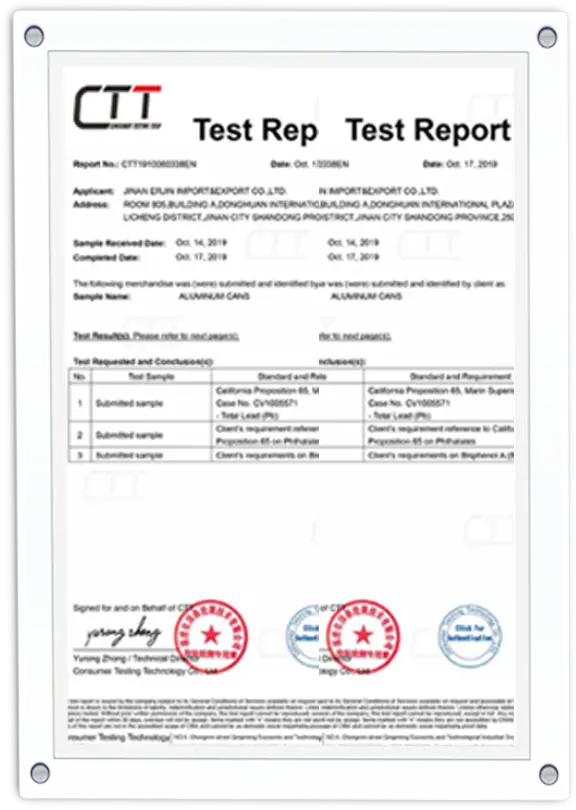
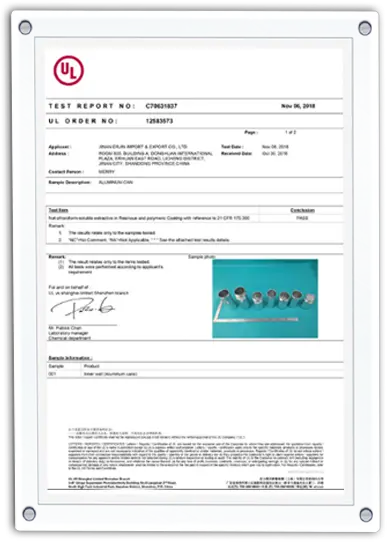
Xinrui Group Certificate 1

Certificate (1)

Xinrui Group Certificate 2

Certificate (2)

Xinrui Group Certificate 3

Certificate (3)

Xinrui Group Certificate 4

Certificate (4)

Xinrui Group Certificate 5

Certificate (5)

6. Manufacturing Operations & Video Facility Tours

To verify our production capacity and advanced technology, watch our direct manufacturing and processing video records below:

Additional Industrial Grade Plant Proteins

Our complete product range includes specialty vegetarian gelling proteins, high-fiber dietary additives, and superior-grade starches.
Wholesale Tofu & Vegetarian Type, Isolated Soy Protein 9003B

Wholesale Tofu & Vegetarian Type, Isolated Soy Protein: 9003B

View Product Specs
High-Quality 9001BW/9001B-Y/9000 Meat & Emulsion Type, Isolated Soy Protein

High-Quality 9001BW/9001B-Y/9000 Meat & Emulsion Type, Isolated Soy Protein

View Product Specs
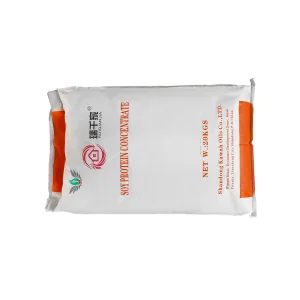
Wholesale Functional Soy Protein Concentrate (NON GMO)

Wholesale Functional Soy Protein Concentrate (NON GMO)

View Product Specs
High-Quality 9006B Meat Type, Isolated Soy Protein

High-Quality 9006B Meat Type, Isolated Soy Protein

View Product Specs
Wholesale 9005B Vegetarian Type, Isolated Soy Protein

Wholesale 9005B Vegetarian Type, Isolated Soy Protein

View Product Specs
Wholesale Ethyl Alcohol Ethanol 95 96 Superior Grade

Wholesale Ethyl Alcohol Ethanol 95 96 Superior Grade

View Product Specs
High-Quality 9003B Vegetarian Type, Isolated Soy Protein

High-Quality 9003B Vegetarian Type, Isolated Soy Protein

View Product Specs
Wholesale SDF - Soy Dietary Fiber

Wholesale SDF - Soy Dietary Fiber

View Product Specs

Technical & Logistics Q&A

Get professional answers to common questions about our corporate structure, product specifications, quality standards, and logistics capabilities.
Q1: What is the corporate structure of Xinrui Group, and which entities manage production and exporting?
Xinrui Group is a vertically integrated manufacturer. Soy protein isolates are produced by Shandong Kawah Oils Co., Ltd., which has an annual capacity of 50,000 tons. Vital wheat gluten is produced by Guanxian Xinrui Industrial Co., Ltd. (formerly Guanxian Ruixiang Biotechnology Development Co., Ltd.), which produces 30,000 tons of gluten annually. All global sales, export logistics, and trade documentation are managed by our subsidiary, Guanxian Ruichang Trading Co., Ltd.
Q2: What food safety, purity, and organic certifications do you hold?
Our plants operate under strict global food safety standards. We hold HACCP, ISO9001, ISO22000, BRC (British Retail Consortium), HALAL, KOSHER, and IP-NON GMO certificates. We can also arrange for third-party inspections through SGS or Intertek upon request.
Q3: How do you verify the GMO status of your soy raw materials?
We use an Identity Preserved (IP) system. We source all raw soybeans from certified non-GMO planting bases in Heilongjiang, China. Every batch is tested using PCR (Polymerase Chain Reaction) diagnostics at our intake facility to ensure compliance with strict non-GMO standards before processing.
Q4: What is the main difference between Emulsion Type and Dispersion Type soy protein isolates?
Emulsion types (such as 9001BW or 9007B-C) are engineered with high water-holding and oil-binding capacity. They form a stable gel matrix, making them ideal for sausages and meat batters. Dispersion types (like 9030 and 9032) have a lower viscosity and dissolve quickly in liquid systems. They are designed for meal replacement shakes, powdered beverages, and dairy alternatives.
Q5: How does your circular industrial economy benefit international buyers?
Our integrated facility uses wheat and soy processing by-products to fuel our cogeneration power plant and supply our bio-fermentation systems. This circular model reduces our energy costs and raw material waste, allowing us to keep our pricing stable during global energy and raw material market fluctuations.
Q6: What are the minimum order quantities (MOQ) and lead times for export shipments?
Our standard minimum order quantity is one 20-foot container (approximately 10 to 12 metric tons, depending on product density and packaging). Export lead times typically range from 14 to 21 days from order confirmation to port delivery. We ship through major Chinese ports such as Qingdao and Tianjin.