Explore our core high-functionality protein materials engineered for food processing, high gelling capacity, stable water retention, and custom plant protein formulation.
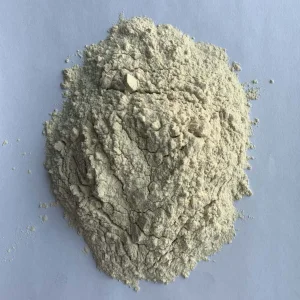
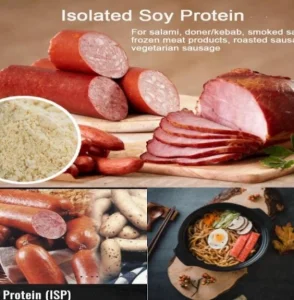
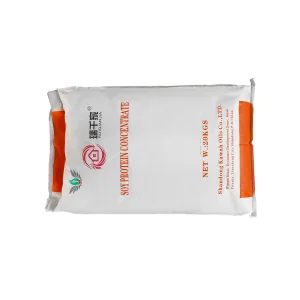
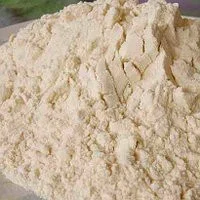
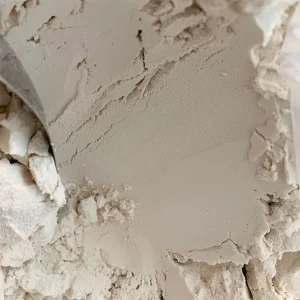
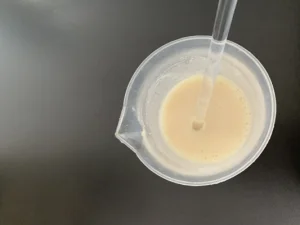
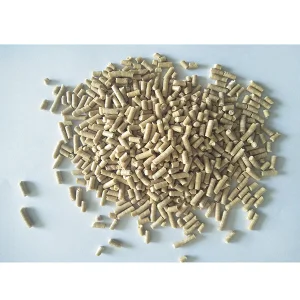
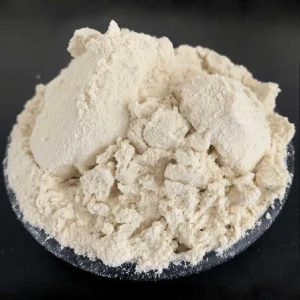
In the current global agro-industrial landscape, Soy Protein Gel forms the backbone of structural texture and emulsification design in processed food systems. Globally, the reliance on high-performance gelling agents derived from plant origins has expanded exponentially. Driving factors include the demand for cost-effective protein alternatives, cleaner ingredient declarations, and strict technical parameters that animal proteins alone cannot easily fulfill.
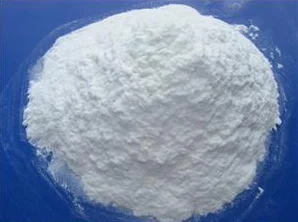
Modern processed meat systems, vegetarian protein formulation, and complex emulsified arrays depend highly on the thermodynamics of soybean-derived isolates. As functional polymers, soy globulins (specifically the 7S and 11S fractions) interact through heat-induced denaturation to build a coherent three-dimensional matrix. This gelation matrix effectively traps water molecules, binds fat globules, and establishes the elastic chewiness required in sausages, ham injections, tofu analogs, and high-protein ready-to-drink formulations.
From a commercial standpoint, manufacturers are seeking reliable partners that utilize Non-GMO soybean origins. The shift is most notable in the European Union and North American markets where identity-preserved (IP) products dictate premium category positions. Companies like Kawah Oils and Xinrui Group have recognized this paradigm, scaling low-temperature defatted meal extraction lines to provide raw material security to global supply chains.
The fundamental physics of soy protein gelation is governed by the structural alteration of globulins under controlled shear and thermal phases. When isolated soy protein (ISP) dispersion is subjected to temperatures exceeding the denaturation points of 7S (approx. 75°C) and 11S (approx. 92°C) globulins, the quaternary structure unfolds. This exposes inner hydrophobic polypeptide groups which actively cross-link via disulfide bonds and hydrogen interactions.
For meat emulsification applications (such as our 9007B-A and 9007B-C series), maintaining high gel strength under high-temperature processing is key. Key indicators monitored in our labs include:
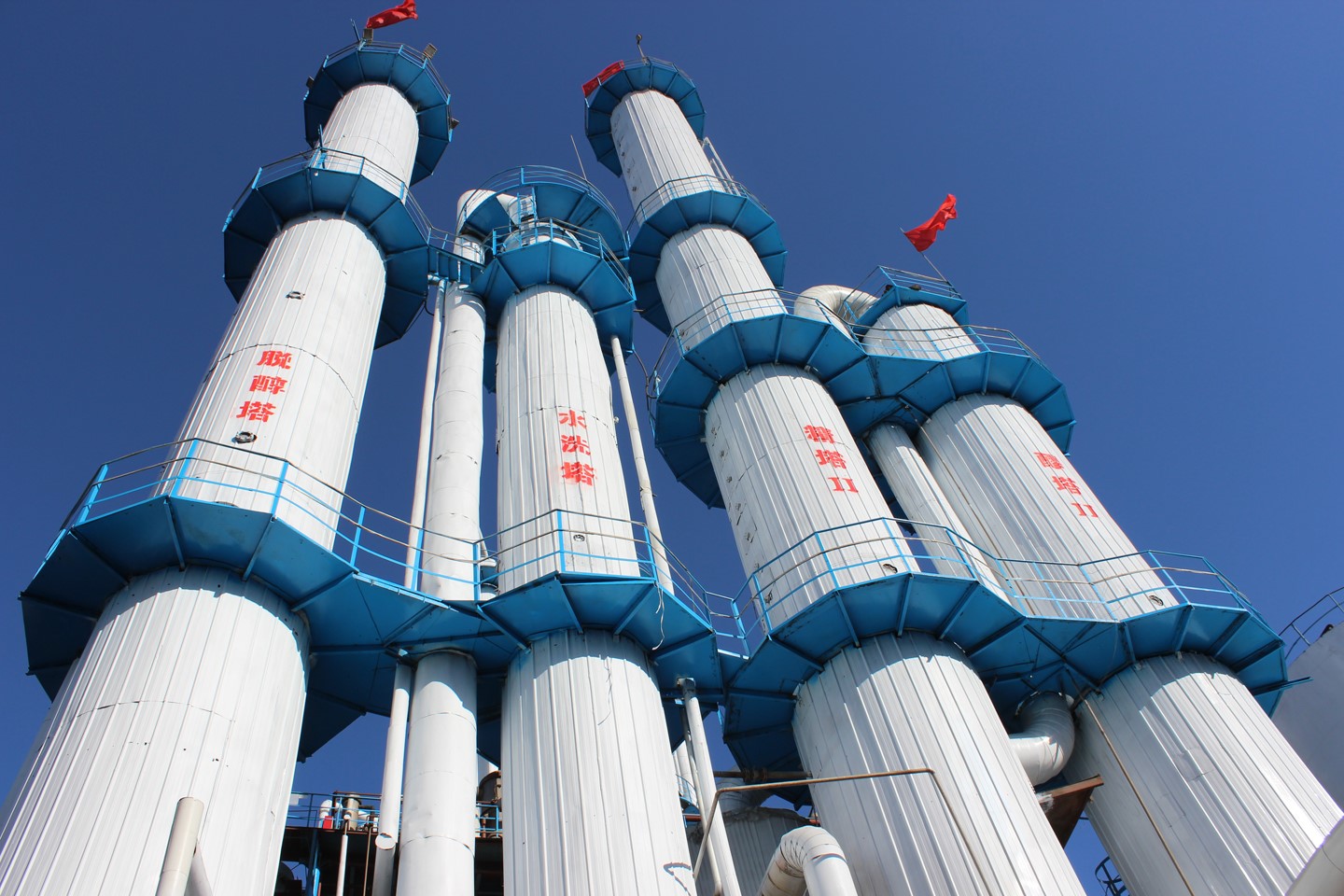
By utilizing optimized spray-drying systems (powered by DACHUANYUAN technologies in our plant), the particle morphology of our Isolated Soy Protein is kept uniform. This enables rapid hydration and stable dispersion profiles, preventing raw material lump formation during large-scale manufacturing blending.
Set up in 2007 with registered funds of 100 million Yuan. The facility annually processes 500,000 tons of wheat flour. Using high-efficiency tri-canter separation technology, we produce vital wheat gluten, wheat starch A, and wheat starch B. Operating a deep circular economy loop, the starch B and pentosan are recycled directly into ethanol and premium animal feed production lines.

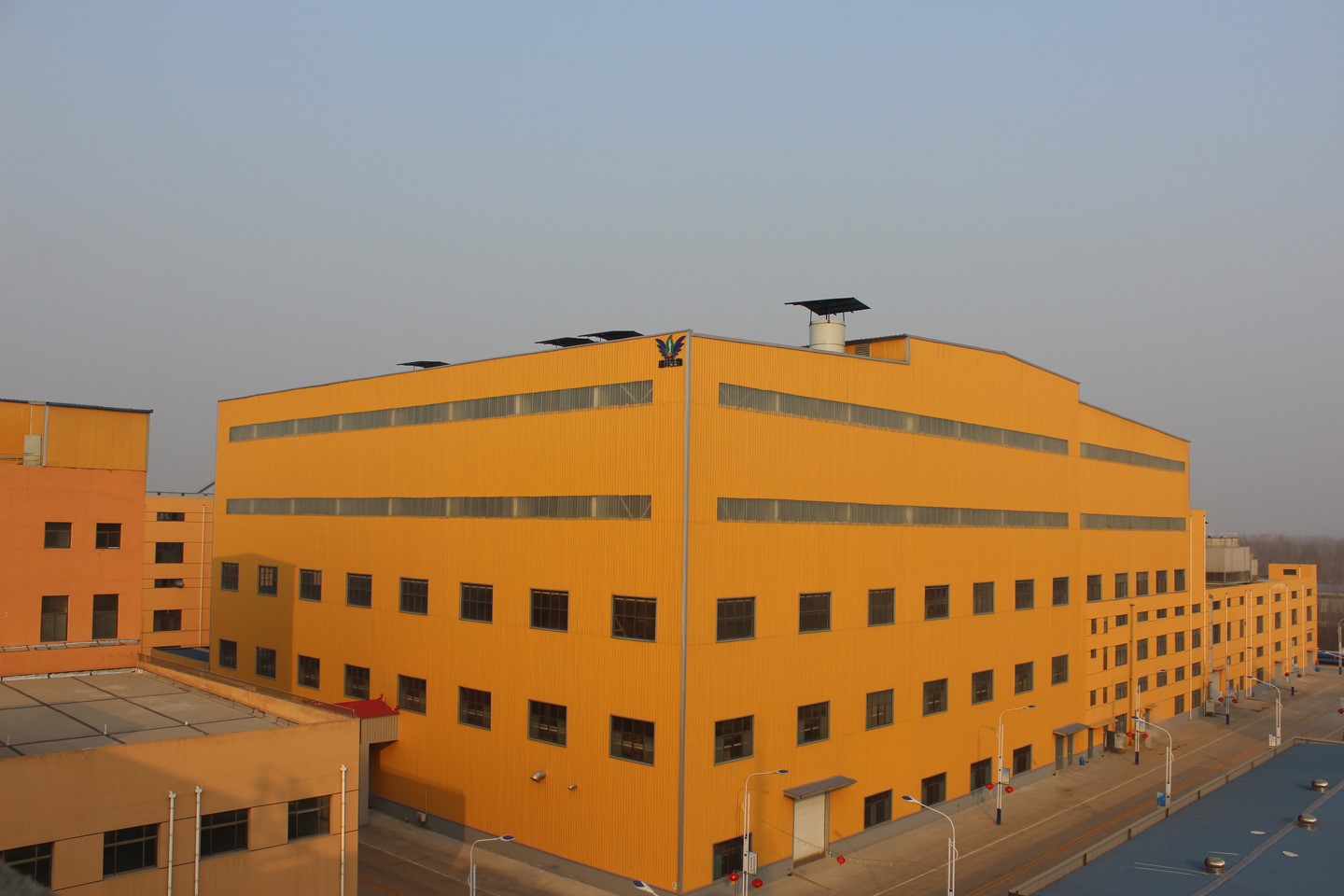
Established in 2014 with 120 million Yuan registered capital, this agricultural industrialization leader processes 180,000 tons of domestic Non-GMO soybeans annually. Extracting soy oil, food-grade meal, isolated soy protein, and soy dietary fiber. Features China's largest single production line utilizing advanced DACHUANYUAN spray drying towers.
Founded in 2011 with 6 million Yuan registered capital. Serves as the dedicated export arm of the group, dispatching isolated soy protein, vital wheat gluten, soluble dietary fiber, vermicelli, and ethanol. Directly integrating manufacturing control with international logistics, we export over 70% of the group's capacity overseas.
Our diversified industrial footprint covers more than 1,000 mu, backed by integrated power generation (cogeneration), gas supply networks, and regional heating infrastructure. This energy integration guarantees uninterrupted manufacturing and lowers production costs, a benefit we pass along to our global partners.
Understanding that food manufacturing formulations differ significantly across regions, we categorize our protein solutions into targeted, functional application matrices:
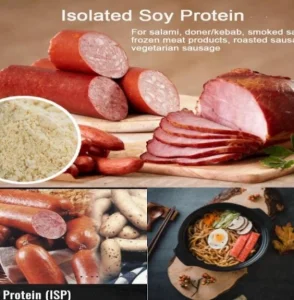
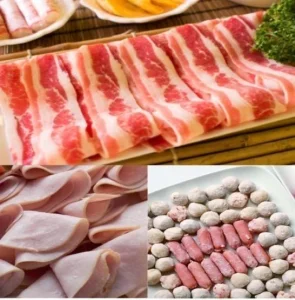
Commonly deployed in Eastern Europe and Asian sausage production. High-gel isolated soy protein like 9007B-A or 9007B-C provides the binding power required to hold high levels of water and fat during the heating cycle, ensuring structural bounce and preventing fat separation.
Engineered primarily for Western ham and poultry injection. Using types such as 9020/9026/9028, we maintain low viscosity and minimal precipitate build-up under low temperatures. This allows the protein to penetrate deep into muscle tissues, increasing yield and tenderness after cooking.
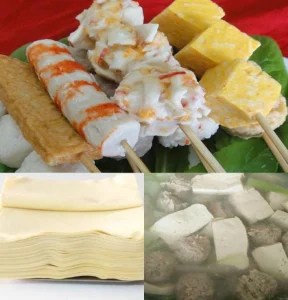
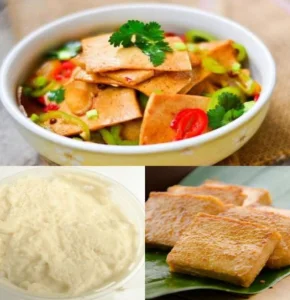
Formulated specifically for vegan cheeses, high-protein plant patties, and traditional tofu. Our 9005B and 9003B types provide high cold-dispersion rates and fast thermal gelation, yielding a smooth mouthfeel and texture that mimics animal protein.
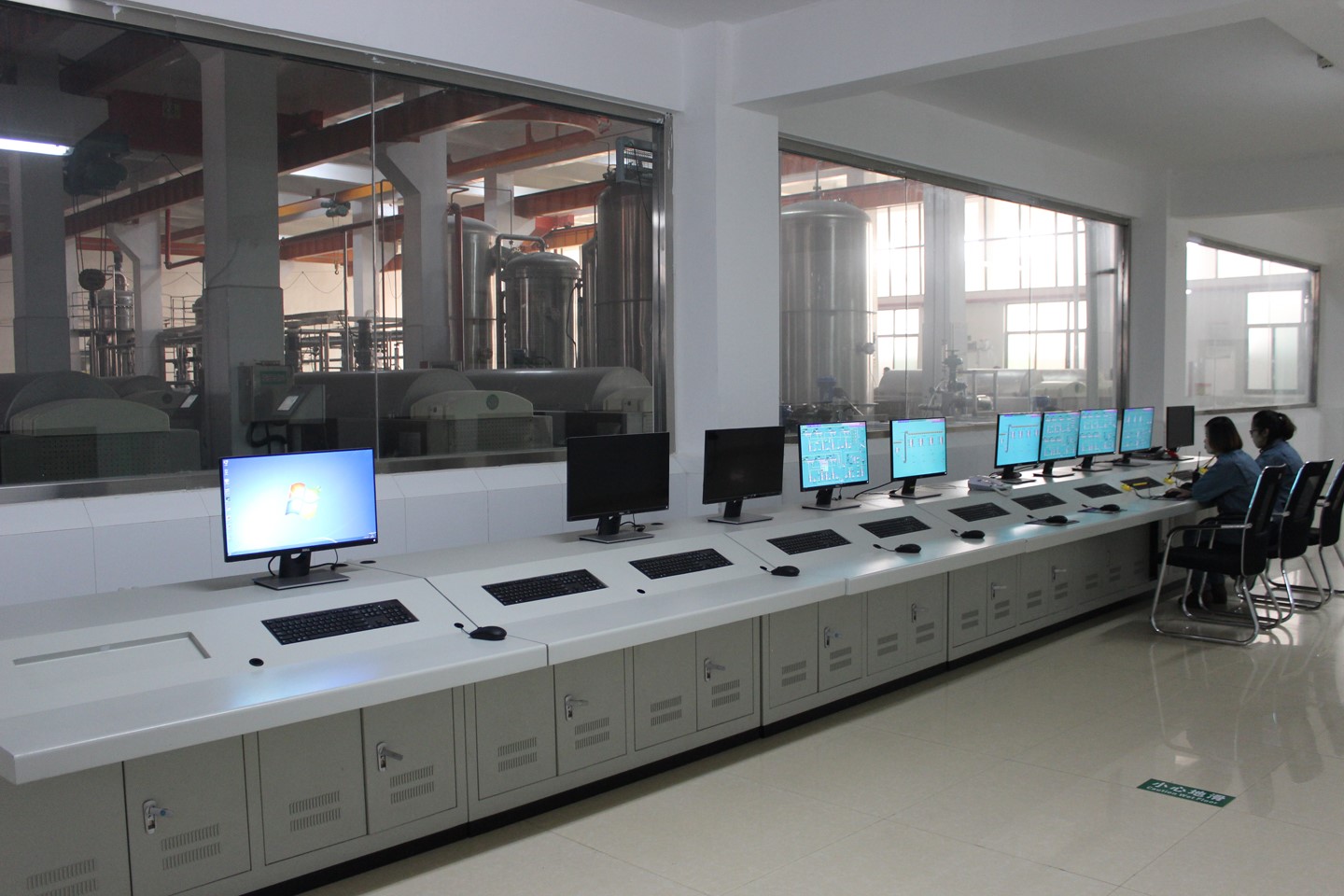
Observe our clean production environment, spray drying towers, and structural laboratory testing systems in real time.
Production Facility Process Overview
Soy Protein Extraction and Spray Drying Line
Quality Control & Laboratory Verification
Wheat Wet Milling & Tri-canter Separation
International Logistics & Loading Operations
We hold world-class food safety certificates to ensure our plant proteins meet strict import standards in markets worldwide.
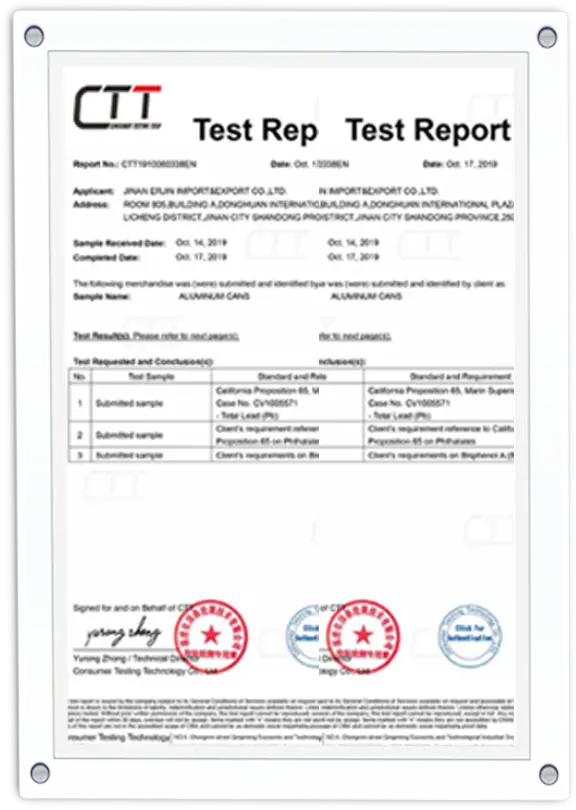
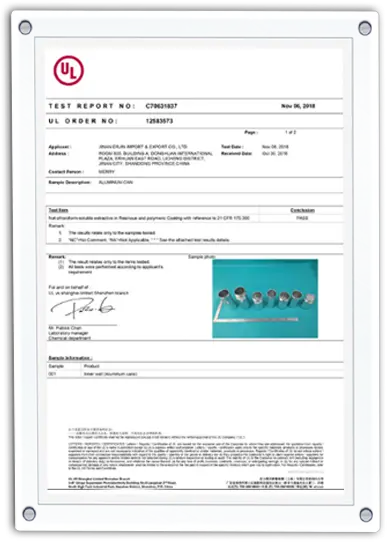
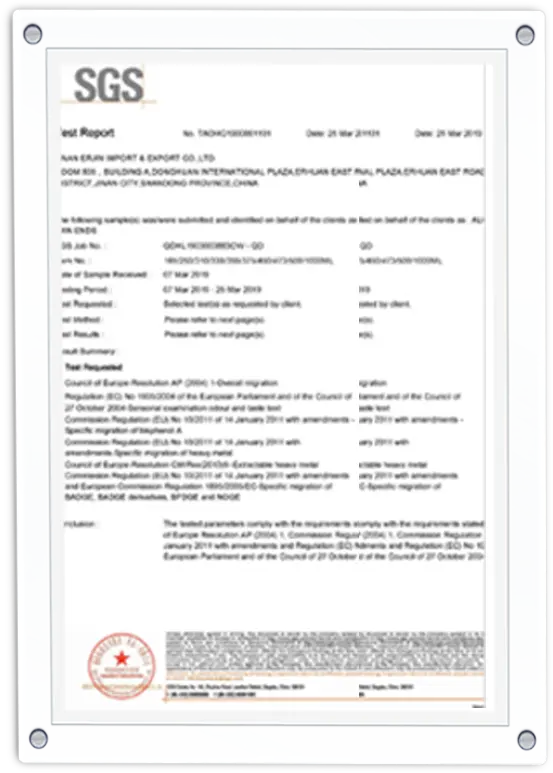
HACCP • ISO9001 • ISO22000 • BRC • HALAL • KOSHER • IP-NON GMO • SGS
Our comprehensive dry and wet separation lines allow us to supply wheat proteins, starch concentrates, and specialty isolated soy proteins.
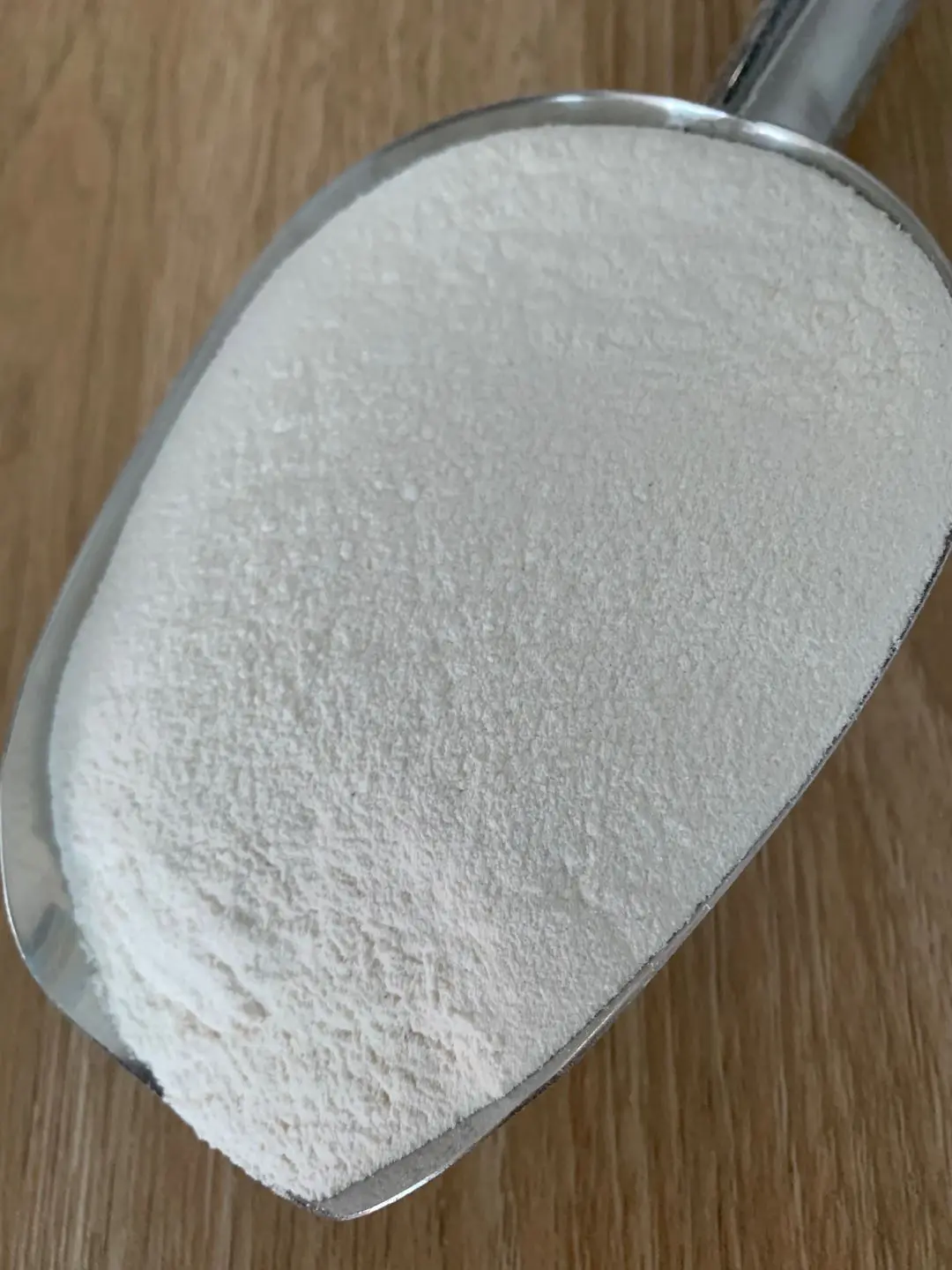
High dietary fiber derived from the cell wall structure of Non-GMO yellow soybeans. Ideal for water absorption, calorie reduction, and viscosity control in baking and processed foods.
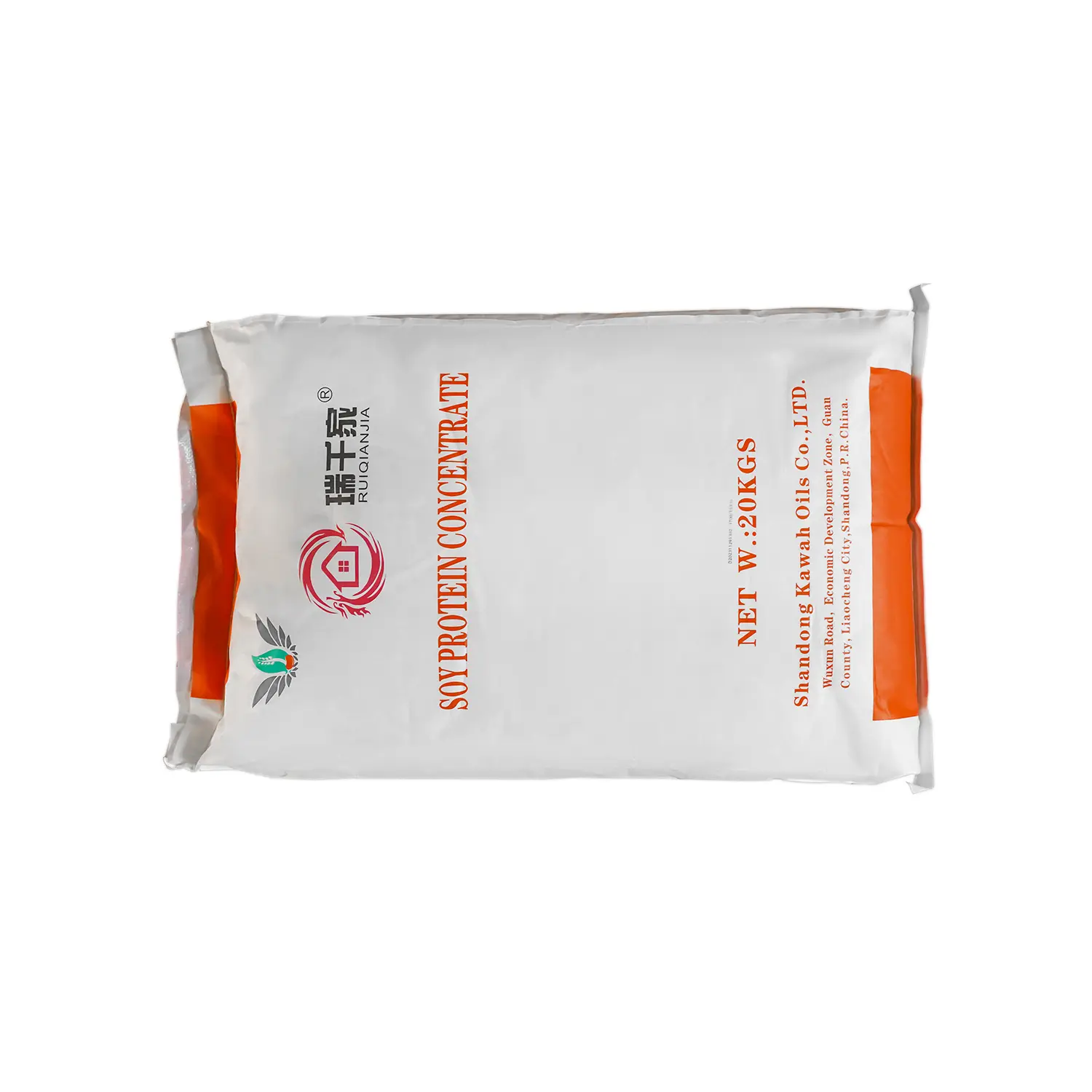
Maintains optimal gelling properties while preserving the natural soy structure, making it ideal for standard emulsified meat applications.
Produced using imported tri-canter separation equipment. Perfect for thickeners, confectionery items, vermicelli, and bio-ethanol processing.
Detailed answers to common questions about protein gel strength, formulation, supply logistics, and quality assurance.
Browse our specialized dispersion, vegetarian, and injection grade proteins developed for food manufacturing plants.
 Xinrui Group