High-purity isolated proteins, functional concentrates, and fibers designed for industrial scale formulation
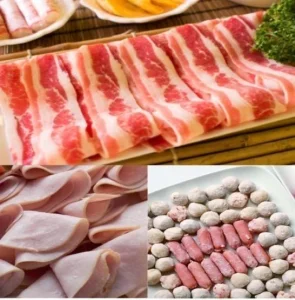
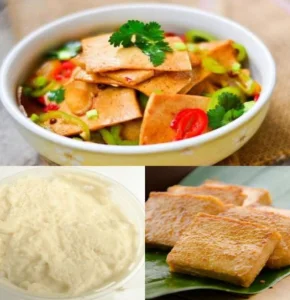
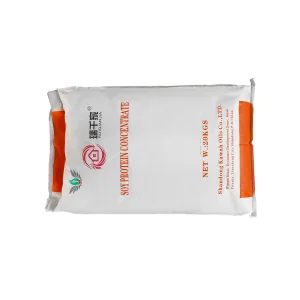
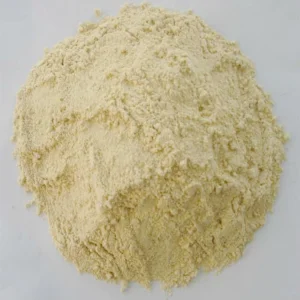
The commercial landscape for alternative proteins has moved beyond initial consumer curiosity into a phase of mature, industrial-scale formulation. Today's global food processing sector demands meat analogue materials that do not merely mimic animal proteins in marketing claims, but replicate their precise rheological properties, gel strength under thermal load, and emulsion stability. As a leading process meat analogue manufacturer and supplier, Xinrui Group bridges the gap between raw plant genetics and advanced culinary performance.
In major global markets—ranging from North America and Western Europe to rapid-growth hubs in the Asia-Pacific region—meat analogues are undergoing strict scrutiny for nutritional value and environmental cost. Industry buyers need high-functioning ingredients that maintain structure over freeze-thaw cycles, deliver clean labels, and bypass geopolitical raw material risks. Our vertical integration strategy ensures that B2B customers receive premium proteins processed from non-GMO soy and domestic wheat crops under the tightest biosecurity protocols.
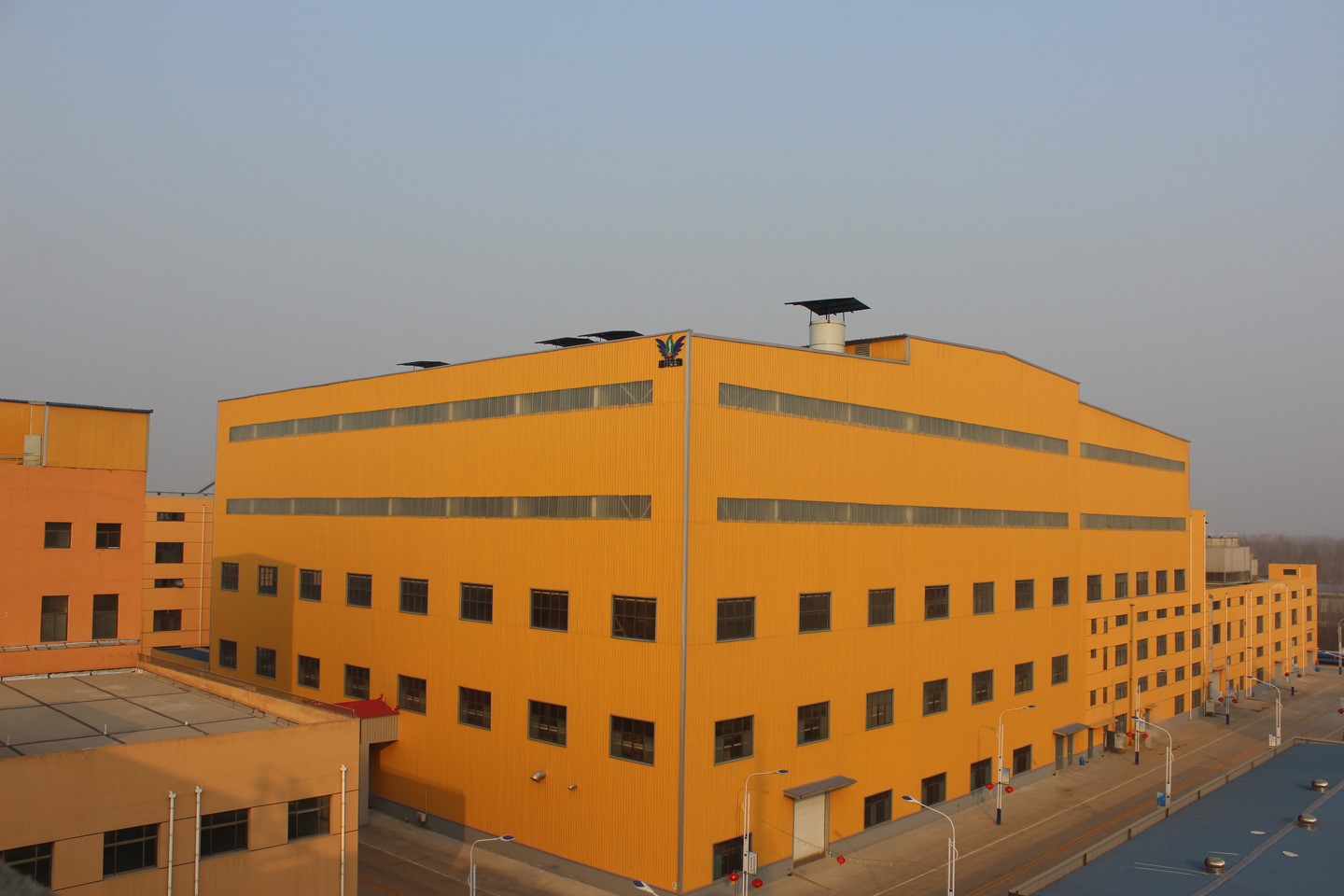
At the core of our capability as a global meat analogue ingredient supplier is the circular economy ecosystem engineered by Xinrui Group. Established in 2003 and expanding across more than 1,000 mu, our group has developed an unbroken processing loop. We manage localized cogeneration power plants, urban heating services, and gas infrastructure, providing an uninterrupted power supply to our production assets.
Our operations are divided into specialized, high-capacity subsidiaries:
Processing 500,000 tons of wheat flour annually, this facility deploys imported state-of-the-art tri-canter separation technology. This closed-loop process isolates wheat gluten, Starch A, and Starch B under strict sanitary controls, minimizing environmental waste and delivering industry-leading protein purity.
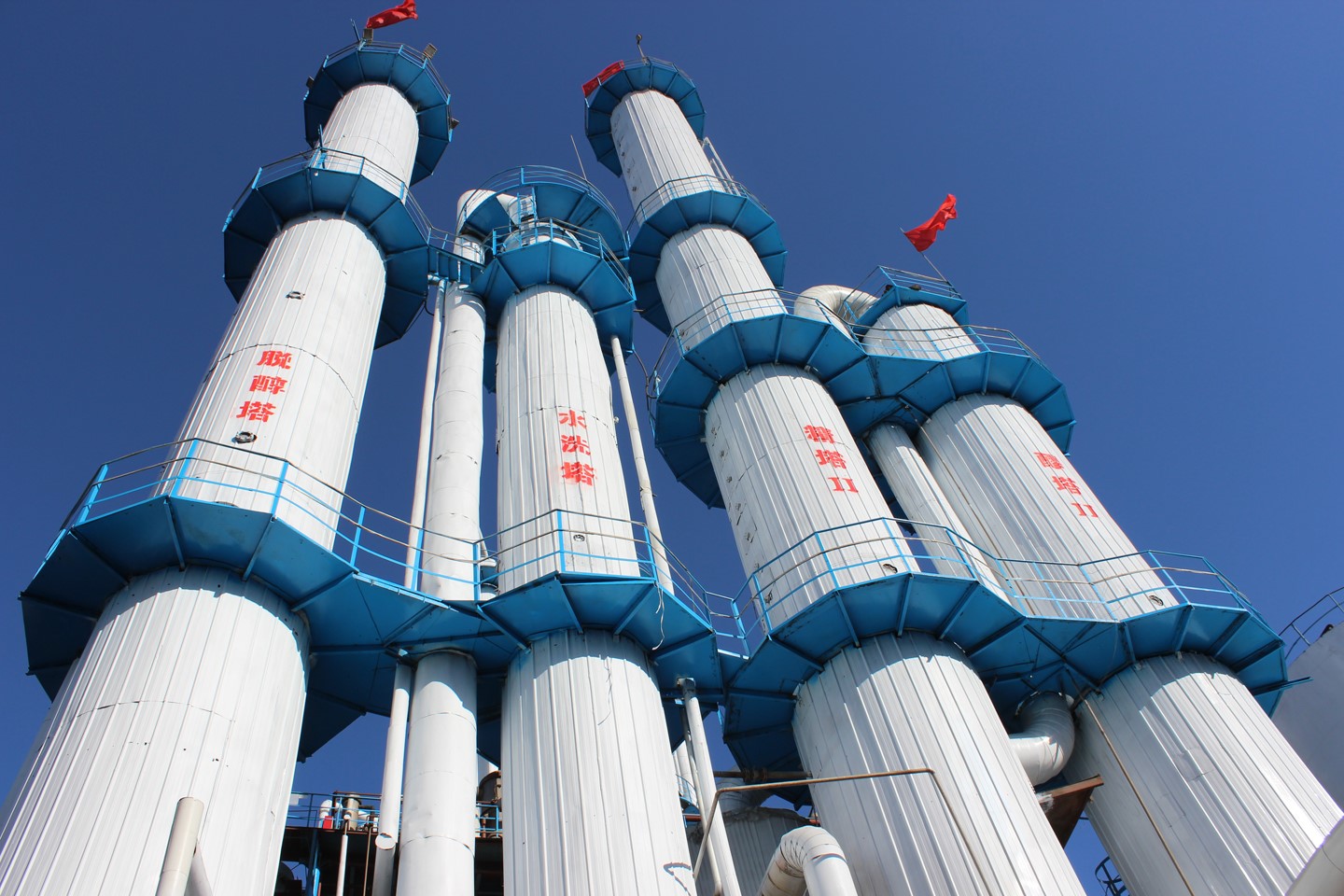
Focusing on Non-GMO soybean processing, this provincial-level agricultural enterprise handles 180,000 tons of soybeans annually. The plant features the massive DACHUANYUAN spray drying tower, forming the largest single isolated soy protein production line in China.
Acting as our centralized direct export division since 2011, Ruichang manages the logistics, customization, and export processes for over 70% of the group's total output, shipping protein solutions straight from our factories to global partners.
By maintaining raw material control at the agricultural level through dedicated wheat and non-GMO soybean planting bases, we buffer our B2B customers from price volatility and product degradation. This ensures consistent protein behavior in your meat formulation systems, shipment after shipment.

Recreating the bite, fibrous texture, and moisture-retaining capacity of animal muscle tissue requires deep knowledge of vegetable protein behavior. In our R&D centers, we specialize in adjusting the molecular structure of proteins using specific temperature, shear force, and pH variables.
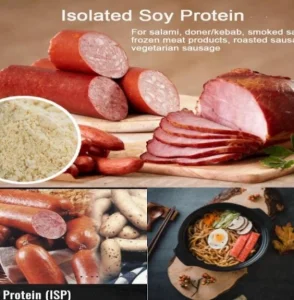
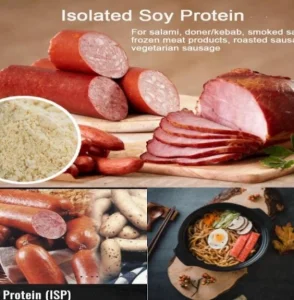
Traditional meat products like frankfurters, bologna, and patties rely on a stable meat batter where fat is emulsified within a salt-soluble protein matrix. In process meat analogues, this matrix must be created using plant proteins. Our Meat & Emulsion Type Isolated Soy Proteins (9007B-C, 9007B-A, 9001BW, and 9500) are engineered with balanced hydrophobic and hydrophilic zones. When hydrated, they form a strong film around fat droplets, preventing fat release during high-temperature retort or frying.
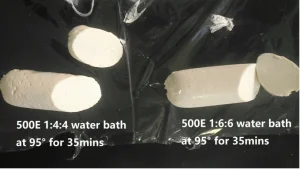
Gel strength is crucial for bite and chewiness. Our dispersion-type isolates (9030/9032) and functional soy protein concentrates provide a controlled hydration curve. By optimizing the ratio of 7S (conglycinin) and 11S (glycinin) fractions in our soy proteins, we achieve high elasticity in cold-set formulations and firm, sliceable structures when cooked.
While soy protein provides the emulsifying base, Vital Wheat Gluten (VWG-P / VWG-PS) provides the viscoelastic network. Its unique glutenin-gliadin ratio creates disulfide bonds under shear force, mimicking the long, aligned fibers of beef, poultry, and pork.
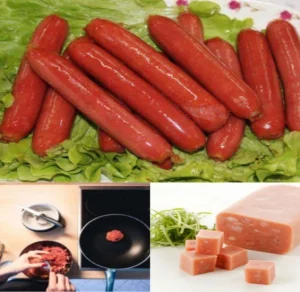
Products: Burger Patties, Plant-Based Nuggets, Smoked Sausages.
Technical Requirement: High thermal stability, high-fat emulsification, and red-to-brown color transitions.
Optimal Blend: 9007B-C Soy Protein Isolate + Functional Soy Protein Concentrate + Soy Dietary Fiber (SDF) to retain moisture during grilling.
Products: Vegetarian Dumplings, Mock Seafood Balls, Tofu-Based Protein Matrices.
Technical Requirement: High elasticity (springiness), freeze-thaw stability, and neutral taste profiles.
Optimal Blend: 9005B Tofu & Vegetarian Type Protein + Wheat Starch A/B for visual transparency and smooth mouthfeel.
Products: Allergen-reduced meat extenders, high-fiber dietary meats.
Technical Requirement: Replacing chemical binders (methylcellulose) with clean plant fibers.
Optimal Blend: Soy Dietary Fiber (SDF) + Non-GMO Soy Protein Concentrate to create a clean-label water-binding gel network.
Watch our modern facilities, automatic packaging lines, and quality verification labs in action
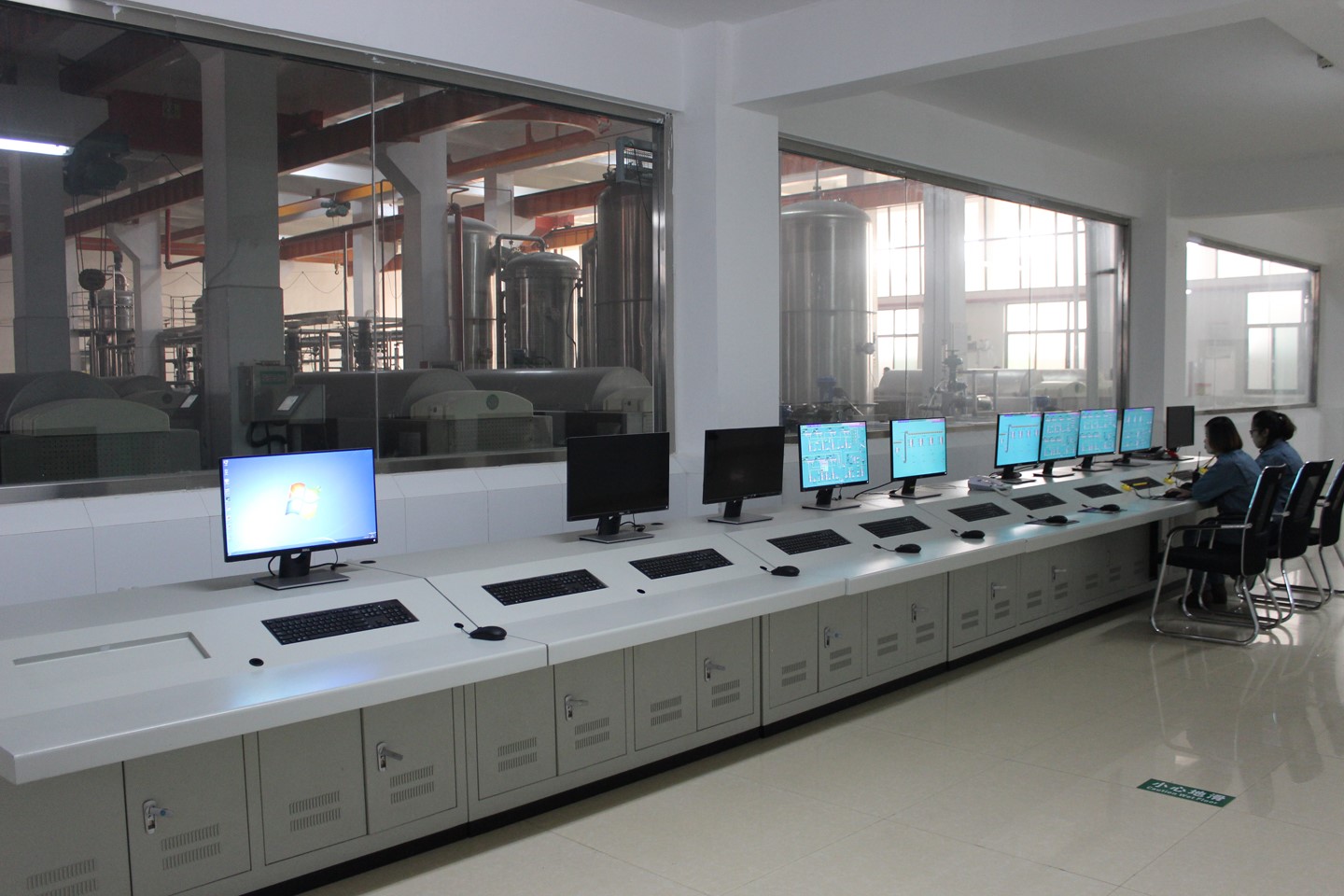
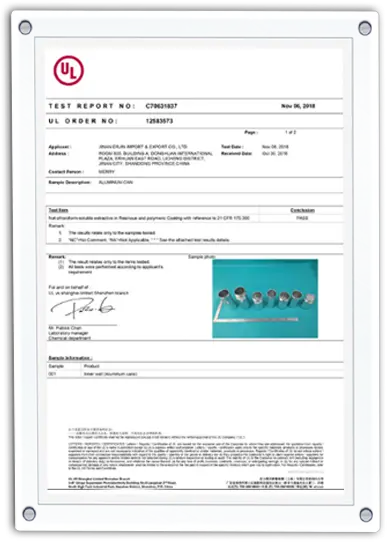
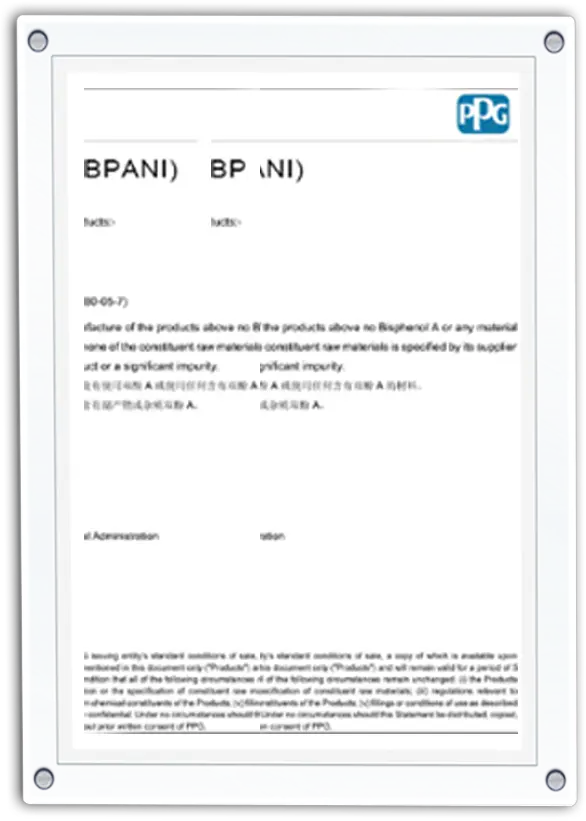
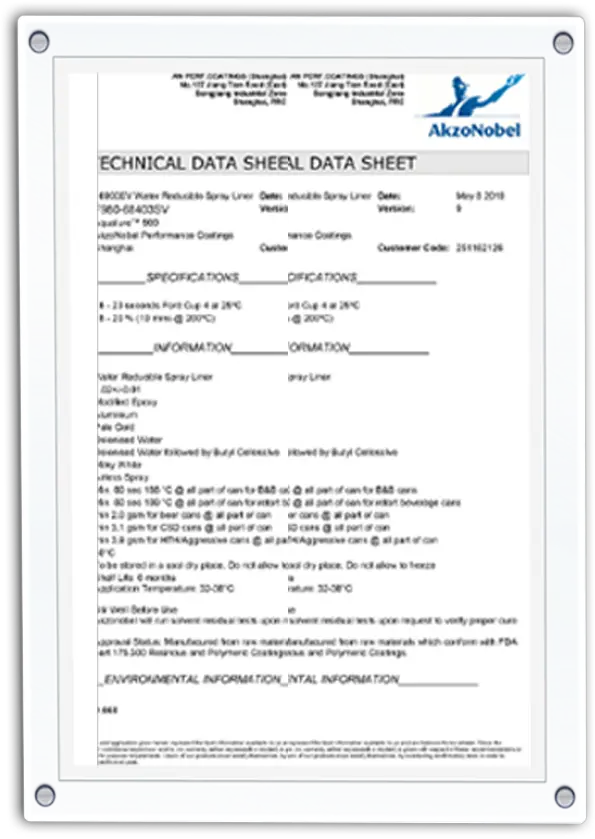
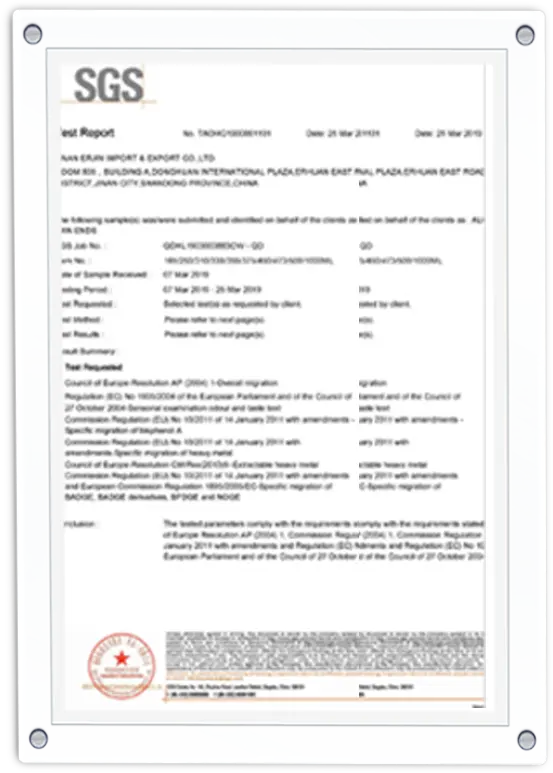
To serve as a trusted partner to international food conglomerates, compliance must be absolute. Our manufacturing practices prioritize allergen segregation, chemical-free processing, and complete transparency. Every step, from the low-temperature extraction of food-grade soybean meal to the final spray drying, is monitored by strict Quality Assurance teams.
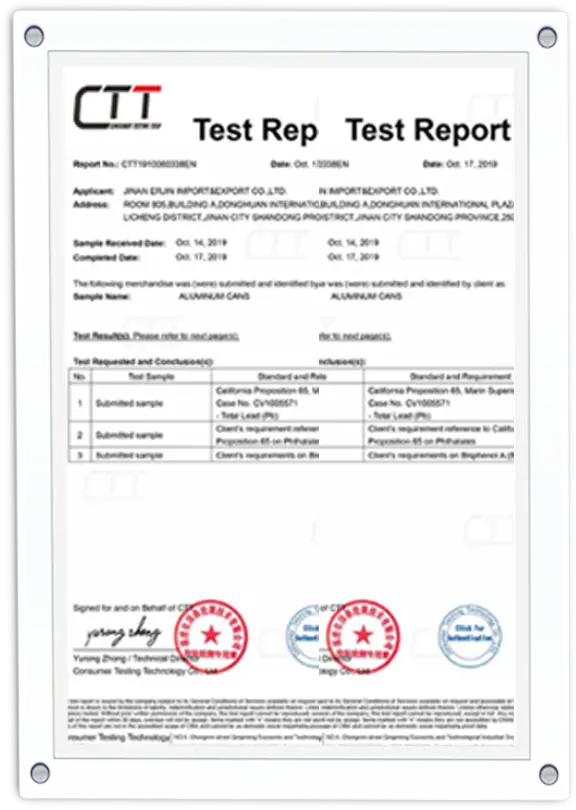
We maintain a comprehensive certification portfolio to support exports to markets with strict food safety standards, including Europe, North America, the Middle East, and Southeast Asia.
Technical specifications, customization details, and formulation support for food engineers
Explore our full line of functional fibers, proteins, and starches for diverse food processing applications
 Xinrui Group