Explore our core global-standard processing range spanning wheat gluten, high-purity ethanol, and advanced non-GMO proteins.
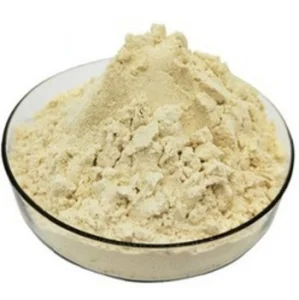
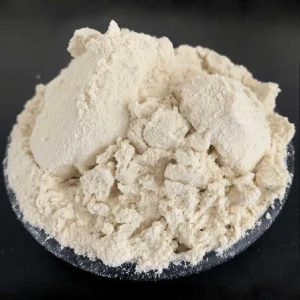
The global food industry is experiencing an unprecedented structural transformation driven by plant-based macromolecular substitutions. Pea Protein Isolate (PPI), derived from yellow peas (Pisum sativum), has emerged as the definitive ingredient of choice for next-generation clean-label formulations. Unlike traditional soy or wheat proteins, pea protein isolate is naturally hypoallergenic, free from genetically modified organisms (non-GMO), and satisfies the rigorous criteria of clean-label verification.
Industrially, the market for pea protein isolate is projected to expand at a compound annual growth rate (CAGR) exceeding 12% over the next decade. This growth is fueled by key regulatory mandates, the rising prevalence of lactose intolerance, allergen avoidance policies in educational and healthcare environments, and the consumer demand for environmentally sustainable supply chains. The agricultural footprint of yellow peas is remarkably low; they fix nitrogen in the soil, requiring significantly less water and chemical input than animal farming or competing starch-heavy plant cultivars.
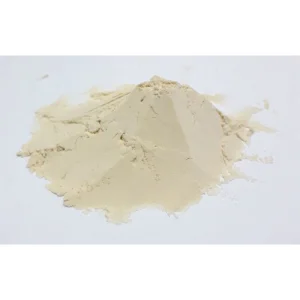
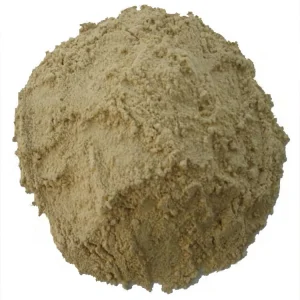
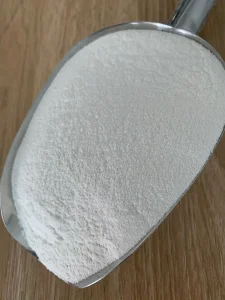
High-Quality Pea Protein Isolate is characterized by a protein content of 80% to 90% dry basis. The protein fraction is composed primarily of globulins (legumin, vicilin, and convicilin), which provide the structural basis for key functional properties such as gelation, emulsification, and water absorption capacity.
| Nutritional Property | Pea Protein Isolate | Soy Protein Isolate | Vital Wheat Gluten |
|---|---|---|---|
| Protein Content (Dry Basis) | ≥ 80% - 85% | ≥ 90% | ≥ 75% - 80% |
| Allergenic Status | Hypoallergenic | Major Allergen | Gluten Allergen |
| Lysine Concentration | Extremely High | High | Very Low |
| Digestibility Index (PDCAAS) | 0.78 - 0.82 | 0.95 - 1.00 | 0.25 - 0.35 |
| GMO Risk Profile | Zero (Naturally non-GMO) | Moderate (Requires IP control) | Extremely Low |
By mapping the protein profiles, global food scientists can design targeted ingredient blends. For instance, blending Pea Protein with Rice or Soy Protein creates a complete amino acid profile with a PDCAAS close to 1.0, satisfying the strict requirements of pediatric and sports nutrition formulas.
At the heart of high-volume plant macromolecule production is the principle of resource utilization efficiency. Guanxian Xinrui Industrial Co., Ltd. and Shandong Kawah Oils Co., Ltd. represent the pinnacle of Chinese agricultural deep-processing automation. Through a sophisticated, closed-loop circular economy, the group integrates key production workflows:
Guanxian Xinrui Industrial Co., Ltd. processes 500,000 tons of wheat flour annually, extracting wheat gluten and high-grade wheat starch. The byproduct lines are recycled to generate food-grade ethyl alcohol (ethanol) and nutrient-rich animal feed. This multi-stage processing infrastructure utilizes a closed-loop system powered by an imported tri-canter separation methodology, optimizing yield consistency while minimizing chemical effluents.
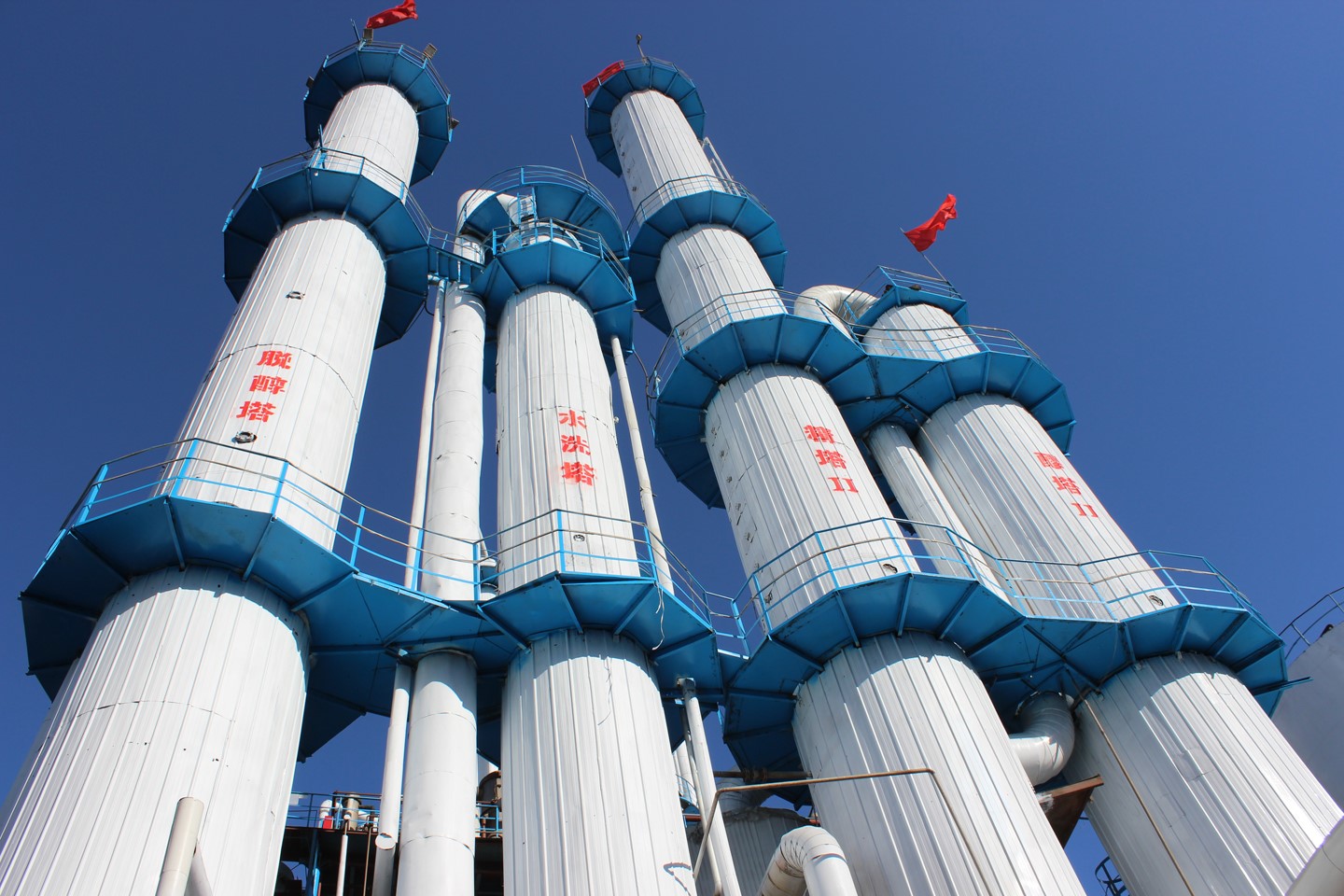
Similarly, Shandong Kawah Oils Co., Ltd. processes 180,000 tons of domestic non-GMO soybeans annually. Using automated wet extraction systems and the largest single-line spray drying tower in China (engineered by DACHUANYUAN), the facility produces high-dispersibility soy isolated protein and functional soy dietary fiber.

By applying this same level of high-capacity processing expertise, advanced raw ingredient supply chains, and specialized spray drying technology to the pea protein market, our group ensures that global corporate buyers receive pea protein isolate characterized by exceptional batch-to-batch uniformity, controlled particle sizing, and superior sensory qualities.
The production of industrial-scale plant proteins is heavily energy- and water-intensive. Chinese manufacturing centers, particularly those in Shandong province, benefit from unique industrial clustering advantages:
To successfully integrate Pea Protein Isolate into local retail markets, manufacturers must customize the protein's physical attributes for specific product formulations:
Specifically processed for low-viscosity, high-solubility profiles in acidic and neutral plant milks, ready-to-drink (RTD) protein shakes, and dry powder mixes.
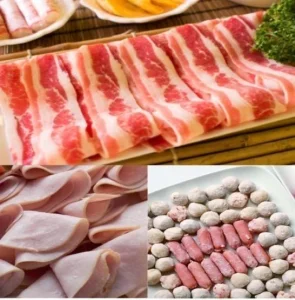
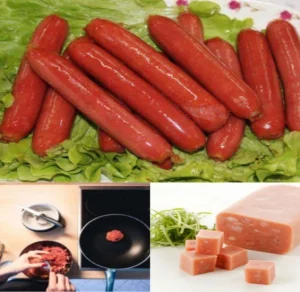
Designed with exceptional oil-binding and structural gelling capabilities, perfect for plant-based burgers, sausages, nuggets, and surimi processing.
Optimized to increase moisture retention in gluten-free bakery systems, improving crumb texture, shelf-life stability, and overall nutritional profiles.
In the context of the European and North American meat analog markets, high-gelation proteins are blended with dietary fibers to mimic the fibrous texture of muscle tissue. In Asian dairy-alternative segments, the key challenge is eliminating the grassy "beany" off-notes typical of raw pea starches. Through proprietary thermophysical processing and flash evaporation systems, our factories achieve a clean, neutral flavor profile, significantly reducing the requirement for artificial flavoring agents.
For industrial food developers, this physical and sensory optimization shortens the time-to-market for new clean-label products, offering a reliable, plug-and-play solution across multiple food matrices.
For global category managers and procurement directors, navigating plant protein transactions requires a deep evaluation of supplier infrastructure. Key variables to audit include crop traceability, microbiological monitoring, heavy metal control, and shipping logistics.
Through our export division, Guanxian Ruichang Trading Co., Ltd., we consolidate export processing, logistics, and documentation. Currently, over 70% of our group's industrial output is shipped directly to overseas partners across Europe, the Americas, and Southeast Asia. This integrated trade pipeline ensures that pricing models remain highly competitive by eliminating intermediary brokers.
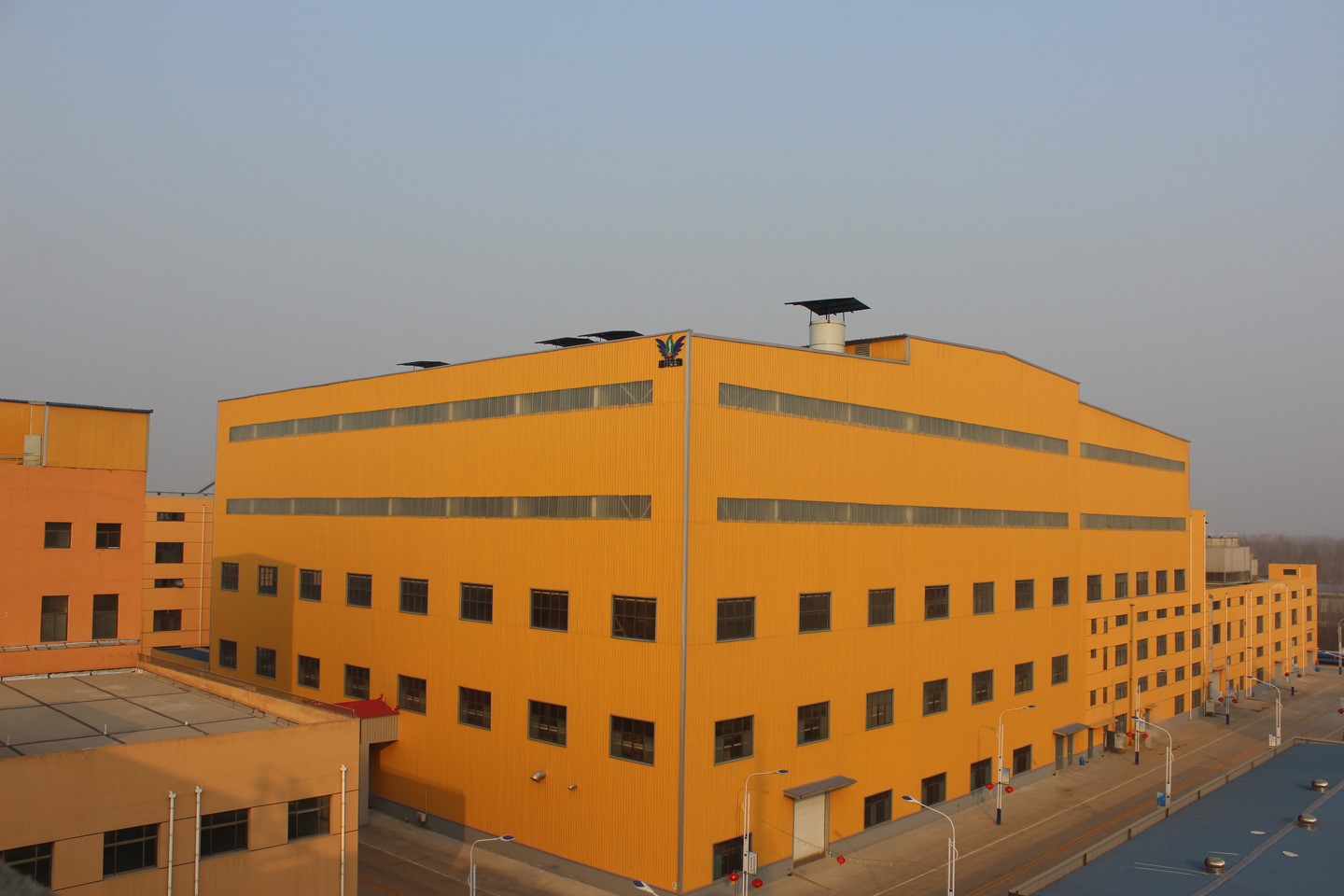
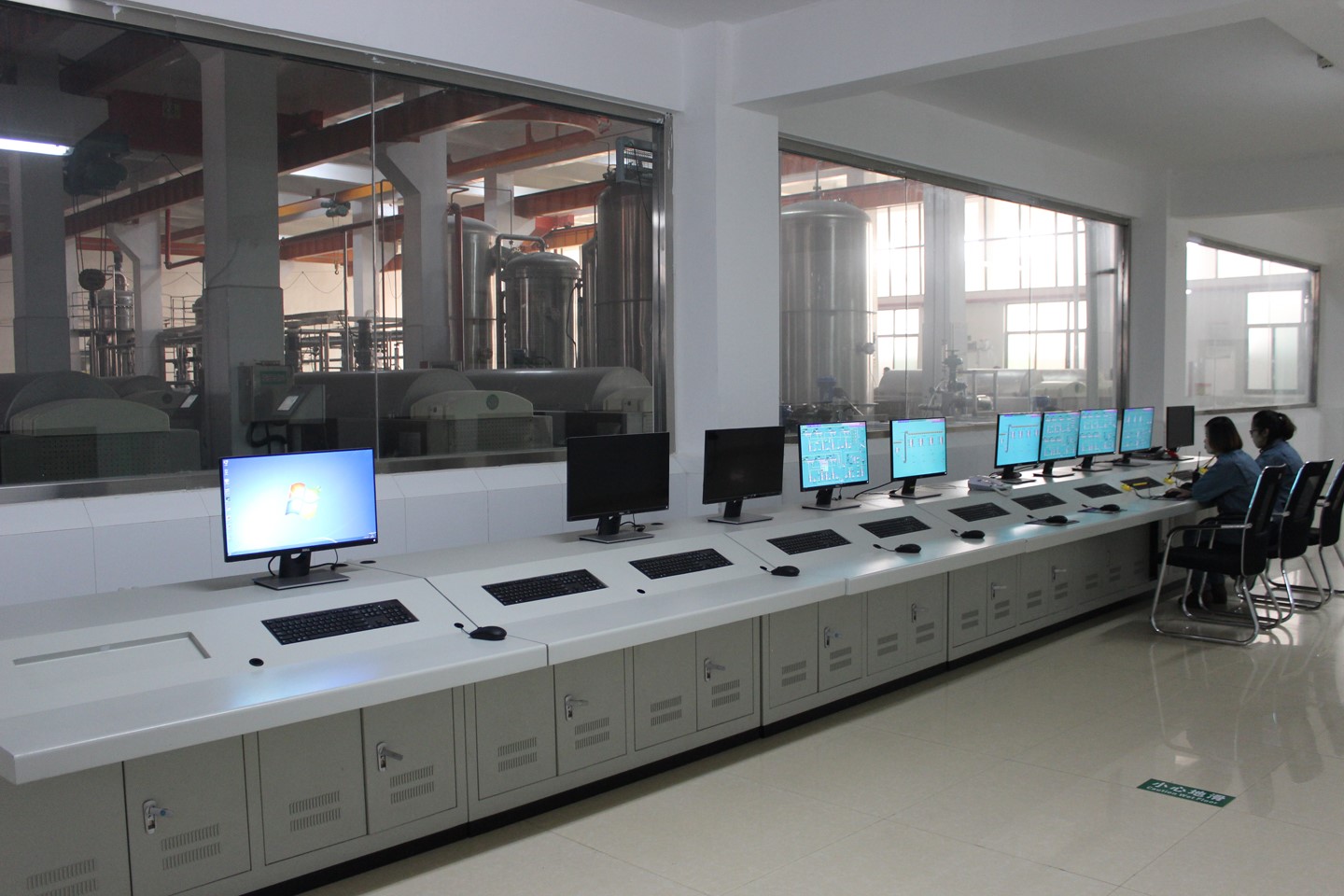
Visualizing our advanced wet-processing corridors, spray drying towers, and continuous milling automation lines.
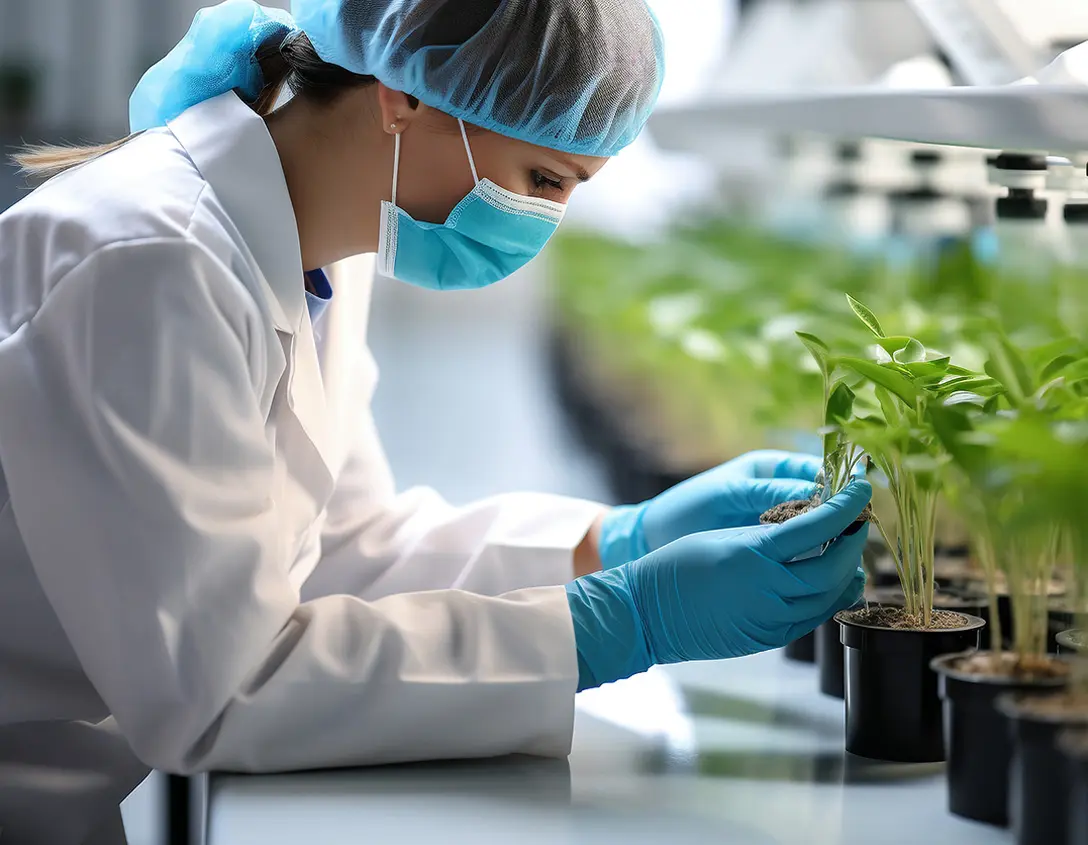
Our plant protein products conform to the strictest global regulatory audits, ensuring safety and compliance across international borders.
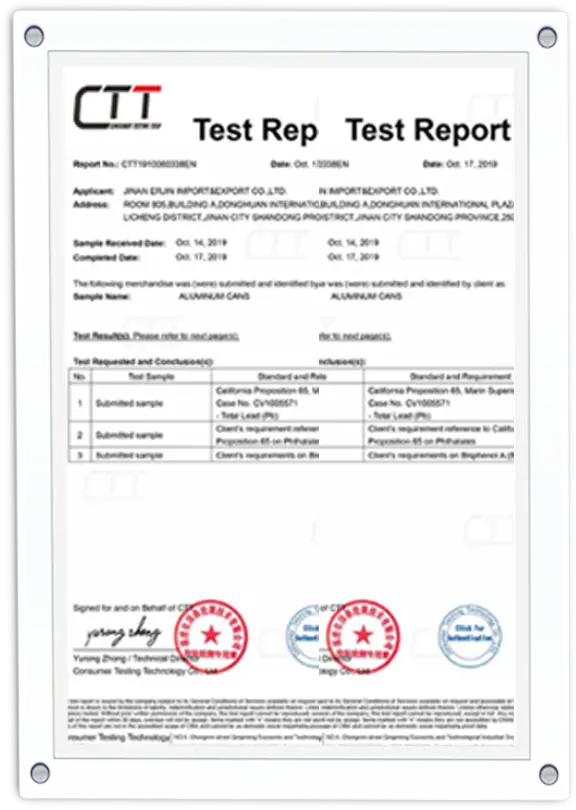
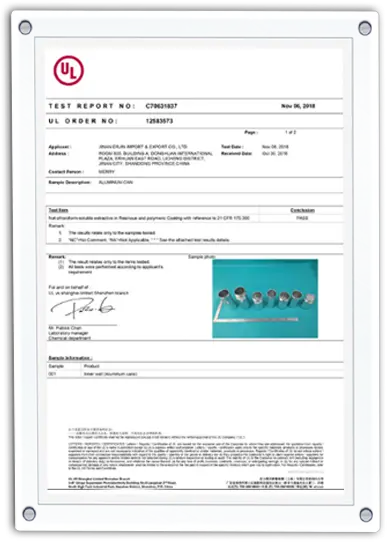
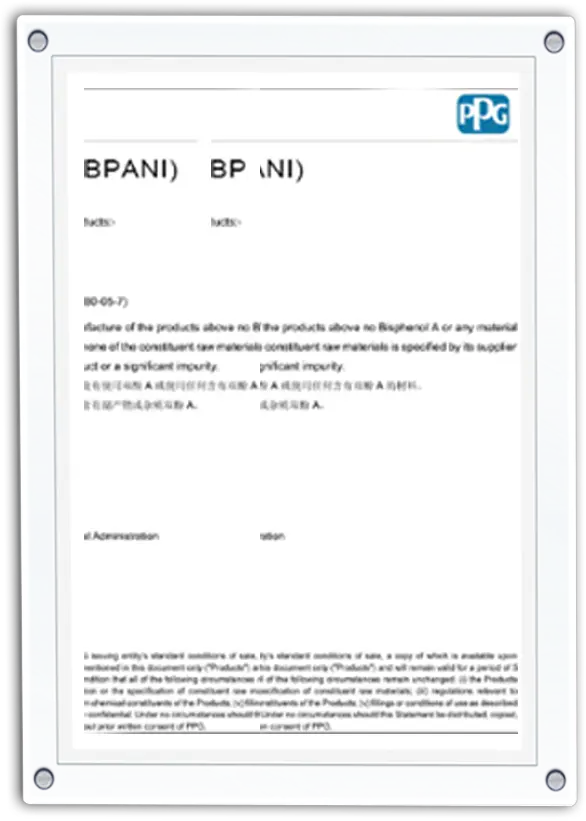
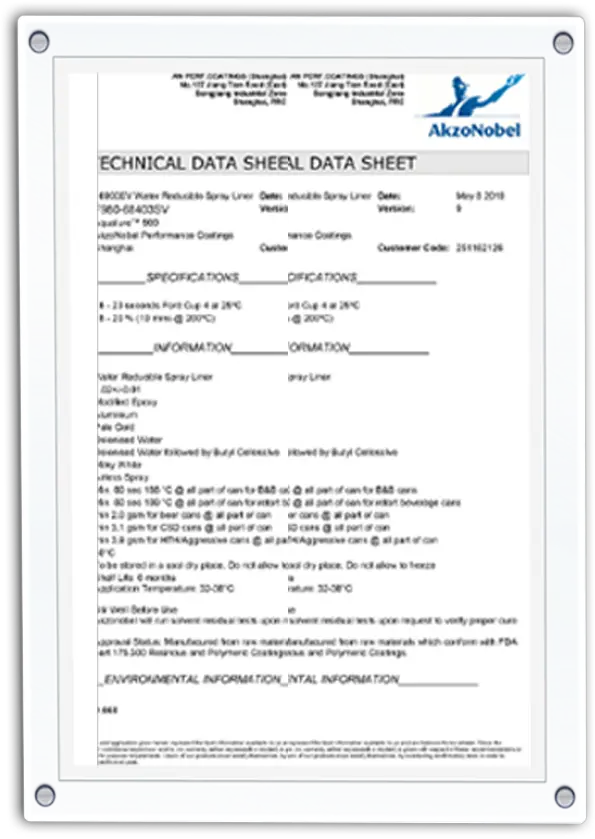
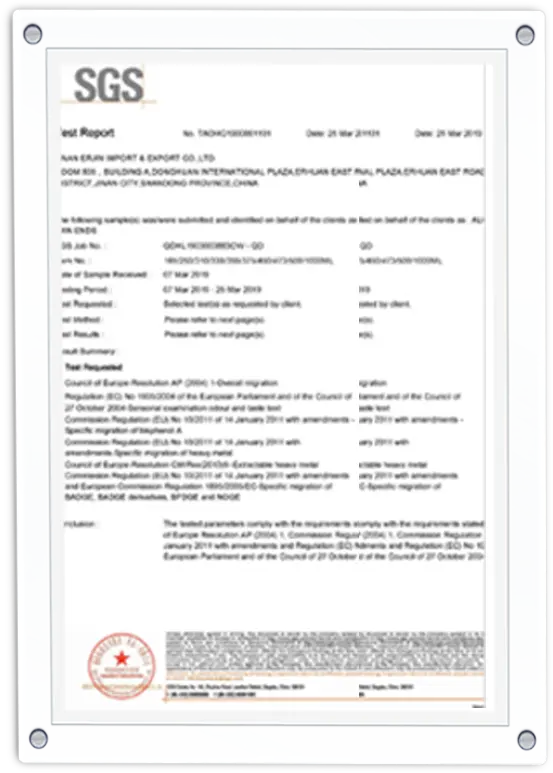
Answers to essential questions regarding our raw materials, factory capacity, quality systems, and logistics.
We offer a wide range of soybean, wheat, and starch ingredients to meet global food formulation requirements.
 Xinrui Group