Explore our industrial-grade, non-GMO plant protein portfolio specifically engineered for meat alternatives, high-emulsion systems, and clean-label beverages.
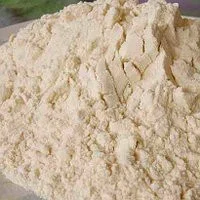
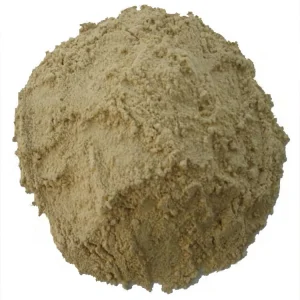
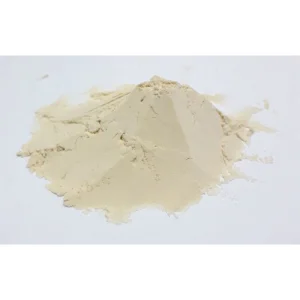
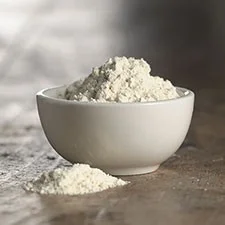
Established in May 2003, Xinrui Group represents a formidable force in global agricultural processing, occupying over 1,000 mu of highly optimized industrial land. Synthesizing advanced raw material procurement with highly efficient, integrated energy networks, the Group produces an annual output valued at approximately 2.8 billion Yuan.
Under the corporate umbrella, our dedicated bio-refining units leverage distinct supply chain specializations. Guanxian Xinrui Industrial Co., Ltd. (formerly Guanxian Ruixiang Biotechnology Development Co., Ltd.) processes 500,000 tons of wheat flour annually, transforming raw domestic crops into vital wheat gluten, premium wheat starch A, and wheat starch B. To fulfill our commitment to a zero-waste industrial cycle, starch B and pentosan are systematically re-routed into manufacturing high-purity industrial/food-grade ethanol and premium animal feed.
At the center of our non-GMO protein infrastructure is Shandong Kawah Oils Co., Ltd., founded in 2014 with 120 million Yuan in registered capital. It processes 180,000 tons of non-GMO soybeans annually, utilizing state-of-the-art closed-loop isolation tech to extract non-GMO soybean oil, low-temperature food-grade soy meal, isolated soy protein (ISP), and dietary fiber.

Harnessing physics and mechanical engineering to preserve the natural protein structure while maximizing functional capability.
Our wheat gluten production line utilizes imported European 3-phase decanter separation technology. Operating within a completely sealed, automated, and sterile system, this phase partitions high-purity gluten proteins from wheat starch A and B fractions while preserving protein structural elasticity.
To produce the optimal precursor for soybean protein isolate, Shandong Kawah Oils processes selected non-GMO soybeans using low-temperature extraction technology. This preserves the water-soluble nitrogen solubility index (NSI > 85%) of the low-temperature meal, critical for downstream protein solubility.
We host the largest single-line spray drying tower in China, engineered by DACHUANYUAN. This system allows for precise droplet control, flash-evaporating moisture in seconds to yield ultra-fine, highly dispersible powders without thermal degradation or protein denaturation.
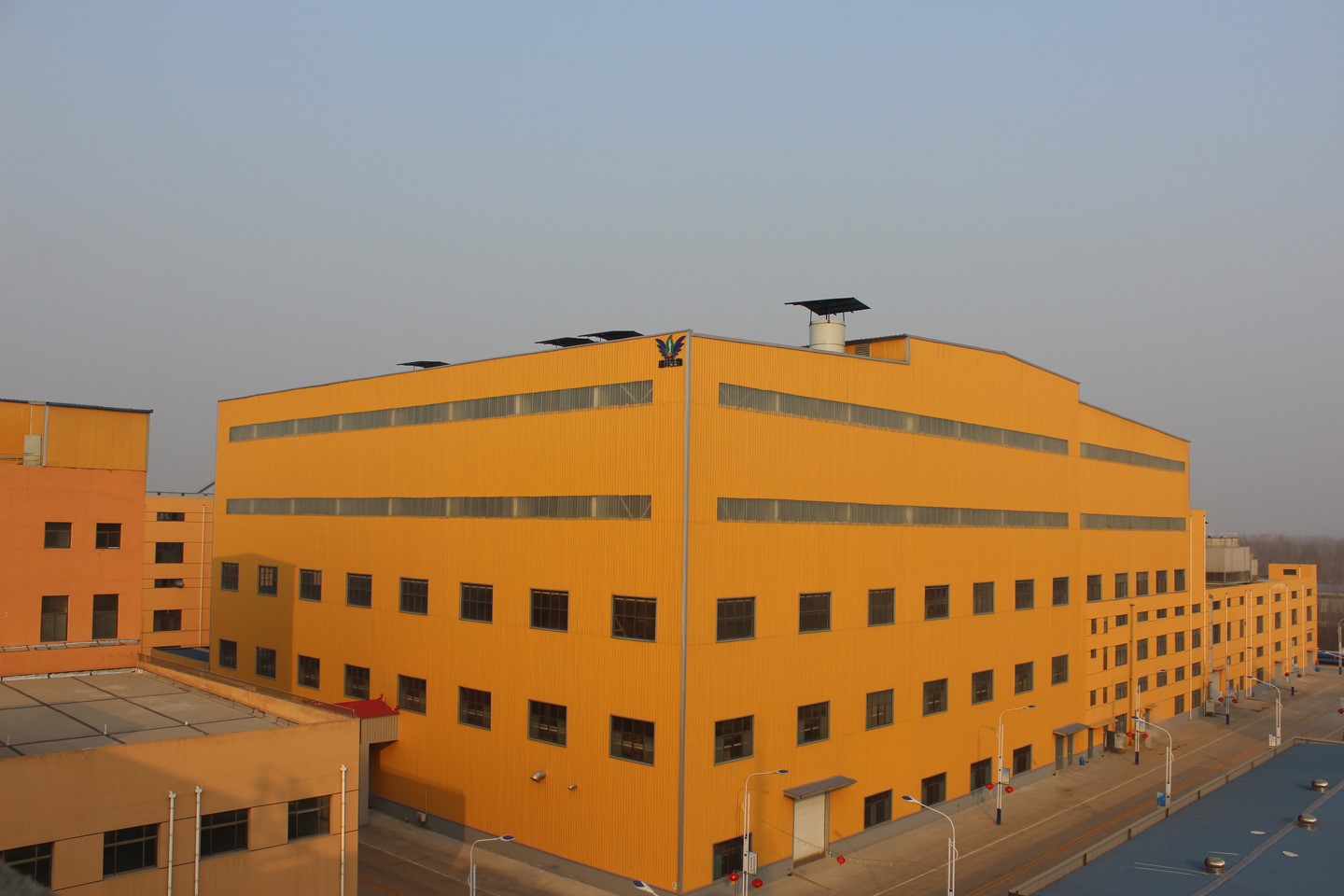
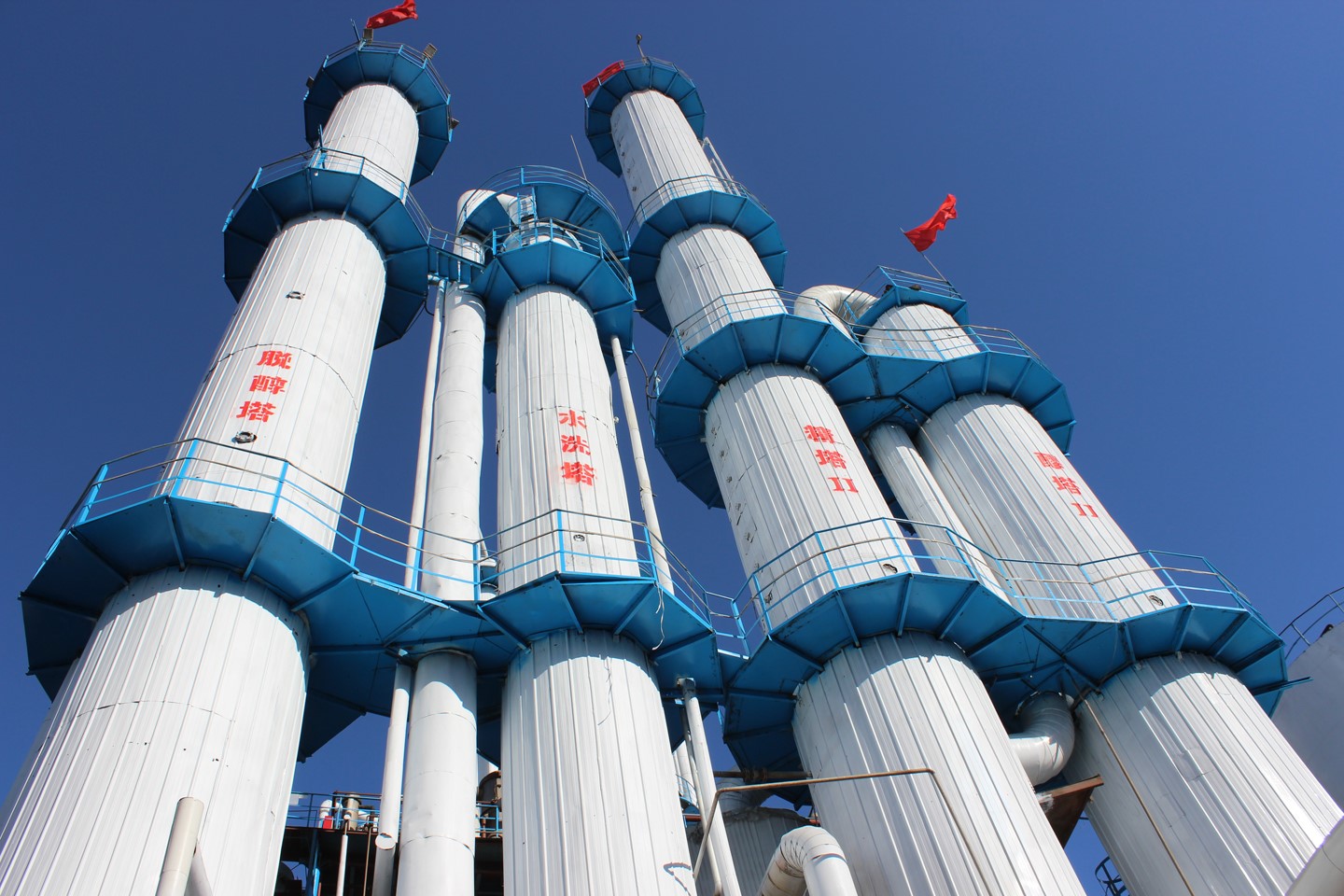
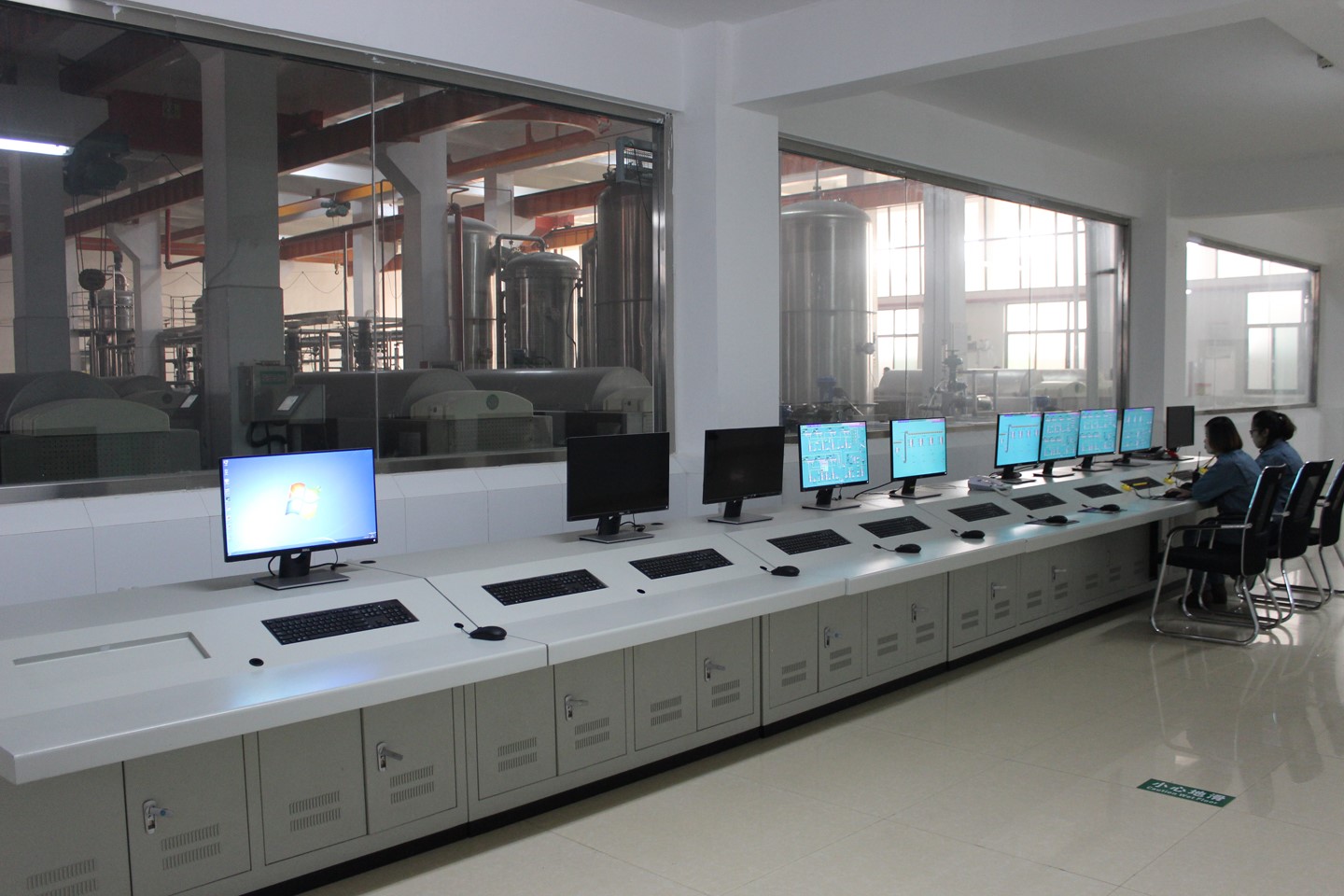
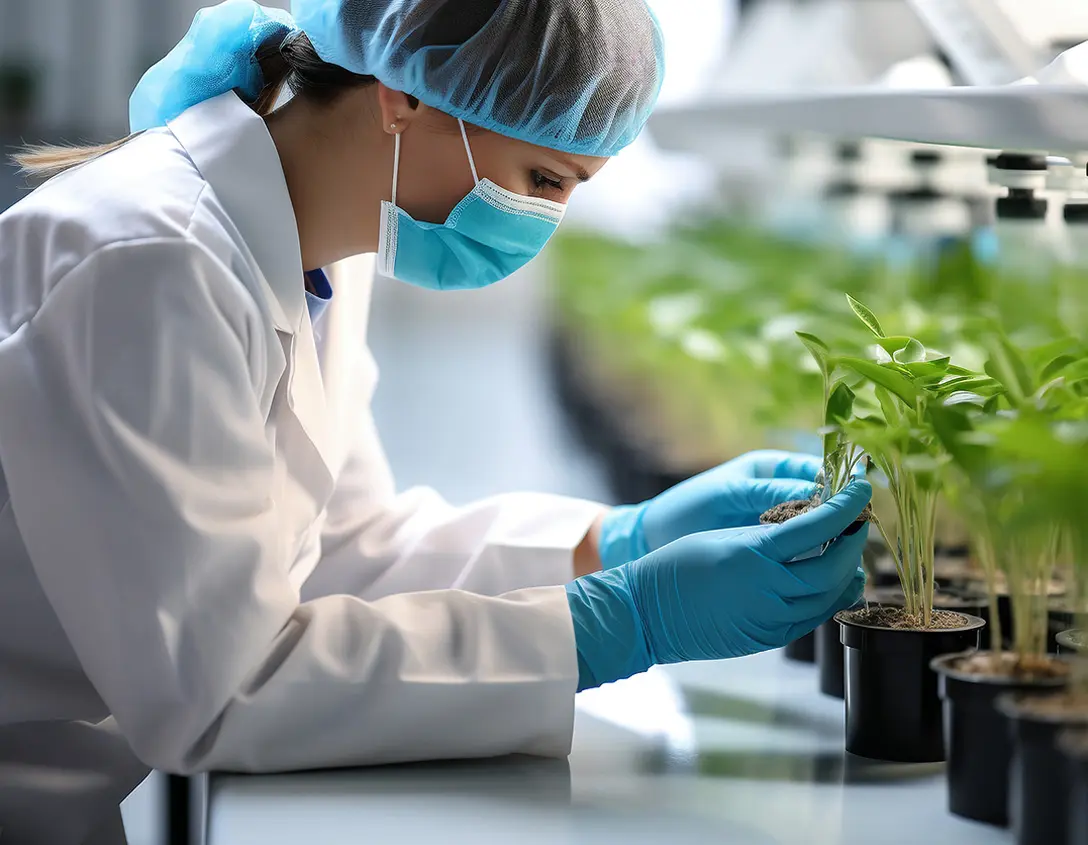
Plant-based consumer demands are highly regional. Our application laboratory works directly with global food scientists to customize protein functionality:
In the contemporary global trade environment, raw material availability and pricing consistency are key. Xinrui Group has built a circular economy industrial chain that protects international buyers from sudden market shocks:
1. Vertically Integrated Co-Generation: Unlike processing plants dependent on municipal grids, our facility incorporates internal power cogeneration, urban heating, and gas supply systems. This protects production runs from external energy disruptions and maintains structural stability for cost forecasting.
2. Multi-Crop Agricultural Access: Operating deep-processing lines for both wheat and domestic non-GMO soybeans guarantees crop raw material flexibility. Our contract-farming model provides direct trace-to-field visibility, yielding complete transparency for "IP Non-GMO" status from seed selection to final packaging.
3. Export Logistics & Trade Integration: Managed by Guanxian Ruichang Trading Co., Ltd. (est. 2011), the export arm manages more than 70% of the group's production capacity, exporting isolated soy protein, vital wheat gluten, soluble dietary fiber, vermicelli, and ethanol directly to global markets. This eliminates third-party handling margins, optimizing container turnaround times and tracking from the factory floor to the destination port.
Fully certified by international regulatory systems, ensuring frictionless entry into the world's most demanding food production systems.
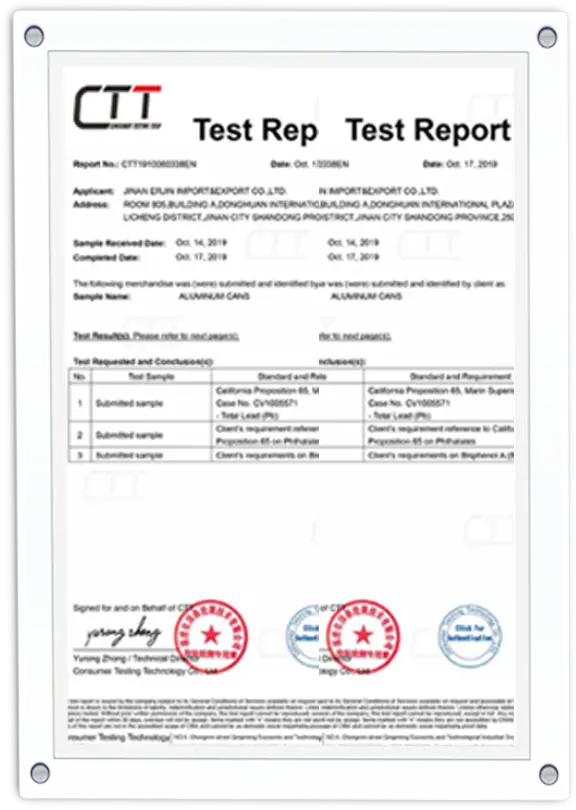
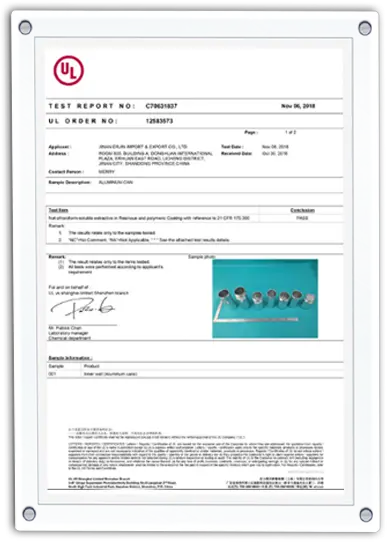
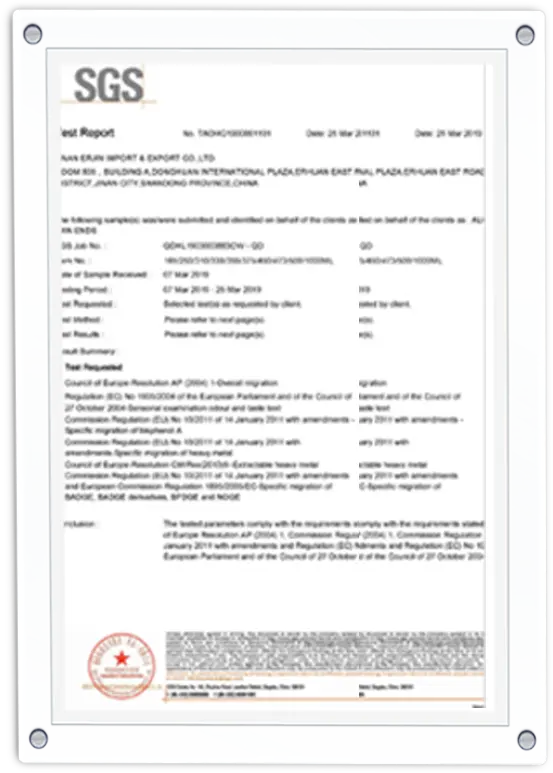
Engineered for high functionality, clean taste, and structural integrity across diverse recipe environments.
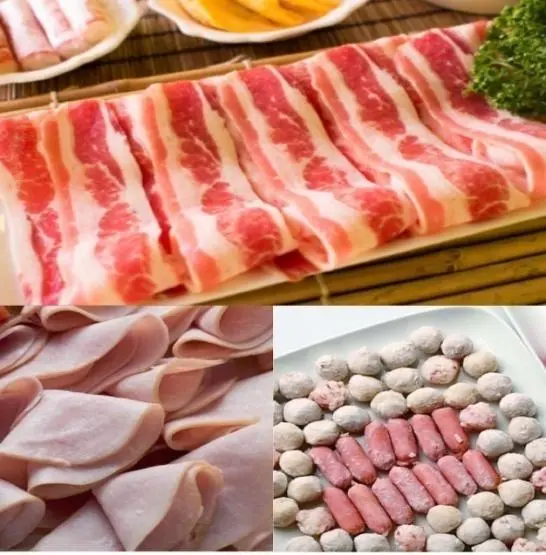
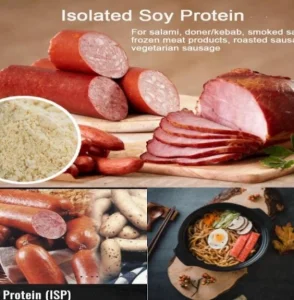
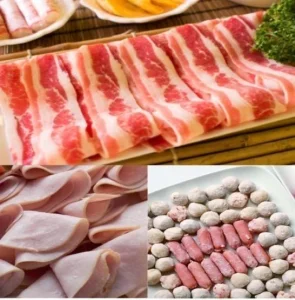
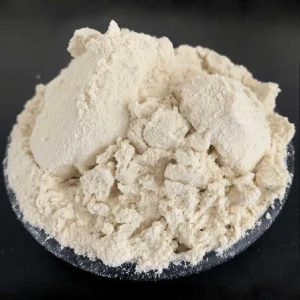
Engineered with an outstanding water-to-oil binding ratio (1:5:5). Highly recommended for cooked emulsified meats, vegetarian patties, and hot dogs to optimize structural stability and mouthfeel.
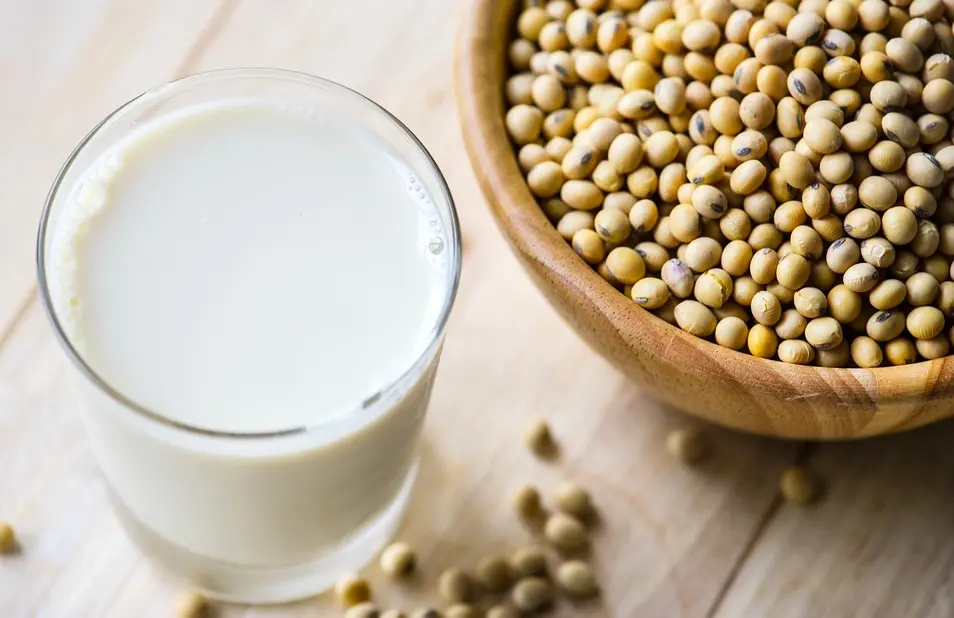
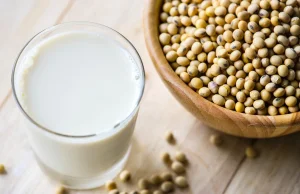
Formulated with low viscosity and high solubility. Dissolves rapidly in liquid formulations, offering clean-label sports nutrition drinks, RTD shakes, and dairy alternative formulas without grittiness.
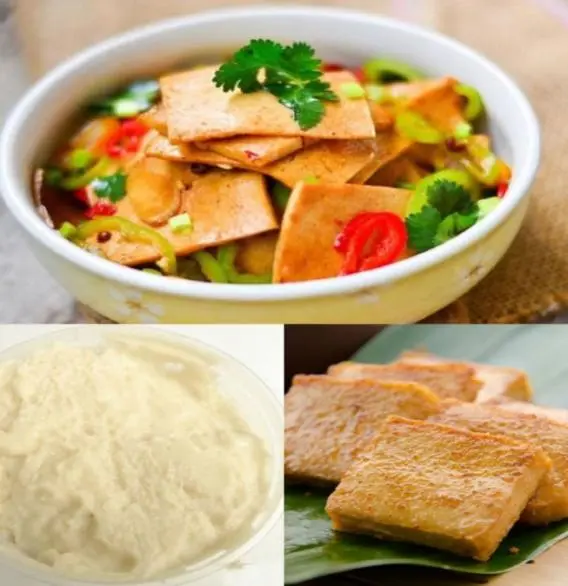
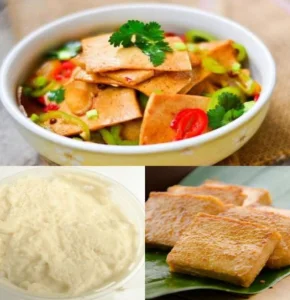
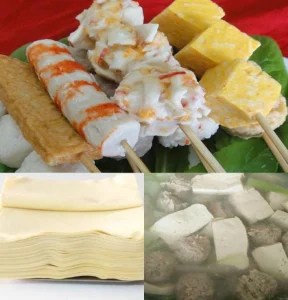
High gelling capacity designed to form strong thermal gels at high temperatures. Ensures ideal firmness and water-binding capacity for traditional and high-moisture tofu.
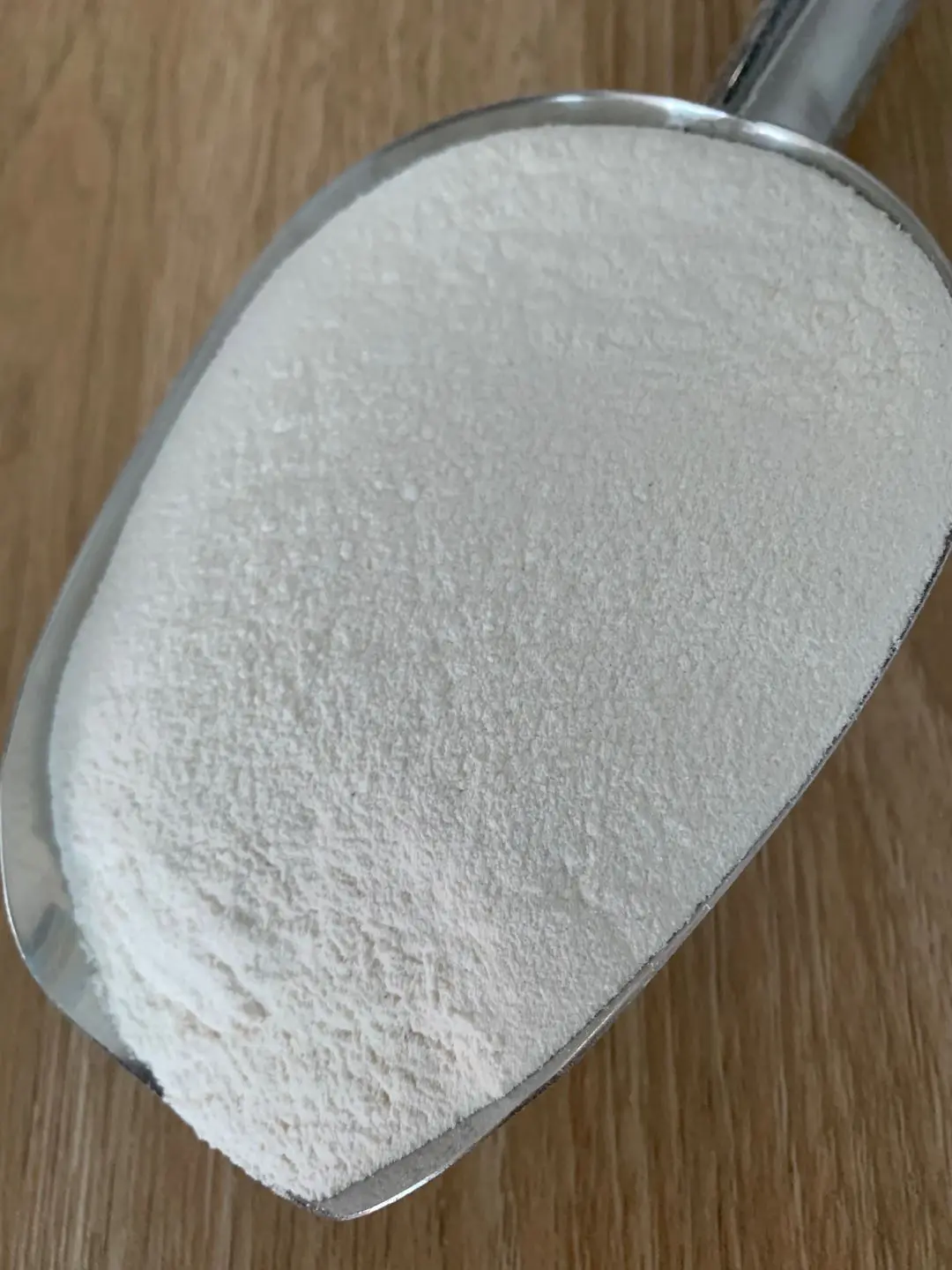
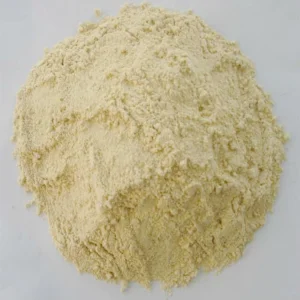
Natural food-grade dietary fiber extracted during the isolation process. Provides water retention properties (1:10 water binding) and dietary fiber enrichment for baked goods and processed meat matrices.
Observe the physical processing lines, laboratory testing phases, and automated packaging protocols in our production facilities.
As a leading supplier of botanical proteins, we recognize that clean labels and allergen reduction represent the future of food design. Our research and development roadmap focuses on several key areas:
Expert answers addressing the functional, agricultural, and logistics aspects of our ingredients portfolio.
Additional food starches, specialty proteins, and functional dietary fibers designed for industrial scaling.
 Xinrui Group