Direct supply paths from our certified NON-GMO processing complexes. Choose from high-emulsion, structural starch, or food-grade chemical reagents.
Whitepaper Analysis: The transition from simple texturizers to highly specialized biological molecular emulsions.
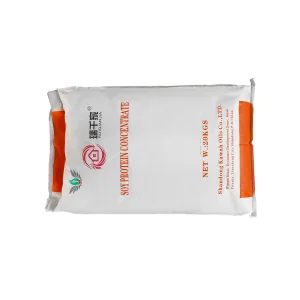
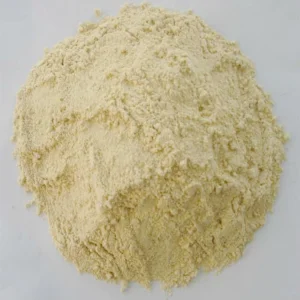
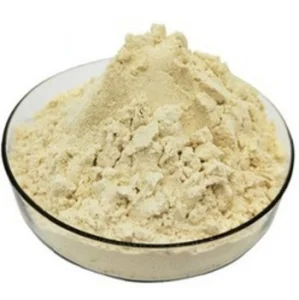
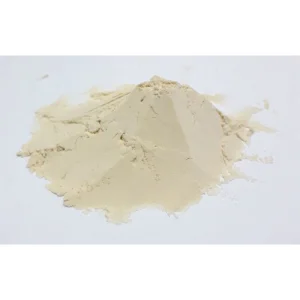
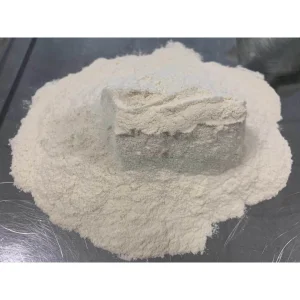
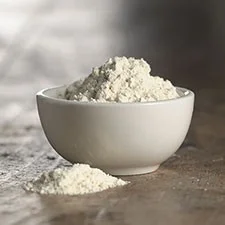
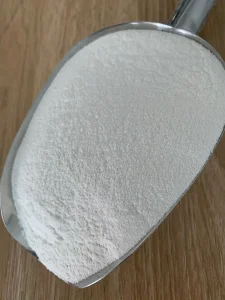
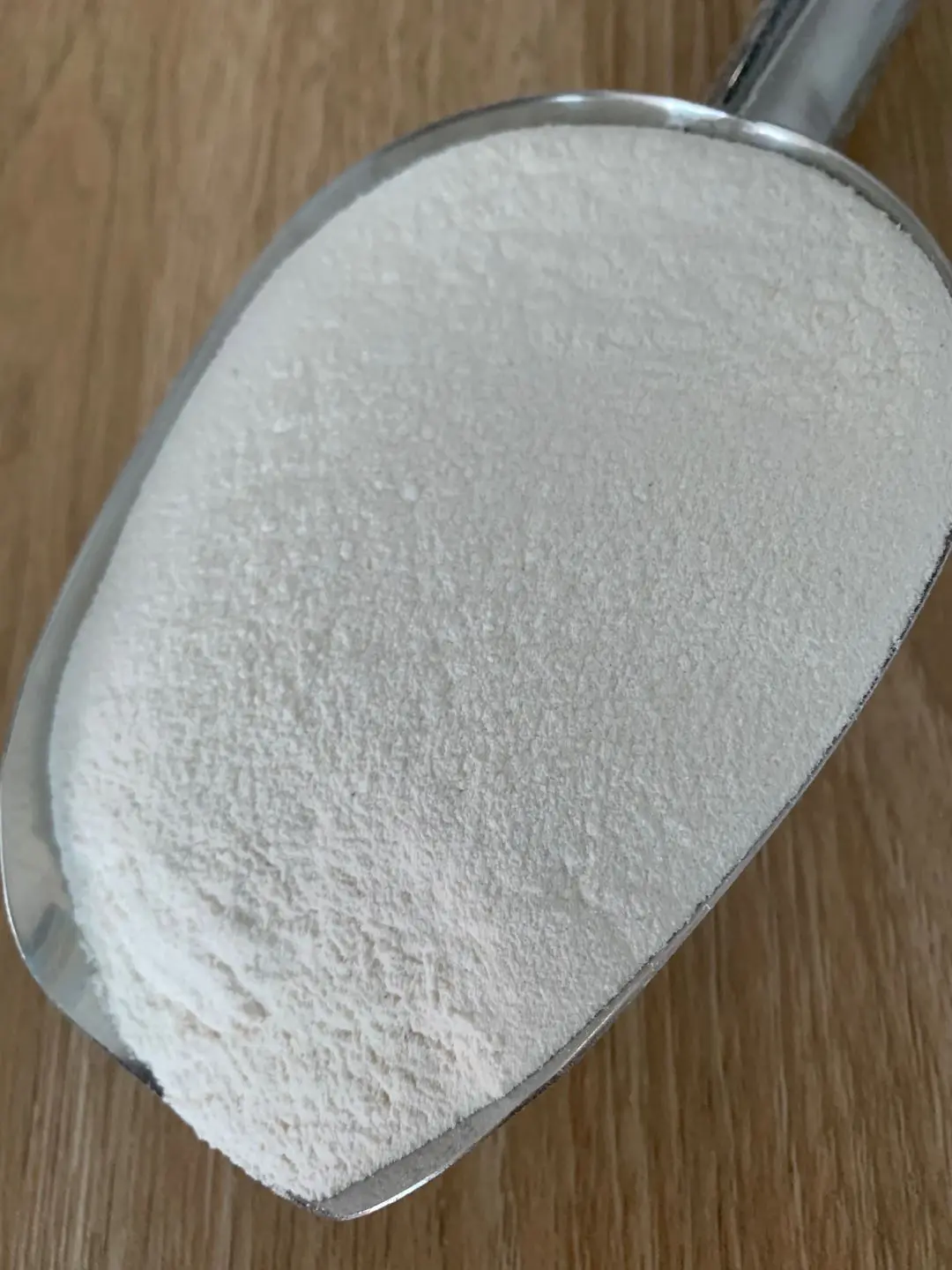
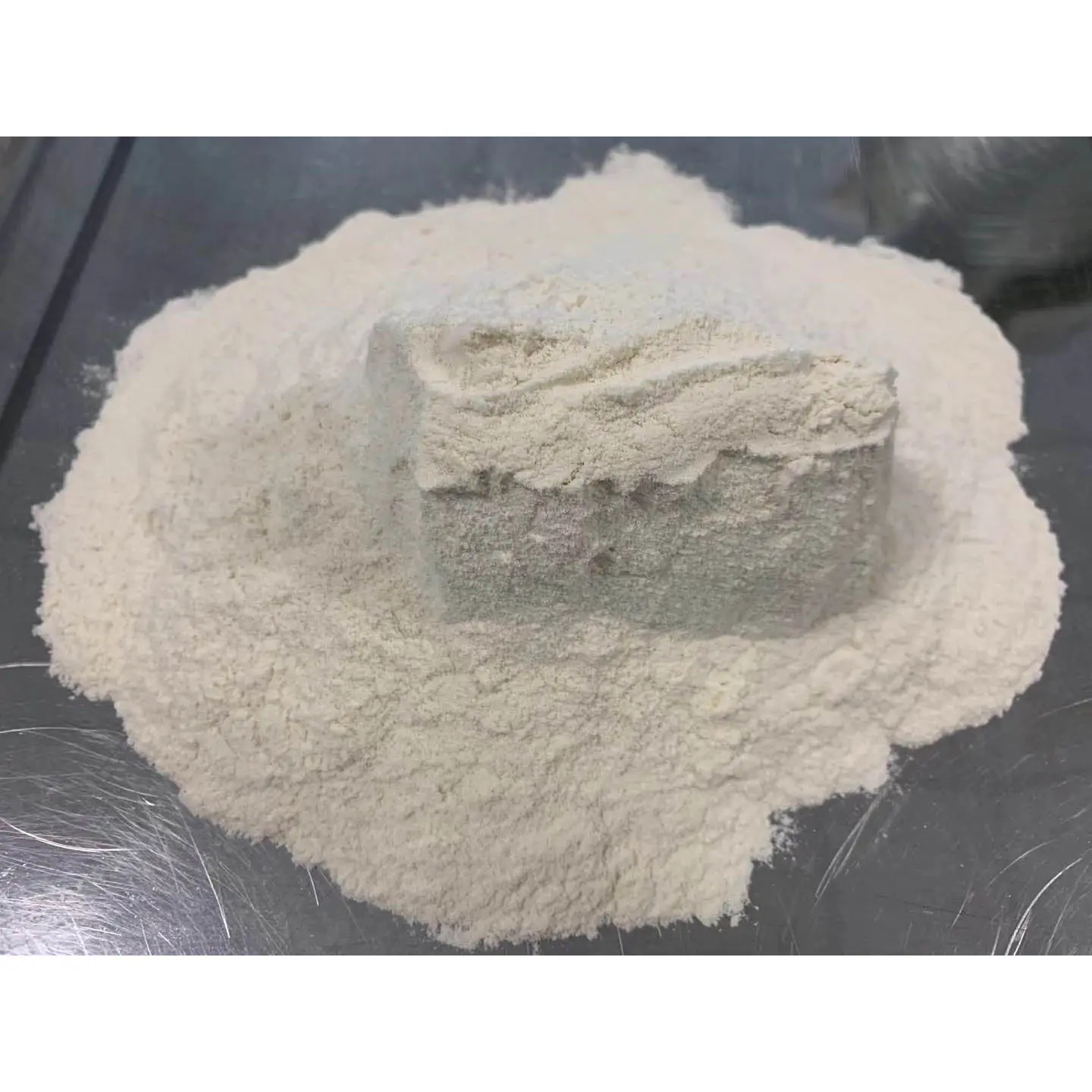
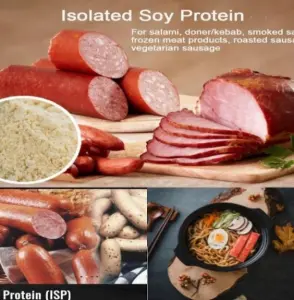
Global demand for isolated soybean protein (ISP) continues to expand rapidly. With a minimum protein concentration of 90% (on a dry basis), modern ISP is no longer utilized merely as a cost-effective extender. Our manufacturing processes focus on resolving functional constraints within high-temperature processing pipelines, ensuring strict control over viscosity, gelling kinetics, and moisture retention.
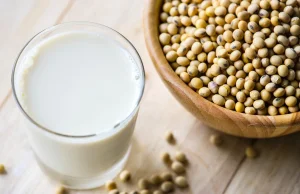
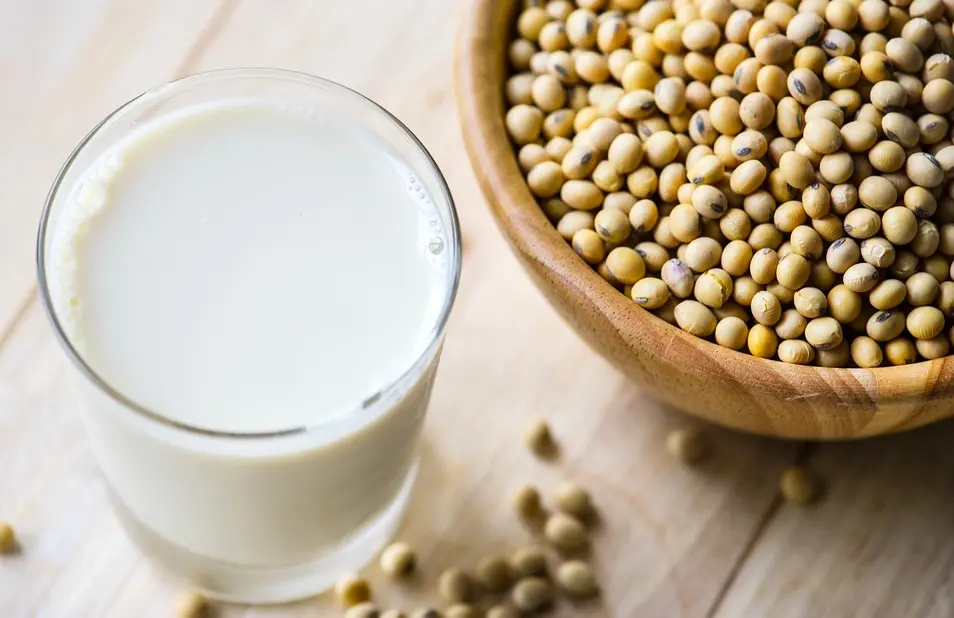
Consumer segments demand verifiable ingredient profiles. This is why our crop bases in Shandong prioritize identity preserved (IP) Non-GMO soybean cultivation. By operating a fully integrated industrial loop, we offer complete transparency—from raw non-dehulled soybean cleaning to low-temperature desolventizing and downstream purification.
Our circular economic model integrates steam cogeneration, urban heating, municipal gas supply, and deep agricultural refinement. Processing 180,000 tons of soybeans and 500,000 tons of wheat flour annually, we generate an output value of 2.8 billion Yuan. We maximize resource utilization, repurposing byproducts into ethanol and high-value animal feed.
Combining modern extraction systems with a low-carbon footprint circular economy.

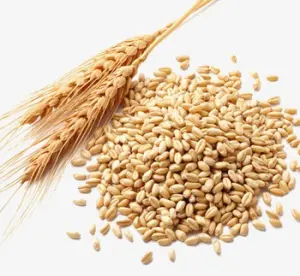
GUANXIAN XINRUI INDUSTRIAL CO., LTD. (formerly known as GUANXIAN RUIXIANG BIOTECHNOLOGY DEVELOPMENT CO., LTD) was established in 2007 with a registered capital of 100 million Yuan. We process 500,000 tons of wheat flour annually, utilizing advanced separation technologies to yield vital wheat gluten, starch A, and starch B. In our gluten manufacturing lines, we use imported tri-canter separation systems. The entire extraction line is fully closed and sanitized, positioning our yield metrics, technology, and stability at the forefront of the industry.
Additionally, GUANXIAN RUICHANG TRADING CO., LTD. was founded in 2011 with a registered capital of 6 million Yuan. Operating as our export arm, it ships isolated soy protein, wheat gluten, soluble dietary fiber, vermicelli, and ethanol directly to international clients, handling over 70% of our group's output.
Established in 2014 with a registered capital of 120 million Yuan, SHANDONG KAWAH OILS CO., LTD. is a leading provincial agricultural enterprise. It oversees the entire value chain, including cultivation, R&D, deep processing, and export operations.
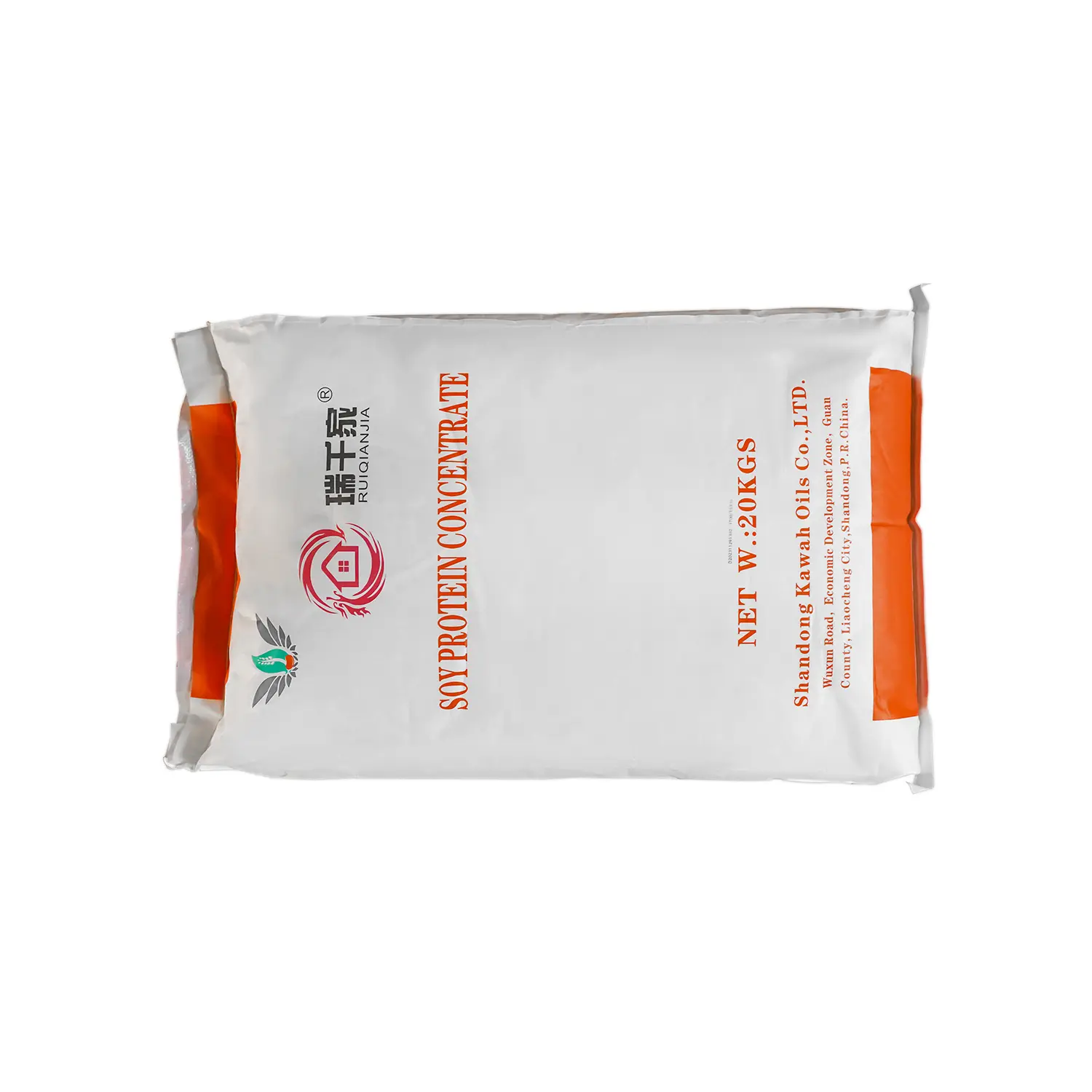
Processing 180,000 tons of domestic Non-GMO soybeans annually, Kawah Oils systematically extracts Non-GMO soybean oil, low-temperature food-grade meal, isolated soybean protein, and dietary fiber. Our production line features the DACHUANYUAN spray drying tower, the largest single spray drying line in China, which ensures precise control over particle distribution, powder density, and solubility indices.
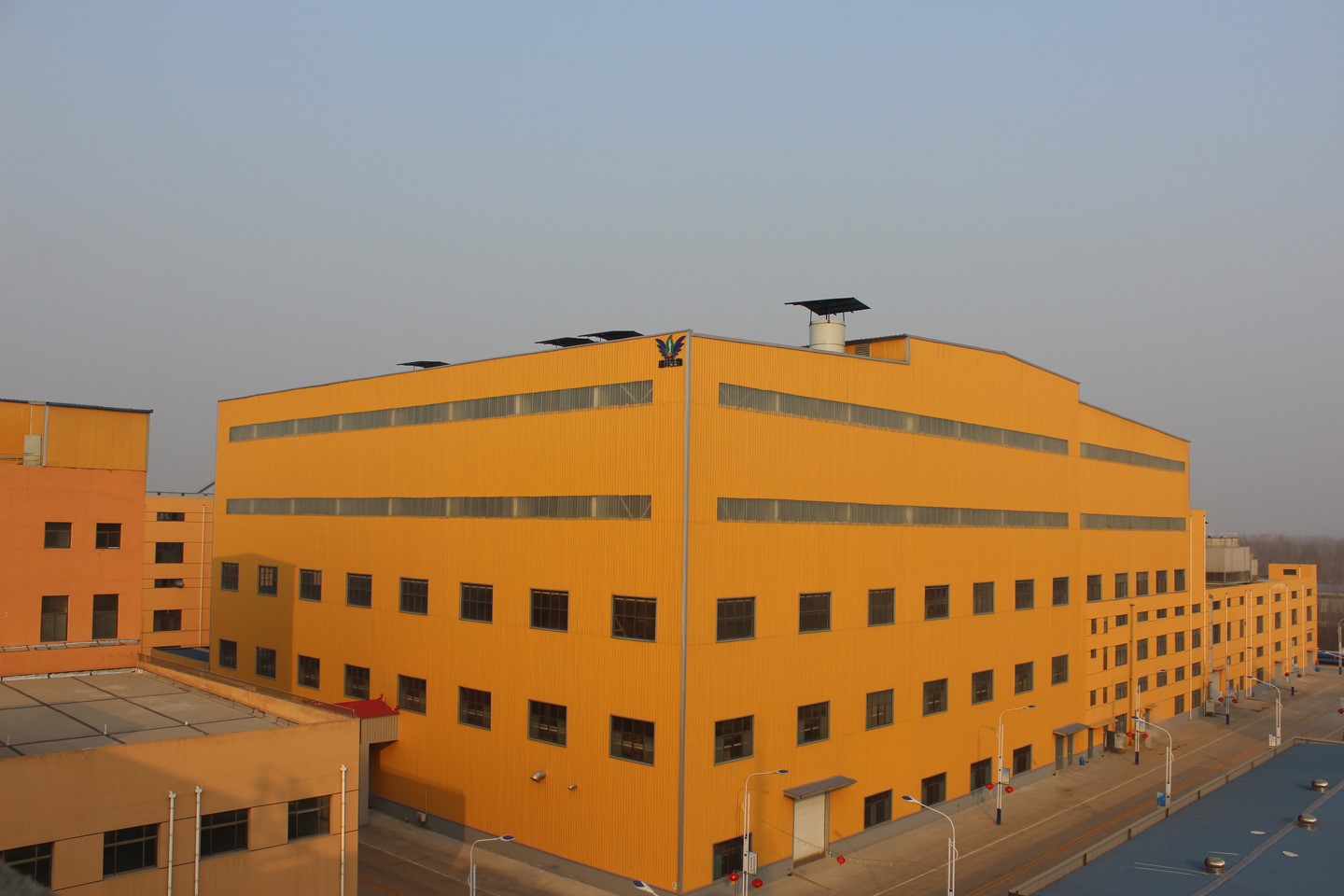
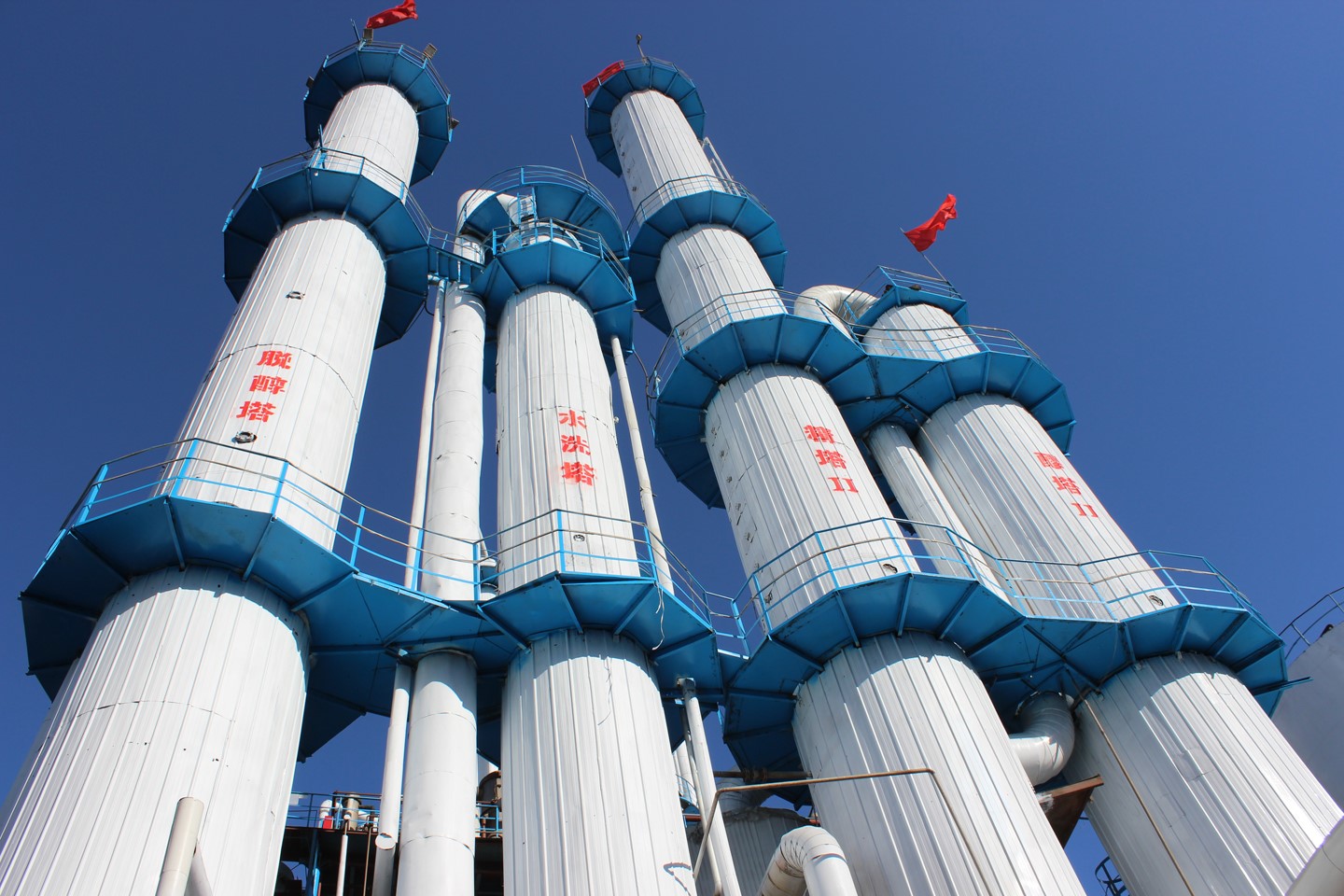
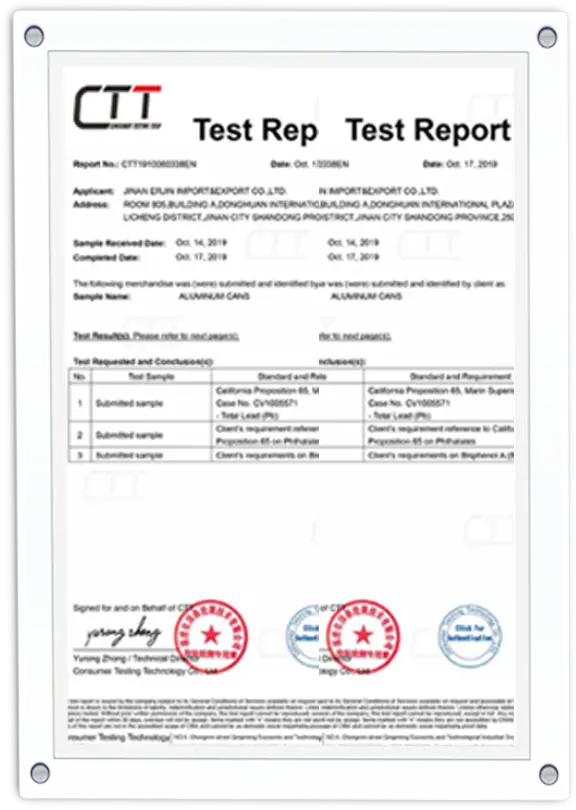
Quality begins in the field. Our vertically integrated pipeline draws directly from our dedicated wheat and Non-GMO soybean planting bases. By controlling crop genetics and agricultural practices, we eliminate chemical drift and cross-contamination from GMO crops. This localized control allows us to meet strict international standards, including IP-NON GMO, BRC, Halal, and Kosher certifications.
This closed-loop system shields our partners from supply chain shocks and regulatory challenges, ensuring consistent delivery of clean-label ingredients.
Engineered proteins tailored for specific processing conditions, moisture levels, and fat matrices.
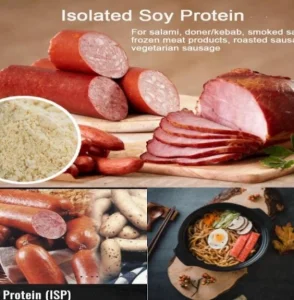
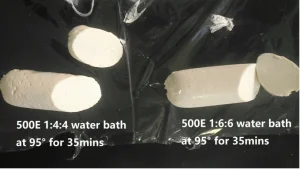
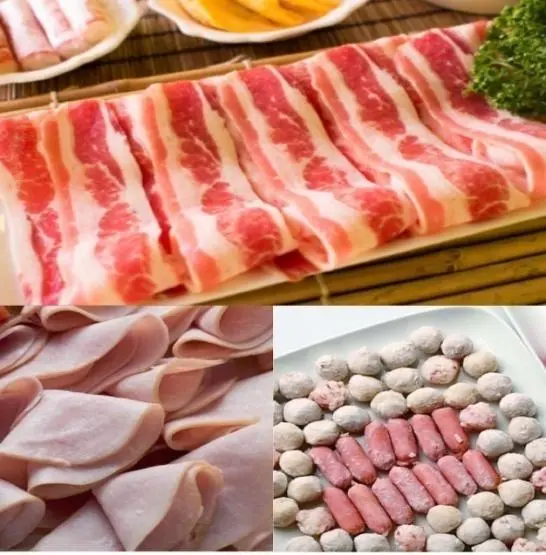
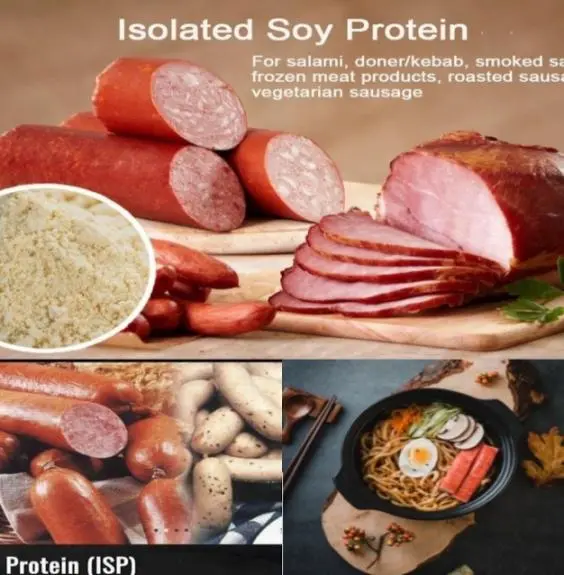
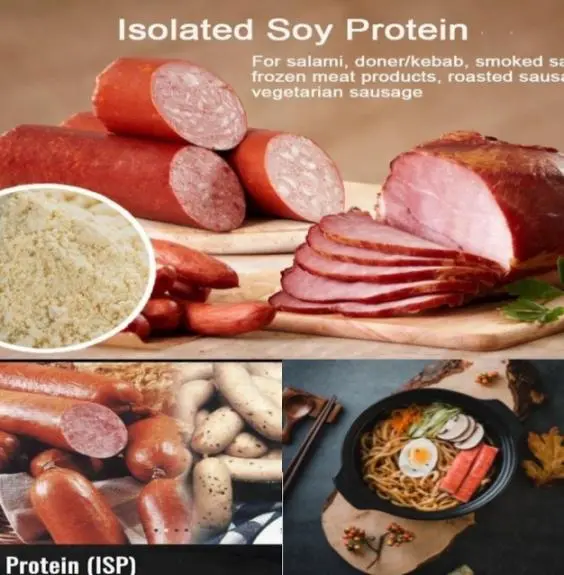
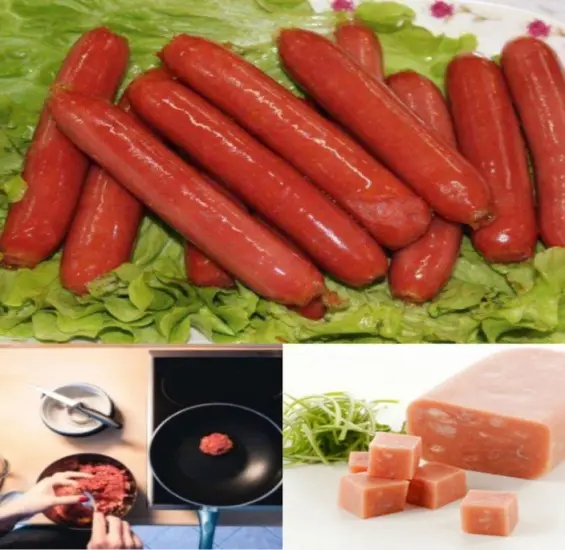
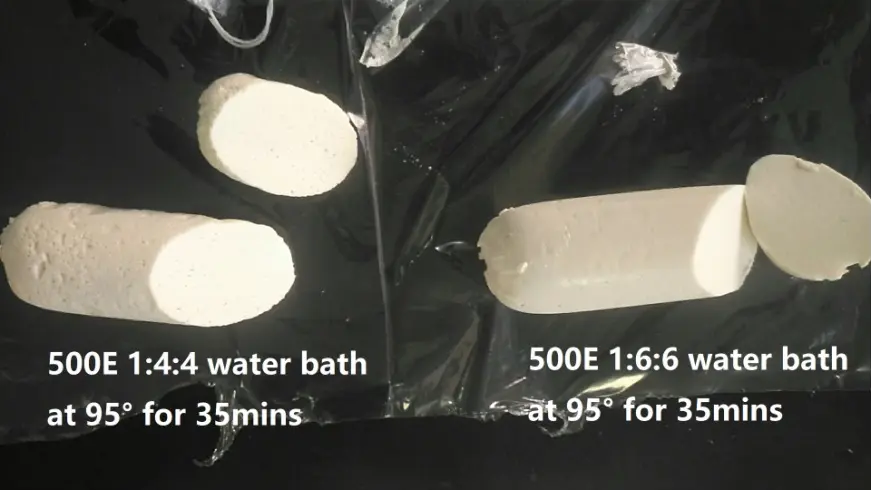
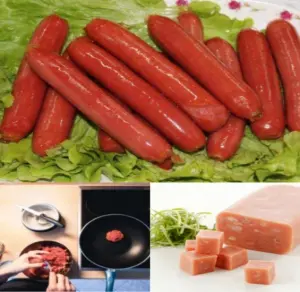
In sausage production, canned foods, and meatballs, maintaining water-oil emulsions during cooking is essential. Proteins like our 9007B-C and 9001BW are engineered for rapid dispersion and thermal gelling. They form a robust protein matrix that locks in fat and water, reduces cook shrink, and improves bite texture.
For hams and poultry breasts, proteins must hydrate quickly without clogging injection nozzles. Our injection-grade isolates, such as 9020, dissolve completely at low temperatures and exhibit low viscosity under shear. Once inside the muscle tissue, they bind free water during heat treatment, improving product yield and slicing cleanability.
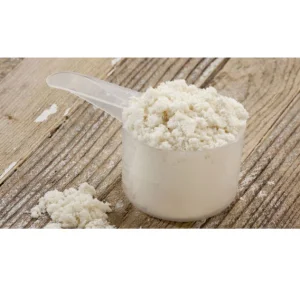
Liquid systems require excellent solubility and minimal sedimentation. Types 9030 and 9032 undergo mild enzymatic modification to reduce dustiness and enhance wet-out properties. These isolates provide high dispersibility across a wide pH range, delivering a neutral flavor profile ideal for infant formulas, protein powders, and RTD beverages.
Creating meat alternatives requires high-strength gelling properties. Our vegetarian-grade isolates, including 9003B and 9003BA, help build realistic fibrous textures. These proteins assist in forming a resilient gel network that holds up under high shear and retort temperatures.
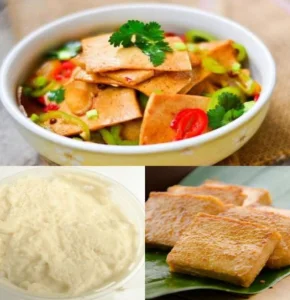
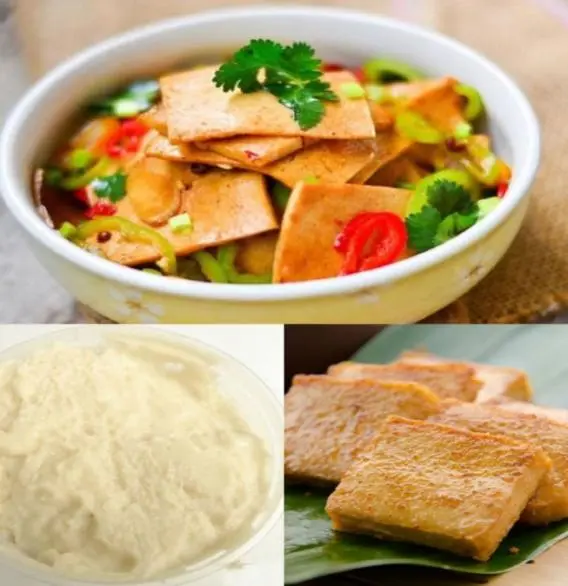
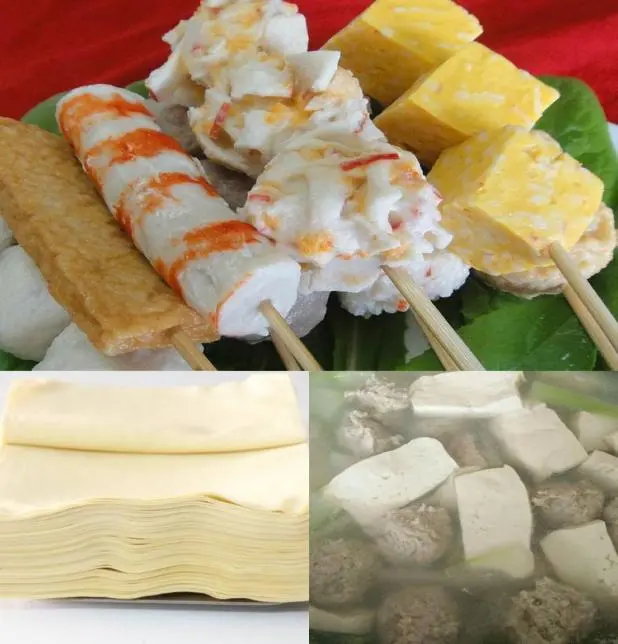
Traditional soy processing requires controlled coagulation rates. Our 9005B isolate is designed for tofu production, helping manufacturers achieve optimal yield and uniform gel structure. This ensures a consistent texture, whether producing soft silken tofu or firm blocks.
Pairing soy dietary fiber (SDF) with isolates helps manage viscosity and dietary fiber content in baked goods and nutritional bars. Combining these ingredients improves crumb structure, extends freshness, and supports clean-label positioning.
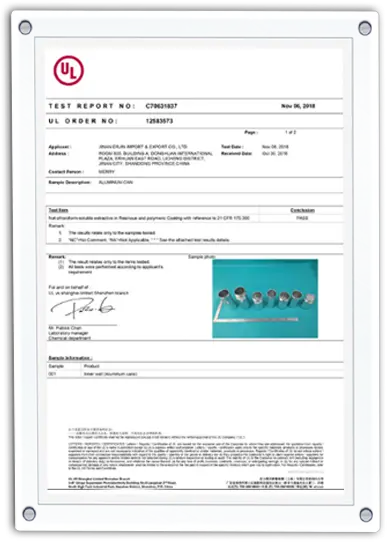
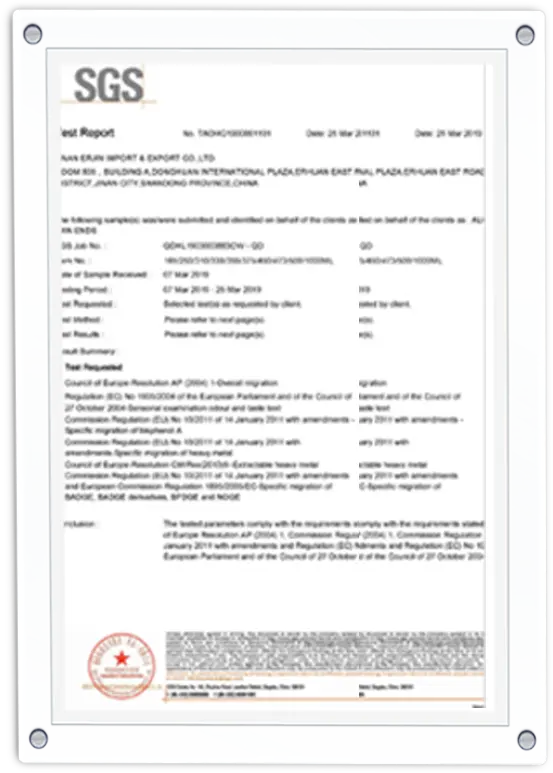
Our manufacturing sites operate under international quality and safety standards.
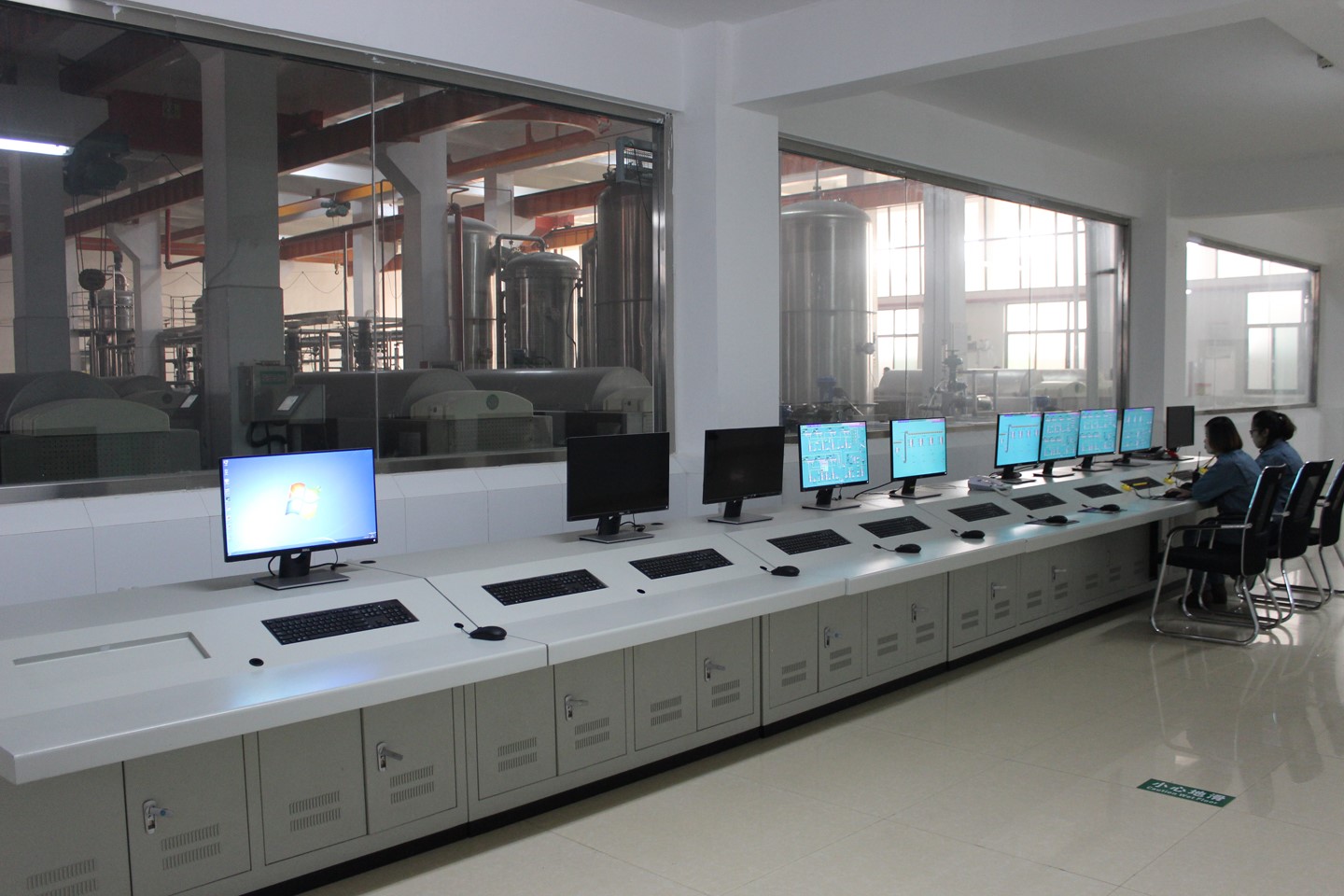
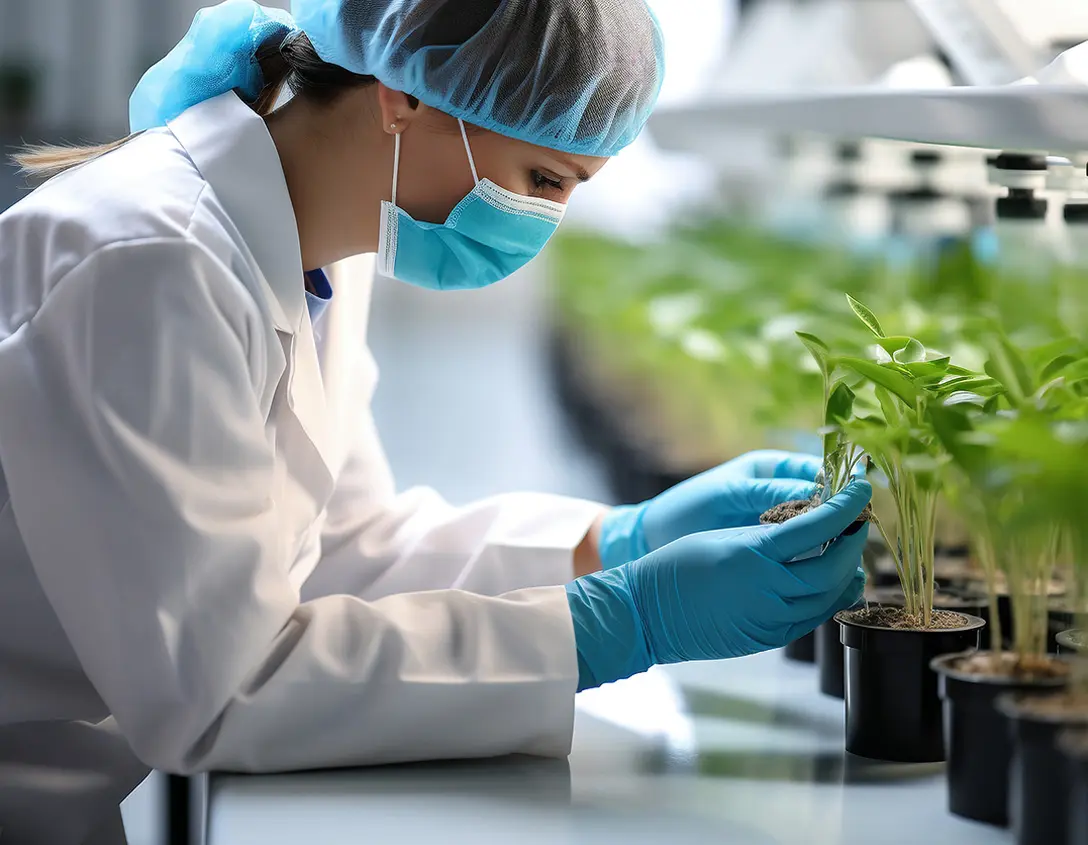
Our state-of-the-art laboratory facility monitor protein quality, heavy metal content, and microbiological safety levels for every batch.
Watch our production lines, wet-process isolation tanks, and packaging systems in action.
Essential guidance for procurement officers and formulation scientists.
A comprehensive range of isolated soy proteins, high-purity dietary fibers, and functional wheat starches.
 Xinrui Group