Explore our flagship commercial grades, engineered for maximum performance across meats, vegetarian formulations, and dispersion applications.
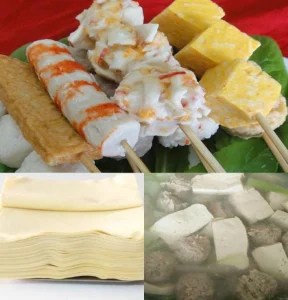
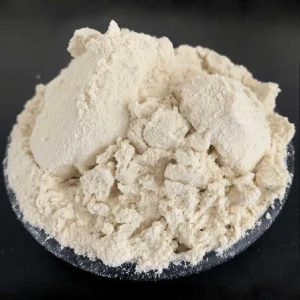
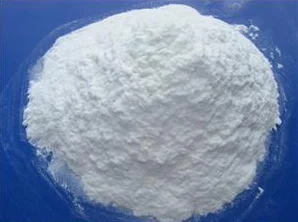
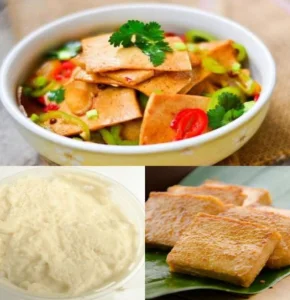
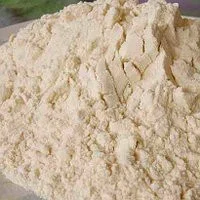
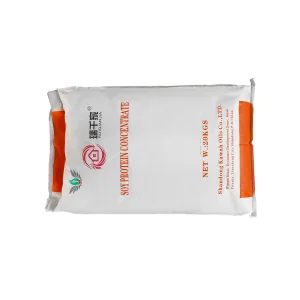
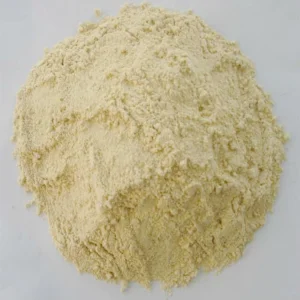
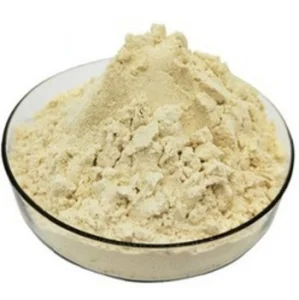
Within B2B food manufacturing, Isolated Soy Protein (ISP) High Gel serves as more than just a protein supplement; it is a critical structural element. By isolating soy proteins to a purity of ≥90% (on a dry basis), the material achieves an outstanding 7S (β-conglycinin) and 11S (glycinin) globulin balance. These molecular fractions are critical to forming a cohesive, viscoelastic protein network during thermal processing.
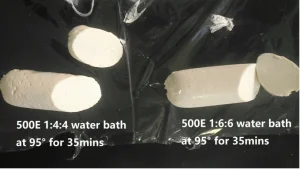
Under heat treatment, these proteins denature, exposing hydrophobic functional groups that cross-link via disulfide bonds. This process locks in water molecules and fat droplets to construct a stable matrix. The gel strength of our High Gel series (e.g., 9007B-C, 9001BW) is formulated to handle shear stresses in industrial choppers, maintaining emulsion stability even under high sterilization temperatures (121°C).
For industrial processors, this molecular structure prevents water-fat separation, improves cooking yield, and enhances the firmness and elasticity of meat-equivalent and hybrid products.

| Specification Grade | Primary Application Focus | Protein content (Dry Basis) | Moisture Retention Ratio | Gelation Threshold Temp |
|---|---|---|---|---|
| 9007B-C (High Gel & Emulsion) | Emulsified meats, Frankfurters, Chopped meats | ≥ 90.0% | 1:5.0:5.0 (Water:Oil) | ≥ 80°C for activation |
| 9001BW / 9001BH | High shear meat systems, restructured hams | ≥ 90.0% | 1:4.5:4.5 | ≥ 78°C |
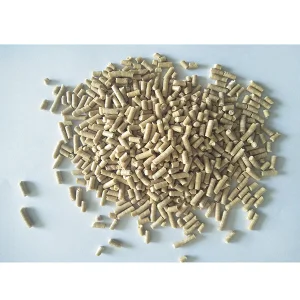
| 9003B / 9005B (Vegetarian) | Tofu, Traditional vegetarian substitutes, Plant-based meals | ≥ 90.0% | 1:4.0:4.0 | ≥ 75°C |
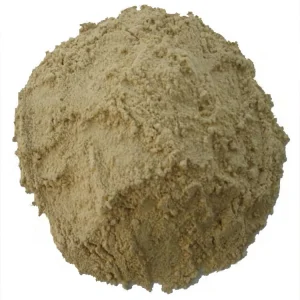
| 9030 / 9032 (Dispersion Type) | High-protein beverages, nutrition powder dry mixes | ≥ 90.0% | N/A (Highly soluble) | Cold water soluble |
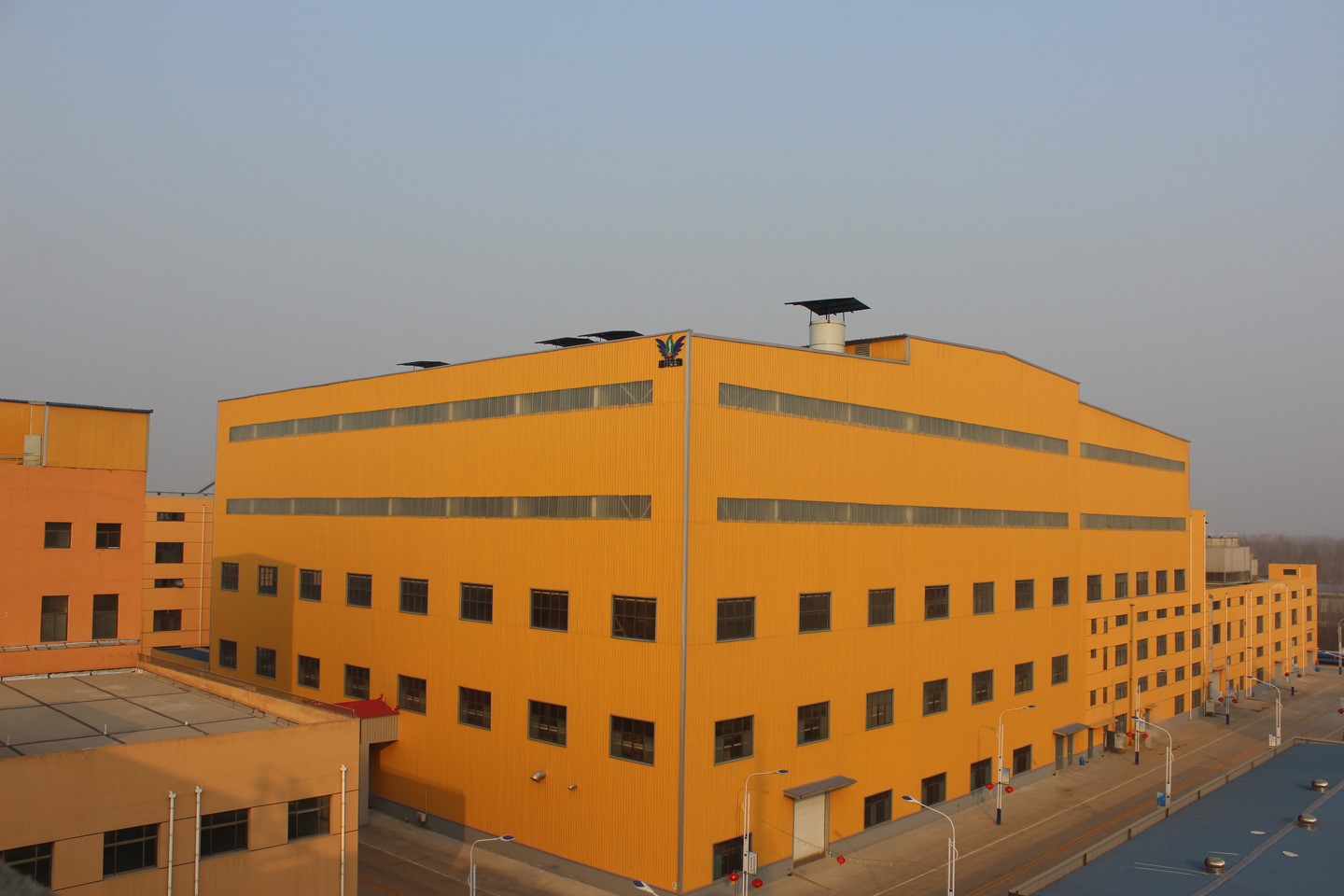
Established in May 2003, XINRUI GROUP has grown over two decades to occupy more than 1,000 mu of advanced industrial facilities. The group operates an integrated circular economy model across multiple specialized subsidiaries:
A key aspect of Xinrui Group's E-E-A-T (Experience, Expertise, Authoritativeness, Trustworthiness) is our raw material control. Rather than buying third-party intermediate materials, we trace our inputs directly back to localized Wheat and Non-GMO Soybean Planting Bases.
By controlling the agricultural inputs, planting guidelines, and harvest cycles, we ensure that the soybeans entering Shandong Kawah Oils' processing lines are 100% IP-certified Non-GMO. This vertical integration extends to wheat processing. We extract starch and gluten, and then repurpose pentosan and Starch B fractions for ethanol and high-grade feed production. This closed-loop system reduces operational waste and protects our clients from pricing volatility in global feed markets.
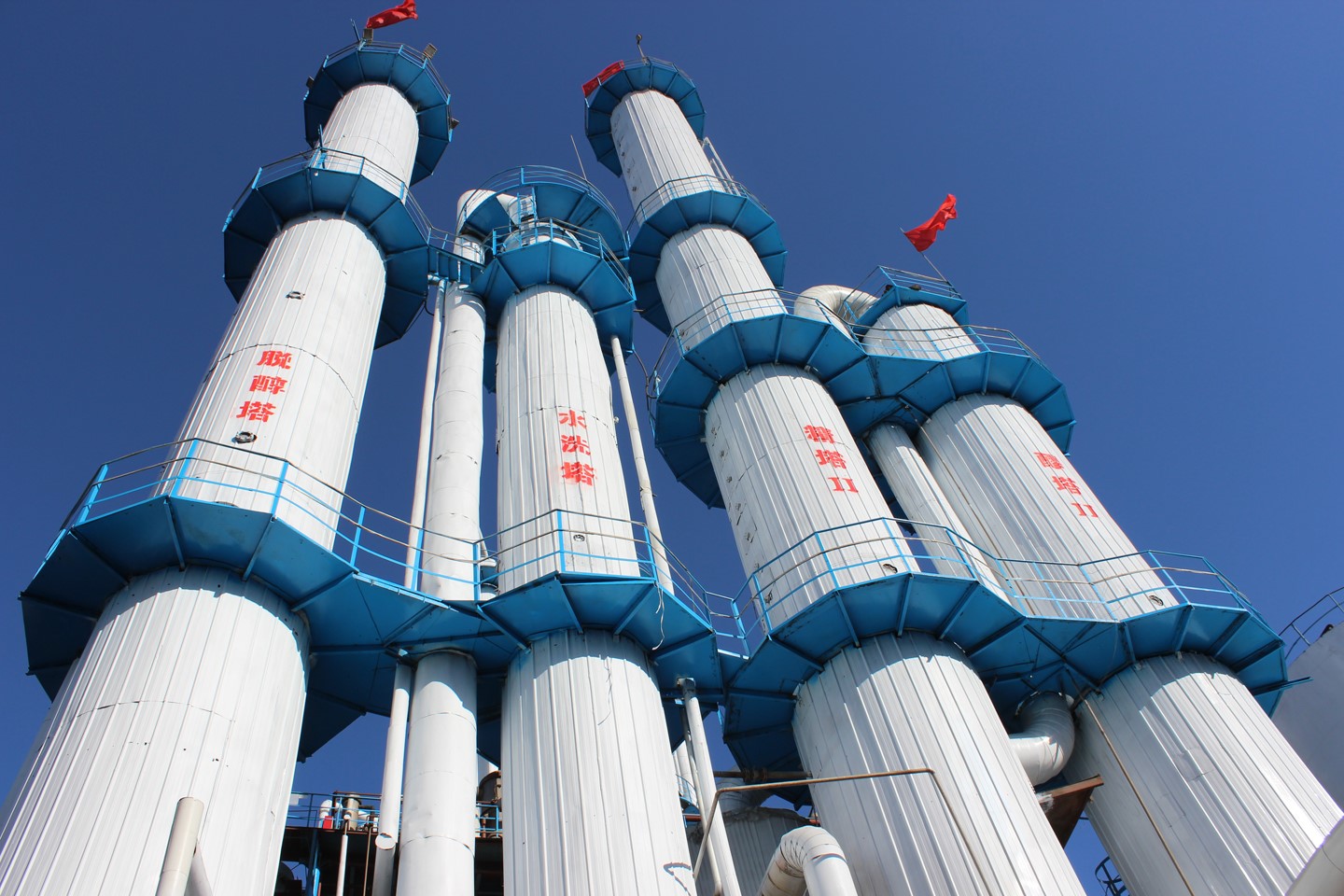
Providing functional plant-based proteins tailored to specific industrial sectors, ensuring stable texture, shelf-life, and processing yield.
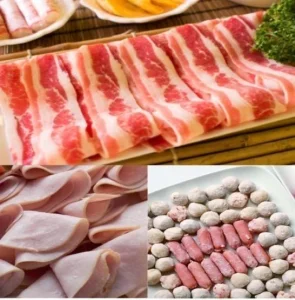
For hot dogs, frankfurters, and meat cans, our 9007B-C grade forms a strong, heat-stable protein matrix. This matrix prevents fat syneresis (separation) and water release during autoclave sterilization, maintaining product texture throughout the shelf life.
By blending our High Gel Isolated Soy Protein with Vital Wheat Gluten (VWG-P/VWG-PS), developers can recreate the fibrous mouthfeel and bite profile of beef and poultry. Our proteins provide the structural matrix needed to hold moisture and lipids in meat-free sausages, burgers, and nuggets.
For tofu manufacturers, grades like 9003B and 9005B deliver a smooth coagulum structure with minimal whey separation. The resulting products are firm enough for commercial slicing and packaging, and they resist crumbling during shipping.
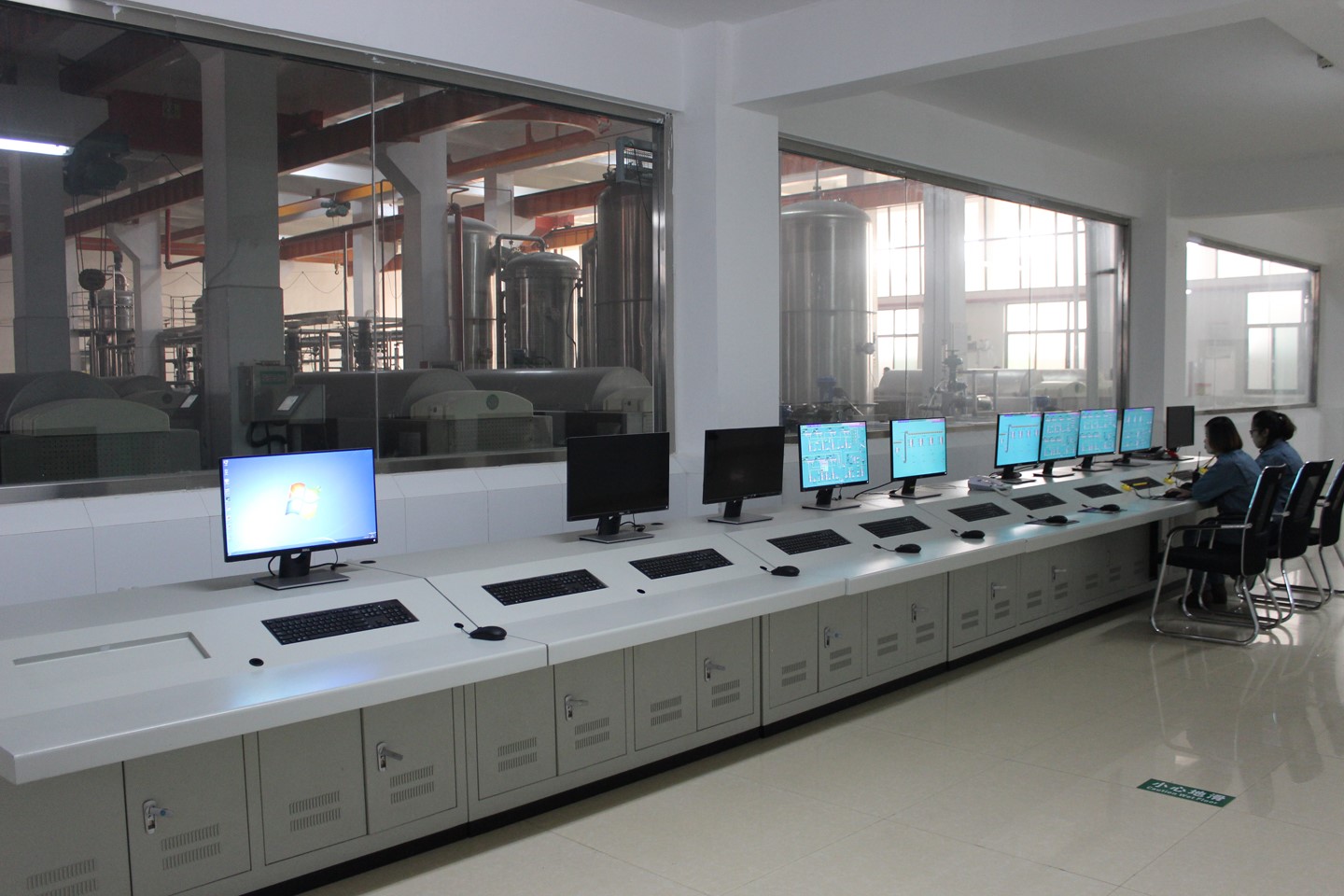
Our manufacturing capacity is built on advanced food processing technology. Shandong Kawah Oils utilizes a high-capacity spray drying tower from DACHUANYUAN, featuring a single-line output configuration designed specifically for high-capacity runs in China.
This automated drying setup uses precise temperature profiles and air-suspension atomization. This system prevents protein denaturation from overheating, keeping the protein highly functional, soluble, and gel-active.
Operating a closed-loop system from bean crushing to final powder packaging reduces human contact, prevents external contamination, and ensures consistent quality across bulk deliveries. For multinational buyers, this setup offers consistent quality and volume reliability, helping to mitigate the supply-chain disruptions common with smaller toll-manufacturers.
How we are developing next-generation plant protein structures to support clean-label formulations and reduce environmental impact.
Our research and development program focuses on clean-label structural modifications. By utilizing specific food-grade enzymes, we target and adjust the 11S globulin fraction. This optimization improves cold-set gelation, allowing processors to build structure without requiring high-heat activation.
As international regulations push for sodium reduction in processed foods, we are refining our extraction process. By modifying the neutralization phase, we can significantly lower the sodium content in our isolated soy protein while maintaining its high gelation properties.
As part of our sustainable manufacturing initiatives, our plants are integrating advanced waste-heat recovery systems. By capturing and reuse thermal energy from our spray drying towers, we aim to lower carbon emissions per ton of protein by 15% by 2026.
Review our operations, automated packaging systems, and logistics centers through our video archive.
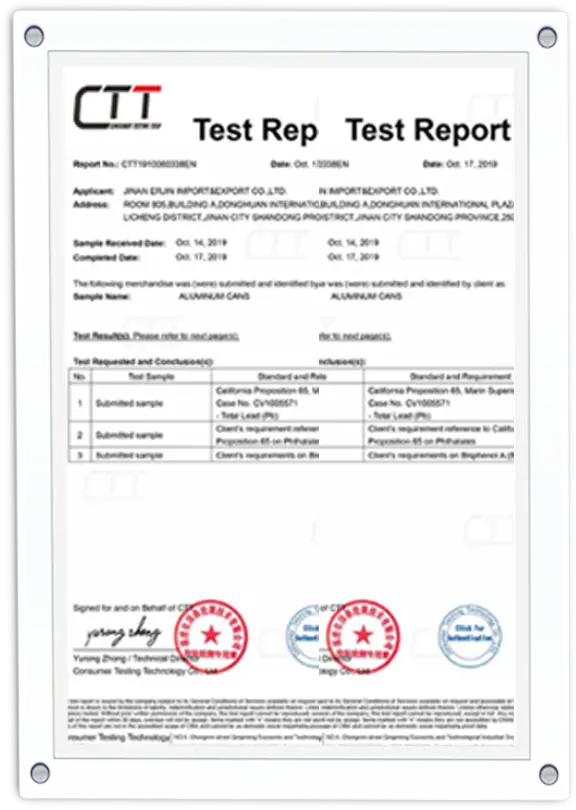
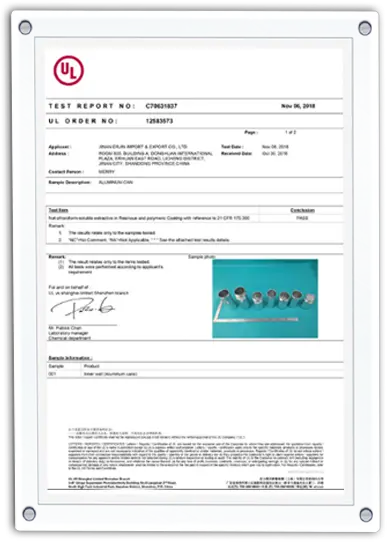
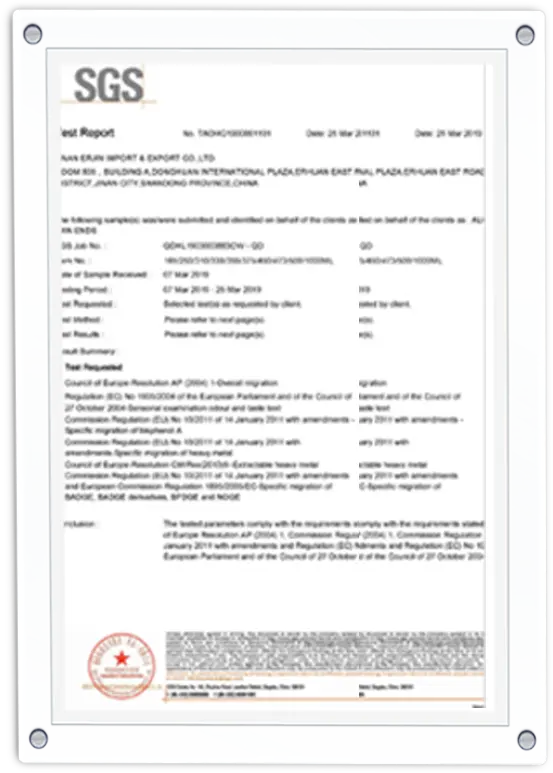
Our facilities are regularly audited by international organizations, ensuring full compliance with food safety, dietary, and trace-origin standards.
Technical answers to common questions about sourcing, formulating, and processing isolated soy proteins.
We are a fully integrated group company named Xinrui Group that manages both manufacturing and direct exports:
Our production facilities maintain certifications including HACCP, ISO9001, ISO22000, BRC, HALAL, KOSHER, and IP-NON GMO. We also work with third-party testing agencies like SGS to provide batch analysis reports as required by our clients.
We utilize an Identity Preservation (IP) system. This process starts at our contracted planting bases, where seed purity is tested before planting. The soybeans are then segregated during transport, storage, and processing. Every batch is tested for PCR markers to verify it is Non-GMO before it leaves our warehouse.
For high gel grades like 9007B-C, the standard hydration ratio is typically between 1:4 to 1:5 (Protein:Water) for structure building, and up to 1:5:5 (Protein:Water:Oil) in stable emulsified systems, depending on the shear rate of the mixer.
Browse our specialized ingredients, including high-emulsion soy isolates, dietary fibers, and functional wheat gluten.
 Xinrui Group