Explore our premium selection of 90% purity soy isolates designed specifically to optimize texture, increase yield, and enhance nutritional value in food systems.
The global demand for plant-based proteins is undergoing an unprecedented structural transition. Isolated Soy Protein (ISP) with 90% purity sits at the absolute core of this revolution. Driven by macroeconomic shifts toward sustainable food systems, plant-based diets, and clean-label functional ingredients, multinational food manufacturers are increasingly targeting high-yield, functional proteins to replace or supplement animal-derived proteins.
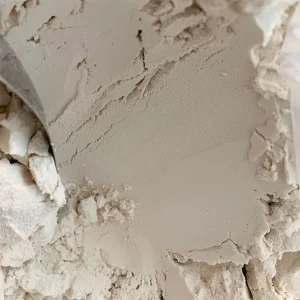
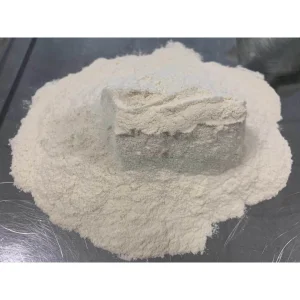
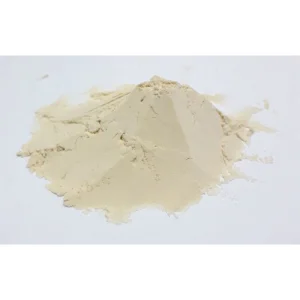
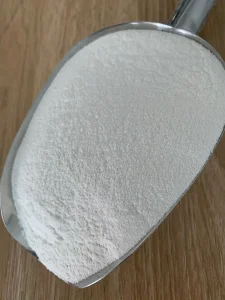
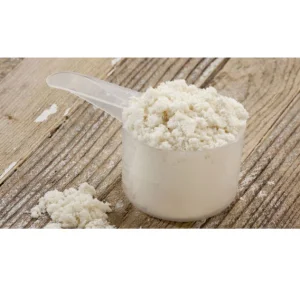
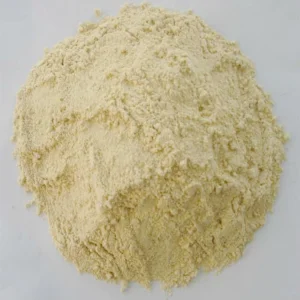
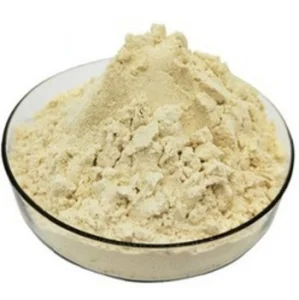
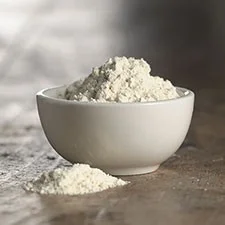
ISP 90% is highly valued because it represents the highest concentration of soy protein available. Unlike soy concentrates or flours, the isolation process removes most non-protein constituents, including soluble and insoluble carbohydrates, fats, and flavor-producing compounds. The resulting ingredient is a highly refined powder with a neutral taste profile, exceptional digestibility, and versatile functional attributes, including gelation, emulsification, water absorption, and high solubility.
Currently, the major markets in North America and Western Europe are expanding their usage from traditional meat analogues to next-generation hybrid products, dairy alternatives, clinical nutrition formulations, and functional beverages. Concurrently, emerging economies across Latin America and the Asia-Pacific region are accelerating ISP consumption due to rapid urbanization, increasing middle-class income, and the modernization of meat processing industries where emulsification performance is critical to maintaining yield and profitability.

Annual Soybean Processing Capacity
Annual Isolated Soy Protein Output
Annual Wheat Flour Deep Processing
Xinrui Group Annual Output Value (RMB)
Discover how Shandong Kawah Oils and the Xinrui Group leverage localized resources, technological innovation, and integrated energy chains to offer high-quality proteins at optimized global costs.
China has established itself as the global powerhouse for the extraction and supply of high-purity food-grade Isolated Soy Protein. At Shandong Kawah Oils Co., Ltd. (a subsidiary of the Xinrui Group), this efficiency is pushed to its engineering limits. Utilizing domestic Non-GMO soybeans as raw materials, Kawah Oils processes 180,000 tons of soybeans annually, extracting high-value oil, low-temperature food-grade meal, dietary fiber, and 90% purity isolated soy protein in a highly optimized step-by-step refinery path.
A key differentiator is Kawah Oils' production infrastructure. The facility operates the largest single production line in China, featuring state-of-the-art spray drying towers imported from DACHUANYUAN. This hardware setup ensures that the heat-sensitive proteins are processed with minimal denaturation, preserving their functional properties (gelation, solubility, and water retention) while achieving a throughput capacity that drastically reduces unit production costs.
Furthermore, Xinrui Group’s unique circular economy ecosystem acts as a massive cost-saving multiplier. The group integrates industrial processes with municipal heating, cogeneration of electricity and steam, and gas supply systems. This high degree of vertical integration allows our plants to operate continuously with minimal energy overheads, insulating our supply chain from the energy cost fluctuations that commonly plague Western manufacturers.
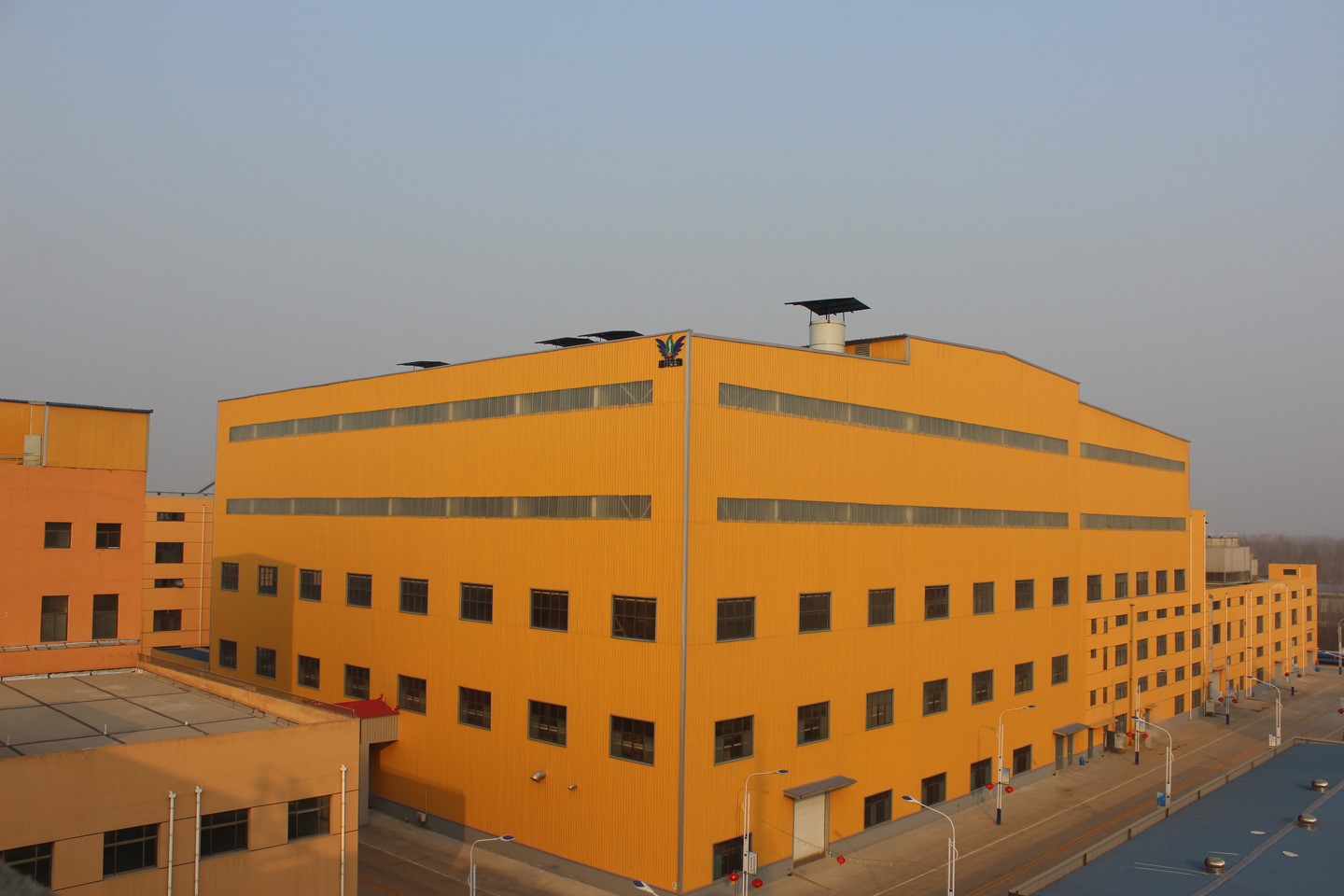
From non-GMO soybean and wheat planting bases directly to low-temperature meal extraction, protein isolation, and final spray drying. Full traceability is maintained at every step.
Our integrated power plant provides steady steam and electricity, shielding our manufacturing lines from high utility costs and carbon-intensive energy networks.
Utilizing high-end Tri-canter separation technology imported from international industry leaders, guaranteeing high purity, minimal waste, and consistent molecular weight distribution.
An engineering-level review of how Isolated Soy Protein 90% acts as a critical structural agent across diverse food matrices.
| ISP Functional Class | Key Performance Indicators (KPIs) | Target Food Applications | Ideal Grades (Examples) |
|---|---|---|---|
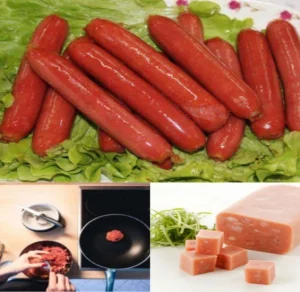
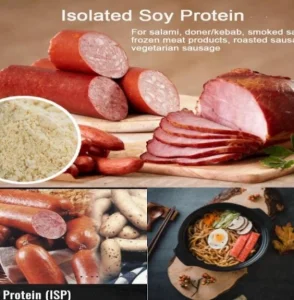
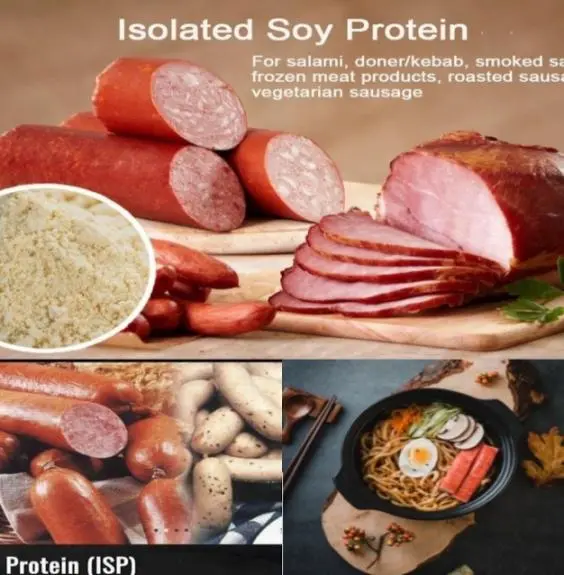
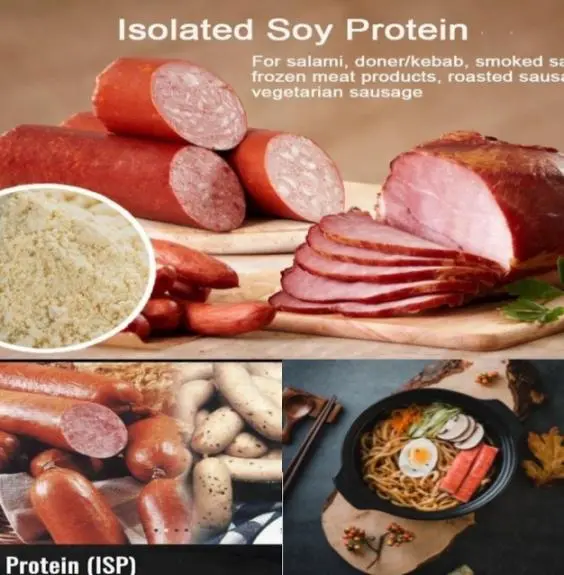
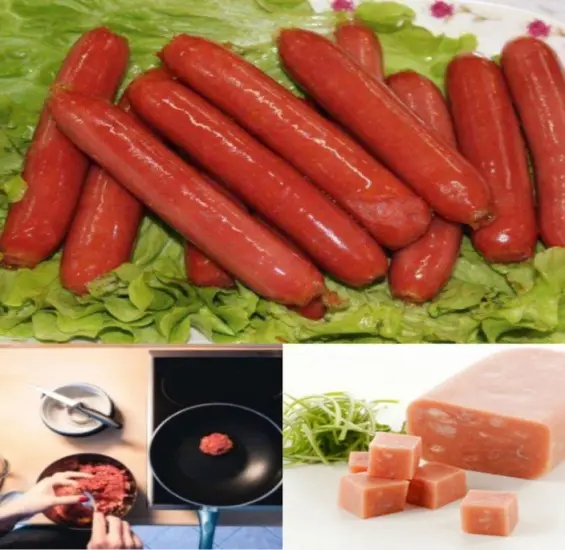
| Meat & Emulsion Type | High Gel Strength (>800g/cm²), robust oil & water binding under thermal stress. | Emulsified sausages, frankfurters, canned luncheon meats, meatballs, pet food. | 9001BW, 9001B-Y, 9000, 9500, 9007B-C, 9006B |
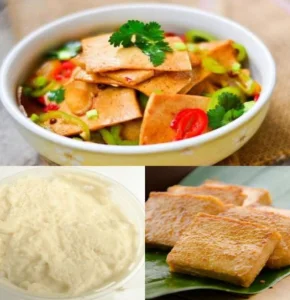
| Vegetarian & Tofu Type | Excellent fiber formation, chewy texture, balanced water holding capacity. | Plant-based burgers, textured vegetable protein (TVP) products, traditional tofu. | 9005B, 9003B, 9003BA |
| Injection & Brine Type | Extremely low viscosity, high dispersion index, stable in high saline environments. | Whole muscle hams, poultry injections, bacon curing solutions. | 9020, 9026, 9028 |
| Beverage & Dispersion Type | High NSI (>85%), neutral flavor profile, low viscosity at high concentrations. | Protein shakes, dairy-free milk, nutritional supplements, clinical diets. | 9030, 9032 |
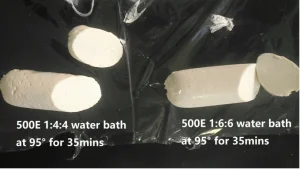
The performance of Isolated Soy Protein in food systems is determined by its protein structure, primarily glycinin (11S) and beta-conglycinin (7S) globulins. Under heating, these proteins denature, exposing their hydrophobic regions which then align to form a three-dimensional network that traps water and fat. In meat emulsions, this network holds fat droplets in suspension, preventing oil-off and water separation during cooking. Our specialized meat-grade isolates (like 9001BW and 9500) are formulated to maximize the 11S/7S ratio, ensuring excellent structural integrity even in high-speed chopping systems.
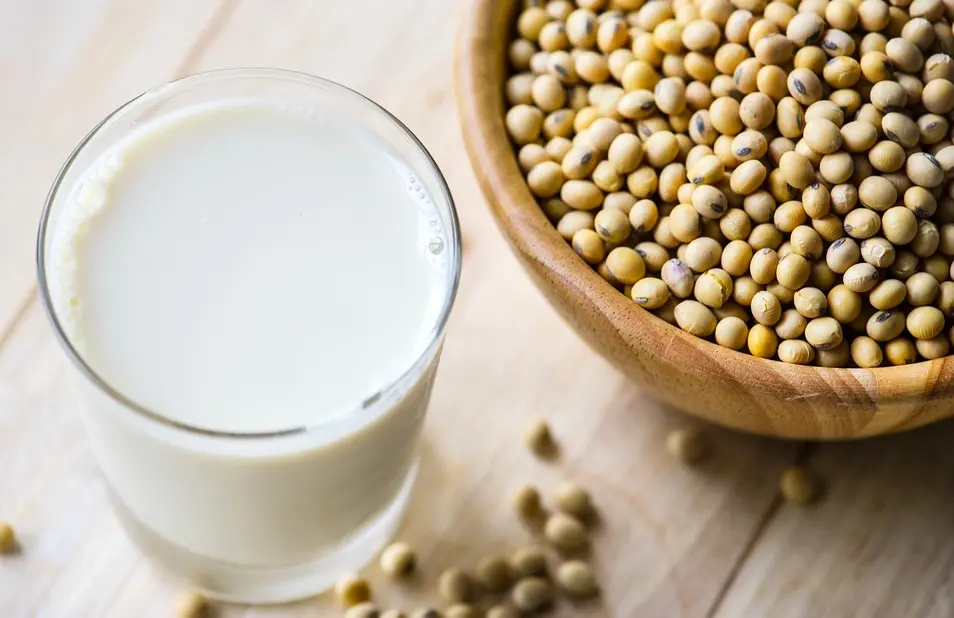
For beverage applications, the focus shifts to solubility and dispersion. Our 9030 and 9032 dispersion types undergo gentle enzymatic hydrolysis and physical modifications to raise the Nitrogen Solubility Index (NSI) to over 85%, ensuring that the protein remains fully suspended in liquid without sedimentation or sandy mouthfeel, even in acidic beverage formulas.
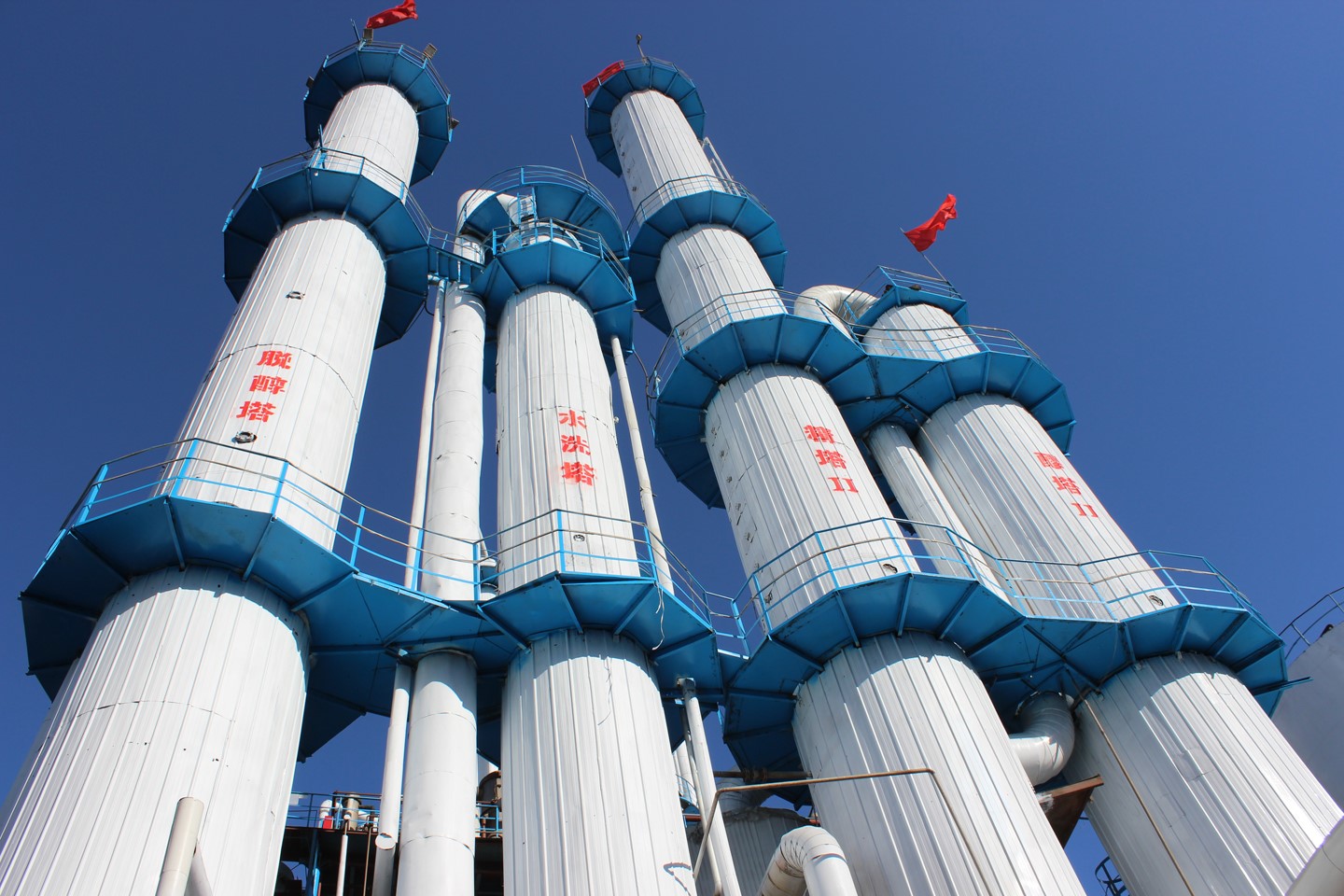
How Xinrui Group leverages eco-industrial symbiosis to drive sustainability and meet global ESG sourcing mandates.
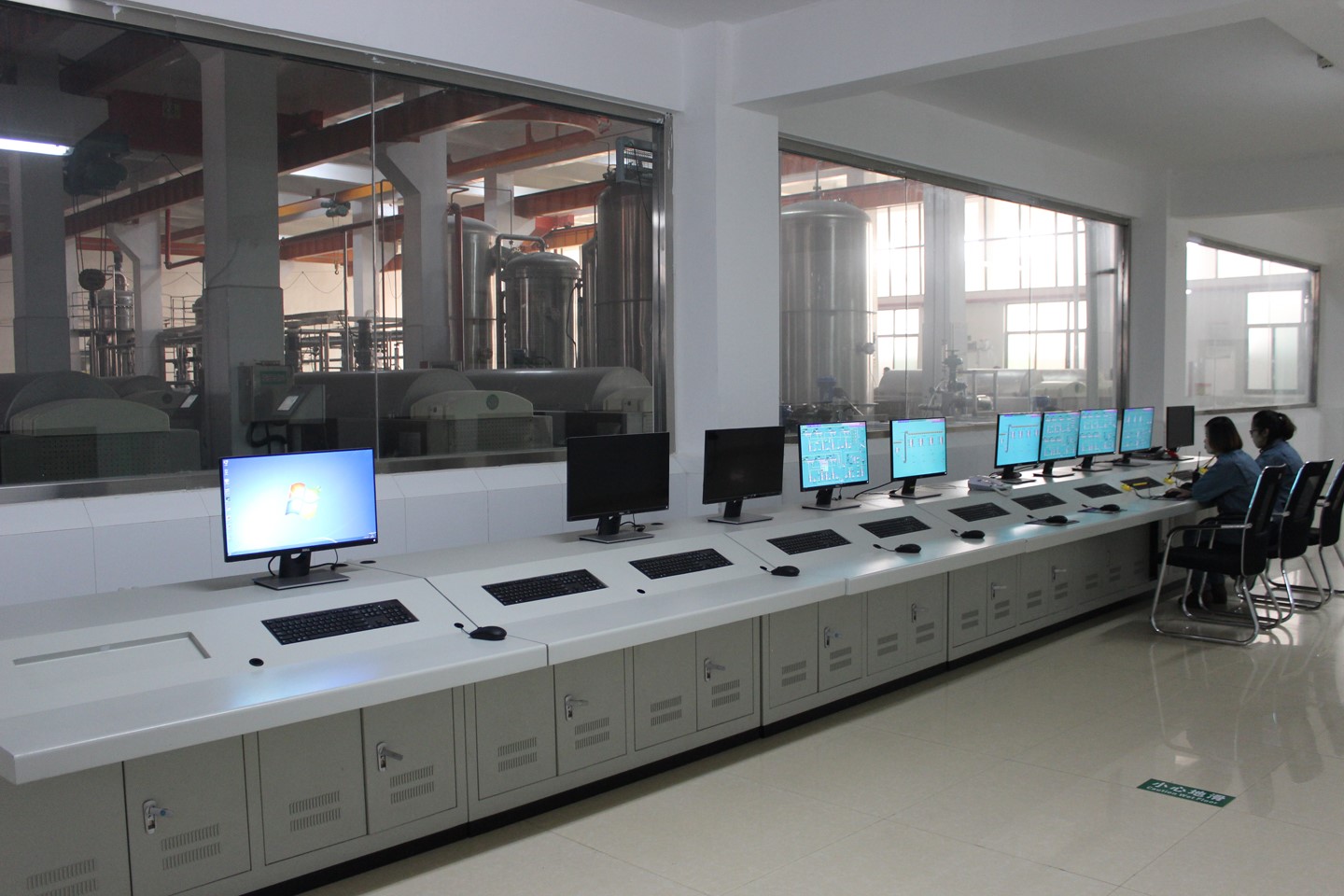
Modern global procurement is no longer just about price and technical specs; it is fundamentally about carbon footprints, waste reduction, and compliance with ESG (Environmental, Social, and Governance) targets. Established in 2003, Xinrui Group spans a total area of more than 1,000 mu and has pioneered a highly efficient industrial circular loop.
Our circular model integrates agricultural processing with renewable resources:
This closed-loop system ensures that virtually every part of the raw agricultural material is upcycled into commercial products, lowering our cost base and offering our global B2B buyers a product with a verified lower carbon footprint.
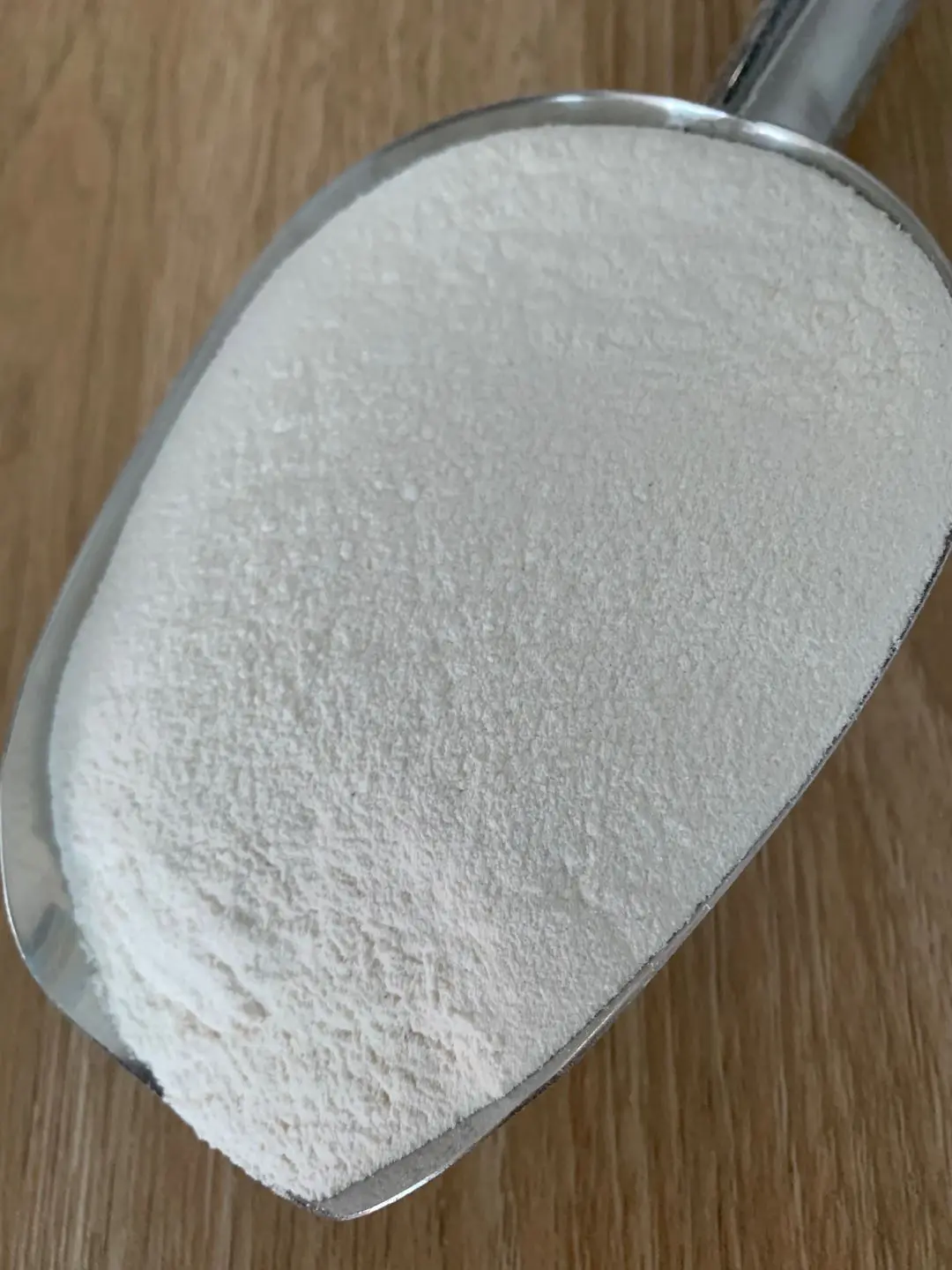
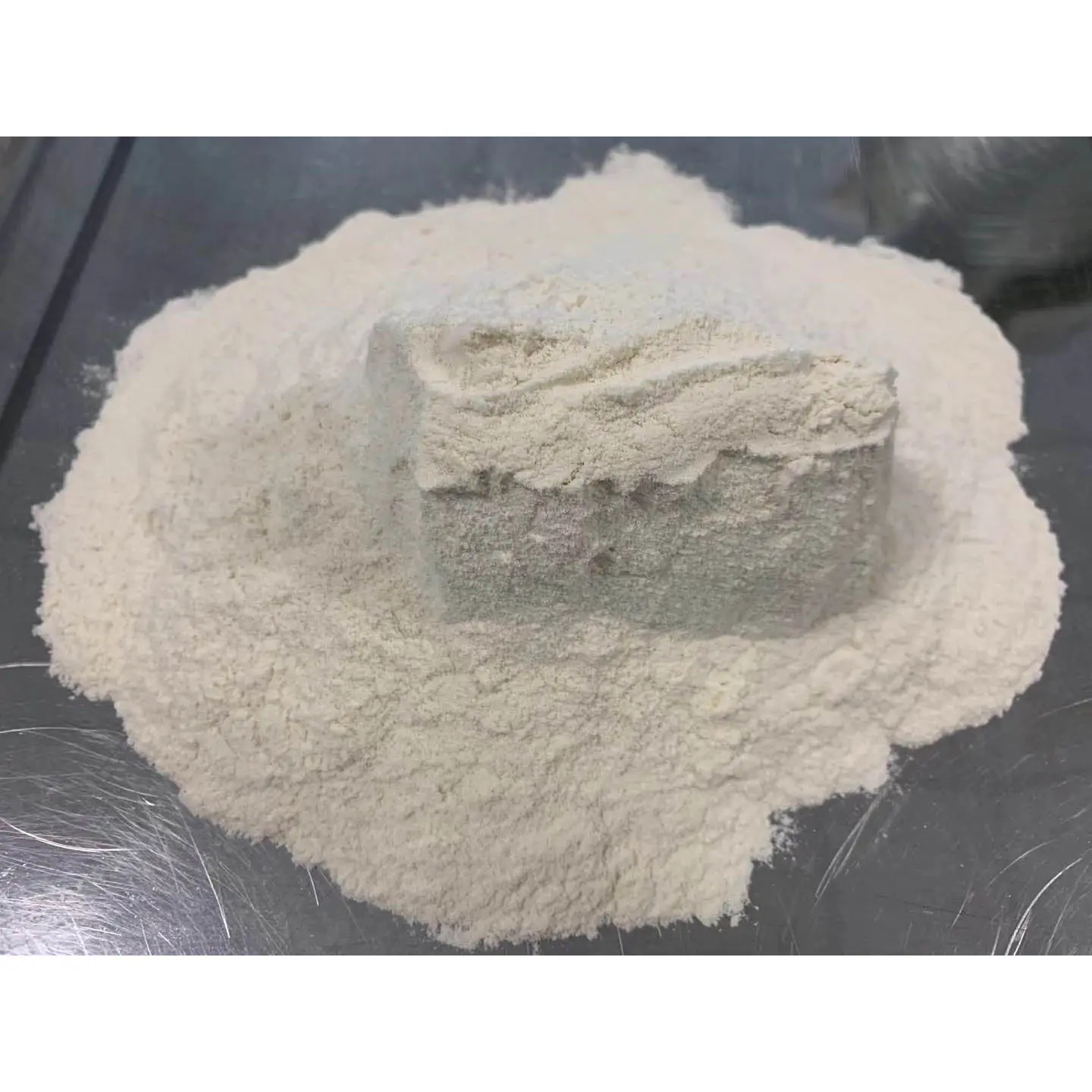
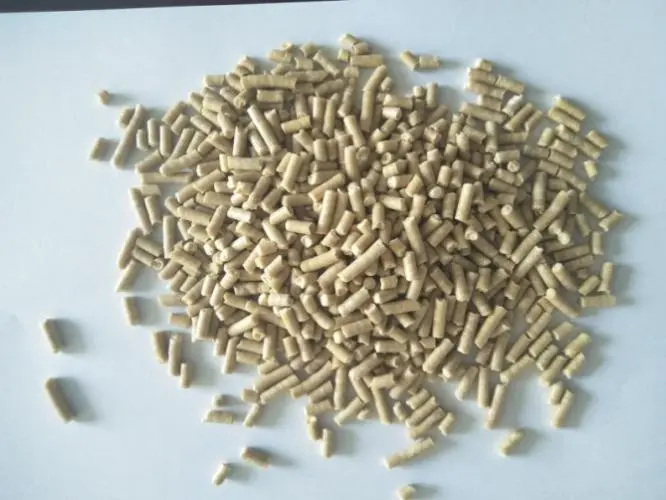
Our deep processing operations yield a variety of proteins, fibers, and starches, catering to multiple industry applications.
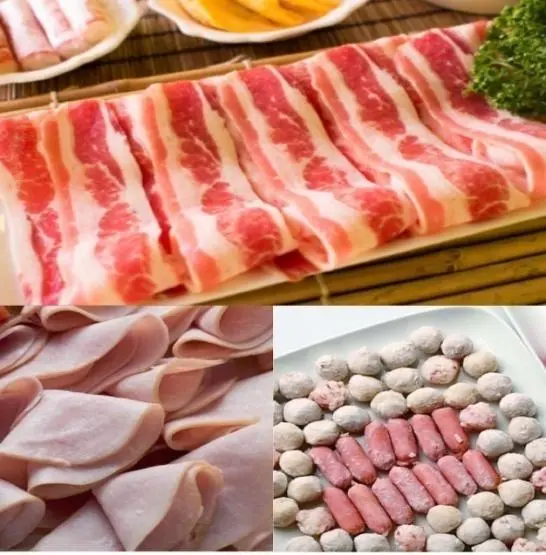
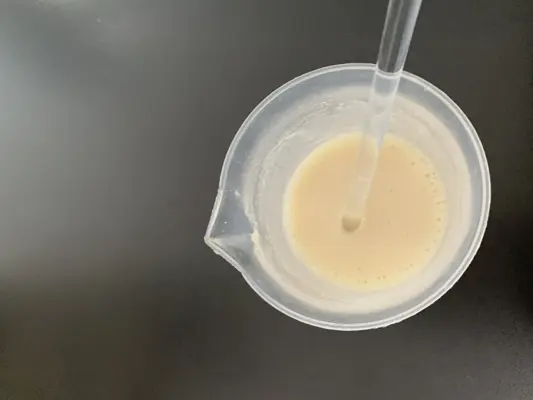
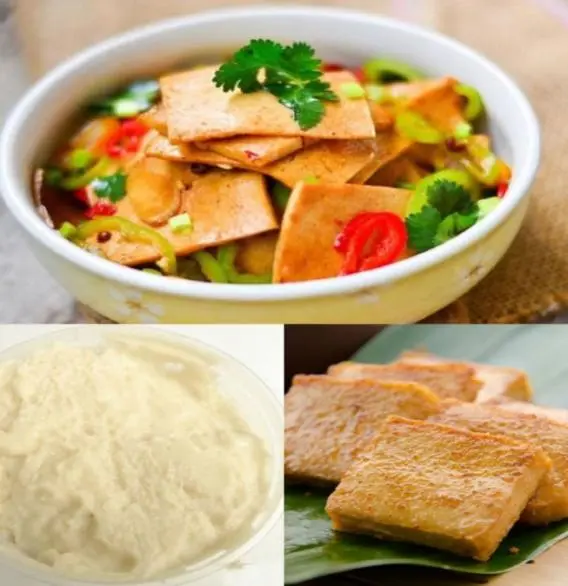
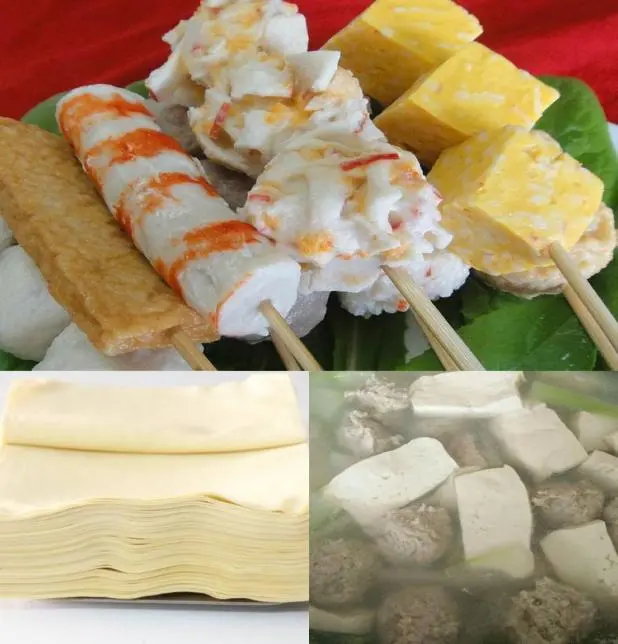
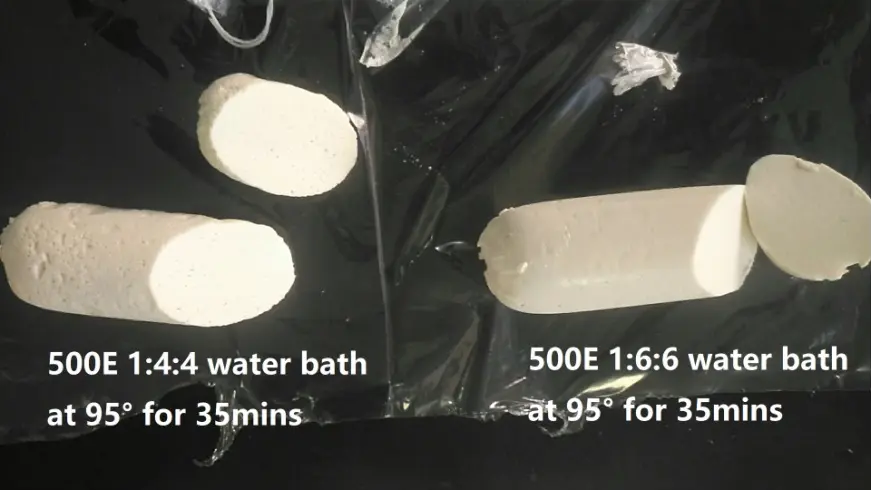
Maximize formulation efficiency by co-sourcing protein binders, dietary fibers, and functional wheat gluten.
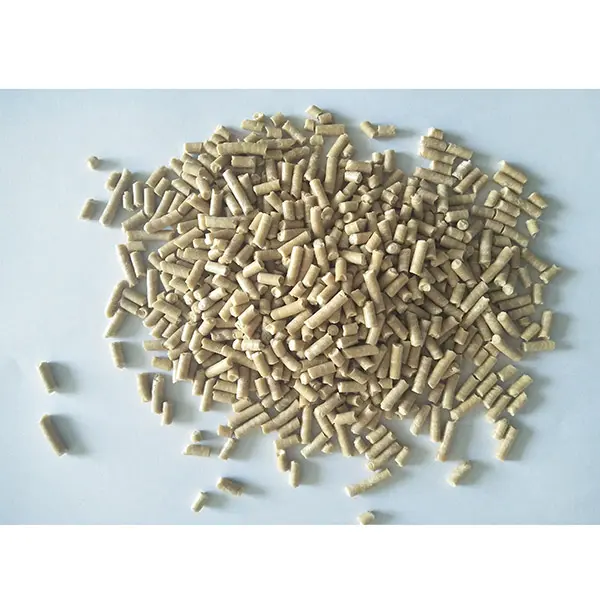
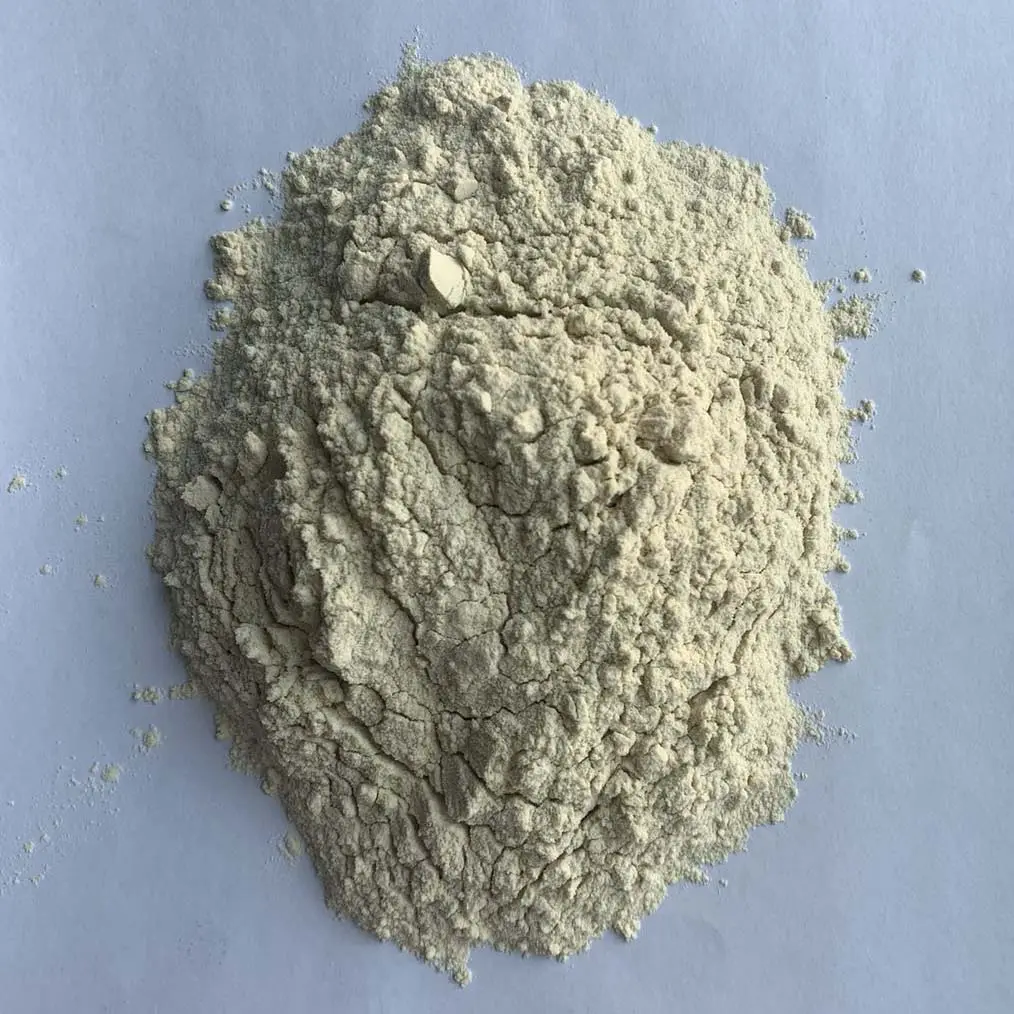
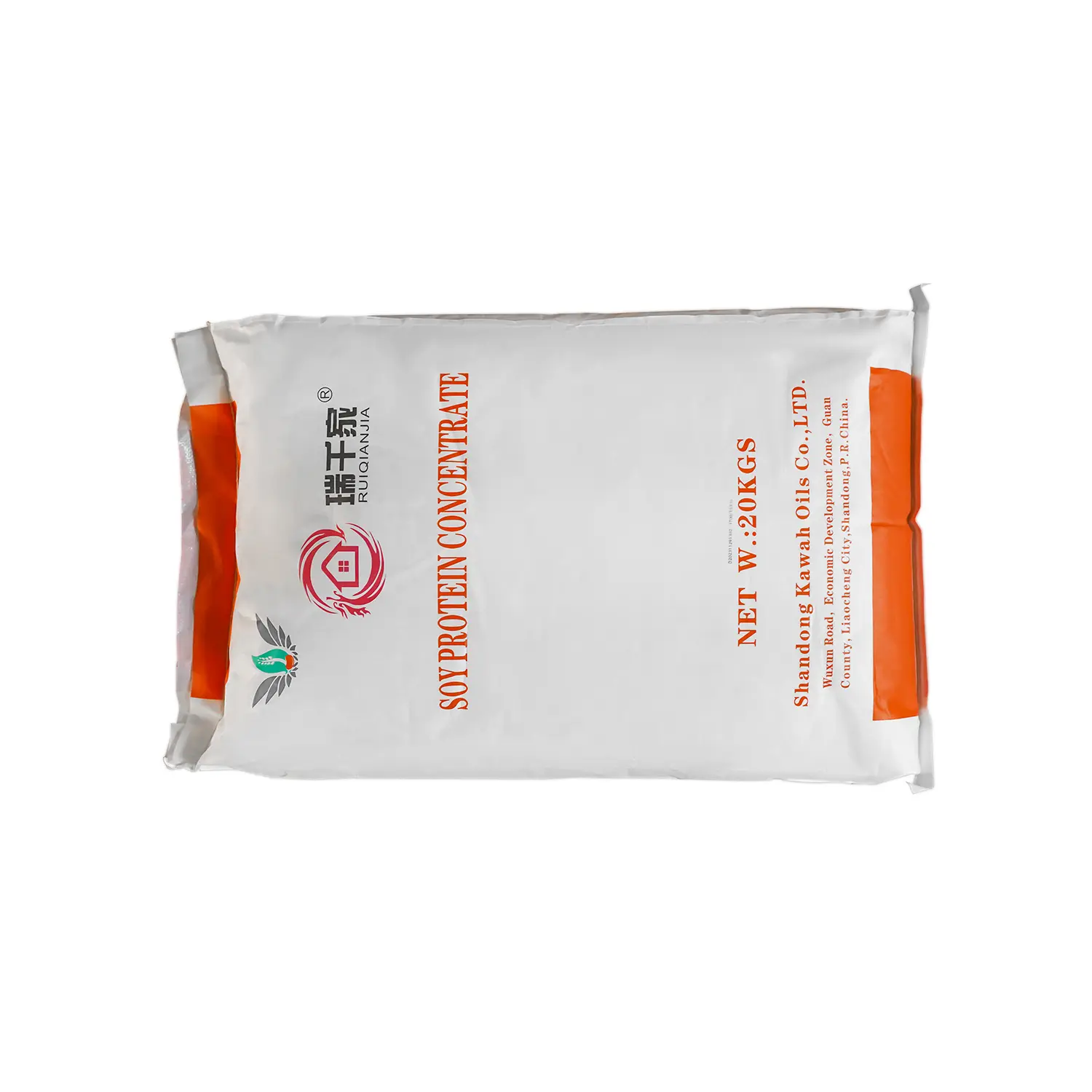
Go inside our modern manufacturing facilities in Shandong, China. View our processing lines, spray towers, and laboratories.
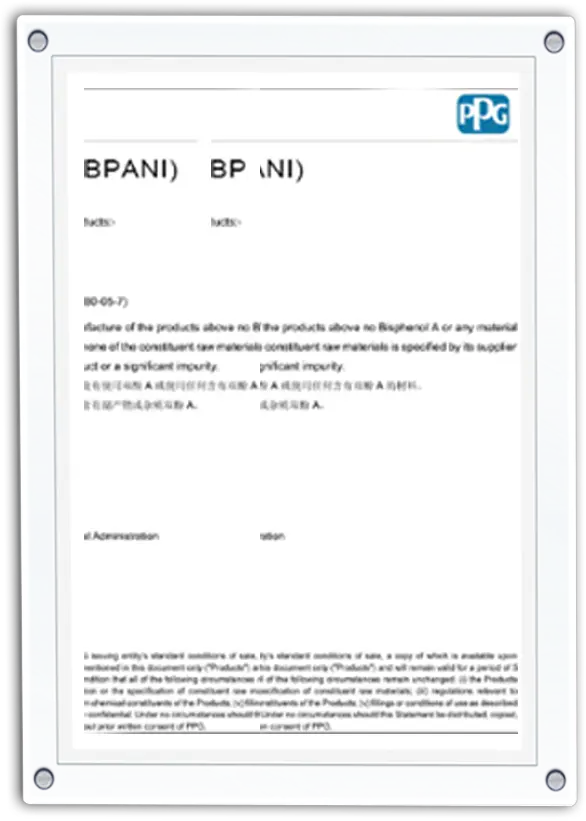
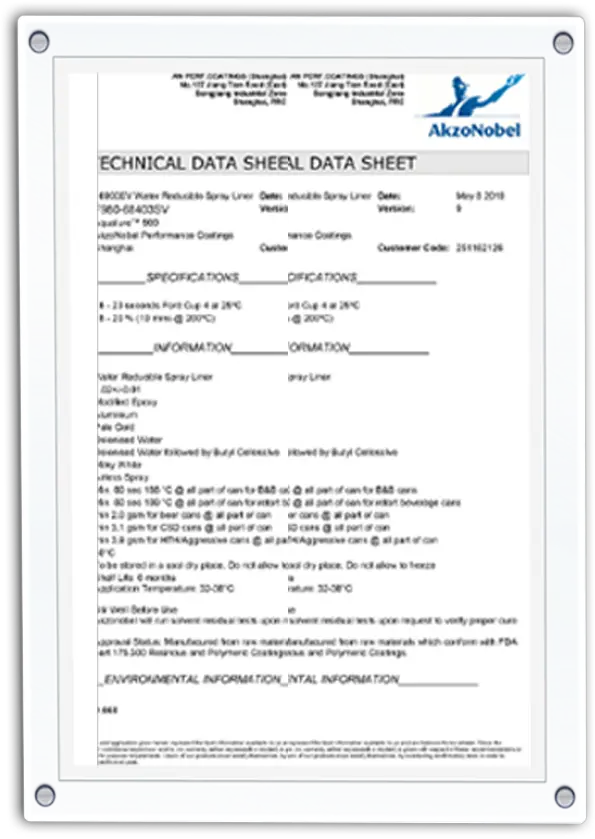
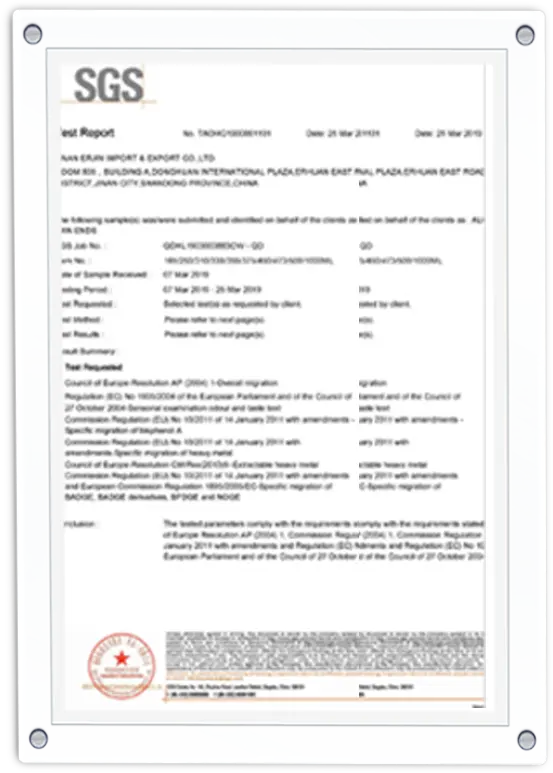
We satisfy the strict regulatory requirements of global food manufacturing, including IP-NON GMO traceabilities and food safety standards.
Our raw materials are sourced from strictly managed Non-GMO soybean agricultural zones in northeastern China. To satisfy the supply requirements of international food companies, our quality management system is audited and certified by leading bodies. Kawah Oils and Guanxian Xinrui Industrial enforce strict control plans for critical points (HACCP) in heavy metals, pesticide residues, and microbiological indicators.
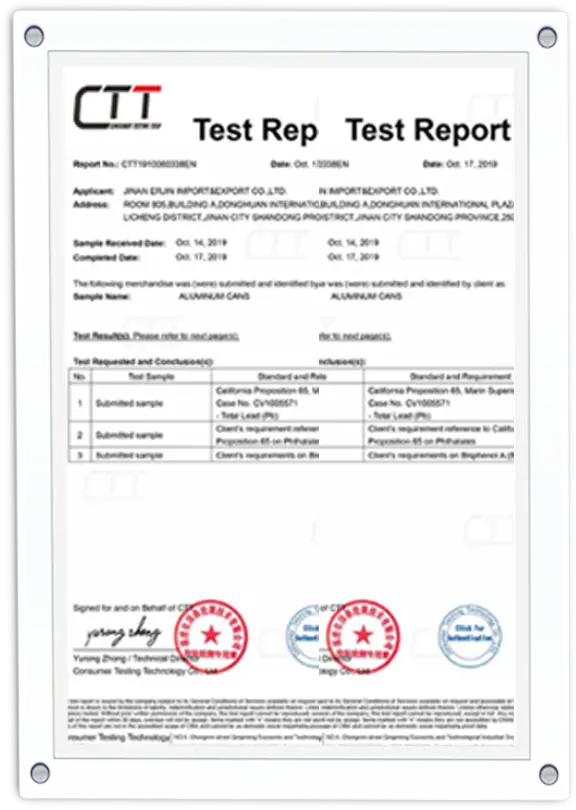
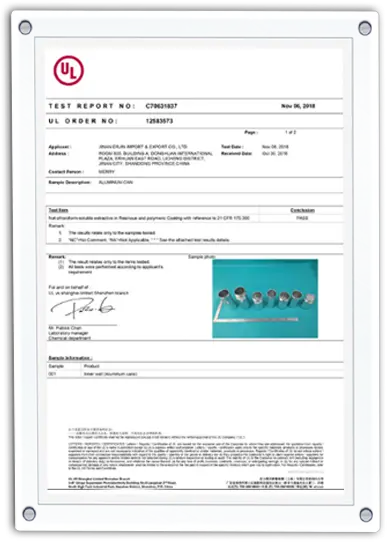
Whether you require strict non-GMO identity preservation (IP), Kosher and Halal verification for regional markets, or BRC Global Standards for European retail chains, we provide complete testing documentation, third-party laboratory reports, and traceability documentation for every container loaded.
Clear, technical answers regarding our manufacturing capacity, trade entities, and custom product formulations.
Explore our full catalog of deep-processed soy proteins, fibers, wheat gluten, and industrial starches.
 Xinrui Group