Premium ingredients optimized for Japan's rigorous quality standards, engineered for moisture retention, texture stability, and functional health claims.
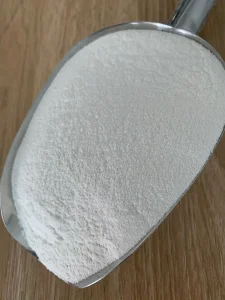
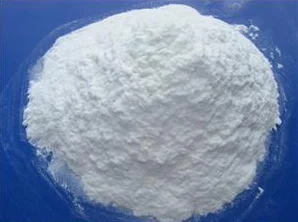
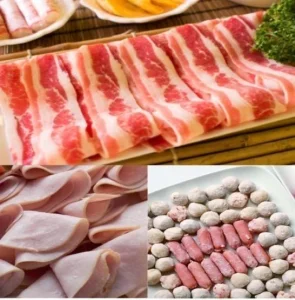
The Chubu economic region, centered around Nagoya, represents one of Japan's most demanding food manufacturing hubs. Famed for its traditional soy-derived staples such as Hatcho Miso, Nagoya has long been at the center of soy technology. Today, local food manufacturers—ranging from high-output bakery operations to traditional seafood paste (Kamaboko) plants—face the dual challenge of escalating raw material costs and consumer demands for "clean-label," low-calorie, and functional health claims.
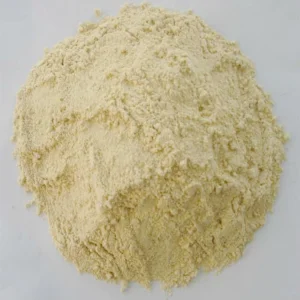
As a premier global producer of non-GMO soy derivatives, Shandong Kawah Oils Co., Ltd, under the umbrella of the Xinrui Group, has established robust export logistics targeting the Port of Nagoya. Our high-viscosity insoluble Soy Dietary Fiber (SDF) plays a critical role in addressing structural shelf-life stability and texture enhancement, meeting the stringent quality criteria set by the Japanese Ministry of Agriculture, Forestry and Fisheries (MAFF) and local food safety boards.
"Through integration of non-GMO soy cultivation, advanced tri-canter extraction technology, and state-of-the-art spray drying, we provide Nagoya food innovators with fiber that displays superior water-holding capacities (1:8 to 1:10) and oil-binding resilience."
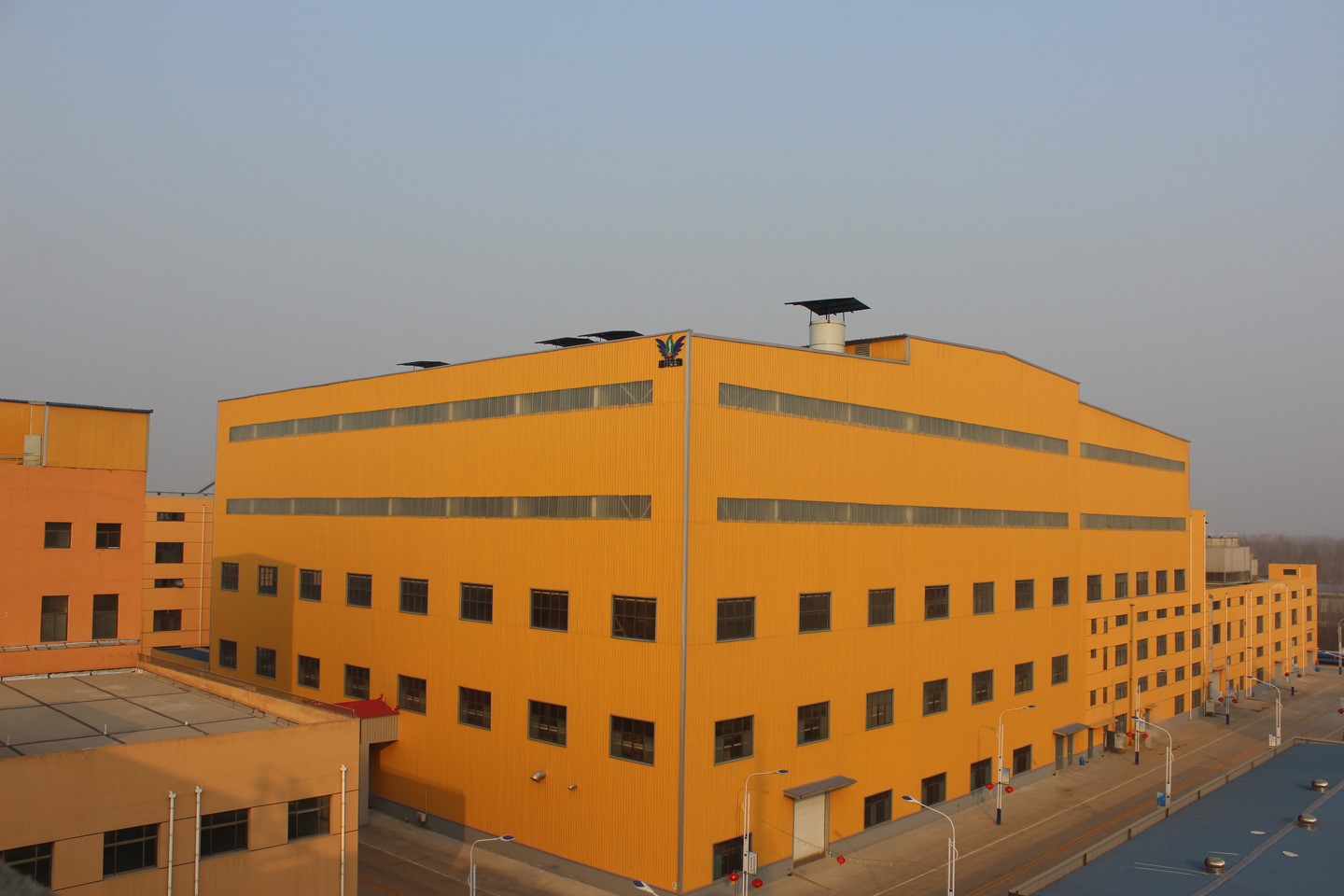
Underpinning our supply chain reliability for Japanese traders and distributors through large-scale raw material processing and technological superiority.
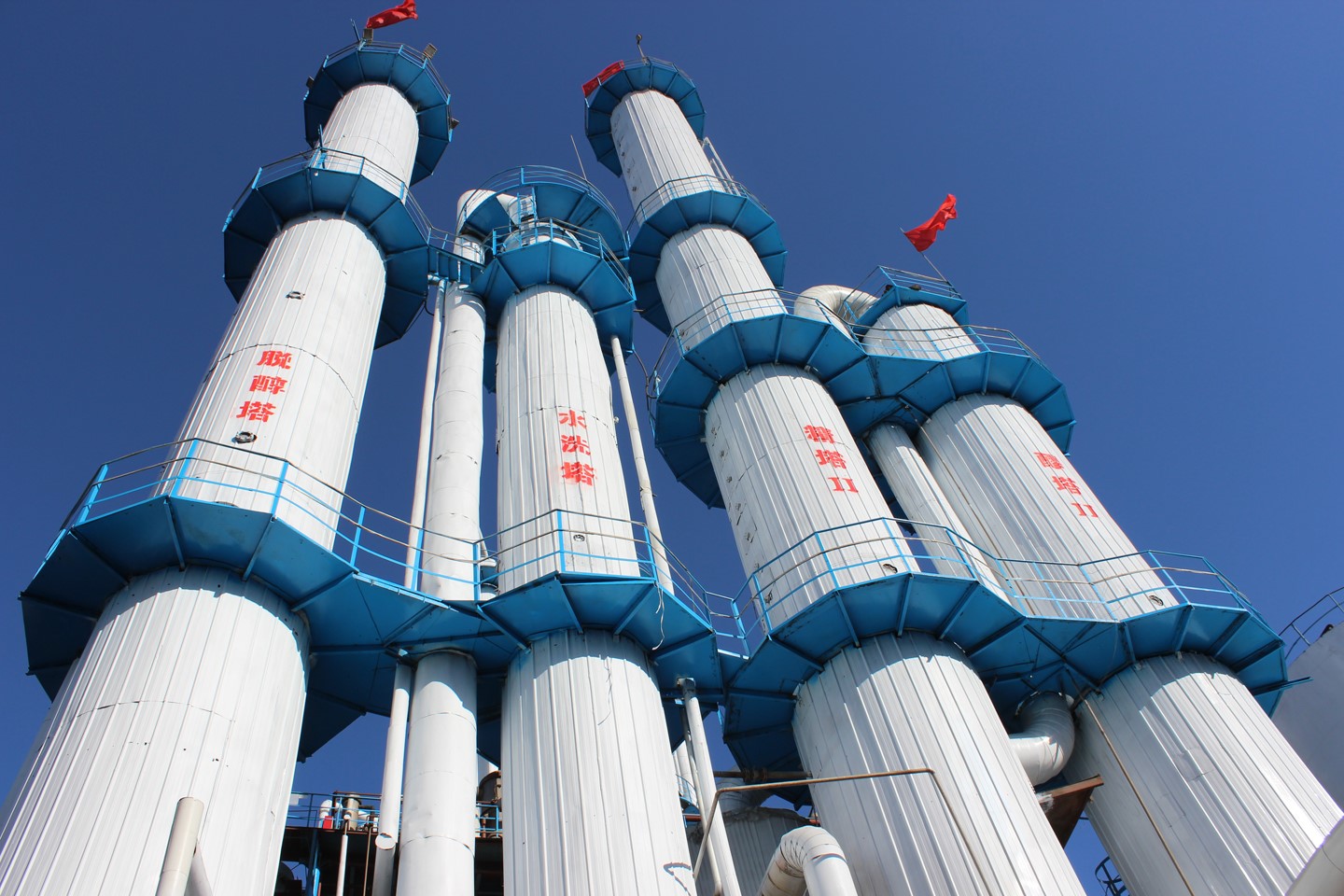
Founded in 2003, Xinrui Group has developed a deeply integrated circular agricultural chain. At our Shandong KaWah Oils facility, we start with certified domestic Non-GMO soybeans, extracting edible oils, food-grade low-temperature defatted meal, isolated soy proteins, and high-purity dietary fiber systematically. Our production features the industry-leading DACHUANYUAN spray drying tower system, establishing the largest single-line capacity in China.
For Nagoya's food manufacturers, this vertically integrated production structure means absolute traceability. Unlike traders who aggregate raw materials from secondary sources, our soybean planting bases guarantee Identity Preserved (IP) Non-GMO status from seed to delivery. Each batch destined for Nagoya is backed by quantitative PCR test certificates verifying GMO content below detection limits, satisfying the strict requirements of Japanese retail markets.
| Functional Parameter | SDF Standard Value | Analytical Method | Nagoya Food Application Performance |
|---|---|---|---|
| Dietary Fiber Content (dry basis) | ≥ 65% - 75% | AOAC 991.43 | Promotes clean-label nutritional fortification in baked goods and noodles. |
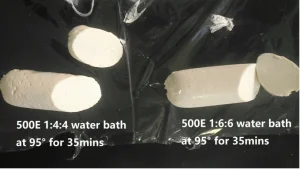
| Water Holding Capacity (WHC) | 1:8 to 1:10 (g/g) | Centrifuge Method | Reduces syneresis in frozen foods and extends freshness in Nagoya-style pastries. |
| Oil Holding Capacity (OHC) | 1:4 to 1:5 (g/g) | Centrifuge Method | Improves emulsion stability in processed meats and meat analogs. |
| Particle Size Distribution | 80 - 100 mesh / 120 mesh | Laser Diffraction | Provides smooth mouthfeel without grittiness in dairy and beverage formulas. |
| Pesticide Residues / Heavy Metals | ND (Not Detected) | GC-MS / ICP-MS | Guarantees complete compliance with Japan’s Positive List System. |

Our manufacturing arm, Guanxian Xinrui Industrial Co., Ltd. (formerly known as Guanxian Ruixiang Biotechnology Development Co., Ltd), established in 2007 with 100 million Yuan registered capital, processes 500,000 tons of wheat flour annually. Our processing integrates advanced tri-canter separation technology imported from Europe. This closed-loop system isolates vital wheat gluten, wheat starch A, wheat starch B, and pentosan with minimal environmental impact.
By coordinating our wheat deep processing with the soybean processing at Shandong Kawah Oils, we offer a comprehensive portfolio of plant-based functional ingredients to global buyers. In Nagoya, where technical food technicians demand multi-functional ingredient combinations (e.g., matching Isolated Soy Protein with Vital Wheat Gluten for the perfect meat-like bite), our integrated catalog provides reliable single-source procurement.
Our dedicated export trading arm, Guanxian Ruichang Trading Co., Ltd., founded in 2011 with 6 million Yuan registered capital, exports isolated soy protein, vital wheat gluten, soluble dietary fiber, vermicelli, and ethanol directly to Japanese importers. By handling our own logistics, we minimize transit times to the Port of Nagoya, helping you maintain lean inventories and lower warehousing costs.
Transparent insight into our closed-loop extraction plants, storage silos, and testing laboratories.
We maintain rigorous third-party auditing to secure food safety clearances globally and within Japan's complex import regulatory framework.
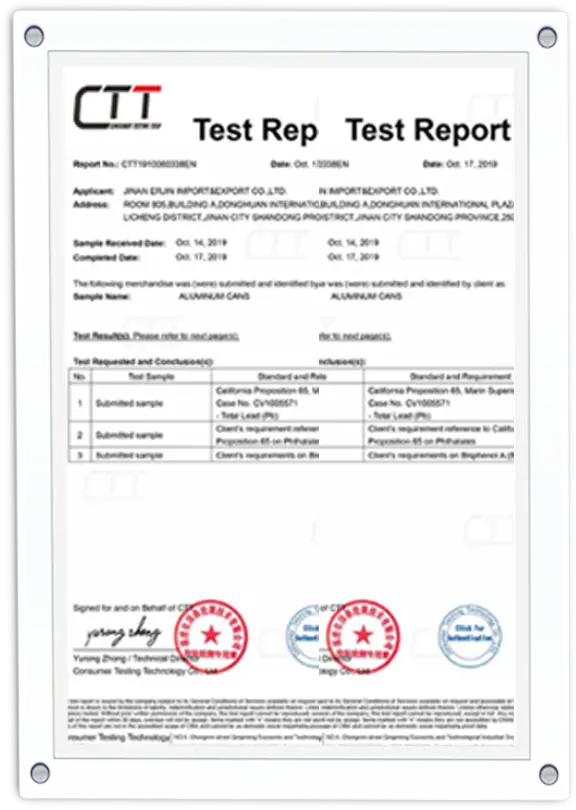
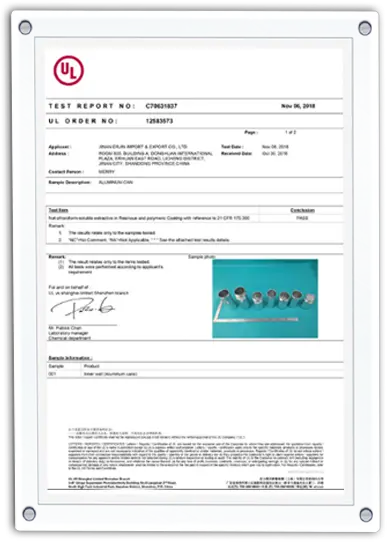
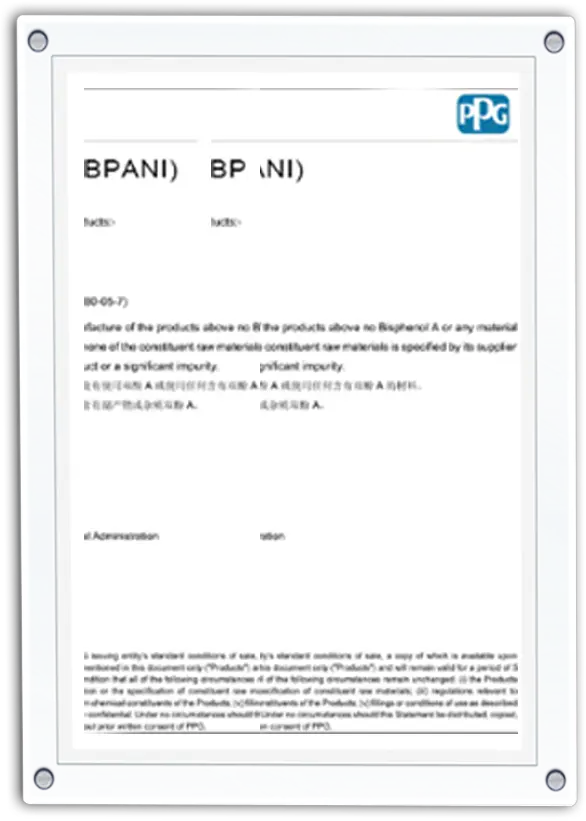
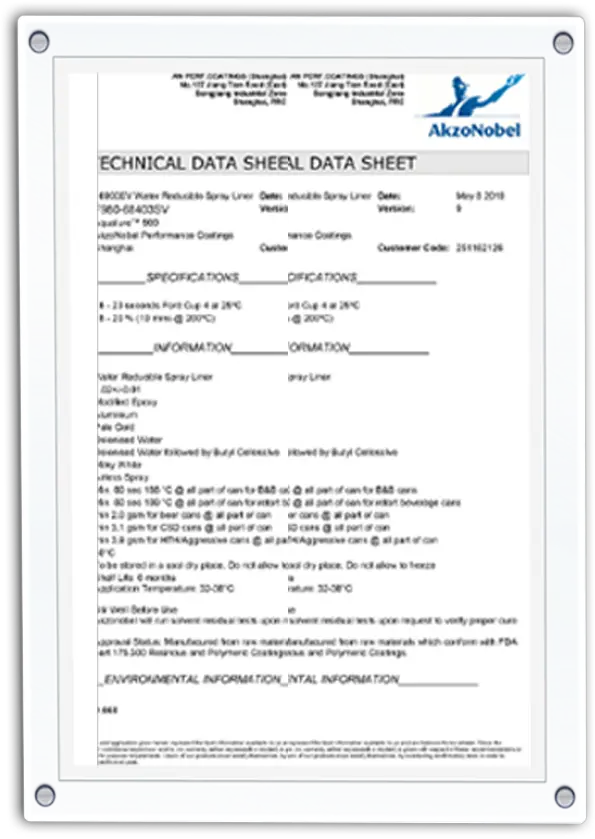
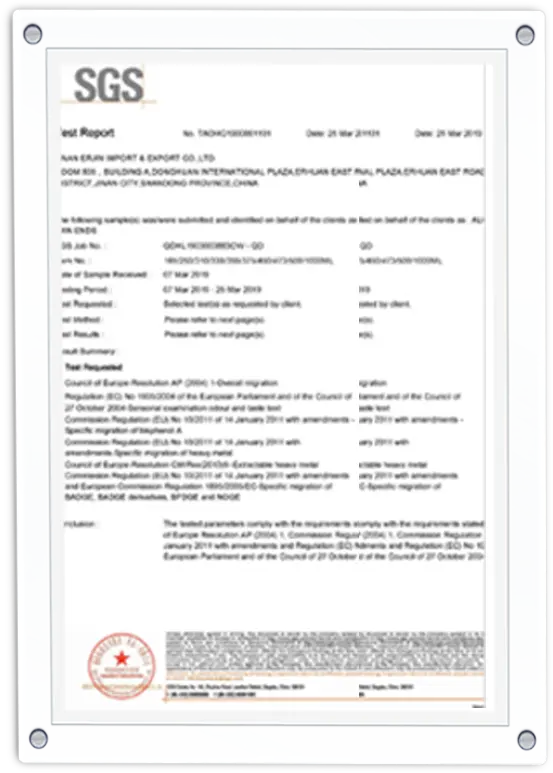
Our export operations are fully aligned with the Japan Customs and the Ministry of Health, Labour and Welfare (MHLW) food sanitation guidelines. From heavy metal threshold restrictions to micro-biological limits (E. Coli, Salmonella, Mold, and Yeast), every shipment receives a complete Certificate of Analysis (COA) produced in our CNAS-accredited laboratories.
Enhancing product textures, reducing formulation costs, and increasing yield through tailored biological systems.
Nagoya's bread and pastry industries require high crumb softness and moisture retention over extended shelf lives. By adding 1% to 3% of our Soy Dietary Fiber to dough formulations, manufacturers can bind up to 10 times the fiber's weight in water. This prevents retrogradation of starch, keeping loaf bread moist, reducing staling, and improving machine handling during automated division.
Maintaining fat-to-water emulsions under thermal processing is critical in minced fish (Surimi) and sausage formulations. Our SDF particles integrate into the protein matrix, reducing shrinkage and cooking loss. By controlling oil and water movement, it helps preserve the characteristic springy bite (Ashi) of traditional Japanese fish pastes, even after blast freezing and steam reheating.
The Japanese market is experiencing a significant shift toward plant-based proteins. In meat alternatives, combining isolated soy proteins with soy dietary fibers creates a fibrous texture similar to poultry or beef. Our fiber helps mask the traditional bean flavor of soy while providing structure and juiciness during cooking.
Under Japan’s FOSHU (Foods for Specified Health Uses) and Functional Claim labeling systems, dietary fiber is a key functional ingredient. Our highly purified, fine-mesh soy dietary fiber provides high dispersibility, making it suitable for dietary powder mixes, prebiotic functional beverages, and ready-to-mix health supplements.
Partner with our technical team to optimize your food formulations. We offer direct-from-factory pricing and customized particle sizing for trial runs.
Send Inquiry NowIntegrated solutions including Isolated Soy Protein, Wheat Gluten, and High-Purity Ethanol for food processing preservation.
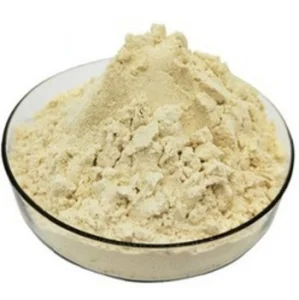
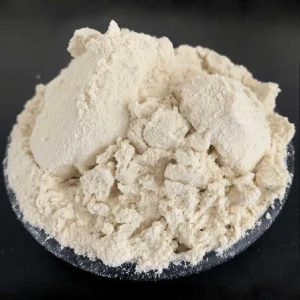
Expert technical answers addressing formulation challenges, Japanese import compliance, and logistics.
We are an integrated group company named Xinrui Group that manufactures and exports. Our production is divided into specialized subsidiaries:
Our production facilities are certified under HACCP, ISO9001, ISO22000, BRC, HALAL, KOSHER, and IP-NON GMO by SGS. For shipments to Japan, we supply complete pesticide residue analysis, heavy metal screening, and non-GMO PCR certifications to ensure compliance with Japan's Positive List System.
Our food-grade Soy Dietary Fiber (SDF) provides a water-binding capacity of 1:8 to 1:10. This is achieved by preserving the structural integrity of the cell-wall matrix during extraction, creating a porous fiber network that binds water and holds shape during freeze-thaw cycles.
Shipments depart from Qingdao Port, with transit times to the Port of Nagoya typically taking between 5 to 7 days. Our export trading company manages container booking, export documentation, and customs filing, ensuring smooth delivery to your designated warehouses in the Chubu region.
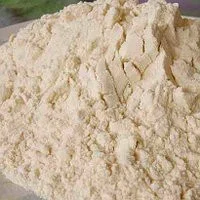
Yes. We offer our soy dietary fiber in multiple particle sizes: 80 mesh and 100 mesh for standard water retention and emulsification in processed meats, and 120 mesh for high-dispersion applications in dietary beverages and health supplement powders.
Access our complete product database and specific product line URLs.
 Xinrui Group