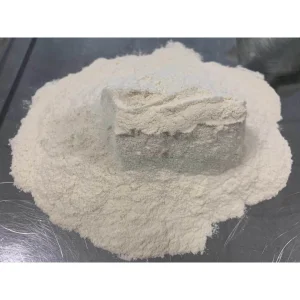
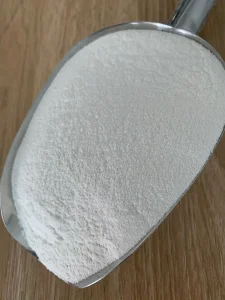
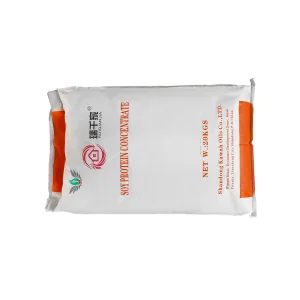
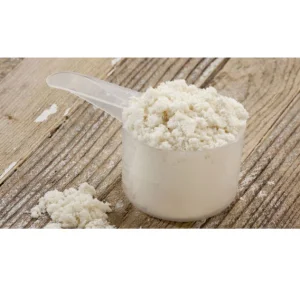
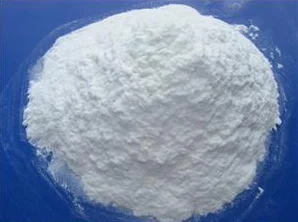
High-purity soy dietary fiber products structured for Korean industrial manufacturing processes, offering excellent water binding capacity and emulsification qualities.
An authoritative analysis of food technology, compliance, and supply chain demands for South Korea's advanced food processing sector.
South Korea’s food processing industry is experiencing a significant shift towards high-value, functional, and clean-label ingredients. Driven by both evolving consumer preferences (such as the growth of K-Veganism and plant-based alternatives) and strict regulatory frameworks set by the Ministry of Food and Drug Safety (MFDS), food manufacturers are seeking premium raw material solutions. Among these, Soy Dietary Fiber (대두식이섬유) has emerged as a cornerstone ingredient for water-binding, texture improvement, and nutritional enrichment.
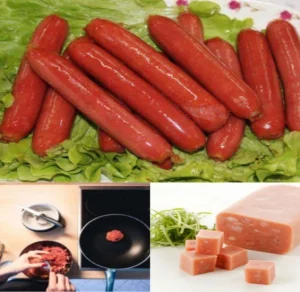
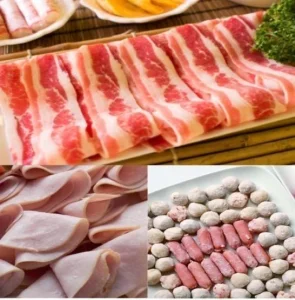
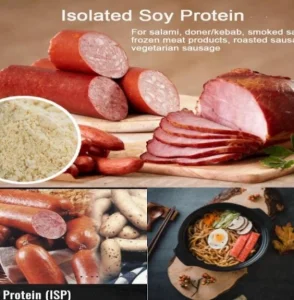
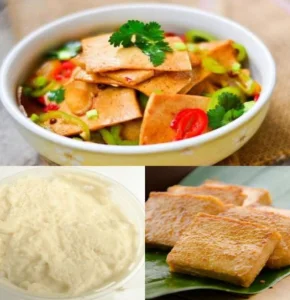
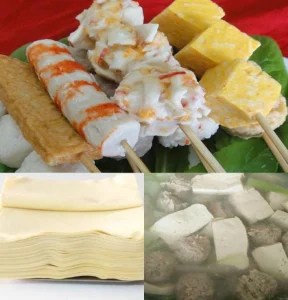
Soy dietary fiber is derived from the cell walls of soybean cotyledons. In the Korean food industrial ecosystem, it performs critical structural functions across diverse product categories:
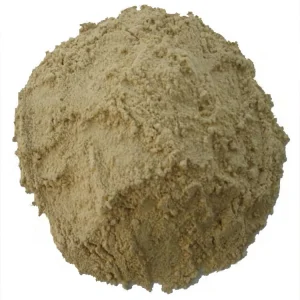
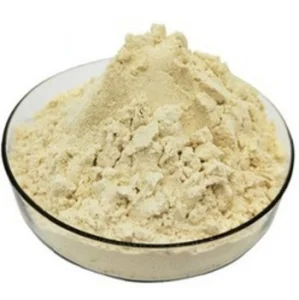
Unlike lower-grade soy hull fibers, our premium Soy Dietary Fiber is manufactured from high-purity soybean cotyledons. This ensures a clean organoleptic profile (neutral taste, odorless, light color) and superior emulsifying properties, which are essential for K-Food products that require delicate seasoning balance.
Importing agricultural derivatives into South Korea requires compliance with stringent regulatory standards. The key challenges that global buyers encounter include:
Our capabilities are backed by Shandong Kawah Oils Co., Ltd. (part of the Xinrui Group), established in 2014 with a registered capital of 120 million Yuan. Processing 180,000 tons of soybean raw materials annually, we extract Non-GMO soybean oil, low-temperature food-grade soy meal, Isolated Soy Protein, and Soy Dietary Fiber in a continuous, state-of-the-art closed loop.
We feature one of the largest single spray-drying lines in China, utilizing custom-engineered Dachuanyuan spray drying towers. This setup ensures that our soy dietary fiber has a consistent particle size distribution (ranging from 80 to 200 mesh based on formulation requirements), which is critical for standardizing viscosity in industrial processing lines.
A complete suite of Non-GMO soy proteins, vital wheat glutens, and starches engineered for diverse food applications.
Explore our production floors, high-capacity warehousing facilities, and processing systems via our video streams.
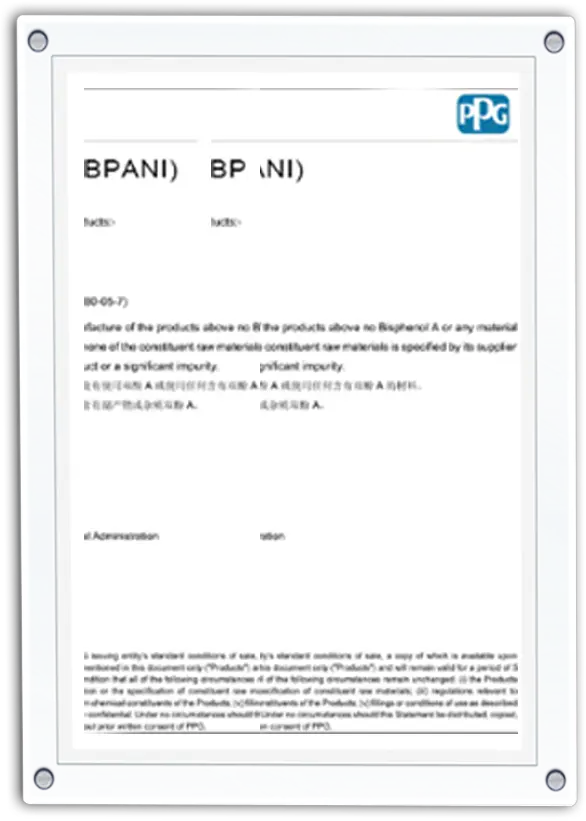
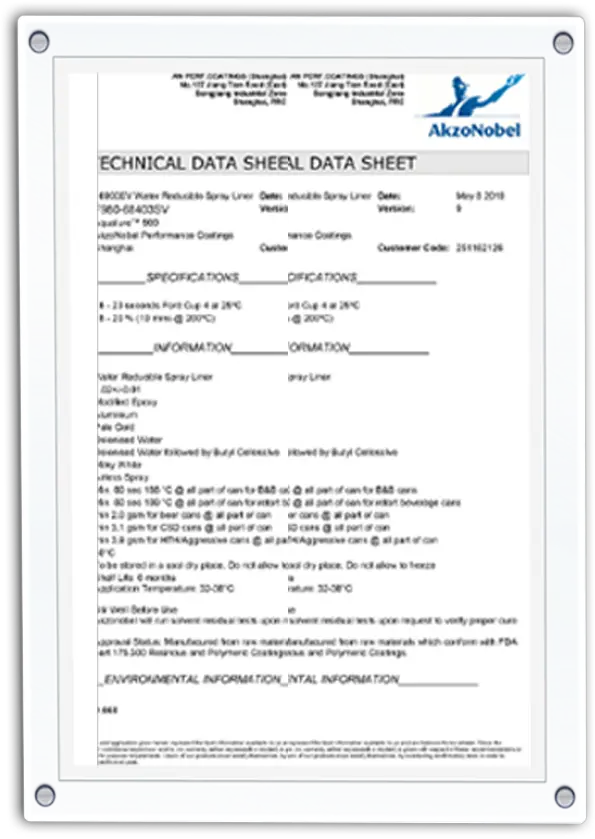
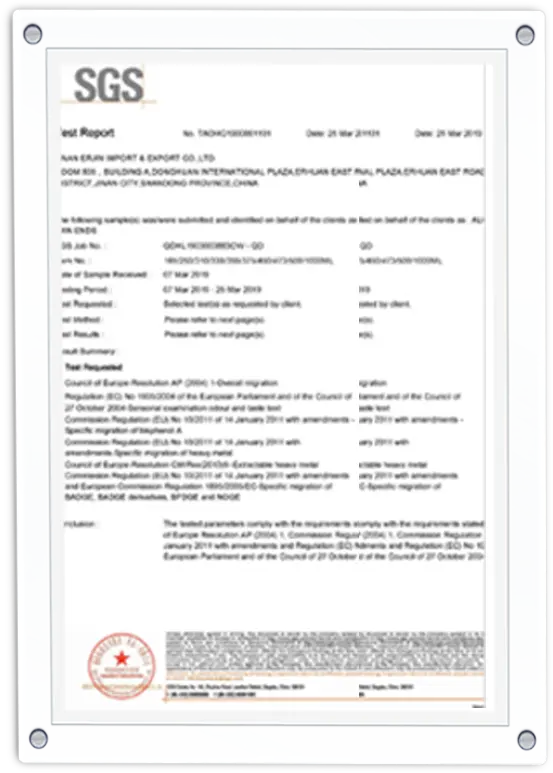
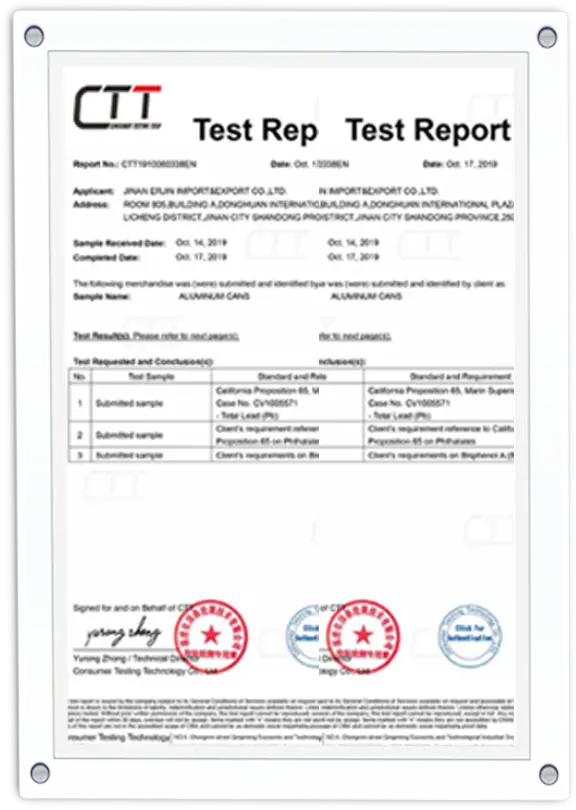
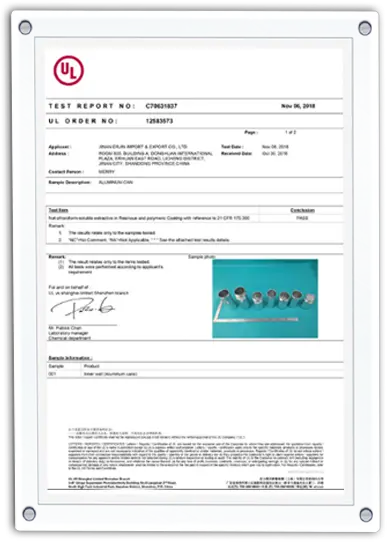
Our manufacturing practices are backed by global certifications to meet strict raw material regulatory standards.
Technical and logistical insights for Korean food ingredient procurement managers.
 Xinrui Group