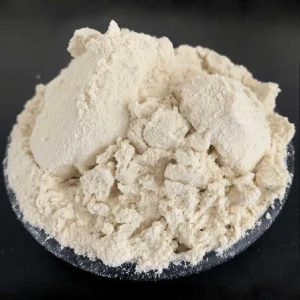
Industrial grade dietary fibers and high-performance wheat gluten tailored for Panama's food processing sector.
Panama's food manufacturing industry is undergoing a structural transition driven by changes in consumer demands and modern trade policies. As a critical logistic and financial hub in Central America, the Republic of Panama acts as a gateway for food ingredient trends across Latin America. Rising consumer awareness of digestive health, cardiovascular benefits, and clean-label foods has forced food brands in Panama City, David, and Colón to rethink their formulations.
Soy Dietary Fiber (SDF) has emerged as a cornerstone ingredient. Extracted from high-quality, non-GMO soybeans, it contains an optimal ratio of soluble and insoluble fiber matrices. In local bread production, meat emulsion, and dairy beverage lines, SDF acts as a multi-functional stabilizer, optimizing yield and extending freshness in humid tropical environments.
With direct access through major ports like Balboa and Cristobal, Panamanian food manufacturers can import premium fiber directly, avoiding supply-chain delays and optimizing their production lines with zero-tariff raw materials via bilateral and regional trade frameworks.
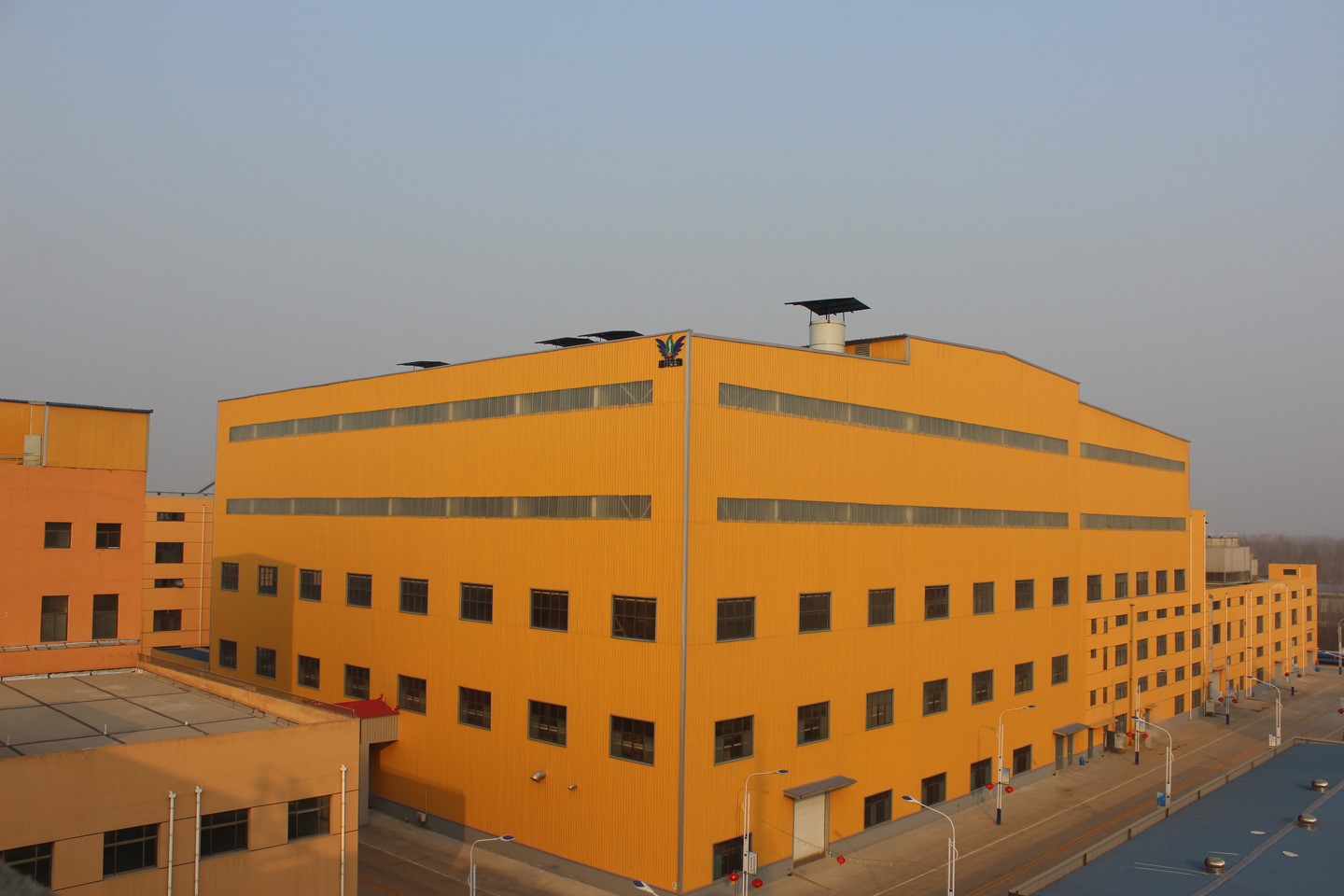
The global demand for plant-based dietary fiber is projected to grow exponentially over the next decade. Driven by the expansion of the meat alternative sector, clean-label requirements, and functional nutrition updates, manufacturers are focusing heavily on quality indicators like water binding capacity (WBC), oil binding capacity (OBC), and non-GMO traceabilities.
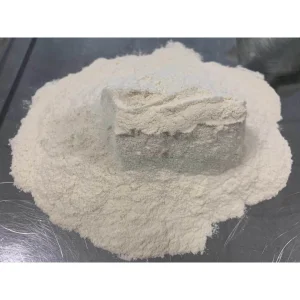
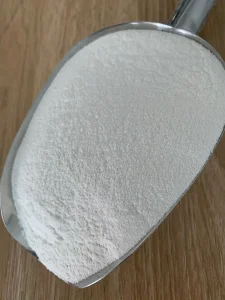
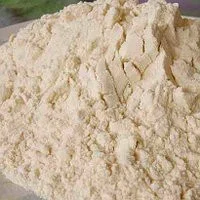
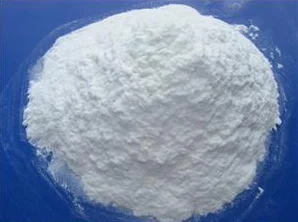
For decades, Soy Dietary Fiber was viewed as a secondary byproduct of soy oil and protein extraction. Today, advanced refining technologies have repositioned it as a top-tier functional texturizer. Modern processing methodologies isolate the cell wall materials of the cotyledon, preserving structural polysaccharides like hemicellulose and cellulose while eliminating unwanted flavor compounds. The result is a highly neutral, off-white, finely ground powder that integrates seamlessly into a multitude of formulations without altering the sensory profiles of the final foods.

XINRUI GROUP was established in May 2003, covering a total area of more than 1,000 mu. Following years of growth, we developed GUANXIAN XINRUI INDUSTRIAL CO., LTD. (formerly known as GUANXIAN RUIXIANG BIOTECHNOLOGY DEVELOPMENT CO., LTD), which has 100 million Yuan in registered funds and processes 500,000 tons of wheat flour annually. Our processing generates high-purity wheat gluten, wheat starch A, wheat starch B, and ethanol, creating a true circular economy industry chain.
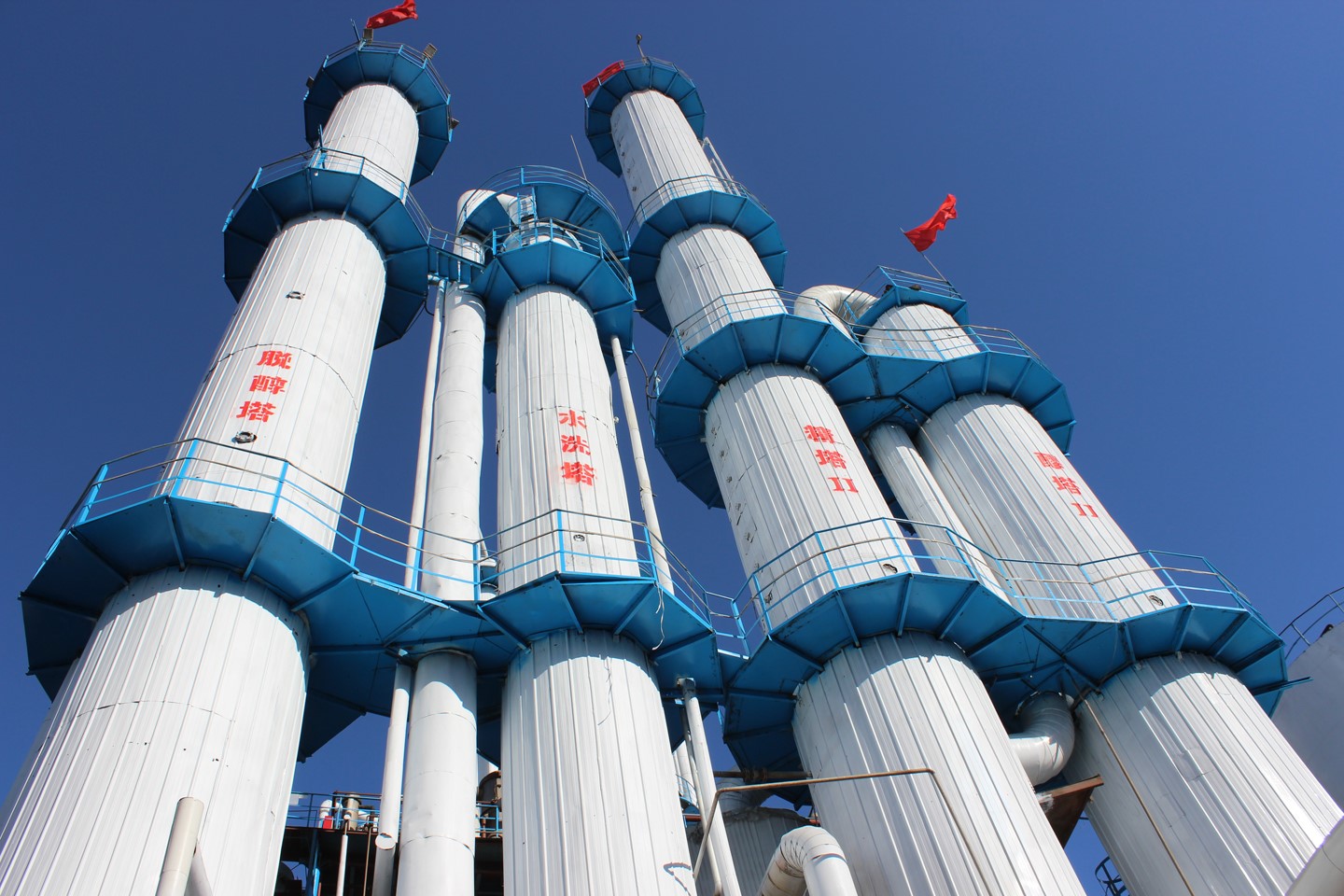
SHANDONG KAWAH OILS CO., LTD., founded in 2014 under our group banner with 120 million Yuan registered capital, processes 180,000 tons of domestic, identity-preserved (IP) NON-GMO soybeans annually. Kawah Oils operates the largest single production line in China, leveraging state-of-the-art spray drying towers from DACHUANYUAN. This advanced infrastructure enables the step-by-step extraction of high-grade soybean oil, low-temperature soy meal, isolated soy protein, and soy dietary fiber.
Export operations are managed directly by our dedicated division, GUANXIAN RUICHANG TRADING CO., LTD., founded in 2011. Ruichang exports over 70% of our production capacity directly to clients across Central America, South America, and Europe, establishing a highly integrated factory-to-port logistics mechanism serving Panama.
For Panamanian food formulators, soy dietary fiber is not just a nutritional additive; it is a critical process aid. Below is the breakdown of how SDF optimizes functional qualities across multiple key target applications:
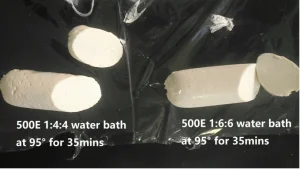
In hot and humid climates like Panama, preserving moisture in bakery items while preventing staling is a major challenge. The high water binding capacity of our soy dietary fiber helps bakers retain water in the dough matrix. This prevents dry-out during storage and retains a soft, pliable crumb texture. In wheat and corn tortillas, the addition of 1.5% to 3.0% SDF significantly improves tear resistance and flexibility.
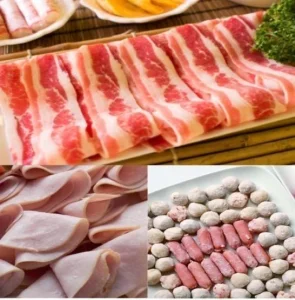
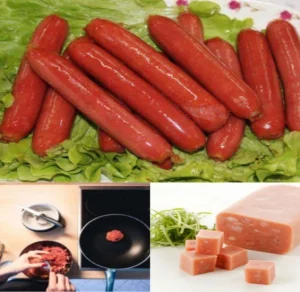
Panama's processed meat market requires cost-efficient solutions that do not sacrifice mouthfeel. Our soy dietary fiber features excellent capillary structure, which forms strong complexes with water and fat. When used in frankfurters, sausages, and hams, it works in synergy with isolated soy protein to lock in moisture during thermal processing, minimizing purge loss and improving bite texture.
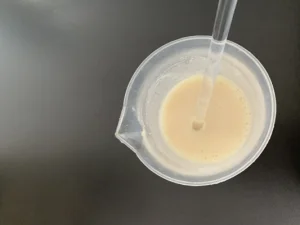
With the rise of veganism and lactose-intolerant dietary requirements in Panama City, plant-based milk alternatives are growing. Our beverage-grade soy dietary fiber offers fine particle distribution, ensuring excellent dispersion properties, pleasant mouthfeel, and zero chalky residue in functional plant milks and meal replacement shakes.
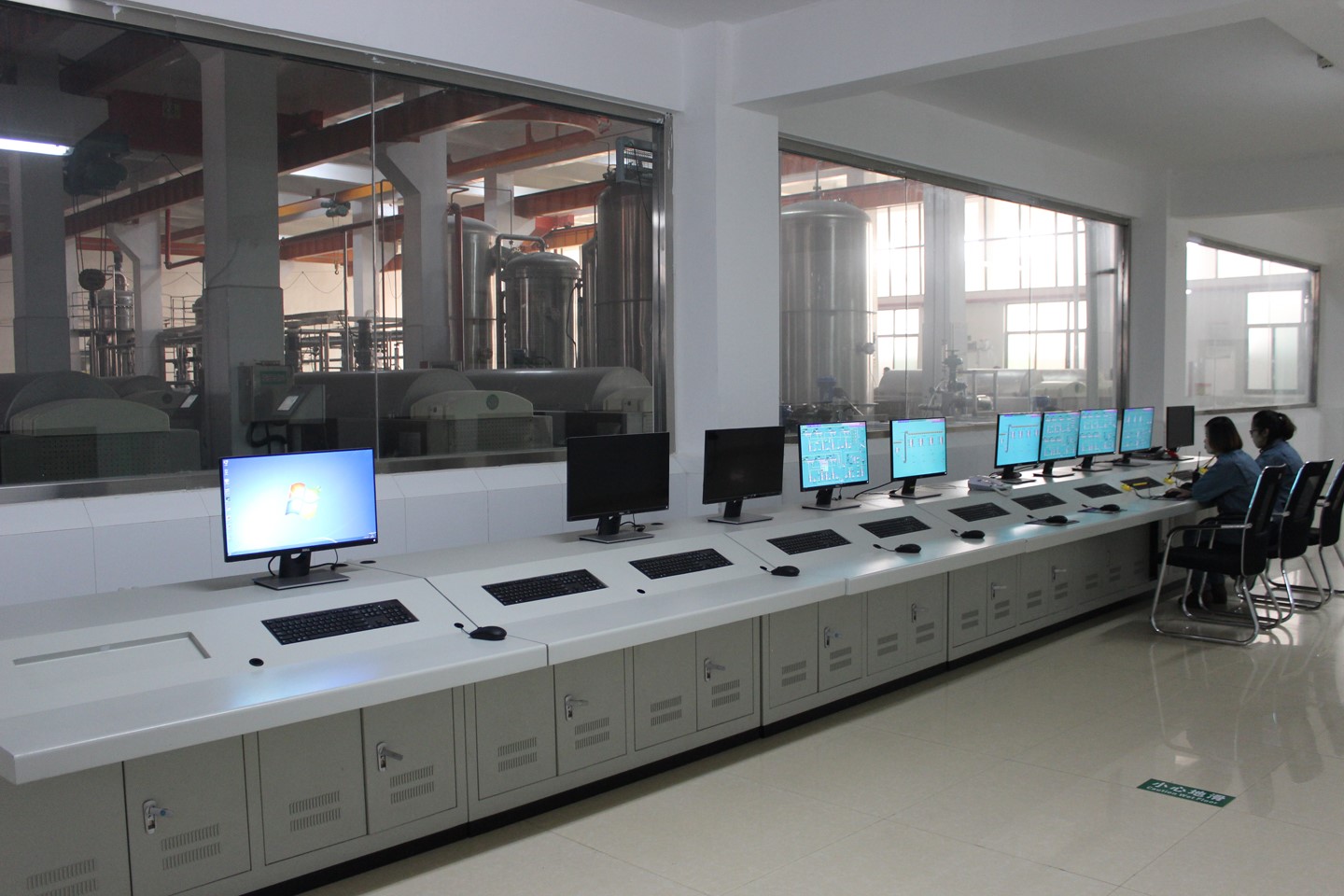
Take an inside look at our advanced manufacturing lines, modern spray-drying towers, and logistics hubs.
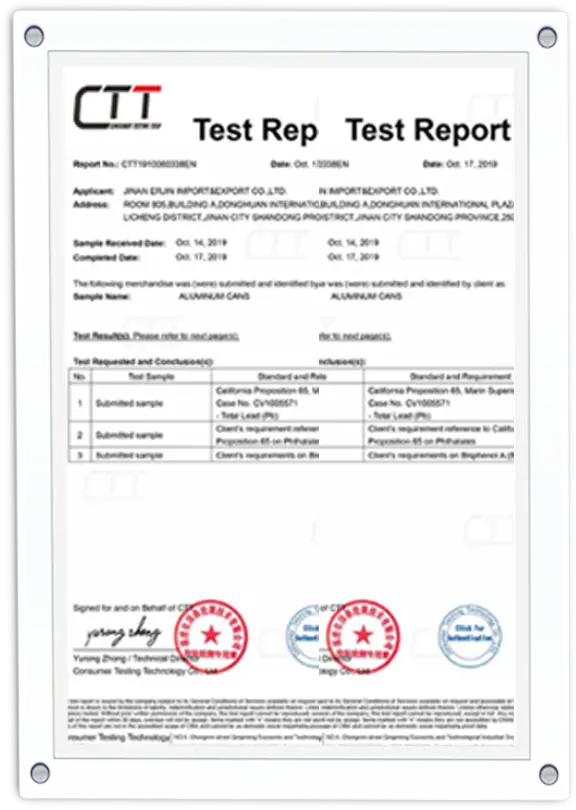
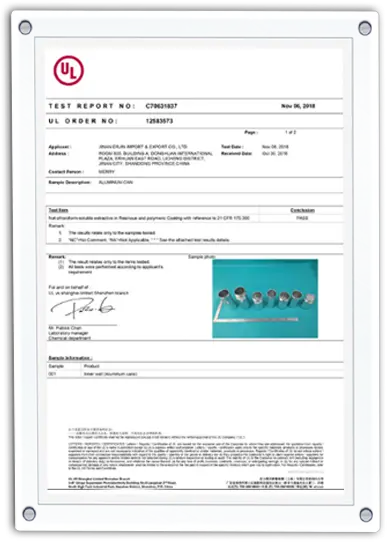
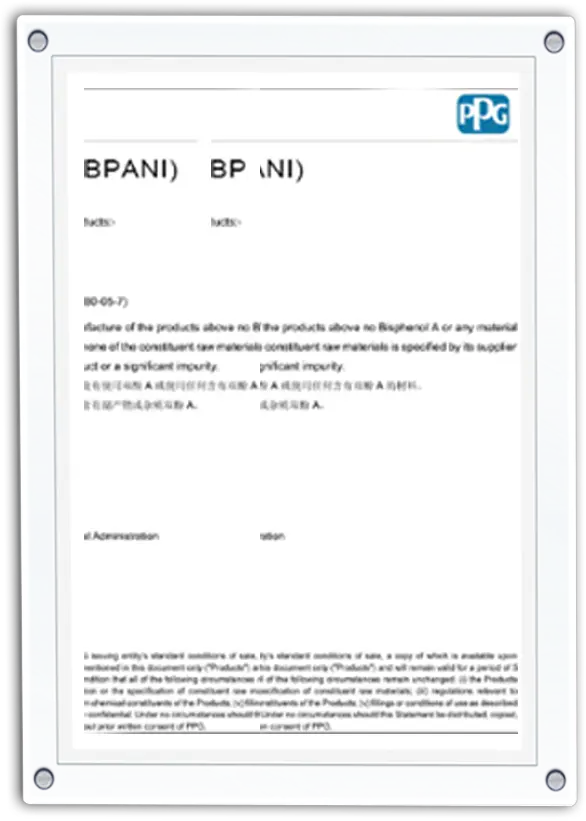
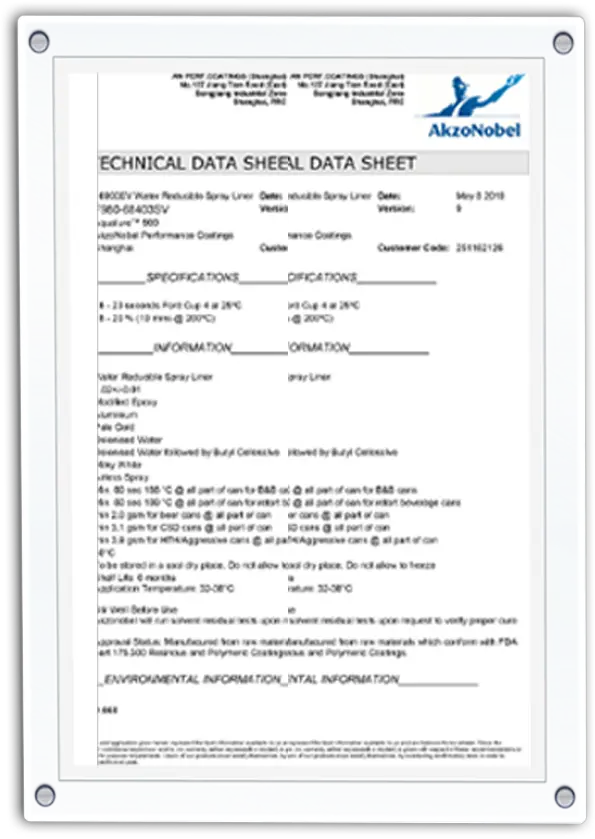
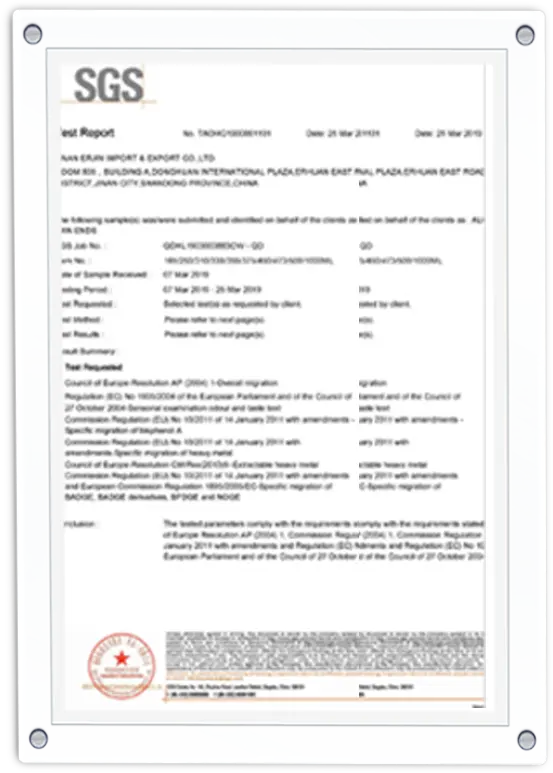
We strictly adhere to international food safety regulations, ensuring seamless imports into Panama and the wider LATAM region.
Importing food ingredients into Panama requires strict compliance with AUPSA/APA regulations. Our production facilities hold comprehensive certifications confirming the purity and safety of our entire range of soy proteins, dietary fibers, wheat starch, and wheat gluten products. Through rigorous IP (Identity Preserved) controls, we guarantee that all soybeans sourced for extraction are 100% Non-GMO.
Comprehensive proteins, starches, and ethanol solutions manufactured at our modern industrial park.
We offer bespoke dietary fiber particle sizes and protein water retention adjustments.
Contact Technical TeamExpert insights regarding shipping, specifications, and applications of our Soy Dietary Fiber in Panama.
 Xinrui Group