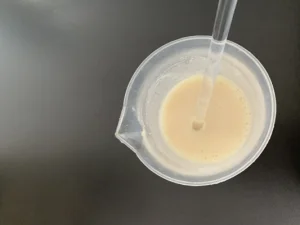
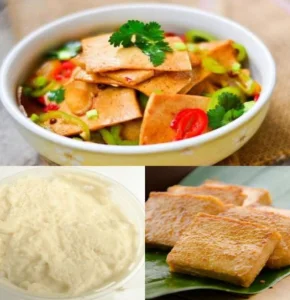
High-performance functional isolated proteins and wheat gluten formulated for advanced brine-injection systems and emulsion stability.
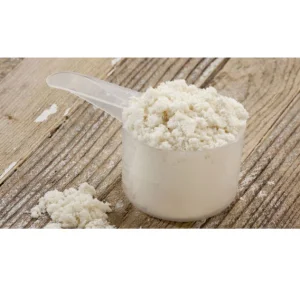
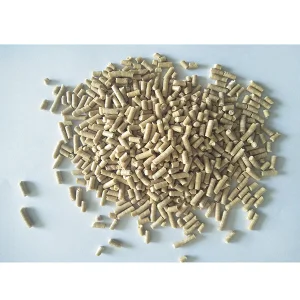
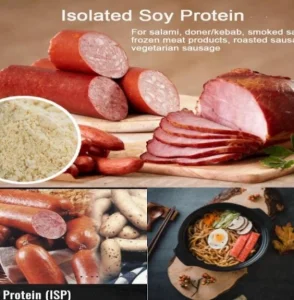
The industrial food landscape of the Moscow region stands as the economic core of the Russian Federation's food processing sector. Large-scale meat processing plants, commercial bakeries, and rapidly growing plant-based protein ventures require highly functional, clean-label raw materials. With rising raw material volatility and strict local standards for food safety and shelf-life extension, companies are shifting away from synthetic stabilizers to natural, high-performance plant fibers and proteins.
In Moscow's competitive processed meat sector, which produces millions of tons of cooked hams, sausages (such as the traditional Doktorskaya and Servelat), and poultry products annually, moisture management is critical. Yield loss during thermal processing translates directly to bottom-line erosion. This has accelerated the search for premium-grade, non-GMO Soy Dietary Fiber (SDF) and highly dispersible Isolated Soy Proteins (ISP). The local market demands suppliers that not only provide volume but also guarantee raw material traceability (IP Non-GMO), constant gel-strength coefficients, and immediate supply chain responsiveness.
Industrial processing uses two primary methods to incorporate plant proteins and fibers: Emulsification and Brine Injection. The latter, specifically utilized in whole-muscle products like bacon, ham, and poultry breast, requires the ingredient to completely disperse without clogging injection needles. Injection needles, with diameters as small as 1.2 to 2.0 mm, are prone to blockages if the fiber particles are too large or if the protein exhibits poor hydration properties.
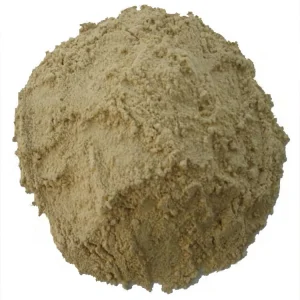
Soy Dietary Fiber (Injection Type) stands out due to its unique microstructural processing. Unlike standard grade fiber (often used for simple water binding in burgers), injection-type fiber undergoes a specialized micronization process, reducing the particle size to under 80 or even 100 mesh, while preserving its cross-linked matrix. This allows it to:
| Technical Parameters | Standard Emulsion Soy Fiber | Premium Injection-Grade Soy Fiber | ISP Injection Type (9020 / 9028) |
|---|---|---|---|
| Particle Size (Mesh) | 60 - 80 mesh | 100 - 150 mesh (Superfine) | Fully soluble dispersion |
| Water Binding Capacity | 1:6 - 1:8 | 1:8 - 1:10 (High Capillary absorption) | 1:5 (Dynamic hydration) |
| Viscosity in Brine (10% Sol.) | Medium-High | Low (Under 300 cPs at cold temp) | Ultra-Low (Easily pumped) |
| Primary Application | Burgers, Meatballs, Bakery | Brine-injected whole muscles, sausages | Cured hams, high-injection poultry |
As a leading global agricultural processing enterprise, XINRUI GROUP (comprising Guanxian Xinrui Industrial Co., Ltd. and Shandong Kawah Oils Co., Ltd.) has built an integrated, high-efficiency circular economy supply chain. We process 500,000 tons of wheat flour and 180,000 tons of soybeans annually, using advanced tri-canter separation and spray drying technologies. This ensures our global buyers, including those in Moscow, receive consistent, high-quality ingredients.
Our production advantage lies in our state-of-the-art processing facility. Equipped with the DACHUANYUAN spray drying tower, which features the largest single-line capacity in China, we can produce isolated soy protein with optimal particle distribution and functional consistency. Our circular economy model processes local non-GMO raw materials into low-temperature soybean meal, isolated protein, and dietary fiber, reducing waste and keeping pricing competitive for the global market.
Applying soy dietary fiber and proteins requires a deep understanding of local formulations and processing conditions. In the Moscow market, we focus on three major application areas:
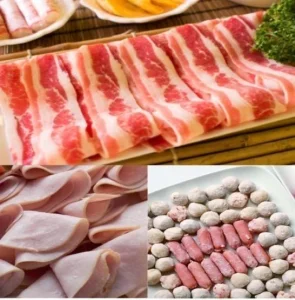
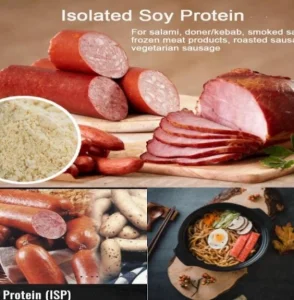
In local meat processing plants, poultry breasts and cooked hams undergo injection levels ranging from 30% to 80% weight gain. Adding 1.5% to 3.0% of our Injection Type Isolated Soy Protein 9020/9026/9028 combined with superfine Soy Dietary Fiber (SDF) helps stabilize the added water. This minimizes purge loss in vacuum packaging and prevents the structural collapse of the meat slices.
For high-yield emulsified sausages, our Meat & Emulsion Type Isolated Soy Protein 9007B-A and 9007B-C creates a strong heat-induced gel. When combined with Soy Dietary Fiber, it forms a cohesive network that locks in fat and moisture, giving the final product the traditional snap (texture) that local consumers expect.
Moscow's growing plant-based meat market relies on functional proteins and fibers to mimic the texture of meat. Our Vegetarian Type Isolated Soy Protein 9003B provides a neutral taste and excellent emulsion properties, making it an ideal base for vegan sausages, spreads, and high-protein baked goods.
Every batch of soy fiber and isolated protein is fully tested and certified to comply with strict international regulatory and food safety standards.
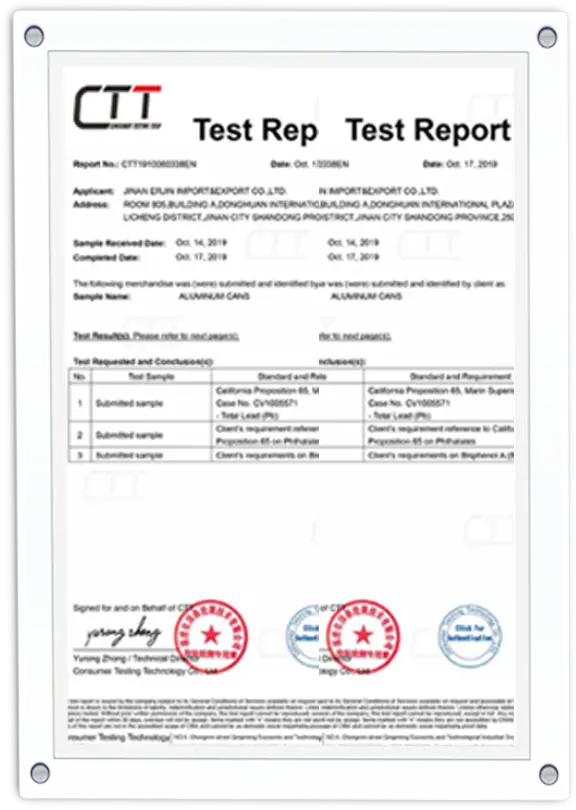
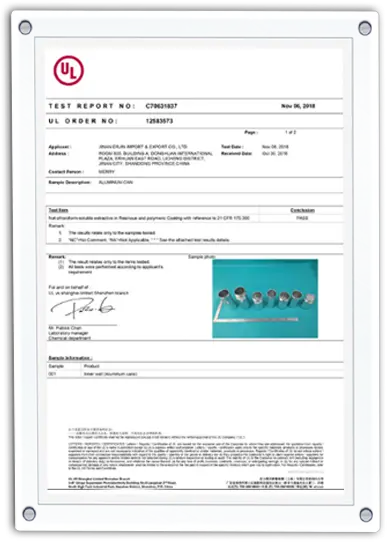
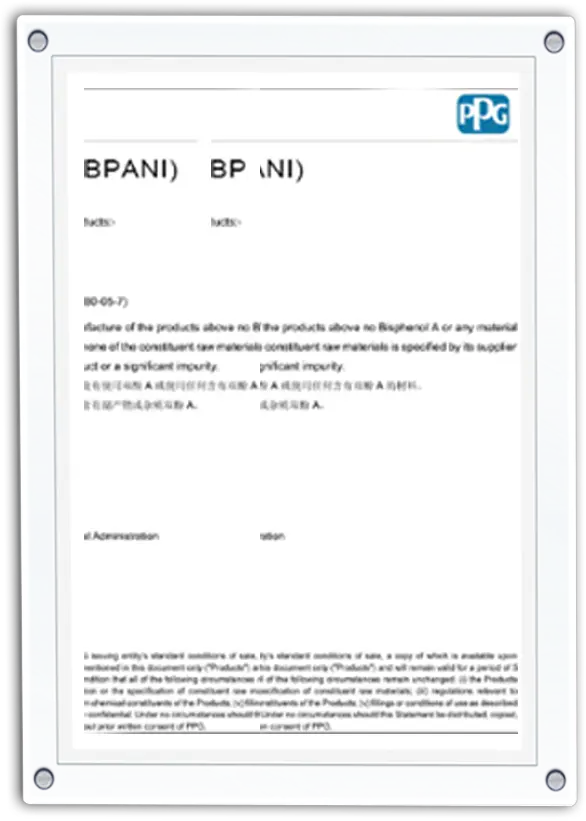
Technical and logistical insights for food manufacturers and purchasing directors looking to import soy ingredients.
Select the ideal specification for your processing needs, from low-viscosity dispersible proteins to high-gel emulsion isolates.
 Xinrui Group