Specially selected plant protein systems showing outstanding performances in local Japanese meat-injection systems and dairy-dispersion platforms.
Authors: Technical Research Division of Shandong Kawah Oils & Guanxian Xinrui Industrial Co., Ltd.
Target Scope: High-performance meat formulation, industrial brine injection, and plant-based protein emulsification in Japan's major metropolitan areas.
The food manufacturing sector within the Tokyo Metropolitan Area represents one of the most technologically demanding and safety-conscious markets globally. Driven by dense urban populations, high dependency on ready-to-eat (RTE) meals, convenience store (CVS) logistics, and strict national regulations, food processors in Tokyo require highly refined plant-based protein isolates. In particular, Injection Type and Dispersion Type isolated soy proteins have transitioned from simple fillers to functional rheology controllers.
In Tokyo's massive industrial food supply chains—ranging from processed pork and poultry products in Kanagawa and Chiba prep-hubs to high-end vegetarian deli solutions inside central Tokyo—consistency is paramount. Processors face structural challenges, including long cold-chain transit times under fluctuating ambient temperatures, demanding extreme water binding and emulsification capacity from raw ingredients. Standard protein solutions fail to sustain brine stability under modern multi-needle high-pressure injection systems, resulting in needle blockage, uneven distribution, and moisture loss during thermal processing. The need for precise micro-filtered, highly soluble protein isolates with low viscosity under high shear is a critical bottleneck for local manufacturers.
Brine formulations in Tokyo processing plants must maintain viscosity under 20 cP to prevent needle clogging in multi-needle machinery.
Retaining natural meat juices during high-temperature cooking minimizes purge loss in retail packaging across CVS shelves.
Strict sensory profiling prevents "beany" off-flavors, allowing delicate Japanese flavor profiles (dashi, light soy sauce) to shine through.
Global procurement teams targeting Japanese retail standards must satisfy double-layered compliance protocols: domestic chemical limits and international sustainability criteria. Procurement directors seek key guarantees when importing wheat and soy derivatives into major entry ports such as Yokohama and Tokyo:
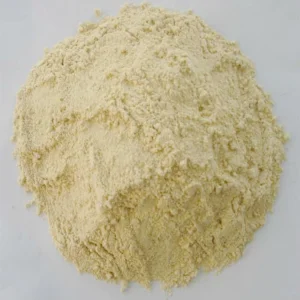
To address the distinct functional demands of food systems, modern protein chemistry splits isolated soy proteins into two critical technical categories: Injection Grade and Dispersion/Emulsion Grade.
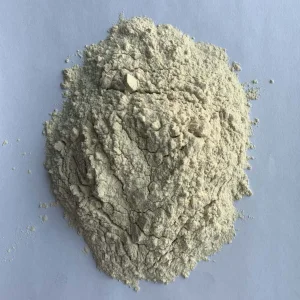
Designed for curing brines, injection protein solutions must exhibit rapid solubility in cold water containing high salt concentrations. Standard soy isolates clump when exposed to sodium chloride, but injection-grade proteins are modified through selective enzyme hydrolysis to break long peptide chains into shorter, highly soluble fragments. This ensures they remain suspended in the brine without settling and pass smoothly through the finest injector needles without sheared blockages.
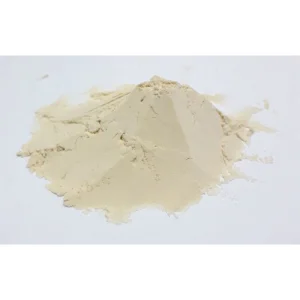
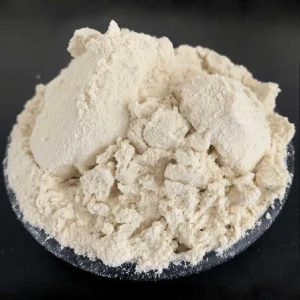
In contrast to injection systems where viscosity must remain low, emulsion systems depend on the protein's ability to act as a surfactant. The 9030 and 9007 series isolated soy proteins bind water and oil molecules into a stable matrix that withstands subsequent thermal cooking, canning, or freezing cycles. These proteins are widely applied in restructured vegan products, fish paste (surimi) processing, and industrial baking to optimize crumb structures and moisture retention.
| Protein Type | Model Series | Core Application | Viscosity Profile (1:6 solution) | Key Target Parameter |
|---|---|---|---|---|
| Injection Type | 9020 / 9026 / 9028 | Ham, Bacon, Whole Poultry Restructuring | Low (< 25 cP at 4°C) | High needle throughput, zero sedimentation |
| Dispersion Type | 9030 / 9032 | Beverages, Acidic Formulas, Nutritional Powders | Ultra-low, high stability | Excellent suspension, no gritty mouthfeel |
| Emulsion Type | 9007B-A / 9007B-C | Sausages, Frankfurters, Vegetarian Cold Cuts | High (> 1200 cP after heating) | Fat-to-water binding ratio of 1:4:4 |
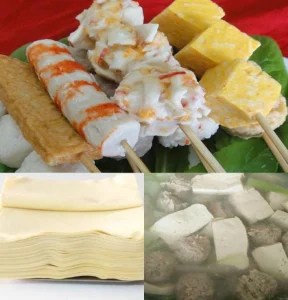
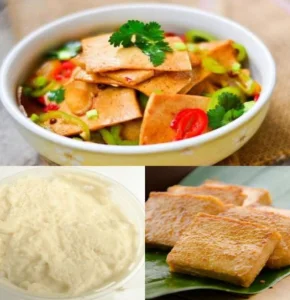
| Vegetarian / Tofu Type | 9003B / 9005B | Traditional Tofu, Yuba, Vegan Replacements | Medium-High | Rapid coagulant reaction, smooth gel surface |
The next generation of plant protein isolated systems relies heavily on advanced enzymatic cutting and micro-fluidization. By modeling peptide structures through computer-aided molecular profiling, we can forecast exactly how different soy protein isolates interact with myofibrillar proteins in meat systems under high temperatures.
Future development phases focus on eliminating taste masking agents. Modern processors often rely on sugars and flavor enhancers to cover up the native taste of soy. Our current research roadmap targets the complete removal of volatile aldehydes and alcohols responsible for off-notes directly at the extraction phase, ensuring clean-taste profiles without the need for artificial additives. This aligns perfectly with the Japanese market's strict clean-label consumer trend.
The global demand for high-purity protein fractions continues to grow, driven by rising costs of animal proteins and structural changes in food logistics. Operating as a unified corporate group, Xinrui Group (founded in May 2003, occupying over 1,000 mu) manages a vertically integrated agricultural industrialization model:
Importing agricultural raw materials into Japan requires absolute compliance with the Ministry of Health, Labour and Welfare (MHLW). Our group ensures full regulatory alignment through continuous testing and documentation:
Our dedicated laboratory facilities verify compliance with maximum residue limits (MRLs) for agricultural chemicals, heavy metals, and microbiological criteria. With a production process certified under IP Non-GMO, BRC, HACCP, ISO9001, ISO22000, Halal, and Kosher standards, local distributors in Tokyo can clear customs smoothly and supply their retail channels with complete confidence.
We provide tailored test batches of our 9030 Dispersion Series and 9020 Injection Series to match your facility's injection ratios and temperature parameters.
Send Inquiry NowGain direct insight into our state-of-the-art closed-loop production systems, tri-canter separator installations, and the automated spray drying tower configurations through our video documentation:
GUANXIAN XINRUI INDUSTRIAL CO., LTD. (formerly known as GUANXIAN RUIXIANG BIOTECHNOLOGY DEVELOPMENT CO., LTD) was set up in 2007 and had registered funds 100 million Yuan. The company can process 500,000 tons of wheat flour per year, and using the wheat material we can produce wheat gluten, wheat starch A and wheat starch B. Starch B and pentosan can be used into producing alcohol and animal feed. The company has deep processing circular economy industry chain. We imported the most advanced technology, tri-canter separation technology, in the wheat gluten production. All the line is clean and closed. Its output value, production equipment, technology and quality are in front of national counterparts.
GUANXIAN RUICHANG TRADING CO., LTD was founded in 2011 with 6 million yuan of registered capital, exports isolate soy protein, wheat gluten, soluble dietary fiber, vermicelli, ethanol directly to overseas customers from factory, the export proportion is over 70% of the group companies' production capacity, achieving integration of industry and trade.
SHANDONG KAWAH OILS CO., LTD was established in 2014 with a registered capital of 120 million yuan. It is a provincial leading agricultural industrialization enterprise integrating plantation, research & development, deep processing, and import & export, processing 180,000 tons of NON-GMO soybeans annually. It takes domestic NON-GMO soybeans as raw materials and extracts NON-GMO soybean oil, low-temperature food grade soybean meal, isolated soy protein, and dietary fiber step by step. Advanced production technology is applied in producing isolated soy protein. The core equipment is the spray drying tower of the DACHUANYUAN, with a single line capacity exceeding that of domestic competitors. It is the largest single production line in CHINA.
Our manufacturing sites undergo rigorous third-party audits to secure global shipping approvals. Our structural compliance covers the following credentials:
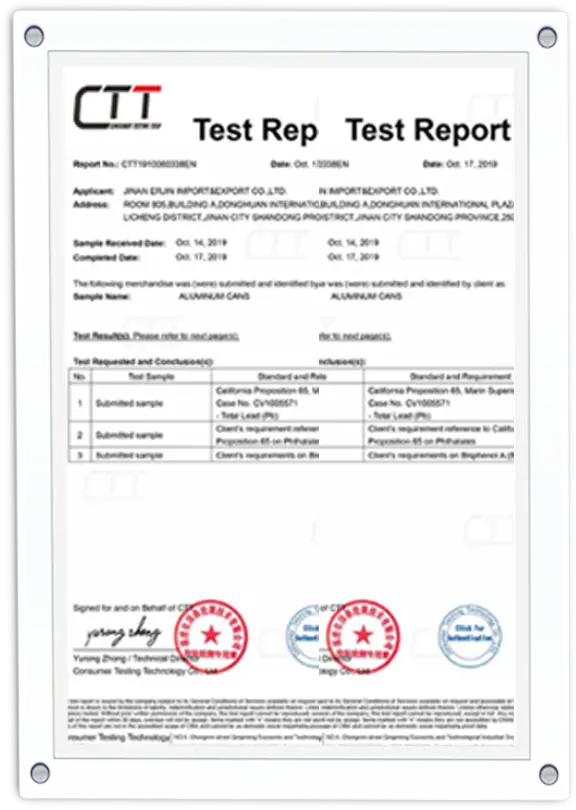
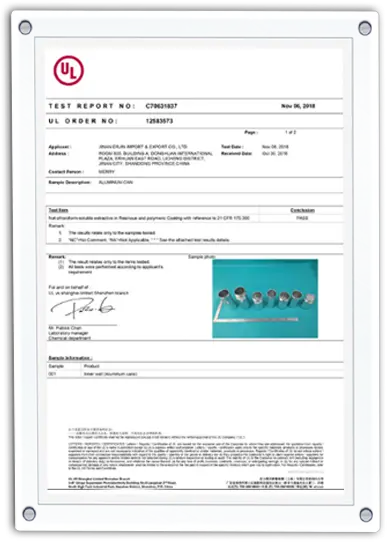
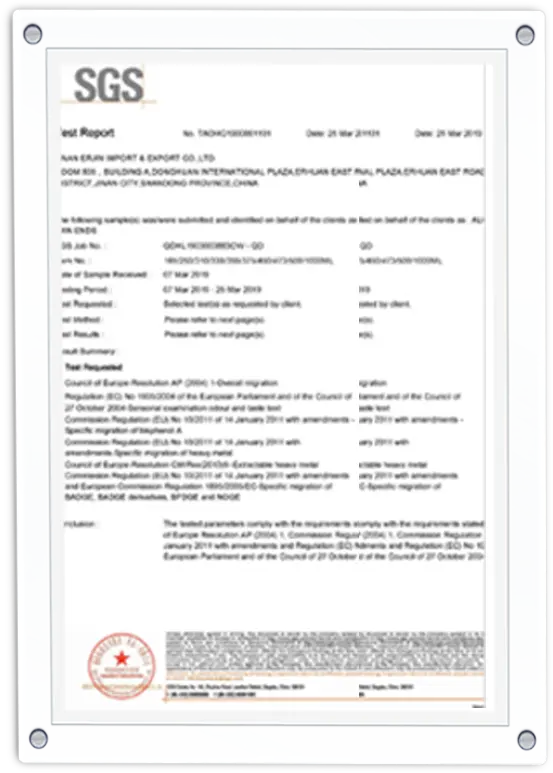
We are a fully integrated group company named Xinrui Group, combining processing, research, development, and direct export. Our subsidiary company, Shandong Kawah Oils Co., Ltd, operates as the manufacturer of our isolated soy protein lines, producing 50,000 tons per year. Our second manufacturer, Guanxian Xinrui Industrial Co., Ltd., produces vital wheat gluten at a capacity of 30,000 tons per year. All global sales, contract management, and export customs clearances are coordinated directly through our export arm, Guanxian Ruichang Trading Co., Ltd.
We hold a comprehensive range of international food quality and safety certifications, including HACCP, ISO9001, ISO22000, BRC (British Retail Consortium), HALAL, KOSHER, and IP Non-GMO (Identity Preserved). This ensures that every shipment meets the strict food import regulations enforced by Japan's Ministry of Health, Labour and Welfare (MHLW).
Injection Type soy proteins (such as the 9020/9026/9028 series) are processed to exhibit very low viscosity in cold brines. This prevents sedimentation and ensures the solution passes easily through fine injector needles into whole cuts of meat. Emulsion Type proteins (such as 9007B-C) are formulated to bind large volumes of water and oil, forming a strong, cohesive gel matrix when heated. This makes them ideal for sausages, restructured meat patties, and vegan cold cuts.
Our Dispersion Type protein (9030 series) features excellent wettability and suspension stability. Unlike standard soy isolates that tend to clump or settle in liquid systems, the 9030 series disperses quickly in aqueous solutions. It maintains stable suspension across a wide pH range, preventing sedimentation in plant-based milk alternatives, nutritional beverages, and dry blend drink formulations.
We implement a strict Identity Preservation (IP) system. This involves complete segregation throughout our entire supply chain, starting from sourcing Non-GMO seeds and farming contracts, through dedicated transport lanes, to processing in our specialized Non-GMO production facility. PCR testing is conducted at multiple stages to verify the absence of GMO genes.
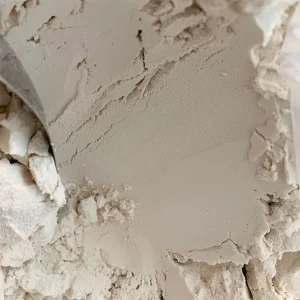
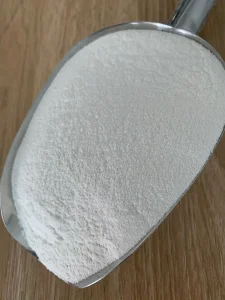
A comprehensive range of functional proteins, plant-based starches, and food-grade ethanol products tailored to the needs of commercial food processors in Tokyo.
 Xinrui Group