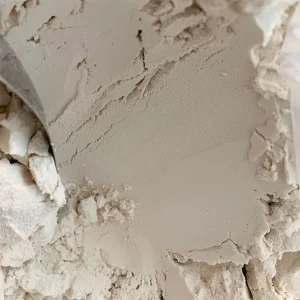
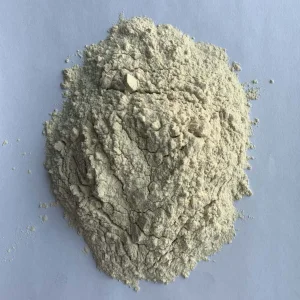
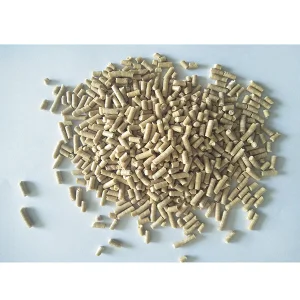
Highly dispersible and functional plant-based isolates optimized for the Philippine food processing sector
The Philippines' food and beverage industry represents one of the most dynamic sectors in Southeast Asia. Driven by urbanization, shifting consumer preferences, and a growing middle class, local manufacturers in Metro Manila, Cebu, and Davao are facing a critical technical challenge: formulating high-quality, nutritionally dense beverages and emulsified meats that remain stable under tropical storage conditions.
For beverage production—ranging from ready-to-drink (RTD) plant-based milks and powdered nutritional beverages to high-protein meal replacements—ordinary proteins lack the structural capability to remain suspended. Insoluble particles fall out of solution quickly, leading to sedimentation, poor mouthfeel, and an unacceptable consumer experience. This is where Dispersion Type Isolated Soy Protein (ISP) becomes vital.
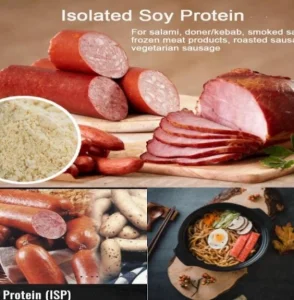
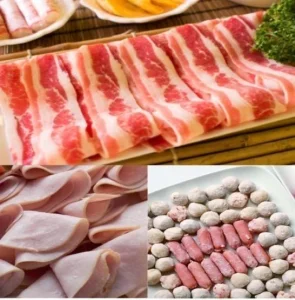
In parallel, the massive local meat processing industry—which manufactures traditional staples such as longganisa, tocino, hotdogs, and canned luncheon meats—demands precise emulsion systems. Manufacturers look to maximize water retention and fat binding during thermal processing. Incorporating advanced Isolated Soy Protein helps lock in moisture, improves chewiness, and reduces formulation costs without compromising final nutritional profiles.
Global procurement teams require detailed ingredient specifications to meet modern clean-label demands, allergen segregation, and reliable functionality metrics.
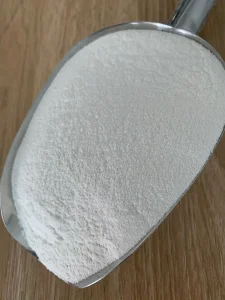
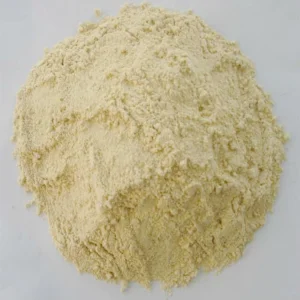
Unlike standard isolates that require intense shear and high temperatures, Dispersion Type ISP (such as 9030/9032) is engineered for fast cold-water dispersion. It reaches a uniform slurry within minutes, showing a solubility index exceeding 85% without lumping.
At a 10% concentration, standard proteins exhibit high viscosities that jam industrial pumps. Dispersion-type isolates are structured to maintain a low, pumpable viscosity profile (<100 cPs), allowing high protein load in UHT and retort beverage formulations.
Our raw materials come strictly from verified IP (Identity Preserved) Non-GMO planting bases. Documented traceability ensures that your finished product complies with global clean-label standards and satisfies conscious consumers in the domestic and export markets.
| Type Model | Target Formulation Application | Protein Content (Dry Basis) | Dispersion Rate (Sec) | Emulsification & Gel Strength |
|---|---|---|---|---|
| 9030 / 9032 Dispersion Type | UHT Beverages, Protein Drinks, Nutritional Blends | ≥ 90% | ≤ 30s (Excellent) | Low viscosity, minimal gelation, high dispersion stability |
| 9007B-C Meat & Emulsion Type | Sausages, Franks, Meatballs, Burgers | ≥ 90% | N/A (Hydration required) | 1:5:5 (Protein:Water:Oil) strong cohesive gel matrix |
| 9020 / 9026 / 9028 Injection Type | Hams, Whole Muscle Meats, Brine Injections | ≥ 90% | N/A | Superb solubility in brine, no nozzle clogging, high yield |
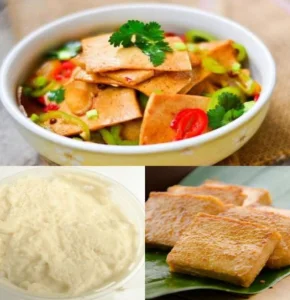
| 9003B / 9005B Vegetarian & Tofu Type | Tofu, Vegetarian Meat Alternatives, Analogs | ≥ 90% | N/A | High hardness gel network, high elasticity, chewiness control |
Delivering raw materials globally with certified quality systems and state-of-the-art facilities
As food manufacturers look to the future, the integration of multiple crop proteins and fibers is key to achieving optimal texture and cost-efficiency. Our research and development center has established advanced synergistic formulation pathways that combine Isolated Soy Proteins, Soy Dietary Fiber, and Vital Wheat Gluten to address complex industrial applications.
A leading agriculture industrialization enterprise delivering deep-processed wheat, soy, and starch products
Established in May 2003 and covering more than 1,000 mu, Xinrui Group has developed a diverse industrial circular economy. The group integrates people's livelihood cogeneration, urban heating, gas supply, and deep agricultural processing. Through our subsidiaries, we manage an end-to-end industrial supply chain.
Formerly known as Guanxian Ruixiang Biotechnology Development Co., Ltd. Set up in 2007 with 100 million Yuan registered capital. Processes 500,000 tons of wheat flour annually, extracting vital wheat gluten and starch A/B using clean, closed-loop tri-canter separation technology.

Established in 2014 with 120 million Yuan registered capital. Processing 180,000 tons of domestic Non-GMO soybeans annually to extract crude oils, low-temperature food-grade meal, isolated soy protein, and dietary fiber using advanced spray drying technology.
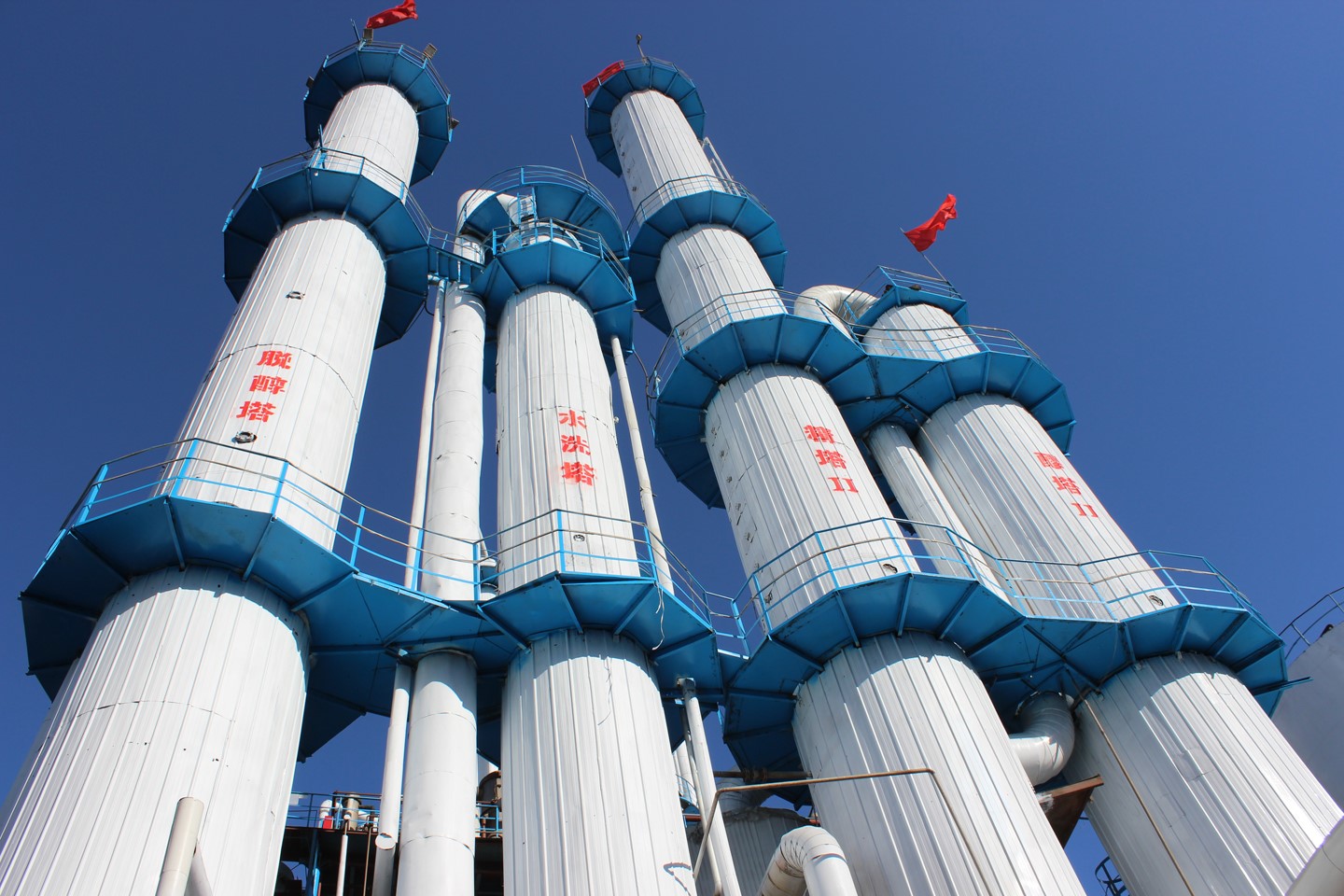
Founded in 2011 with 6 million Yuan registered capital. Serves as the direct export arm of the group, exporting soy protein, wheat gluten, dietary fiber, vermicelli, and ethanol. Exports represent over 60-70% of the group's production capacity.
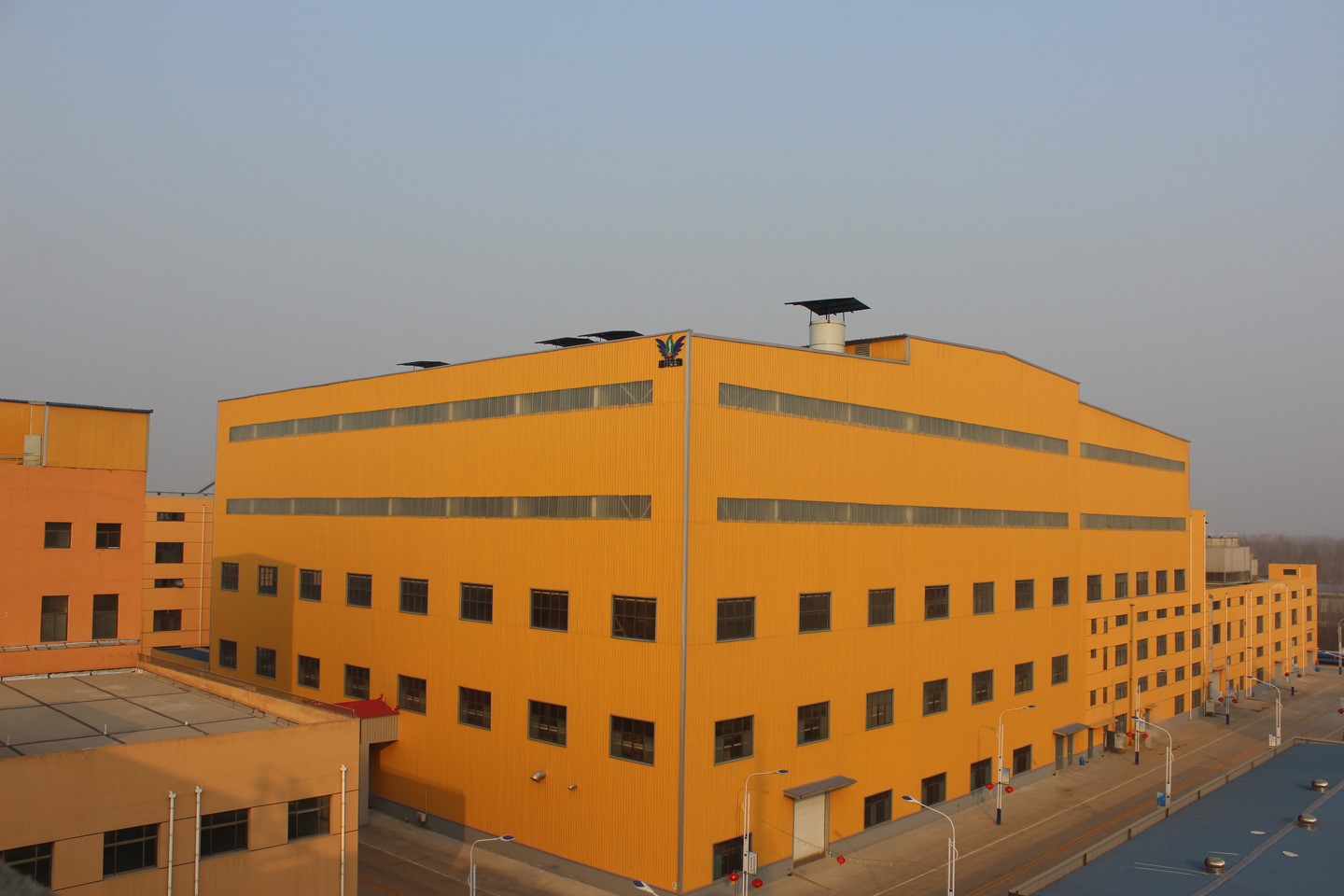
Observe our advanced manufacturing lines, automated spray-drying systems, and packaging lines
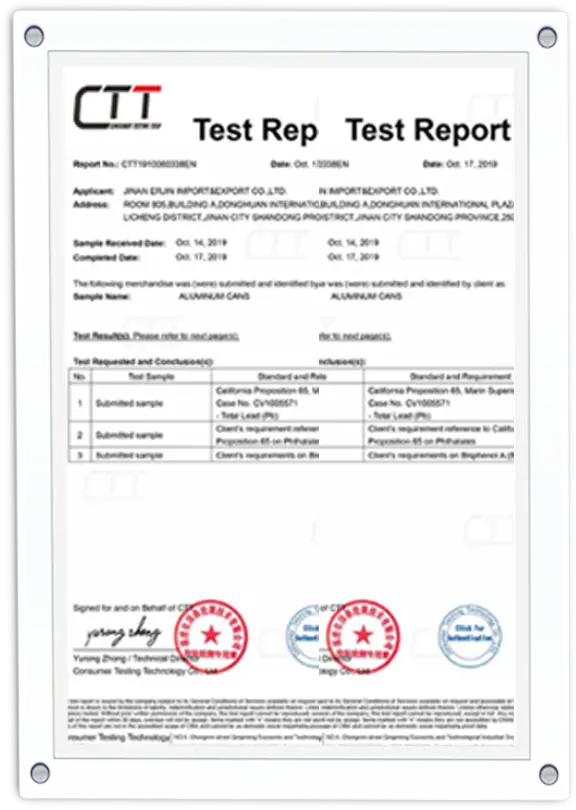
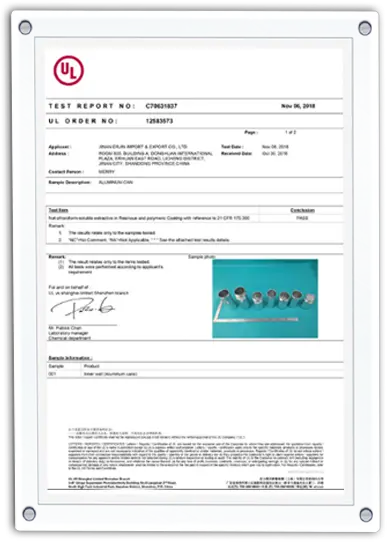
Fully compliant with global and domestic regulatory standards for safe, certified food production
Our products meet rigorous quality standards for export into the Philippines and wider ASEAN region, satisfying both local FDA requirements and specialized religious diet standards (Halal certified for local Muslim demographics).
Expert answers for B2B food developers, import managers, and production engineers in the Philippines
Explore our complete range of plant proteins, wheat glutens, and dietary fibers
 Xinrui Group