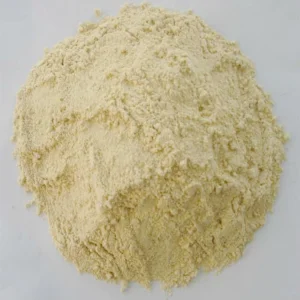
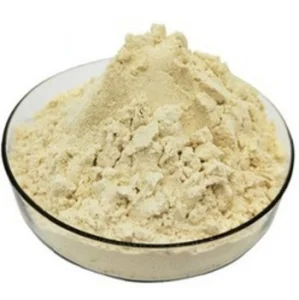
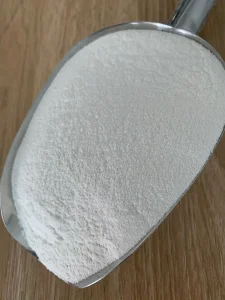
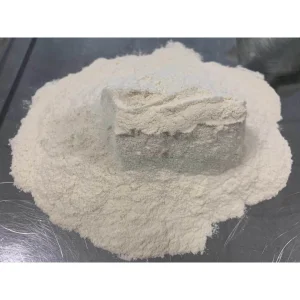
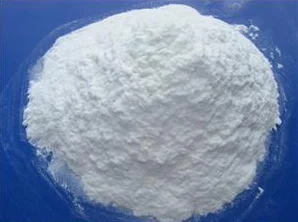
Engineered for immediate hydration, clean sensory profiles, and unmatched formulation stability for US dietary manufacturing.
Instant dissolution with zero sedimentation in protein shakes and meal replacements.
Superb emulsification and stability in plant-based milks, yogurts, and creamers.
Strict Identity Preserved soybean supply chain meets Clean Label standards.
Maintains low viscosity at high concentration for easier processing and smooth mouthfeel.
In the highly competitive food and beverage landscape of the United States, formulation scientists face a continuous challenge: balancing high protein content with excellent sensory performance. Under the regulatory oversight of the FDA and the scrutiny of clean-label consumer trends, traditional protein isolates often fall short due to low solubility, slow dispersion rates, and unpleasant chalky textures. This is where Dispersion Type Isolated Soy Protein (such as our premium grades 9030 and 9032) becomes indispensable.
Unlike standard emulsion-type soy proteins designed for water absorption and gel strength in processed meats, dispersion-type soy protein is modified during the extraction and spray-drying phases. The structural configuration of the soy protein molecules is optimized to ensure a high Nitrogen Solubility Index (NSI > 85%). This structural refinement allows the powder to wet rapidly when introduced to water, preventing the formation of dry lumps (often referred to as fish-eyes) in industrial high-shear mixers or post-consumer shaker cups.
Technical Insight: The molecular modification ensures that the protein does not denature in a way that leads to insolubility. By controlling the heat treatment and enzymatic hydrolysis parameters during manufacturing, we ensure that the protein maintains a smooth, ultra-low viscosity profile even at concentrations exceeding 10% in liquid mixtures.
The US consumer market is witnessing an unprecedented shift. Driven by health-conscious Millennials and Gen-Z consumers, the demand for Ready-to-Drink (RTD) nutritional shakes, dry-mix protein powders, and functional dairy-free milks is at an all-time high. Major brands in the fitness, medical nutrition, and vegan food sectors are redesigning their formulas to omit synthetic stabilizers and texturizers, relying instead on the inherent emulsification properties of advanced plant proteins.
For US food manufacturers, using a dedicated dispersion type soy protein eliminates the need for expensive emulsifying agents like polysorbates or excessive hydrocolloids. Our Non-GMO isolated soy proteins provide the required protein density (minimum 90% dry basis) while seamlessly integrating into automated, continuous liquid-processing systems. This helps manufacturers run production lines faster, reducing clean-in-place (CIP) cycle frequency due to lower residues and sedimentation.
Historically, the biggest consumer hurdle for plant protein has been taste and texture. Standard soy proteins frequently carry a heavy, beany flavor profile caused by lipoxygenase enzymes. Through our advanced multi-stage extraction and steam infusion processes at our Chinese production facilities, we effectively deactivate these enzymes. The resulting isolate exhibits a neutral flavor and an exceptionally clean taste profile, significantly reducing the amount of masking agents and artificial sweeteners required in final formulations.
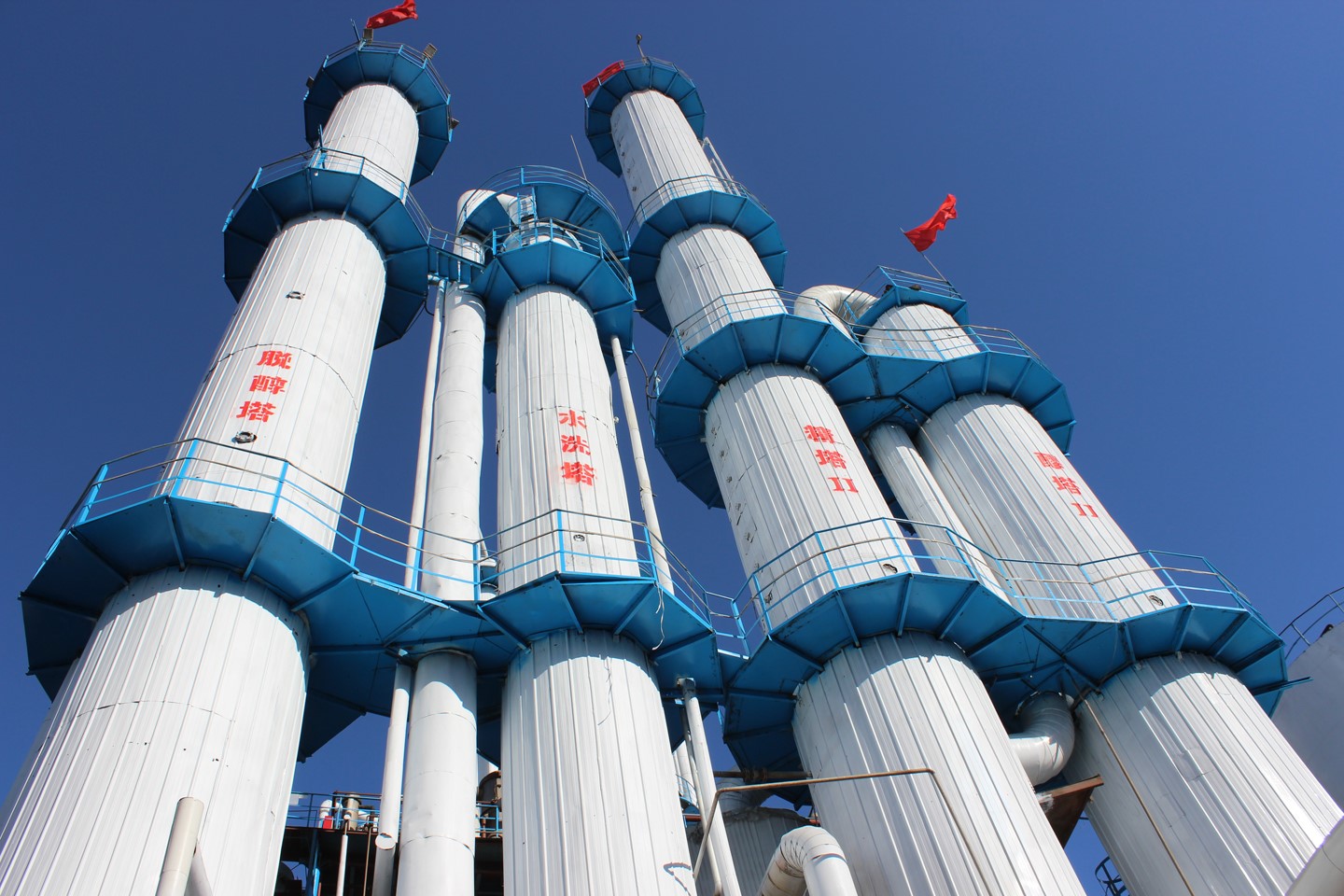
Xinrui Group stands at the forefront of agricultural deep processing. Established in 2003, we manage a highly integrated circular economy industrial chain. Our production facilities process 180,000 tons of domestic Non-GMO soybeans annually under our subsidiary, Shandong Kawah Oils Co., Ltd., utilizing the most advanced technology in the industry, including state-of-the-art spray drying towers from Dachuanyuan—the largest single production line of its kind in China.
By controlling the process from our planting bases directly to the export stage managed by Guanxian Ruichang Trading Co., Ltd., we maintain a complete custody chain. We guarantee that all isolated soy proteins and dietary fibers shipped to US ports (such as Los Angeles, New York, and Houston) are 100% IP Non-GMO, pesticide-residue monitored, and processed under strict food safety conditions.
Did you know? Our wheat deep-processing arm, Guanxian Xinrui Industrial Co., Ltd., processes 500,000 tons of wheat flour annually, producing wheat gluten and wheat starch. This industrial scale allows us to buffer raw material cost fluctuations, providing our American corporate buyers with stable, long-term pricing contracts.
Our dispersion-type proteins are widely deployed across various key applications in the US industry:
Optimizing sensory metrics and storage stability across diverse high-moisture food matrices.
US plant-based milks often suffer from phase separation and protein precipitation under low pH conditions or during hot beverage applications (like coffee creamers). Our dispersion-type soy protein isolates form highly stable oil-in-water emulsions that prevent oil separation and curdling, even in acidic mediums.
For shelf-stable liquid meal replacements, long shelf-life stabilization is a critical success factor. The high hydration capacity and controlled particle size distribution of our 9030 Dispersion Protein ensure that the liquid phase maintains an even viscosity profile without gritty sedimentation at the bottom of the bottle.
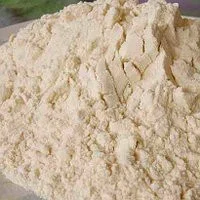
In instant powder applications, cold-water dispersibility is crucial. The powder must wet instantly, sink, and disperse under gentle hand shaking. Our specialized spray drying and granulation processes prevent the protein particles from clumping together, allowing for rapid hydration in less than 45 seconds.
Direct factory supply with integrated logistical export support to North American ports.
Fully compliant with the safety regulations, third-party audits, and compliance demands of the North American food industry.
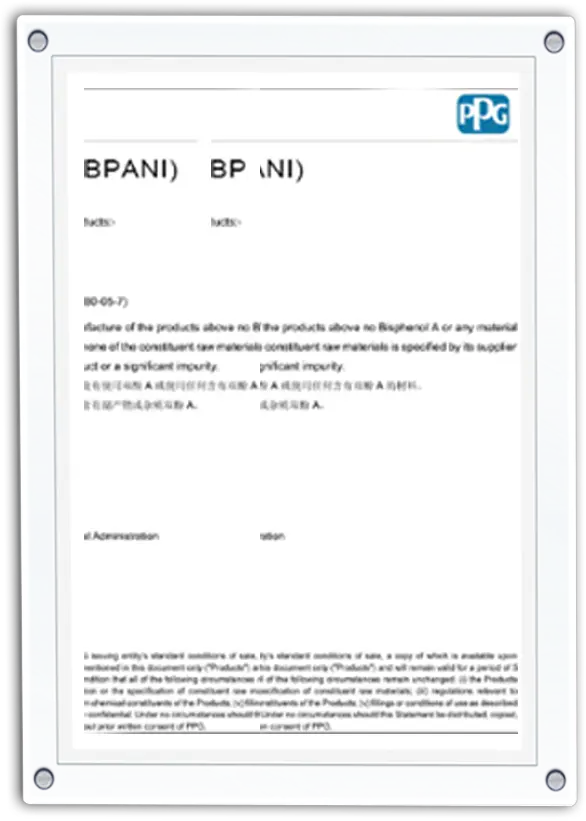
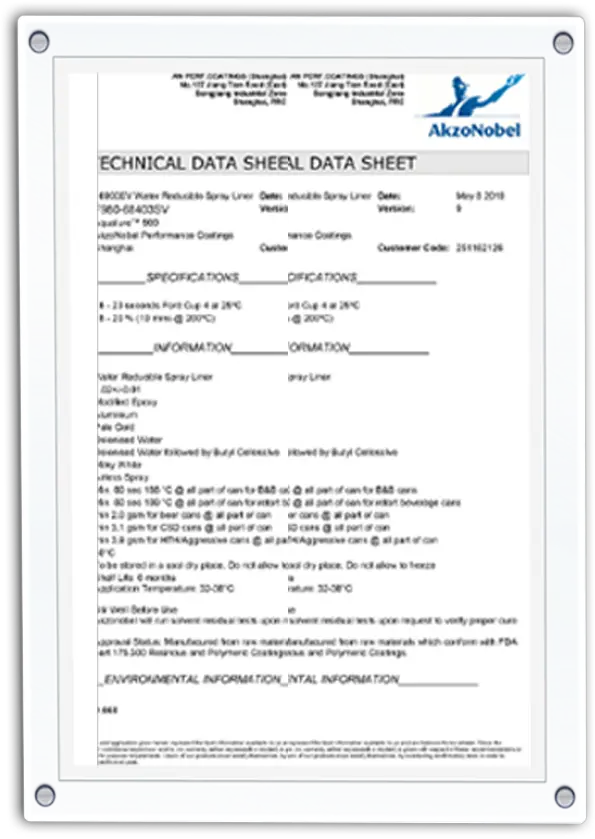
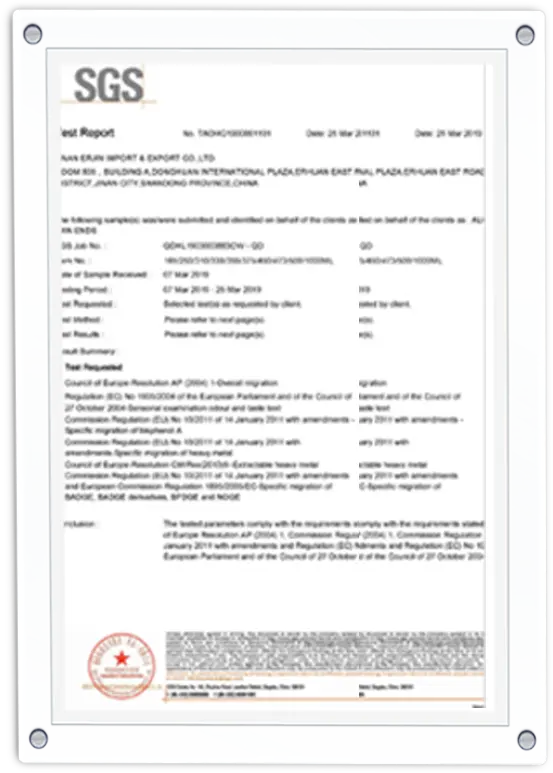
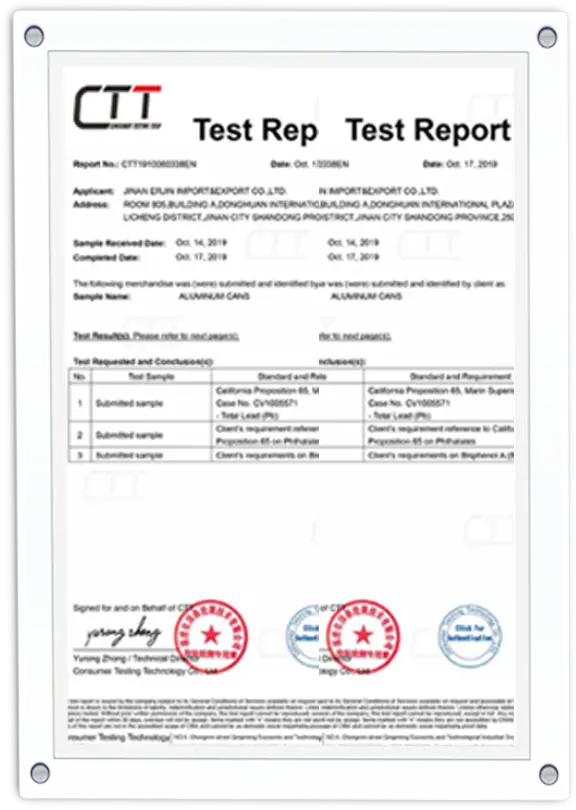
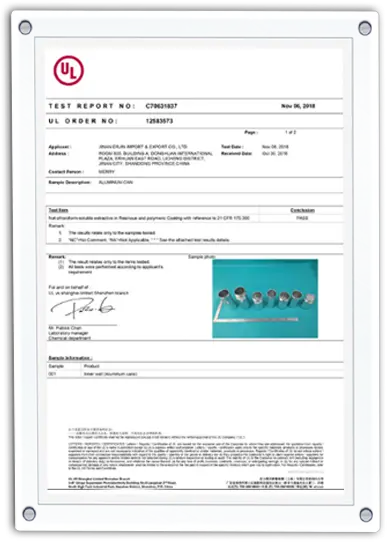
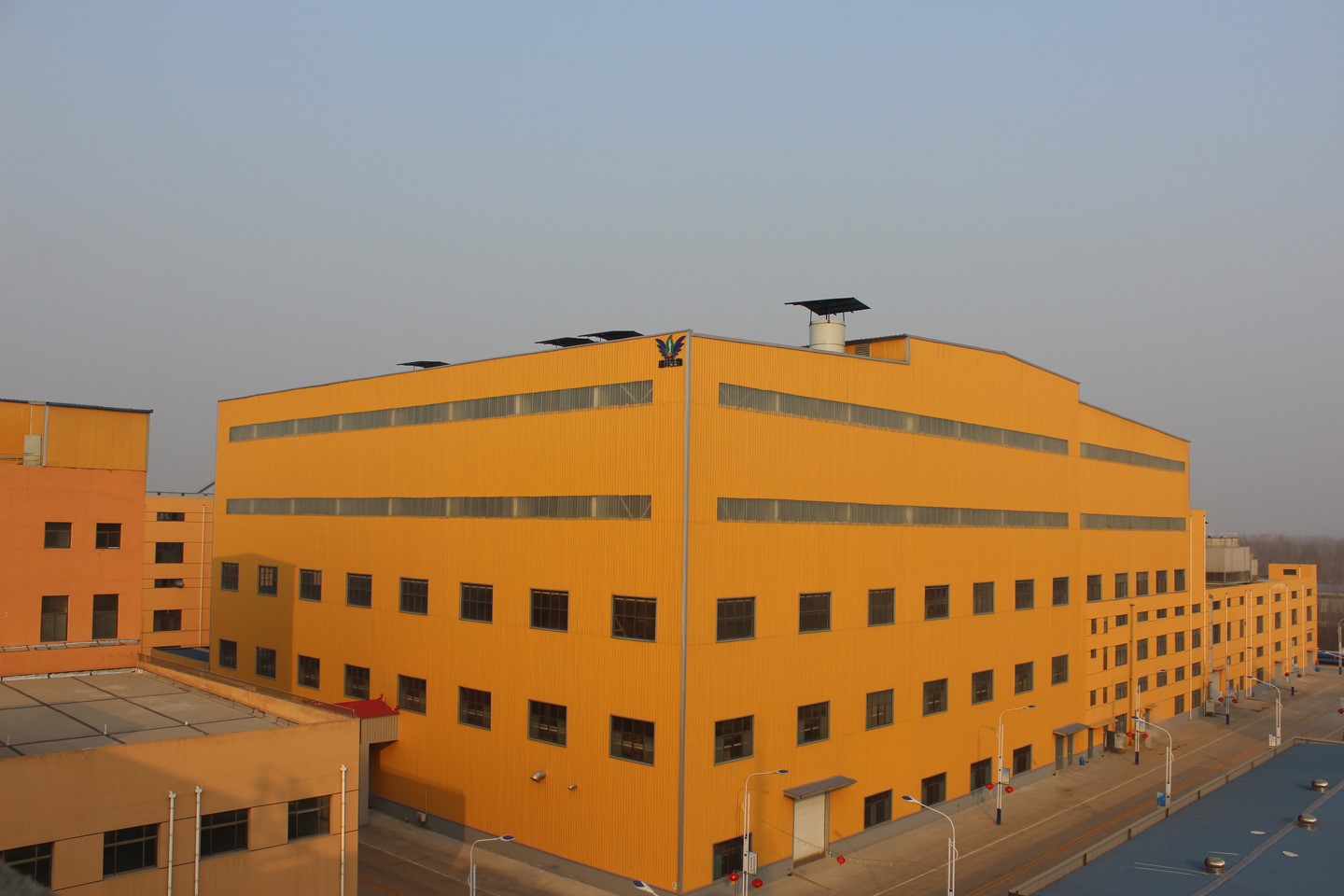
Experience our modern processing towers, automated control centers, and strict hygiene testing lines.
Navigating the importing process of plant proteins into the United States requires strong compliance partnerships. The FDA’s Food Safety Modernization Act (FSMA) places strict accountability on importers under the Foreign Supplier Verification Program (FSVP). Working directly with a group manufacturer like Xinrui Group, which operates its own dedicated trading division (Guanxian Ruichang Trading Co., Ltd.), streamlines this entire verification chain.
We provide full documentation packages including allergen statements (identifying soy as a major allergen as required by the Food Allergen Labeling and Consumer Protection Act - FALCPA), heavy metal analyses showing compliance with Prop 65 thresholds, pesticide residues screens, and GMO test results utilizing PCR testing protocols.
Furthermore, all shipments undergo rigorous microbial control. Our spray drying towers utilize microfiltration steps and high-temperature Pasteurization to guarantee the absolute absence of *Salmonella*, *Escherichia coli*, and other bacterial pathogens, keeping your plant-based processing line completely risk-free.
We offer diverse shipping configurations to fit your supply chain demands:
Key technical and commercial queries for US plant protein sourcing managers.
We are an integrated group company named Xinrui Group, handling both manufacturing and exporting processes. Our subsidiary, Shandong Kawah Oils Co., Ltd., operates the production lines for isolated soy protein (50,000 tons/year capacity). Our wheat gluten production is managed by Guanxian Xinrui Industrial Co., Ltd. (30,000 tons/year). All export logistics, international compliance, and custom clearance support are handled by our trading arm, Guanxian Ruichang Trading Co., Ltd.
Our facilities are fully certified under major international quality systems including BRCGS (AA Grade), ISO 9001, ISO 22000, HACCP, HALAL, KOSHER, and IP-NON GMO verified. We are prepared to assist in verification under the FDA’s FSVP requirements.
Our dispersion types (9030 & 9032) are specifically modified to maintain high nitrogen solubility and low viscosity under high-shear and low-shear environments. Standard emulsion types are designed to absorb water and fat to build gels (ideal for meat products), whereas dispersion types are optimized to dissolve quickly and smoothly in liquids without gelling, making them perfect for beverages and dry mixes.
Our standard MOQ is a 20-foot container (approximately 10-12 metric tons, depending on packaging configurations). Typical ocean freight transit to the US West Coast takes approximately 18-25 days, while East Coast ports require approximately 30-35 days from departure.
Contact our technical formulation and sales specialists today for custom specification alignment, free sample shipments, and commercial contract quotes.
Send Inquiry Now Xinrui Group