Premium Non-GMO isolated proteins, dietary fibers, and functional formulations engineered for superior texture, high emulsification, and outstanding hydration.
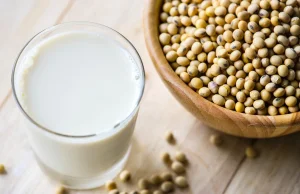
An In-Depth Whitepaper on Market Drivers, Advanced Extrusion Mechanics, and the Global Demands for Clean-Label Formulations
Textured Vegetable Protein (TVP) has evolved from a simple food extender into a primary structural foundation for modern plant-based meat formulations. B2B manufacturers are seeking suppliers with comprehensive vertical integration to ensure steady supply chain resilience, certified Non-GMO sourcing, and strict allergen controls. As raw material dynamics shift towards highly customized structural profiles, the demands for specific water absorption, shear retention, and fiber alignment are at an all-time high.
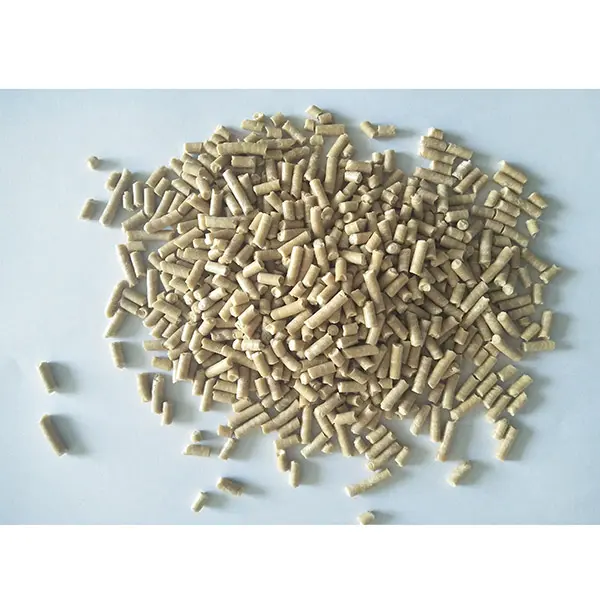
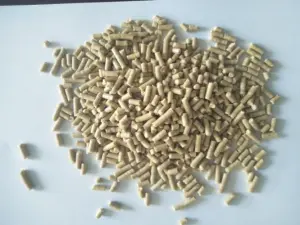
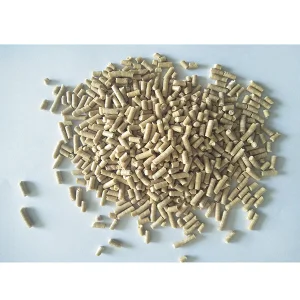
The fibrous, meat-like chewing profile of premium TVP granular is achieved through advanced twin-screw extrusion technology. Under controlled thermal conditions and high pressure, the protein molecules undergo denaturation, alignment, and cross-linking. The target is to optimize the moisture-to-protein ratio and shear speed, ensuring that when the granular is rehydrated, it retains an authentic structural bite without becoming mushy or losing its integrity during intensive canning or retort processes.
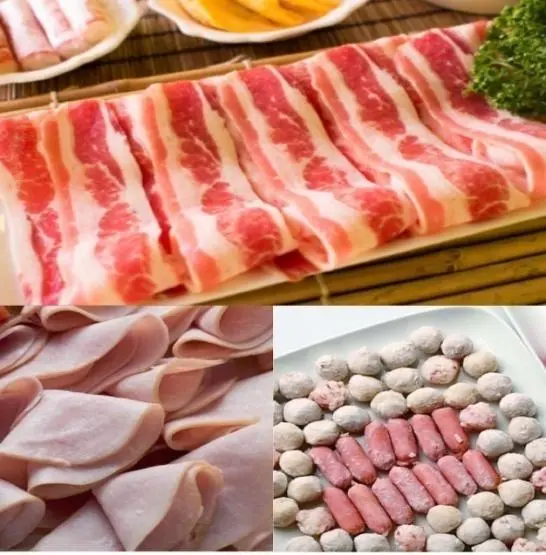
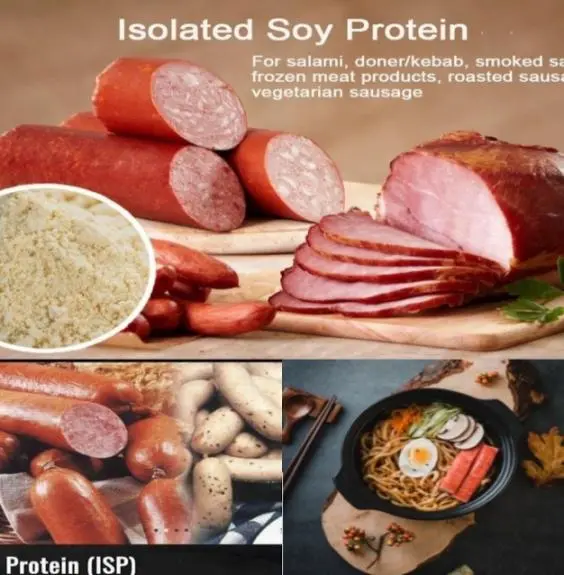
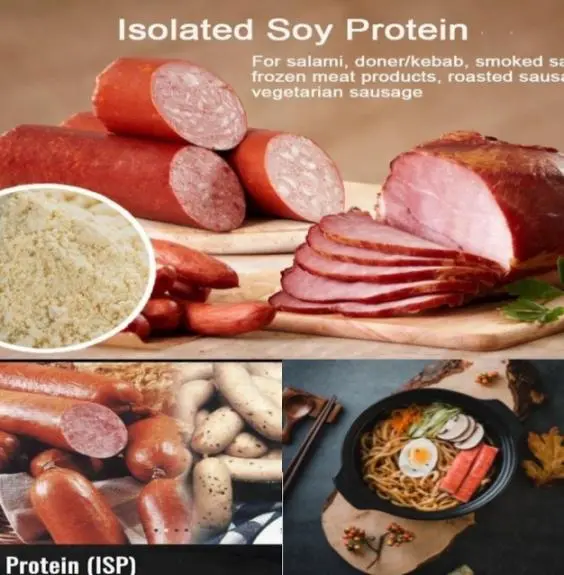
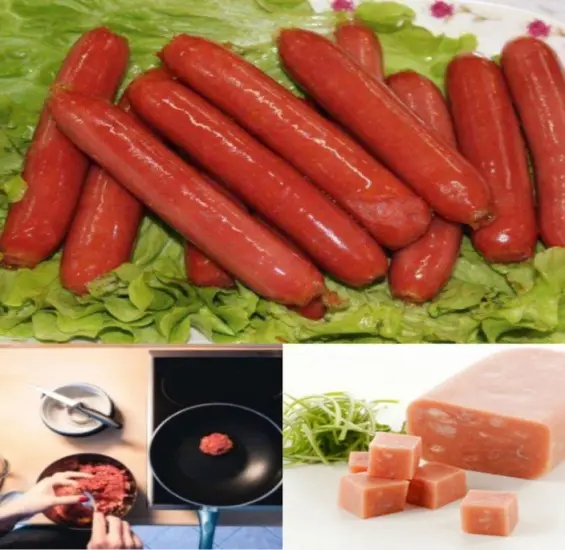
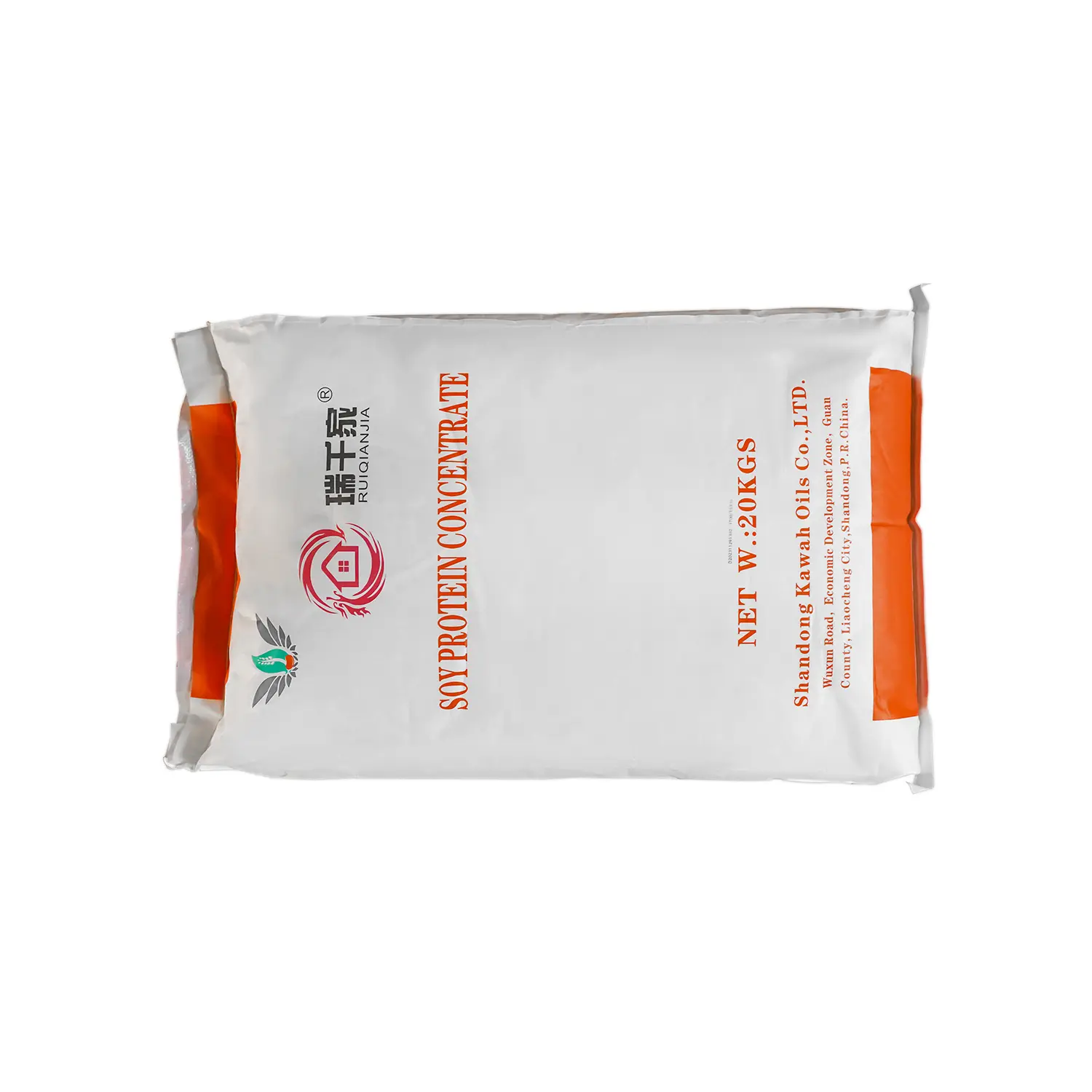
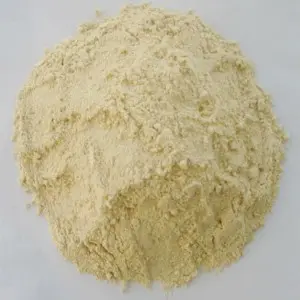
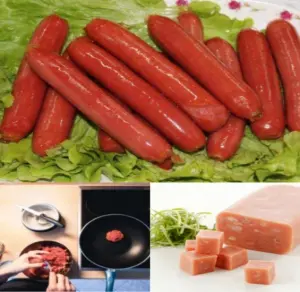
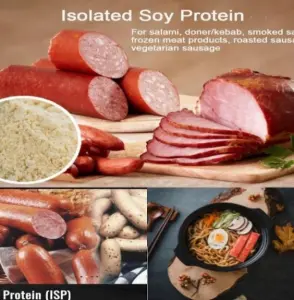
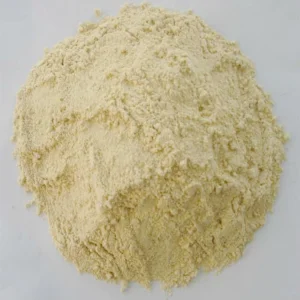
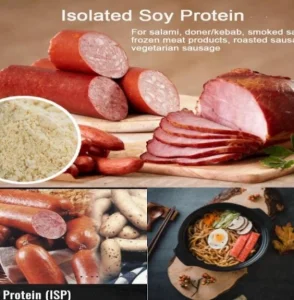
In addition to texture, clean-label plant protein products demand minimal binders like methylcellulose. Utilizing high-grade Isolated Soy Protein (ISP) and Functional Soy Protein Concentrate in combination with Vital Wheat Gluten allows manufacturers to create clean-label, high-emulsification matrices. These biological structures retain water and fat naturally, replicating the mouthfeel and juices of processed meats, while maintaining a competitive amino acid profile.
Textured vegetable proteins (TVP) and isolated soy proteins represent the vanguard of sustainable, industrial-scale protein alternatives. For industrial kitchens, large-scale commercial bakeries, and meat processing facilities, finding the perfect balance between hydration capacity, fat binding, and structural stability is critical. Our industrial-grade protein products undergo extensive quality assurance protocols, aligning with global import restrictions and consumer demands for Non-GMO ingredients.
By leveraging advanced processing technologies—such as specialized spray-drying towers and tri-canter separation—we achieve protein isolates with consistent gelling properties, optimized gel-strength indicators, and highly dispersible powders. These features minimize process downtime, reduce the need for synthetic stabilizers, and provide a clean sensory profile that does not interfere with the natural flavors of the final food applications.
Pioneering agricultural deep-processing, vertical circular economy systems, and cutting-edge biotechnical separation
XINRUI GROUP was established in May 2003, covering a total area of more than 1,000 mu. After years of focused development, the group formed a highly diversified agricultural deep-processing industrial ecosystem, incorporating urban heating, cogeneration, and gas supply systems. The group processes 500,000 tons of wheat flour annually and achieves an annual output value of 2.8 billion Yuan, establishing a robust framework for raw material security and industrial reliability.
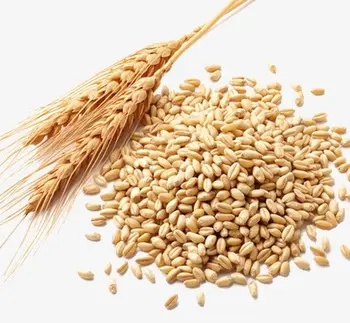
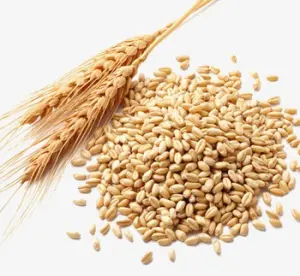
Set up in 2007 with 100 million Yuan registered funds. Using wheat materials, we produce vital wheat gluten, wheat starch A, and wheat starch B. We imported the most advanced tri-canter separation technology, creating a clean, closed, and eco-friendly circular loop. Starch B and pentosan are recycled for ethanol and animal feed production.
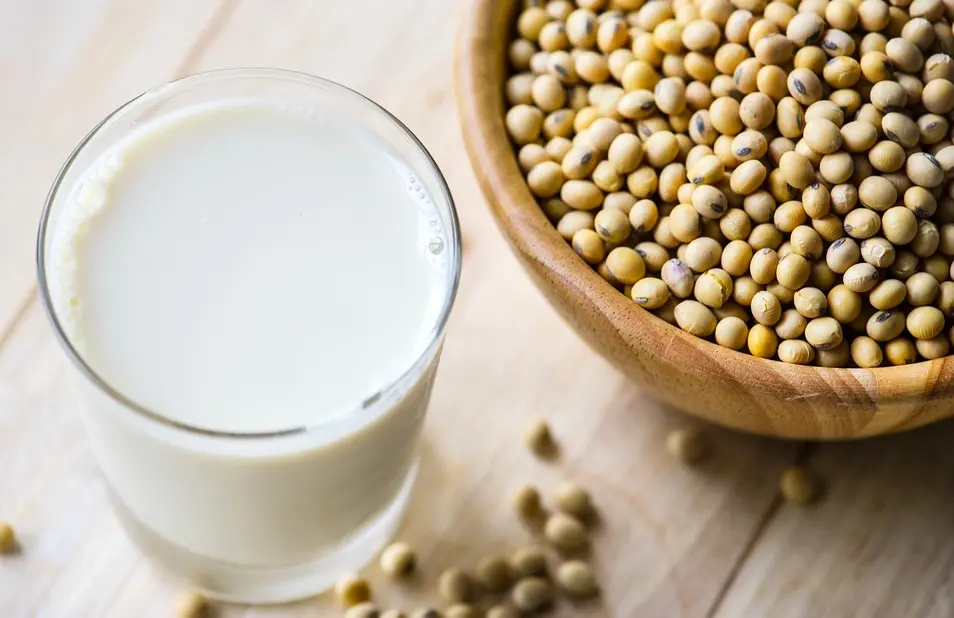
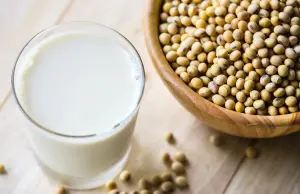
Established in 2014 with 120 million Yuan registered capital. It processes 180,000 tons of domestic Non-GMO soybeans annually, extracting high-quality oil, low-temperature meal, isolated soy protein, and dietary fiber. Features the DACHUANYUAN spray drying tower, constituting one of China's largest single production lines.
Founded in 2011 with 6 million Yuan registered capital. It serves as our official global trading arm, exporting isolated soy proteins, wheat gluten, dietary fiber, vermicelli, and ethanol directly to international clients, handling over 60-70% of the group's massive manufacturing capacity.

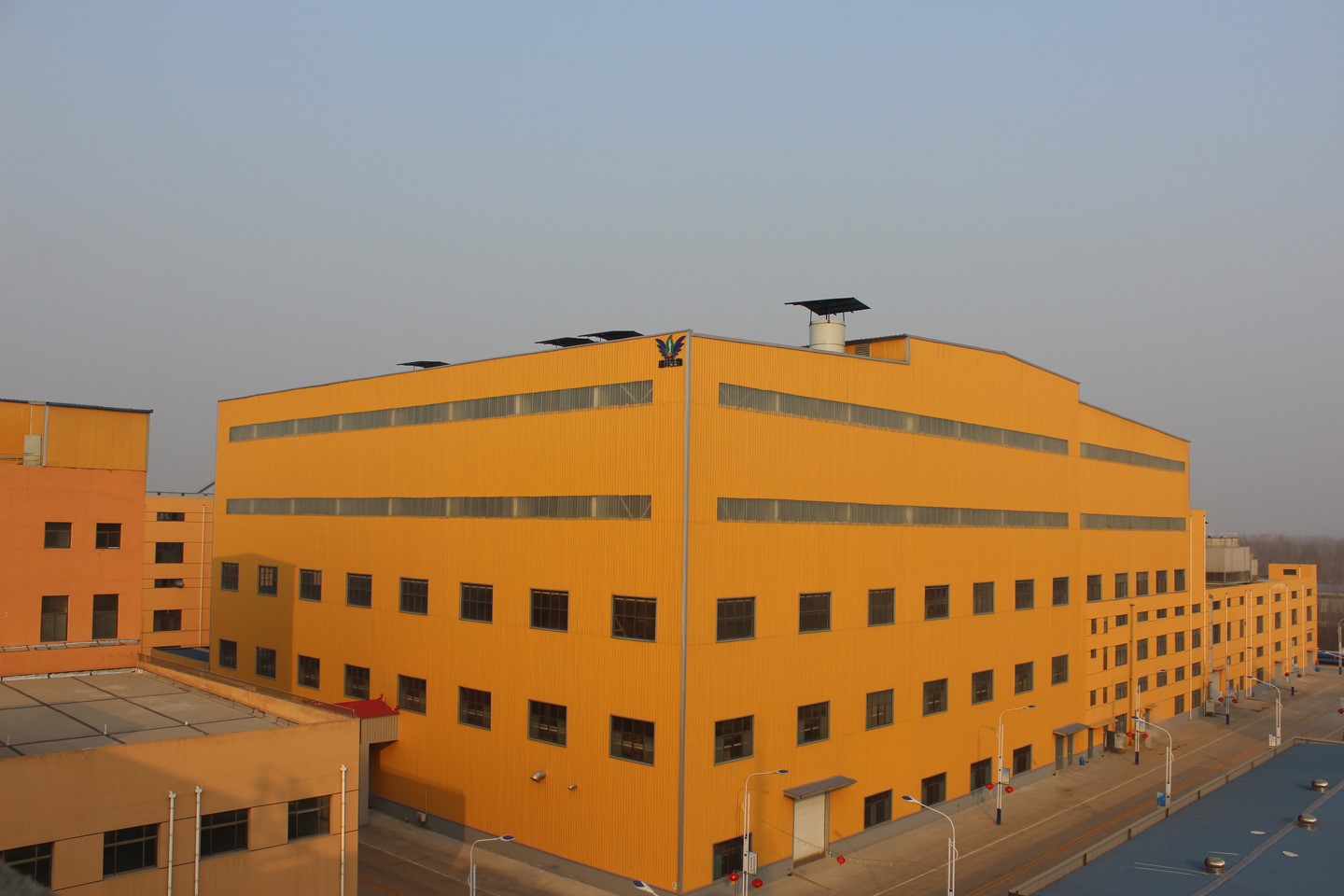
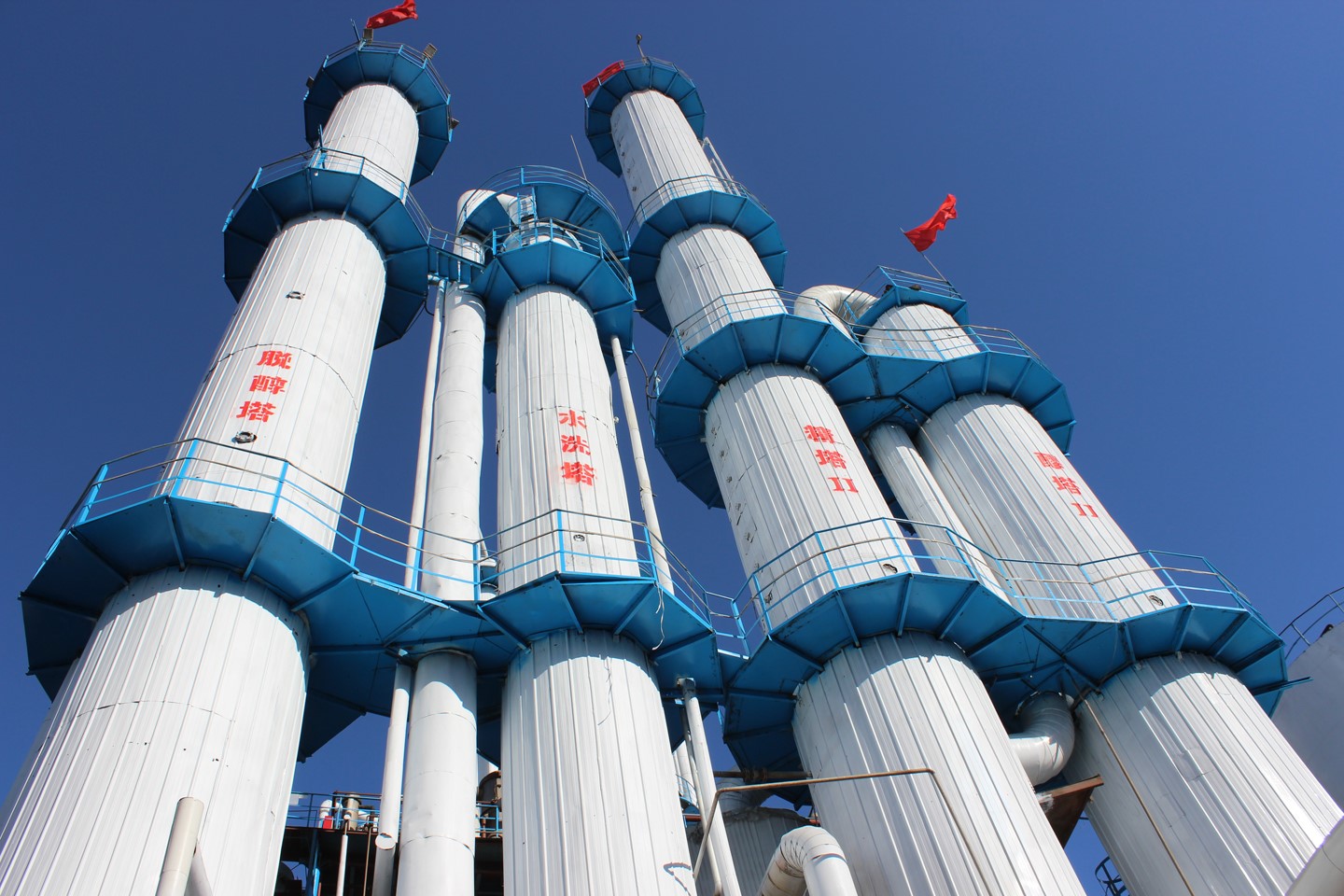
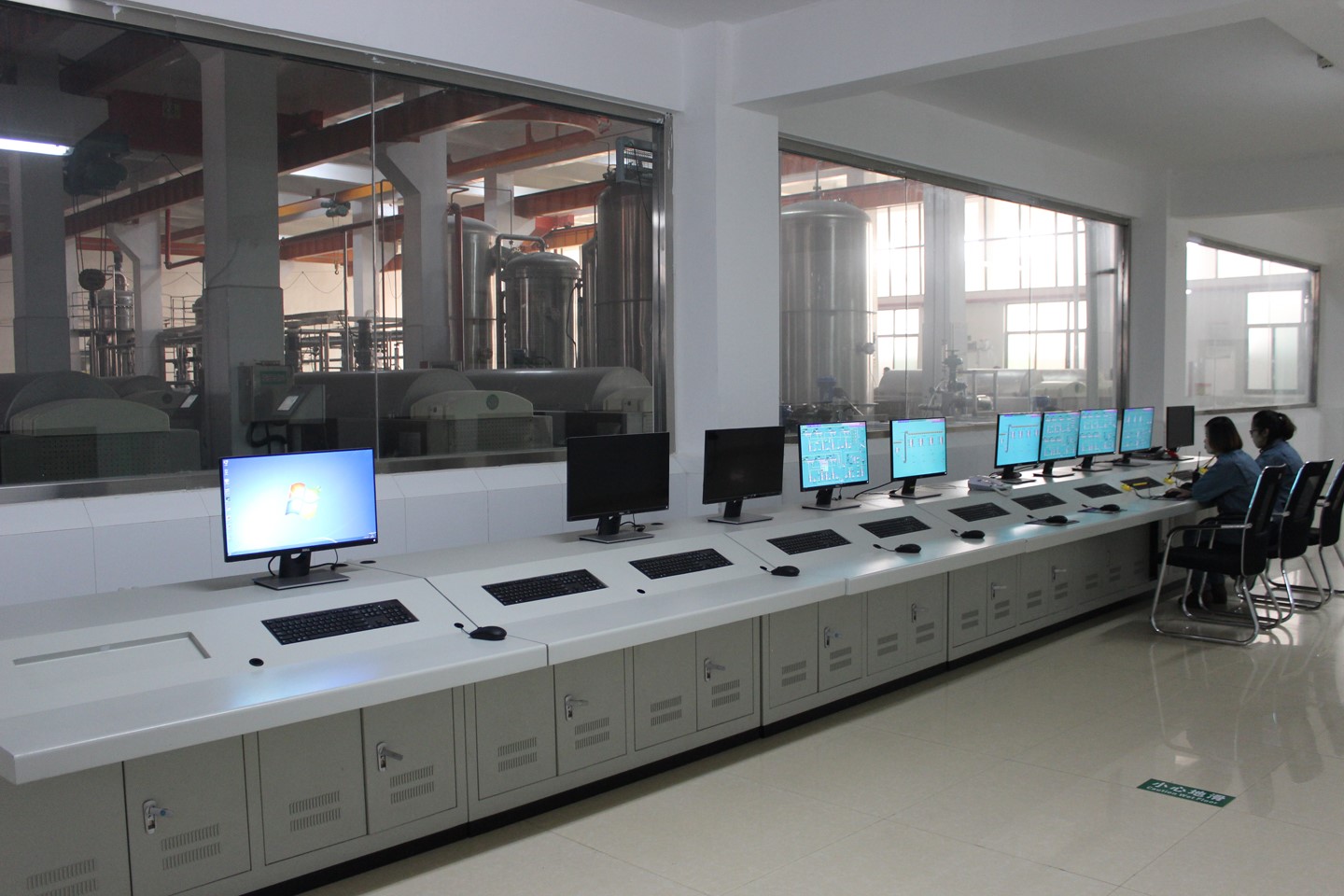
Explaining the Tri-canter separation and spray drying engineering that guarantees pharmaceutical-grade food proteins
Traditional wheat gluten extraction is prone to environmental losses and contamination. Our facility operates a closed-loop, highly sterile tri-canter separation process. This system fractions flour into starch A, starch B, and clean wheat gluten dynamically. Because the entire processing loop remains closed and temperature-controlled, biological degradation is minimized, resulting in higher visco-elasticity and water absorption characteristics in our Vital Wheat Gluten.
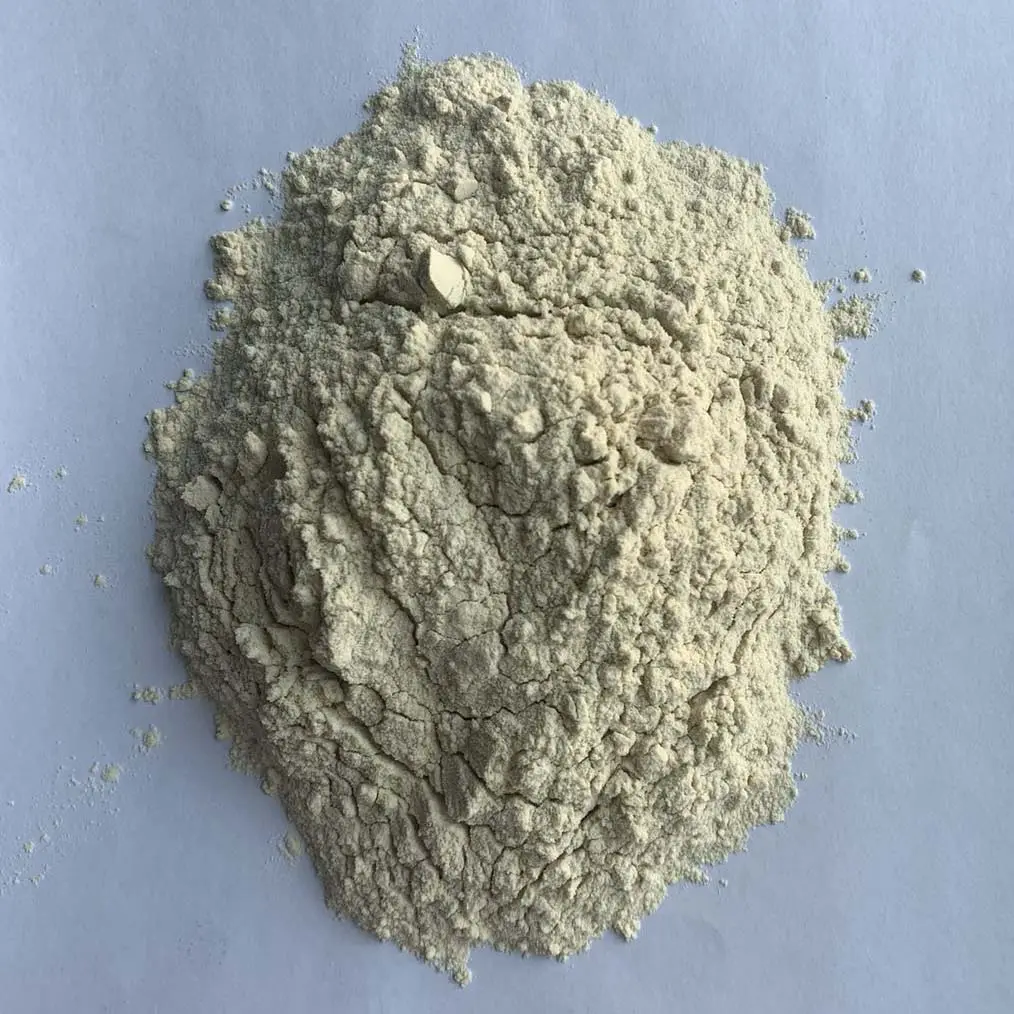
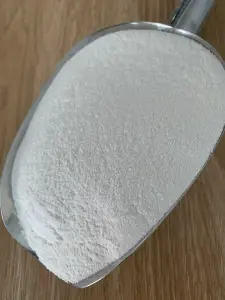
The core of our Isolated Soy Protein (ISP) extraction lies in the state-of-the-art DACHUANYUAN spray drying tower. With single-line capacity metrics setting records in China, this tower utilizes uniform thermal heat distribution to gently vaporize moisture from the protein suspension. The instantaneous dry-off preserves the delicate protein structures from heat damage, allowing superior gel-strength and instantaneous dispersibility in beverage applications.
Byproducts from wheat and starch extraction (such as pentosan and low-density starch B fractions) are immediately routed to our bio-ethanol production unit. The group's cogeneration plant provides steam, electricity, and gas internally, drastically lowering external carbon footprints and manufacturing costs. This vertical ecosystem guarantees that our clients receive cost-effective protein powders without sacrificing sustainability credentials.
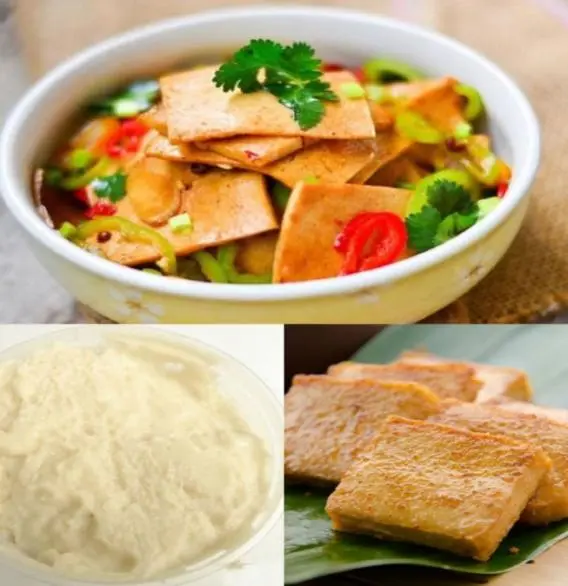
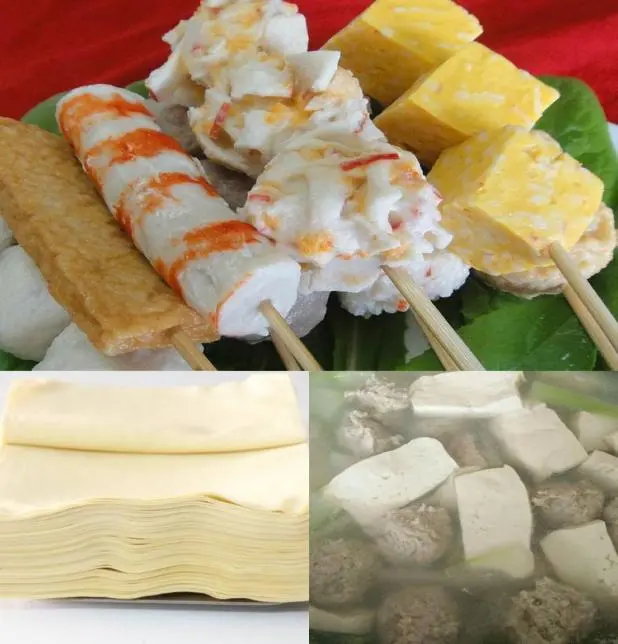
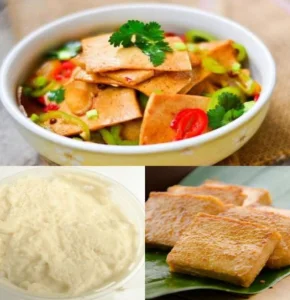
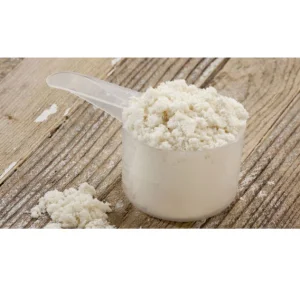
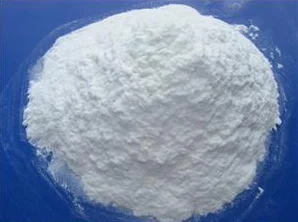
The synergistic combination of our manufacturing units produces a diverse product center tailored for global needs:
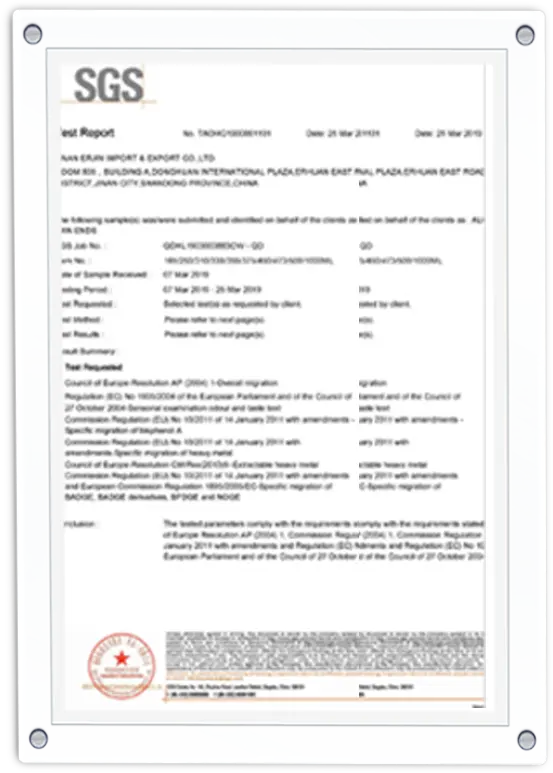
Compliant with global food safety initiatives, non-GMO requirements, and dietary guidelines
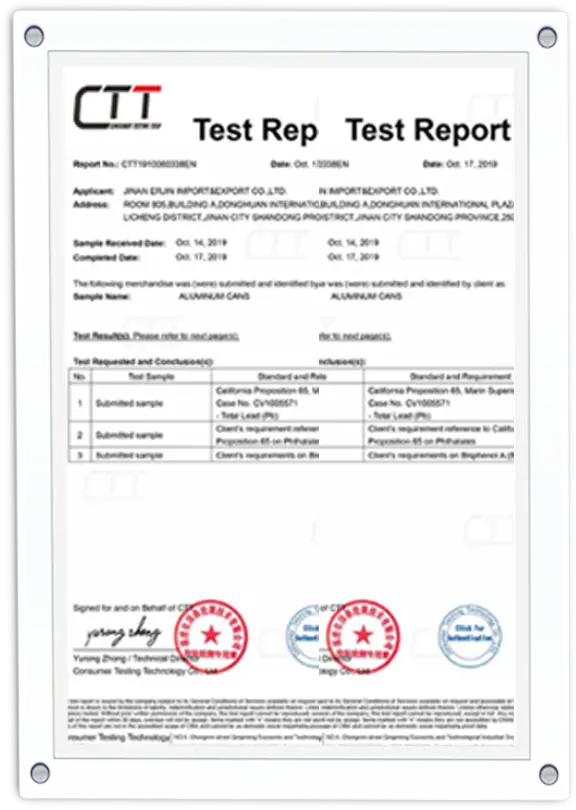
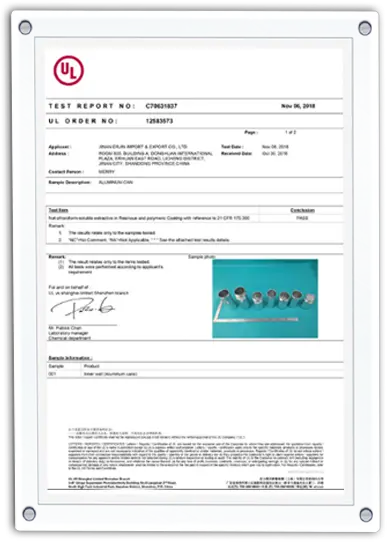
Visualizing our massive processing scale, automatic packing machinery, and laboratory quality checks
Direct answers to crucial procurement, processing, and technical integration questions
Explore our full deep-processing matrix, including functional food ingredients, animal feed elements, and industrial-grade ethanol.
 Xinrui Group