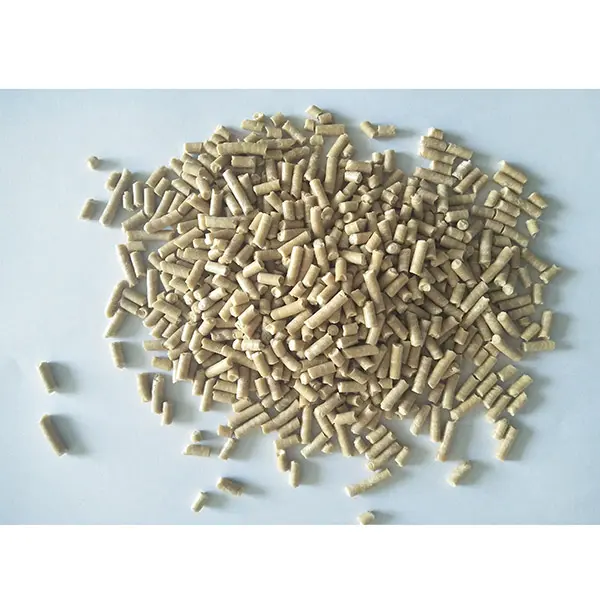
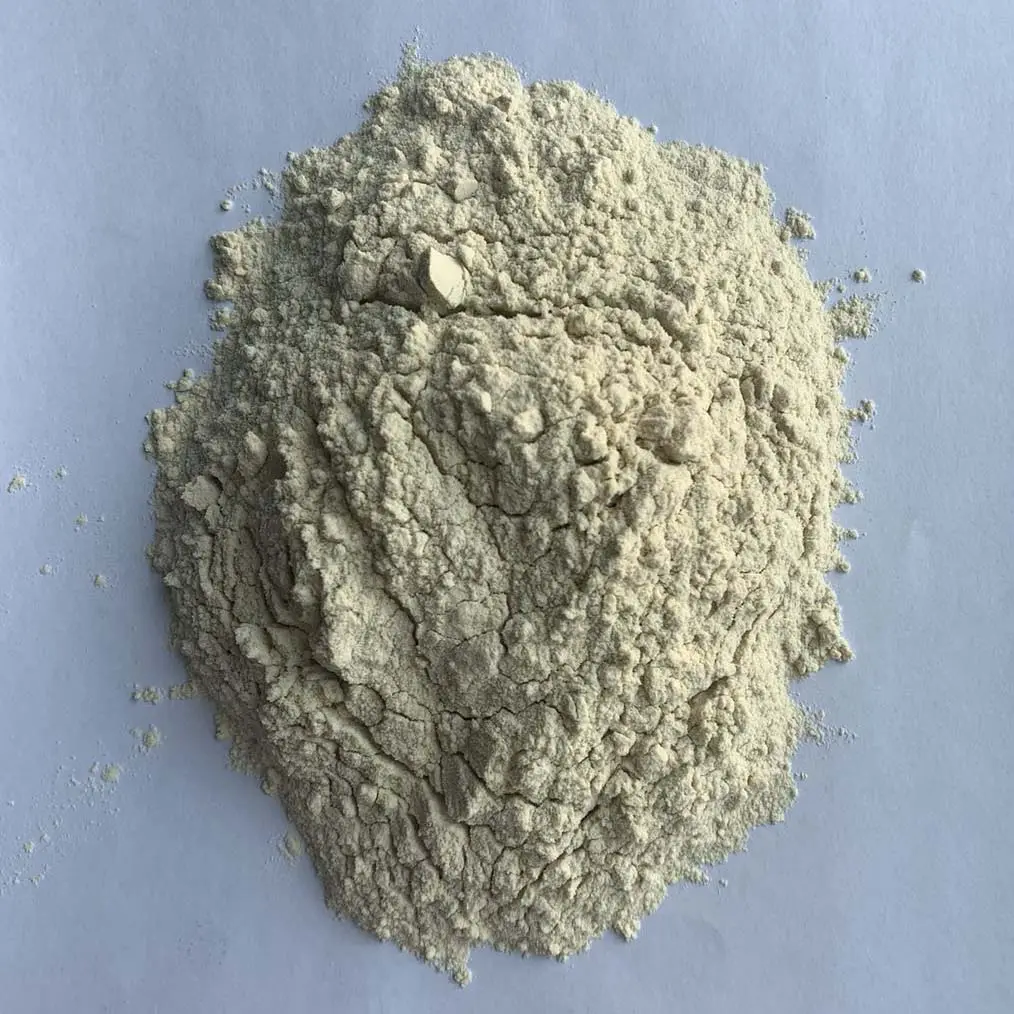
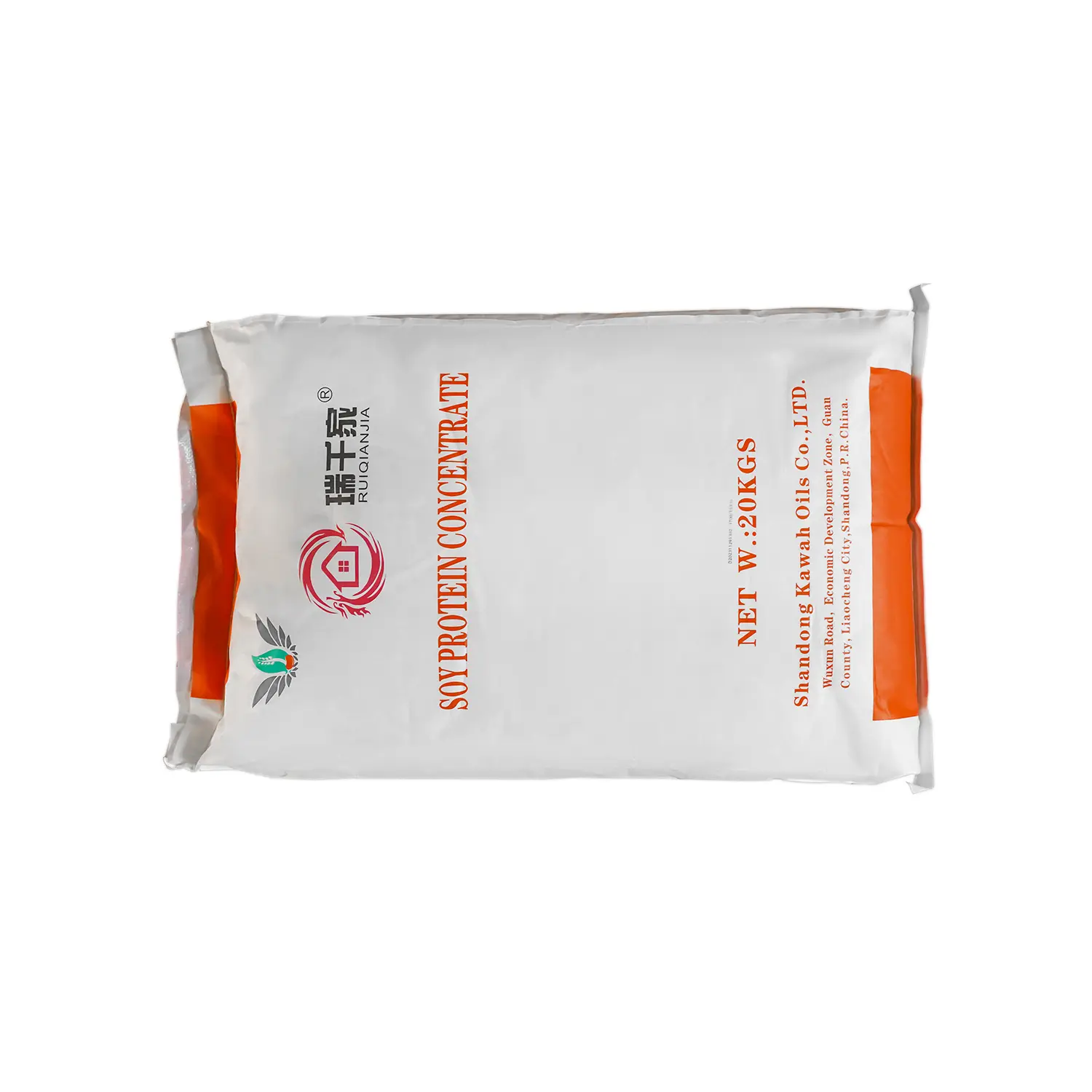
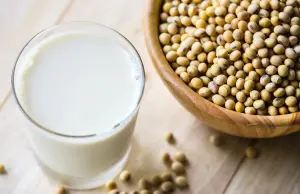
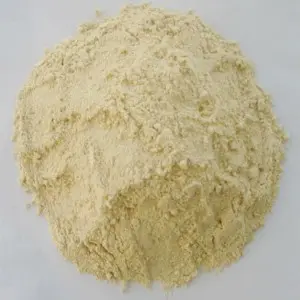
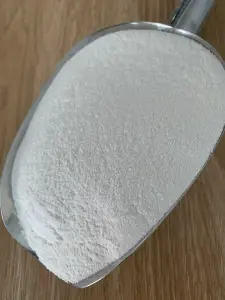
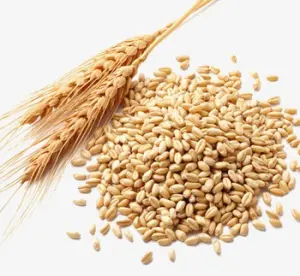
Explore our highly functional non-GMO soybean proteins, wheat proteins, and fibers configured for optimal viscosity, emulsification, water binding, and dispersion.
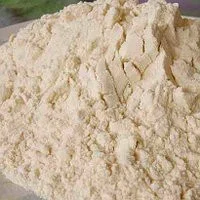
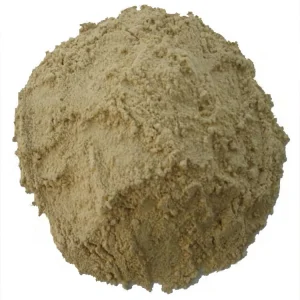
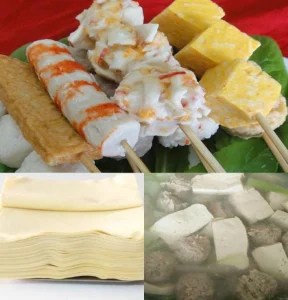
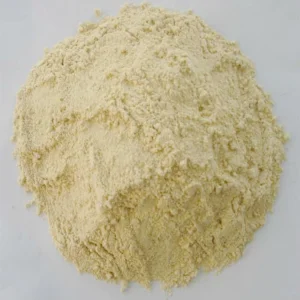
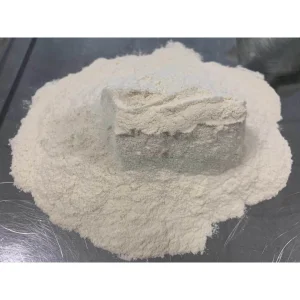
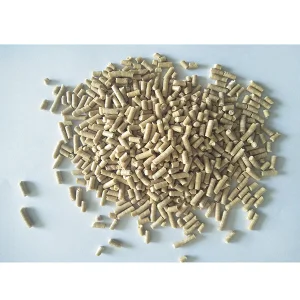
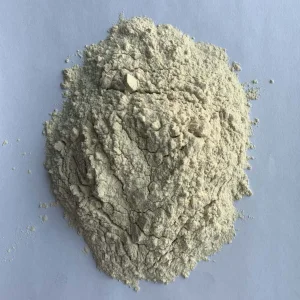
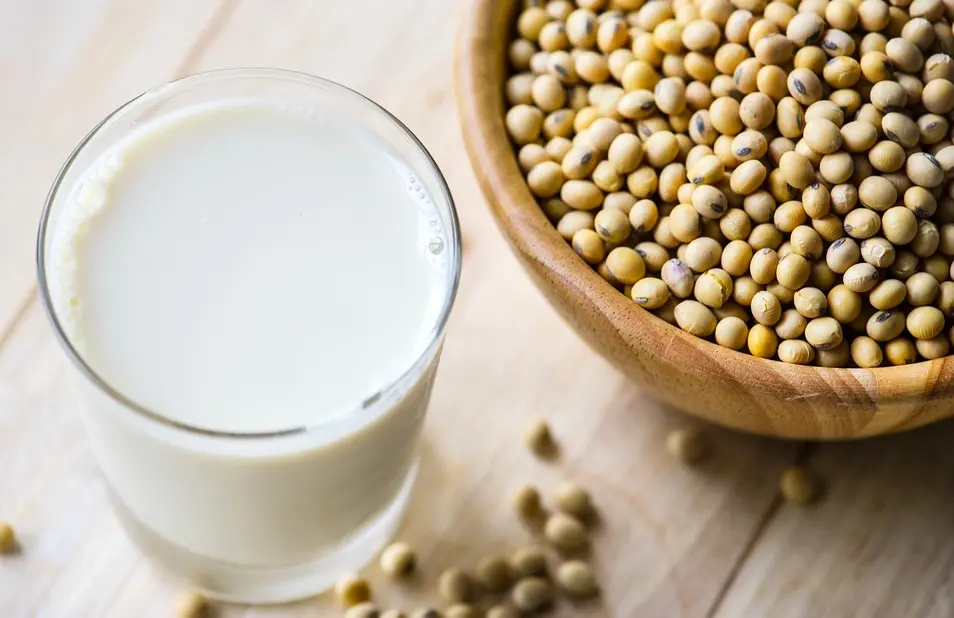
The global demand for plant-based proteins is undergoing an unprecedented paradigm shift, driven by clean-label mandates, nutritional enhancement, and functional performance in food processing. Soy protein isolate (SPI), as a highly refined macromolecular food ingredient, offers the most robust amino acid profile and molecular versatility among commercial plant proteins. In industrial meat processing, vegetarian protein formulations, dairy alternatives, and nutritional beverages, the implementation of specialized soybean proteins has moved beyond basic substitution toward performance-specific design.
Our organization stands at the convergence of this demand, functioning as a premier agricultural deep-processing group with a capacity to transform local raw crops into high-value functional fractions. Backed by an annual output value of 2.8 billion RMB (Yuan) and an industrial park spanning over 1,000 mu, our group integrates the complete process from non-GMO farming to wet extraction, spray drying, and international trade operations. Through our specialized divisions, we supply high-purity isolated soy proteins and vital wheat gluten to over fifty countries, offering consistent functional properties that satisfy rigorous food safety and processing requirements.

Empowering global supply chains through massive manufacturing scale, vertical integration, and optimized logistics.
How our advanced factory technology controls the structural behavior of proteins to achieve precise food formulation parameters.
We deploy precise wet extraction processes. Raw, low-temperature defatted soybean flakes are processed under controlled pH environment (7.2 - 7.5) to maximize globulin dissolution, followed by isoelectric precipitation at pH 4.5. This separates structural protein concentrates from fermentable sugars, preventing off-flavors and assuring high chemical purity.
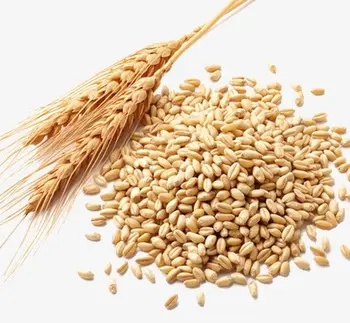
Our wheat processing facilities import state-of-the-art Tri-canter separation systems. This technology enables the dynamic physical separation of wheat starch A (high purity), wheat starch B (used for alcohol fermentation and animal feed), and vital wheat gluten fractions in a closed, sanitary, continuous system.
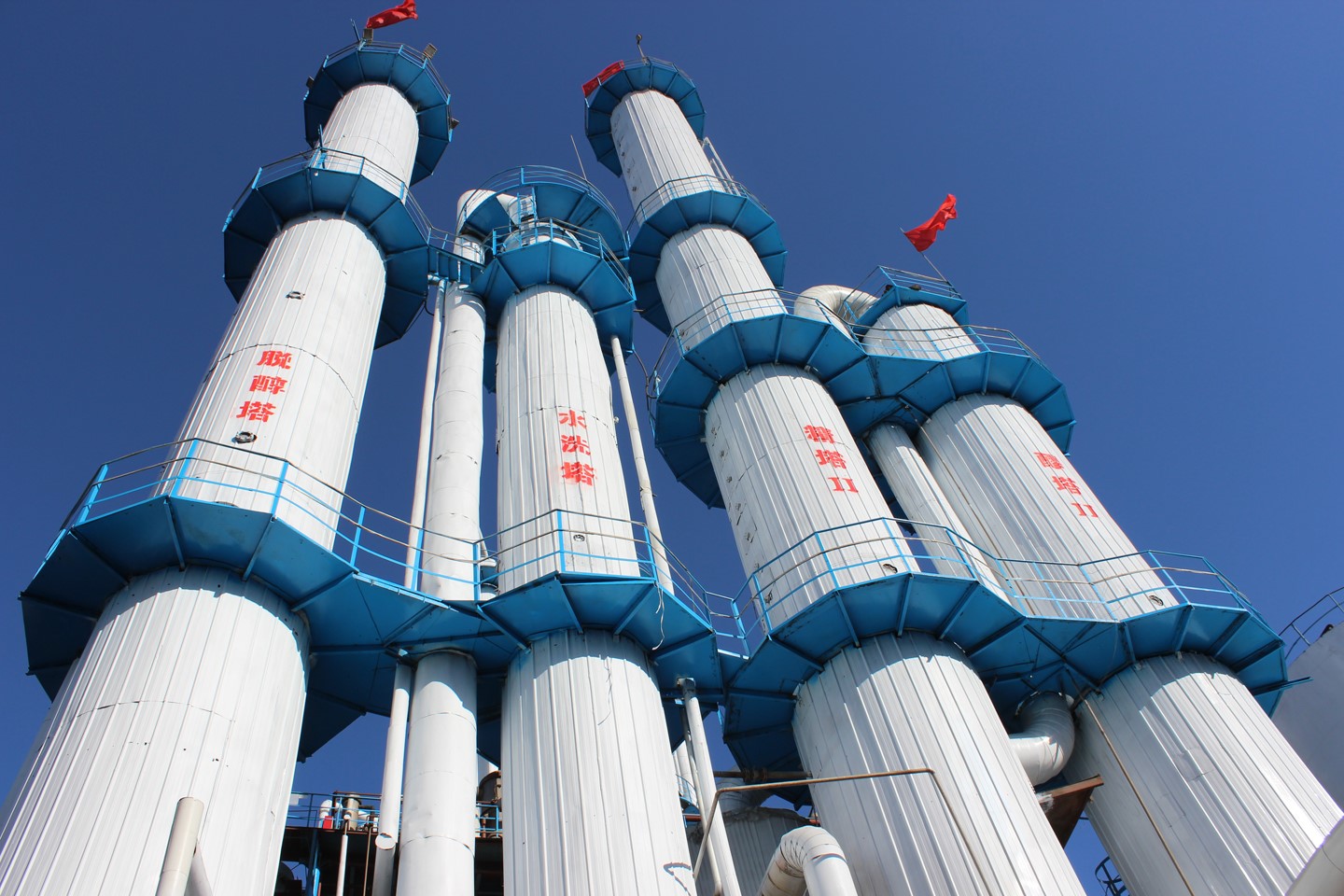
Operated at Shandong Kawah Oils, the core spray drying towers designed by DACHUANYUAN constitute the largest single production line in China. Precise air temperature and atomization speed controls produce uniform protein particle morphology, ensuring excellent reconstitution, high bulk density, and zero scorching.
By altering heat and mechanical shear parameters during pH neutralization, we adapt the 7S (beta-conglycinin) and 11S (glycinin) protein structures. This enables targeted production of chopping, emulsion, gelation, dispersion, and low-viscosity brine injection protein grades.
Our manufacturing complex incorporates our own industrial cogeneration system. We route waste heat and steam directly back to the soy and wheat drying tunnels. This drastically decreases natural resource consumption, reduces carbon emissions per ton, and buffers production against energy price volatility.
Our raw material supply relies on regional Non-GMO planting bases. Kawah Oils manages a fully certified Identity Preservation (IP) system that tracks soybean seeds from planting through crop management, harvesting, shipping, extraction, and final chemical processing.
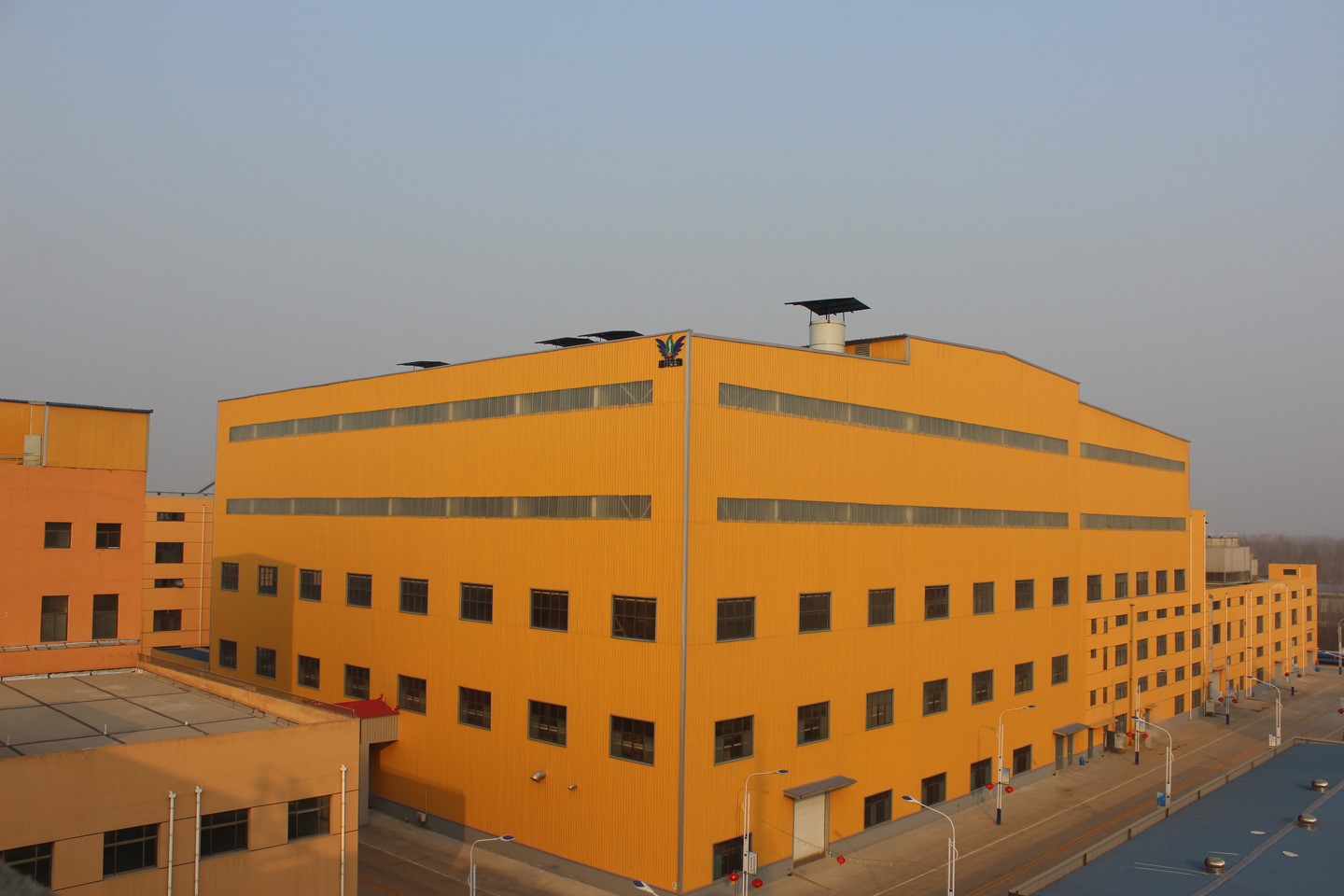
Xinrui Group operates a comprehensive, multi-layered deep-processing industrial park. Originally established in May 2003, our site features a unified circular economy industrial loop that connects agricultural processing, waste heat recovery, and urban utility supply. Our facilities support dedicated municipal services including cogeneration systems, urban residential heating, and regional gas supply. This public-private infrastructure integration ensures uninterrupted factory operation and stable heat and electricity pricing.
Under this unified manufacturing loop, Guanxian Xinrui Industrial Co., Ltd. (formerly Guanxian Ruixiang Biotechnology Development Co., Ltd) processes 500,000 tons of wheat flour annually. The primary wheat starch A is extracted for global food applications, while starch B and pentosan compounds are routed to our specialized fermentation facility to produce clean ethanol, animal feed, and fuel. Similarly, Shandong Kawah Oils Co., Ltd. processes 180,000 tons of domestic Non-GMO soybeans annually to extract oil, low-temperature food-grade soy meal, isolated soy proteins, and soy dietary fibers (SDF). All downstream export activities are managed directly by Guanxian Ruichang Trading Co., Ltd., integrating production, quality control, logistics, and global trade.
How distinct isolated soy protein grades solve chemical, structural, and texturization challenges in meat, bakery, beverage, and dairy industries.
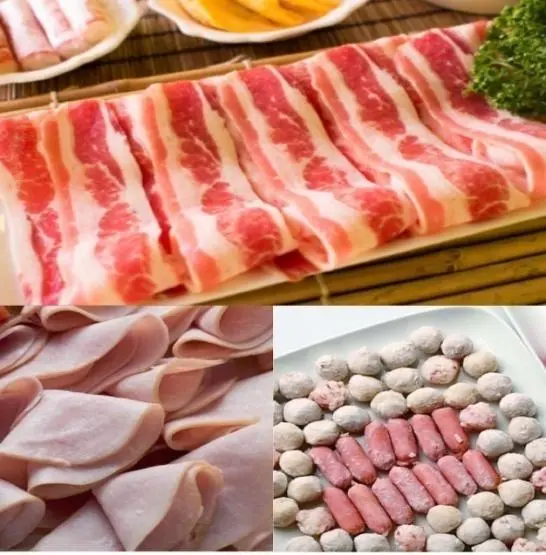
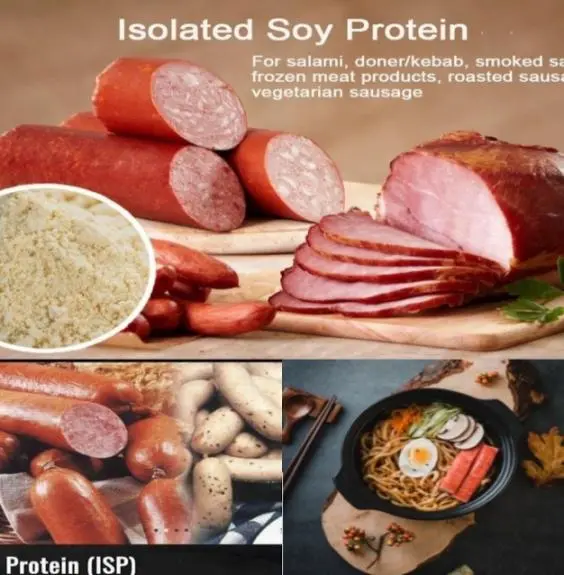
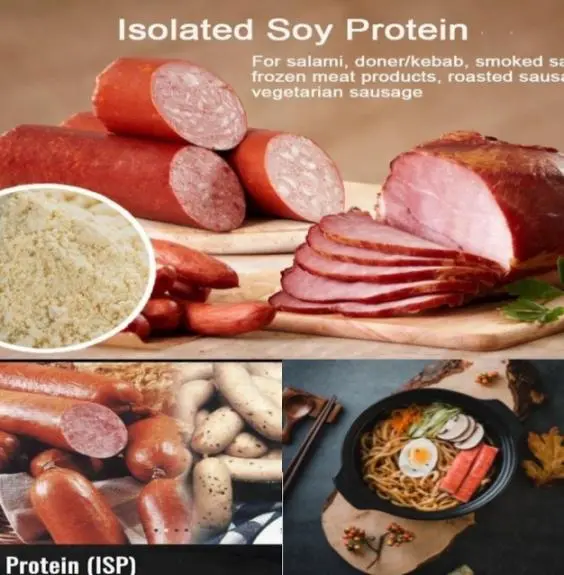
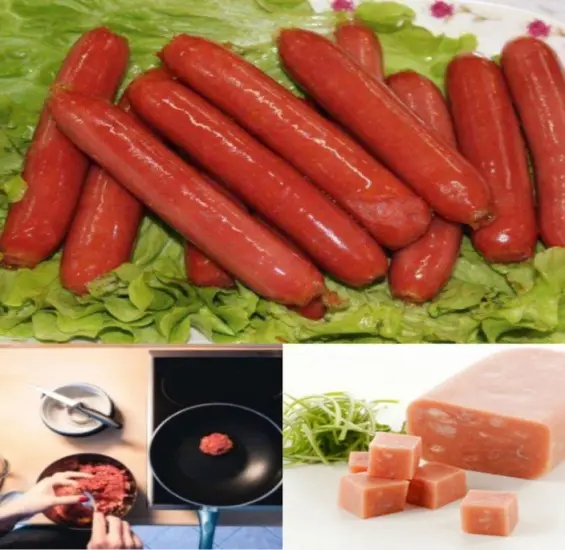
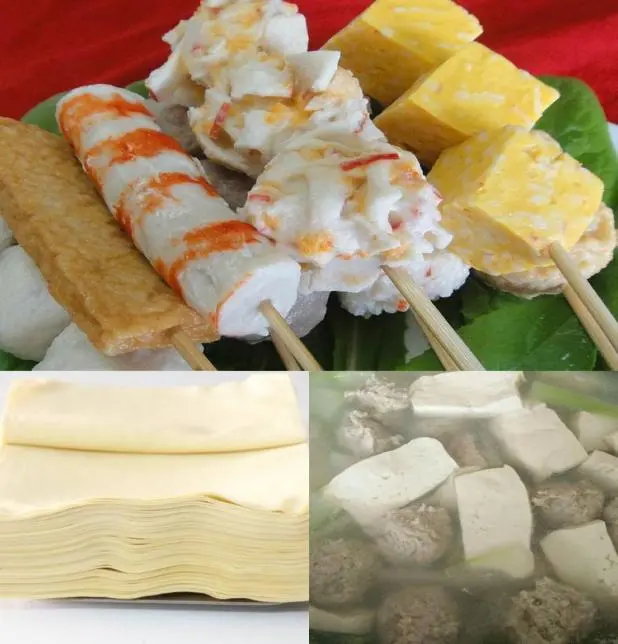
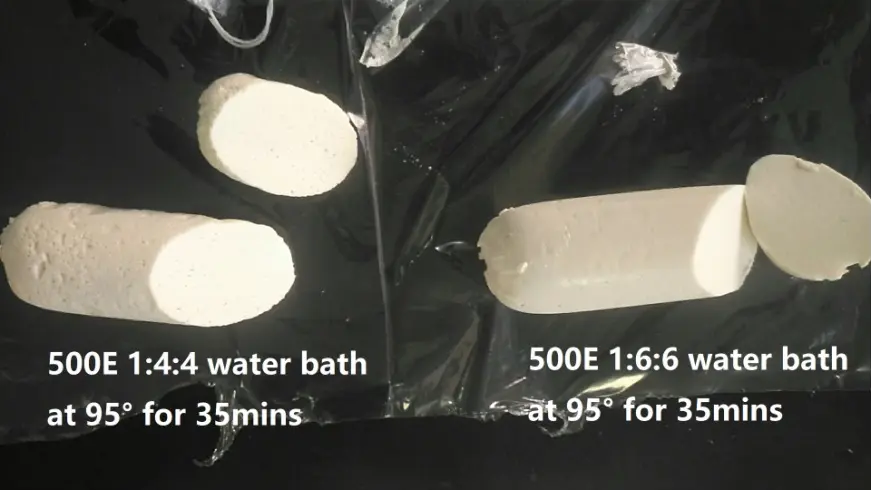
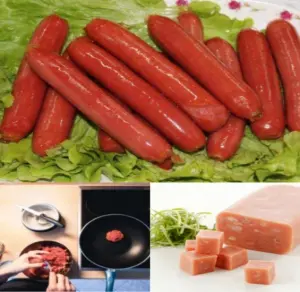
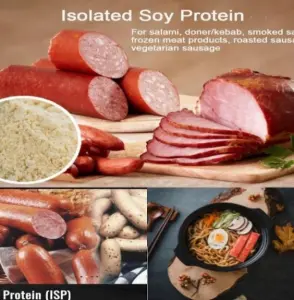
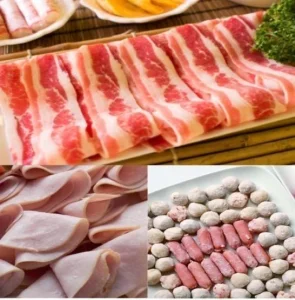
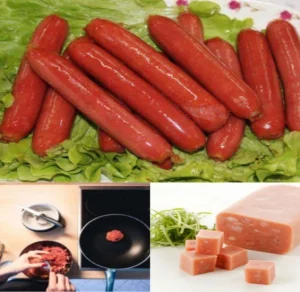
For emulsified meat products, such as frankfurters, bologna, and minced meat patties, retaining fat and water during thermal processing is a primary challenge. Our Emulsion and Meat type isolated soy proteins feature high emulsifying activity, helping to stabilize fat-water interfaces. These grades build strong protein networks that bind fat particles, preventing syneresis and oil separation during cooking. Typical usage levels range from 2.0% to 5.0% of the total formulation, typically reconstituted with water at a ratio of 1:5:5 (Protein:Water:Oil) to form a stable emulsion gel.
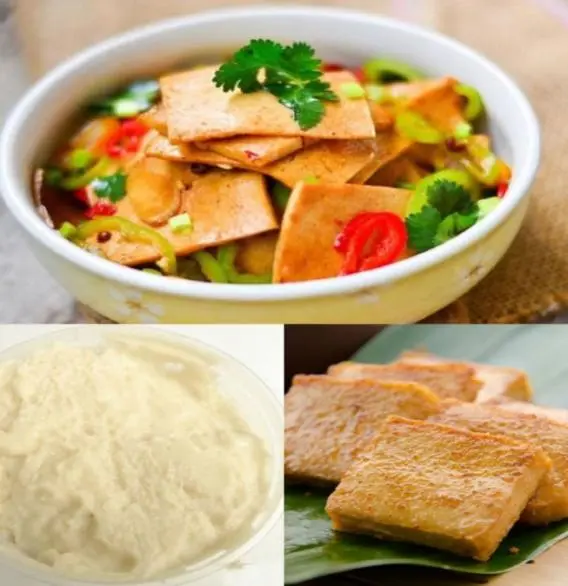
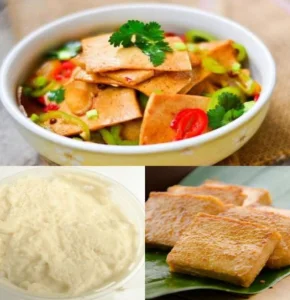
Vegetarian products, meat analogs, and traditional tofu rely on protein gelation to replicate the texture of animal muscle. Our Vegetarian and Tofu type proteins exhibit low initial viscosity during cold mixing, allowing rapid hydration and dispersion. Upon heat activation (typically above 80°C), the protein globulin denatures, exposing hydrophobic groups and cross-linking to form a firm, elastic gel. This provides a resilient texture, stable water retention, and high sliceability in plant-based sausages, burgers, and high-protein vegetarian foods.
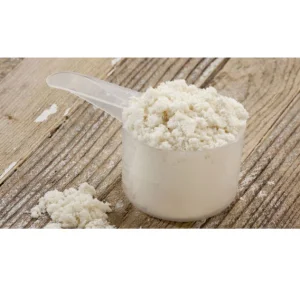
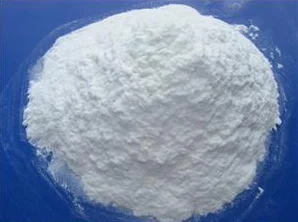
Protein beverage formulations require stability against sedimentation, lower viscosity at high solids loading, and clean sensory properties. The 9030 Dispersion Type Isolated Soy Protein is mechanically and enzymatically optimized to improve cold-water solubility. Even at high concentrations, it maintains low viscosity, preventing chalky texture or phase separation in meal replacements, dry-blend beverage mixes, and dairy alternatives.
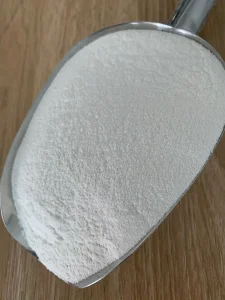
In cured hams, bacon, and whole-muscle poultry products, protein brines are injected directly into the meat matrix. The 9020 Injection Type Soy Protein Isolate has a modified tertiary structure that ensures low viscosity under high salt concentration. It dissolves rapidly in brine solutions without clogging injection needles, dispersing evenly within the muscle fibers to improve cooking yield and juiciness.
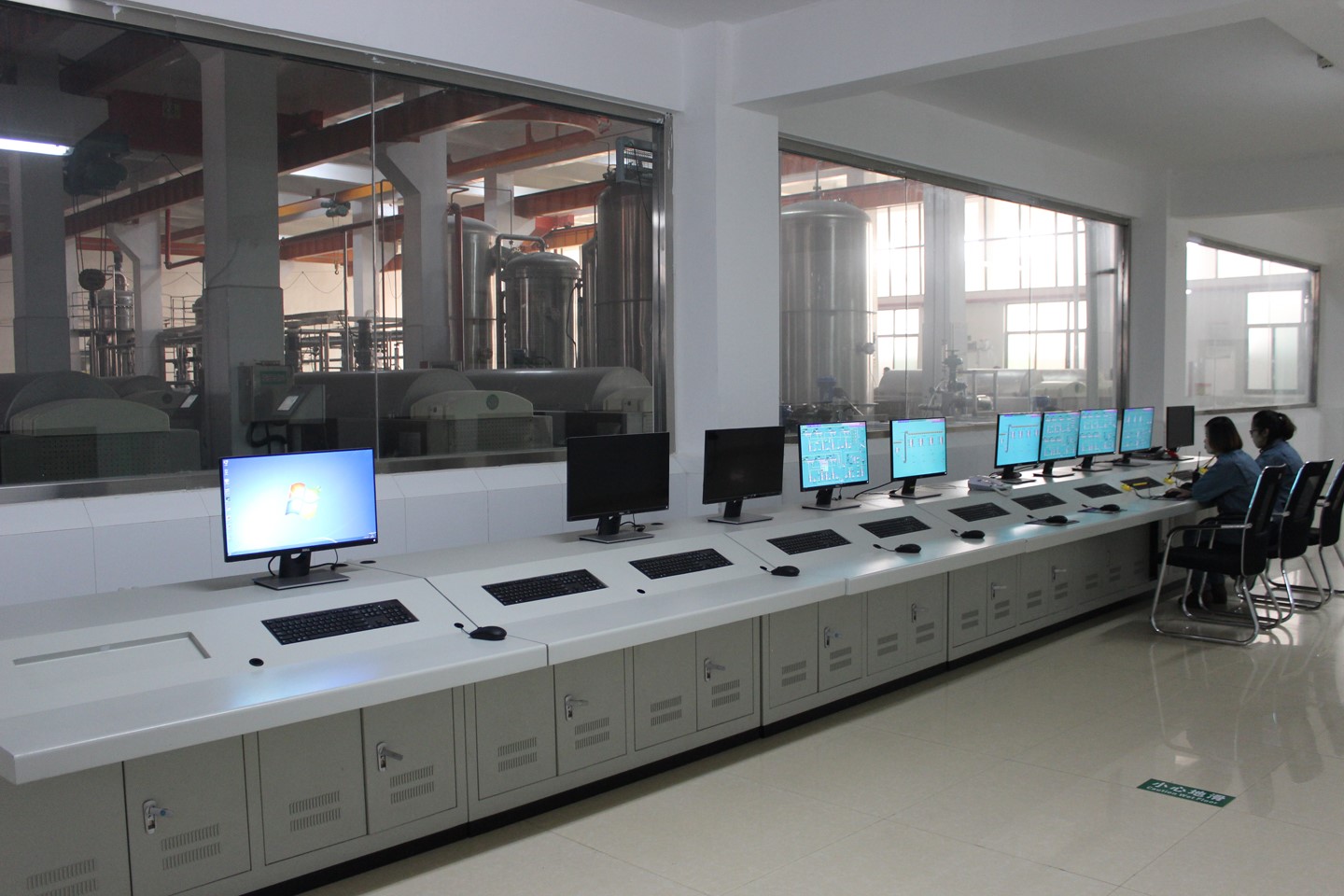
Our commitment to global food safety, traceability, and religious dietary compliance is verified by major international audit groups.
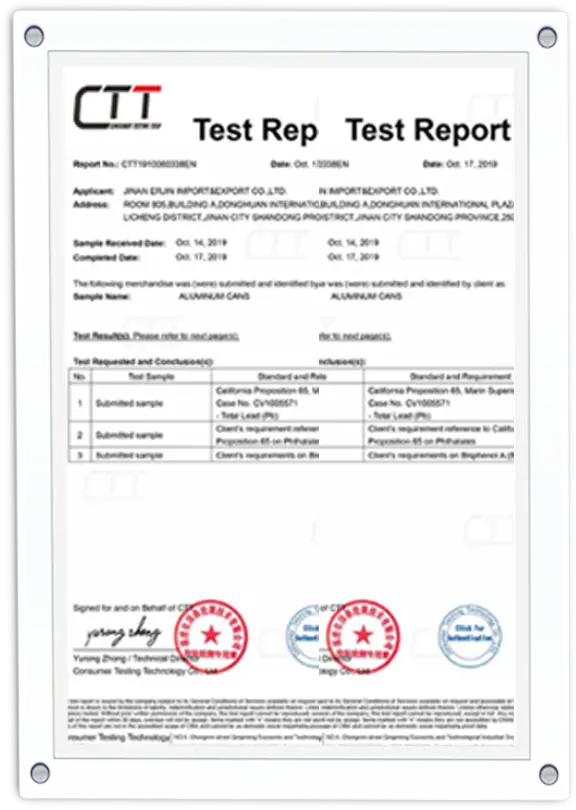
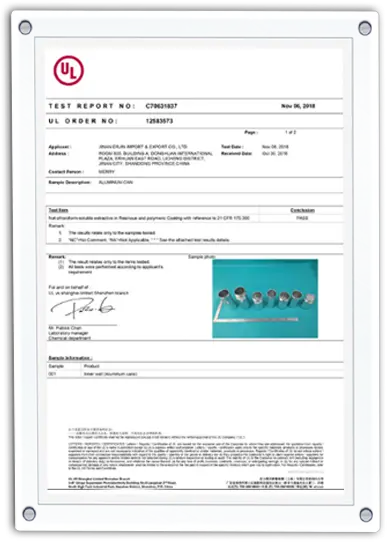
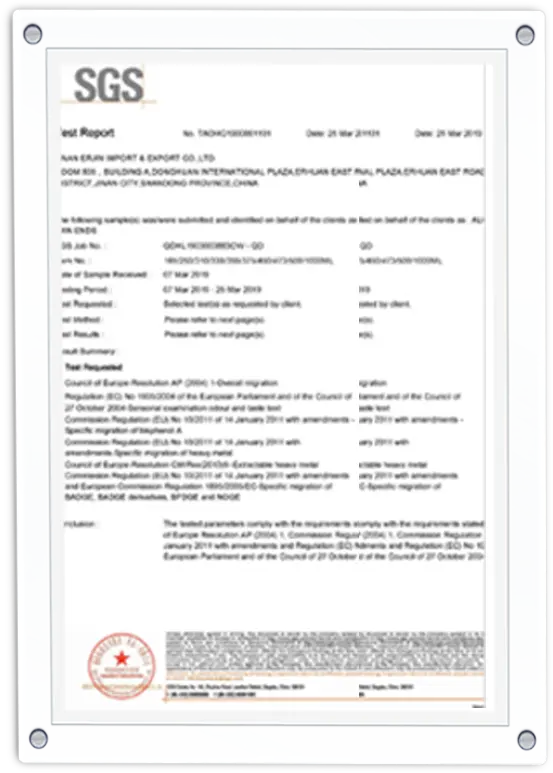
Additionally certified for IP Non-GMO raw materials, and verified by SGS. Custom documentation, including health certificates, country of origin, and allergen certificates, is supplied upon request.
Watch our processing equipment, raw material handling, and spray drying systems in action.
Detailed answers concerning factory capacity, trace compliance, product specifications, and trading operations.
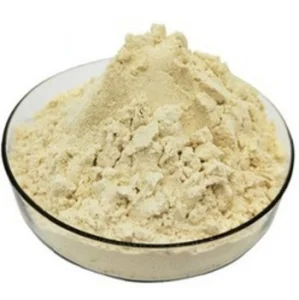
Select from our specialized grades of soy isolates, dietary fiber concentrates, and wheat starch to optimize your product formulas.
 Xinrui Group