Direct supply of plant-based proteins, starches, and essential feed ingredients from our integrated processing mills.
In the highly competitive landscape of global livestock production and aquaculture, feed formulators are constantly searching for functional ingredients that yield maximum metabolic efficiency and biological performance. Soya lecithin has transitioned from being viewed as a simple by-product of oil refining to a mission-critical feedstock component.
As a complex natural mixture of polar lipids—primarily comprising phosphatidylcholine (PC), phosphatidylethanolamine (PE), and phosphatidylinositol (PI)—soya lecithin acts as a potent biological emulsifier, fat-digestion enhancer, and source of essential phospholipids. Unlike synthetic alternatives, natural soya lecithin is highly bioavailable and provides metabolic energy while protecting liver function in rapidly growing animals.
Soya Lecithin serves as a highly bioavailable donor of methyl groups via choline. This significantly reduces the dietary requirement for synthetic choline chloride while optimizing lipid metabolism within the hepatopancreas of aquatic species and the livers of young weaning piglets.
The digestive tract of young animals is structurally immature. In neonatal piglets and newly hatched chicks, the secretion of endogenous bile acids is insufficient to effectively digest large quantities of long-chain fatty acids commonly found in high-energy starter diets. By introducing soya lecithin as a co-emulsifier, the average size of lipid droplets is significantly reduced, facilitating the formation of stable mixed micelles in the duodenal lumen. This directly boosts the absorption rates of crucial fat-soluble vitamins (A, D, E, and K) and essential fatty acids.
How global feed mills integrate our soya lecithin to overcome local production bottlenecks and physiological challenges.
Aquatic larvae, particularly marine shrimp (Penaeus monodon, Litopenaeus vannamei), have a limited physiological capacity to synthesize phospholipids and cholesterol de novo. Since phospholipids are vital structural elements of cell membranes and transport vehicles (lipoproteins) for cholesterol, our soya lecithin is added to starter feeds to prevent mortality during molting phases, improve feed conversion, and limit hepatopancreatic stress.
Weaning is a highly stressful period for piglets, often resulting in gut barrier dysfunction and post-weaning diarrhea. The addition of refined soya lecithin to starter feeds stimulates early duodenal mucosa development and improves fat digestability from milk replacers, allowing farmers to reduce therapeutic antibiotic use by strengthening gut immune resilience.
High-efficiency poultry operations demand dense caloric energy. Modern broilers are fed diets rich in added oils. Without proper emulsifiers, a significant portion of this dietary energy passes unabsorbed, increasing fecal fat levels and wet litter issues. Incorporating soya lecithin improves the apparent metabolizable energy (AME) value of dietary fats, translating to superior feed conversion ratios (FCR).
As precision nutrition matures, the demand for conventional crude lecithin is evolving toward modified variants. Xinrui Group is at the forefront of this shift, actively researching and developing enzymatically modified lyso-lecithins.
By treating crude lecithin with phospholipase enzymes (specifically PLA1 and PLA2), we can selectively remove a fatty acid chain, converting di-acyl phospholipids into mono-acyl phospholipids (lyso-phospholipids).
These modified molecules display a significantly higher hydrophilic-lipophilic balance (HLB) value, making them vastly more efficient at forming stable oil-in-water emulsions in acidic gastric environments.
Looking toward 2030, our R&D roadmap focuses on micro-encapsulated lecithin powder formulations that remain completely stable during high-temperature feed extrusion processes. This prevents oxidation and ensures that bioactive lipids remain functional right up to the point of animal ingestion.

By leveraging our vertically integrated milling facilities, we recycle pentosan and starch sub-fractions into clean bio-ethanol and high-protein feed additives, minimizing carbon emissions per ton of product produced.
Explore Ethanol Processing »How Guanxian Xinrui Industrial Co., Ltd. operates a highly integrated circular agricultural economy.
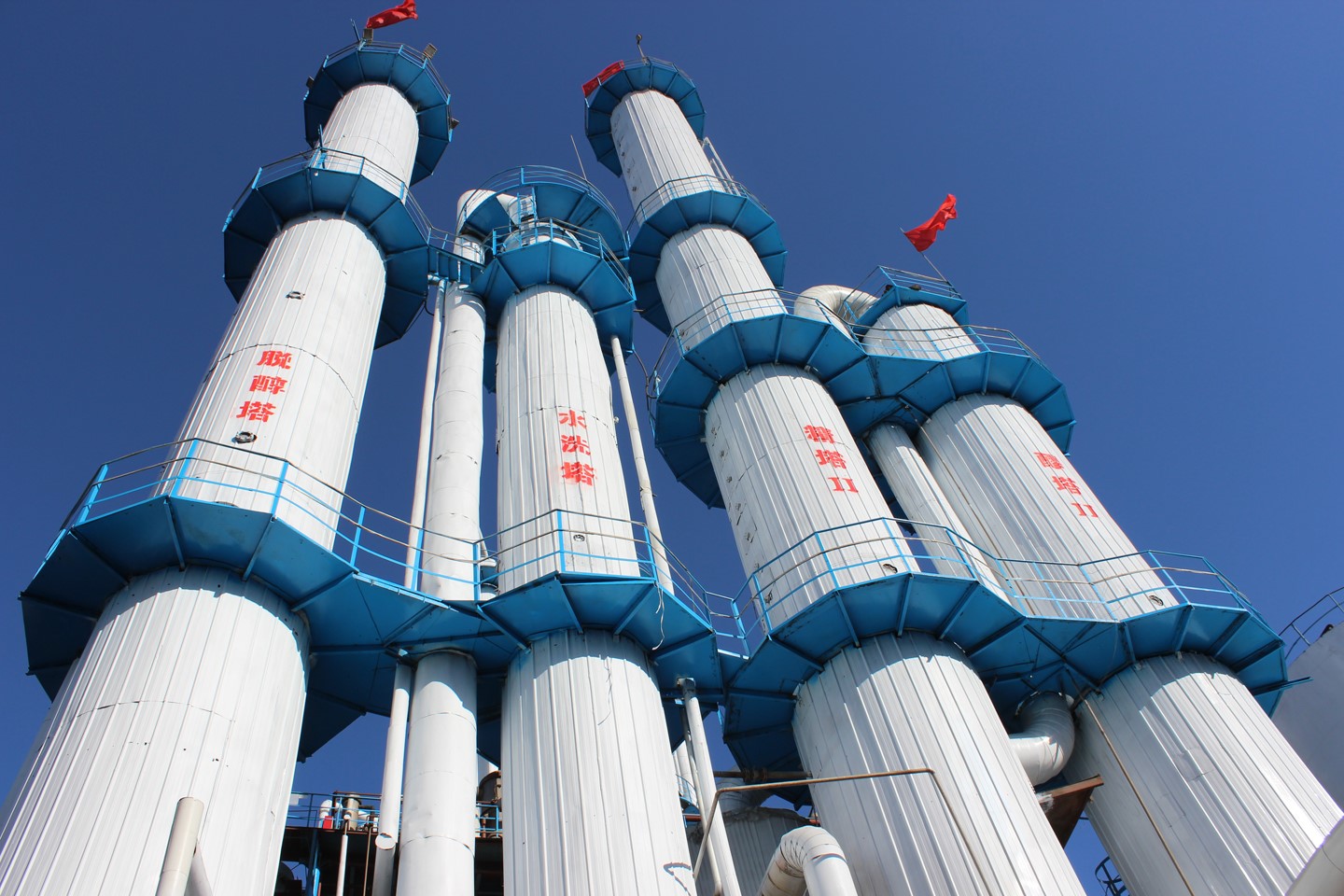
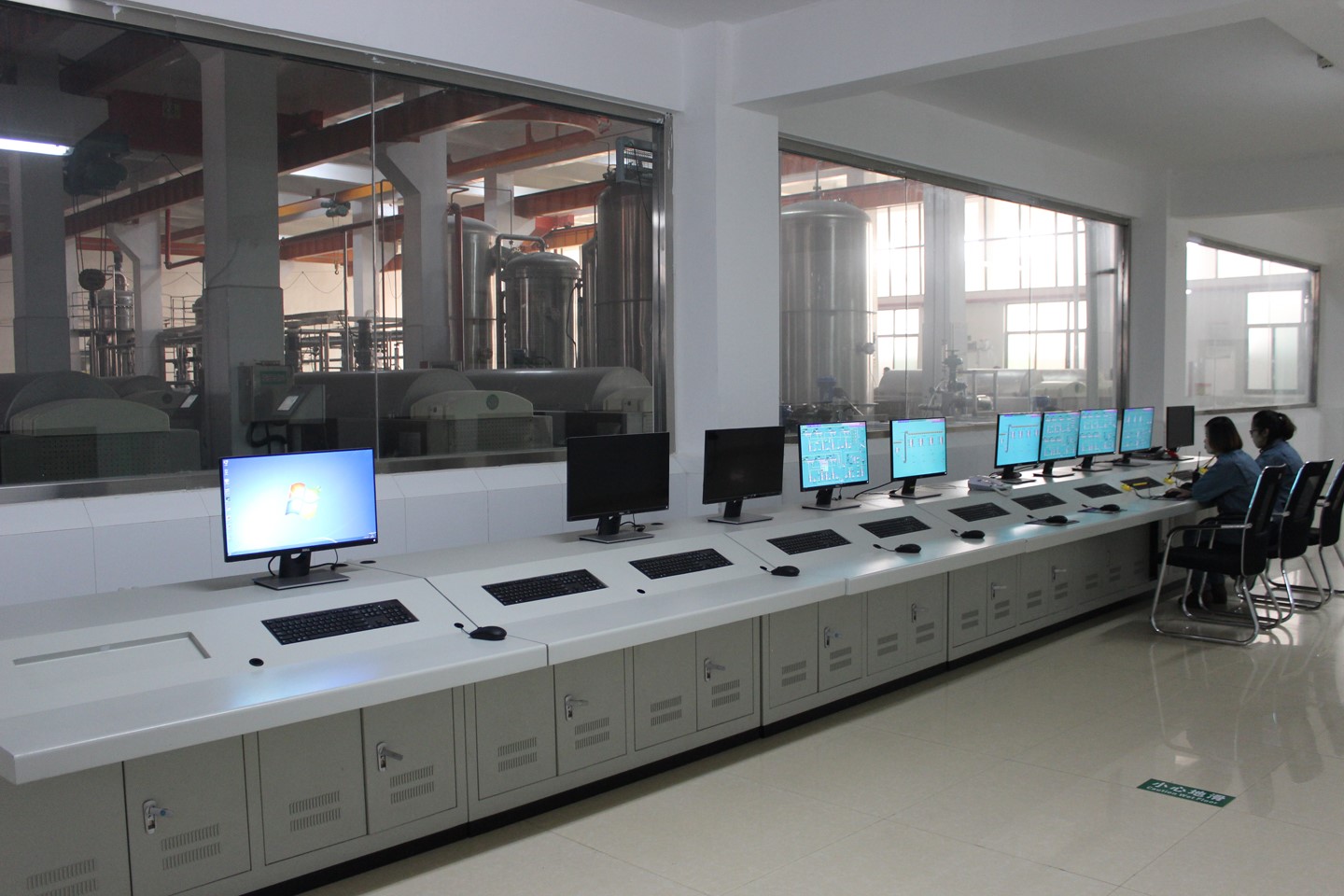
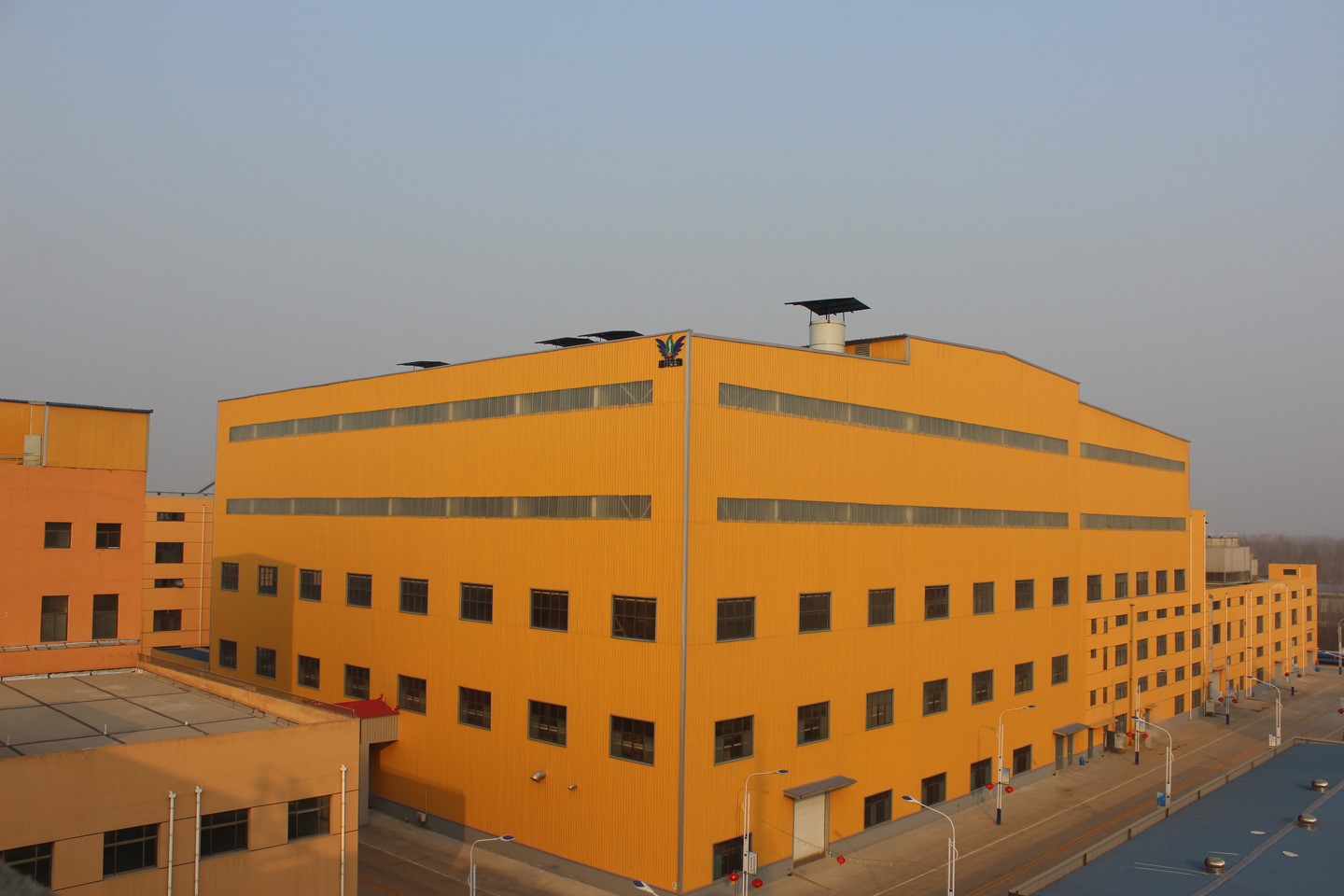
Unlike standard brokers or localized feed packagers, Guanxian Xinrui Industrial Co., Ltd. (and our export arm Guanxian Ruichang Trading Co., Ltd.) operates within a massive circular agricultural park. Established in 2007 with 100 million Yuan in registered capital, our group processes over 500,000 tons of wheat flour annually alongside Shandong Kawah Oils' soybean processing line of 180,000 tons.
This unique structure allows us to capture synergies that dramatically reduce processing costs while eliminating risks of supply chain disruption:
Our commitment to internationally recognized safety protocols ensures frictionless entry into any regional market.
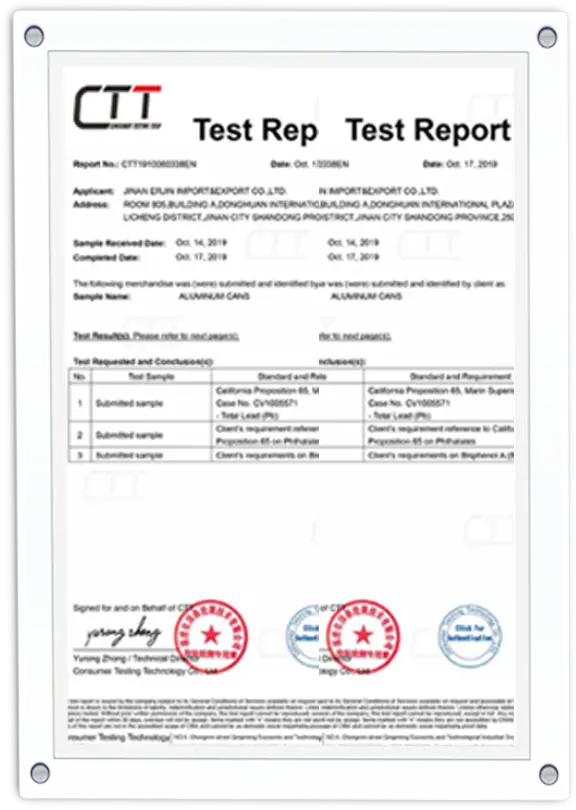
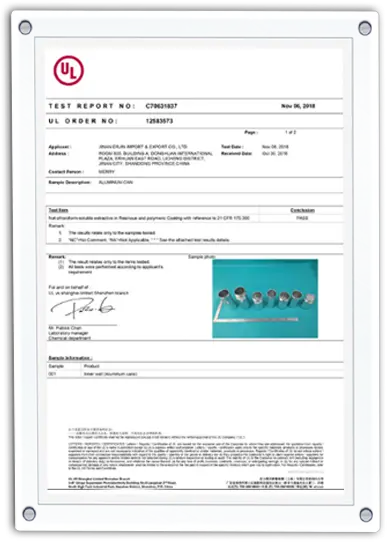
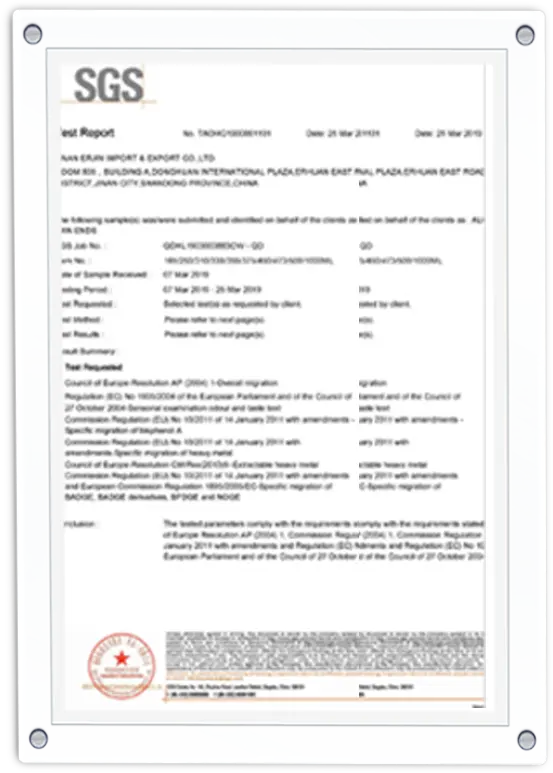
Our export operations are certified under BRC, HACCP, ISO9001, ISO22000, HALAL, KOSHER, and IP-NON GMO. We systematically verify every batch through third-party laboratories (including SGS) to comply with European, North American, and Southeast Asian feed regulations.
Observe our automated processing, raw material handling, and modern drying systems in action.
Technical solutions and sourcing answers directly from our growth directors and quality engineers.
Complementary functional proteins and fibers to optimize nutritional density in animal and human applications.
 Xinrui Group