Direct supply of high-purity isolated soy proteins and plant ingredients designed for specific food processing applications.
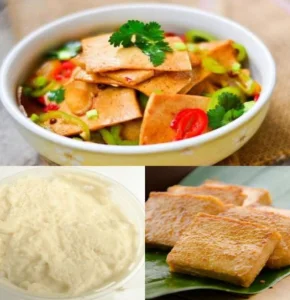
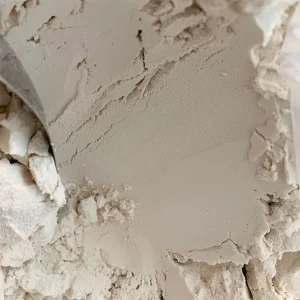
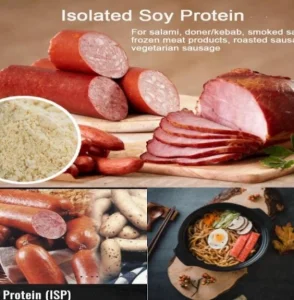
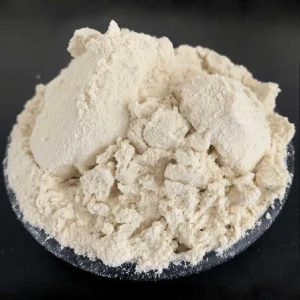
Strategic analysis of consumer shifting, functional properties, and the supply economics of clean-label soy protein isolate.
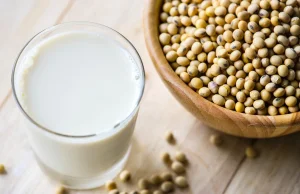
The trajectory of global protein consumption is undergoing a structural transition. Institutional food manufacturers, sports nutrition formulators, and mass-market consumer packaged goods (CPG) companies are progressively replacing animal proteins with highly functional, sustainable plant-based alternatives. Among these options, Non-GMO Isolated Soy Protein stands out as the most chemically complete and economically viable plant-derived macromolecule.
Modern processing requires isolated proteins that perform reliable tasks: emulsion stabilization, gelation structure in meat alternatives, and fast dispersion rates in high-nitrogen nutritional beverages.
Procurement teams demand complete visibility back to agricultural source bases. Rigorous non-GMO identity preservation (IP-NON GMO) certificates are now mandatory for entering highly regulated markets like Europe and North America.
Industrial operations succeed by reducing processing waste. Integrating raw material by-products (such as starch and dietary fibers) into circular industrial loops directly results in lower wholesale pricing for the end-buyer.
Established in 2007, Guanxian Xinrui Industrial Co., Ltd. (formerly known as Guanxian Ruixiang Biotechnology Development Co., Ltd) operates as a major industrial player with registered capital of 100 million Yuan. The enterprise processes 500,000 tons of wheat flour annually, utilizing a closed, clean, and highly mechanized processing line to extract vital wheat gluten, wheat starch A, and wheat starch B.
By utilizing a highly developed circular economy industrial chain, we direct by-products such as Starch B and pentosan into bio-ethanol and high-nutrition animal feed production. Our wheat processing lines use advanced tri-canter separation technologies, placing our overall production output value, machinery layout, and physical quality control benchmarks at the leading edge of global plant protein production.
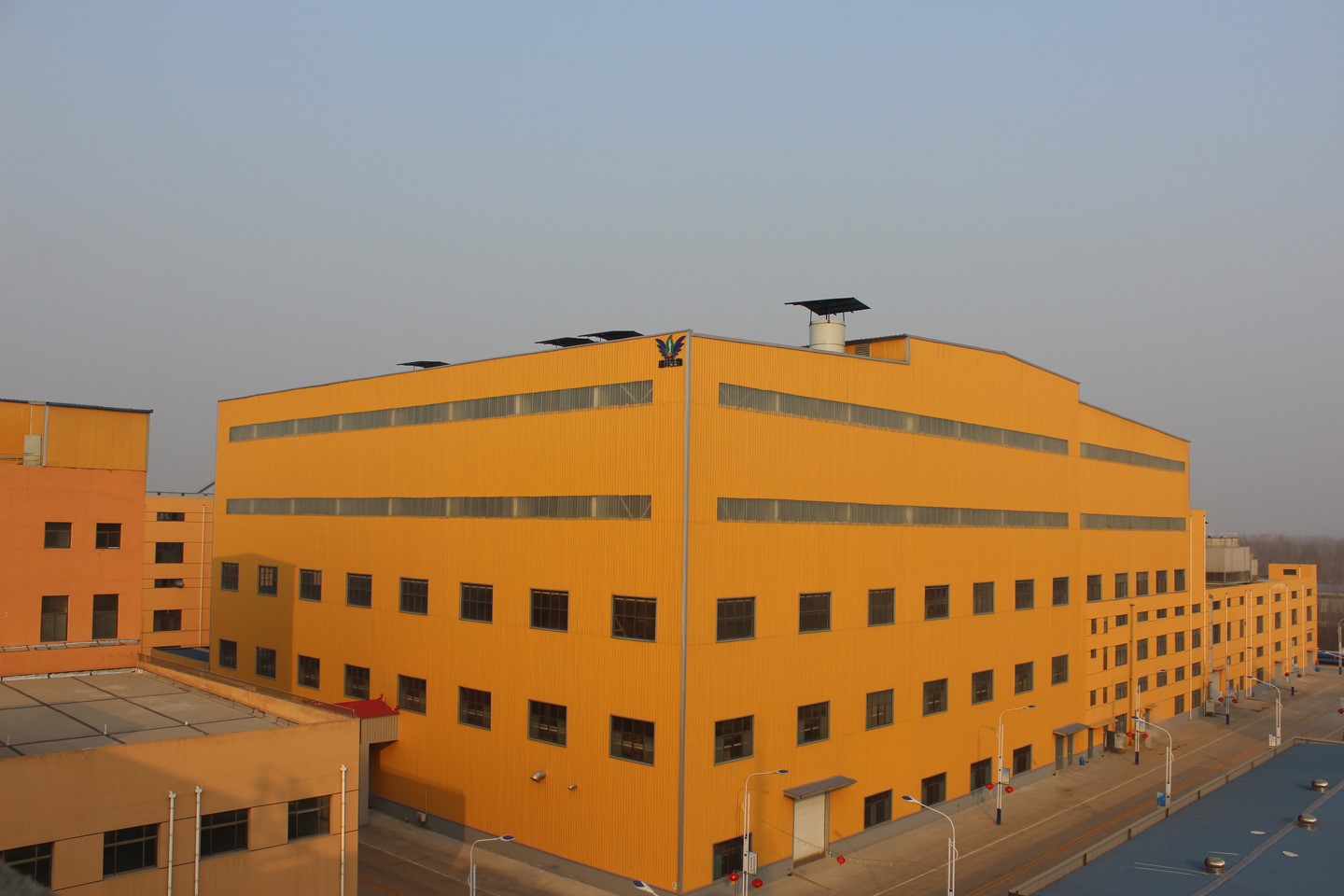
Our specialized soybean processing unit, Shandong Kawah Oils Co., Ltd., was established in 2014 with a registered capital of 120 million Yuan. As a provincial leader in agricultural industrialization, it handles 180,000 tons of local NON-GMO soybeans annually. This facility uses step-by-step extraction to generate premium soybean oil, food-grade low-temperature soybean meal, isolated soy protein, and soy dietary fiber.

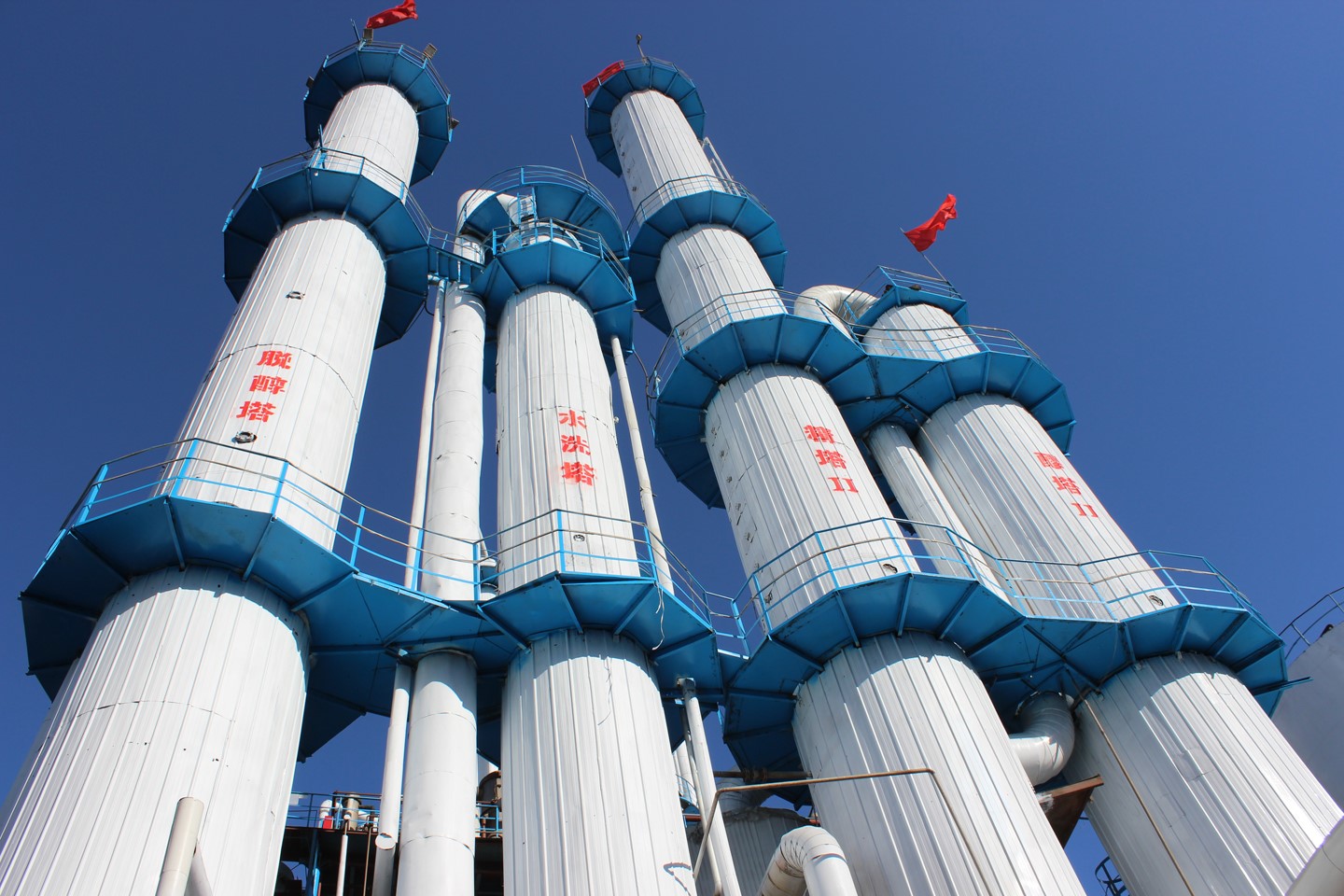
The production of isolated soy protein relies heavily on the drying stage to determine the final product's texture and behavior. Shandong Kawah Oils operates the largest single production line in China, powered by a high-capacity spray drying tower from DACHUANYUAN.
This system uses precise heat controls to dry isolated soy protein quickly, maintaining the delicate protein structure. This preserves functional characteristics like water-binding capacity and high dispersion indexes.
Additionally, Guanxian Ruichang Trading Co., Ltd., established in 2011 with a registered capital of 6 million Yuan, manages international distribution. Ruichang exports isolated soy protein, vital wheat gluten, soluble dietary fiber, vermicelli, and ethanol directly from the production site to global ports. Because we export over 70% of the group's total production capacity, we offer buyers a direct connection to the factory.
How we tailor the physical-chemical properties of our plant proteins to solve processing challenges in different sectors.
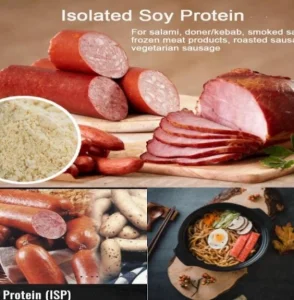
For sausage, hotdog, and luncheon meat production, our meat-type proteins (like 9001BW and 9007B-A) create stable oil-in-water emulsions that hold up during cooking, reducing fat loss and improving texture.
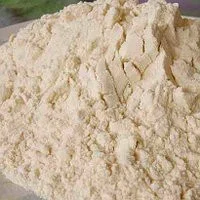
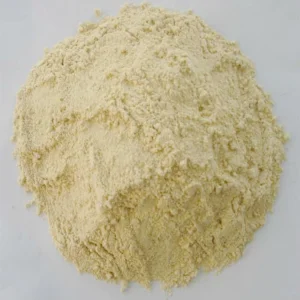
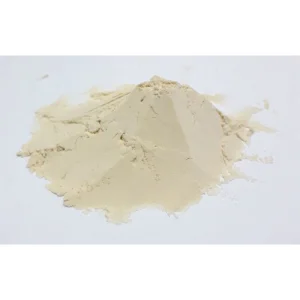
Beverages and ready-to-mix powders require clean flavors and fast solubility. Our dispersion-type isolates (9030/9032) mix quickly in liquids without clumping, maintaining low viscosity even at high concentrations.
Creating realistic plant-based burgers and chunks requires strong binding and fibrous structures. Our high-gelling proteins and vital wheat gluten construct clean-label plant matrices with the chewiness of meat.
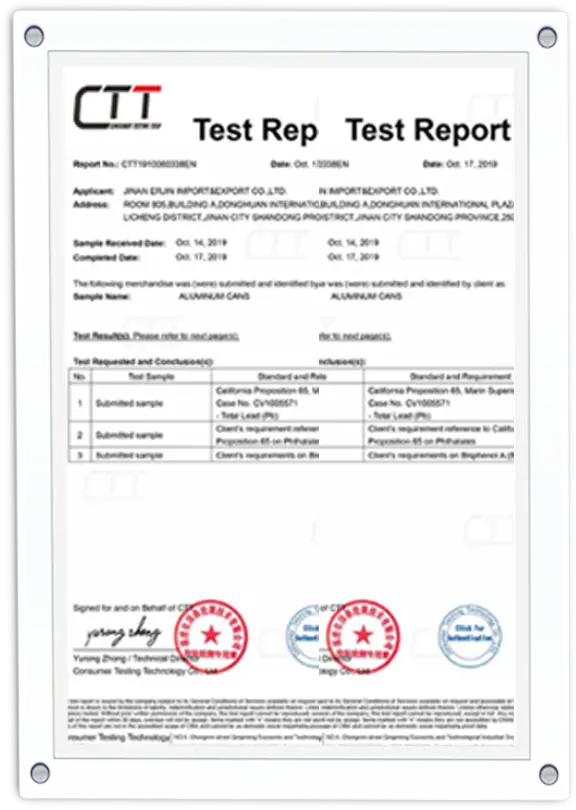
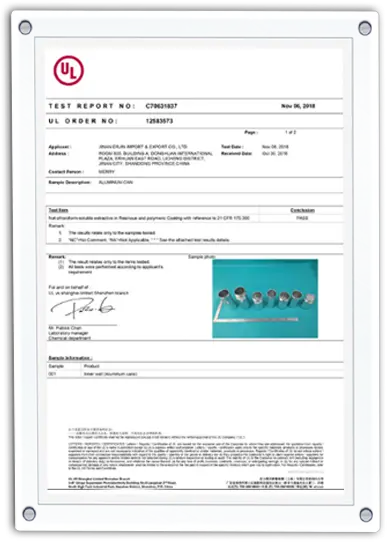
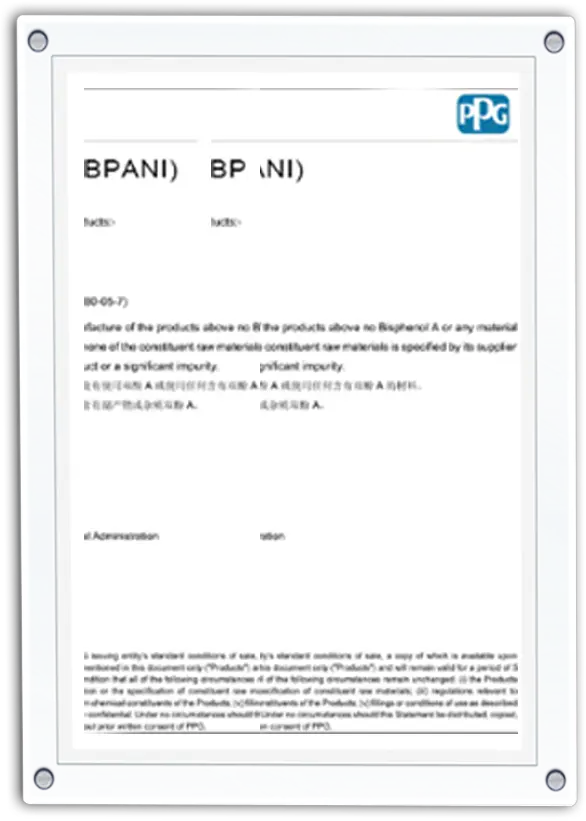
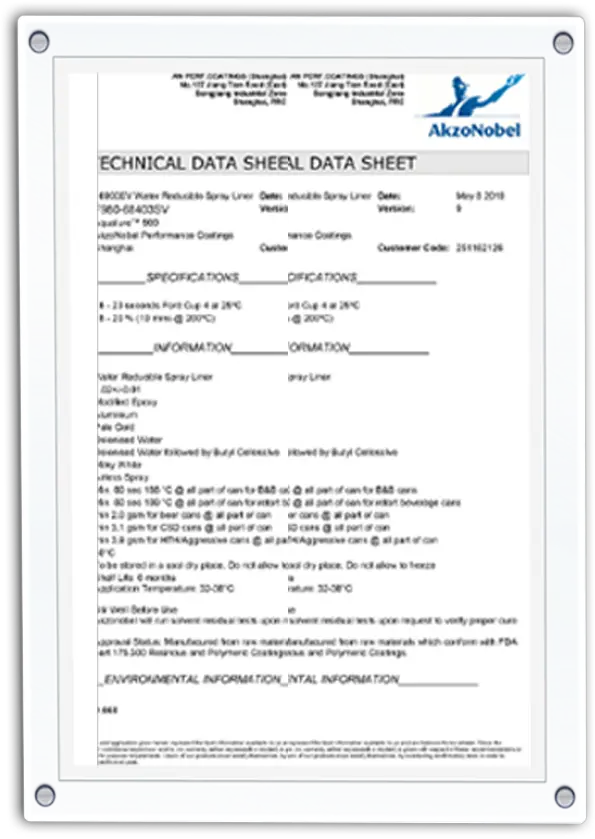
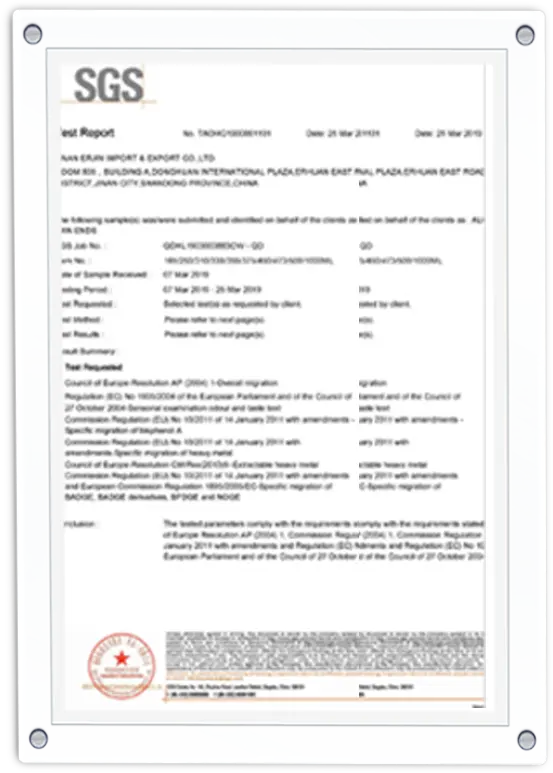
Shipping plant proteins internationally requires reliable quality standards and complete regulatory compliance. Our factories operate under strict control protocols and hold major international food safety and quality certifications, including HACCP, ISO9001, ISO22000, BRC, HALAL, KOSHER, and IP-NON GMO.
By sourcing raw materials from our own non-GMO soybean and wheat farming bases, we protect our supply chains from contamination. This integration keeps our proteins safe from seed sourcing to final packaging.
This setup helps global buyers avoid the risks of volatile shipping schedules and changing trade rules. Whether you need specific custom packaging, tailored protein specifications, or direct customs clearance through Guanxian Ruichang Trading, our team provides complete export support.
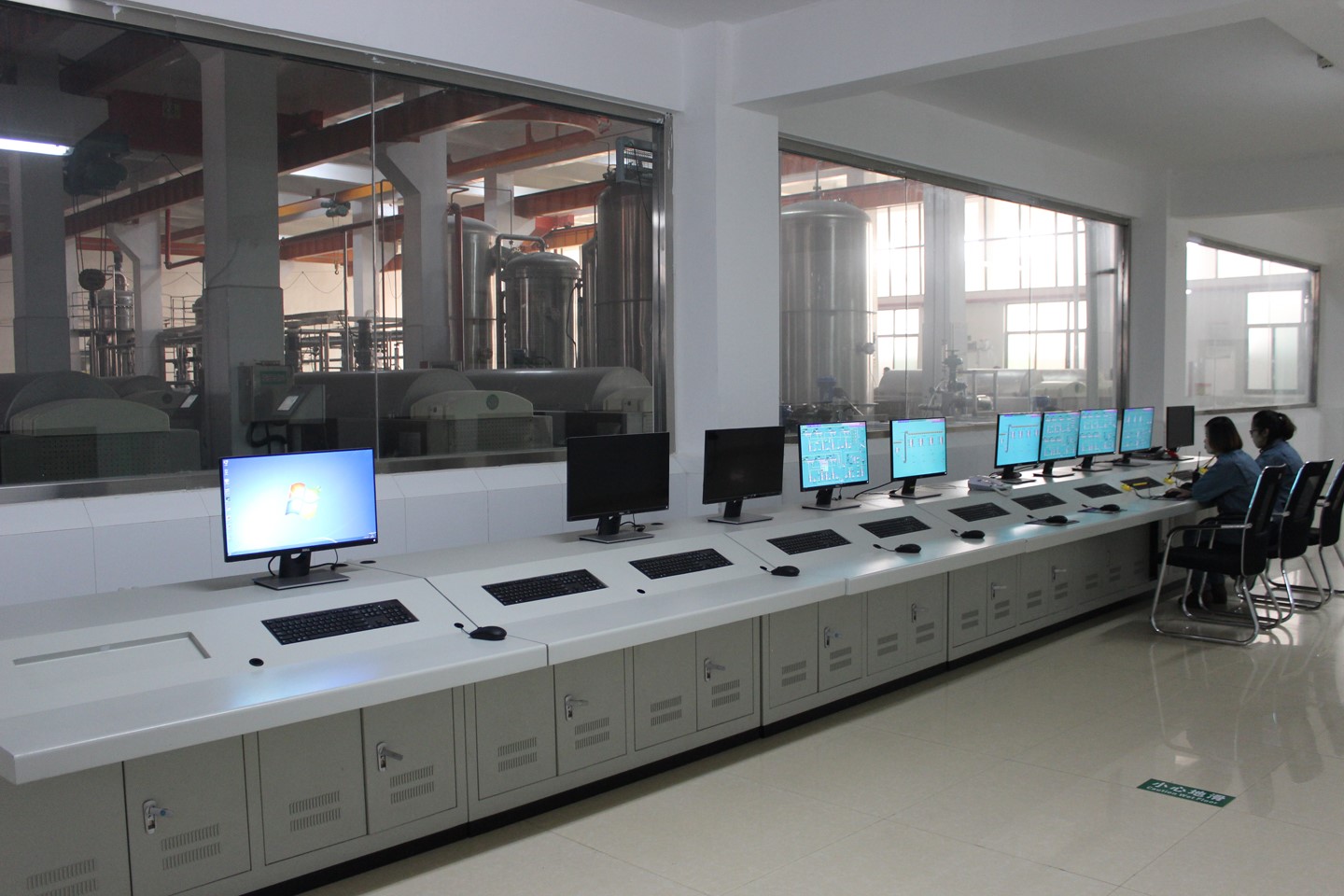
Watch our production lines, raw material storage, and automated packaging systems in action.
Fully compliant with international food safety regulations and quality metrics.
Plant-based nutrition is evolving toward cleaner ingredient lists and highly functional components. Our scientific development focus centers on using enzymatic hydrolysis to modify soy proteins. This process breaks down proteins to create hypoallergenic fractions and improves how they dissolve in acidic environments.
In addition to isolated soy proteins, we are expanding our production of wheat-derived proteins and starch structures. By optimizing our wheat gluten pellet processing, we offer stable texturing materials for pet food manufacturers and industrial aquaculture feeds.
We are also researching sustainable agricultural systems at our local farming bases. By using crop rotation and smart fertilizers, we reduce carbon emissions at the farm level, helping our clients meet their environmental and sustainability goals.
Find answers to common questions about our corporate structure, products, and certifications.
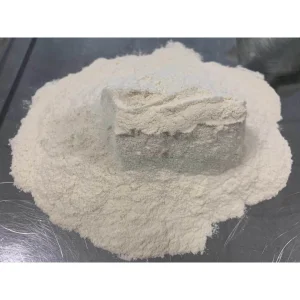
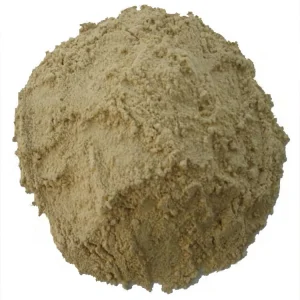
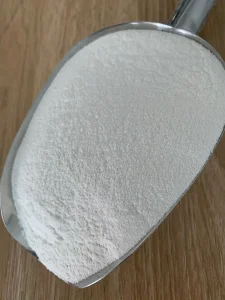
Complete your sourcing requirements with our selection of industrial dietary fibers, wheat gluten, and starch derivatives.
 Xinrui Group