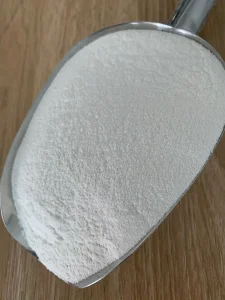
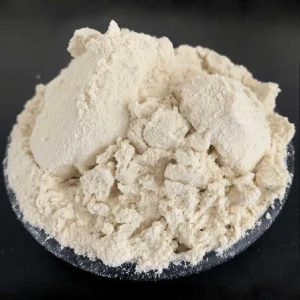
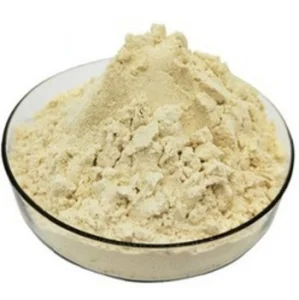
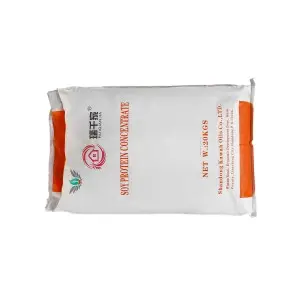
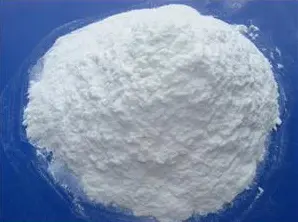
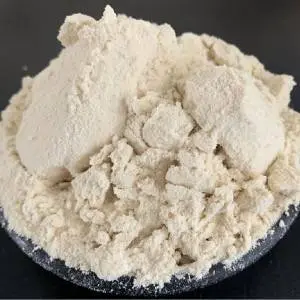
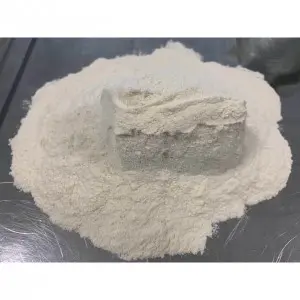
Wholesale Soy Protein Isolate Dispersing Type Manufacturer & Factory

Premium Non-GMO Plant Protein Solutions for Global Industrial Applications & Beverage Formulations

180,000T
Annual Soybean Processing
50,000T
Isolated Soy Protein Output
500,000T
Annual Wheat Flour Processing
70%+
Global Export Proportion

Global Landscape & Development Trends of Dispersing Type Soy Protein Isolate

The global demand for high-performance plant-based proteins is undergoing a paradigm shift. According to recent macro-economic industrial forecasts, the market for Soy Protein Isolate (SPI) Dispersing Type is projected to experience a compound annual growth rate (CAGR) of over 6.8% through the next decade. Driven by the explosive growth of ready-to-drink (RTD) dairy alternatives, sports nutrition powdered mixes, and functional clinical nutrition, manufacturers are demanding protein powders that dissolve instantly in liquid systems without clumping, sedimentation, or gritty mouthfeel.

Traditional soy protein isolates are designed primarily for moisture retention and emulsification in meat processing. However, these traditional models exhibit poor solubility and dispersibility under low-shear mixing environments. The dispersing type soy protein isolate is engineered specifically to tackle these limitations. By targeting the hydrophobic and hydrophilic regions of the protein chain, our manufacturing process achieves an optimal balance, ensuring rapid wet-out and complete particle disintegration upon contact with water.

Clean Label & Purity

Increasing consumer awareness regarding food allergens and genetically modified organisms has made IP Non-GMO sourcing standard practice. Our Soy Protein Isolate is processed from strictly identity-preserved (IP) Non-GMO seeds cultivated in localized, controlled planting bases, verified under BRC and SGS certification programs.

Globalized Sourcing

Industrial food processors in North America, Western Europe, and Asia-Pacific require stable bulk suppliers. The consolidation of integrated logistics (direct-from-factory export via Guanxian Ruichang Trading Co., Ltd.) allows seamless supply chain scheduling, mitigating geopolitical and freight volatility.

Technical Advancements

Next-generation enzyme-assisted hydrolysis technology allows precise cleavage of peptide bonds. This controls the molecular weight distribution of the proteins, lowering viscosity and enhancing the Nitrogen Solubility Index (NSI) to values exceeding 90% in dispersion types.

Technical Roadmap: Engineering High Dispersibility

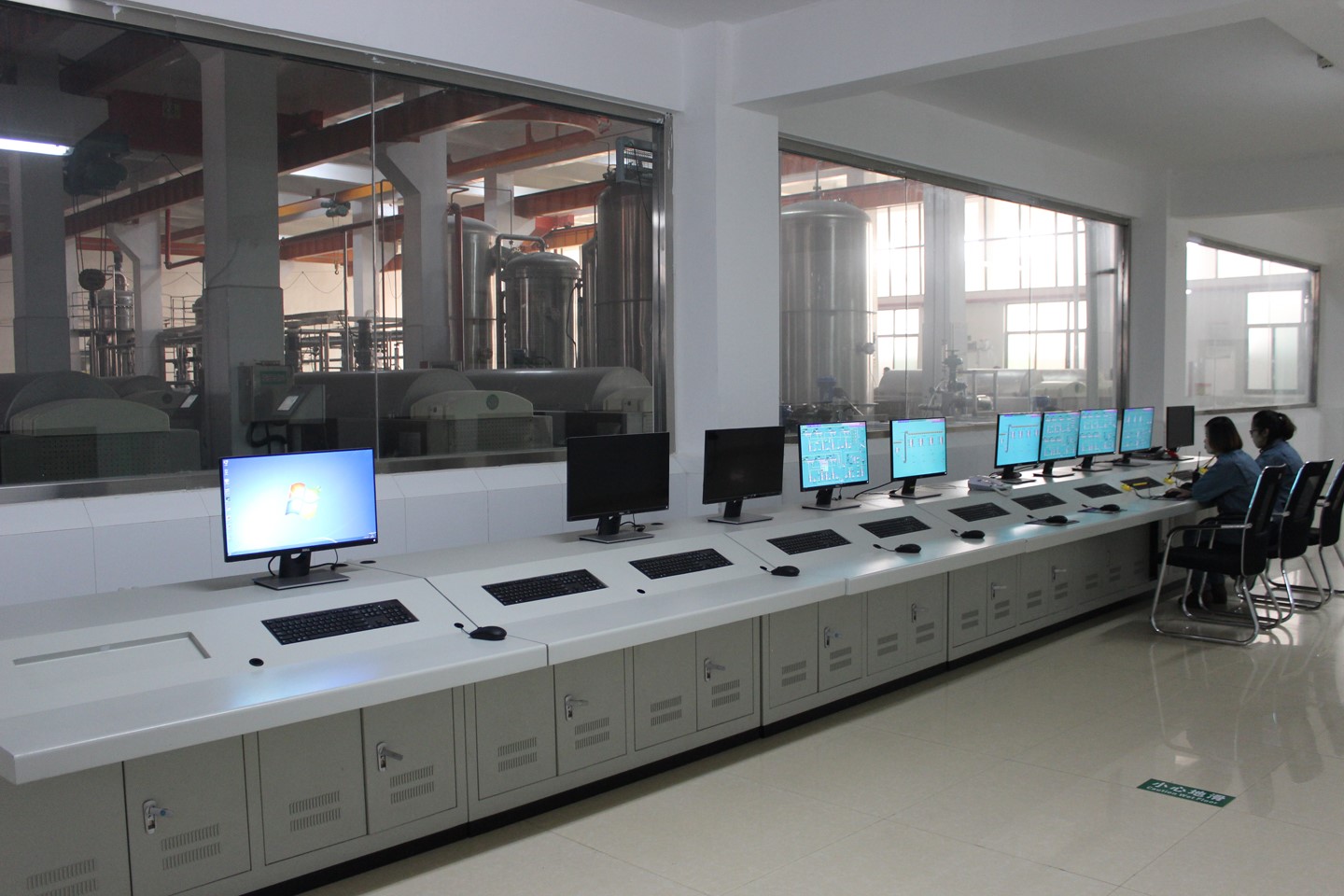
Production of high-grade dispersing type soy protein isolate requires precise biochemical engineering. Traditional soy proteins exhibit steric hindrance and hydrophobic interaction forces that cause rapid agglomeration. In our state-of-the-art facility operated by Shandong Kawah Oils Co., Ltd., we utilize advanced Chinese engineering, specifically utilizing the spray drying tower of the DACHUANYUAN—which represents the largest single line capacity in China—to manage particle morphology.
  • Thermal-Enzymatic Modification: Controlled enzyme application exposes hydrophilic functional groups without over-hydrolyzing the protein structure. This preserves the nutritional profile (minimum 90% dry basis protein) while reducing viscosity.
  • Optimized Particle Agglomeration: Fine control of the nozzle pressure and temperatures inside the Dachuanyuan spray dryer allows the creation of hollow, porous micro-spheres that facilitate capillary water absorption.
  • Nitrogen Solubility Index (NSI): Formulations achieve over 90% NSI in standard room temperature water, preventing the formation of sediments in RTD containers during shelf life.
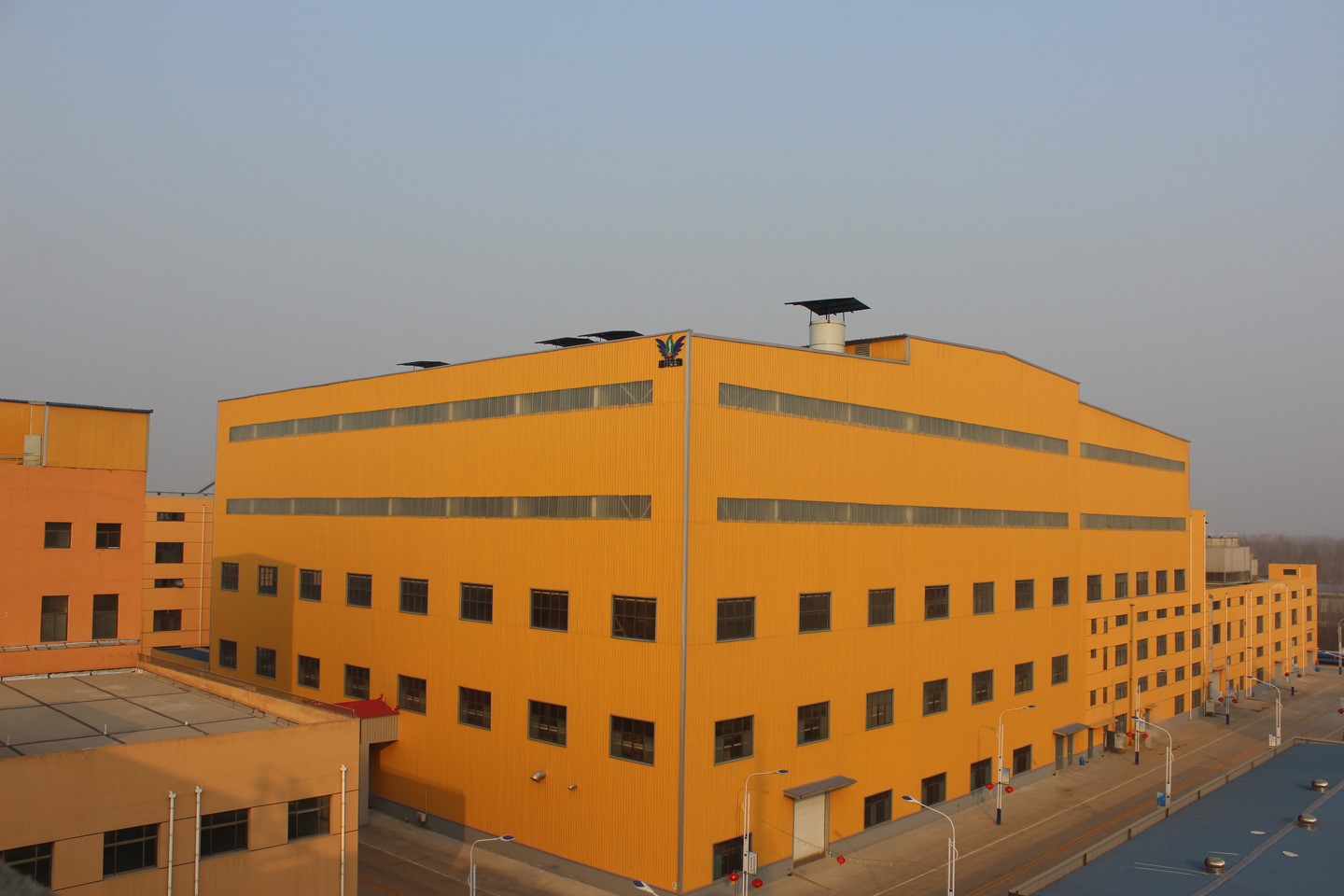
Soy Protein Manufacturing Plant Facility Shandong Kawah Oils

Localized Application Scenarios & Product Integration

Depending on regional dietary trends and industrial setups, our soy protein isolate models are fine-tuned for specific commercial applications. The table below represents how different localized applications rely on different functional parameters of our products:

RTD Plant Milks & Nutritional Powders

Specifically utilizes Beverage & Dispersion Type 9030 / 9032. The high dispersion speed ensures that the dry powder blends smoothly into water or dairy bases in local packaging facilities with low-shear agitation, maintaining suspension stability without stabilizing additives.

Emulsified & Structured Meats

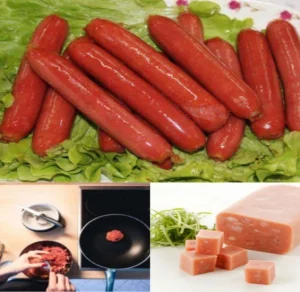
Integrates Meat & Emulsion Type 9001BW/9001B-Y/9000. When used in regional sausage and cold-cut manufacturing, these proteins form a high-strength gel matrices that traps water and fat droplets, decreasing cook-loss and optimizing bite texture.

Tofu & Plant-Based Meat Alternatives

Employs Tofu & Vegetarian Type 9005B / 9003B. Designed for coagulation properties in regional Asian fresh tofu manufacturing and the texturizing processes used to construct vegan patties and simulated poultry fibers.
Macro Industry Solutions: Integrated Circular Value Chain

Xinrui Group Industrial Park and Energy Cogeneration Hub

Xinrui Group has constructed a highly integrated, zero-waste circular economic agricultural industrial park. Rather than operating as isolated processing centers, our wheat and soybean processing lines work in synergy with our localized energy grid:

  • Thermal Synergy: The group owns a proprietary cogeneration facility, providing clean steam and electricity directly to our processing equipment, protecting production schedules from local grid fluctuations.
  • Wheat Deep Processing: Processing 500,000 tons of wheat annually to extract wheat gluten (VWG-P/VWG-PS) and wheat starch A and B. Starch B and pentosan are recycled directly into high-grade ethyl alcohol (ethanol 95%/96% superior grade) and nutritious animal feed.
  • Enviro-conscious Manufacturing: High-efficiency waste-water digestion produces biogas, feeding energy back into the boiler loop, minimizing the environmental footprint per ton of soy isolate produced.

Global Quality Assurance & Verified Infrastructure

Originally established as Guanxian Ruixiang Biotechnology in 2007, Guanxian Xinrui Industrial Co., Ltd. holds a registered capital of 100 million Yuan. Backed by the export wing Guanxian Ruichang Trading Co., Ltd., we deliver raw plant-protein feedstocks and processed starches directly from our factory doors to international food producers.
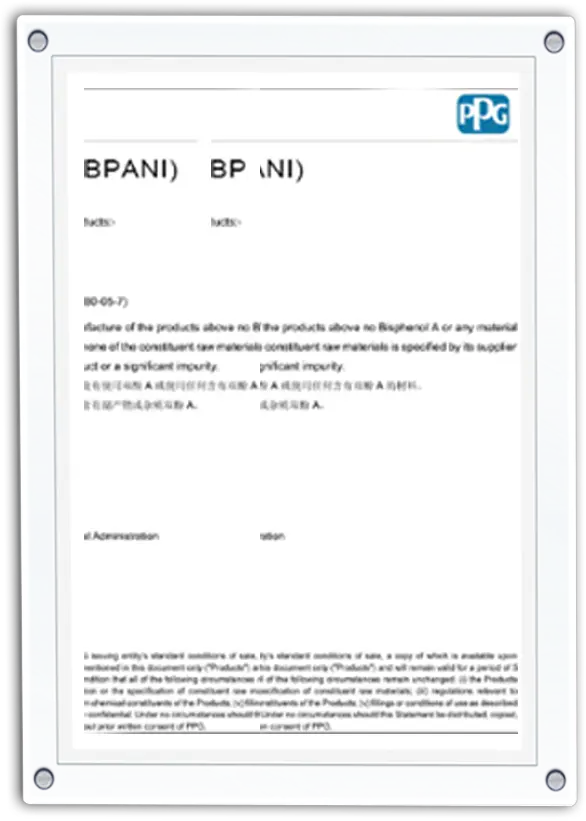
Xinrui Group Certificate 1

Xinrui Group (1)

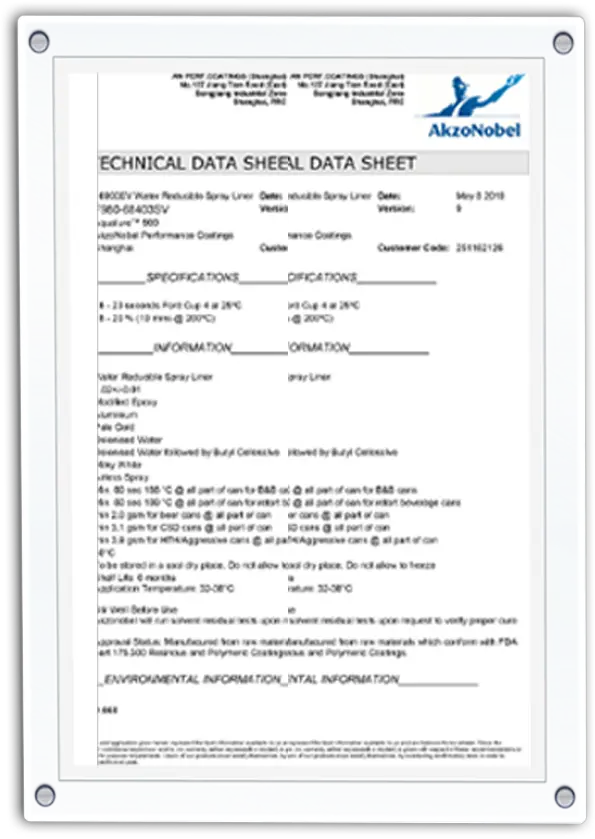
Xinrui Group Certificate 2

Xinrui Group (2)

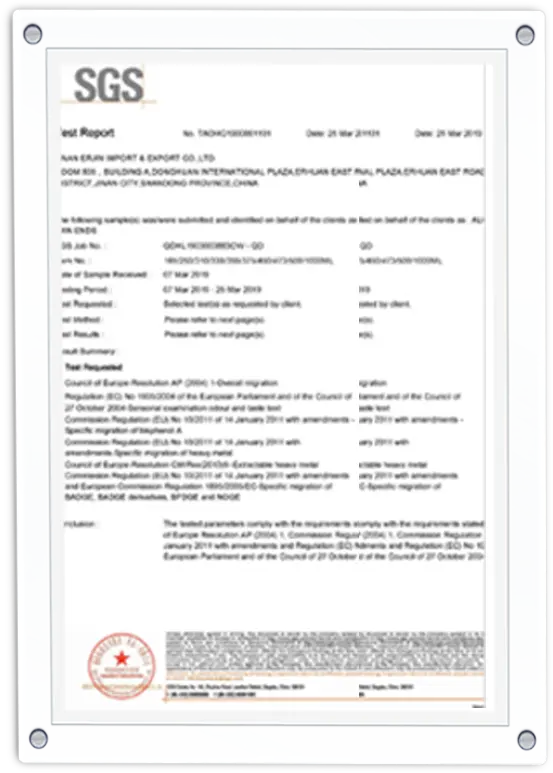
Xinrui Group Certificate 3

Xinrui Group (3)

Xinrui Group Certificate 4

Xinrui Group (4)

Xinrui Group Certificate 5

Xinrui Group (5)

Video Gallery: Factory & Production Line Tour

Technical & Commercial FAQ

Are you a trader or a manufacturer?
We are a fully integrated group company named Xinrui Group. The manufacturer of soy protein isolate is Shandong Kawah Oils Co., Ltd (producing 50,000 tons per year). The manufacturer of wheat gluten is Guanxian Xinrui Industrial Co., Ltd. (producing 30,000 tons per year). The registered direct exporter is Guanxian Ruichang Trading Co., Ltd.
What quality and food safety certificates do you hold?
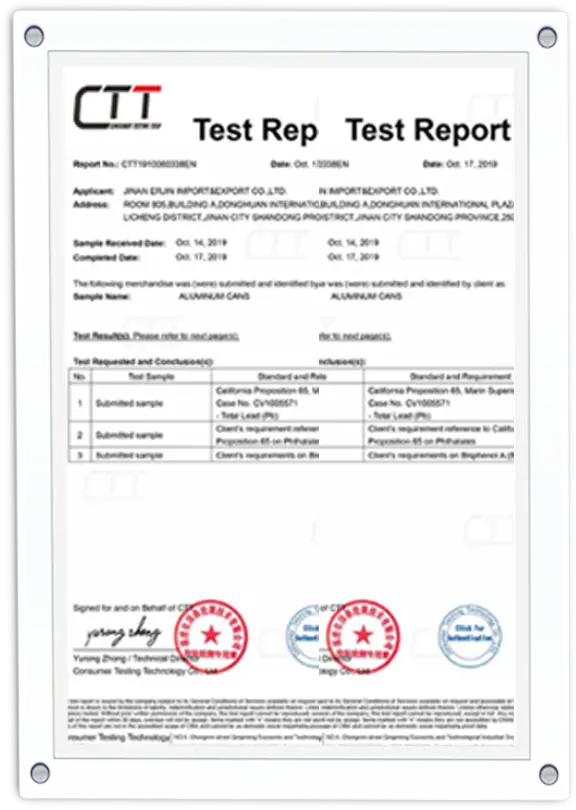
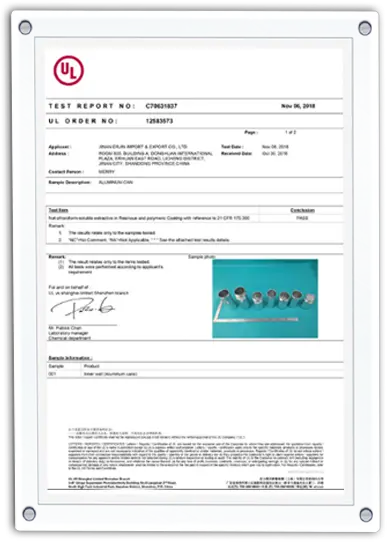
We hold HACCP, ISO9001, ISO22000, BRC, HALAL, KOSHER, IP-NON GMO, and SGS certifications. Other customized analysis certificates can be obtained on request.
What distinguishes the "Dispersing Type" soy protein isolate from the "Emulsion Type"?
The dispersing type (e.g., our 9030/9032) is formulated for low viscosity and high dispersibility in liquid media, making it ideal for beverages and instant powders. The emulsion type (e.g., 9001BW/9500) has high water/fat binding capacities, which is optimal for creating structured meat analogs and sausages.
How do you guarantee that the soybeans processed are Non-GMO?
We manage our own dedicated, identity-preserved (IP) Non-GMO planting bases. Samples from every raw crop batch undergo strict PCR testing before entering the storage silos at Shandong Kawah Oils.
What is the advantage of using the Dachuanyuan spray drying tower?
The Dachuanyuan spray drying tower is the largest single-line system in China. It provides fine control over drying temperatures and particle agglomeration, allowing us to consistently produce powders that disperse quickly and clump less.
Do you offer custom protein modifications for specific food applications?
Yes. Through our specialized R&D team, we can adjust parameters such as the Nitrogen Solubility Index (NSI), viscosity ranges, and gel strength to match the exact requirements of your formulations.
What is the shelf life and storage recommendation for dispersing type SPI?
Our dispersing type SPI has a standard shelf life of 12 to 18 months, provided it is kept in cool, dry conditions (under 25°C and below 60% relative humidity) away from strong odors and direct sunlight.
Can you combine wheat gluten and soy protein isolate in a single shipment?
Yes, our integrated business model allows us to combine soy proteins, wheat gluten (powder/pellets), and soy dietary fibers (SDF) in the same shipping containers, helping you optimize logistics costs.