High-purity isolated soy proteins, functional concentrates, and plant fibers engineered to enhance nutritional density, water-binding capacity, and emulsion stability.
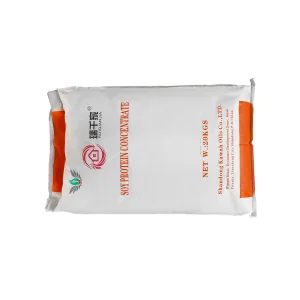
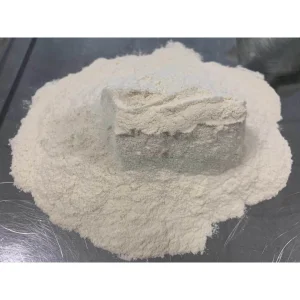
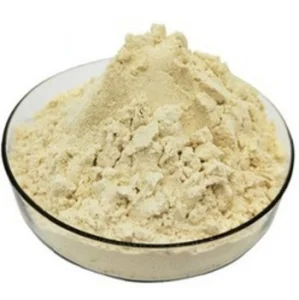
Underpinned by the strength of Xinrui Group, we drive regional agricultural modernization and global clean-label food supplies through advanced circular economy infrastructure.
The global shift toward plant-based nutrition has ceased to be a micro-trend; it has evolved into a structural macro-economic shift. As food brands navigate volatile ingredient markets, regulatory shifts, and consumer demands for transparent labeling, isolated plant proteins have taken center stage. Among these, Soy Protein Isolate (SPI) remains the gold standard of functional vegetal proteins, boasting an excellent PDCAAS (Protein Digestibility-Corrected Amino Acid Score) of 1.0.
However, the industry faces severe pressure regarding raw material purity, contamination by genetically modified organisms (GMOs), and functionality limitations in thermal processing. As a pioneering manufacturer, Shandong Kawah Oils Co., Ltd (a subsidiary of Xinrui Group) addresses these supply-chain vulnerabilities at the source by utilizing 100% domestic Non-GMO soybeans coupled with fully closed-loop processing chains.
"Functional requirements differ radically between dairy-free beverages, chopped meat products, and structural meat analogs. Raw materials must be modified at the physical and molecular levels to deliver reliable performance in water absorption, gel viscosity, and lipophilic binding."
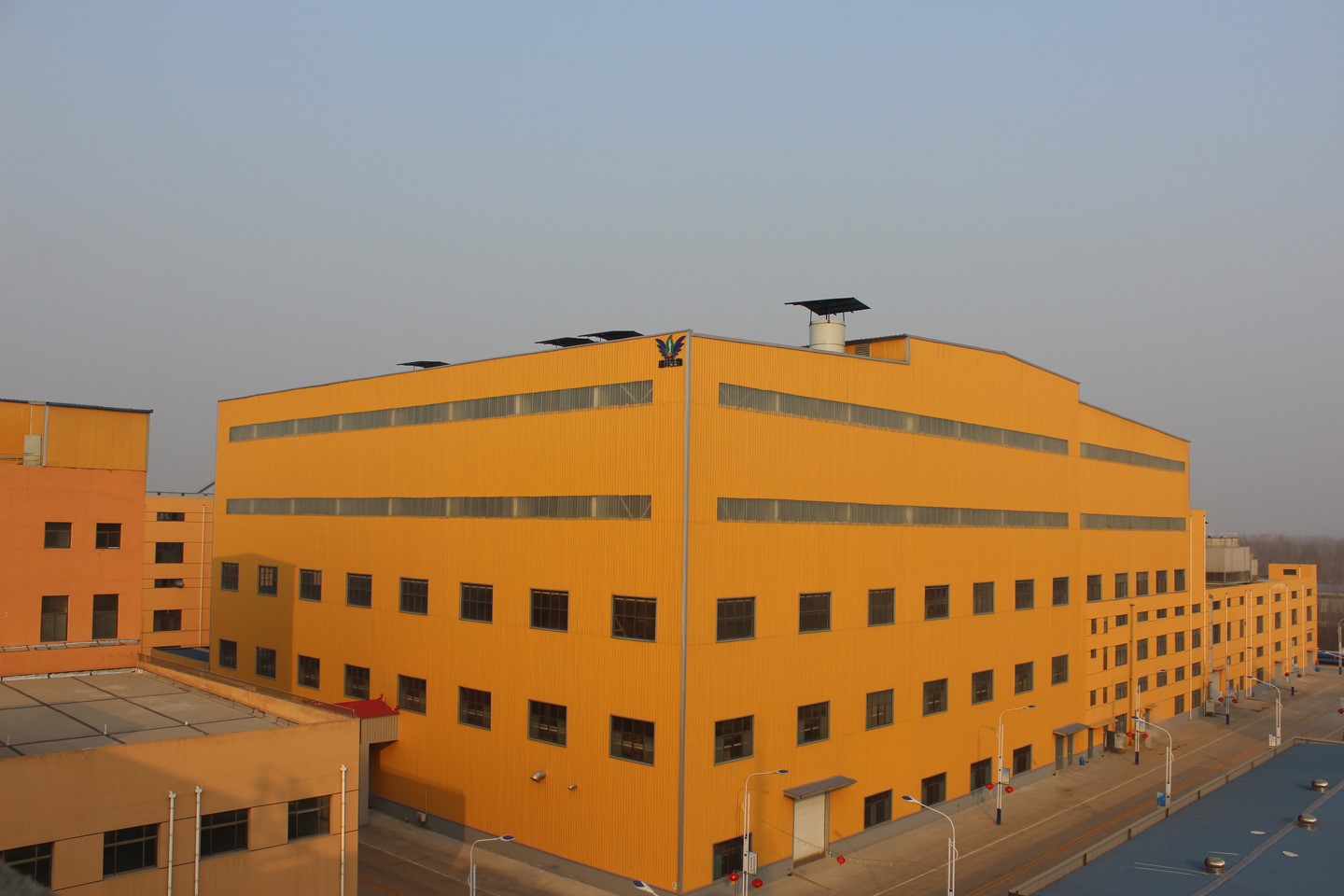
How we leverage state-of-the-art separation and drying technologies to ensure batch-to-batch consistency and high functional performance.
Utilizing the largest single-line Dachuanyuan spray drying tower in China, we preserve the natural protein structure while regulating particle size distribution, resulting in instant solubility and low dust formulation.
Our raw material supply chain operates under a strict Identity Preservation (IP) system. Every batch of soybean can be traced back to dedicated domestic fields, ensuring compliance with strict European and American import laws.
From wheat milling to alcohol extraction, starch refinement, and soy protein isolation, our integrated circular economy maximizes raw material utilization, reducing environmental footprint and lowering cost bases.
Different industrial foods demand unique behavior from proteins. Using the right type of Soy Protein Isolate (SPI) prevents phase separation, structural collapse, and unwanted flavor profiles. Below is our technological categorization for isolated soy protein utilization:
| Product Type / Code | Functional Key Performance Indicators (KPIs) | Primary Target Application Fields | Key Industrial Advantages Offered |
|---|---|---|---|
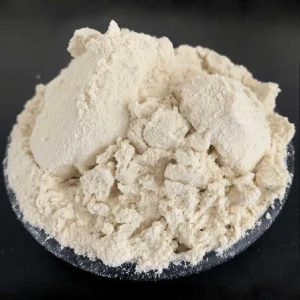
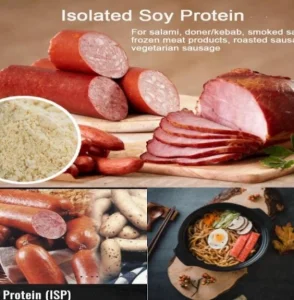
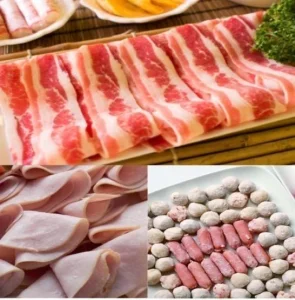
| Meat & Emulsion Type (9500 / 9007B-A / 9007B-C) | High gel strength, superior heat stability, oil-water emulsification stability. | Sausages, hams, meatballs, canned luncheon meats, vegetarian burgers. | Prevents fat and moisture loss during thermal processing, maintaining firm bite texture. |
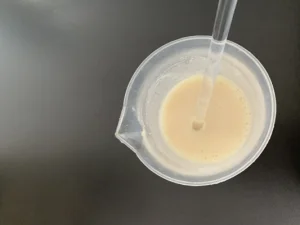
| Injection Type (9020 / 9026 / 9028) | Ultra-low viscosity under high shear, rapid dissolution, zero particulate blockage. | Whole-muscle brining, injected bacon, poultry breasts, premium hams. | Ensures uniform distribution of protein matrix throughout muscle fibers without clogging needles. |
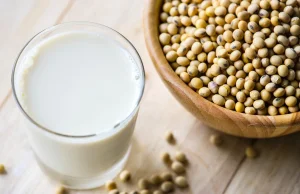
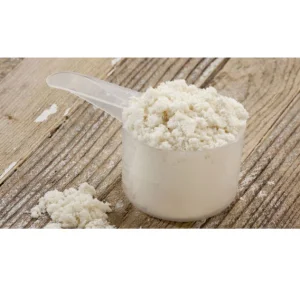
| Beverage & Dispersion Type (9030 / 9032) | High solubility index, low viscosity in liquid phases, low-beany notes flavor profile. | Protein powders, nutritional RTD beverages, dairy-free milk alternatives, infant formula. | Delivers smooth mouthfeel, eliminates chalkiness, and ensures stability under UHT processing. |
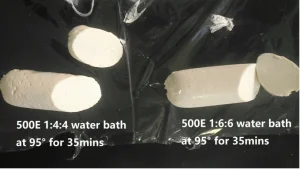
| Vegetarian & Tofu Type (9003BA / 9005B) | Elastic gelation, cold water dispersible, high water binding index. | Traditional tofu, vegetarian seafood analogs, high-moisture extrusion foods. | Mimics animal muscle tensile strength, providing structure and clean labeling. |
Our Isolated Soy Proteins undergo precise enzymatic or physical modification to adjust the ratio of 7S (conglycinin) and 11S (glycinin) globulins. The 11S fraction contains abundant disulfide bonds that form strong, heat-irreversible gels, which are crucial for the structure of cooked meat alternatives. In contrast, the 7S fraction is primarily responsible for surface activity and emulsifying properties, which are optimized in our beverage-grade dispersion proteins (9030/9032) to prevent fat separation in liquid foods.

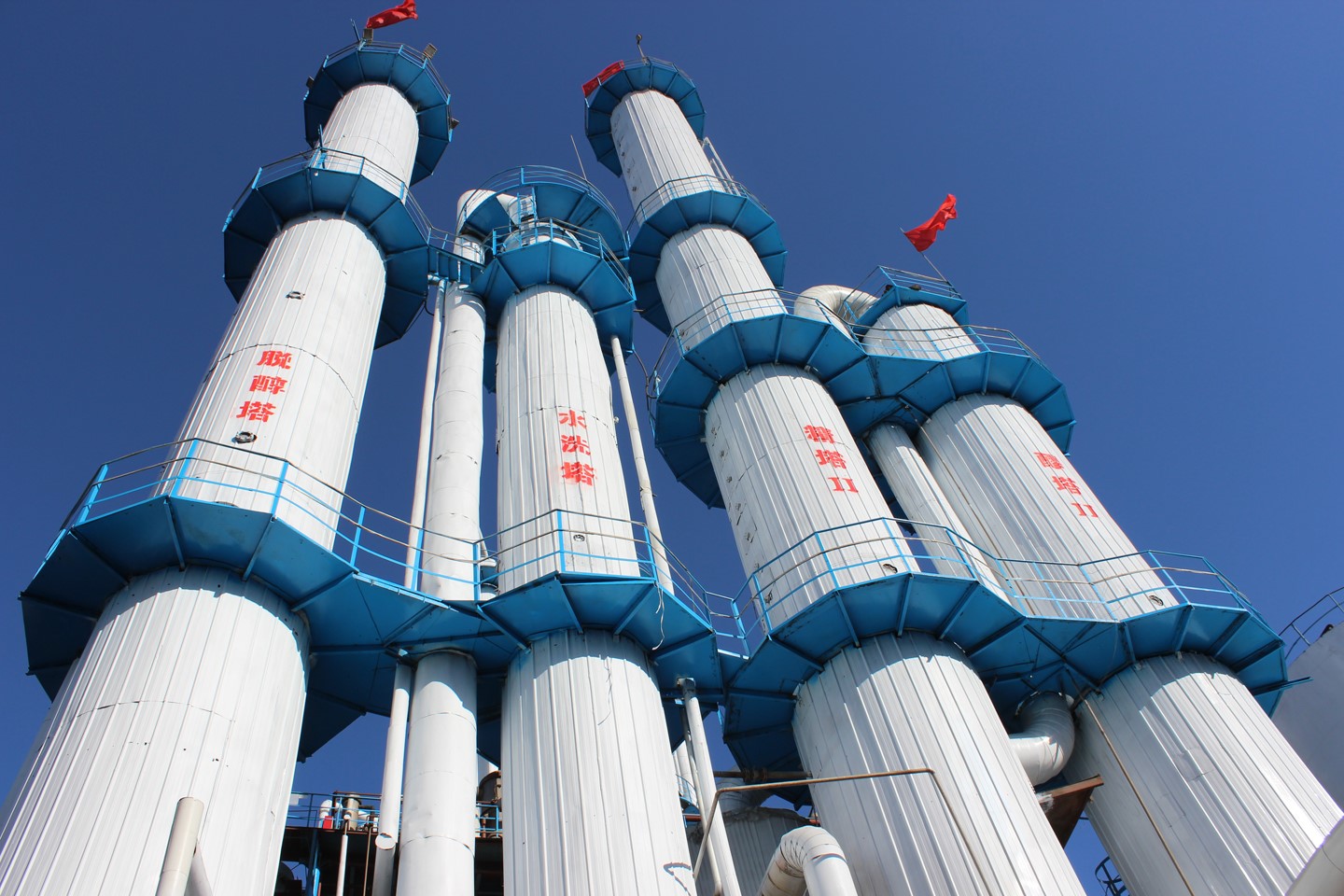
Established in May 2003, Xinrui Group occupies a site exceeding 1,000 mu. Driven by diversified agricultural industrialization, the group has developed a vertically integrated manufacturing ecosystem that spans grain cultivation, thermal cogeneration, gas supply, urban heating, wheat refining, and soybean extraction.
Under this corporate umbrella, the industrial layout consists of three primary business units:
The global food industry faces shifting regulations on ultra-processed foods (UPFs). Clean label claims dictate that plant proteins should be processed with minimal chemical intervention. In response, our technology department is pursuing research in two key areas:
Moving away from traditional acid-base extraction toward controlled enzymic cleavage, preserving bio-active peptides and improving gut digestibility scores.
Developing soy protein bases optimized for advanced texturization, mimicking the fibrous structure of chicken, beef, and pork without artificial binders.
Converting Wheat Starch B and pentosans directly into industrial ethanol and bio-fuels, reducing the carbon footprint of our plant protein isolates.
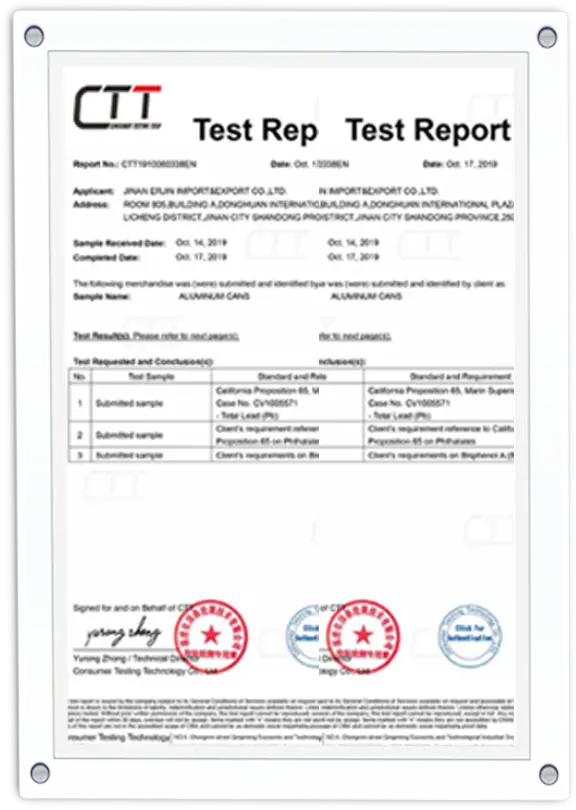
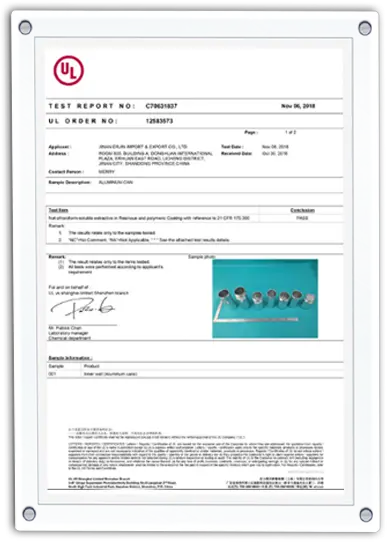
Our commitment to food safety and global standards is demonstrated through international certifications. We maintain strict compliance for imports across Europe, North America, the Middle East, and Asia.
Watch our manufacturing operations, automated packaging zones, and advanced laboratories in action.
Technical and logistics answers from our plant protein R&D and global supply chain specialists.
Explore our full line of functional plant proteins, wheat starches, and vital glutens for commercial formulations.
 Xinrui Group