Engineered for extreme performance, high water binding capacity, and superior emulsification.
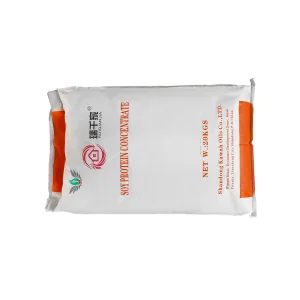
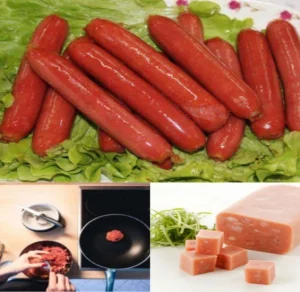
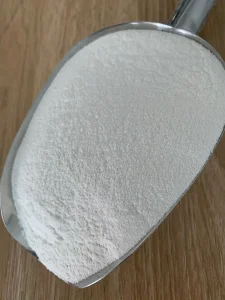
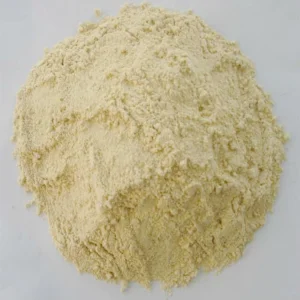
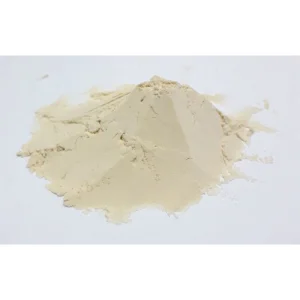
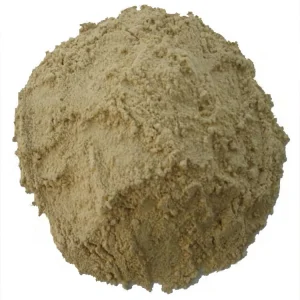
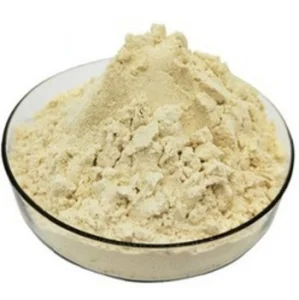
The global demand for high-concentration vegetable macromolecular solutions has expanded past the parameters of simple dietary supplements. Within modern plant-based industrial architecture, Powder Organic Soy Isolate Protein has transitioned into a highly functional hydrocolloid substitute, acting as a crucial texture modifier, gelling agent, and nutrient fortifier across diverse sectors.
In response to escalating clean-label mandates and consumer awareness regarding food processing inputs, procurement directors globally are shifting away from animal-derived additives. The drivers behind this transition include:
Decarbonizing production chains is a primary goal. Soy crops yield significantly lower carbon outputs and require less agricultural area per kilogram of bioavailable protein compared to meat equivalents.
Modern isolations achieve a 90% dry basis purity threshold, allowing for targeted gelation, water-retention, and dispersion characteristics in complex physical-chemical food systems.
B2B markets mandate Non-GMO Identity Preservation (IP), Halal, Kosher, and BRC/GFSI certifications to manage food safety risks across international borders.
For manufacturers like Shandong Kawah Oils Co., Ltd. (subsidiary of Xinrui Group), satisfying this demand has required a transformation of raw agricultural sourcing. By implementing direct Non-GMO soybean planting bases and scaling output capacities to process 180,000 tons of soybeans annually, Kawah Oils provides an integrated chain of custody from farm level to industrial bulk delivery.
Not all soy protein isolates are manufactured for the same functional application. For food scientists and industrial manufacturers, the choice of isolate depends on the protein's physical and chemical properties. The process is governed by controlled enzymatic modification, pH shifts, and thermal pasteurization. The resulting variations determine the performance in application fields:
| Product Type & Code | Primary Functional Mechanism | Emulsification & Viscosity Index | Industrial Application Scenarios |
|---|---|---|---|
| 9001BH / 9006B / 9001BW (Meat & Emulsion Type) | Gelation via heat-induced cross-linking of 7S and 11S globulin molecules. | High Emulsification, Moderate-to-High Viscosity. | Frankfurters, emulsified sausages, surimi, canned meat processing. |
| 9020 / 9026 / 9028 (Injection Grade) | Ultra-low viscosity under high shear, allowing deep muscle penetrations. | Rapid dispersion, stable liquid phase suspension. | Whole muscle hams, poultry injection, pickling brines. |
| 9005B / 9003B (Vegetarian & Tofu Type) | Coagulation capability under mechanical shear or ionic setting agents. | Controlled swelling, structured fiber matrix formation. | Traditional tofu, meat-free analogues, textured protein bases. |
| 9030 / 9032 (Dispersion & Beverage Type) | High Nitrogen Solubility Index (NSI >85%) across standard temperature ranges. | Minimal viscosity, high colloidal suspension stability. | Liquid dairy alternatives, instant sports powders, nutritional meal replacements. |
This product matrix is produced by Shandong Kawah Oils Co., Ltd. at its specialized facility. It features a spray drying tower manufactured by DACHUANYUAN, which supports the largest single production line in China. This configuration enables precise control over particle sizing, hydration kinetics, and dispersion properties, minimizing batch-to-batch variation for large-scale food processors.
Modern global logistics are susceptible to supply chain disruptions, geopolitical shifts, and fluctuating input costs. In response, Xinrui Group has developed a circular economy business model to mitigate these risks. Founded in 2003 and occupying a footprint exceeding 1,000 mu, the group integrates utility generation, raw agricultural processing, and specialized export mechanisms.
Xinrui Group's circular system integrates energy production, industrial utilities, and agricultural processing. The group operates municipal cogeneration and urban heating facilities alongside gas distribution systems. These utilities supply steady power and steam to the wheat processing plant (500,000 tons/year) and the soybean crushing mill (180,000 tons/year).
Agricultural processing byproducts are utilized throughout the system: starch byproducts and pentosans are converted into ethanol and animal feed, while the group's logistics branch manages shipping. By generating its own power, sourcing local non-GMO raw materials, and processing industrial byproducts, the facility maintains stable production costs and supply continuity regardless of external market volatility.

For wheat gluten processing, Guanxian Xinrui Industrial Co., Ltd. (formerly Guanxian Ruixiang Biotechnology Development Co., Ltd) utilizes imported tri-canter separation equipment. Operating in a closed system, this technology isolates wheat gluten, Starch A, and Starch B. This process minimizes water consumption and biological waste while optimizing yields.
For soy protein isolation, Kawah Oils employs an advanced multi-stage extraction process. Soluble carbohydrates are separated from low-temperature food-grade defatted soybean meal, leaving high-purity proteins. These proteins are spray-dried in the DACHUANYUAN spray tower to create a dispersible powder with high nutritional value and functional integrity.
B2B ingredient procurement involves managing supply risks, quality fluctuations, and compliance challenges. Corporate buyers require suppliers with verified quality management systems. Xinrui Group addresses these requirements through its specialized trade division, Guanxian Ruichang Trading Co., Ltd., established in 2011 with a registered capital of 6 million Yuan.
Ruichang Trading exports over 60-70% of the group’s total manufacturing output directly to international buyers. This structure integrates production and trade, providing buyers with direct access to factory-level pricing, technical support, and documentation.
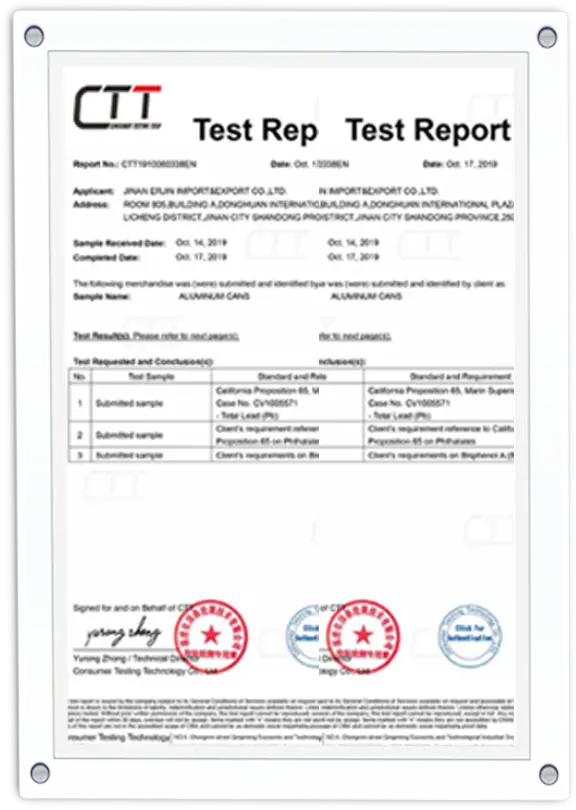
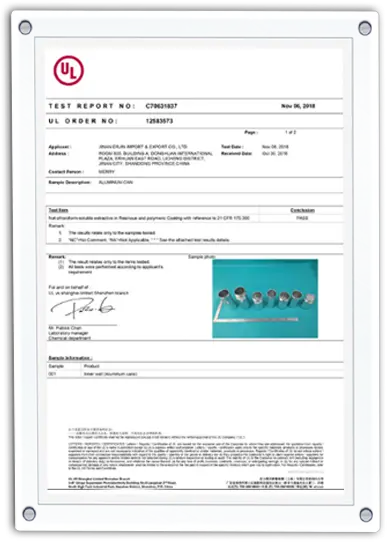
Our facilities maintain international certifications to ensure compliance with global food safety standards:
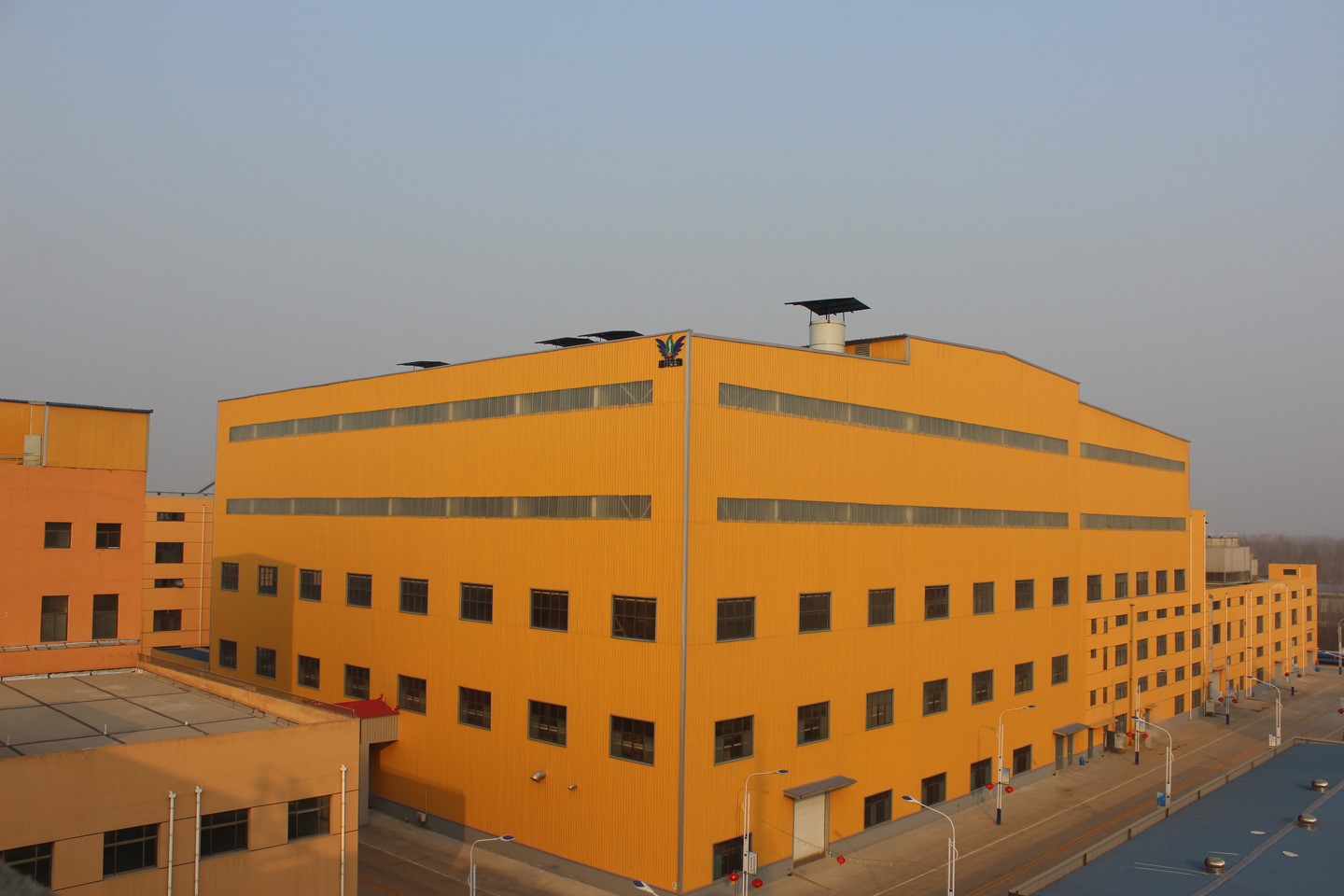
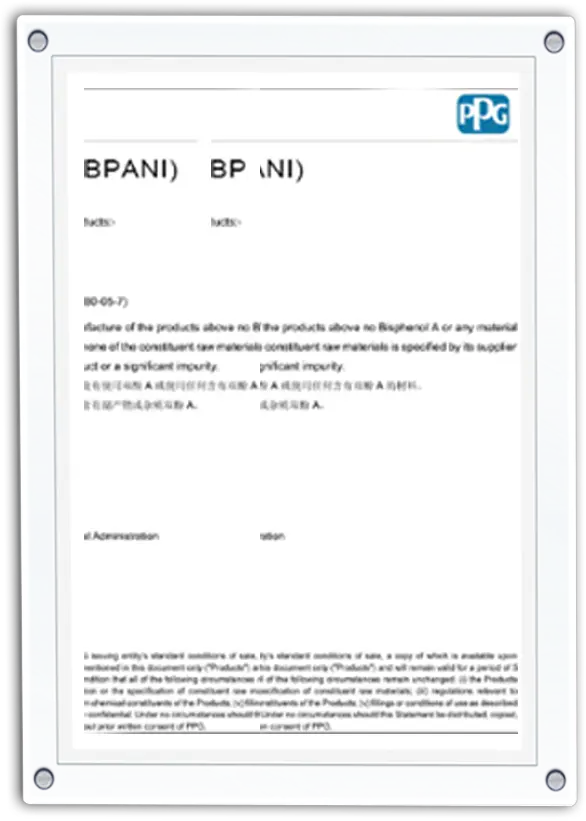
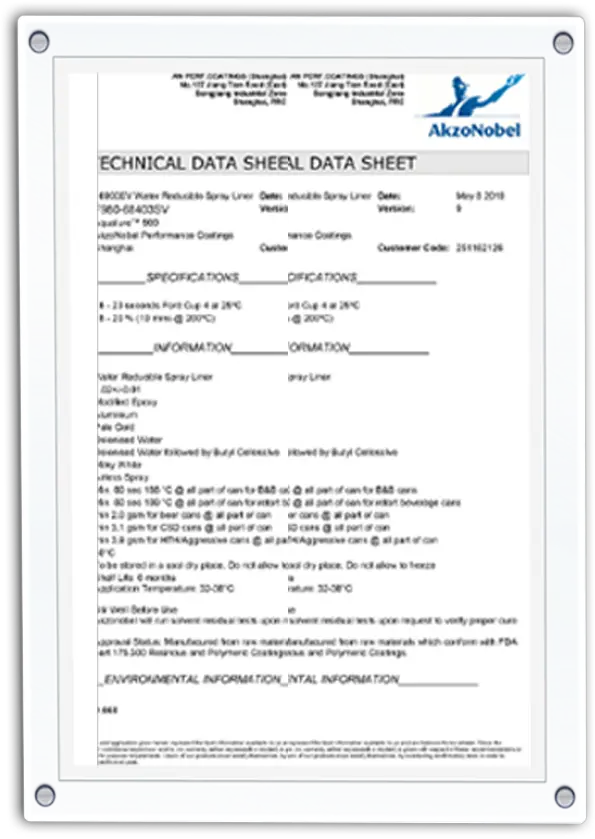
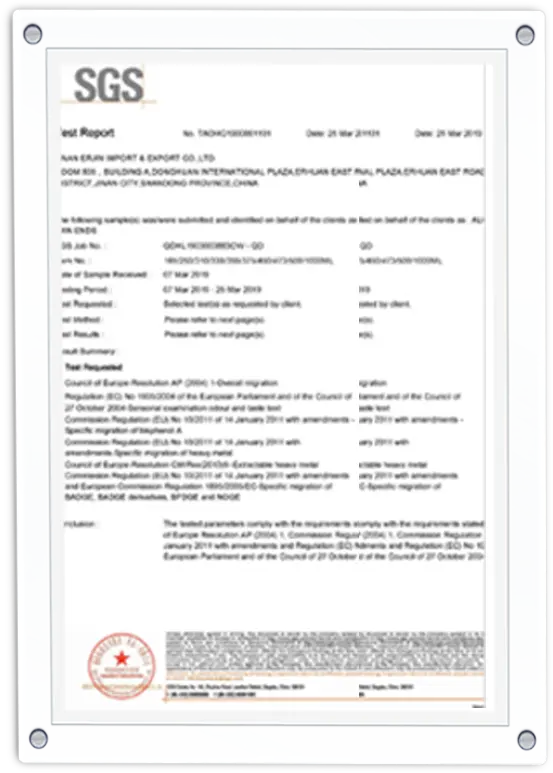
Explore our production lines, processing facilities, and storage hubs through these video presentations.
We address key technical and logistical questions for global buyers evaluating our ingredients.
Select industrial raw materials for food, animal feed, and technical manufacturing processes.
 Xinrui Group