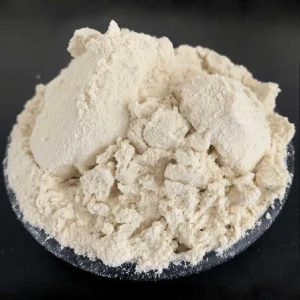
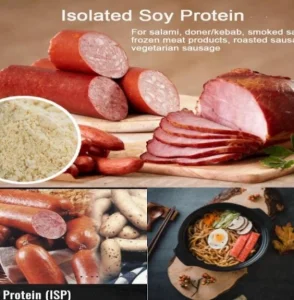
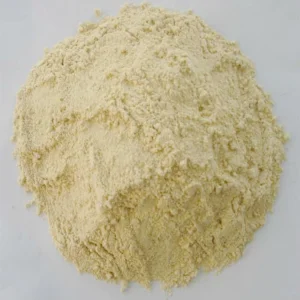
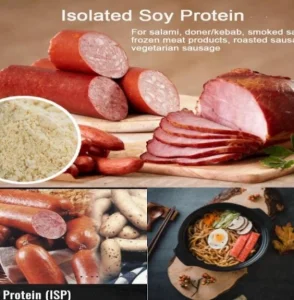
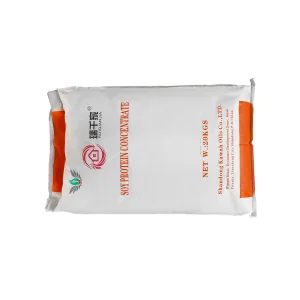
Explore our core selection of high-yield isolated soy proteins and vital wheat gluten formulas.
Analyzing the paradigm shift in the plant-based protein sector and wheat gluten manufacturing dynamics.
The global demand for plant-based proteins, specifically Organic Wheat Gluten (Vital Wheat Gluten or VWG), has transitioned from a niche dietary market to a cornerstone of modern industrial food formulation. Driving this acceleration is the consumer push toward clean-label alternatives, non-GMO sourcing, and the rapid expansion of functional plant proteins in baking, processed meat alternatives, pet nutrition, and aquafeeds.
Vital wheat gluten is recognized for its unique viscoelastic properties, derived from its protein composition comprising gliadin and glutenin. When hydrated, it forms a cohesive, elastic matrix capable of gas retention, structural binding, and moisture retention. As global supply chains face volatile agricultural yields and shifting environmental standards, food manufacturers require reliable, large-scale processing partners capable of ensuring consistent quality and volume.
Xinrui Group, through its subsidiary Guanxian Xinrui Industrial Co., Ltd. (formerly Guanxian Ruixiang Biotechnology Development Co., Ltd), established in 2007 with a registered capital of 100 million Yuan, has positioned itself as an industry leader. The facility processes 500,000 tons of wheat flour annually, transforming raw agricultural material into vital wheat gluten, wheat starch A, and wheat starch B. By leveraging economies of scale and state-of-the-art processing, Xinrui supplies global markets with premium binders and texturizers that meet international standards.
Furthermore, the group has successfully integrated the supply chain. Through Guanxian Ruichang Trading Co., Ltd. (founded in 2011), the group manages the direct export of isolated soy proteins, vital wheat gluten, and soluble dietary fiber to international clients, with export figures exceeding 60-70% of the factory's production capacity. This integration of production and trade eliminates intermediary friction and guarantees absolute quality control from harvest to delivery.
Xinrui operates a deep-processing circular economy model. During wheat fractionation, starch B and pentosan are systematically channeled into alcohol and animal feed production, minimizing agricultural waste and maximizing output efficiency. This sustainable approach reduces the overall carbon footprint of our organic wheat gluten extraction.
Why our tri-canter separation and closed-loop extraction set new quality benchmarks.
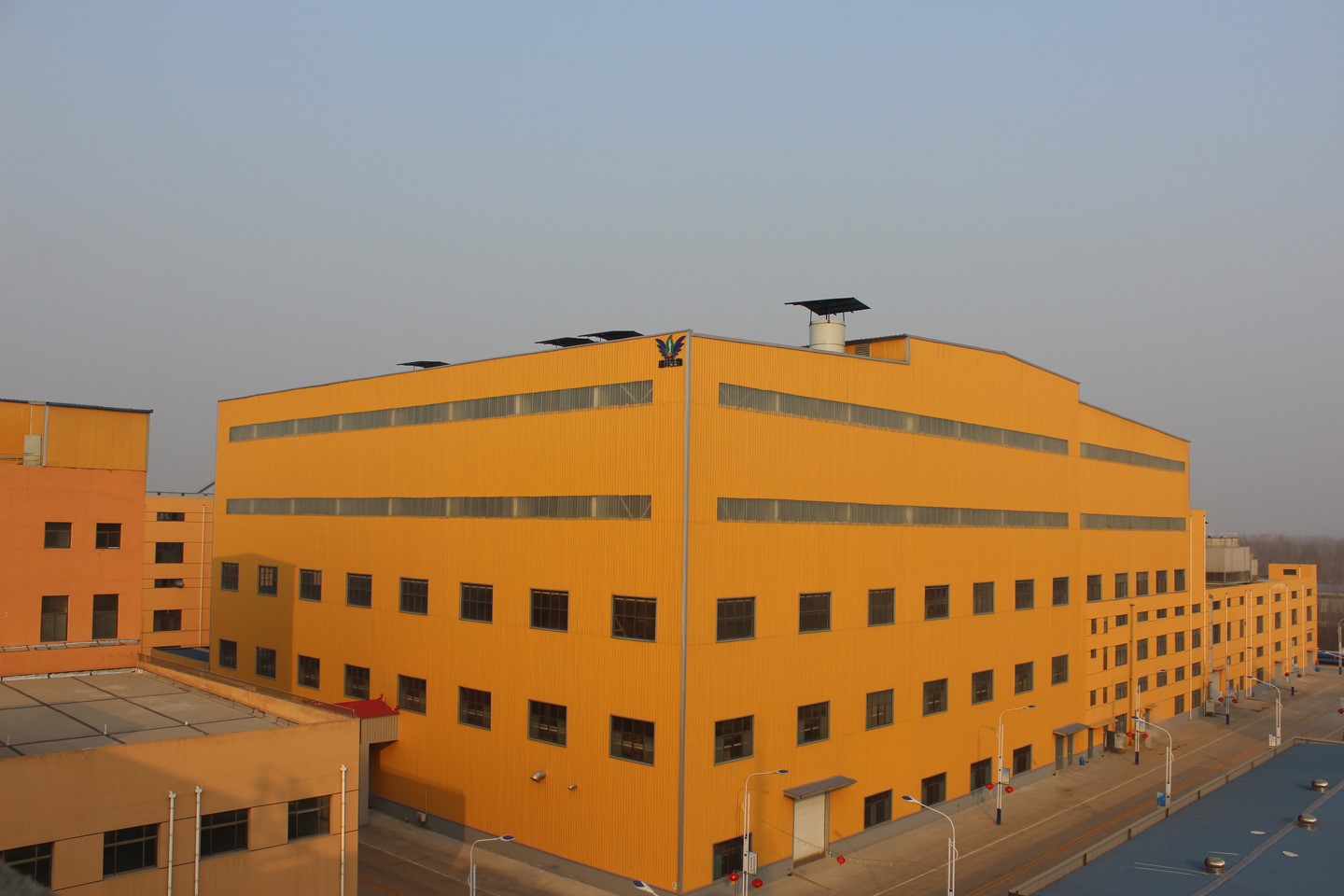
Traditional wheat gluten extraction methods often rely on excessive water usage and batch washing processes that can degrade the protein matrix and lower viscoelastic capacity. Xinrui Group has resolved these issues by importing the industry’s most advanced tri-canter separation technology for vital wheat gluten production.
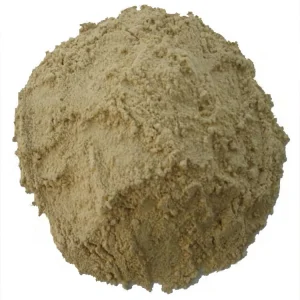
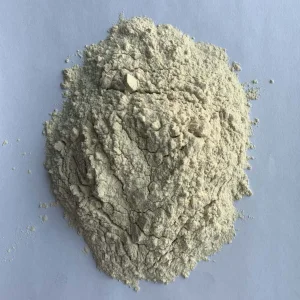
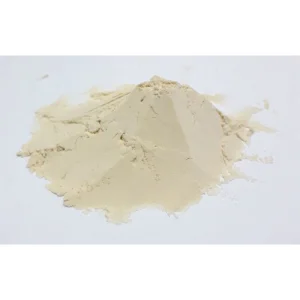
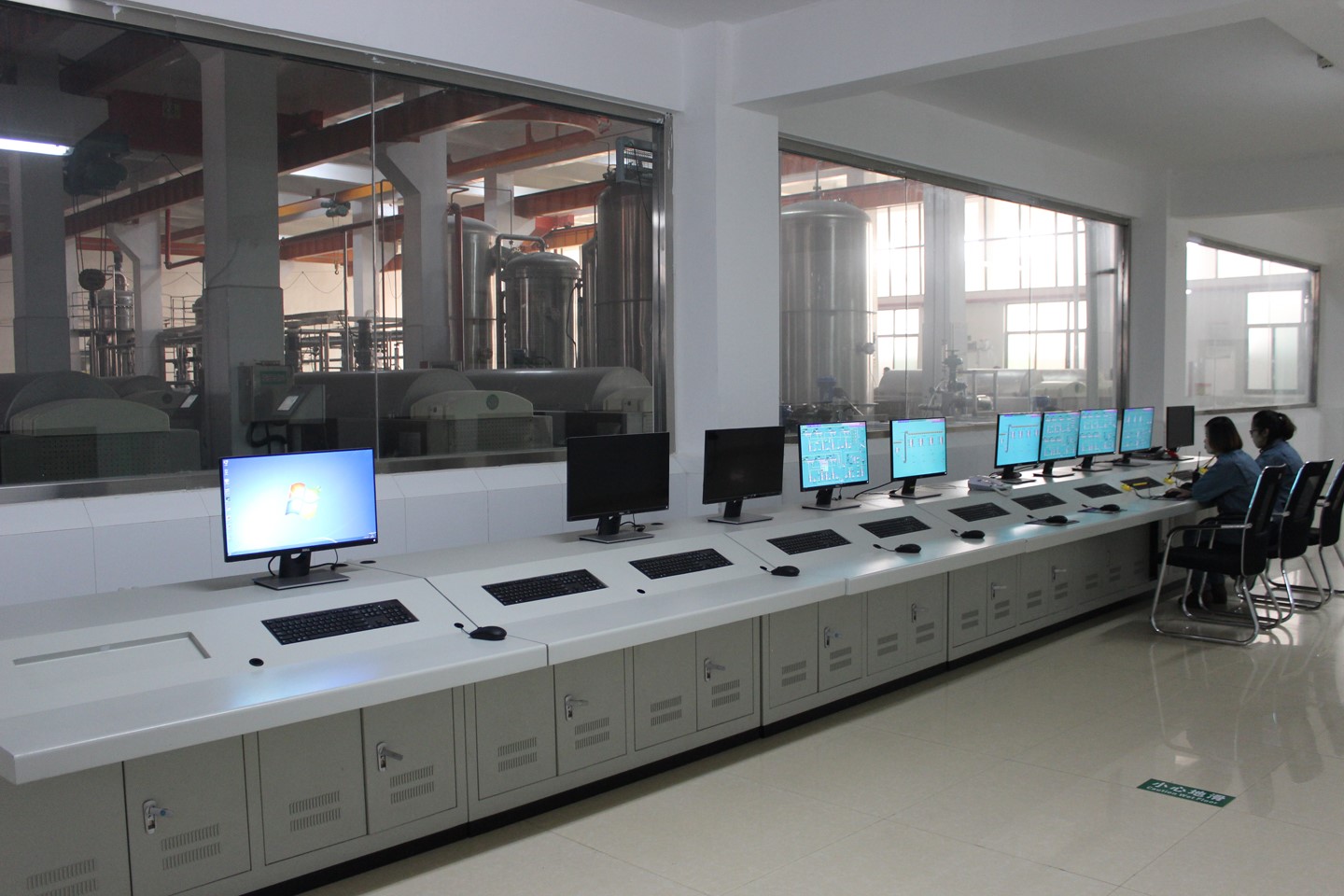
This automated, continuous centrifugal system operates as a fully closed and clean production line. It fractionates the wheat flour slurry into high-purity gluten protein, high-density A-starch, and a light phase containing B-starch and pentosans. By processing the material rapidly in a closed-loop system, we prevent microbial contamination and thermal denaturation. The resulting vital wheat gluten powder (VWG-P) retains its natural protein structure, ensuring maximum hydration capacity and elasticity when reintroduced to bakery or meat formulations.
Additionally, our soy protein division, Shandong Kawah Oils Co., Ltd. (established in 2014, processing 180,000 tons of non-GMO soybeans annually), utilizes advanced spray drying systems. The core spray drying tower, manufactured by DACHUANYUAN, is among the largest single production lines in China, ensuring consistent micro-particle size distribution and excellent dispersibility in both soy protein isolates and dietary fiber products.
Entirely closed production lines prevent external biological contamination, guaranteeing clean-label compliance for international food brands.
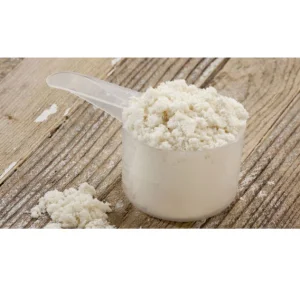
Our wheat gluten powders absorb up to 150-200% of their dry weight in water, optimizing recipe yields and improving crumb structures in bakery applications.
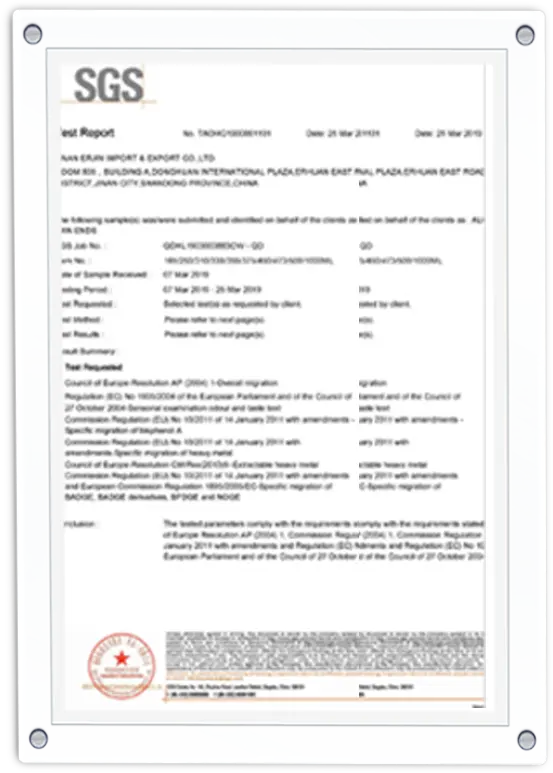
Fully certified with HACCP, ISO9001, ISO22000, BRC, HALAL, KOSHER, IP-NON GMO, and SGS to ensure compliance with strict regulatory frameworks.
From modern baking techniques to highly functional meat alternatives and high-nutrition feeds.
In regions processing low-protein wheat crops, adding vital wheat gluten is essential to strengthen dough structure. It boosts the gluten index of standard flours, enabling commercial bakeries to produce high-volume sandwich breads, artisanal crusty loaves, and specialty pastries. The addition of 1% to 3% vital wheat gluten increases gas retention, dough tolerance to mechanical mixing, and prolongs product shelf life by retaining crumb moisture.
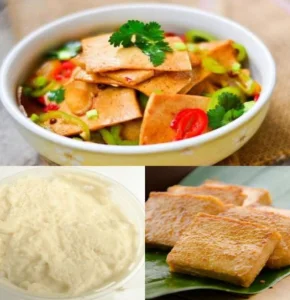
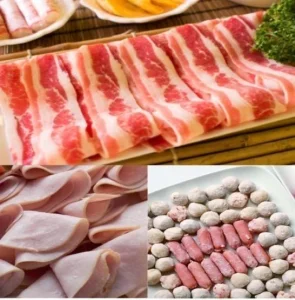
In vegetarian food manufacturing, organic wheat gluten acts as a primary structural binder. When subjected to thermal extrusion alongside isolated soy protein, it aligns into dense, fibrous structures that simulate the muscle fibers of chicken, beef, and pork. This texture-building capacity is critical for clean-label plant-based burgers, sausages, and vegetarian meats.
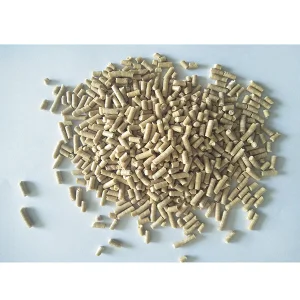
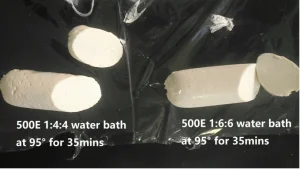
For high-value aquaculture species (such as shrimp, salmon, and turbot), pellets require binders that resist fast dissolution in water. Our wheat gluten pellets (VWG-PS) and powders act as highly digestible binder systems. They prevent nutrient leaching and water pollution, while supplying high-density protein (minimum 75-82% dry basis) with low ash content.
Modern pet food brands utilize wheat gluten to optimize nutritional profiles and structure dry kibbles or wet gravies. It provides clean, highly palatable protein without the allergen risks of animal by-product meals. It also serves as a stabilizing binder in premium cat treats and veterinary diet formulations.

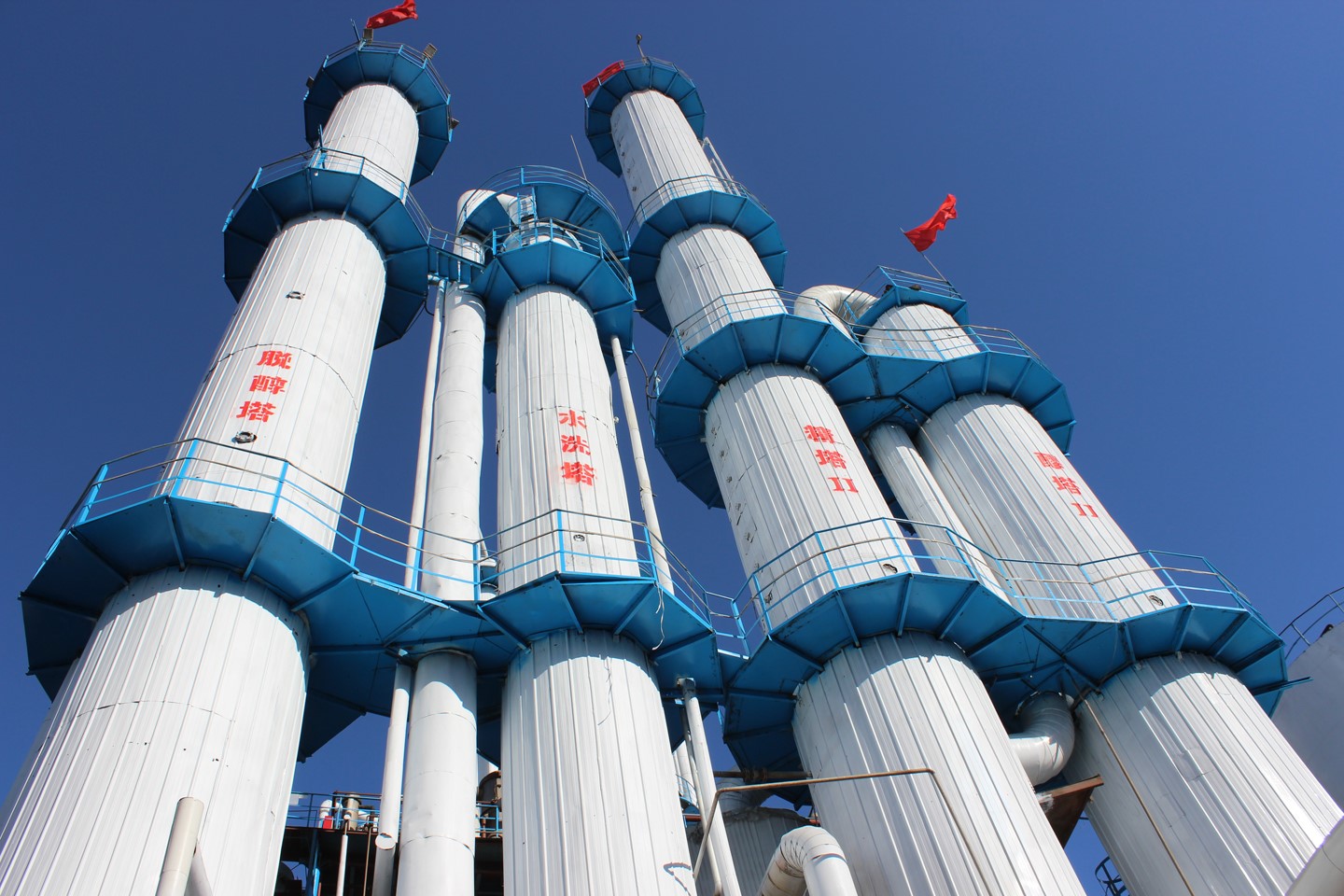
Driving innovations in plant protein purification and sustainable production methodologies.
As the international food industry moves toward stricter ESG (Environmental, Social, and Governance) targets, agricultural processing must evolve. The future of wheat processing lies in minimizing chemical modifiers and maximizing resource efficiency. Our development roadmap centers on the integration of clean extraction technologies that use zero chlorine and chemical clarifiers, resulting in an organic gluten powder that retains its native functionality.
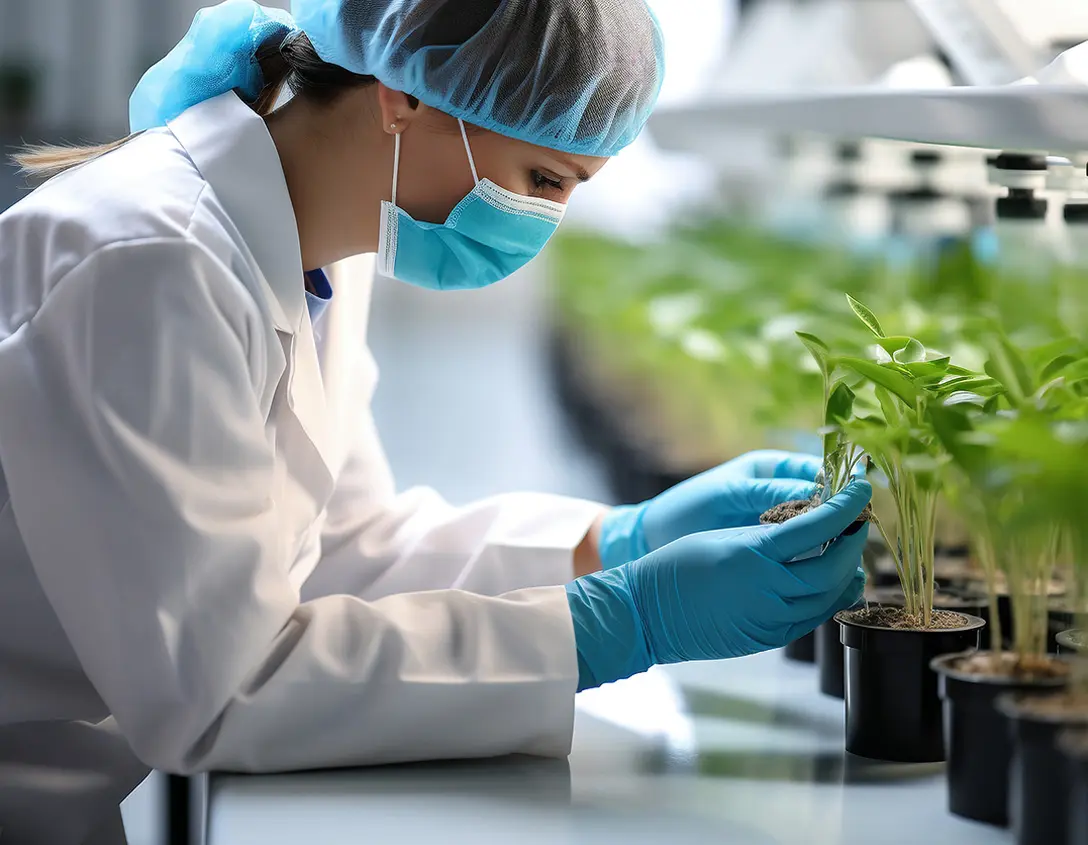
Furthermore, we are expanding our agricultural footprints. Xinrui Group owns and manages dedicated wheat and non-GMO soybean planting bases. These managed fields allow us to trace our products back to the farm of origin. This traceability satisfies the growing regulatory and consumer demands in North America and Western Europe, where transparency in raw material sourcing is increasingly critical.
Over the next five years, Xinrui Group plans to upgrade its processing machinery by introducing advanced AI-driven control systems for our tri-canter centrifuges. By real-time monitoring of moisture levels, flour protein contents, and slurry viscosities, we can automatically adjust extraction speeds and temperatures. This dynamic control reduces batch-to-batch variation, delivering a uniform product for automated industrial lines.
Additionally, we will expand our circular agricultural processes. The byproduct energy generated from our cogeneration and urban heating grids (which also supply local municipal systems) is redirected back to power our DACHUANYUAN spray drying towers and flash-drying wheat gluten tunnels, optimizing overall energy efficiency.
Watch our processing lines, packing facilities, and logistics systems in action.
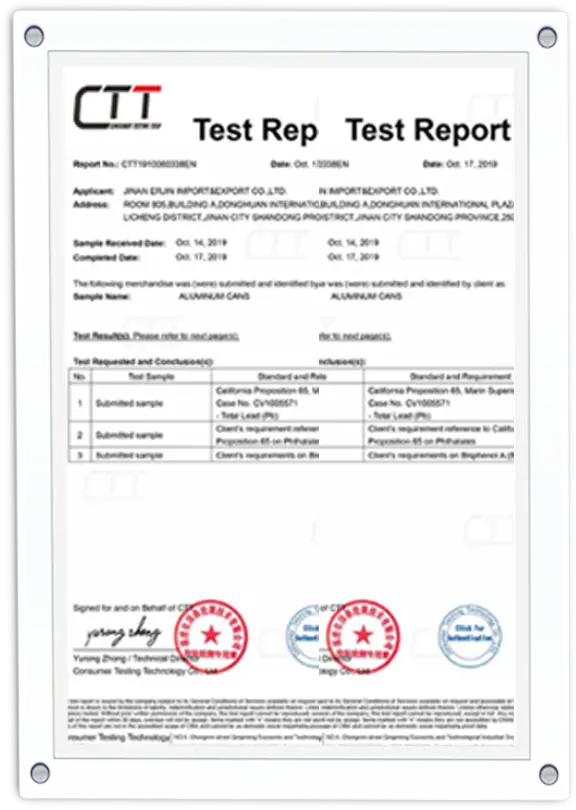
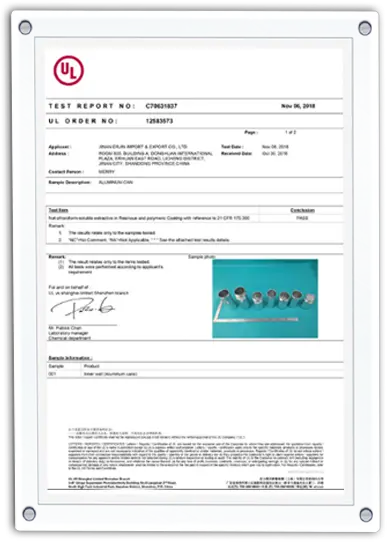
Global qualifications and export safety compliance sheets for worldwide distribution.
Essential details regarding our manufacturing capabilities, export logistics, and product specifications.
Explore our industrial wheat starches, dietary fibers, and functional plant protein variants.
 Xinrui Group