High-purity, functional raw materials engineered for superior gelation, dispersion, and emulsification in industrial applications.
Analysis of international plant-protein dynamics, raw material security, and the demand for functional ingredients.
The global soy protein landscape is undergoing a massive shift driven by clean-label demands, supply chain optimization, and the rising clean-energy integration within plant biochemistry. Large-scale processors and industrial buyers are transitioning away from simple bulk commodities toward functionally specialized protein structures. Non-GMO traceability (IP status) and high-gelation capacity are now basic requirements for the global market.
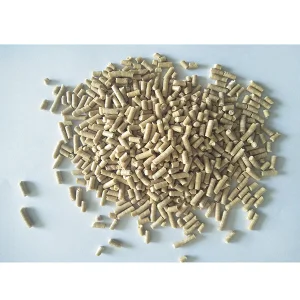
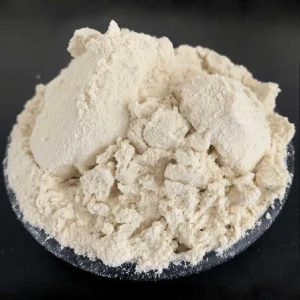
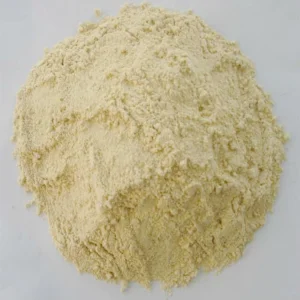
The commercial application of Isolated Soy Protein (ISP) is expanding beyond meat alternatives into dairy analogs, high-nutrition infant formulas, sport nutrition, and clinical diet formulas. As a major supplier operating comprehensive agricultural processing structures in Shandong, China, Xinrui Group delivers deep processing integration that supports the changing supply chain needs of multinational corporations.

Shandong province serves as a key agricultural and technical hub for the global soy protein isolate market. By using regional, high-protein Non-GMO soybeans as raw materials, our subsidiary Shandong Kawah Oils Co., Ltd avoids supply chain disruptions and volatile shipping costs. This integrated model processes plant resources from oil extraction to low-temperature meal manufacturing, then processes it into soy protein isolates and dietary fiber.
Our Chinese manufacturing facilities utilize advanced spray drying towers from DACHUANYUAN. This equipment features the largest single-line spray-drying capabilities in China, ensuring consistent particle size, low denaturing, and reliable dissolution indexes. Additionally, we integrate cogeneration systems for heat and gas supply to maintain consistent energy inputs, keeping our production costs highly competitive.
Matching chemical and physical properties to functional food manufacturing requirements.
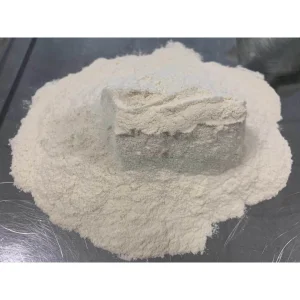
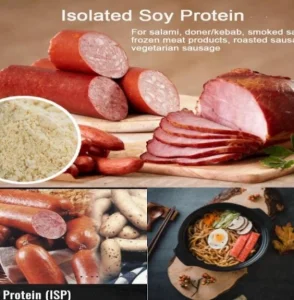
For sausage and frankfurter production, isolated soy proteins like our 9001BW and 9007B-C grades provide high water and fat retention. They form stable gel structures that improve sliceability and mouthfeel, even during high-temperature cooking.
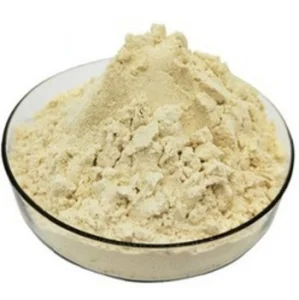
Injection-grade isolated soy protein (9020/9026/9028) features low viscosity under shear stress and rapid dissolution. This ensures even distribution throughout meat muscle tissue during injection without clogging needles, resulting in increased yields.
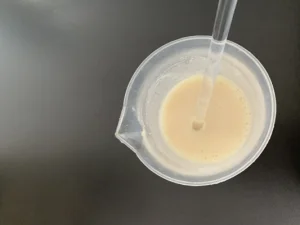
Dispersion-grade isolated soy protein (such as 9030/9032) is designed for neutral plant protein beverages, meal replacement shakes, and dry mixes. It offers low dust emission, rapid wetting, and stays suspended without settling.
Operating with resources efficiency is central to our manufacturing process. At Guanxian Xinrui Industrial Co., Ltd, we process 500,000 tons of wheat flour annually, extracting wheat gluten, wheat starch A, and wheat starch B. The residual starch B and pentosan are recycled into industrial alcohol (ethanol) and animal feed.
This closed-loop system is paired with the operations of Shandong Kawah Oils Co., Ltd, which processes 180,000 tons of soybeans. By recycling thermal energy and utilizing by-products, we reduce carbon emissions per ton of soy protein produced, helping global buyers meet their corporate ESG targets.
We use advanced tri-canter separation technology imported from European manufacturers for our wheat gluten line. The production system is enclosed to prevent contamination and ensure high purity.
An integrated business model spanning farming, refining, production, and global trade.
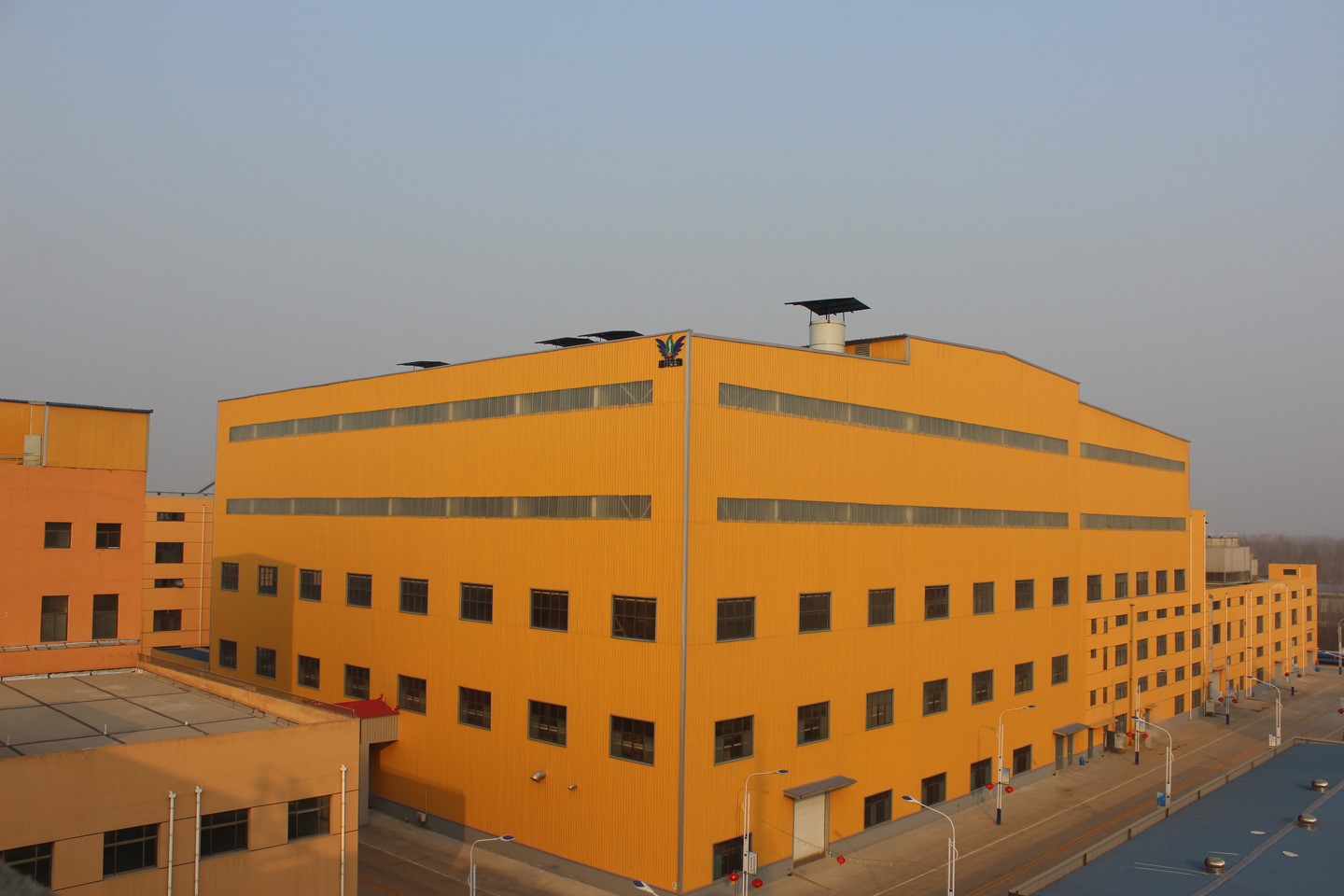
Established in May 2003, Xinrui Group spans over 1,000 mu. The group manages regional non-GMO farming bases to secure raw soybean supplies, and operates municipal cogeneration systems for heating and gas to ensure stable energy inputs for our factories.
To simplify purchasing for global clients, the group founded Guanxian Ruichang Trading Co., Ltd in 2011. Ruichang handles export logistics and compliance, shipping over 70% of the factory's output to buyers in Europe, the Americas, and Southeast Asia.
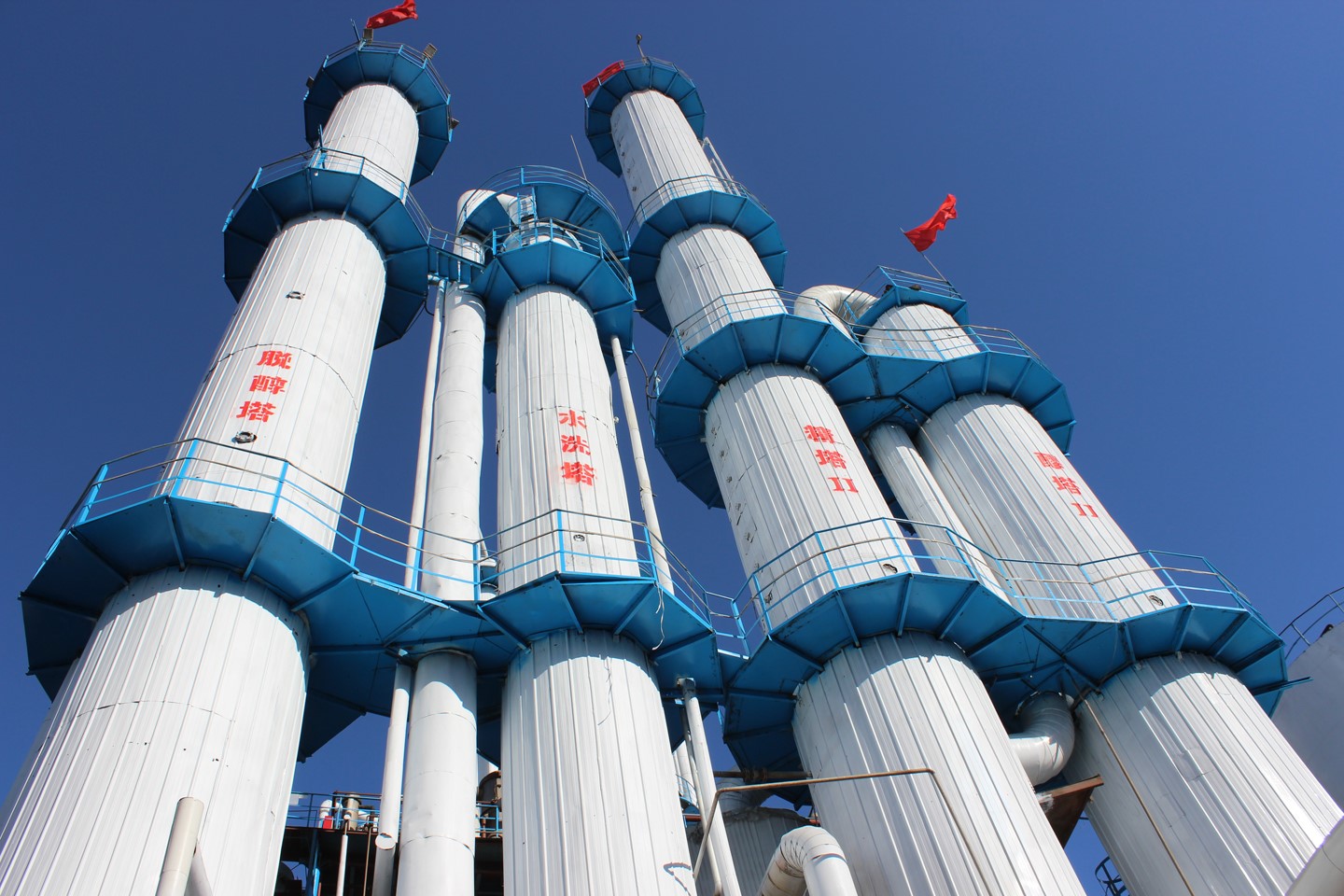
Watch our plant operations, extraction stages, and quality testing procedures.
Our products meet international food safety standards and dietary requirements.
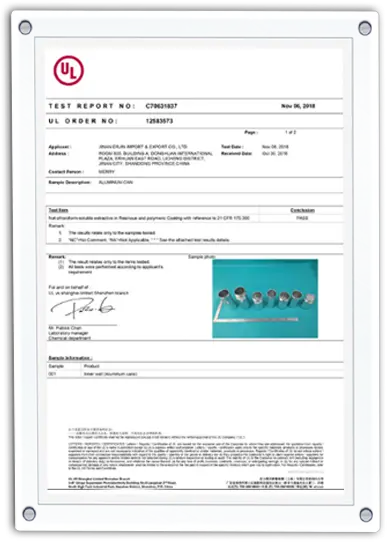
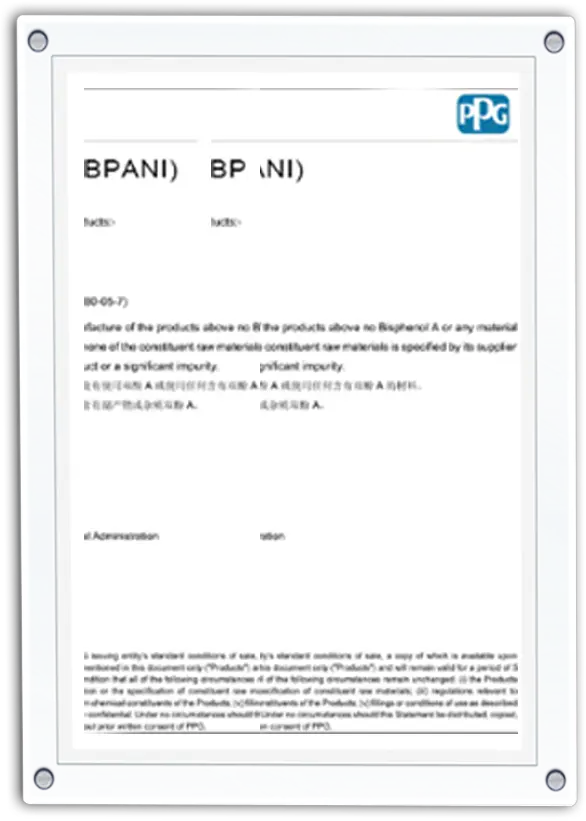
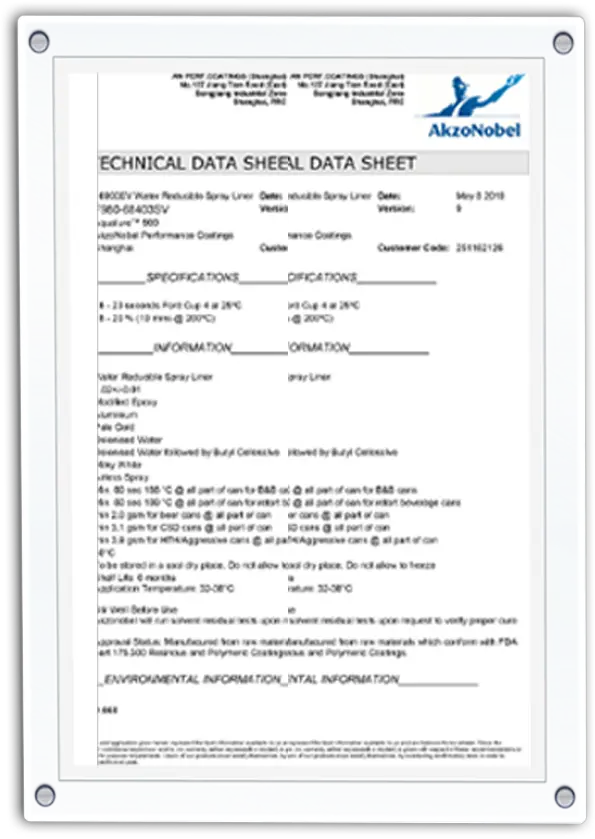
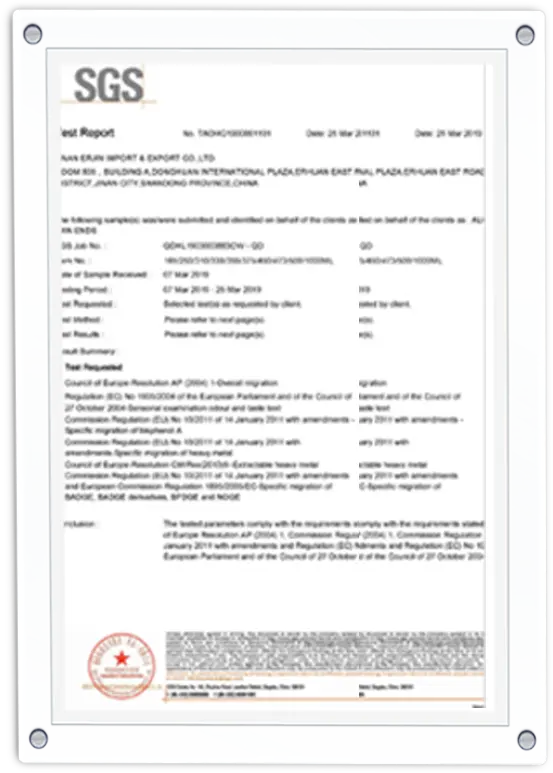
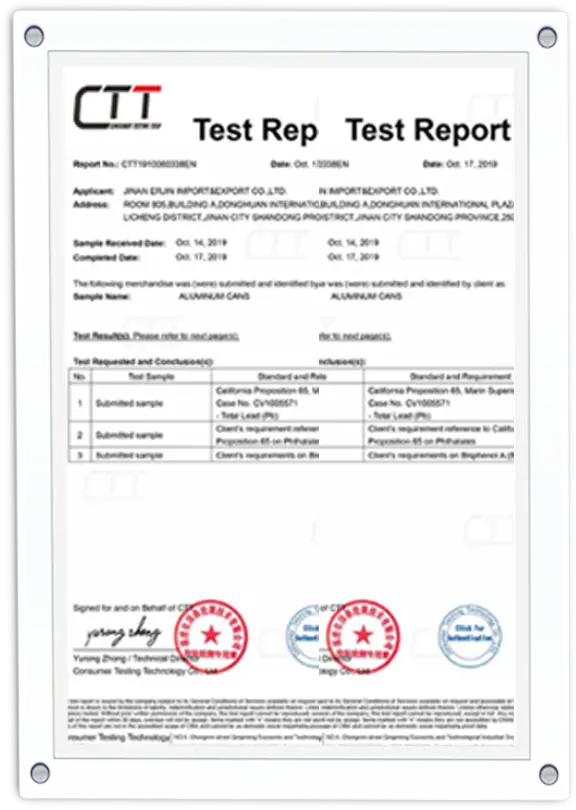
Our facilities are verified and audited under HACCP, ISO9001, ISO22000, BRC, HALAL, KOSHER, and IP-NON GMO standards.
Technical and logistics answers for global soy protein procurement managers.
Explore our full selection of soy dietary fiber, isolated proteins, and wheat derivatives.
 Xinrui Group