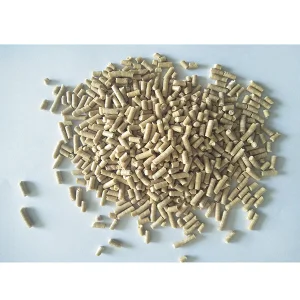
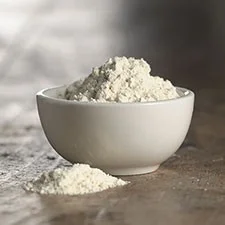
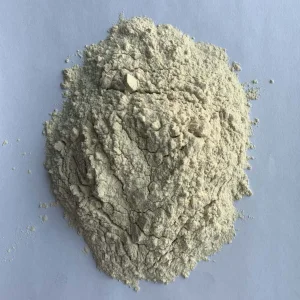
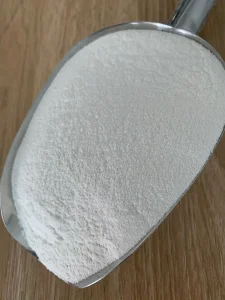
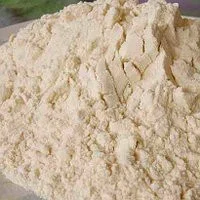
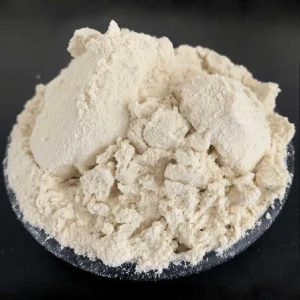
Explore our foundational range of Isolated Soy Proteins, Wheat Gluten Pellets, and functional stabilizers optimized for premium industrial food matrices.
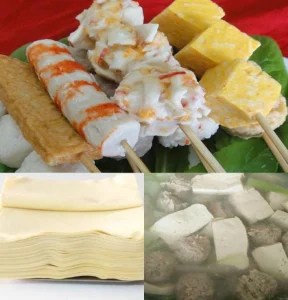
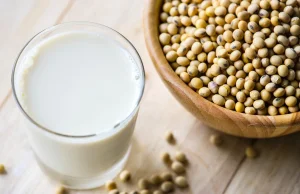
The global food sector is experiencing a paradigm shift driven by sustainability, clinical nutritional advancements, and shifting consumer demographics. At the center of this transition is Isolated Soy Protein (ISP), particularly in the reformulations of plant-based dairy alternatives, high-emulsion meat systems, and functional nutritional foods. As a premier *Wholesale ISP Dairy Products Manufacturer & Supplier*, Xinrui Group (comprising Guanxian Xinrui Industrial Co., Ltd. and Shandong Kawah Oils Co., Ltd.) leverages advanced processing technologies to supply high-purity protein fractions globally. This technical whitepaper explores the functional characteristics of our Non-GMO plant proteins, the manufacturing infrastructure of our Chinese plants, and their micro and macro applications in global food processing.
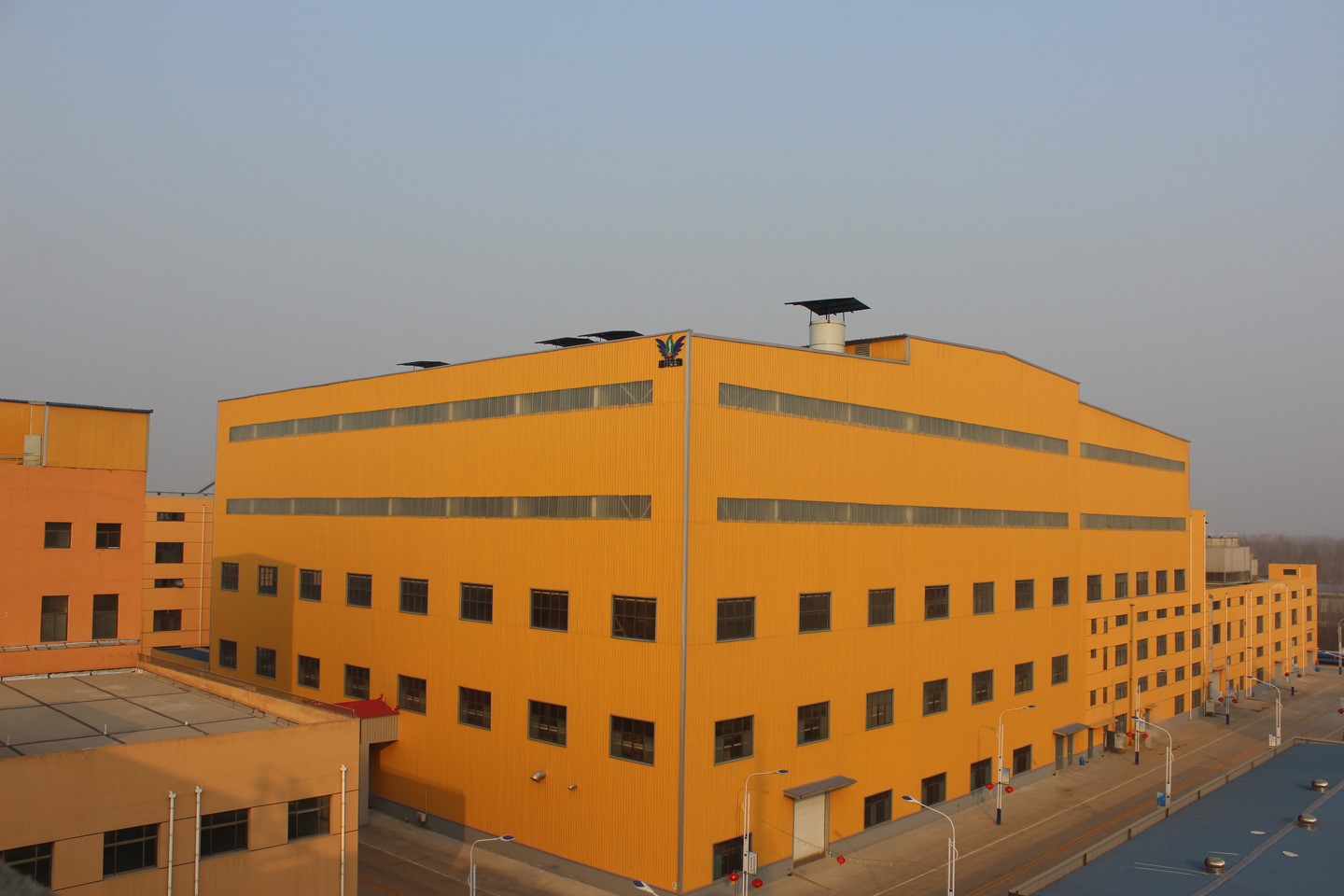
China's role in the global plant protein supply chain is defined by vast scale, technological sophistication, and integrated logistics. Our primary soy extraction facility, Shandong Kawah Oils Co., Ltd, is a leading agricultural industrialization enterprise, established with a registered capital of 120 million yuan. Utilizing strictly domestic Non-GMO soybeans as raw material, our state-of-the-art processing line implements step-by-step extraction to generate Non-GMO soy oil, low-temperature food-grade soy meal, Isolated Soy Protein, and soluble dietary fiber.
At the core of Kawah Oils' processing capabilities is the spray drying system designed by DACHUANYUAN. As the largest single production line in China, this setup ensures consistent drying temperatures, minimal thermal degradation of the protein, and optimal physical properties such as bulk density, particle size distribution, and reconstitution stability. This process preserves the protein's native structure, ensuring the functional properties—such as emulsification index, water-holding capacity, and nitrogen solubility index (NSI)—are maintained at peak parameters.
Simultaneously, Guanxian Xinrui Industrial Co., Ltd. (formerly Guanxian Ruixiang Biotechnology Development Co., Ltd.) processes 500,000 tons of wheat flour annually. Our facility applies tri-canter separation systems in our vital wheat gluten production line, which operates as a clean, closed, and fully automated process. The residue starch fractions are channeled into starch A and starch B production, with the secondary starch and pentosan converted into food-grade alcohol and high-value animal feed. This closed-loop circular economy minimizes waste, reduces energy consumption, and provides significant cost-efficiency advantages to our global wholesale partners.
The plant-based protein sector has transitioned from a niche market segment to a fundamental component of the global food system. The intersection of "clean label" formulations, low allergenicity demands, and sustainability mandates driving the dairy alternative sector has highlighted Isolated Soy Protein as a key functional ingredient.
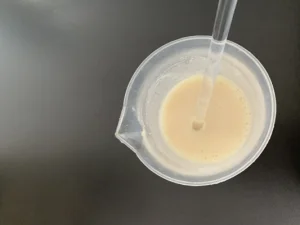
Modern formulations utilize ISP to replicate the structural and sensory profile of milk proteins, such as caseinate and whey. The development of plant-based liquid beverages, yogurts, infant nutritional formulas, and specialized cheeses requires protein matrices with high solubility, neutral sensory profiles, and consistent colloidal stability. Our research and development focuses on optimizing the ionic strength and thermal gelation profiles of ISP to ensure stable protein suspensions in neutral-pH beverages without phase separation, sedimentation, or chalky mouthfeel.
By integrating wheat and non-GMO soybean planting bases directly with industrial-scale processing, Xinrui Group guarantees full traceability from field to final product. The integration of cogeneration plants, municipal heating, and gas supply systems within our industrial park enables us to offset energy spikes, resulting in price stability for wholesale buyers.
Additionally, Guanxian Ruichang Trading Co., Ltd., founded in 2011, serves as our dedicated export platform, directly supplying plant protein solutions to overseas markets. By exporting over 70% of our production capacity, we facilitate seamless international transactions, customs clearance, and dedicated technical support.
Applying Isolated Soy Protein within commercial food formulations requires targeted functionality. Xinrui Group has developed specific product lines tailored to match distinct industrial applications:
ISP 9030 & 9032 (Dispersion Types): Specifically modified to show high solubility in water at neutral pH. Features low viscosity and high dispersion speed, making it ideal for plant-based milks, RTD protein shakes, nutritional powders, and functional dairy blends, preventing gritty textures.
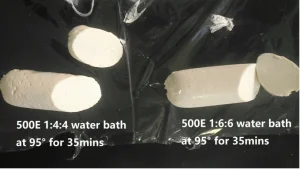
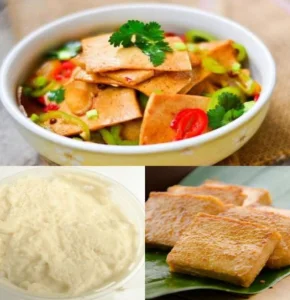
ISP 9003B & 9005B (Tofu & Vegetarian Types): Structured to form strong, heat-irreversible protein networks when heated. Provides the necessary firmness, water holding, and elasticity for traditional tofu, structured vegetarian meat analogs, and plant-based cheeses.
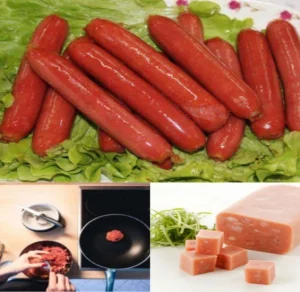
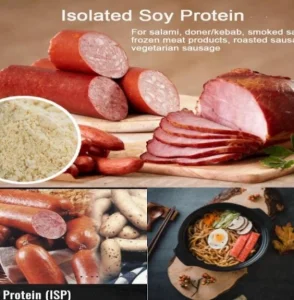
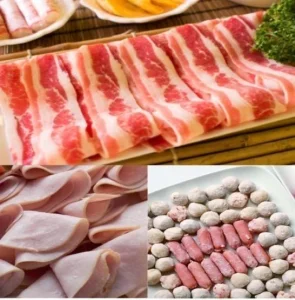
ISP 9001BW, 9007B-A, 9007B-C & 9500 (Meat & Emulsion Types): Provides high fat emulsification and water binding. Crucial for stabilizing comminuted meat systems, frankfurters, and cold-cut sausages, preventing fat purge during thermal processing.
Furthermore, our Soluble Soy Dietary Fiber (SDF) serves as a clean-label texturizer, moisture-retention agent, and dietary fiber fortifier. In dairy formulations, SDF stabilizes protein networks under acidic conditions, preventing phase separation in drinkable yogurts and fruit-juice protein beverages.
Large-scale B2B procurement demands strict compliance with international food safety standards, raw material traceability, and consistent chemical properties. Xinrui Group implements the Identity Preserved (IP) Non-GMO certification system from the farm level, ensuring that our soybean sources remain segregated and uncontaminated throughout the processing chain.
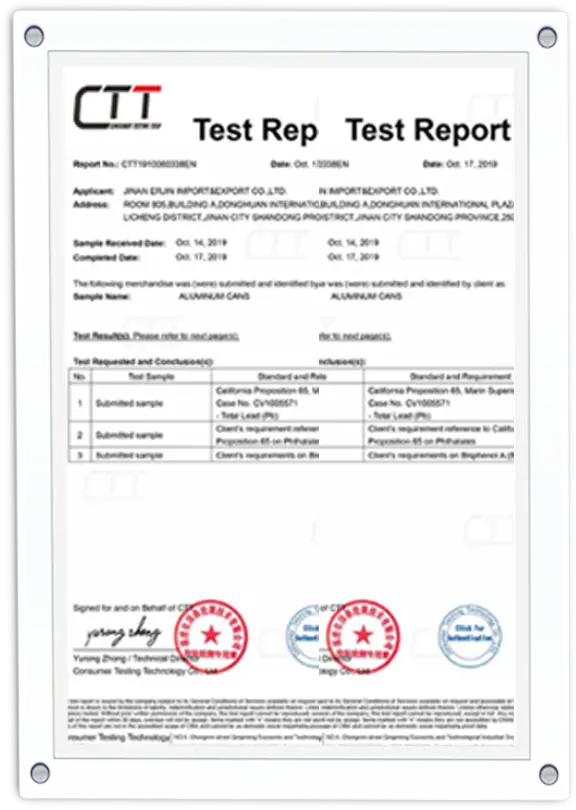
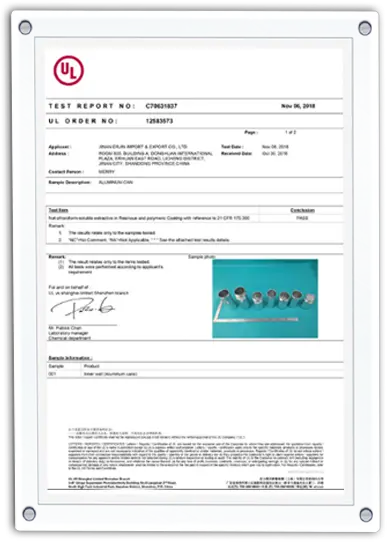
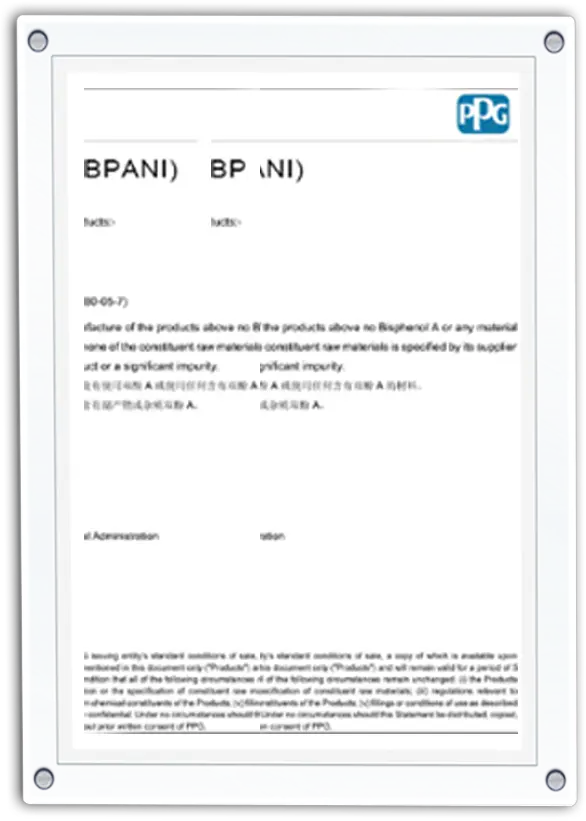
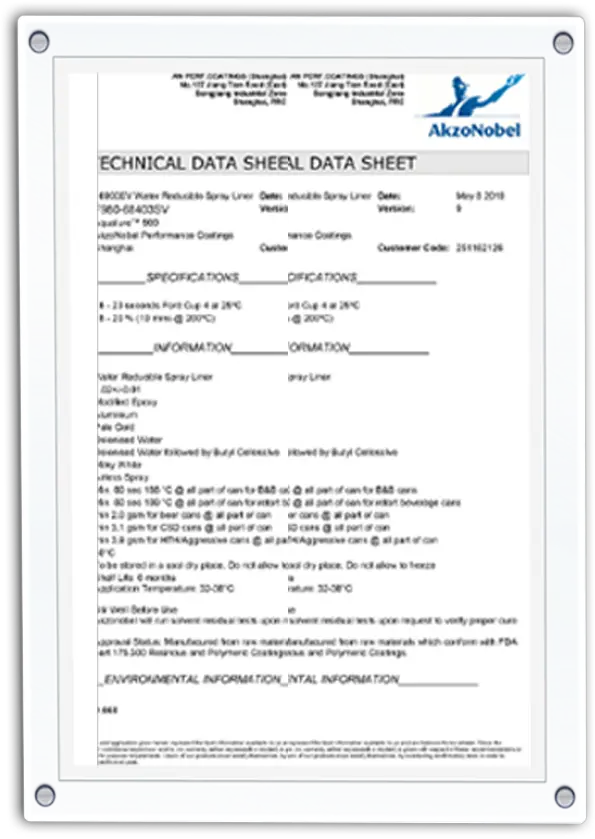
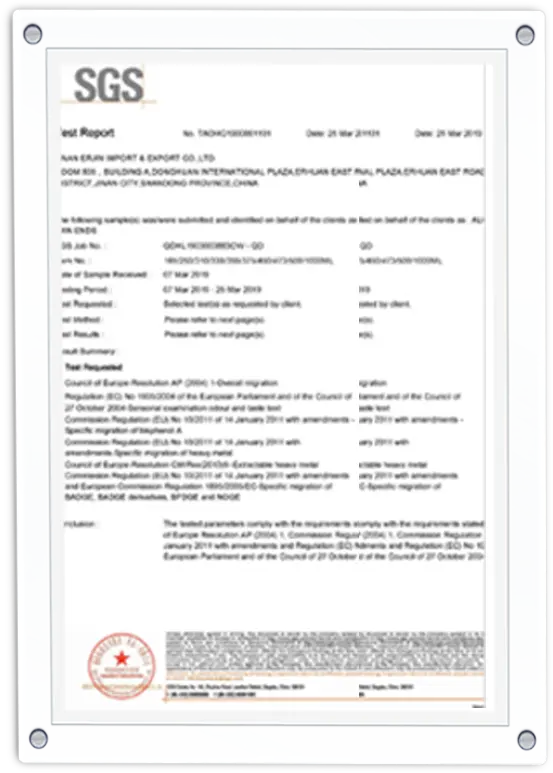
Our operations maintain a comprehensive suite of international food safety certificates, meeting the compliance requirements of various global markets. This alignment of agricultural integration and trade capacity ensures we can meet large-scale industrial demands with reliable lead times, stable batch-to-batch protein concentration (minimum 90% dry basis for ISP), and trace-metal and microbiological parameters that align with global regulatory standards.

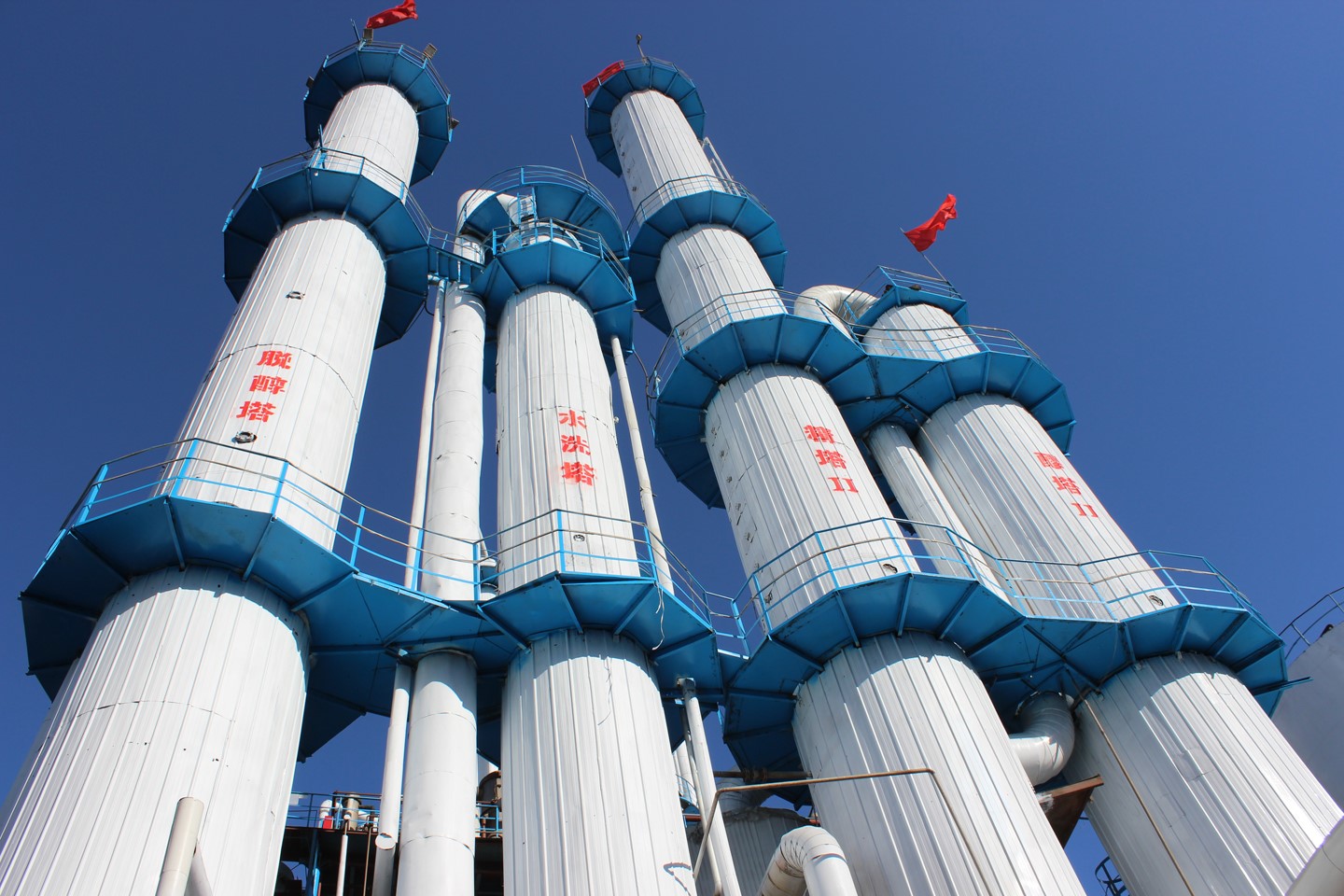
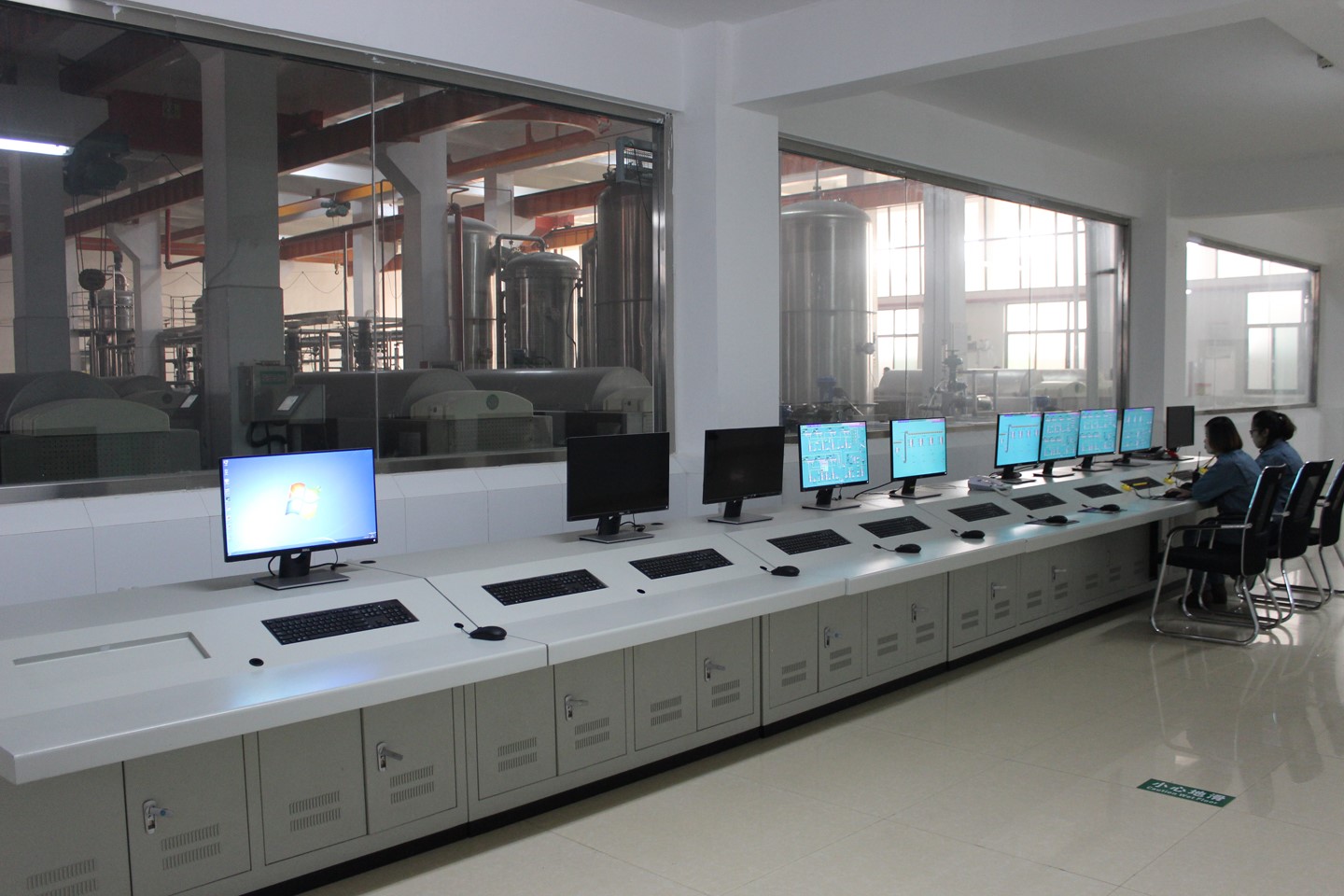
Gain visual insights into our high-capacity production lines, automatic packaging machinery, and rigorous quality control laboratories.
Xinrui Group adheres to rigorous global food standards, securing premium certifications for smooth supply chains across all international borders.
Get authoritative technical answers on isolated soy protein processing, chemical features, application adjustments, and shipping logistics.
Choose from our specialized meat emulsion grades, injection formulations, and premium vegetarian proteins tailored for global industrial requirements.
 Xinrui Group