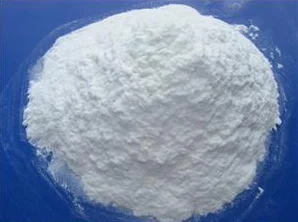
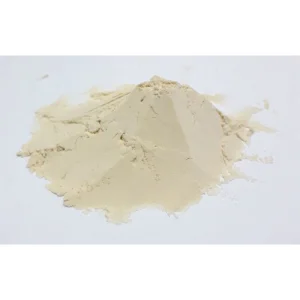
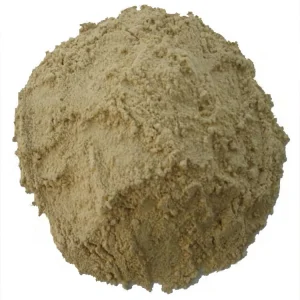
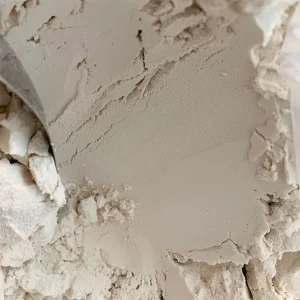
High-purity, bioavailable food formulations designed for texture modification, emulsion enhancement, and high-performance nutritional fortification.
Analysis of modern plant-protein value chains, regulatory landscapes, and the paradigm shift toward sustainable clean-label protein fractions.
The global functional plant-protein isolate market has transitioned from a niche dietary segment into a foundational pillar of the modern food industry. Driven by environmental imperatives, rising clean-label awareness, and macro health trends, plant isolates (specifically from Non-GMO soy and wheat) are replacing traditional animal binders and fillers. According to recent market studies, the global isolated soy protein market alone is expanding at an estimated CAGR of 6.8%, driven by growth in sports nutrition, meat alternatives, and ready-to-drink functional beverages.
"As protein purity becomes the key metric for global formulation stability, raw material traceability, non-GMO identity preservation (IP), and processing technology define the boundary between standard grade commodities and high-value functional isolates."
With regions like the European Union enforcing strict GMO labeling thresholds, the supply chain for Non-GMO Soy Protein Isolate has emerged as a high-margin sector. Manufacturers who control the entire agricultural lifecycle, from proprietary non-GMO seed cultivation to cold-pressing processing, maintain significant entry-barrier advantages. The global consumer expects soy protein isolates that not only provide above 90% dry basis protein content but also do so without trace chemical modifications or GMO vector residues.

A massive diversified circular economy industrial group processing wheat and soybeans with fully closed-loop advanced manufacturing technologies.
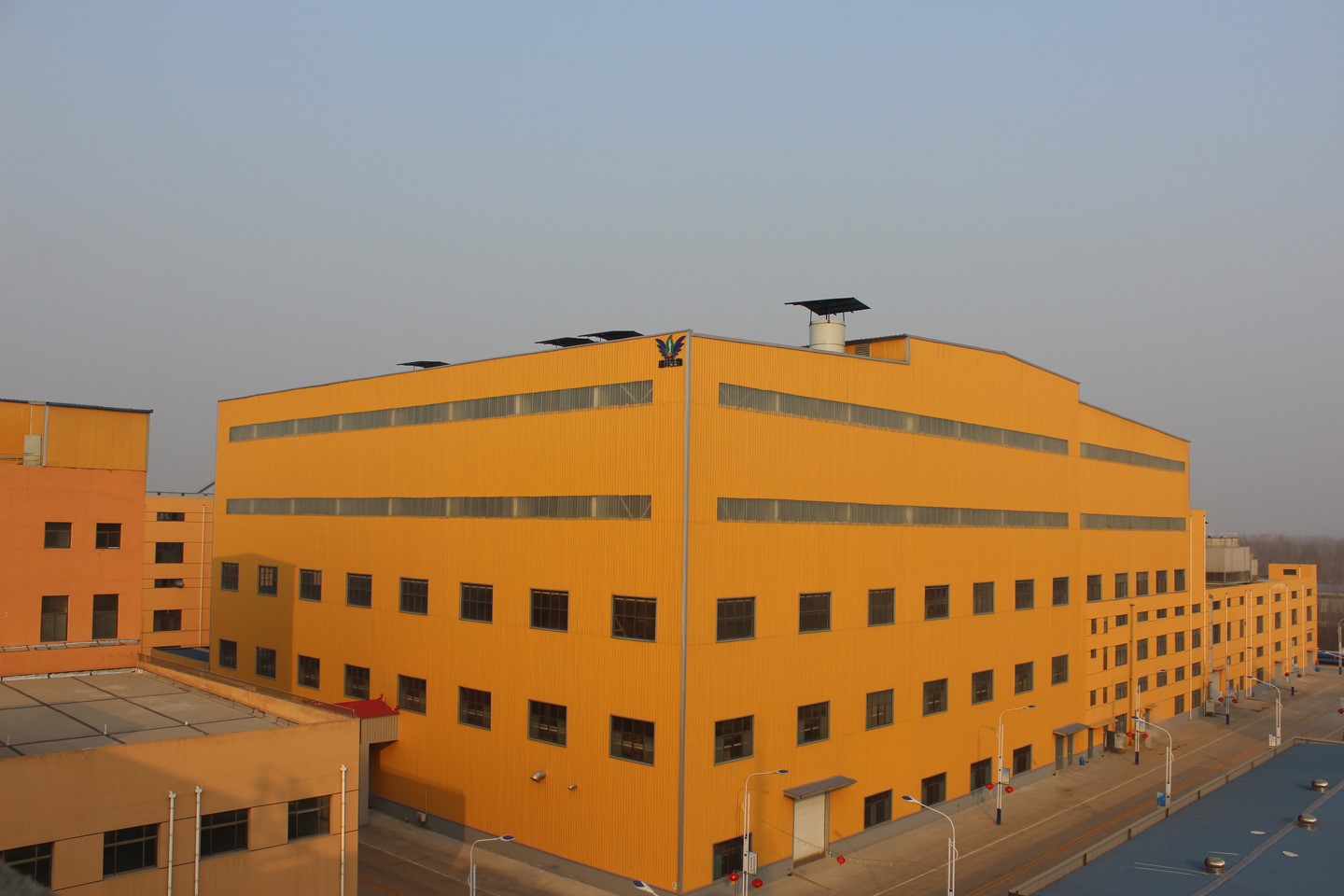
Established in May 2003, XINRUI GROUP occupies an extensive footprint covering more than 1,000 mu, with diversified assets in cogeneration power, urban heating, industrial gas supply, and deep agricultural processing. Operating at an annual output of 2.8 billion Yuan, the group encompasses:
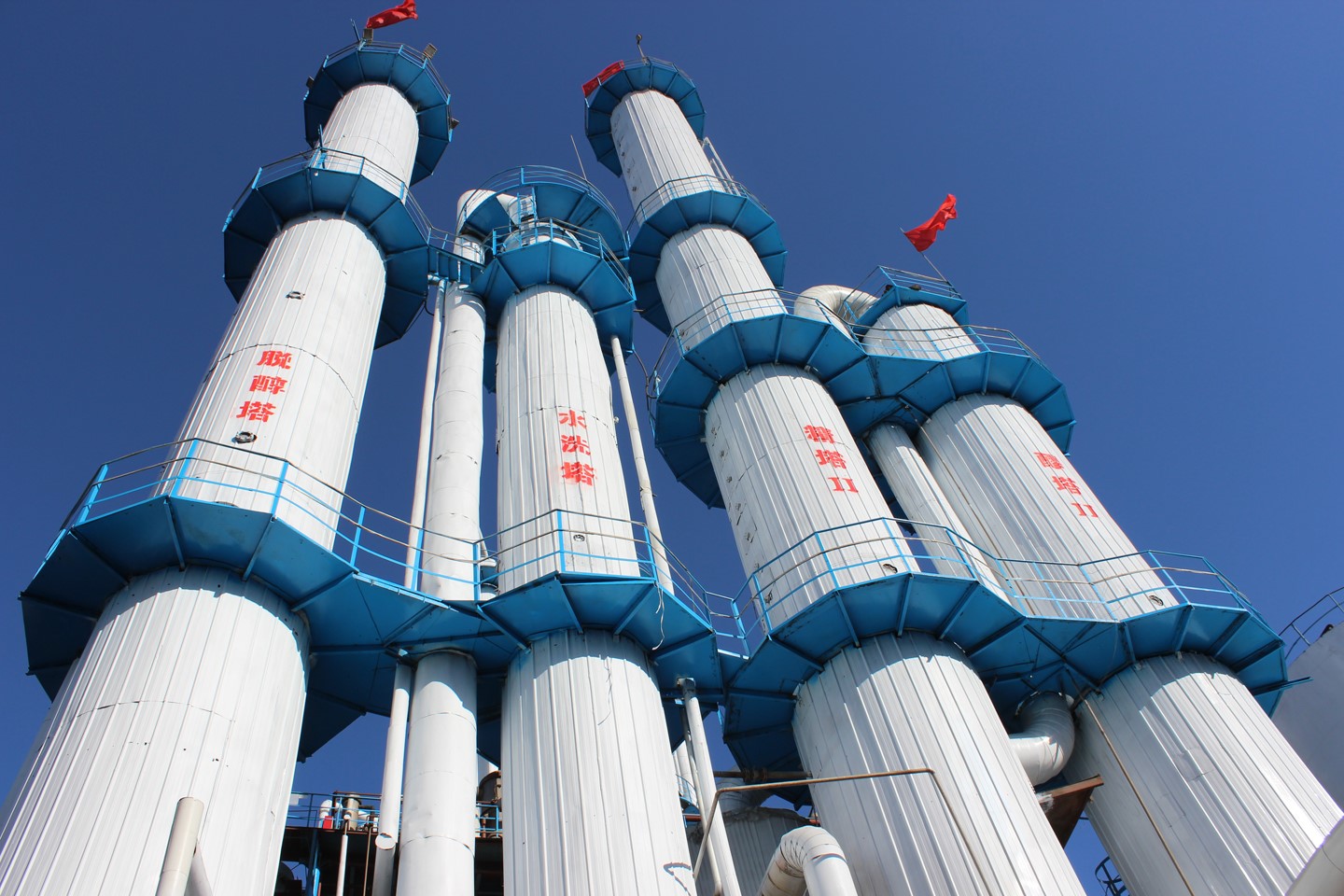
We leverage world-class tri-canter separation technology for wheat gluten extraction, guaranteeing an entirely clean, closed-loop processing stream. For isolated soy protein, Kawah Oils utilizes the state-of-the-art spray drying tower system engineered by DACHUANYUAN, featuring the largest single-line output capacity in China.
This closed circular economy ensures that every fraction of raw material is fully utilized: wheat starch B and pentosan are recycled for ethanol and animal feed production, reducing environmental impact while optimizing structural manufacturing costs. Our integrated model offers deep cost stabilization for wholesale protein buyers worldwide.
Tons Wheat Processed Annually
Tons Soybeans Processed Annually
Annual Output Value (RMB)
Production Directly Exported Globally
How our integrated biorefinery maximizes protein recovery, maintains amino acid profile integrity, and delivers tailored functional properties.
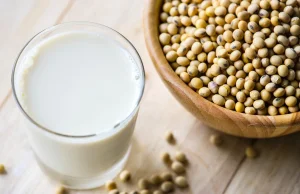
We start at domestic planting bases using strictly regulated Identity Preserved (IP) Non-GMO seeds. A critical solvent extraction at low temperatures yields defatted soy flakes with minimal protein denaturation (NSI > 85%).
Soluble protein fractions are separated using highly clean, closed-loop tri-canter systems. By adjusting pH to the isoelectric point (4.5) using food-grade acids, we precipitate proteins, separating them from soluble carbohydrates.
Neutralized curd undergoes high-pressure homogenization and ultra-high temperature instantaneous pasteurization before atomization in our massive Dachuanyuan spray towers, creating highly dispersible, uniform particles.
Optimized protein isolates designed for specific industrial processing requirements, mechanical stability, and organoleptic properties.
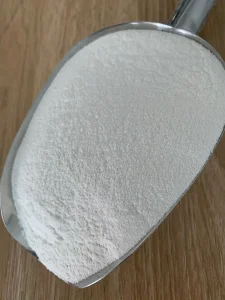
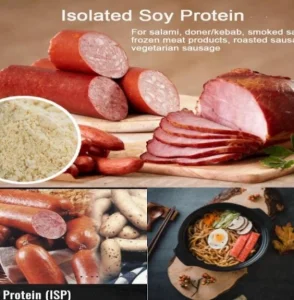
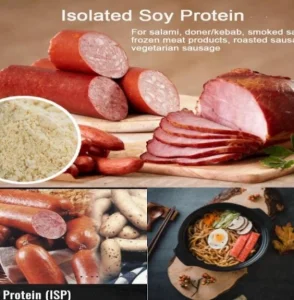
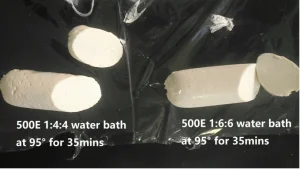
Specifically engineered with high water-binding capacity and oil-holding indices. Upon heating, these isolates form a highly stable, elastic heat-irreversible gel. Ideal for emulsified sausages, meatballs, and alternative meat analogues, enhancing bite force and juice retention.
Designed to minimize dust, settle quickly, and dissolve without clumping. These isolates offer low viscosity at high concentration levels and remain stable under dynamic thermal pasteurization, making them perfect for nutrition shakes, sports supplements, and dairy-free milk formulations.
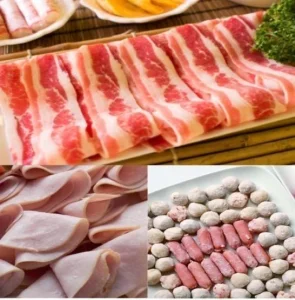
Formulated to yield exceptionally low viscosities under shear force, allowing direct injection into whole muscle meats without clogging fine injector needles. Provides excellent water retention and limits weight loss during cooking of hams and poultry products.
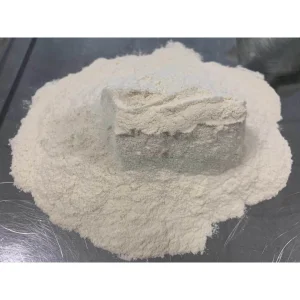
Secondary Processing Co-products: In addition to isolates, our wheat refining process yields high-grade Wheat Gluten Pellets (VWG-PS), Wheat Gluten Powder (VWG-P), and pure Wheat Starch, ensuring complete industrial coverage for baking, pet food, aquaculture, and paper sizing applications.
Take an inside look at our state-of-the-art facilities, automated production lines, and quality control systems.
We adhere strictly to international agricultural and manufacturing safety directives to guarantee export consistency.
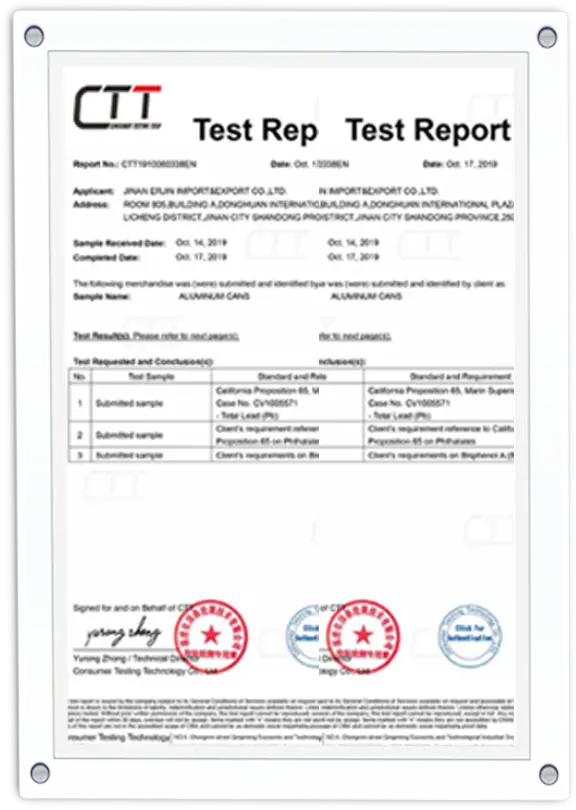
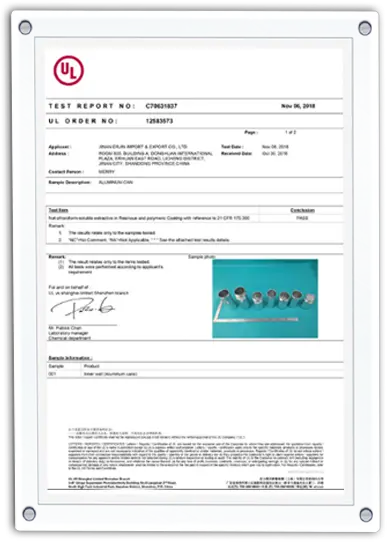
Our quality system is verified by prestigious international registrars. We are certified compliant with HACCP, ISO9001, ISO22000, BRC, HALAL, KOSHER, and IP-NON GMO standards (audited by SGS), ensuring seamless cross-border supply chain operations.
Technical and logistics insights from our engineering and export departments to assist wholesale purchasers.
We are a fully integrated group company named Xinrui Group, combining processing, plant cultivation, research & development, and direct export. The production of isolated soy protein is handled by our subsidiary, Shandong Kawah Oils Co., Ltd (capacity: 50,000 tons/year). The vital wheat gluten is manufactured by Guanxian Xinrui Industrial Co., Ltd (capacity: 30,000 tons/year). Our export trade division, Guanxian Ruichang Trading Co., Ltd, manages all global distribution operations directly from our manufacturing facilities.
Our plants are certified under international quality protocols including BRC (British Retail Consortium), HACCP, ISO 9001, ISO 22000, Halal, Kosher, and IP-Non GMO (audited by SGS). We supply complete traceability documents and third-party batch test certificates upon request.
Emulsion Type (like 9007B-A or 9007B-C) is formulated to bind high ratios of water and fat, building heat-irreversible gels which give chewiness and texture to processed meats. Dispersion Type (like 9030 or 9032) is designed for high solubility, minimal pasteurization viscosity, and immediate dispersion in aqueous liquids, making it ideal for ready-to-drink nutrition shakes, beverages, and nutritional powder formulations.
By extracting and commercializing all sub-fractions of our grains (e.g., extracting wheat gluten from flour, using starch A for starch products, and converting starch B/pentosan into high-grade industrial ethanol and animal feed), we offset volatile agricultural raw material expenses. This circular cost-saving structure lets us provide competitive, long-term stable pricing for bulk contracts.
Engineered proteins designed for dynamic gelling, thermal resistance, and clean dispersion across meat processing and vegan applications.
 Xinrui Group