Explore our foundational starches, isolates, and fibers engineered to govern the swelling indices, crispness profile, and structure of commercial fried snack pellets.

Understanding the extrusion mechanics, rheological requirements, and formulation chemistry that shape the modern B2B snack manufacturing industry.
The global snack market is undergoing a structural transition. No longer satisfied with simple potato chips or traditional corn curls, consumers are actively seeking multi-sensory experiences, characterized by unique shapes (3D configurations, tubes, grids, and animal geometries), uniform puffing, and healthier nutritional profiles. At the heart of this revolution is the snack pellet (often referred to as a half-product or third-generation snack). These extruded, unexpanded matrices are designed to be shelf-stable, compact for long-distance transport, and easily popped or fried by local distributors, quick-service restaurants, and snack packagers.
From an industrial perspective, producing premium fried snack pellets requires meticulous control over starch gelatinization, moisture equilibrium, and protein network structures. Any deviation in raw material consistency—such as the water binding capacity of the starches or the viscoelastic properties of the gluten binder—leads to catastrophic extrusion defects: uneven expansion ratios, blistered surfaces, high oil absorption, or fragile snack structures that crumble during automated packaging. As a premier industrial manufacturer, we supply the critical wheat starches, gluten polymers, and soy proteins that form the backbone of these pellet formulations globally.
Guanxian Xinrui Industrial Co., Ltd. and its sister entities within the Xinrui Group operate a state-of-the-art circular economy processing ecosystem in Shandong, China. By utilizing local, high-quality agricultural bases, we process 500,000 tons of wheat flour annually. Our production lines integrate advanced tri-canter separation technology imported from Europe, achieving an entirely closed, sanitary extraction loop that yields wheat gluten and refined wheat starch A and B of unprecedented purity.
Furthermore, through Shandong Kawah Oils Co., Ltd., we crush 180,000 tons of domestic Non-GMO soybeans yearly, yielding premium low-temperature food-grade soybean meal, soy protein isolates, and functional dietary fibers. The synchronization of our wheat processing facility with our soy protein extraction unit allows us to supply all essential texturizing and binding agents needed for fried snack pellet formulations. This vertically integrated supply chain translates directly into unparalleled cost efficiency, chemical consistency, and absolute traceablity—ensuring that global snack brand owners receive ingredients that perform identically, batch after batch.
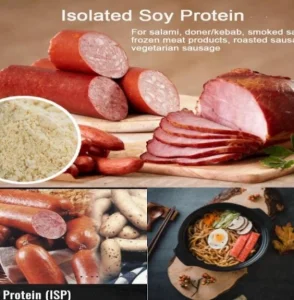
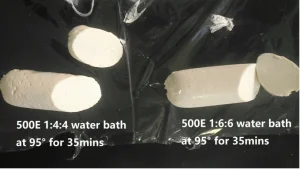
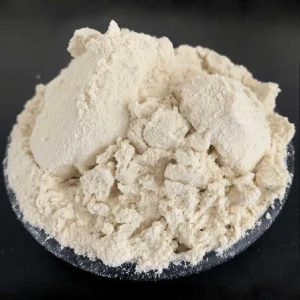
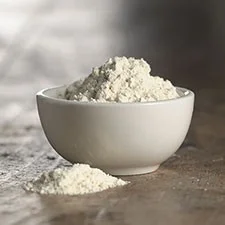
Our isolated soy proteins and refined wheat starches manage water molecular binding during extrusion, dictating the expansion volume (swelling ratio) when exposed to frying oil or hot air.
Vital wheat gluten provides the necessary viscoelastic matrix, giving unexpanded pellets the durability to withstand cutting and drying, while yielding a crisp, crunchy bite post-frying.
By balancing protein-to-starch ratios with non-GMO soy dietary fiber (SDF), we help manufacturers create snack structures that seal their outer surface quickly, reducing oil pickup by up to 25%.
Our circular economic model integrates upstream cultivation, deep agricultural refinement, and direct international logistics.
Established in 2007 with a registered capital of 100 million Yuan, Guanxian Xinrui Industrial Co., Ltd. (formerly known as Guanxian Ruixiang Biotechnology Development Co., Ltd) is a cornerstone of the Xinrui Group. The group was established in May 2003, covering a total area of more than 1,000 mu. Over decades of intensive industrial growth, we have achieved a multi-faceted operational structure comprising urban heating, co-generation of steam and electricity, non-GMO soy cultivation bases, and high-capacity milling pipelines yielding an annual output of 2.8 billion Yuan.
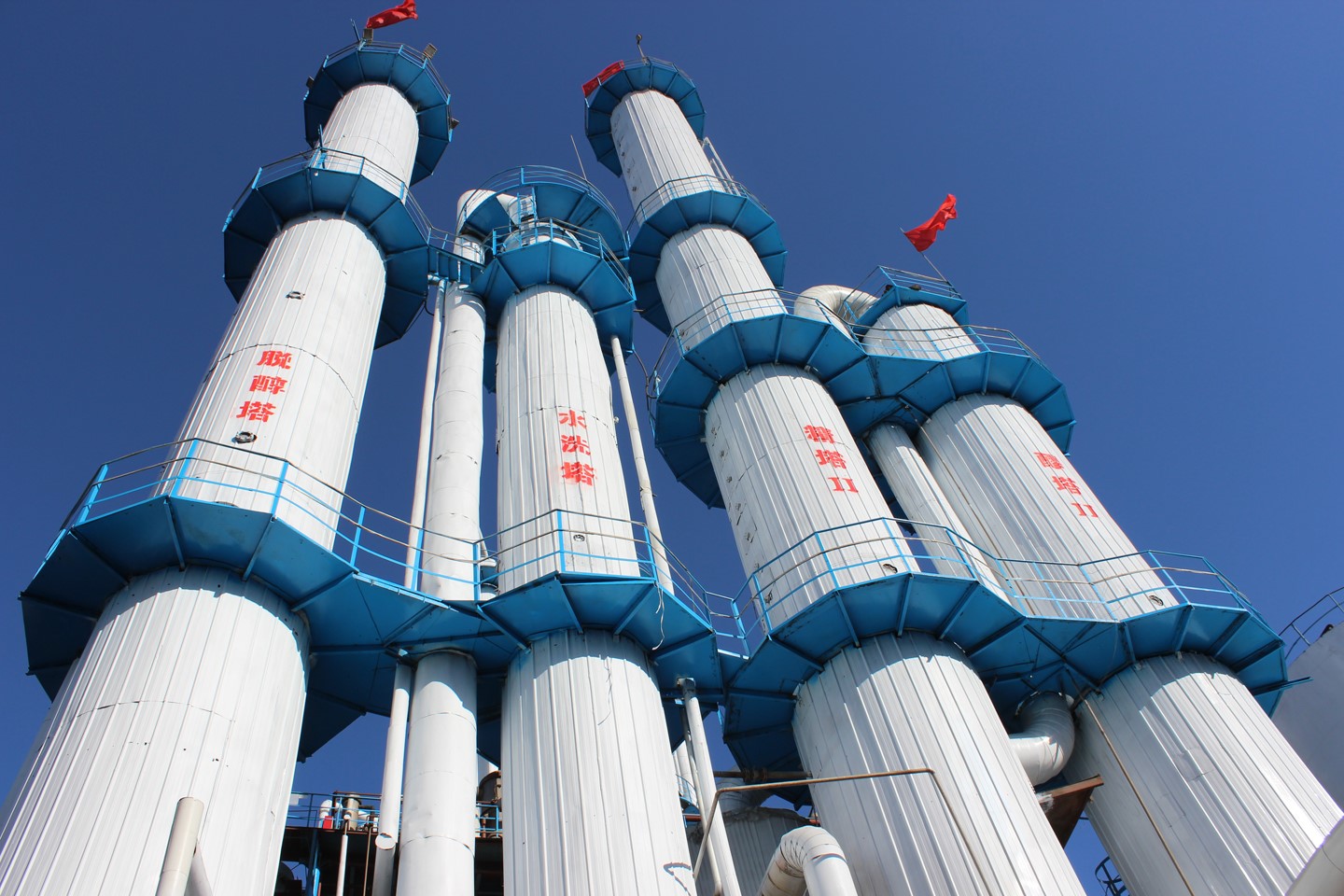
Shandong Kawah Oils Co., Ltd., founded in 2014 with 120 million Yuan registered capital, is our provincial leading agricultural industrialization enterprise. Processing 180,000 tons of domestic Non-GMO soybeans annually, it employs highly advanced extraction systems. Notably, Kawah's core spray drying tower, manufactured by Dachuanyuan, stands as the single largest production line in China, ensuring absolute uniformity in the physical properties of our isolated soy protein.
Through Guanxian Ruichang Trading Co., Ltd. (founded in 2011, 6 million Yuan registered capital), we manage direct industrial export logistics. Representing over 70% of our group's production capacity, Ruichang coordinates shipments of isolated soy protein, vital wheat gluten, soluble dietary fiber, and food-grade ethanol directly to B2B snack manufacturers and food conglomerates in over 60 countries.


Bridging raw material characteristics with diverse localized product applications around the globe.
In North America and Western Europe, the dominant user intent revolves around "Better-For-You" (BFY) snack alternatives. Traditional starch-only pellets are being augmented with Isolated Soy Protein (ISP) and dietary fibers. These ingredients allow manufacturers to hit protein claims (e.g., 5g to 10g of plant protein per serving) while preserving the high expansion index expected by consumers. The addition of soy dietary fiber also acts as an structural stabilizer, maintaining the integrity of 3D air-popped pellets.
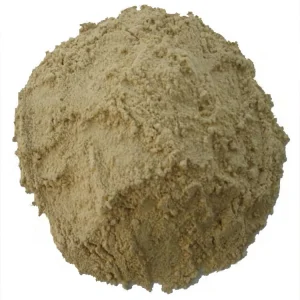
Across Latin America and the Asia-Pacific region, cost efficiency and rapid frying performance are the primary drivers. Manufacturers rely heavily on wheat starch and wheat gluten to create highly expandable, low-cost pellets such as wheel shapes, rings, and grids. Our refined wheat starch B, produced through advanced tri-canter separation, acts as an ideal starch base, promoting quick water vaporization and bubble formation under standard frying temperatures (175°C - 190°C).
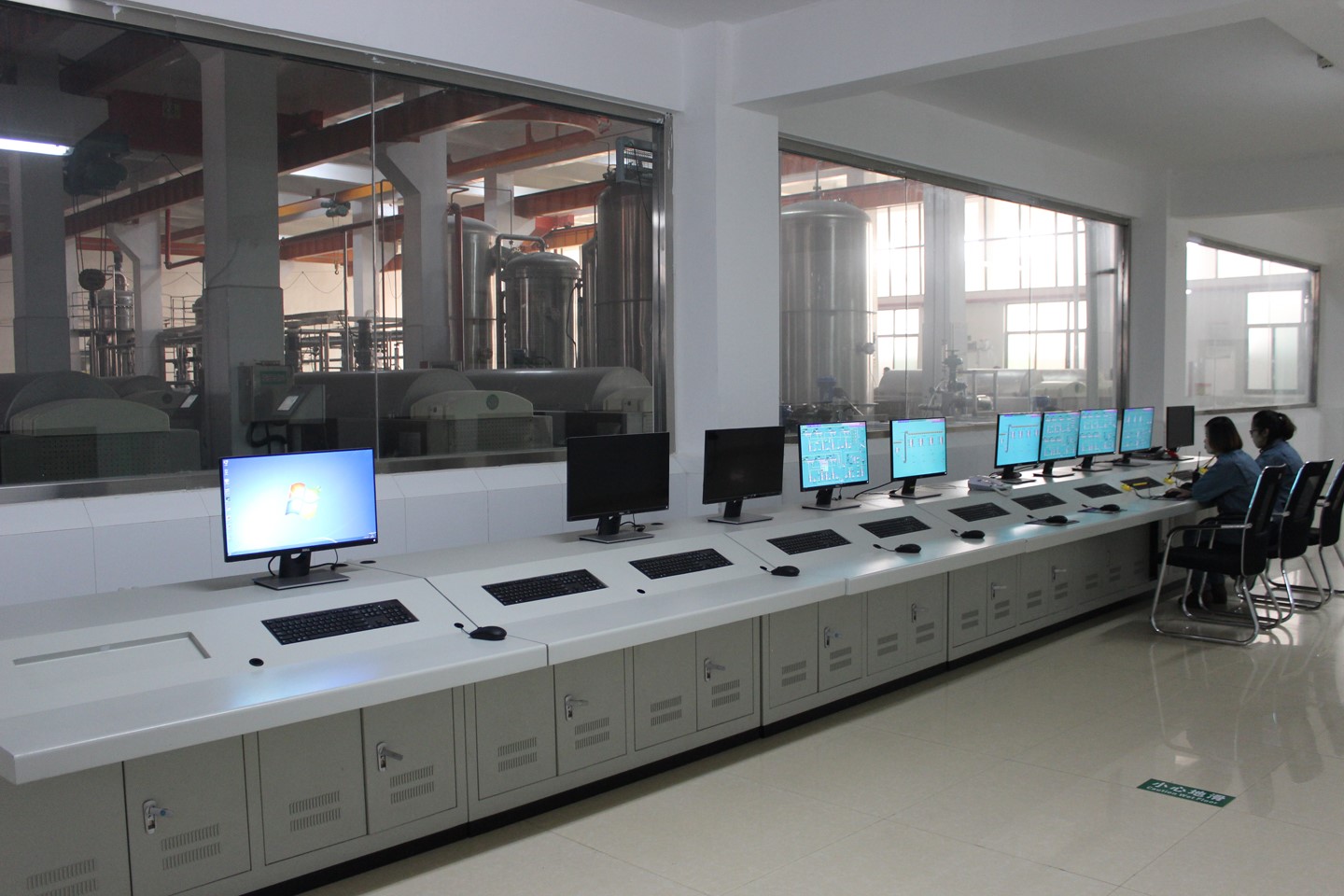
Take an interactive digital tour of our highly automated wheat flour mills, soybean oil extraction towers, and clean-room packaging zones.
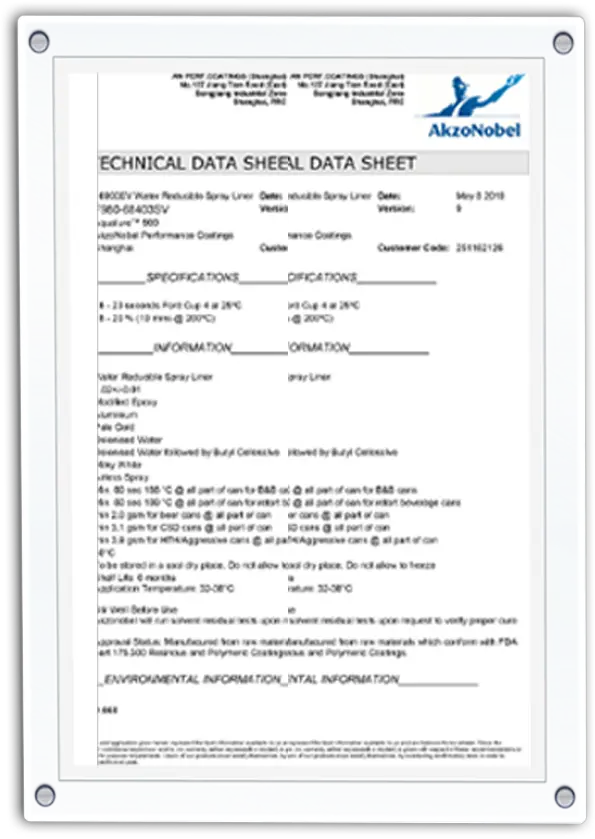
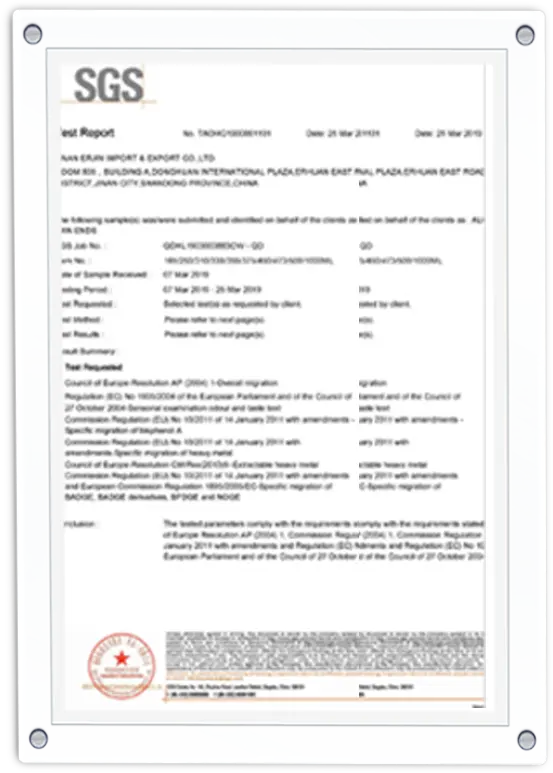
Ensuring compliance with international food safety codes through a comprehensive portfolio of third-party certifications.
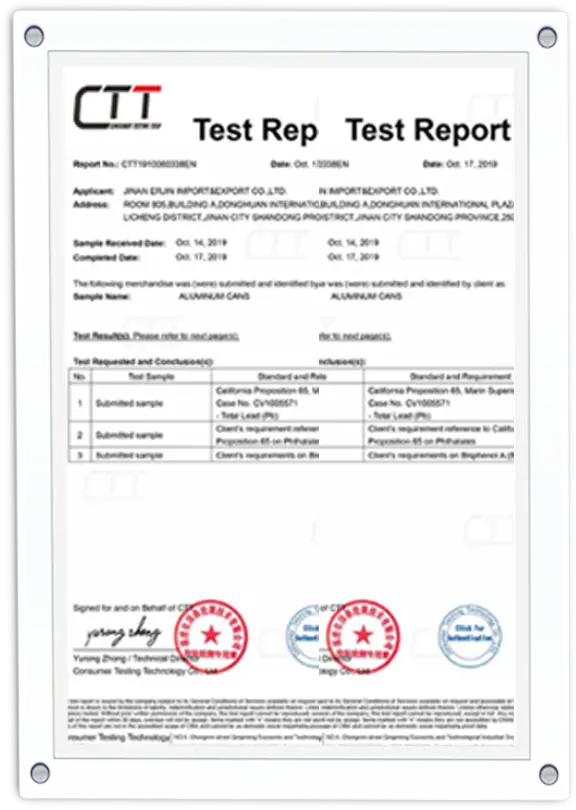
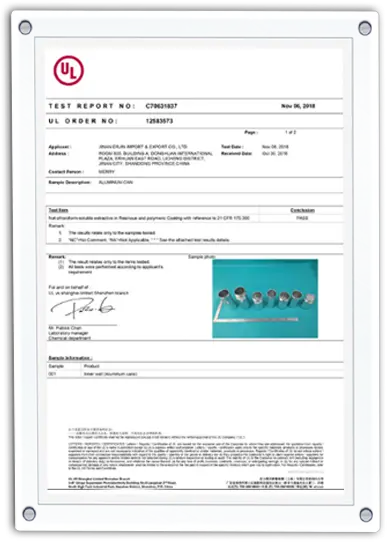
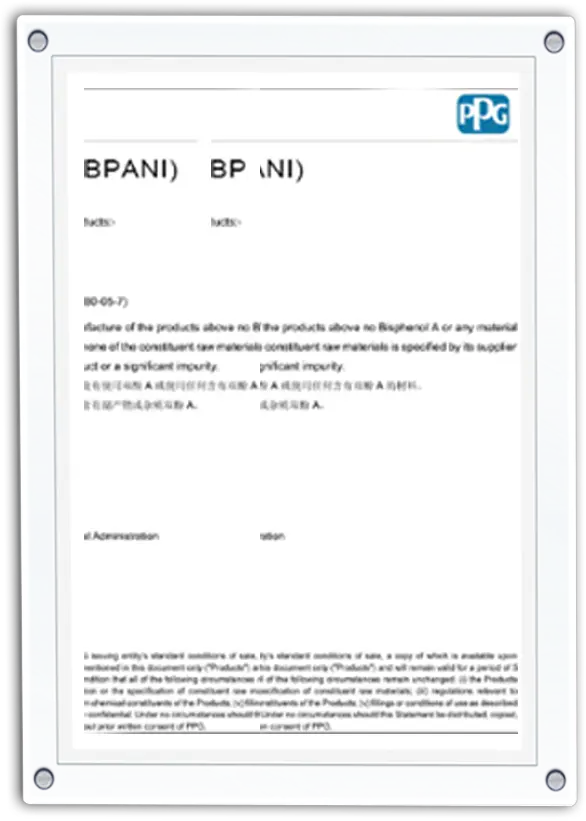
Understanding critical properties like water absorption index, viscosity, and chemical specifications during procurement.
When purchasing ingredients for a fried snack pellet manufacturing line, technical buyers look beyond basic macro-nutrient percentages. The real indicator of performance is the interaction between protein fractions and starch granules during the cooking extrusion process. For instance, when utilizing Vital Wheat Gluten, the key parameter is the gluten index (typically kept at 80% or higher) which directly influences the gas-holding capability of the dough under high pressures. If the gluten index is too low, the pellet will fail to capture expansion gas, resulting in a dense, hard snack rather than a light, crunchy one.
Similarly, the selection of soy protein isolates must align with the target process. Our Dispersion Type Isolated Soy Protein (9030/9032) is engineered to exhibit low viscosity at high shear rates, preventing excessive pressure buildup in the extruder barrel. Conversely, our Emulsion Type Soy Proteins (9007B-C/9500) are highly suited for formulations requiring robust fat binding, preventing oil-bleeding during storage of the raw pellets. By controlling the particle size distribution and denaturation temperature profile of our proteins, we ensure that our customers can run their extrusion lines at maximum speed with minimal downtime.
In the modern snack market, regulatory compliance is non-negotiable. Our raw materials are extracted strictly from Non-GMO wheat and IP-certified Non-GMO soybeans. Guanxian Ruichang Trading Co., Ltd. provides comprehensive certification documentation for every batch, including IP Non-GMO certification, Halal, Kosher, BRC, and ISO22000. Our logistics infrastructure is optimized for bulk industrial delivery, offering flexible container load (FCL) configurations, paper-bag or bulk jumbo-bag packaging, and humidity-controlled ocean freight to prevent raw material agglomeration.
Got questions about raw material specifications, minimum order quantities, or shipment configurations? Find detailed answers below.
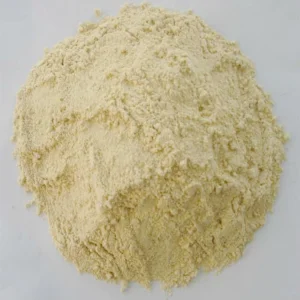
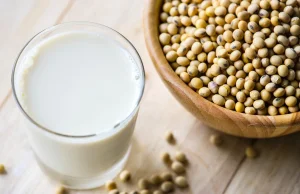
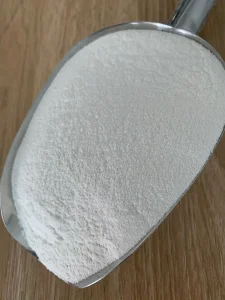
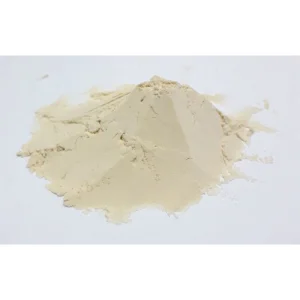
Explore our secondary line of high-performance soy fibers, beverage-grade isolates, and wheat starches designed for premium food manufacturing.
 Xinrui Group