Engineered for supreme digestibility, exceptional functional properties, and global regulatory compliance.
Deep dive into nutritional values, processing innovations, and structural advantages of dehulled high-protein soy meals.
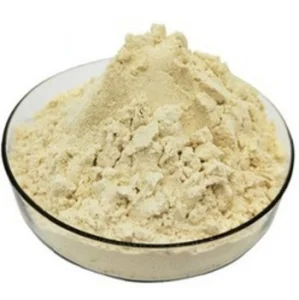
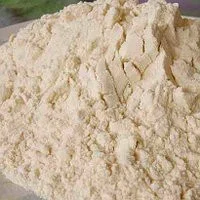
Soya Meal Protein 48% represents the gold standard in plant-based protein densities. By removing the fiber-rich hulls, we reduce indigestible cellulose while maximizing metabolic energy values. This creates a superior amino acid profile, specifically rich in lysine, tryptophan, and threonine, offering near-perfect bio-availability for high-performance aquaculture and livestock rations.
Utilizing low-temperature soybean processing systems, our modern crushing plants ensure the delicate protein structures are not denatured. This precise thermo-mechanical treatment controls the anti-nutritional factors (such as trypsin inhibitors and urease activity) without stripping away crucial heat-sensitive nutrients, maintaining a consistently high nitrogen solubility index (NSI).
Operating under strict Identity Preservation (IP) protocols, our supply chains trace each soybean back to its verified seed source. This rigorous segregation management system prevents cross-contamination, satisfying the strict requirements of EU and North American customers who mandate verified Non-GMO inputs for food and feed systems.
Information Gain Matrix: Dehulled Soya Meal Protein 48% exhibits 12% lower fiber content and 6.5% higher metabolizable energy compared to standard 44% protein meals, significantly reducing feed conversion ratios (FCR).
Pioneering agricultural circular economy and high-tech protein synthesis since 2003.
Established in May 2003, Xinrui Group has grown to occupy a vast industrial area exceeding 1,000 mu. Driven by innovation, the group has developed a robust circular economy business model through its key corporate entities: Guanxian Xinrui Industrial Co., Ltd. (formerly Guanxian Ruixiang Biotechnology Development Co., Ltd) and Shandong Kawah Oils Co., Ltd.
Our integration spans from controlled wheat and non-GMO soybean planting bases to advanced industrial facilities. We feature localized cogeneration units, municipal heating, and gas supply systems to drive clean energy utilization. The wheat processing line handles 500,000 tons of wheat flour annually, extracting high-value wheat gluten and vital wheat starch A/B. The remaining starch B and pentosan streams feed directly into alcohol and animal feed production lines, minimizing environmental impact and achieving maximum resource circularity.
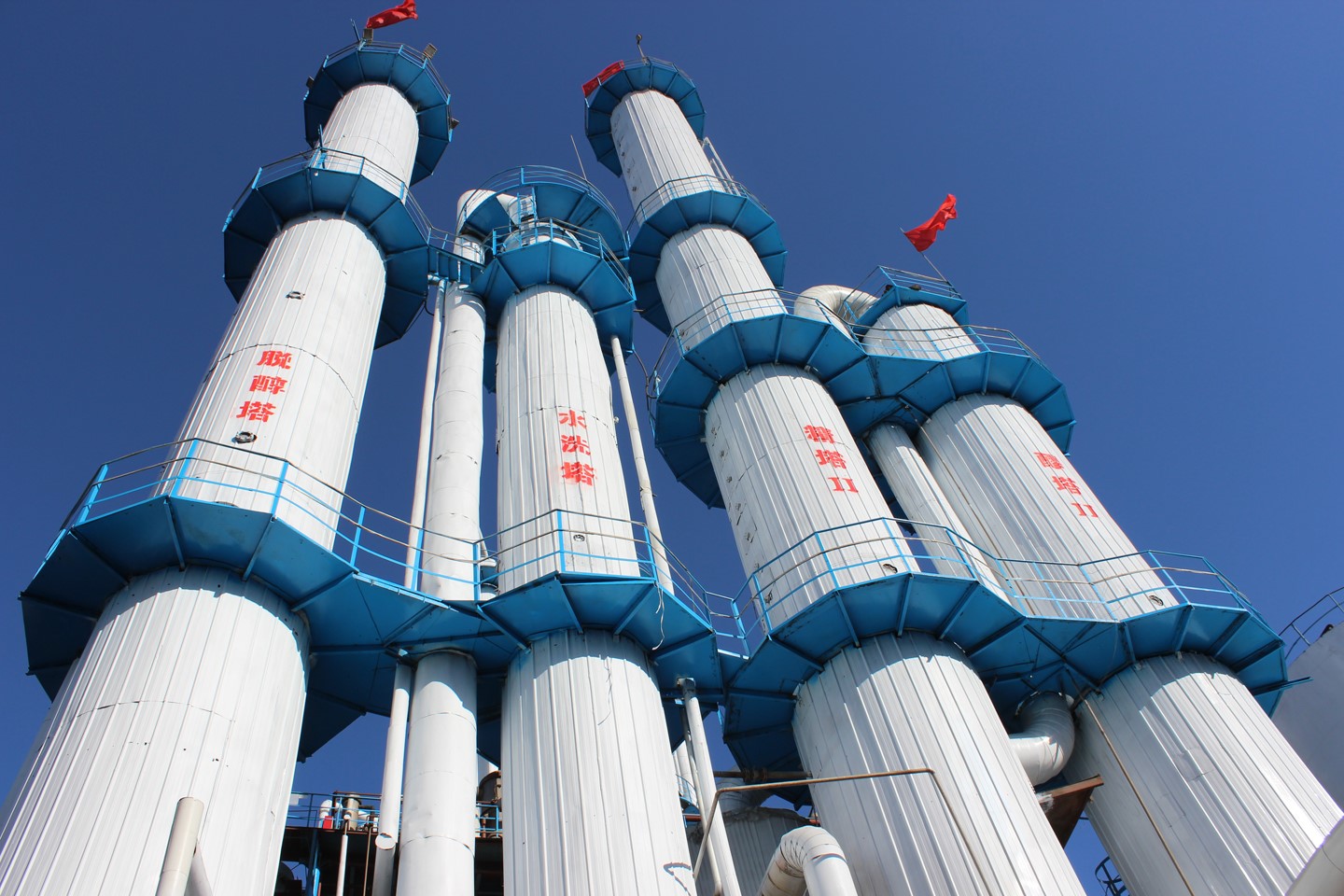
Shandong Kawah Oils Co., Ltd., founded in 2014 with 120 million Yuan in registered capital, manages the soybean processing arm. Crushing 180,000 tons of domestic Non-GMO soybeans annually, it implements state-of-the-art spray drying towers designed by DACHUANYUAN. It operates the largest single production line in China, ensuring optimal processing speeds and chemical-free, nutrient-retaining protein extraction.
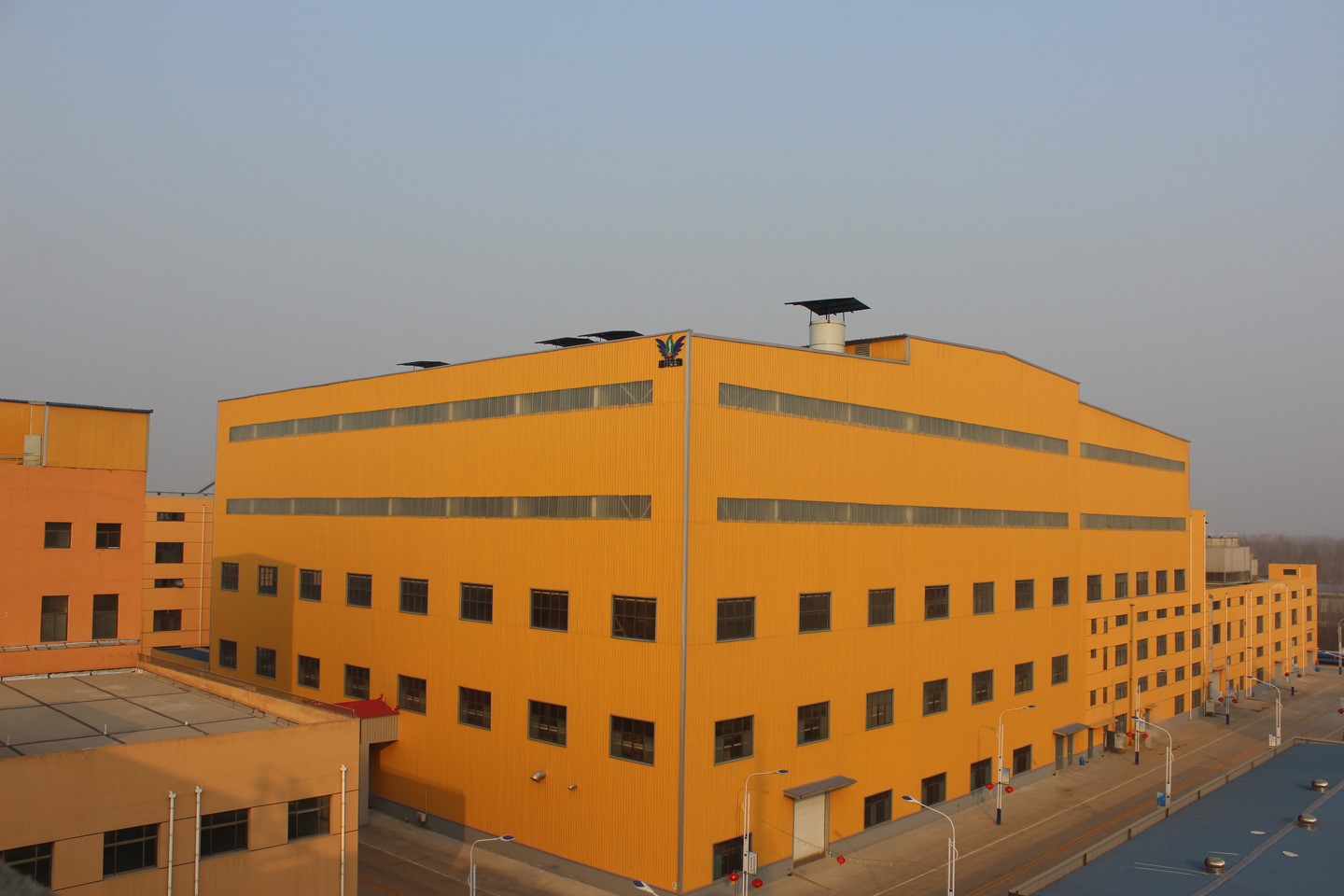
Established in 2011, Guanxian Ruichang Trading Co., Ltd. acts as the specialized export vehicle for the group. By managing overseas sales directly from the factory, Ruichang secures an efficient, middleman-free logistics channel. More than 70% of our products are shipped to leading international buyers across Europe, the Americas, and Southeast Asia.
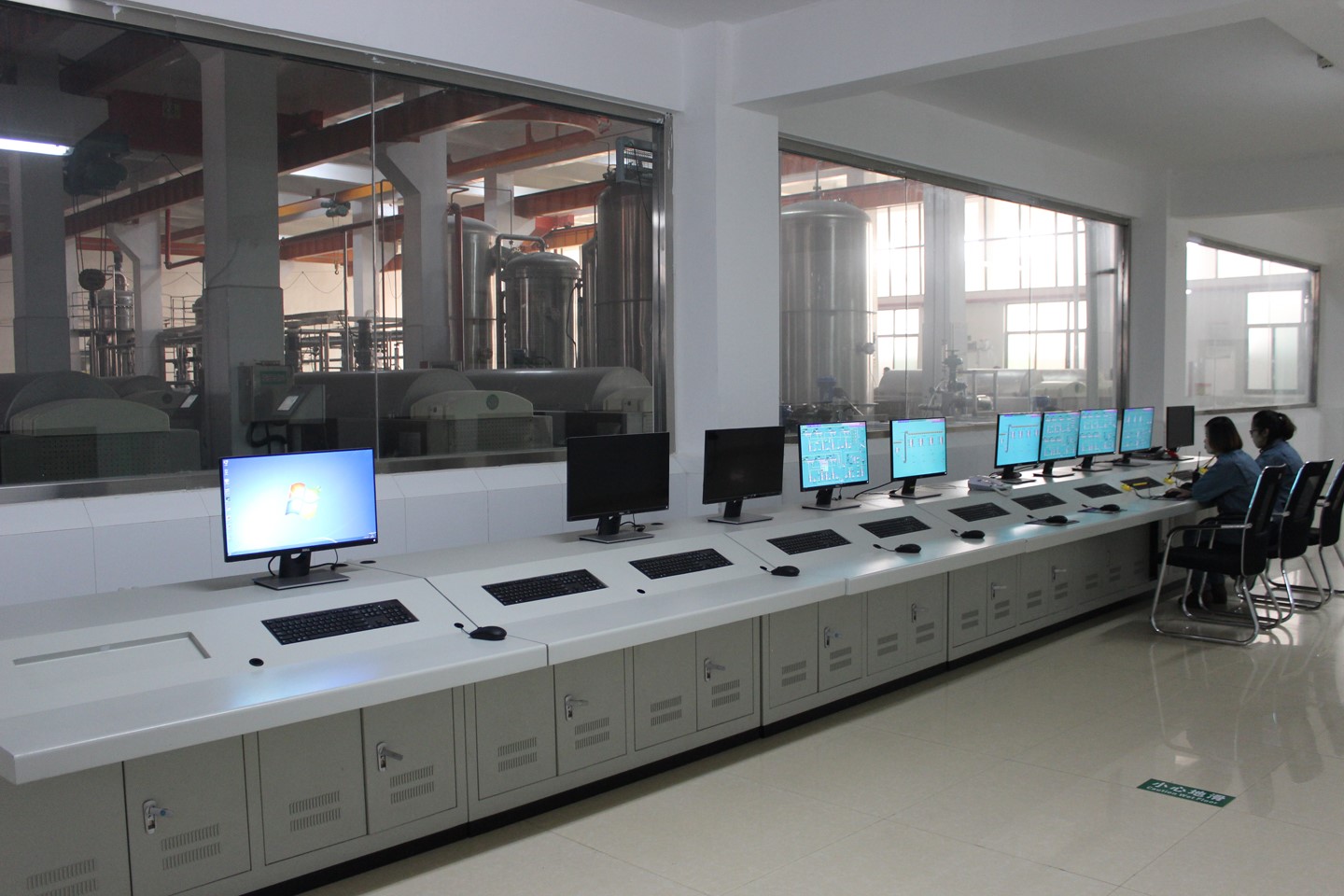
We imported the world's most advanced tri-canter separation technology to refine our wheat gluten extraction processes. The entire operation is fully enclosed, temperature-monitored, and sterile. This guarantees that our Vital Wheat Gluten achieves high water-binding, viscoelastic, and structural-forming capacities.
By relying exclusively on domestic Chinese non-GMO raw materials, Shandong Kawah Oils extracts oil, low-temperature soy meal, isolated soy proteins, and dietary fibers step-by-step. Our zero-chemical extraction principles preserve the protein structure from molecular degradation, serving clean-label B2B demands globally.

Compare the typical chemical and physical compositions of our Soya Meal Protein 48% with standard industry grades.
| Analysis Parameter | High-Protein Soya Meal (Dehulled 48%) | Standard Soya Meal (44%) | Testing Methodology |
|---|---|---|---|
| Crude Protein (dry basis) | ≥ 48.0% | ≥ 44.0% | Kjeldahl Method (N x 6.25) |
| Crude Fat (Ether Extract) | ≤ 1.5% | ≤ 2.0% | Soxhlet Extraction |
| Crude Fiber | ≤ 3.5% | ≤ 6.0% | Acid-Detergent Fiber (ADF) Analysis |
| Moisture Content | ≤ 12.0% | ≤ 13.0% | Oven Drying (105°C, 4h) |
| Total Ash | ≤ 6.5% | ≤ 7.0% | Muffle Furnace (550°C) |
| Urease Activity | ≤ 0.05 mg N/g/min | ≤ 0.30 mg N/g/min | EEC Standard (pH difference method) |
| Protein Dispersibility Index (PDI) | 70% - 85% | 60% - 75% | AOCS Method Ba 10-65 |
How global enterprises leverage Soya Meal Protein 48% to drive nutritional efficiency and ESG compliance.
In high-density aquaculture systems (e.g., salmonids, shrimp, and marine carnivores), protein concentration is vital. High-fiber diets can impair digestion and lead to excessive nitrogen excretion, which degrades water quality. Soya Meal Protein 48% provides the required protein concentration while keeping fiber low, supporting faster growth cycles and cleaner pond environments.
Piglets and calves have highly sensitive digestive tracts that struggle to break down complex non-starch polysaccharides. The de-hulled 48% soy meal significantly reduces anti-nutrients and structural fibers. It supports gut mucosal health, prevents diarrhea outbreaks, and ensures consistent weight gain during weaning transitions.
Modern pet food brands require clean, traceable, and highly digestible plant protein bases. Our Non-GMO soy meal delivers consistent amino acid profiles, uniform particle sizes, and a neutral odor. This makes it an ideal ingredient for extruded kibbles and wet food formulations targeting health-conscious pet owners.
The global feed and food industries are undergoing structural changes, driven by climate regulations and the demand for sustainable proteins. Key industry dynamics include:
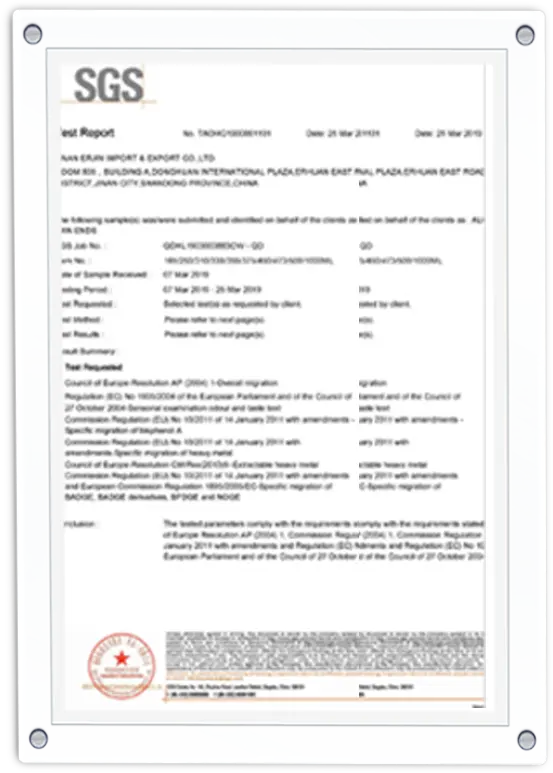
Meeting the strict quality assurance and sanitation standards required by top-tier global food and feed conglomerates.
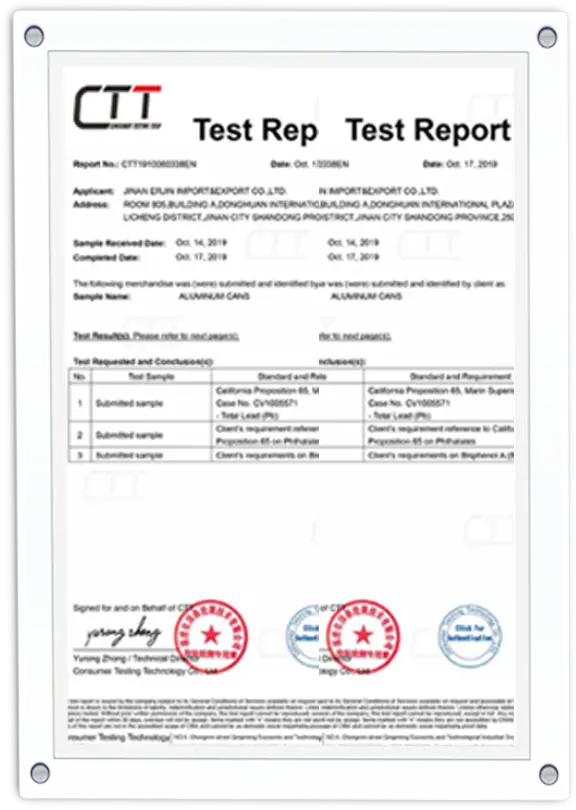
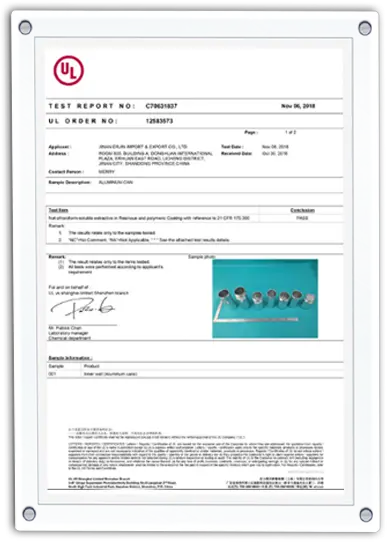
Watch our step-by-step production flow, from raw Non-GMO soybean receiving to processing and final container dispatch.
Expert answers regarding processing protocols, international trade contracts, and product formulations.
We are a fully integrated group company named Xinrui Group, controlling our own raw material sourcing, factory production, and direct-export operations.
Our facilities are audited to meet international standards. We maintain active certifications for: HACCP, ISO9001, ISO22000, BRC Global Standards for Food Safety, HALAL, KOSHER, and IP-NON GMO (Identity Preserved). We can also coordinate third-party testing (e.g., SGS, Intertek) to meet specific national import requirements.
By removing the soybean hulls, which consist mainly of indigestible fiber, we increase the relative concentration of crude protein to 48%. This results in a higher energy density per kilogram of feed, improved digestibility of essential amino acids, and lower waste outputs, helping reduce Feed Conversion Ratios (FCR).
Our standard packaging is 25kg multi-layer kraft paper bags with inner PE liners, or large 1000kg bulk bags (Jumbo Bags). Customized private labeling is also available. Standard production and loading times at our factory typically run between 14 to 21 days from receipt of a confirmed LC or deposit.
High-purity ingredients optimized for global food production and technical applications.
 Xinrui Group