Explore our core collection of isolated proteins, dietary fibers, and grains refined for global standard nutritional matrices.
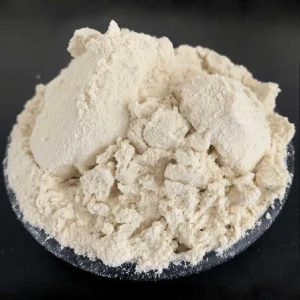
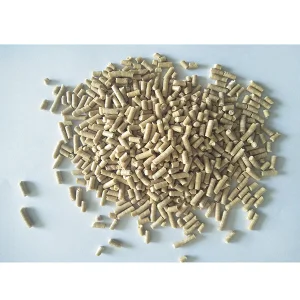
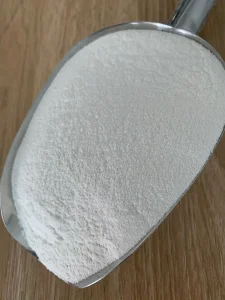
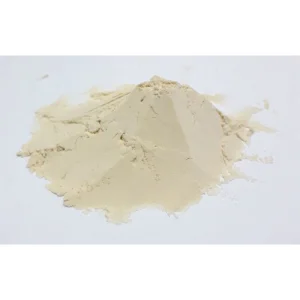
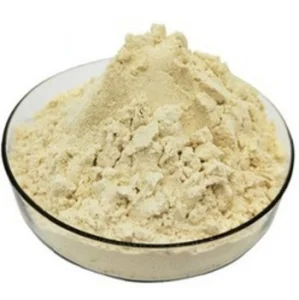
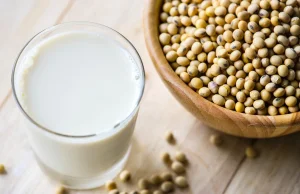
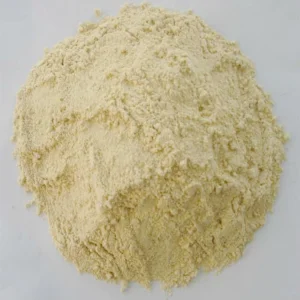
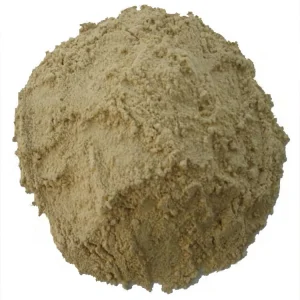
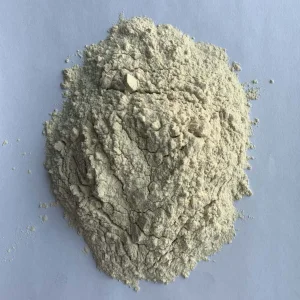
As food manufacturers look to capture shifting consumer demands toward plant-based wellness, Isolated Soy Protein (ISP) 90% has emerged as the definitive benchmark for nutritional enrichment, texturization, and formulation efficiency. Structurally derived from low-temperature food-grade defatted soybean meal, our isolated soy protein delivers a minimum protein concentration of 90% (on a dry basis), completely free from unwanted off-flavors, beany odor compounds, and antinutritional factors.
From a biochemistry perspective, ISP is primarily composed of globulins, specifically glycinin (11S) and beta-conglycinin (7S). The ratio between these proteins determines the emulsifying capability, gelation temperature, and elastic properties of the final product. Our production parameters are optimized to preserve these macromolecular units, ensuring optimal functionality in complex matrices like sausage emulsions, dairy-free beverages, and analog meat fibers.
| Physicochemical Property | Typical Value (D.B.) | Functional Performance in Application |
|---|---|---|
| Protein Content (N × 6.25) | ≥ 90.0% | Maximizes nutritional profile; provides high lean protein delivery in plant-based matrices. |
| Moisture | ≤ 7.0% | Reduces microbial activity, promoting extended storage and physical integrity. |
| Ash Content | ≤ 6.0% | Indicates precise purification of organic protein structures and low inert impurities. |
| Gel Strength | Flexible (High Gel / Medium Gel options) | Critical for establishing water-holding capacities and texture profiles in meat products. |
| Emulsification Capacity | ≥ 1:4:4 (Protein : Water : Oil) | Prevents phase separation under high-shear cooking processes, ensuring fat stabilization. |
| pH Value | 7.0 ± 0.5 | Maintains chemical neutrality, compatible with acid-sensitive dairy or protein beverages. |
Stabilizes protein-water-fat emulsions under intense pasteurization temperatures. Perfect for emulsified meats and rich non-dairy creamer formulations.
Forms elastic matrix structures upon heating, locking in moisture and delivering a meat-like texture and chewiness in vegetarian applications.
Engineered for high dispersibility. Dissolves seamlessly in cold water environments without grittiness, optimized for sports nutrition powders.
No single protein molecule fits every application. We optimize molecular pathways to deliver specialized functional solutions.
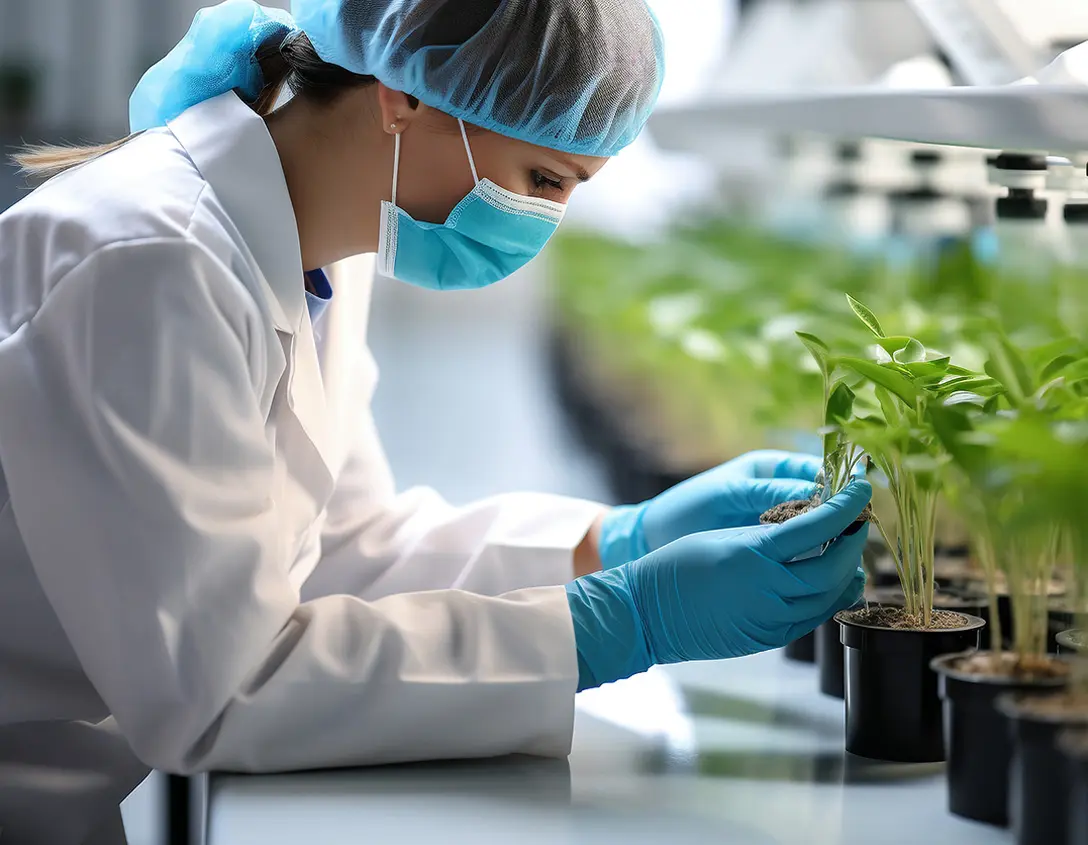
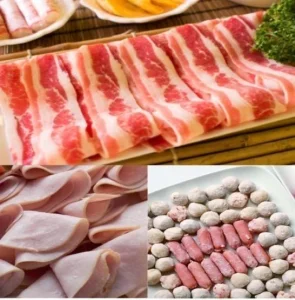
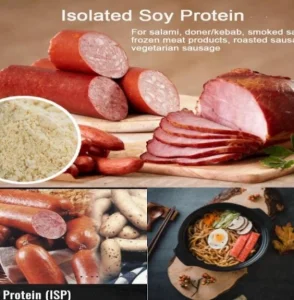
In commercial meat production, yield retention, structural texture, and cost control are paramount. Emulsion-type soy proteins (such as our 9007B-C and 9007B-A series) form strong thermoreversible gels that securely bind free water and lipid molecules. When subjected to thermal cooking, the protein matrices crosslink, preventing fat leakage and minimizing cooking loss.
For whole-muscle products such as ham and turkey breasts, our low-viscosity, high-solubility injection type proteins (such as 9020) pass through fine injection needles without clogging, dispersing uniformly within muscle fibers to enhance tenderness and slicing yield.

Formulating high-protein ready-to-drink (RTD) beverages or powdered meal replacements requires solving two key challenges: solubility under acidic or neutral conditions, and maintaining a smooth mouthfeel.
Our dispersion type protein isolates (9030 and 9032) undergo physical shearing and gentle enzymatic refinement. This reduces average particle size while maintaining high solubility, avoiding the gritty texture common in plant-based proteins. Additionally, our deodorizing extraction technology effectively removes volatile compounds (such as hexanal), resulting in a clean, neutral flavor base that blends easily with vanilla, chocolate, or fruit flavors.
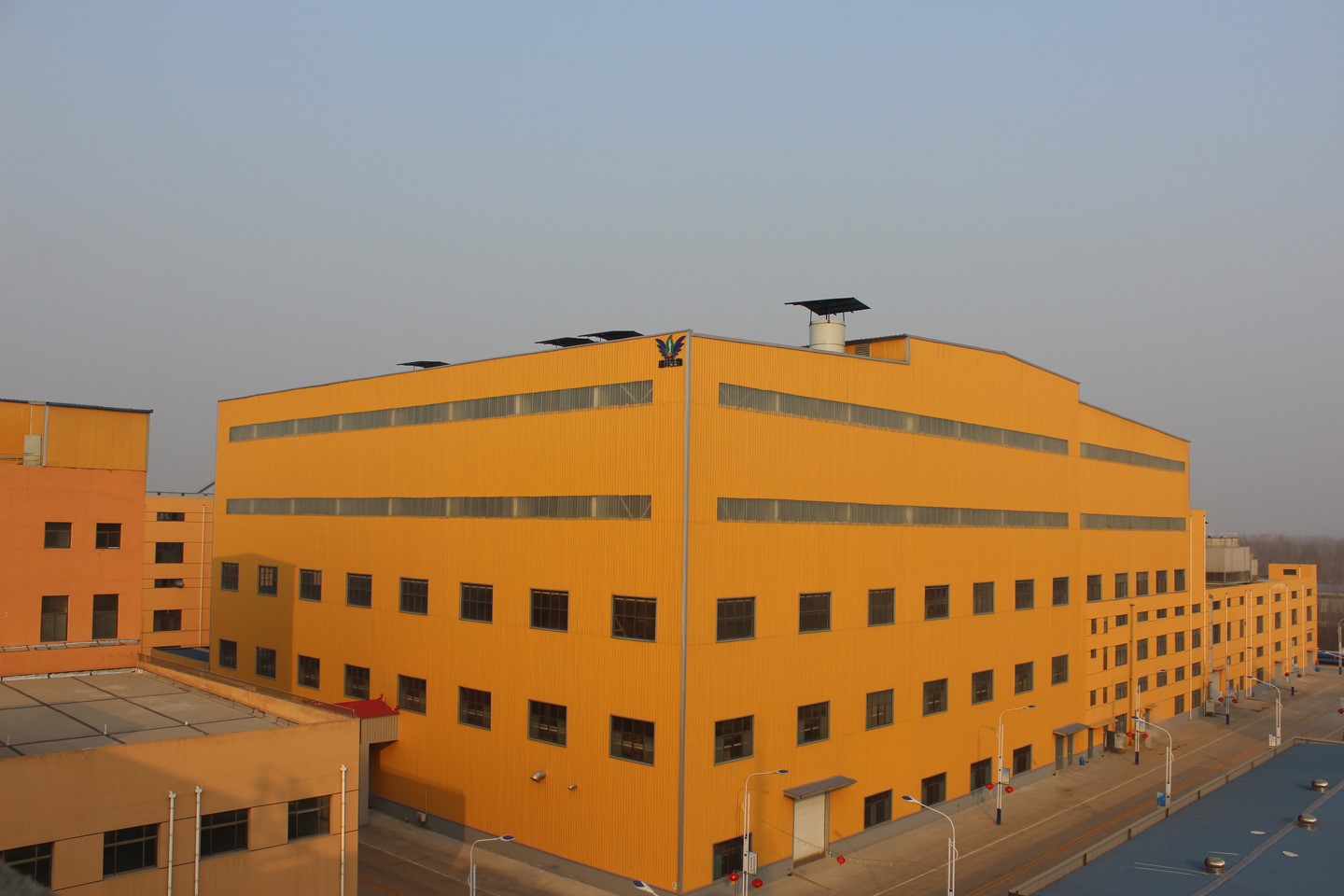
Under the parent group of Xinrui, our state-of-the-art facilities define agricultural deep processing on a global scale.
Operating under SHANDONG KAWAH OILS CO., LTD (established 2014, registered capital 120 million Yuan), our soybean deep-processing facility is a model of vertical integration. We process domestic Non-GMO soybeans to extract non-GMO soybean oil, low-temperature food-grade soybean meal, isolated soy protein, and soy dietary fiber in an integrated, zero-waste process.
Our core manufacturing system features the advanced **Dachuanyuan spray drying tower**, the largest single-line capacity processing system in China. This high-efficiency processing line ensures thermal consistency, preserving protein structure while producing a highly stable powder.
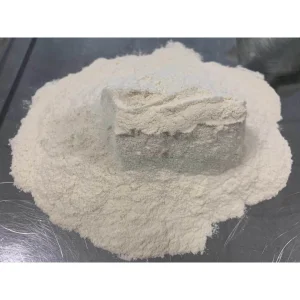
Similarly, GUANXIAN XINRUI INDUSTRIAL CO., LTD (established 2007, registered capital 100 million Yuan) mills 500,000 tons of wheat annually. Using advanced tri-canter separation technology, we produce vital wheat gluten and wheat starch. Starch byproducts are directed to ethanol and animal feed production, while a dedicated cogeneration plant provides steam and electricity back to the manufacturing lines. This circular model ensures stable utility supply, lower production costs, and reduced carbon footprint.
Innovation in protein chemistry. How we are preparing for the next generation of alternative nutrition.
We are expanding research on specific enzyme treatments to selectively cleave peptide bonds. This allows us to modify protein structures to customize viscosity, whipping properties, and allergen profiles for specific dietary needs.
Consumers are demanding simpler, cleaner ingredient lists. We are refining our clean-label extraction process, eliminating chemical processing aids to provide natural, clean-label soy protein isolates.
By leveraging our cogeneration facilities and optimizing thermal recycling on our spray drying towers, we aim to reduce carbon emissions per ton of protein by 30% over the next five years.
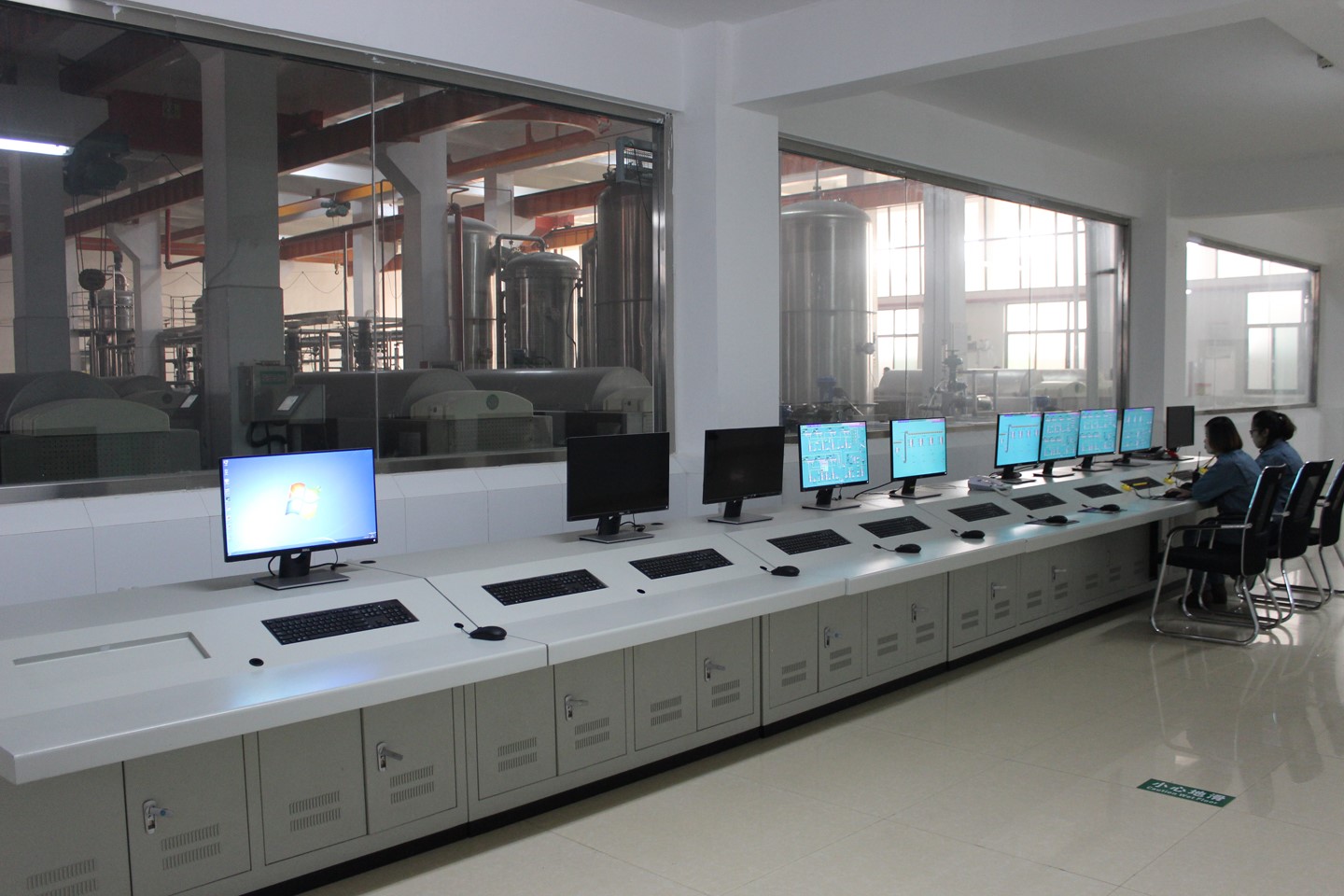
Get an inside look at our advanced manufacturing lines, high-speed packaging, and automated quality control laboratories.
Providing reliable global supply chains through strict quality controls and local customs clearance compliance.
Navigating international shipping and customs requirements demands experience and efficiency. Under the group's dedicated export branch, GUANXIAN RUICHANG TRADING CO., LTD (established 2011, registered capital 6 million Yuan), we coordinate direct factory-to-port logistics. Ruichang Trading manages the export of over 70% of the parent group's total production capacity, shipping to major markets in Europe, Southeast Asia, North America, and South America.
We maintain strict batch control protocols, including pre-shipment SGS inspections, temperature-controlled container logistics, and full traceability back to the non-GMO soybean cultivation fields. This end-to-end control ensures a reliable, continuous supply of high-grade soy protein isolates.
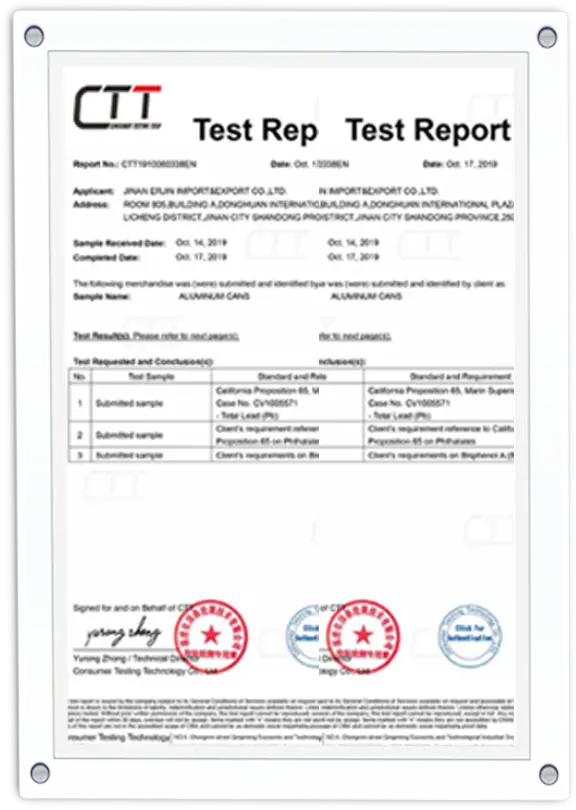
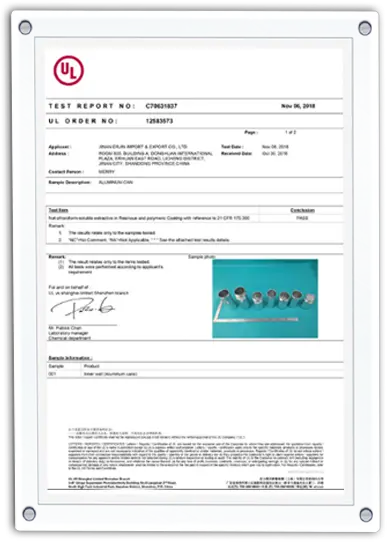
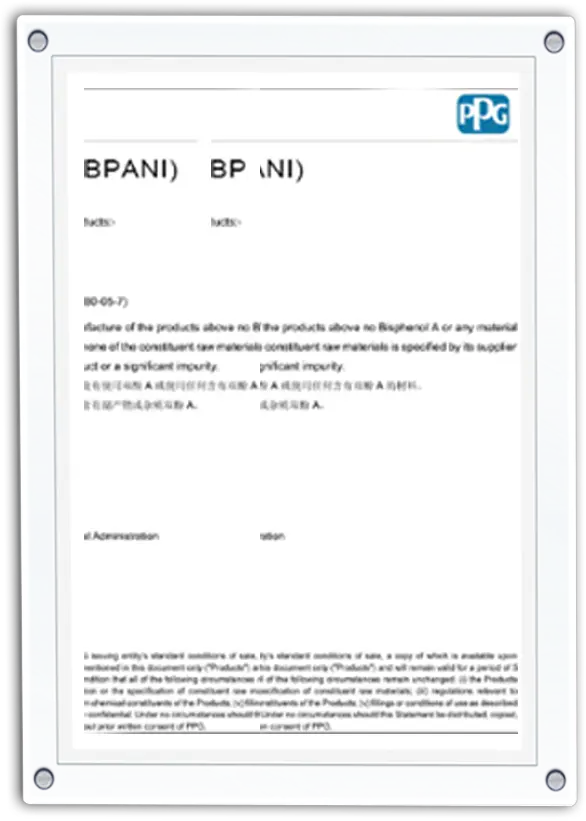
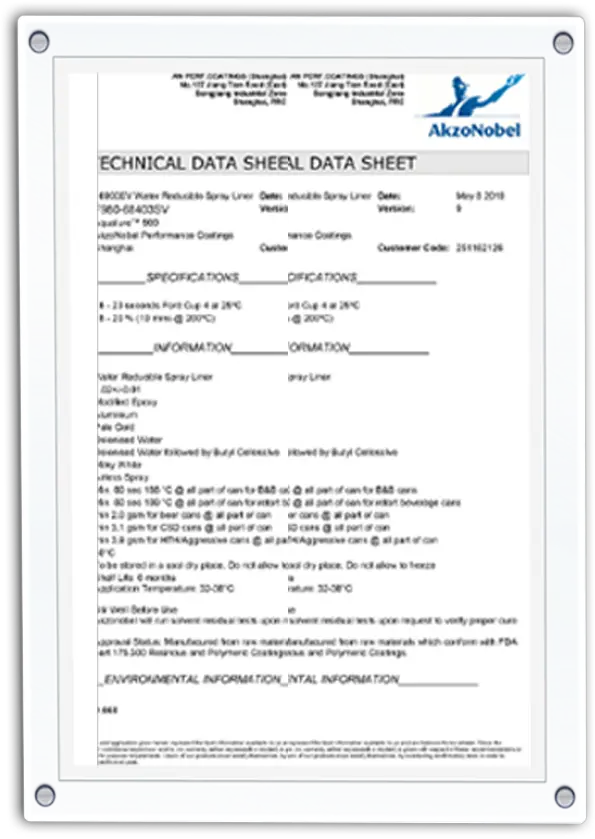
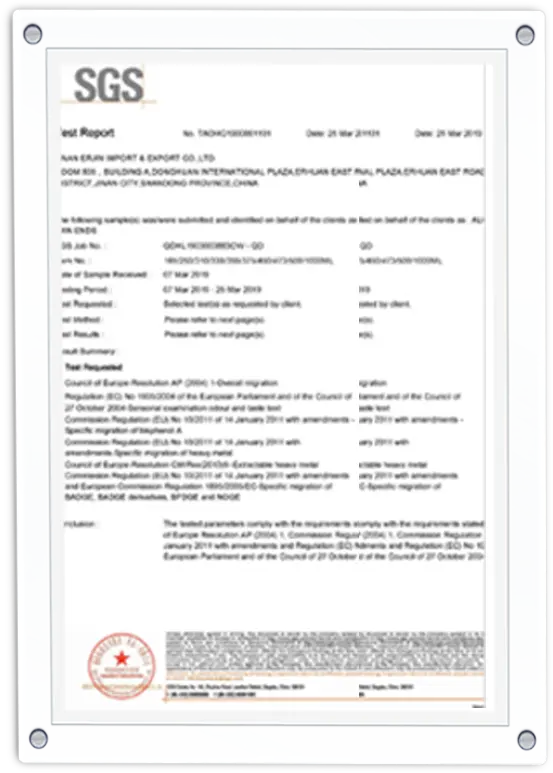
Our manufacturing plants meet the strict standards required by major international food brands. We maintain a robust set of safety, dietary, and ethical certifications.
Answers to common technical, manufacturing, and commercial questions from our global customers.
We are a vertically integrated group company named Xinrui Group, combining large-scale manufacturing and direct export capabilities.
Specifically:
- The manufacturer of our soy protein isolate is Shandong Kawah Oils Co., Ltd, which produces 50,000 tons of isolated soy protein annually.
- The manufacturer of our wheat gluten is Guanxian Xinrui Industrial Co., Ltd (formerly Guanxian Ruixiang Biotechnology Development Co., Ltd), which produces 30,000 tons of vital wheat gluten annually.
- The dedicated exporter is Guanxian Ruichang Trading Co., Ltd, managing global distribution and logistics under the same parent group.
We hold international certifications for quality control, food safety, and religious dietary compliance, including: HACCP, ISO9001, ISO22000, BRC, HALAL, KOSHER, IP-NON GMO, and SGS analysis certificates. Additional custom certifications can be arranged upon request to meet local regulatory needs.
Our raw materials are sourced from contract-growing regions in Northeast China, known for premium non-GMO soybean agriculture. Every step of our process—from sowing, harvest, storage, and processing—is segregated to prevent cross-contamination. Each batch undergoes PCR testing and is certified under Identity Preservation (IP) systems to verify non-GMO status.
Our isolated soy protein has a standard shelf life of 12 to 18 months from the manufacturing date, provided it is stored in dry, cool conditions (temperature below 25°C, relative humidity below 60%). Keep bags sealed after opening to prevent moisture absorption.
We use a low-temperature flash desolventizing process during soybean extraction to limit oxidation and preserve native protein structures. During isolates processing, physical steam stripping removes volatiles like hexanal and ethyl vinyl ketone, reducing bean flavor while preserving protein functionality.
Browse our wide range of plant proteins, starches, and grain derivatives designed for global food processing and industrial applications.
 Xinrui Group