Explore our leading collection of isolated soy proteins, vital wheat gluten, and starch derivatives, precision-formulated for optimum water binding, gel strength, and viscosity profiles.
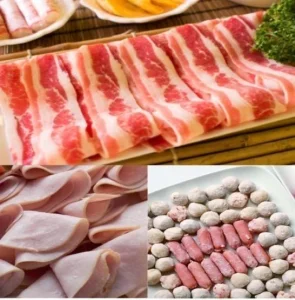
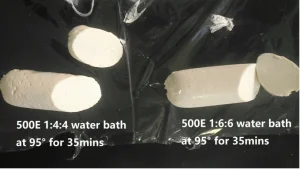
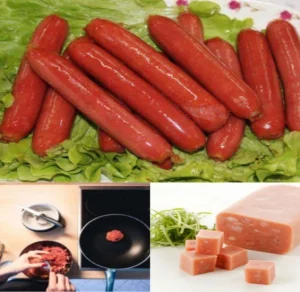
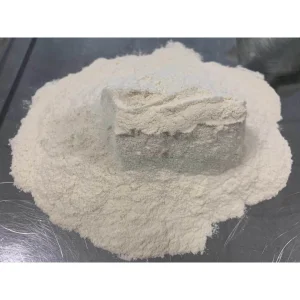
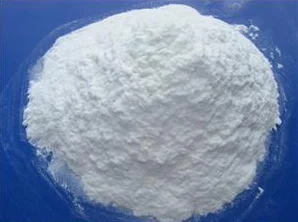
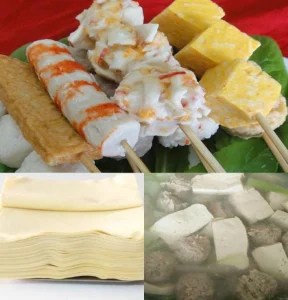
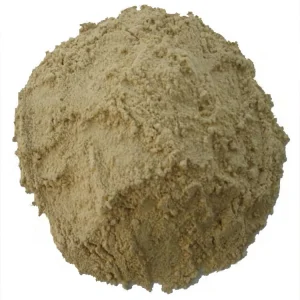
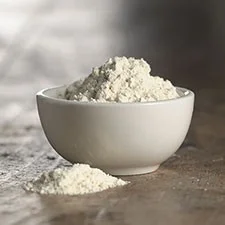
In contemporary industrial food processing, the application of isolated proteins via injection and brine technologies has revolutionized product yields, structural stability, and organoleptic properties. Plant-derived protein injections, particularly those formulated from low-viscosity, high-solubility non-GMO isolated soy protein (such as types 9020, 9026, and 9028), are dynamic macro-molecules. They are designed to enter the interstitial spaces of whole-muscle meats, poultry, and restructured vegetarian matrices, forming stable gel networks that bind moisture and fats permanently during thermal processing.
Globally, the food manufacturing industry faces double pressures: rising raw material costs and evolving consumer demands for clean labels, reduced sodium content, and improved bite feel. Manufacturers are transitioning from simple hydration techniques to highly sophisticated brine injection systems. These systems utilize specialized, high-dispersibility soy protein isolates. Unlike standard emulsion-type soy proteins, injection-grade isolates must maintain extremely low viscosity during brine preparation to prevent the clogging of micro-needles within modern injectors. Only after entering the meat structure and undergoing heat treatment do they undergo cross-linking, transforming into a thermal-irreversible gel that ensures minimal cook loss and maximal product tenderness.
According to current industry research, the global market for food-grade protein isolates is expanding. This growth is driven by the rise of plant-based whole cuts and the continuous development of the traditional processed meat market across Latin America, Eastern Europe, and the Asia-Pacific region. By incorporating functional soy protein isolate into injection formulations, industrial processors can increase production yield by 15% to 40% while preserving a natural muscle fiber appearance.
To understand the behavior of soy protein isolates under high-pressure injection parameters, it is necessary to examine the physical chemistry of the proteins. Soy proteins primarily consist of 7S (conglycinin) and 11S (glycinin) globulins. The 11S fraction contains disulfide bonds that govern the gel strength, whereas the 7S fraction is primarily responsible for the emulsification properties.
For injection-grade proteins (such as Kawah Oils' 9020/9026/9028 variants), the molecular weight distribution is carefully modified through advanced enzyme hydrolysis. This engineering limits aggregation, keeping viscosity low even in highly concentrated brines containing up to 10% protein alongside salt and phosphates. When heated to temperatures above 70°C, the proteins begin to denature, exposing hydrophobic functional groups that interact with adjacent protein networks and myofibrillar meat proteins. This reaction creates a stable emulsion matrix that encapsulates free water molecules, reducing shrinkage during high-temperature cooking.
Designed to disperse uniformly in cold water without forming dry lumps or sedimenting inside injection storage tanks.
Maintains high fluidity through narrow micro-needles under continuous cycle pressures of 1.5 to 3.5 bar.
Creates strong structural networks during cooking to secure moisture, prevent slice fragmentation, and maintain structure.
Our manufacturing capabilities are anchored by our production infrastructure at Shandong Kawah Oils Co., Ltd. (a leading subsidiary of the Xinrui Group established in 2014 with a registered capital of 120 million Yuan). Operating a massive agricultural industrialization complex, the facility processes 180,000 tons of domestic non-GMO soybeans annually. We isolate valuable components sequentially: non-GMO soybean oil, low-temperature food-grade meal, isolated soy protein, and soy dietary fiber.
The technological centerpiece of our soy protein production is the advanced spray drying tower from DACHUANYUAN. This system represents one of the largest single-line spray drying installations in China. The unit handles rapid moisture evaporation, preserving the protein's native structure and prevent pre-denaturation. This results in consistent powder sizing, stable rehydration, and reliable viscosity profiles, avoiding the quality fluctuations common in smaller, fragmented production lines.
In parallel, Guanxian Xinrui Industrial Co., Ltd. (founded in 2007, registered capital of 100 million Yuan) processes 500,000 tons of wheat flour annually. Our processing integrates tri-canter separation technology for wheat gluten production. This clean, closed-loop process partitions wheat flour into vital wheat gluten, high-purity wheat starch A, wheat starch B, pentosan, and industrial ethanol. This circular economic integration provides our global clients with a reliable, vertically-integrated supply of plant proteins and starch binders.
With roots going back to 2003, Xinrui Group has developed from a local agricultural processor into a diversified industrial group producing 2.8 billion Yuan in annual output. Our business model integrates raw agricultural sourcing with deep bio-refining, utilizing modern thermal cogeneration plants to power our industrial spray drying towers and distillation systems.
By controlling our supply chain from non-GMO farming bases through KaWah Oils and Xinrui Industrial factories, we ensure traceablity and quality control. Whether processing 500,000 tons of wheat or crushing 180,000 tons of soybeans, we recycle water and reuse heat, optimizing efficiency throughout the process. The resulting plant proteins, wheat starches, dietary fibers, and ethyl alcohol are exported worldwide through Ruichang Trading Co., Ltd.

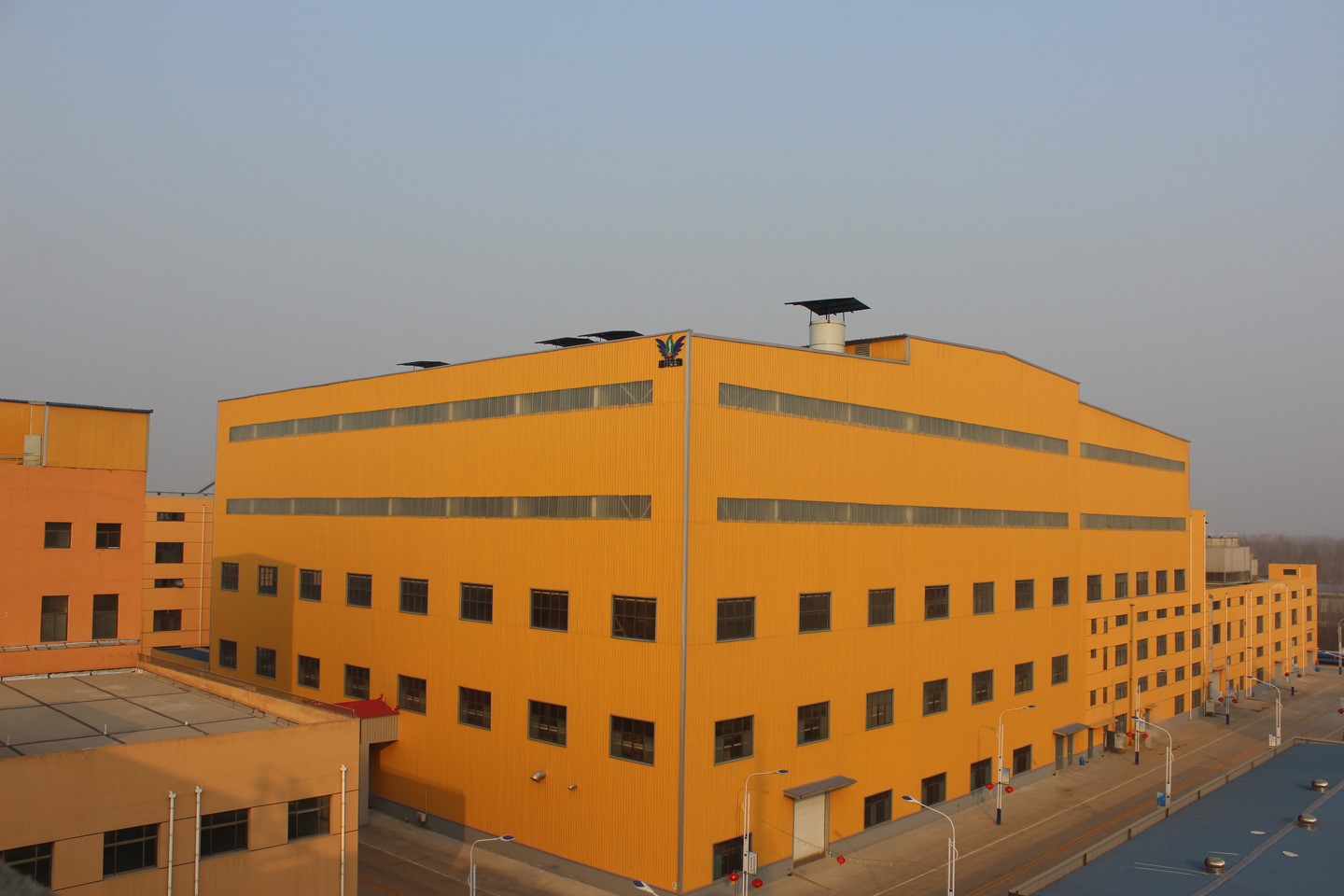
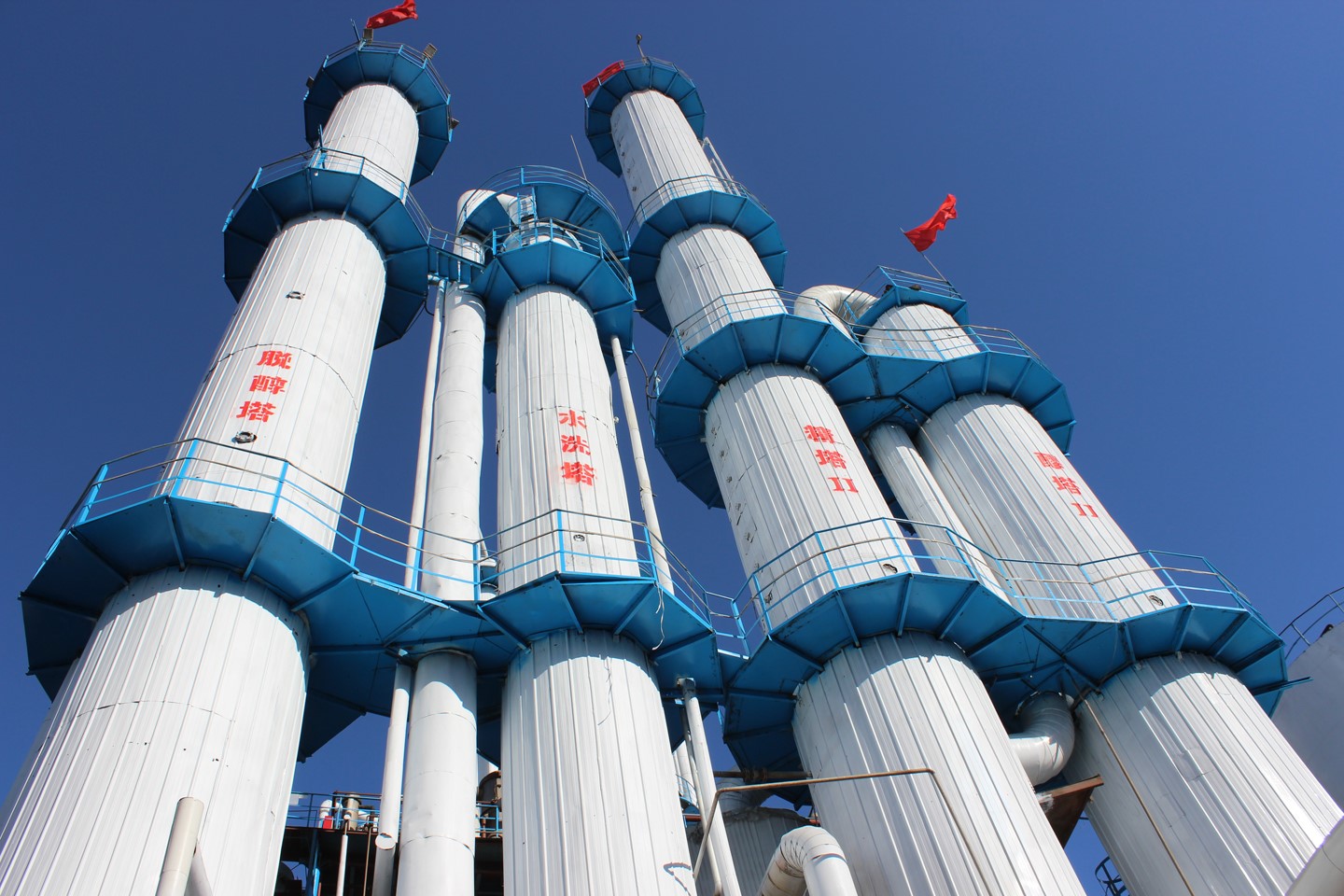
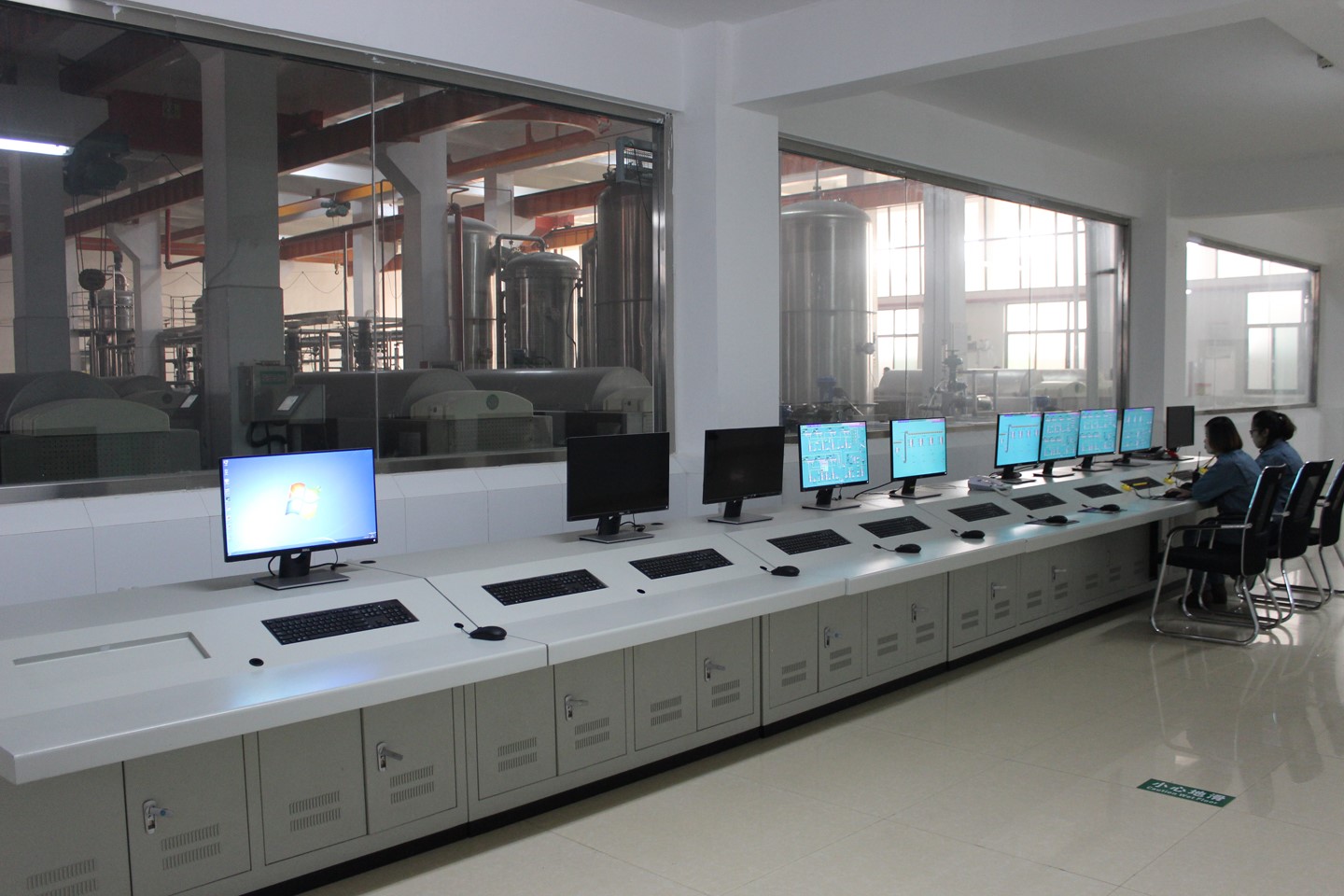
Take an interactive tour inside our non-GMO soybean crushing plant, wheat starch extraction line, and spray drying units to witness our clean-label processing standards.
Facility Walkthrough: Automated Packaging & Storage Areas
Production Line: Soybean Milling and Solvent Extraction Systems
Centrifugal Separators: Tri-Canter Wheat Gluten Partitioning
Dachuan Yuan Spray Dryer Operations: Isolated Soy Protein Processing
Logistics Operations: Loading High-Volume Shipments for Overseas Markets
A schematic look at our structural plant protein catalog, mapping each isolate and starch back to its core industrial application profile.
| Product Line | Representative Grades | Key Functional Parameter | Target Application |
|---|---|---|---|
| Meat & Injection Type ISP | 9020 / 9026 / 9028 | Low cold viscosity, high thermo-setting capacity | Brine injections, cured hams, bacon, sliced poultry |
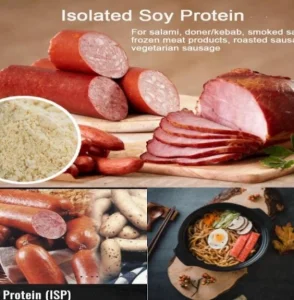
| Meat & Emulsion Type ISP | 9001BW / 9001B-Y / 9000 / 9007B-C / 9500 | 1:5:5 water-fat emulsification index, high viscosity | Frankfurters, sausages, high-shear emulsified products |
| Tofu & Vegetarian Type ISP | 9003B / 9005B | Stable gel matrix formation, clean flavor profile | Tofu blocks, plant-based burgers, analogue meats |
| Beverage & Dispersion ISP | 9030 / 9032 | High wetting rate, dispersion in acid/neutral liquids | Nutritional powders, protein beverages, dairy analogues |
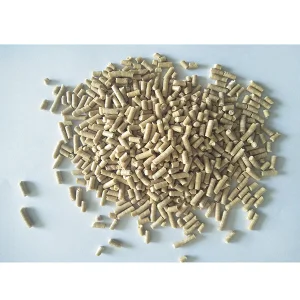
| Vital Wheat Gluten | VWG-P (Powder) / VWG-PS (Pellets) | Viscoelastic structural support | Baking, noodles, textured vegetarian meats, aquaculture feeds |
| Soy Dietary Fiber | SDF-60 / SDF-80 | Dual water & fat absorption, dietary enrichment | Low-fat sausages, high-fiber bakery products, dietary foods |
Providing direct answers to essential integration, supply, and certification inquiries for food science engineers and global purchasing directors.
We are a vertically integrated industrial group operating under the name Xinrui Group. Our group incorporates direct manufacturing units and dedicated export divisions to streamline production and shipping:
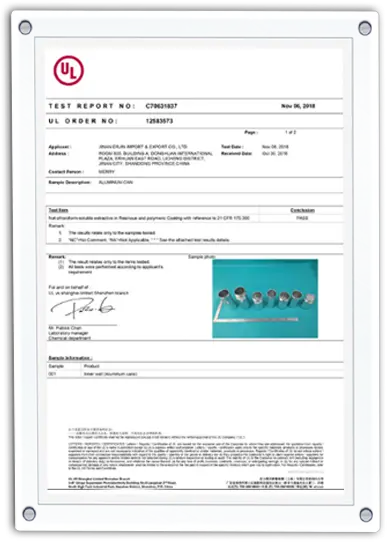
Our operations maintain complete quality assurance documentation. We are certified under HACCP, ISO9001, ISO22000, BRC Global Standards, HALAL, KOSHER, and IP-NON GMO. All shipments can be accompanied by SGS verification reports upon request.
Injection-grade soy protein isolates (such as 9020/9026/9028) must have extremely low viscosity when mixed into cold water and brine systems. Standard isolates (like 9001BW or 9007B-C) form a thick emulsion quickly, which can clog injector needles. Injection-grade proteins are enzymatically modified to remain fluid during injection, and set into a firm gel during the cooking phase to lock in juices.
The Dachuan Yuan spray drying tower uses high-capacity, precise temperature controls to dry protein droplets. This rapid drying process prevents heat denaturation of the protein molecules. As a result, the powder exhibits better solubility, rapid wetting, and consistent gelation compared to older, multi-line systems.
Our isolated soy protein is packaged in multi-wall, paper-plastic composite bags (20kg or 25kg net weight) with inner food-grade PE liners. The standard shelf life is 12 to 18 months when stored in dry, cool conditions (temperature below 25°C, relative humidity under 60%). Special packaging options like bulk jumbo bags are available for high-volume processors.
Complete your supply chain with our range of non-GMO wheat derivatives and dietary fiber concentrates, manufactured to high standards of purity and functionality.
 Xinrui Group