Direct from our manufacturing hubs, discover the specialized wheat and soy proteins driving the formulation of leading domestic and international pet foods.
Analyzing the macro-economic and biochemical factors driving plant-based protein consumption in international pet nutrition markets.
In the contemporary companion animal nutrition industry, pet food brands are grappling with a complex web of consumer trends, raw material supply fluctuations, and regulatory tightening. As pet humanization reaches peak saturation in markets such as North America, Europe, and Asia-Pacific, the formulation of pet foods has transitioned from simple caloric maintenance to targeted health optimization. High-quality plant-based proteins, including Non-GMO Isolated Soy Protein, Vital Wheat Gluten, and Soy Dietary Fibers, have emerged as indispensable components of the modern formulation toolkit.
The Information Gain Imperative: Relying purely on traditional animal by-products creates critical supply vulnerabilities due to geopolitical shifts, disease outbreak risks (such as ASF and Avian Flu), and significant carbon footprints. High-purity, plant-derived proteins solve these constraints, offering highly digestible, structural, and sustainable nutritional matrices.
Procurement teams at enterprise-level pet food manufacturers prioritize three fundamental chemical properties when sourcing plant-based protein isolates:
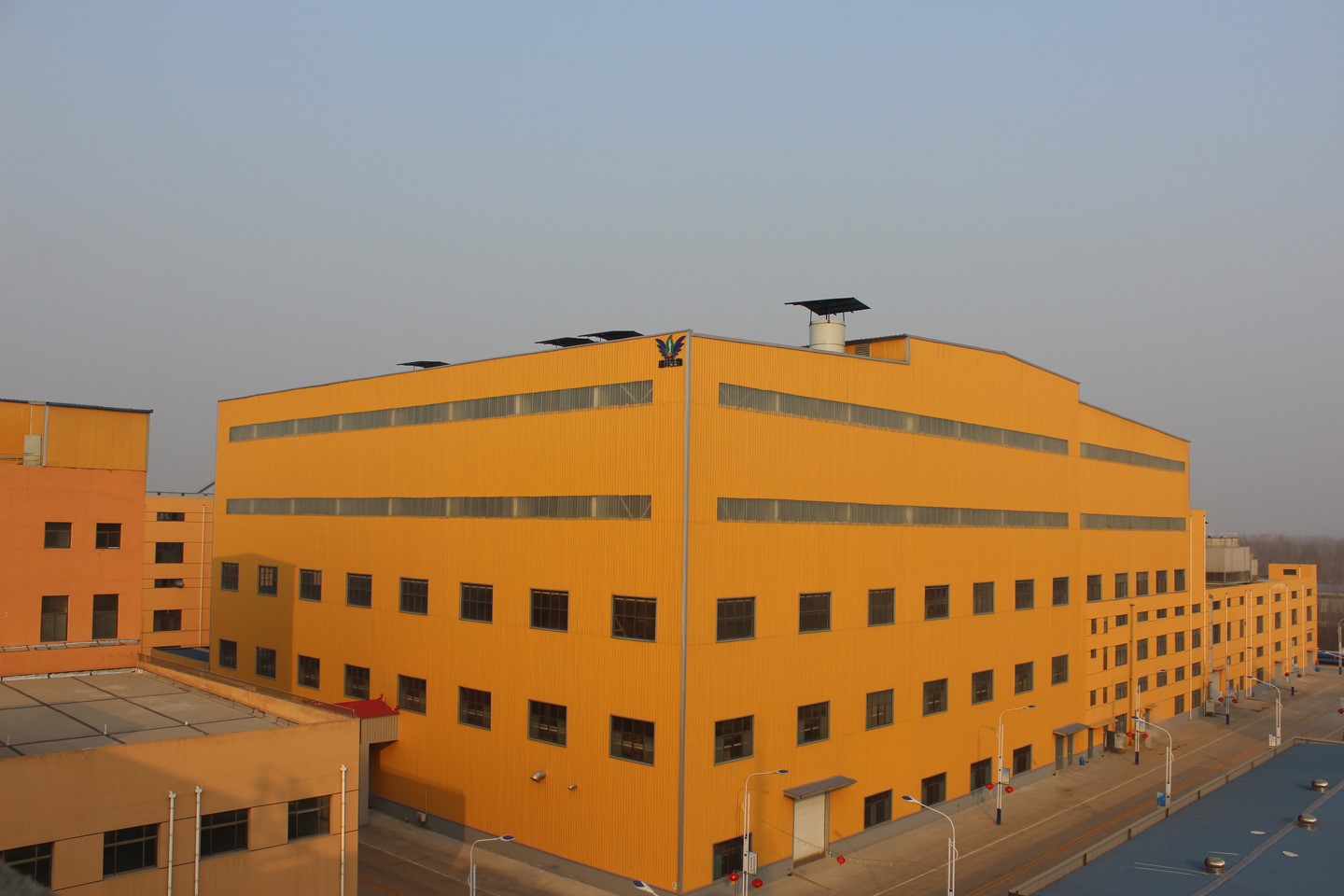
Established in 2003, Xinrui Group spans over 1,000 mu, anchoring a sophisticated industrial model. Our operating subsidiaries, including Guanxian Xinrui Industrial Co., Ltd. and Shandong Kawah Oils Co., Ltd., operate in concert to deliver integrated plant-based raw materials globally.
Our circular economic loop starts with domestic planting bases of Non-GMO Soybean and high-protein wheat. In our wheat facility, we process 500,000 tons of wheat flour annually. Utilizing state-of-the-art European tri-canter separation technology, we extract premium Vital Wheat Gluten, Wheat Starch A, and Wheat Starch B. The residual components, including Starch B and pentosan, are channeled directly into our cogeneration plant and integrated bio-ethanol production line, significantly lowering our carbon footprint and operational costs.
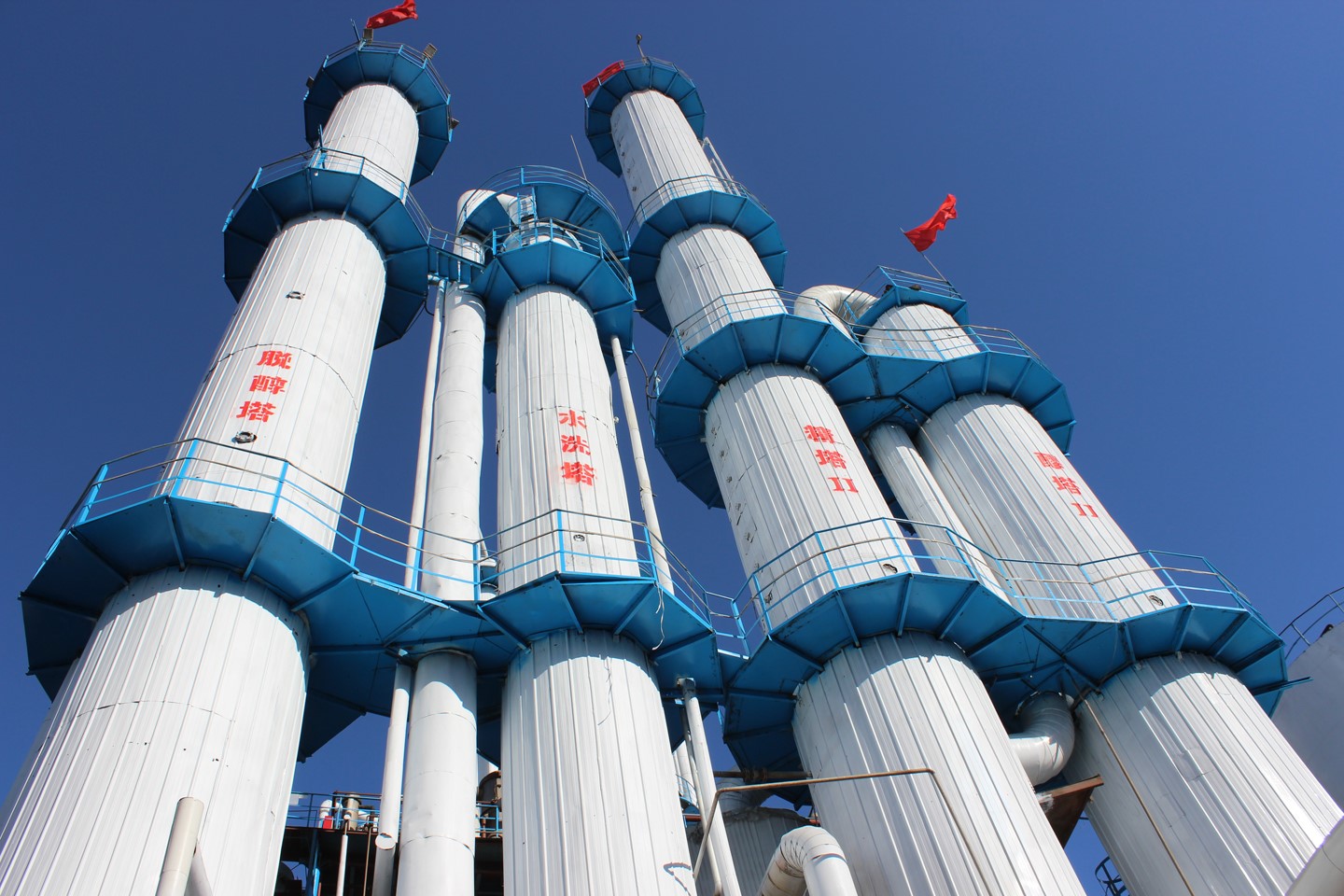
Integrating agricultural science with commercial manufacturing, Shandong Kawah Oils Co., Ltd. handles 180,000 tons of Non-GMO soybeans annually. We leverage advanced extraction technologies to extract low-temperature food-grade soybean meal, high-gelling Isolated Soy Protein, and soluble dietary fibers.
At the center of our production facility is the spray drying tower technology designed by DACHUANYUAN. This single-line configuration stands as one of the largest specialized spray-drying lines in China, ensuring that every batch of isolated soy protein maintains uniform physical particle size, consistent density, and superb solubility. This setup is crucial for high-speed automated pet food plants where consistent raw material behavior directly influences production efficiency.
How plant-derived functional ingredients from Xinrui solve nutritional, binding, and structural challenges in canine and feline diets.
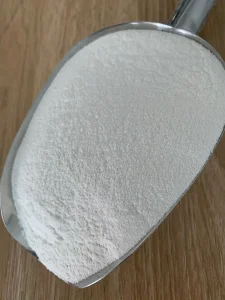
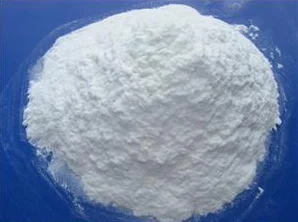
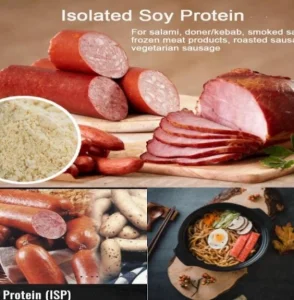
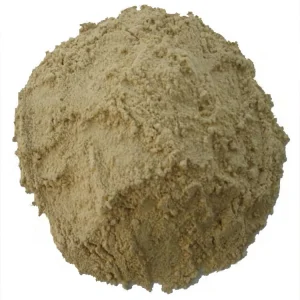
Our Non-GMO Isolated Soy Protein features a digestion coefficient of over 95% in dogs and cats, serving as an exceptional source of lysine, leucine, and glutamic acid while avoiding common red-meat allergens.
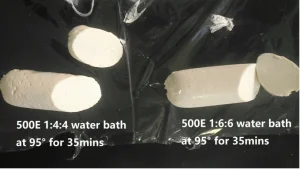
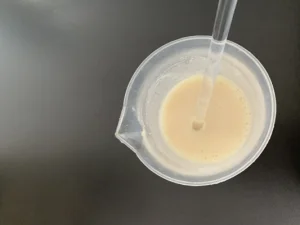
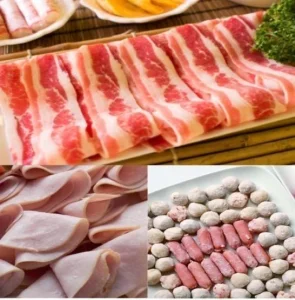
Emulsion and meat-type soy proteins (9007B-C, 9500) generate strong, thermoreversible protein gels. They lock in moisture and fat, simulating real-muscle bite profiles in canned and tray products.
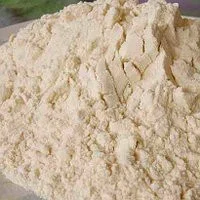
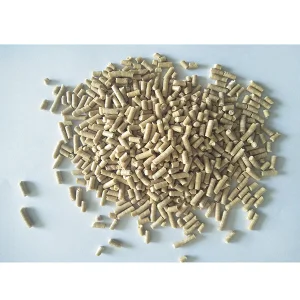
Utilizing high-purity Wheat Starch and Vital Wheat Gluten Pellets (VWG-PS) balances carbohydrate gelatinization rates, boosting dry kibble expansion, durability, and crunchiness.
Looking ahead, the pet nutrition industry is shifting from basic macro-ingredient formulation to molecular ingredient modification. At Xinrui, our technical roadmap targets research across three pillars:
1. High Moisture Extrusion (HMEC) Compatibility: As manufacturers introduce meat-analog textures into wet pet meals, our R&D team is engineering specialized Soy Protein Concentrates and Isolates with optimized fiber-alignment properties, allowing for clean, fiber-like structures under high extrusion pressure.
2. Enzymatic Peptide Hydrolysis: Hydrolyzed plant proteins represent the next phase of hypoallergenic diets. By processing soy protein isolate through targeted enzyme hydrolysis, we are creating smaller peptide fractions that support gut absorption and gastrointestinal healing in sensitive companion animals.
3. Advanced Dietary Fiber Optimization: Utilizing our Soy Dietary Fiber (SDF), we are refining cell-wall structure sizing to deliver dual-action functional benefits. These include insoluble fibers that aid in hairball control and colon motility, coupled with prebiotic soluble fractions that encourage beneficial short-chain fatty acid (SCFA) production in the pet's microbiome.
Get a firsthand look at our state-of-the-art production lines, extrusion performance testing, and the global scale of our operations.
Ensuring full traceability, regulatory alignment, and quality standards for international supply chains.
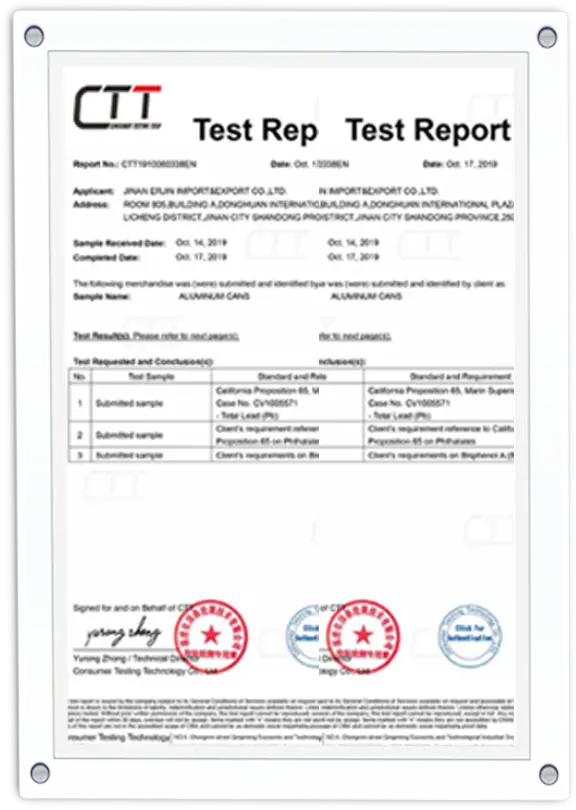
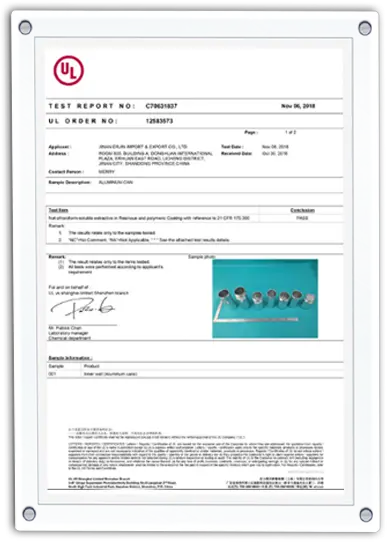
For high-volume pet food brands, ingredient safety is paramount. Any contamination or failure in identity preservation can trigger recalls that jeopardize years of brand reputation. Xinrui Group implements a strict quality assurance protocol that oversees the entire journey from farm seed to ready-to-ship product. Our export arm, Guanxian Ruichang Trading Co., Ltd. (founded in 2011), manages local and global supply chains directly. Over 70% of our group's production capacity is exported to international markets, ensuring a deep familiarity with the regulatory requirements of different regions:
In-depth technical clarifications for research scientists, procurement officers, and quality assurance specialists.
Expanding your formulations with specialized vegetarian bases, injection-grade proteins, and premium ethanol ingredients.
 Xinrui Group