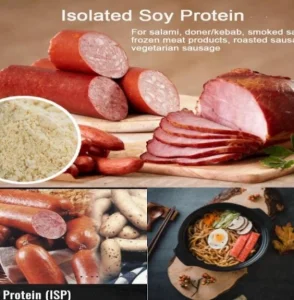
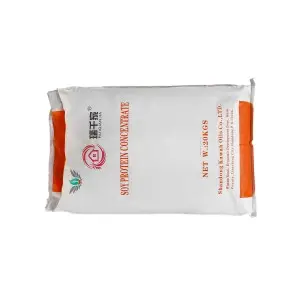
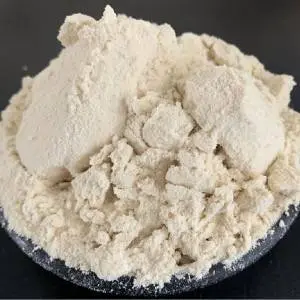
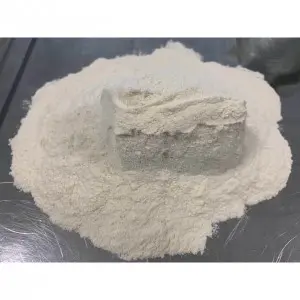
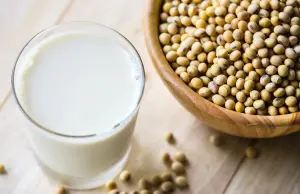
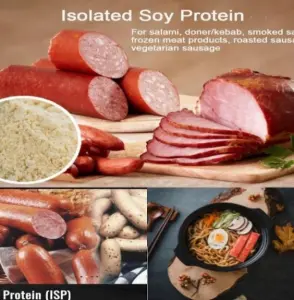
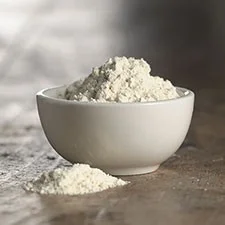
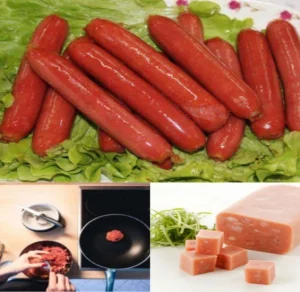
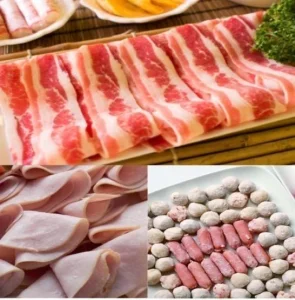
In modern meat processing, moisture retention, protein density enhancement, and mechanical stability represent the triple crown of yield optimization and quality preservation. Traditionally, processors relied strictly on simple phosphate brines to swell muscle fibers. However, global nutritional preferences are shifting towards plant-derived protein fortification, cleaner labels, and high-yield solutions. This is where Injectable Isolated Soy Protein (ISP) becomes a critical technological component.
This industry report analyzes the chemical dynamics, production innovations, and application structures of injection-grade soy proteins, with a specific focus on the processing prowess of China's leading manufacturing complexes.
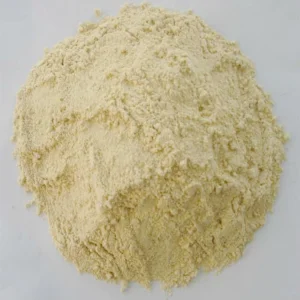
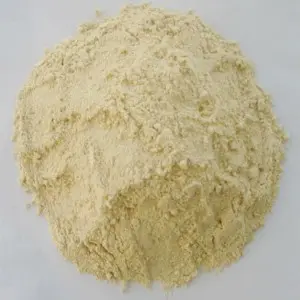
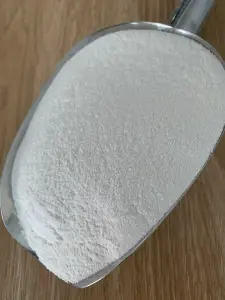
The key challenge in designing injection-grade soy proteins is balancing high solubility with low cold viscosity. Standard isolated soy proteins exhibit high viscosities that clog industrial injector needles (ranging from 1.5mm to 4mm in diameter) and produce localized protein pockets in muscle tissues. Injectable soy protein (such as Kawah Oils’ 9020 series) is molecularly modified through controlled enzymatic hydrolysis. This lowers viscosity under cold conditions (2–4°C) during brine preparation while ensuring that once the meat enters the thermal processing phase (cooking/smoking), the proteins form a heat-induced gel network that locks in water, fat, and juices.
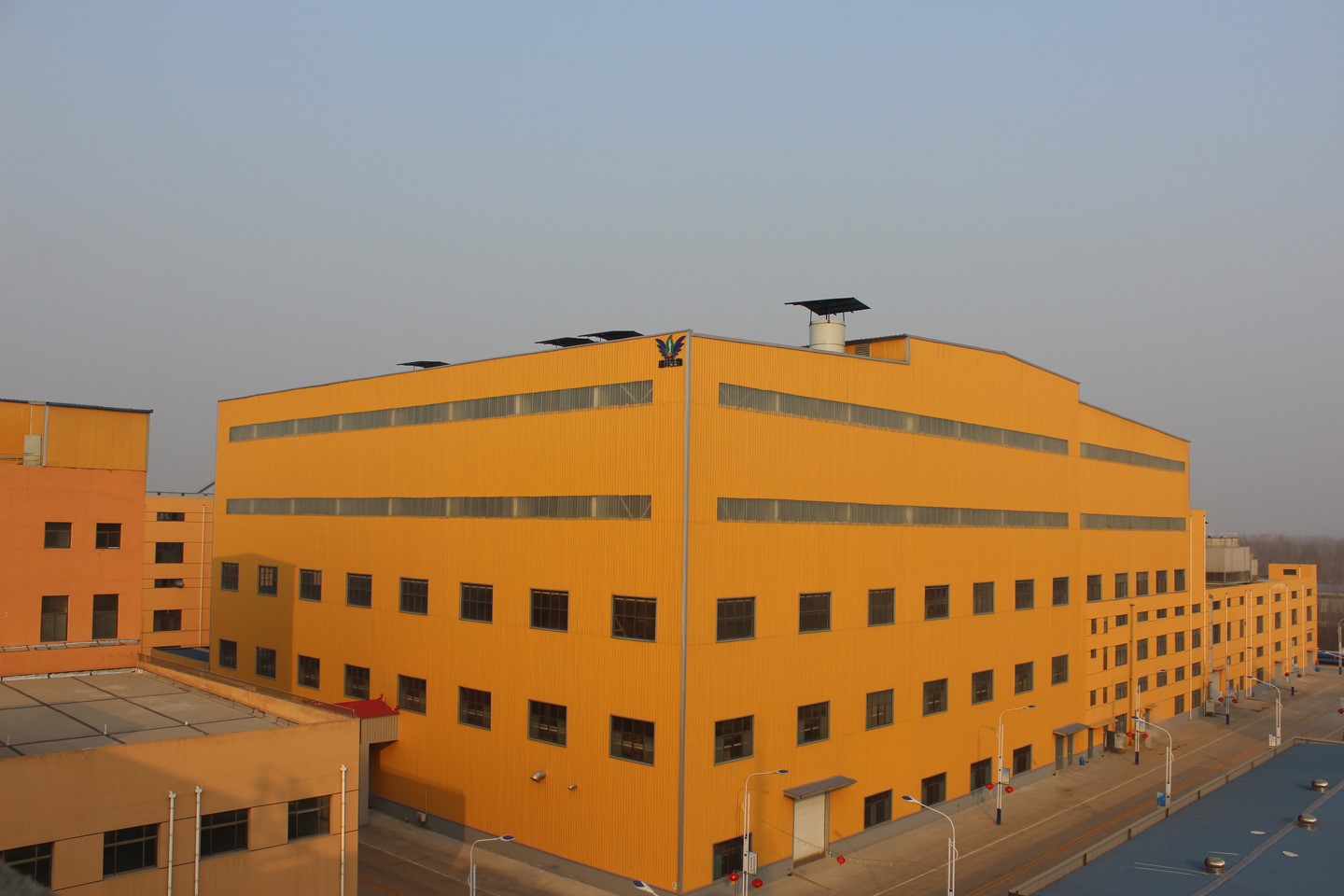
China has established itself as the global epicenter for soy and wheat processing through massive agricultural integration and state-of-the-art separation technologies. The Chinese factory advantage is exemplified by conglomerates like the Xinrui Group. Founded in May 2003, Xinrui Group has evolved into a diversified industrial empire covering more than 1,000 mu, achieving an annual output value of 2.8 billion Yuan.
By integrating municipal heating, gas supply, and steam cogeneration, the processing facility reduces its carbon footprint and energy cost overheads, passing these savings directly to downstream global buyers. In our soybean processing division, Shandong Kawah Oils Co., Ltd. (established in 2014, Registered Capital: 120 million Yuan), we process 180,000 tons of strictly domestic, Non-GMO soybeans annually.
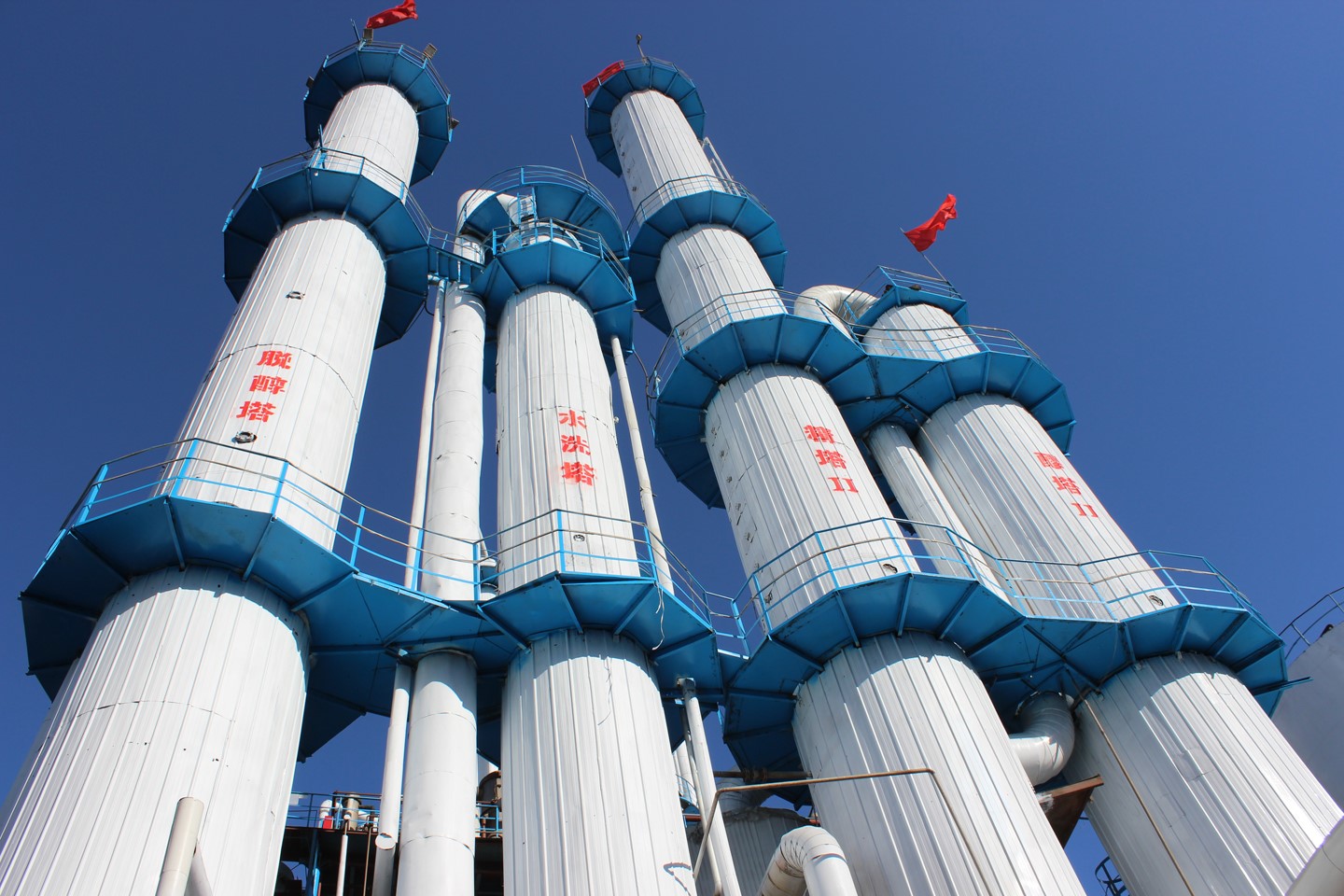
Unlike many Western processors who outsource soy extraction, Kawah Oils controls the entire pipeline from low-temperature food-grade meal extraction to isolated soy protein spray-drying. Our spray drying facility features the advanced DACHUANYUAN Spray Drying Tower, containing the largest single-line output capacity in China.

Injectable soy protein is not a one-size-fits-all solution. Depending on the local culinary standards, carcass qualities, and processing regulations, the application parameters change drastically. Let us examine the main application areas:
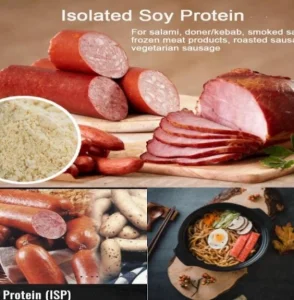
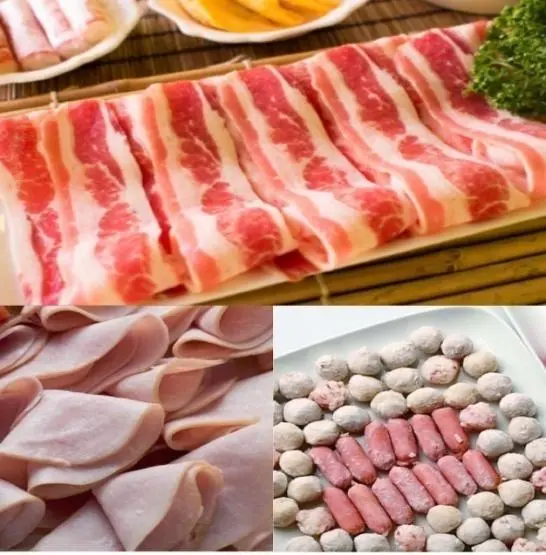
In premium ham processing, maintaining sliceability and natural meat grain is critical. ISP 9020 can be dispersed in ice water alongside salt, phosphates, and curing agents. The suspension exhibits ultra-low viscosity, ensuring deep muscle penetration without tearing the meat matrix. During cooking, it binds free moisture, preventing purge loss in vacuum packaging.
Processed chicken breasts, nuggets, and turkey rolls often suffer from dryness after reheating. Injecting a 5% to 8% solution of soy protein isolate stabilizes the myofibrillar proteins, ensuring the meat remains tender and juicy even under extended heating in fast-food warming trays.
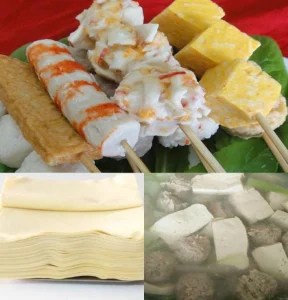
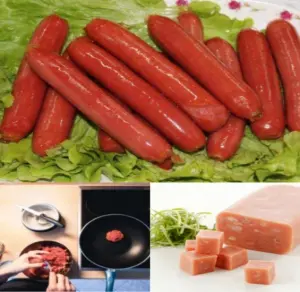
In high-speed chopping applications, soy proteins (such as our 9007B-A or 9007B-C series) act as emulsification agents. They encapsulate fat globules and retain water during sterilization or smoking cycles, eliminating grease-out and water separation.
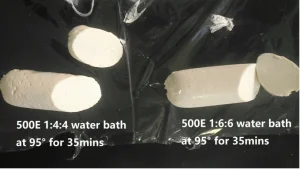
When soy protein isolate is injected, it resides in the extracellular spaces of the meat tissue. As the product temperature reaches 65°C to 75°C, the globulin molecules (specifically 7S and 11S fractions) unfold and link with the meat's native myosin. This synergism creates an elastic, cohesive gel.
Our research and development team at Shandong Kawah Oils has optimized the 7S/11S ratio in our ISP 9020. By maximizing the 11S fraction, which is rich in sulfhydryl groups, we achieve superior gel hardness and elasticity compared to standard plant proteins. This translates directly to better yield and texture in the final meat products.
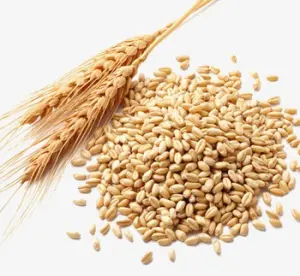
The strength of our operation lies in the synergy of the group company structures. Guanxian Xinrui Industrial Co., Ltd. (formerly Guanxian Ruixiang Biotechnology) was set up in 2007 with registered funds of 100 million Yuan. The facility processes 500,000 tons of wheat flour annually, extracting vital wheat gluten, wheat starch A, and wheat starch B.
In a perfect circle of resource utilization, starch B and pentosan are recycled for the production of high-grade ethyl alcohol (ethanol) and animal feed, leaving zero biological waste. The wheat gluten line integrates tri-canter separation technology imported from premium overseas machinery suppliers, guaranteeing pure and high-activity gluten proteins.
To facilitate seamless interactions with overseas clients, Guanxian Ruichang Trading Co., Ltd. was established in 2011 with 6 million Yuan of registered capital. Ruichang Trading acts as the direct export portal, delivering isolated soy protein, vital wheat gluten, soluble dietary fiber, vermicelli, and premium food-grade ethanol directly to international customers. Over 70% of the group company's production capacity is exported, integrating factory production directly with international logistics and distribution.
Our raw materials are sourced from controlled Non-GMO soybean planting bases in northeastern China, ensuring trace-back transparency from final product lot numbers to the agricultural fields.
Below are the standard technical specifications for our primary food-grade protein isolates, dietary fibers, and gluten products. These parameters are rigorously tested inside our ISO-certified factory laboratories prior to shipment.
| Product Code / Description | Protein (Dry Basis) | Moisture (%) | Ash (%) | Key Functional Characteristics & Application Areas |
|---|---|---|---|---|
| ISP 9020 / 9026 / 9028 (Injection Type) | ≥ 90.0% | ≤ 7.0% | ≤ 6.0% | Ultra-low cold viscosity, rapid dispersion, designed for brine injection in meat blocks, ham, and bacon. |
| ISP 9007B-A / 9007B-C (Emulsion Type) | ≥ 90.0% | ≤ 7.0% | ≤ 6.0% | High water binding capacity, excellent fat emulsification for sausages, meatballs, and processed meat. |
| ISP 9030 / 9032 (Beverage & Dispersion Type) | ≥ 90.0% | ≤ 7.0% | ≤ 6.0% | Quick dispersion in liquids, low viscosity, neutral flavor profile for protein beverages and health foods. |
| ISP 9003B / 9005B (Tofu & Vegetarian Type) | ≥ 90.0% | ≤ 7.0% | ≤ 6.0% | Strong structural gelling properties, optimized for vegetarian tofu, meat alternatives, and surimi. |
| Vital Wheat Gluten (VWG-P / VWG-PS) | ≥ 75.0% | ≤ 9.0% | ≤ 2.0% | High viscoelasticity and water absorption, ideal for baking, flour fortification, noodles, and pet food. |
| Soy Dietary Fiber (SDF) | ≥ 18.0% | ≤ 10.0% | ≤ 6.0% | Excellent water retention and oil binding, used to improve dietary fiber content in baked goods and sausages. |
To ensure complete reliability and compliance with global food safety standards, Xinrui Group and Shandong Kawah Oils maintain a full stack of international certifications. Our processes are continuously audited by independent third-party institutions.
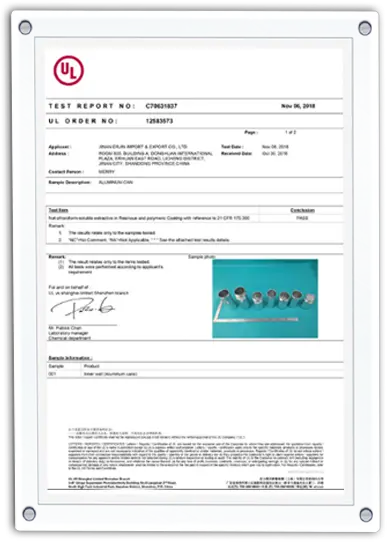
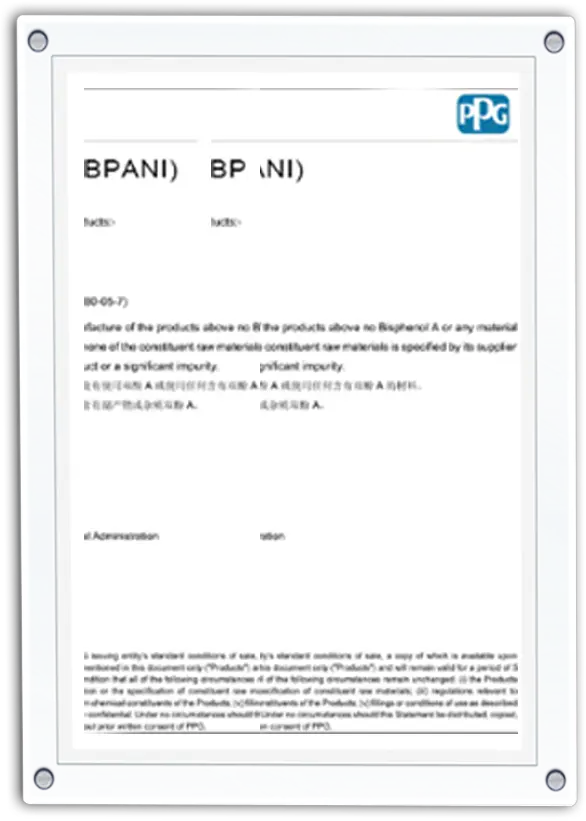
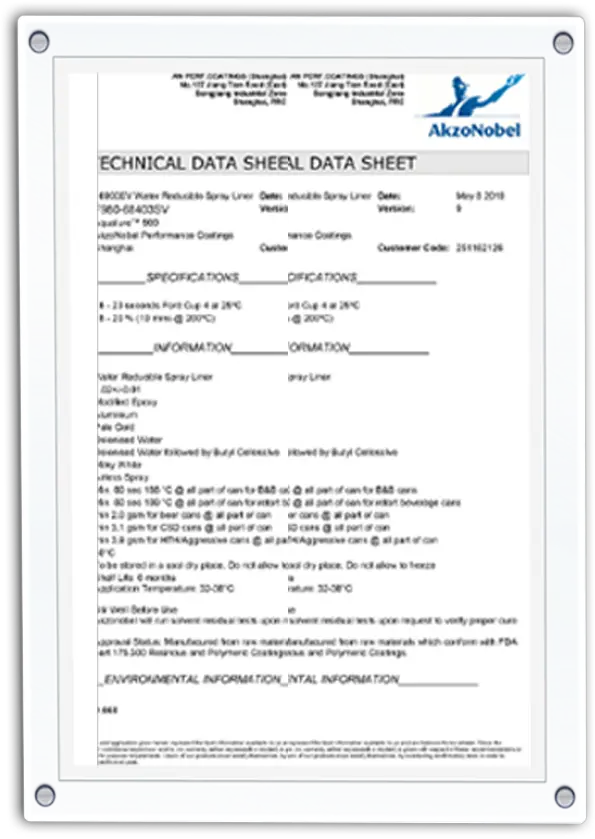
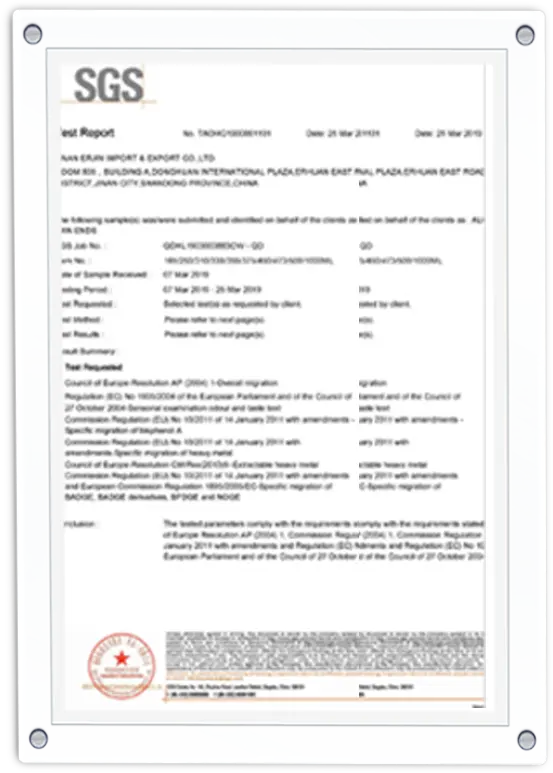
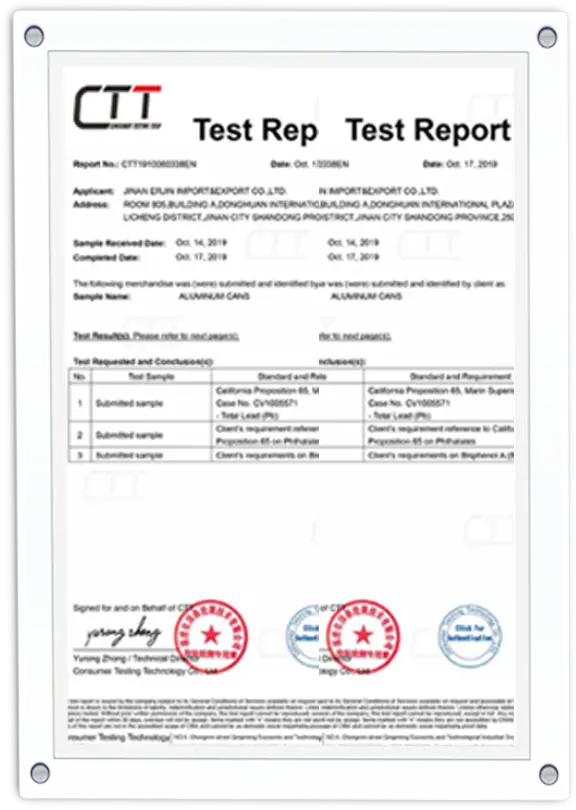
Our compliance portfolio includes IP-NON GMO, HACCP, ISO9001, ISO22000, BRC, HALAL, and KOSHER. These certifications confirm that our production line remains clean and enclosed, preventing cross-contamination and assuring full IP non-GMO traceability from agricultural seed to final packaged products.

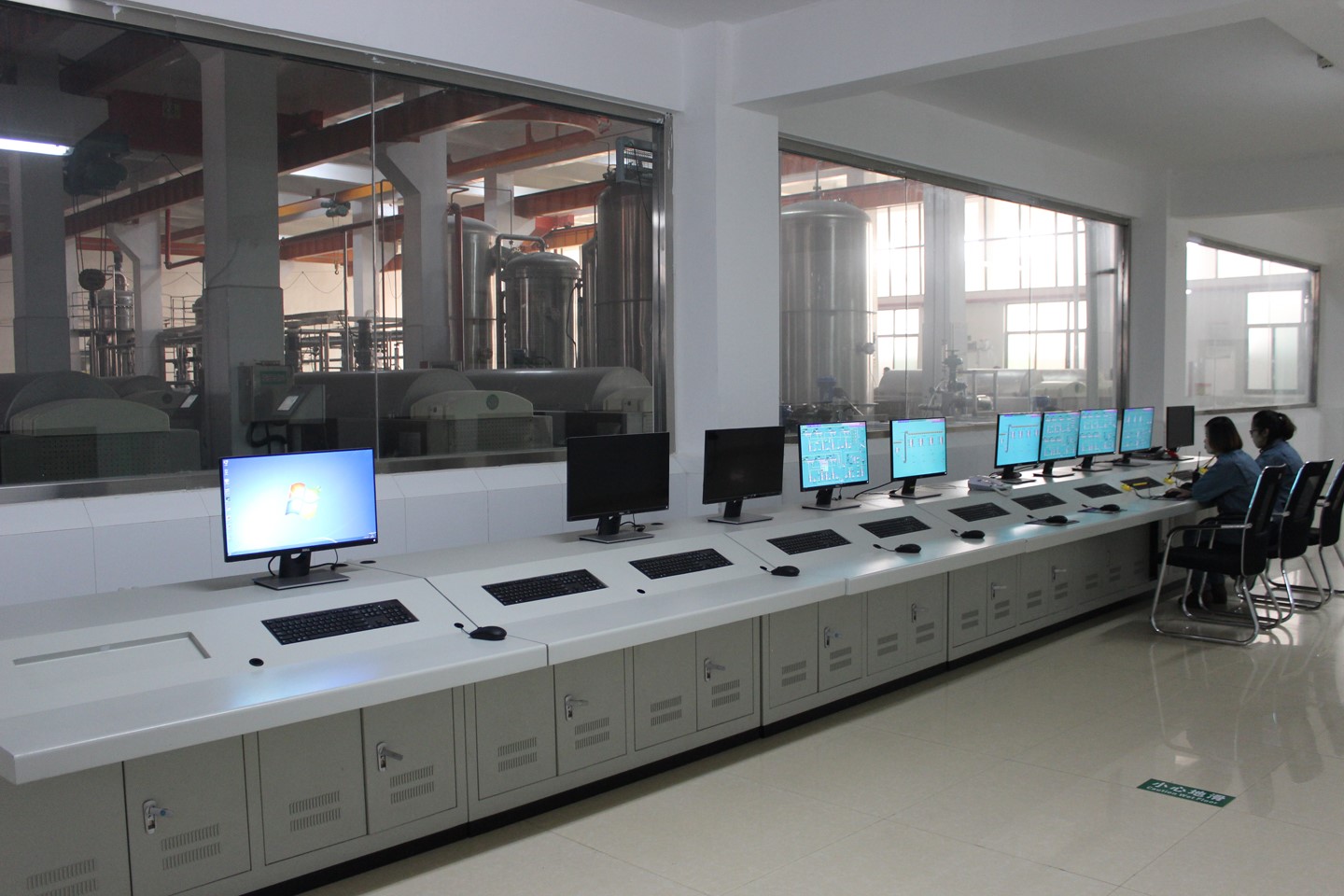
Transparency is the foundation of E-E-A-T. We invite our global corporate clients to examine our production floor, laboratories, and shipping docks through our detailed factory walkthrough videos.
To assist corporate procurement directors, food scientists, and operations managers in selecting the ideal protein matrix, we have compiled detailed solutions to frequently asked technical questions.
Beyond our core injectable soy protein lines, the group factories produce a comprehensive suite of wheat- and soy-derived ingredients to support global food manufacturing.
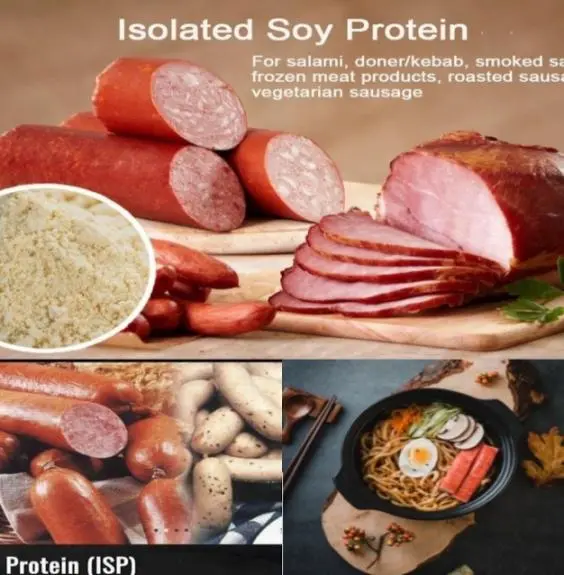
High solubility and superior emulsion capacity for chopped and emulsified meat formulations.
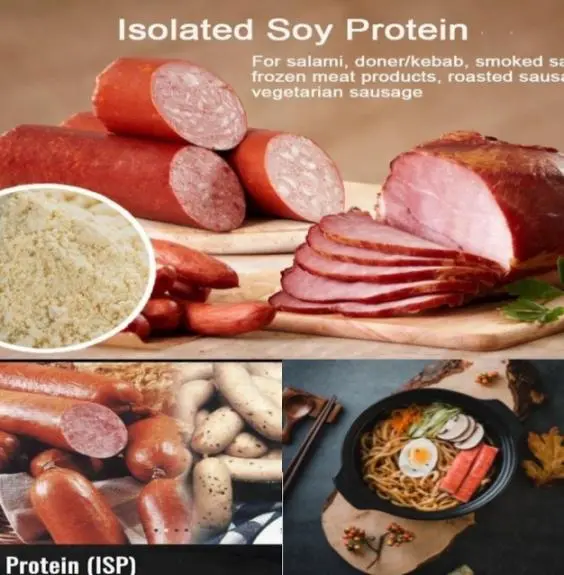
Specially processed for cold water binding in processed hams and luncheon meats.
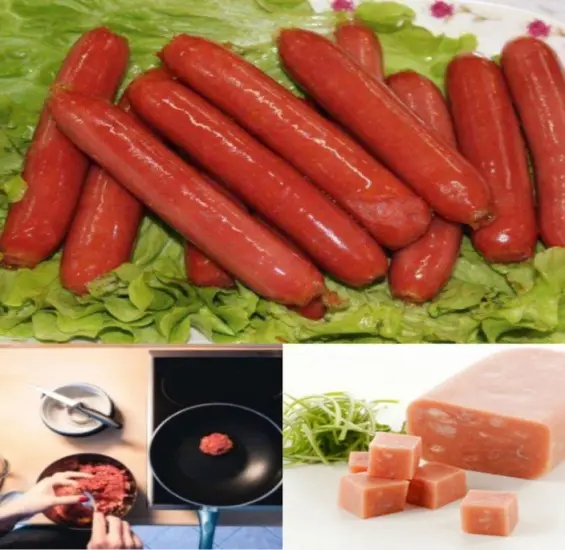
Provides robust structure and yield control for cooked meat and canned food products.
Highly functional emulsion-grade protein designed for export-standard sausage products.
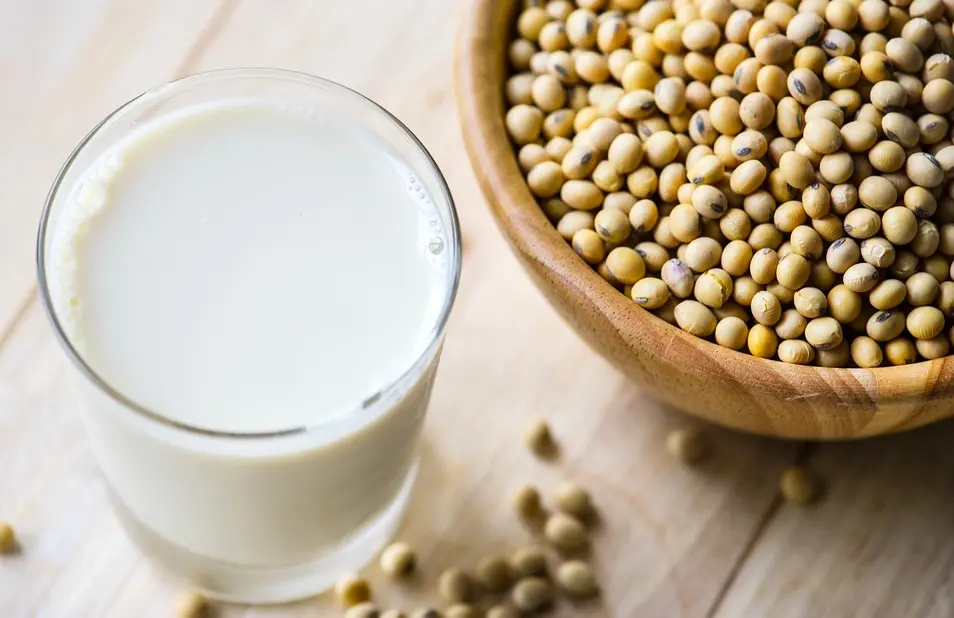
Excellent dispersibility in water and dairy bases, ideal for clinical nutrition and supplements.
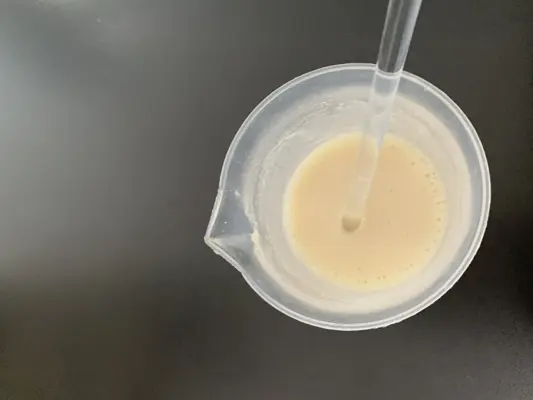
Our flagship injection-grade series, engineered for high-pressure injection systems.
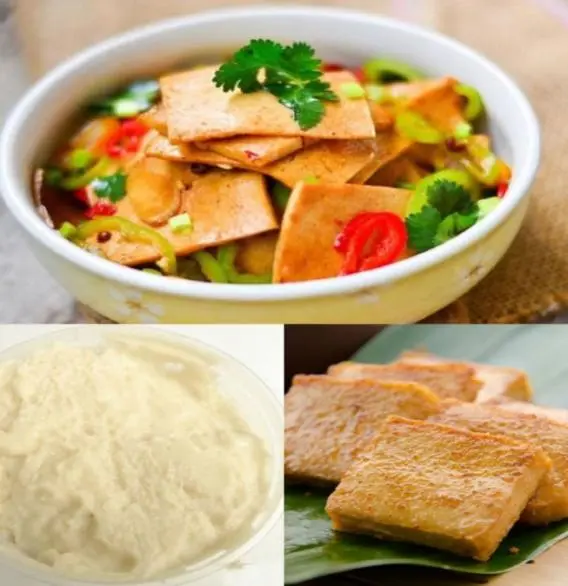
Optimized gelling properties for traditional tofu manufacture and plant-based foods.
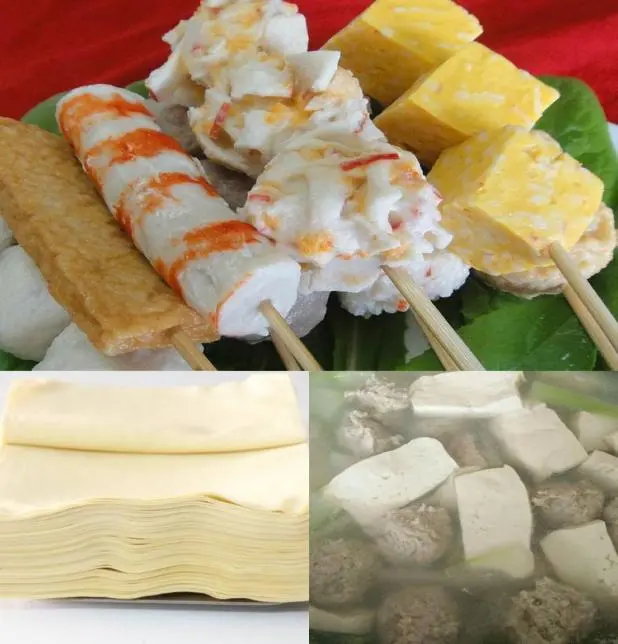
Forms resilient gel matrices, designed for high-end vegetarian foods and analog meat products.
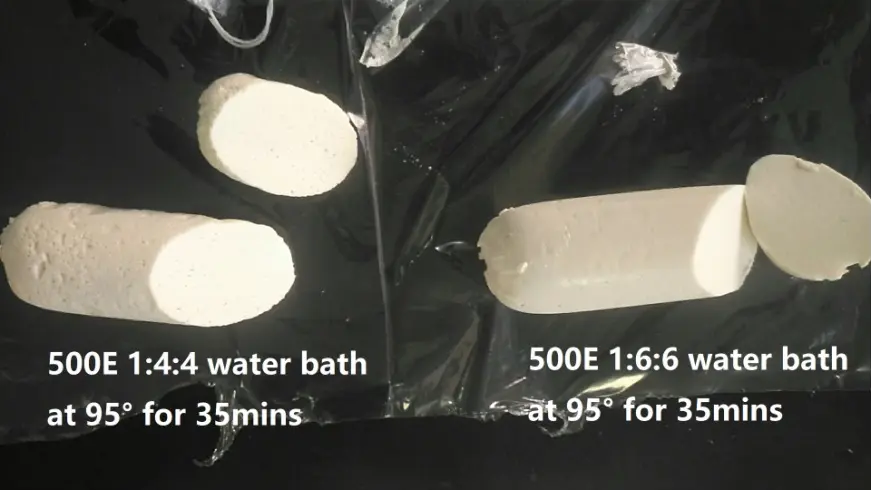
Robust gel network stability under extreme sterilization and cooking temperatures.
Our circular economy design ensures that all wheat and starch fractions are valorized into high-quality food-grade additives.
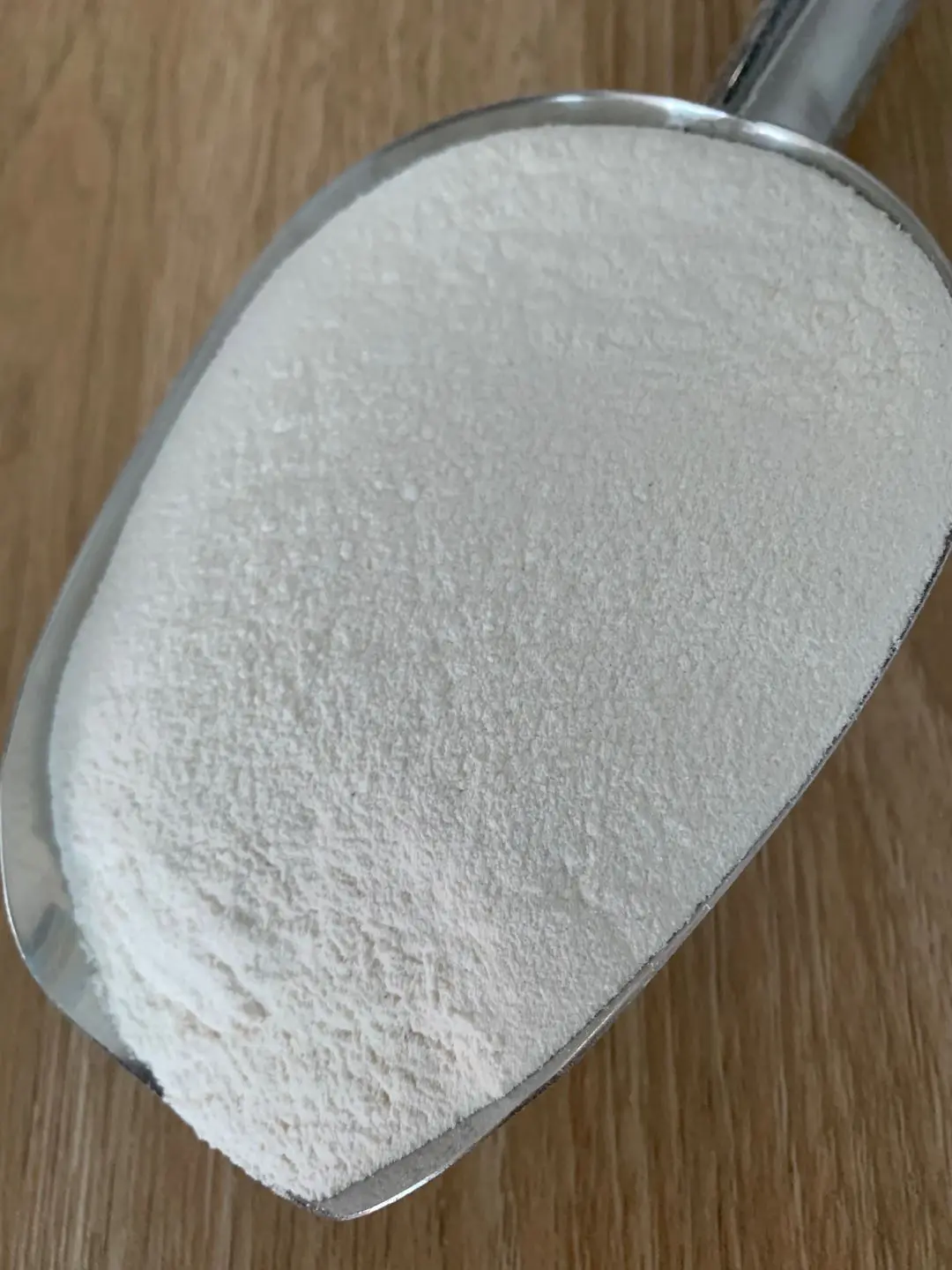
A rich source of dietary fiber with excellent water retention properties for baking and processed meats.
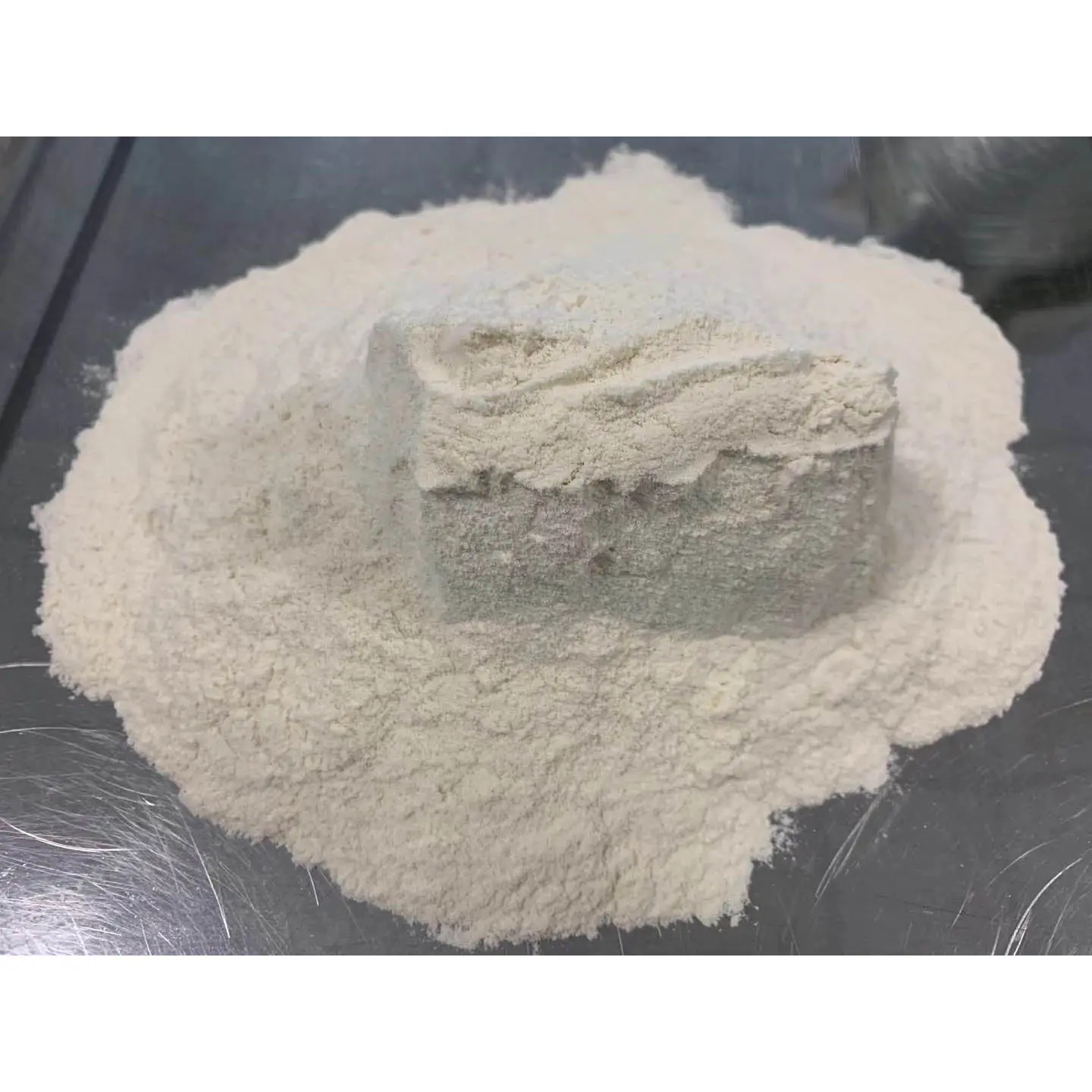
Optimized fiber lengths designed to improve texture and yield stability in baking formulations.
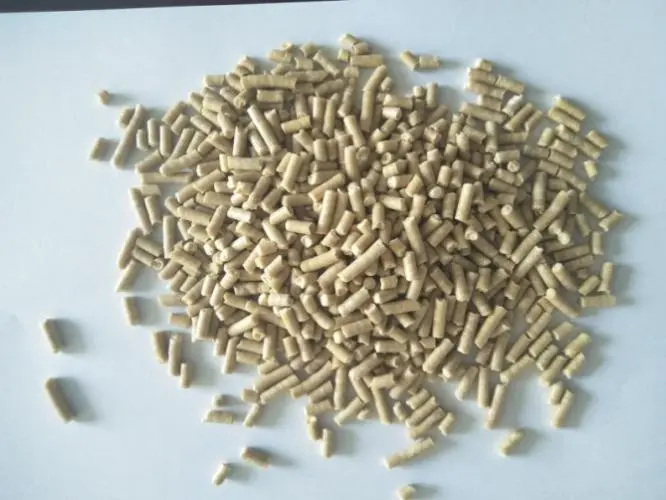
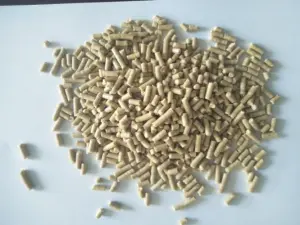
Durable pellets produced for convenient handling in industrial feed mills and processing hubs.
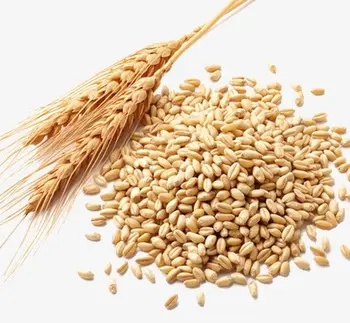
Highly vital gluten with excellent viscoelastic recovery, perfect for commercial bread mills.
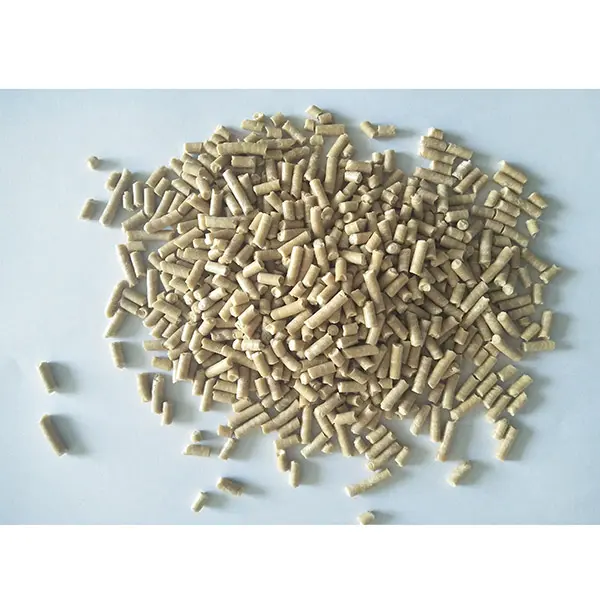
High protein feed pellets with excellent storage stability and nutrient preservation.
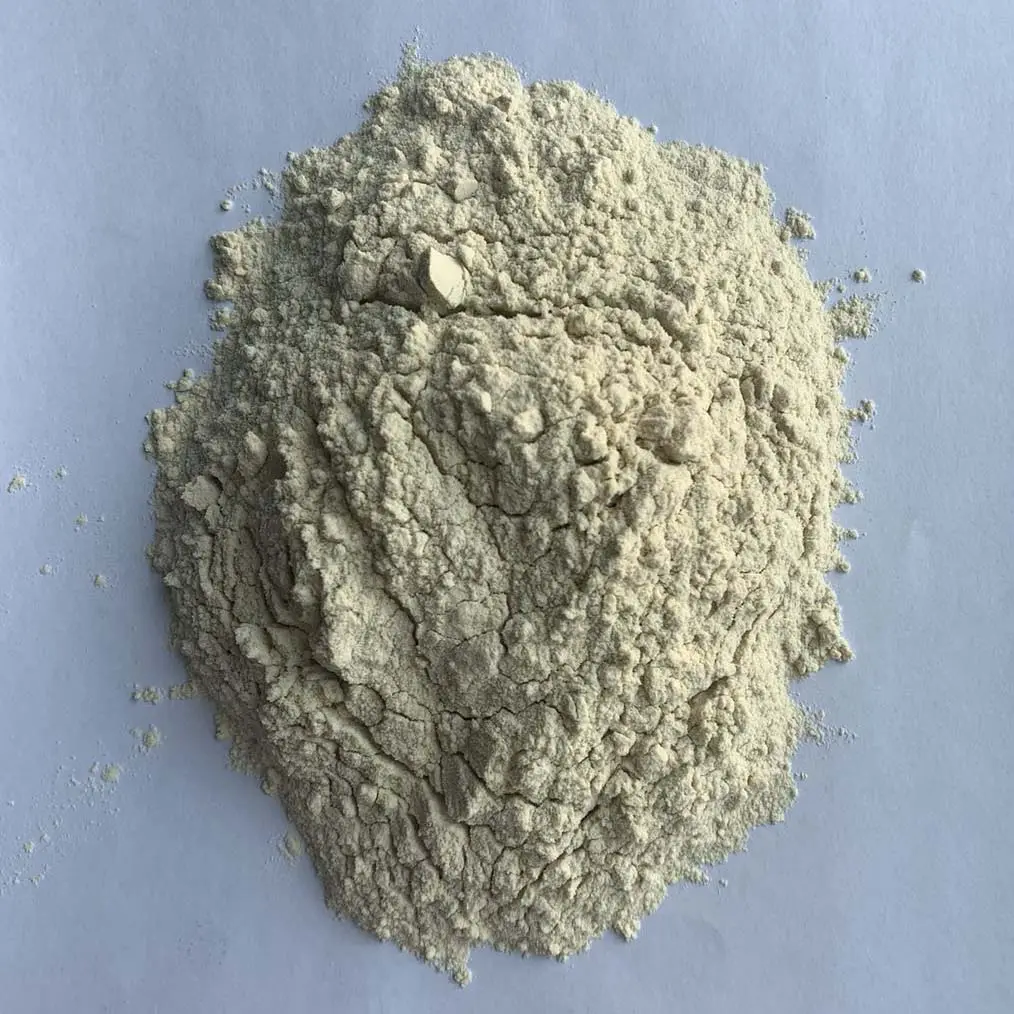
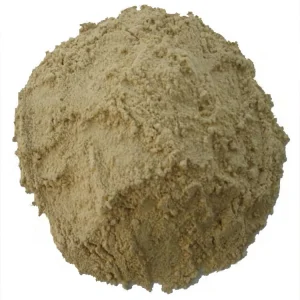
Premium food-grade wheat gluten powder with high binding capacity and dough hydration profile.
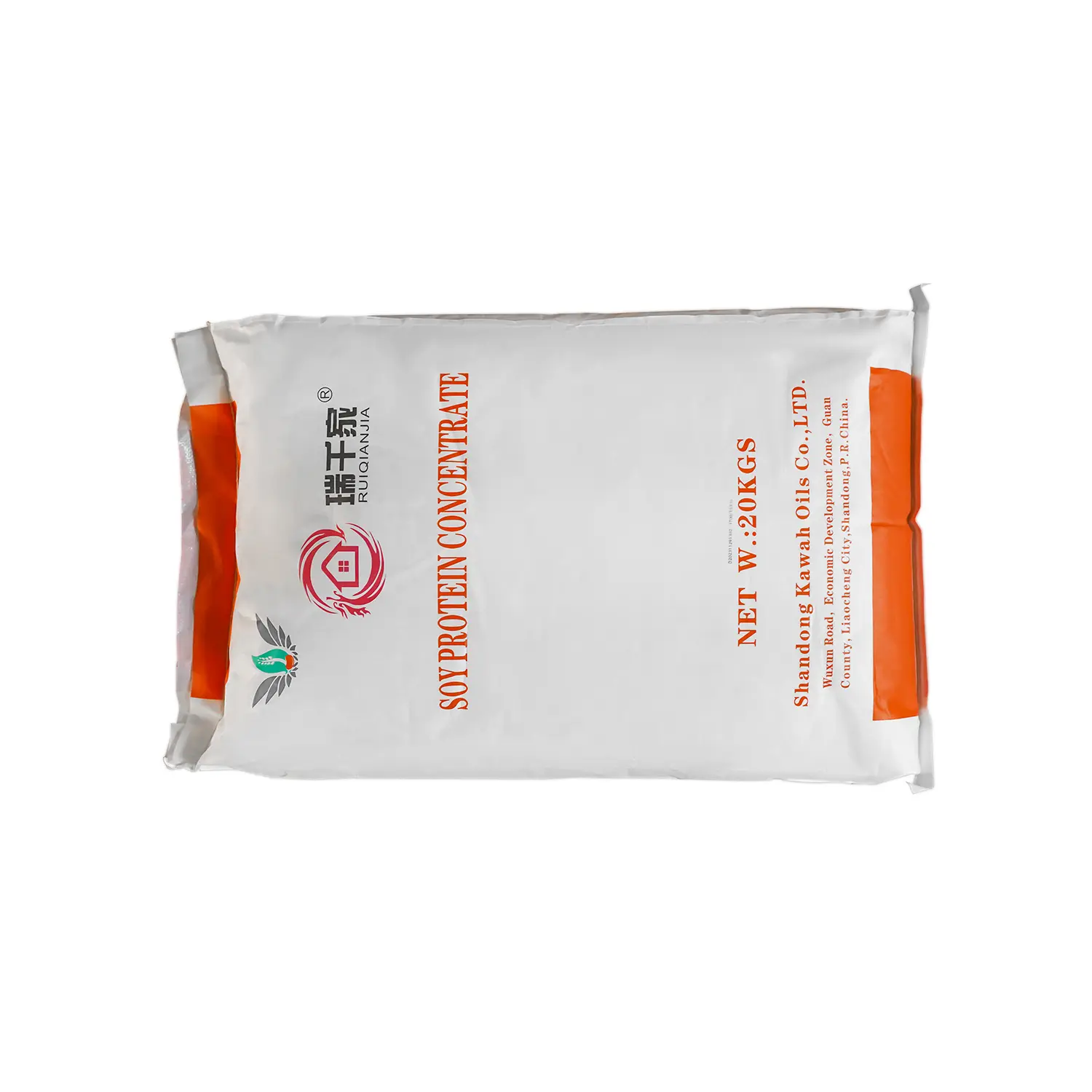
High-functionality concentrate with excellent taste properties for healthy snack foods and meats.
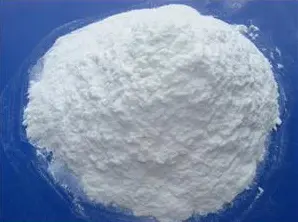
High-purity wheat starch A, designed for starch noodles, bakery products, and thickening applications.
 Xinrui Group