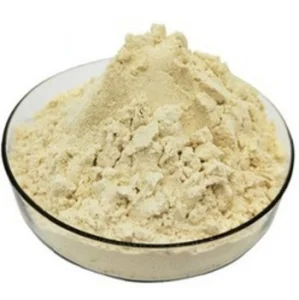
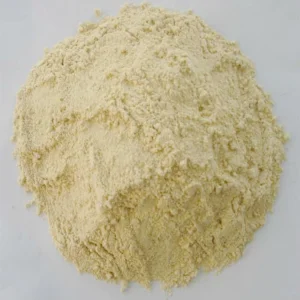
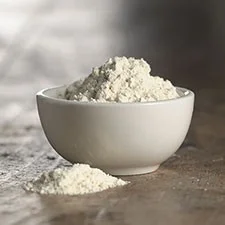
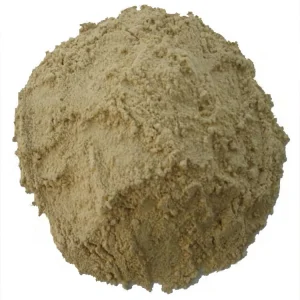
Discover our primary selection of industrial-grade plant proteins and natural biopolymers. Formulated to perform as clean-label, heat-setting, and emulsifying structural food-grade adhesives.
In modern food manufacturing, the term "food grade adhesive" extends far beyond packaging sealants. It refers to the complex structural biopolymers that bind food matrices together, providing structural integrity, texture, moisture retention, and cohesive properties. Today's global food processing industry faces a dual challenge: maintaining strict sensory quality while adhering to clean-label, bio-based ingredient mandates.
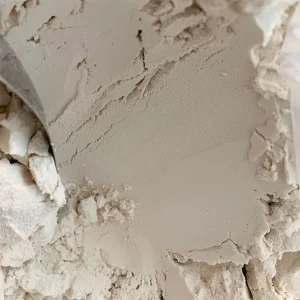
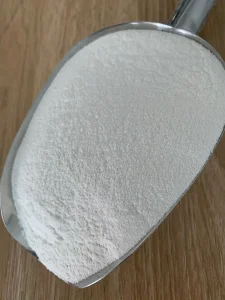
Through advanced chemical and mechanical engineering, plant proteins (such as soy protein isolates and vital wheat gluten) and natural starches function as functional hydrocolloidal adhesives. These products serve crucial adhesive functions in several high-growth industries:
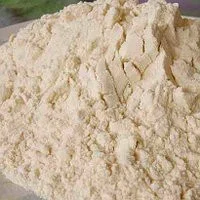
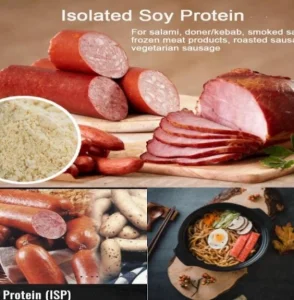
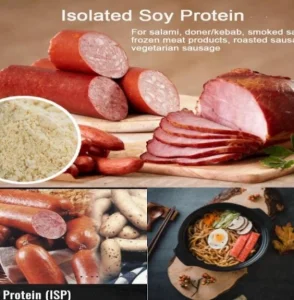
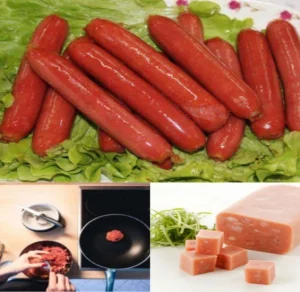
Acting as proteinaceous cold-set and hot-set binders, our soy isolates form covalent cross-links with muscle fibers, preventing moisture loss and phase separation in emulsified sausages, patties, and hams.
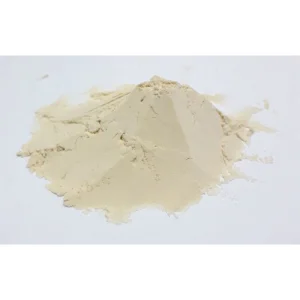
To replicate the structural profile of meat fibers, plant-based proteins must have high adhesive strength. Our functional soy proteins provide the necessary binding force to hold textured proteins in place under high shear.
Vital wheat gluten acts as a natural, highly elastic viscoelastic adhesive. It forms a gas-retaining gluten matrix that binds water, starch granules, and fats together to support structural development during baking.
Headquartered in the agricultural heartland of China, Xinrui Group has established an integrated circular economy production chain. This network processes high-purity agricultural raw materials into advanced, high-performance bio-binders and texturizers.
Through our dedicated manufacturing entities—Shandong Kawah Oils Co., Ltd. (soybean processing and extraction) and Guanxian Xinrui Industrial Co., Ltd. (wheat deep processing)—we control every step of the supply chain. Our facilities process domestic 100% NON-GMO raw materials under strict identity preservation protocols, ensuring compliance with global food safety standards.

Established in 2007 with a registered capital of 100 million Yuan, this facility uses imported tri-canter separation technology to manufacture high-grade wheat gluten, starch A, and starch B. The closed-loop circular facility recycles starch B and pentosan to produce bio-ethanol and animal feed, maximizing resources and reducing our carbon footprint.
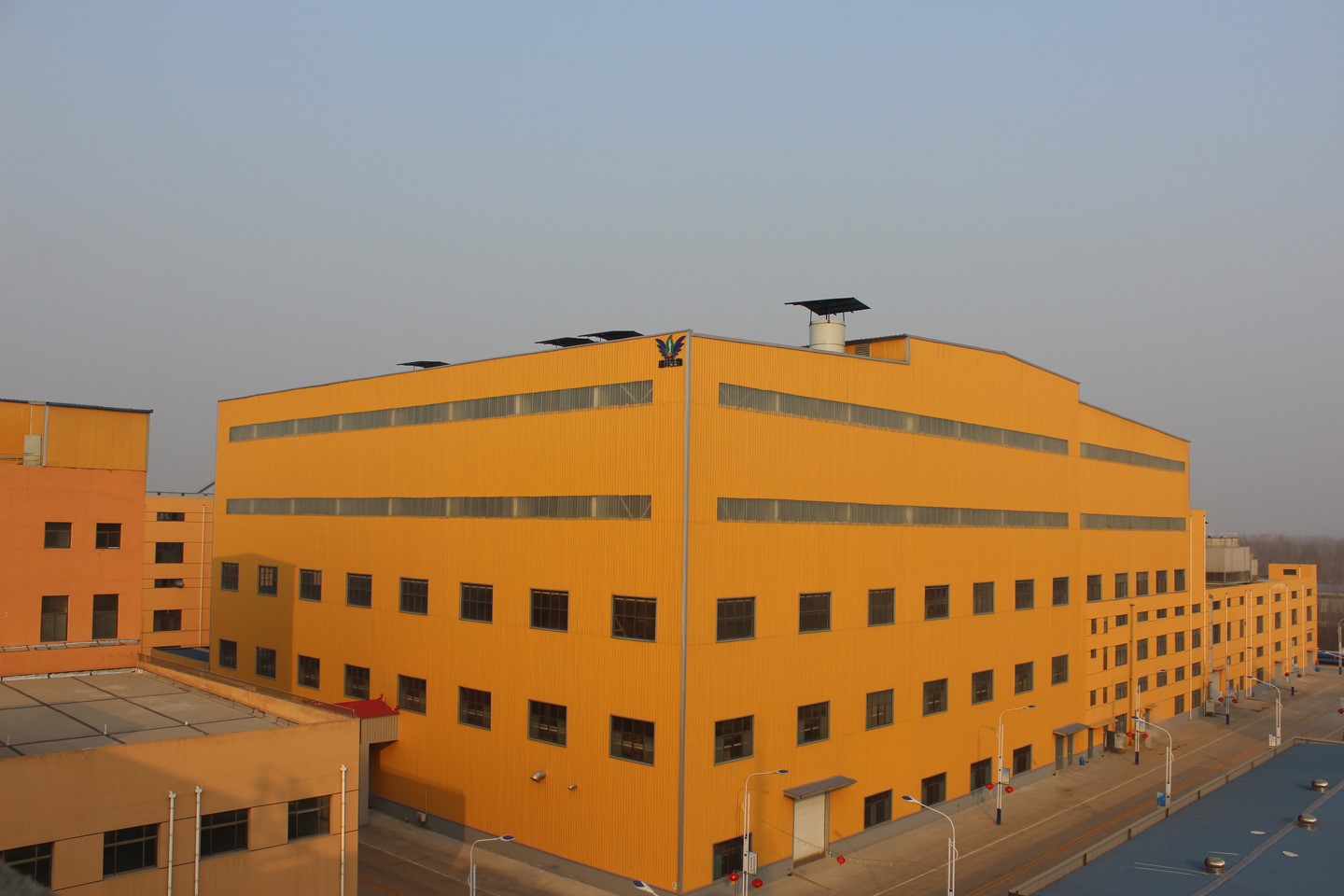
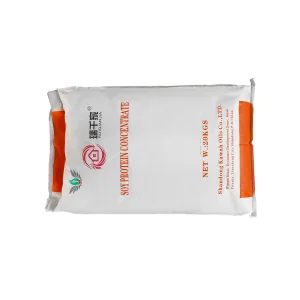
Founded in 2014 with 120 million Yuan of registered capital, Shandong Kawah Oils processes 180,000 tons of domestic non-GMO soybeans annually. The facility features a high-capacity single-line spray drying tower designed by DACHUANYUAN, providing precise thermal treatment to maintain the protein's native binding strength.
Food grade adhesives and binders are engineered to meet specific regional tastes, processing conditions, and regulatory environments. Depending on the target market, our ingredients are configured to deliver tailored mechanical performance:
High-Shear Plant-Based Structuring: Manufacturers require highly functional plant proteins to replace methylcellulose. Our soy protein isolate is designed for high water absorption and gelling strength, binding plant-based fats and proteins during high-speed extrusion.
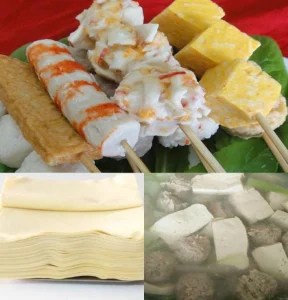
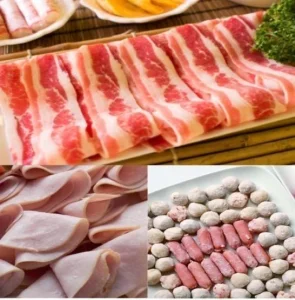
Surimi & Emulsified Meat Binding: High-density urban areas rely on stable seafood and meat processing. Our protein binders form dense gel structures at lower temperatures, maintaining the bite and springiness of fish balls, tofu, and emulsion sausages.
Cost-Efficient Protein Fortification: Processors use our soy protein isolates to increase protein levels and improve emulsion stability in canned meats, hot dogs, and bakery items, maintaining product quality throughout long transport times.
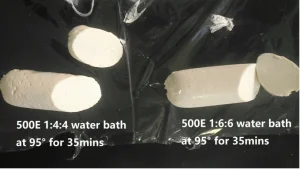
Our products achieve their binding strength through structural cross-linking. When heated, the folded soy globulin proteins (7S glycinin and 11S beta-conglycinin) unfold. This exposes hidden hydrophobic groups, which bond to form a stable, irreversible gel matrix. This matrix acts as a natural food adhesive, locking in moisture and preventing oil separation.
Operating at international standards, our production facilities are certified by global safety and quality organizations, ensuring our food-grade adhesives and binders comply with strict regulatory frameworks worldwide.
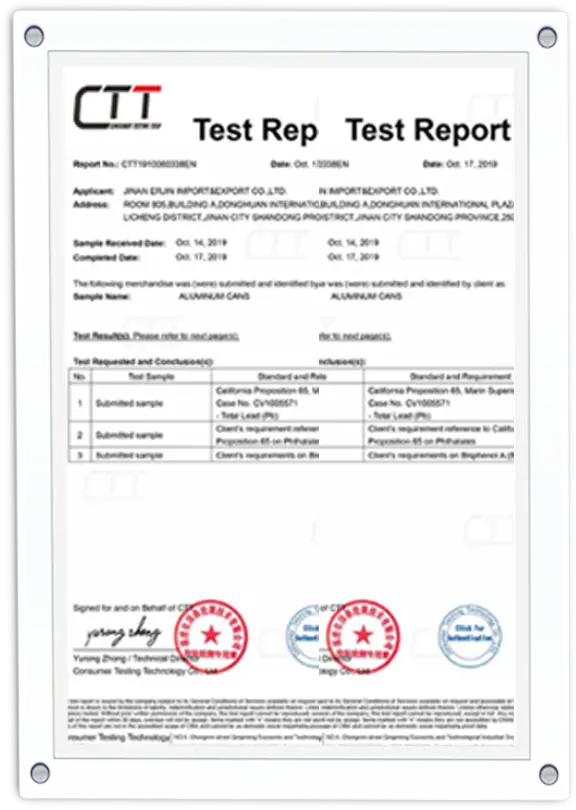
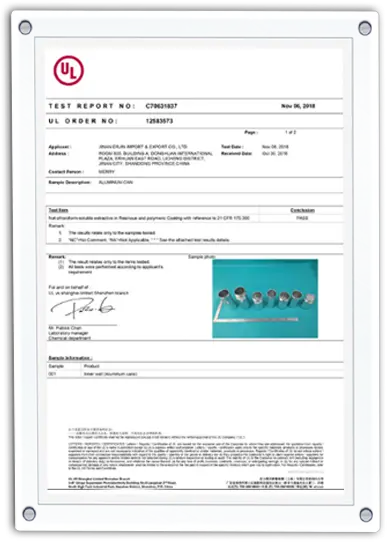
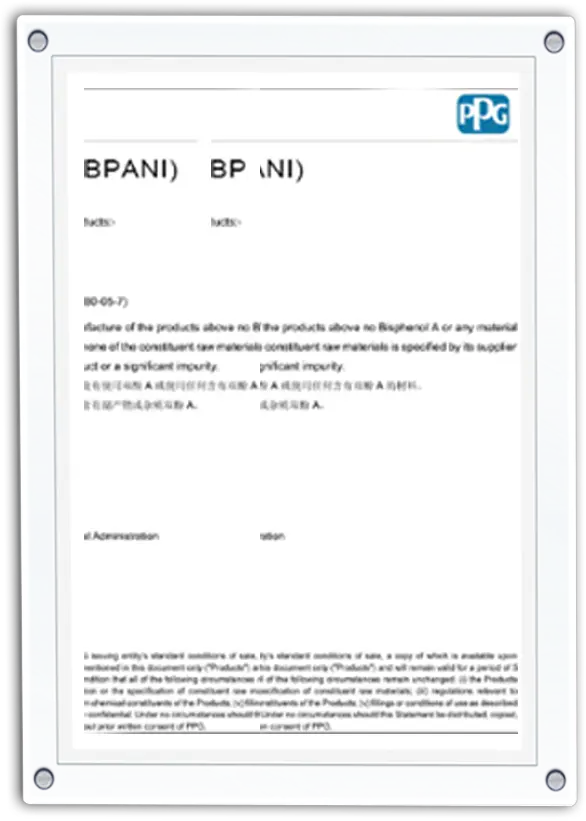
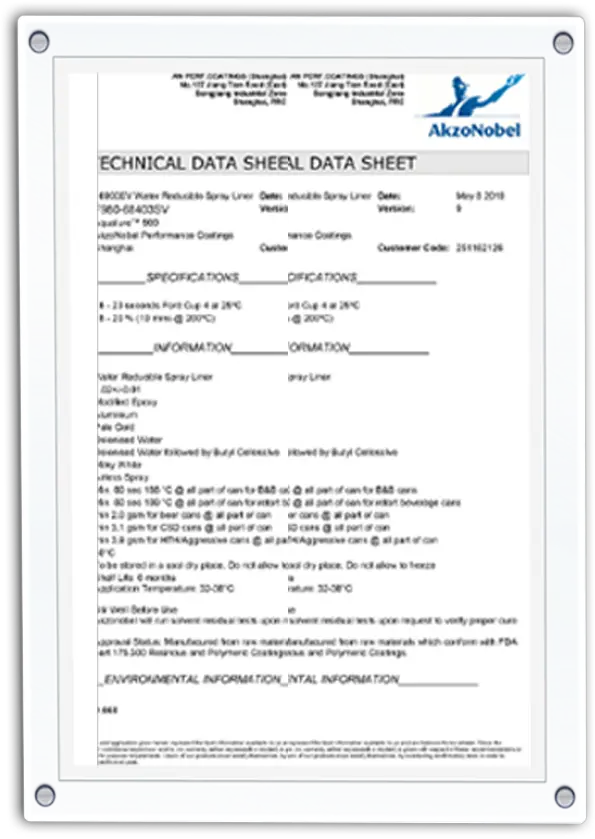
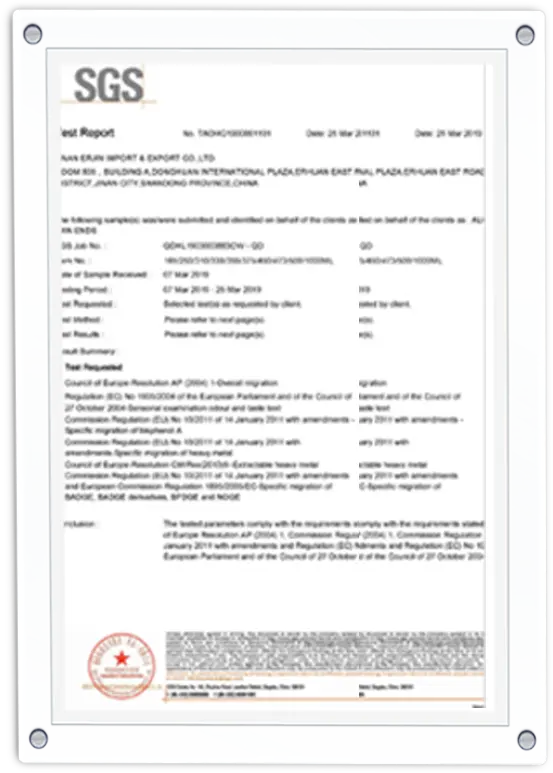
We are committed to continuous technology development, aiming to improve the functional properties of plant proteins and starches in food adhesive applications.
By optimizing the spray drying temperatures in our DACHUANYUAN towers, we can alter the protein's denaturation state, customizing its gel strength and water-binding capacity for different applications.
We are testing clean-label enzymatic modifications to improve cold-set gelling. This will allow manufacturers to bind restructured foods without using high heat, maintaining original nutrients and flavors.
Our production plants are designed to recycle process water and capture by-products. This allows us to convert starch residue into high-purity ethanol, supporting a sustainable supply chain.
Take a virtual tour through our advanced processing facilities to see how we manufacture soy protein isolate, wheat gluten, and wheat starch using state-of-the-art separation and drying technologies.
Find technical answers about our manufacturing capacity, quality standards, and how plant proteins function as binders and food-grade adhesives.
We are an integrated group company called Xinrui Group, handling both manufacturing and export operations. Our soy protein isolate is produced by Shandong Kawah Oils Co., Ltd. (annual output of 50,000 tons), while our wheat gluten and wheat starch are produced by Guanxian Xinrui Industrial Co., Ltd. (annual output of 30,000 tons of vital wheat gluten). Our export operations are managed by Guanxian Ruichang Trading Co., Ltd.
Our soy protein isolates contain high levels of glycinin and beta-conglycinin, which form a strong gel matrix when heated. This matrix acts as a bio-adhesive, binding water, oils, and other food ingredients together to improve structural integrity and reduce purge in processed meats, plant-based alternatives, and bakery fillings.
Our manufacturing facilities hold several global certifications, including HACCP, ISO9001, ISO22000, BRC, Halal, Kosher, and IP-Non-GMO. We can also provide additional documentation and testing reports upon request.
We use strict Identity Preservation (IP) protocols, sourcing our soybeans only from domestic Non-GMO planting bases. We track and test every batch from raw soybean to finished powder to prevent cross-contamination.
Vital wheat gluten is the natural, insoluble protein portion of wheat, extracted during starch production. When hydrated, it forms a cohesive, viscoelastic network that binds dough components, traps gas during fermentation, and provides structure and chewiness to baked goods and plant-based meats.
Explore our full line of functional plant proteins, dietary fibers, and starches designed to improve structure and bind ingredients across various food and industrial applications.
 Xinrui Group