Engineered specifically to withstand high shear, intense mechanical pressure, and temperature profiles in industrial food extrusion plants.
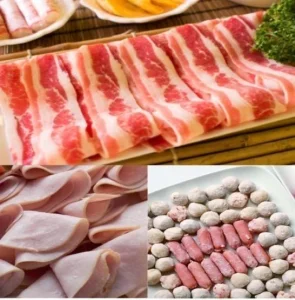
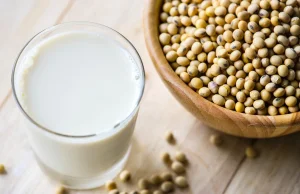
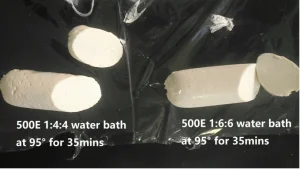
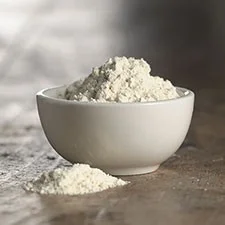
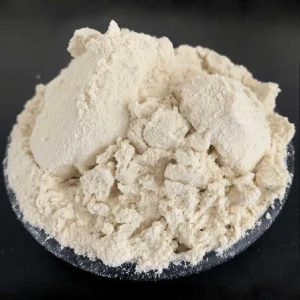
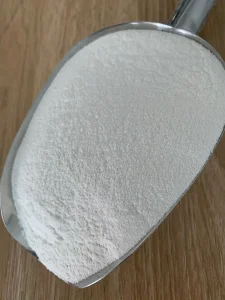
How thermodynamic twin-screw extrusion systems alter molecular structures to craft real-meat textures from agricultural raw materials.
“Extrusion technology represents the pinnacle of modern food engineering. By combining mechanical shear, precise temperature control, and rapid pressure drop, our extrusion plants transform globular soy and wheat proteins into linear, fibrous structural matrices that perfectly mimic muscle tissues.”
Within a high-capacity extrusion plant, raw ingredients like Isolated Soy Protein (ISP) and Vital Wheat Gluten (VWG) undergo rapid thermal and mechanical texturization. As the material passes through the segmented extruder barrel, customized screw profiles induce high-intensity mixing and shearing. The hydrogen, disulfide, and hydrophobic bonds holding the natural globular proteins together are disrupted, causing the protein chains to unfold.
Once unfolded, these chains enter the cooling die under high pressure. Controlled cooling facilitates the alignment of these linear protein structures, forming cross-linked fibers. Adjusting variables like screw RPM, moisture percentage (ranging from 20% in dry texturization to 70% in high-moisture extrusion), and barrel heating zones determines the final bite, elasticity, and water-absorption index of the resulting food product.

Enables tailored shear input. Screw elements can be configured with transport, kneading, and reverse-flight blocks to guarantee optimal mixing and plasticization based on the raw material's specific denaturation threshold.
Essential for High-Moisture Extrusion (HME). The cooling die system ensures smooth laminar flow, preventing vapor flashing at the exit and establishing a highly structured muscle-fiber alignment for premium vegan meats.
Integrated dynamic flowmeters deliver steady liquids and powders into the barrel, maintaining strict solid-to-liquid ratios to prevent density variations in the final textured vegetable protein (TVP).
Why leading global brands choose Shandong Kawah Oils and Guanxian Xinrui Industrial for high-capacity protein and starch processing.
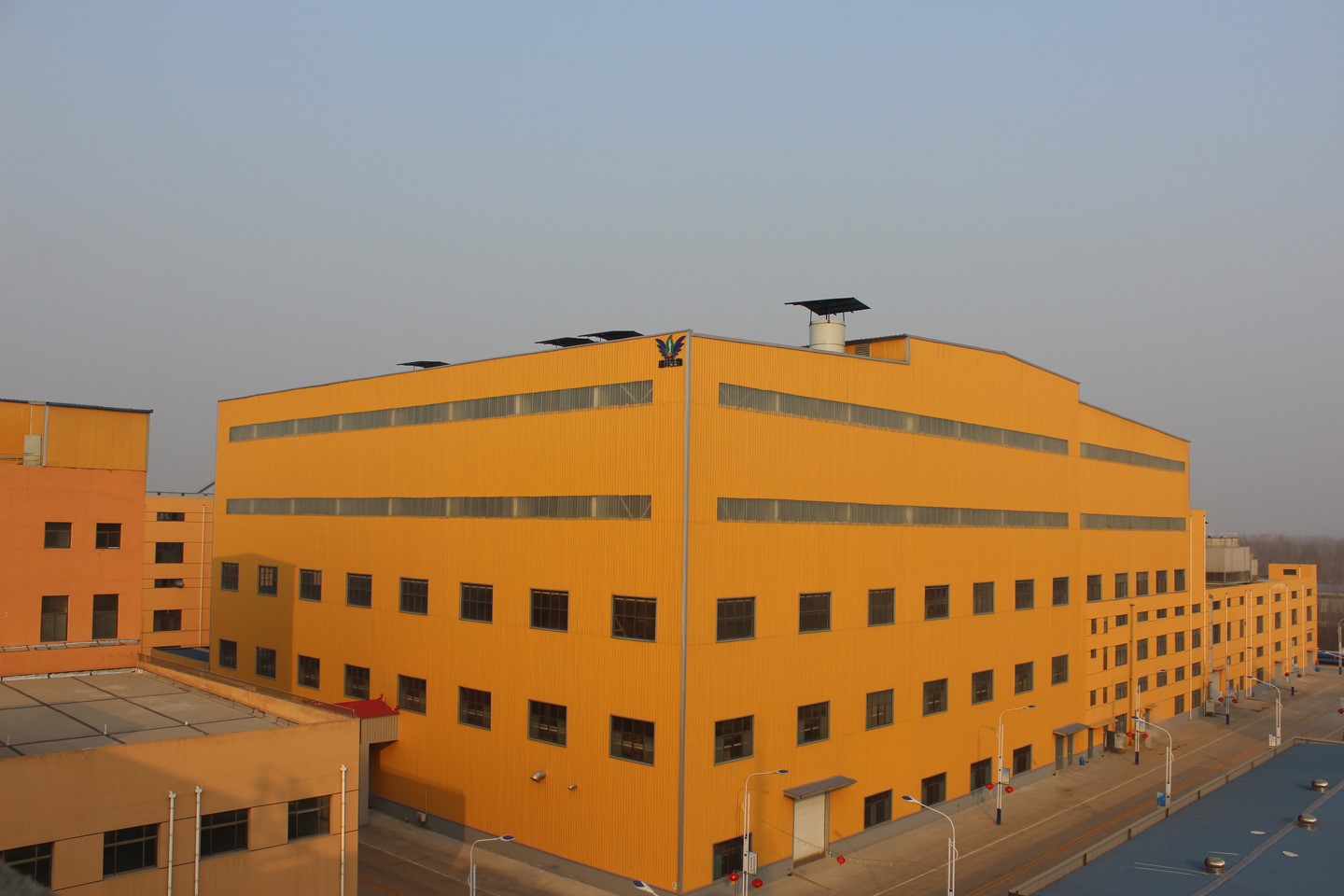
Operating out of our massive manufacturing hub spanning more than 1,000 mu, Xinrui Group has mastered the art of circular agro-industrial efficiency. Founded in 2003, the group processes 500,000 tons of wheat flour and 180,000 tons of soybean annually. This colossal scale translates to direct cost optimization and unwavering supply continuity for international markets.
Our raw materials are sourced from dedicated, strictly monitored NON-GMO Wheat and Soybean Planting Bases. Processing starts at the foundational level, converting whole beans and wheat grains into specialized food-grade ingredients under one integrated manufacturing ecosystem. This vertical alignment eliminates middle-tier logistics margins, guarantees traceabilty, and safeguards against market volatility.
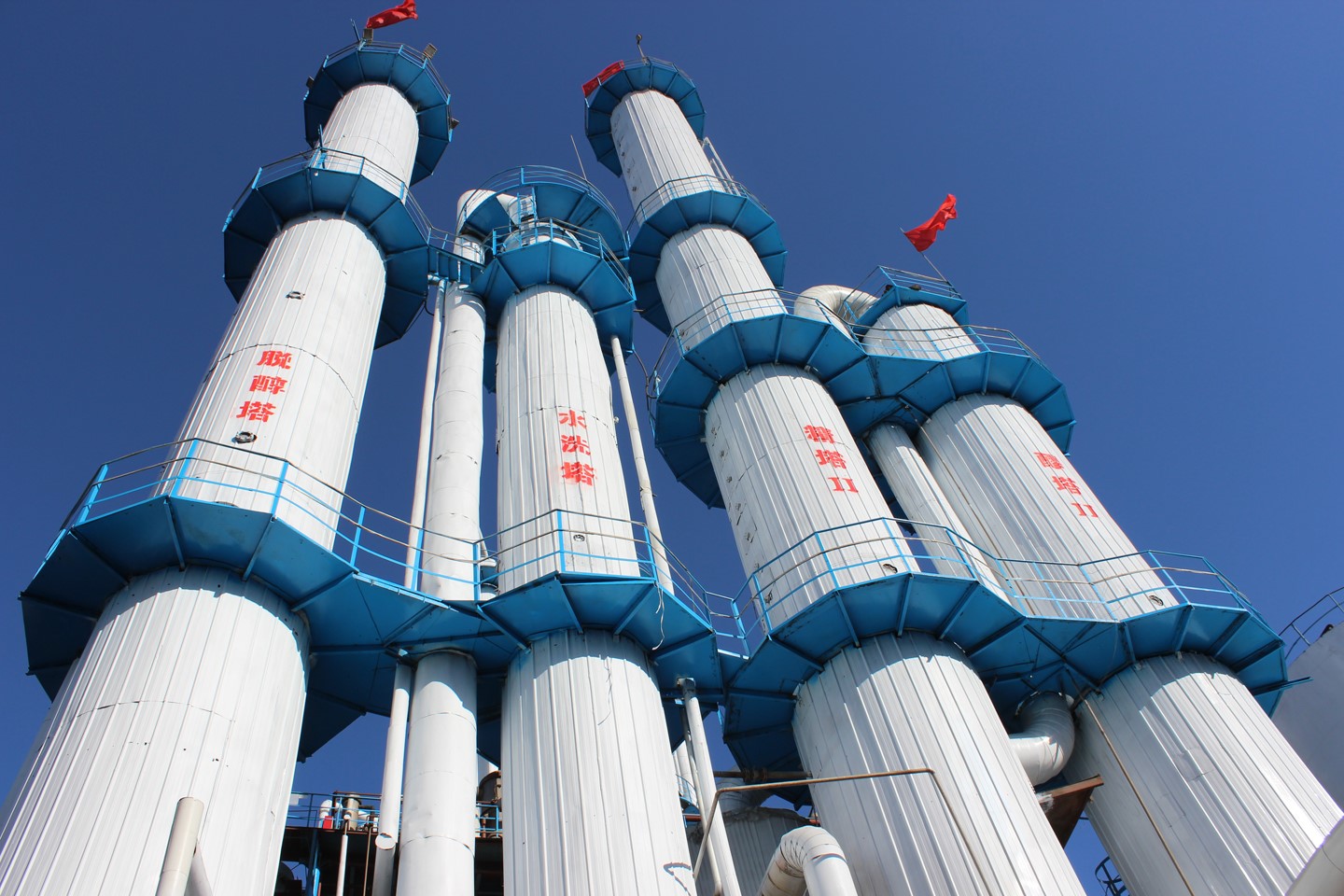
Imported directly from world-class European engineers, our closed-loop tri-canter separation systems separate starch, gluten, and liquid pentosans cleanly and efficiently under strict sterile conditions.
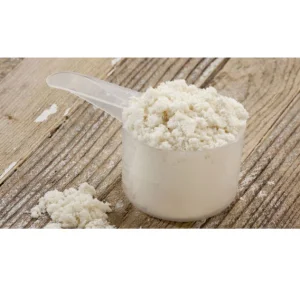
Our Shandong Kawah Oils plant utilizes the advanced DACHUANYUAN spray drying tower, boasting the largest single-line capacity in China, yielding highly uniform, dispersible isolated protein powder.
By owning our municipal cogeneration, urban heating, and gas supply systems, our production line remains immune to external energy grid fluctuation and maintains carbon-conscious utility rates.
Decade-long manufacturing excellence fueled by scale, precision technology, and circular economics.
Founded in 2007 (incorporating assets going back to 2003) with a registered capital exceeding 100 Million Yuan, Guanxian Xinrui Industrial Co., Ltd. has established itself as the leading agricultural industrialization group. By integrating trade via Guanxian Ruichang Trading Co., Ltd., we control the quality and cost from local farms to international container ports.
Optimizing resource loops to deliver high-quality protein isolates, starches, and biofuels with zero process waste.
Modern sustainability demands that food production lines operate with maximum efficiency. At our Guanxian factory, we have engineered a highly efficient circular economy industry chain. Rather than treating starch byproduct and pentosan fractions as discharge, they are systematically recycled into downstream processes:
This closed-loop system reduces municipal environmental burdens while giving us a distinct cost-containment advantage, allowing us to supply global distributors at highly competitive rates.
Cultivated in regional Non-GMO zones, our wheat and soybeans are tracked to ensure zero genetic cross-contamination and consistent chemical profiles.
Closed-loop tri-canter centrifuges and wet-milling towers break down crops into gluten, proteins, starch, and soluble fibers without product degradation.
By-product starch streams are fermented into industrial-grade ethanol, while group-owned cogeneration plants supply heat back to dry the protein isolates.
From meat alternatives to bakery fortifiers and beverage emulsions, our product ranges are engineered for specialized applications.
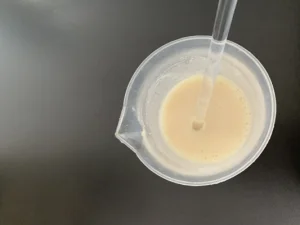
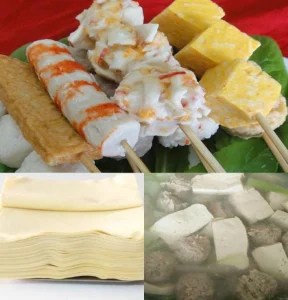
Global food markets exhibit distinct regional texture preferences. Western markets favor dense, fibrous structures mimicking chicken breasts and beef steaks, requiring high-moisture texturization. Eastern markets often demand softer, highly water-absorbent texturized proteins for fillings (such as dumplings and buns) or springy vegetarian tofu-like textures.
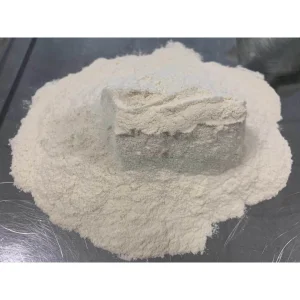
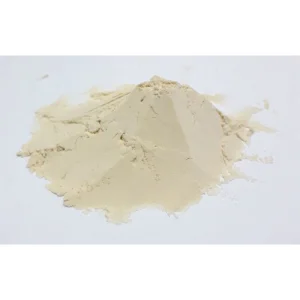
To meet these varied needs, our R&D lab produces custom protein profiles:
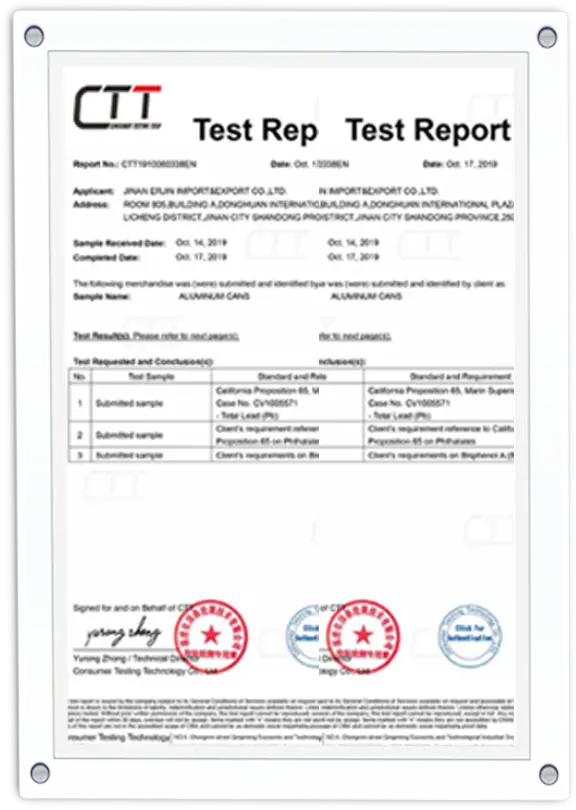
Certified manufacturing facilities verified by leading global compliance and auditing bodies.
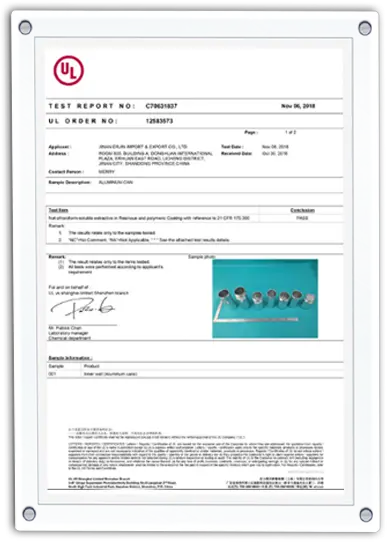
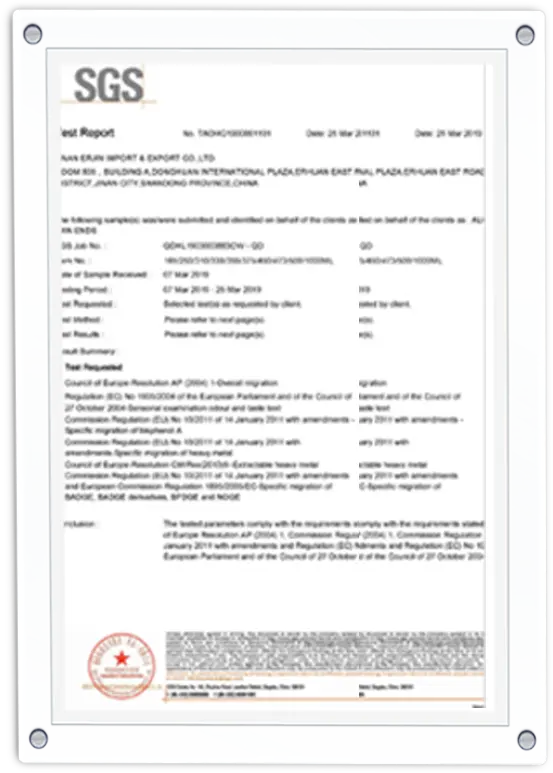
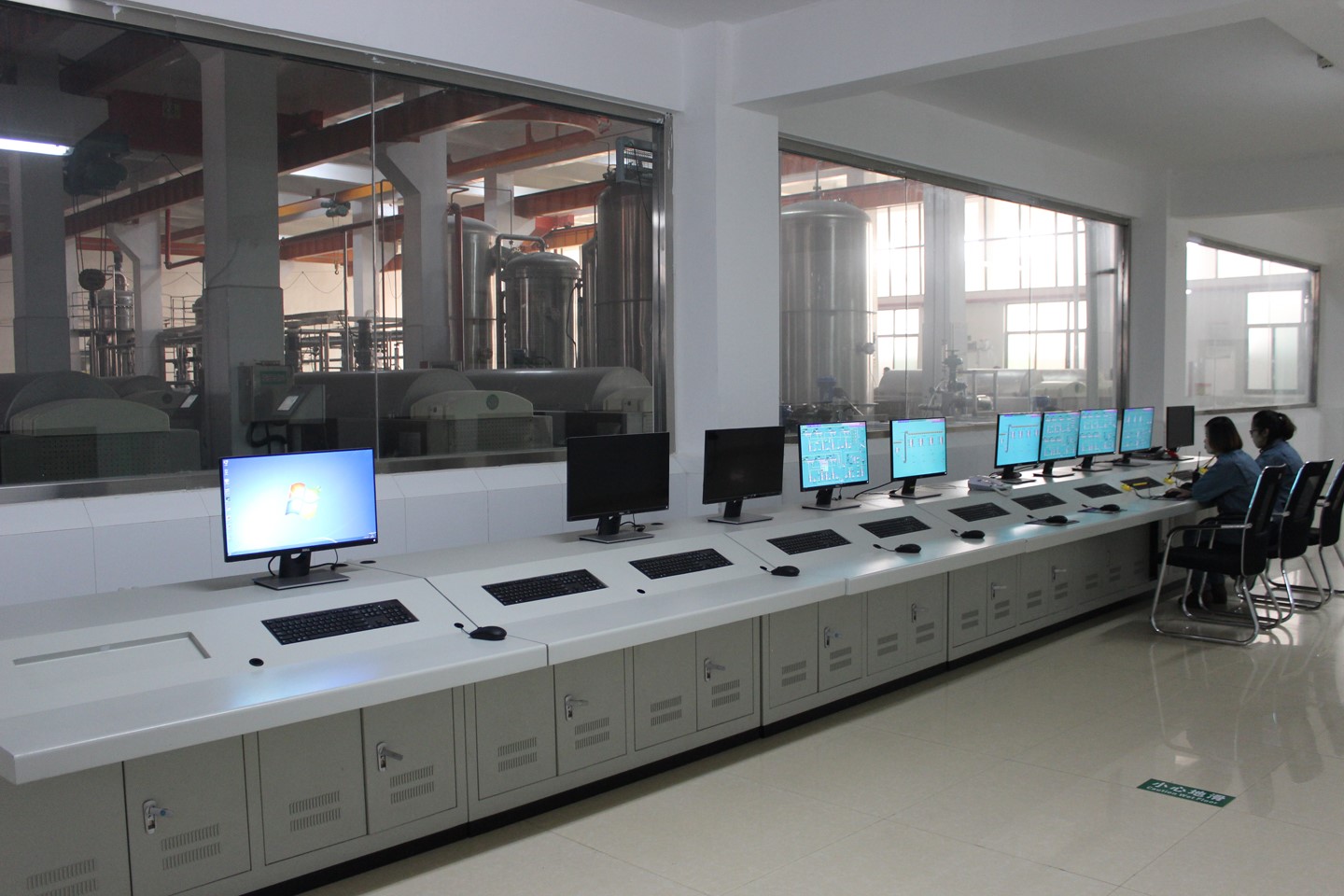
Take a digital look inside our state-of-the-art facilities and processing plants.
The shift toward digital twinning, high-moisture extrusion, and clean-label agricultural extraction.
Global consumer demand is rapidly shifting from dry TVP flakes (requiring rehydration) to HME wet-textured proteins. HME replicates the chewiness, succulence, and appearance of real poultry and fish muscle directly from the extruder die, requiring highly precise moisture injection and cooling die pressure management.
Modern extrusion plants are incorporating smart sensory loops. AI algorithms monitor screw torque, melt temperature, and pressure in real-time, automatically adjusting motor RPM and dry feed feed-rates to ensure output consistency and minimize down-time due to thermal fluctuations.
Leading factories are integrating renewable energy and heat recycling. Utilizing self-owned cogeneration boilers and biomass fuels produced from agricultural wastes, modern plants dramatically lower the carbon footprint per ton of extruded texturized protein.
Technical and logistics questions answered by our engineering and export team.
Explore our full line of extraction-grade plant proteins, dietary fibers, and chemical inputs.

 Xinrui Group