 Xinrui Group
1. Technical Whitepaper: Soy Dietary Fiber and the Evolving Turkish Food Sector
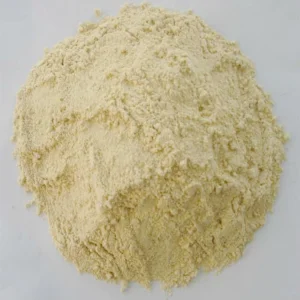
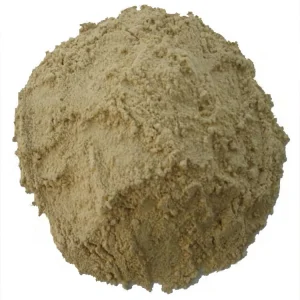
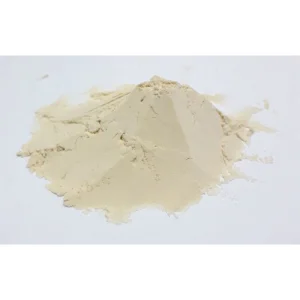
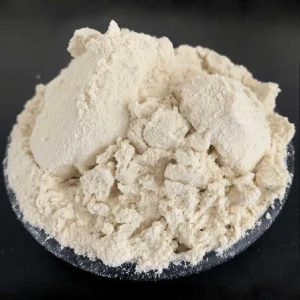
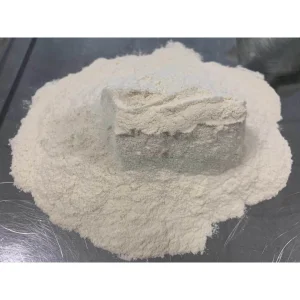
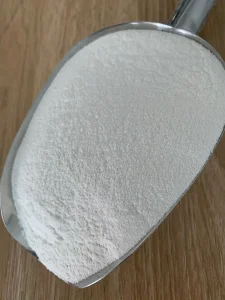
In the modern global food processing ecosystem, dietary fiber has transitioned from a basic functional additive to a core strategic component. For the Turkish food industry, which serves as a major agricultural and processed food export hub between Europe, Western Asia, and the Middle East, selecting high-performance ingredients is critical to securing international competitiveness. Soy Dietary Fiber (SDF), derived from the cotyledon cell walls of high-quality, Non-GMO soybeans, provides food formulators with an unparalleled combination of water-binding capacity, fat emulsification, and texturizing efficiency.
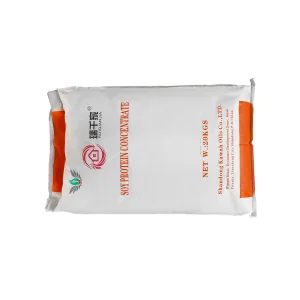
Our manufacturing division, Shandong Kawah Oils Co., Ltd. (a core subsidiary of the Xinrui Group), operates one of the most advanced raw material processing networks globally. With an annual Non-GMO soybean processing capacity of 180,000 tons, we refine raw soy materials systematically into soy protein isolate, low-temperature food-grade soy meal, and highly purified soy dietary fiber. Utilizing state-of-the-art spray drying systems from DACHUANYUAN—featuring the largest single production line capacity in China—we guarantee consistent physical properties, particle size distributions, and biological purity. This level of technical oversight is essential to meeting the strict quality guidelines and user expectations of Turkish food producers.
"The synergy between advanced raw material refining and precise thermal processing allows our soy dietary fiber to achieve water binding capacities of up to 1:10 and oil binding ratios of 1:5, significantly reducing moisture loss during baking and meat thermal cycles."
2. Industry Dynamics and Macroeconomic Landscape in Turkey
Turkey’s domestic food market is undergoing a structural transformation. Driven by urbanization, shifting demographics, and a growing consumer demand for clean-label, plant-based, and wellness-focused foods, manufacturers in Istanbul, Izmir, Bursa, and Gaziantep are actively reformulating traditional recipes. Simultaneously, the Turkish Food Codex (Türk Gıda Kodeksi) aligns closely with European Union standards regarding allergen declarations, fiber enrichment claims, and chemical residues.
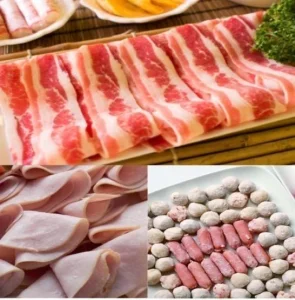
In Turkey’s bakery sector—which processes millions of tons of wheat and specialty grains annually for traditional breads, simit, and industrial pastries—there is a rising demand for natural ingredients that extend shelf life and improve crumb softeness without artificial preservatives. Soy dietary fiber acts as a natural structural scaffold, retaining moisture under freeze-thaw cycles and oven heat. In the processed meat sector, which produces traditional Turkish staples like sucuk, salam, and sosis, the high fat-binding and water-holding capacities of soy fiber improve yield control and emulsion stability. Partnering with a vertically integrated manufacturer like Xinrui Group allows Turkish importers to bypass intermediaries, ensuring supply chain transparency, reliable freight logistics across the Mediterranean, and direct factory-level compliance.
3. Localized Applications for the Turkish Food Industry
To demonstrate the versatility of our soy dietary fiber, we examine several localized formulation scenarios where our fiber resolves critical sensory and industrial processing challenges:
-
Industrial Bakeries (Breads, Simit, and Pastries): Adding 1% to 3% soy dietary fiber allows bakeries to increase dough hydration. The fiber holds free water molecules in the gluten network, slowing retrogradation of starch molecules and keeping baked goods soft for several additional days.
-
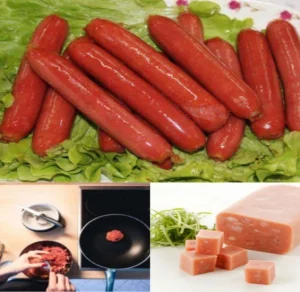
Emulsified Meat Systems (Sucuk and Salam): Fat separation during thermal processing represents a significant loss of yield and quality. Our fiber forms physical boundaries that capture oil droplets and moisture, maintaining texture and avoiding shrinkage.
-
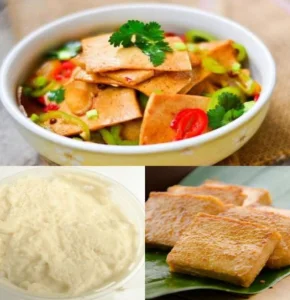
Plant-Based Meat Alternatives: The global shift toward veganism has impacted Turkey's urban hubs. Combined with our Isolated Soy Protein (such as the 9005B Tofu/Vegetarian type or 9007B-C Meat & Emulsion types), our soy fiber yields a highly realistic, fibrous texture in meatless meatballs (köfte) and patties.
-
Nutritional Drinks and Dietary Supplements: Soluble and micro-milled insoluble fiber options offer high-viscosity stabilization without altering flavor profiles, allowing smooth suspensions in dairy and dairy-alternative functional drinks.
4. Circular Economy & Synergy within Xinrui Group
Established in May 2003, Xinrui Group represents a diversified industrial ecosystem covering over 1,000 mu, with an annual output value of 2.8 billion RMB. Under this umbrella, Guanxian Xinrui Industrial Co., Ltd. (formerly Guanxian Ruixiang Biotechnology) manages the deep processing of 500,000 tons of wheat flour annually. Our integrated wheat-refining system extracts vital wheat gluten and wheat starch A and B. Starch B and pentosan are recycled directly into our fermentation facilities to produce high-grade ethyl alcohol (95% and 96% superior grade ethanol) and animal feed, minimizing external waste.
Simultaneously, Shandong Kawah Oils Co., Ltd. extracts high-value fractions from Non-GMO soybeans. The synergy between our wheat refining and soybean processing lines ensures that resources are utilized to their maximum potential. For Turkish buyers, this circular economy represents a reliable, cost-controlled supply chain that is resistant to raw material price fluctuations. All export transactions are managed via Guanxian Ruichang Trading Co., Ltd., founded in 2011 with a registered capital of 6 million RMB, which directly exports isolated soy protein, wheat gluten, soluble dietary fiber, and ethanol to Turkey and other global destinations.
"We control the agricultural inputs from Non-GMO planting bases to the final spray drying and export stages. This full-chain traceability provides the highest possible level of reliability for international compliance audit procedures."
5. Localized Support & Compliance for Turkey Imports
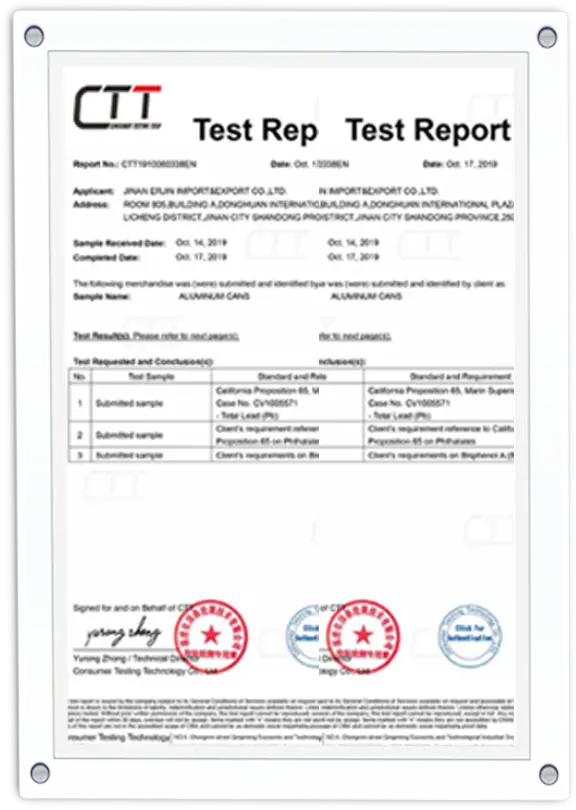
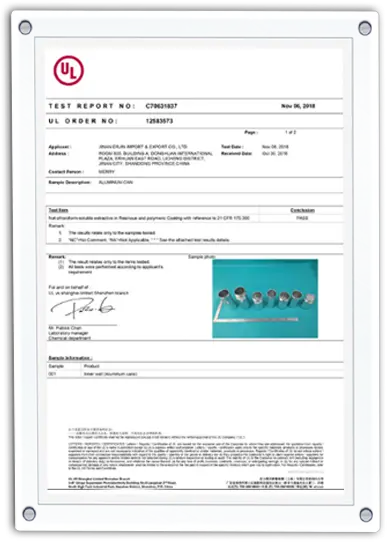
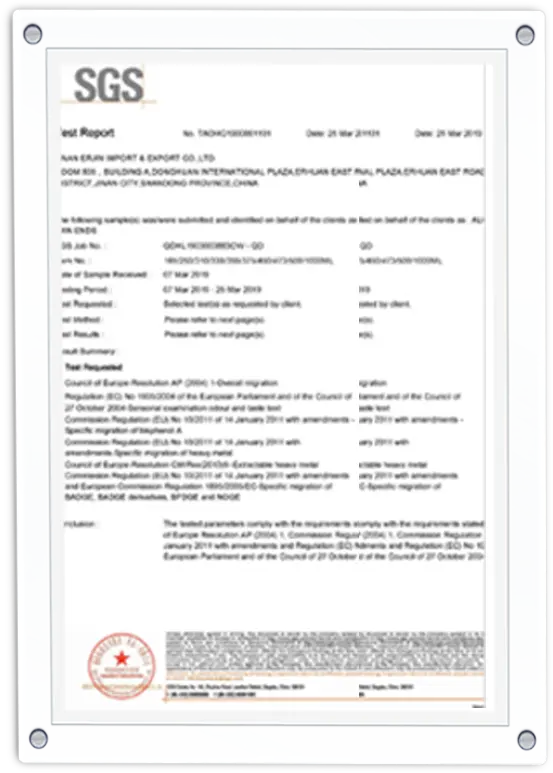
Importing food ingredients into Turkey requires meticulous attention to detail. We work closely with Turkish customs brokers and food safety offices to provide comprehensive documentation. We hold internationally recognized quality standards: HACCP, ISO 9001, ISO 22000, BRC, HALAL, KOSHER, IP-NON GMO, and SGS.
For Muslim markets, our Halal certification ensures complete adherence to Islamic dietary laws. Our IP-Non GMO certificate guarantees that every container shipped to Izmir or Mersin ports contains zero genetically modified materials. Our logistics coordinators handle booking, customs documentation, and storage requirements to prevent shipping delays and minimize local port fees.
6. Technical Roadmap and Future Outlook
Looking forward, Xinrui Group continues to invest in scientific research to optimize the functionality of our plant-based fibers. Our technical roadmap highlights two major objectives:
- Particle Size Customization (Micronization): By reducing the particle size of our soy dietary fiber to sub-micron scales (below 100 microns), we can provide a completely smooth mouthfeel. This allows for high-fiber additions to liquid dairy products, nutritional drinks, and fine baked goods without creating a gritty texture.
- Synergistic Fiber-Protein Blends: We are developing pre-blended functional complexes that combine soy protein isolates and soy dietary fibers. These blends simplify production steps for meat and plant-based meat manufacturers by offering pre-measured emulsification and binding characteristics.
Through continuous innovation and maintaining a large, stable supply of premium Non-GMO raw materials, we ensure our global partners remain competitive in an evolving marketplace.