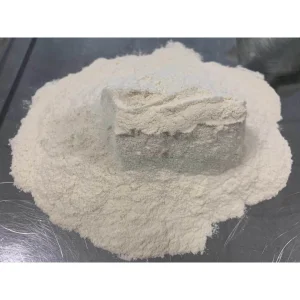
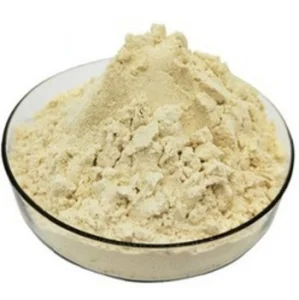
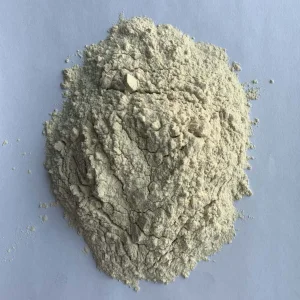
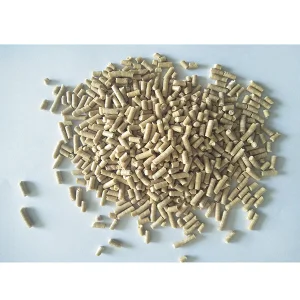
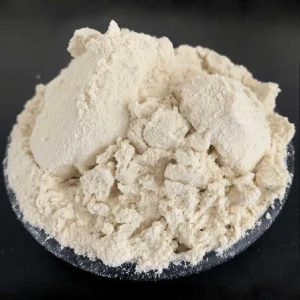
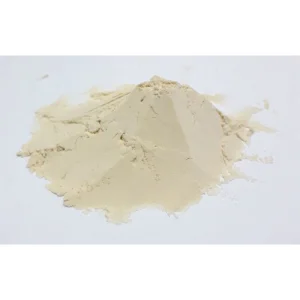
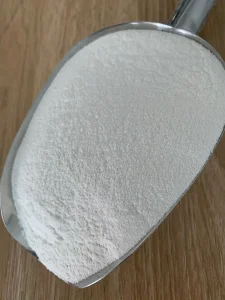
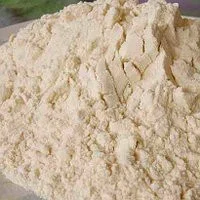
Injection Type Soy Protein Manufacturer & Supplier Serving the Kenya Market

Elevating Meat Processing Performance, Water Binding Capacity, and Industrial Yields across East Africa with Advanced Non-GMO Functional Protein Systems.

Send Inquiry Now

Premium Food-Grade Ingredients for the Kenyan Meat Industry

Advanced functional proteins engineered for modern injection systems, yield enhancement, and premium texture optimization.
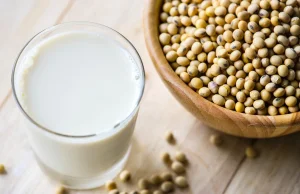
Industrial Whitepaper: Application & Optimization of Injection-Type Soy Protein in the Kenyan Food Processing Sector

An authoritative analysis on processing technology, cost control, water binding enhancement, and local distribution strategies for East African meat manufacturers.

1. Executive Summary & Global Soy Protein Market Dynamics

The global meat, poultry, and seafood processing sectors are undergoing rapid transformations driven by raw material price volatility, supply chain complexity, and a growing consumer demand for high-quality, protein-dense, and clean-label foods. Within this ecosystem, **Injection-Type Isolated Soy Protein** has emerged as a cornerstone technology for modern industrial food manufacturing.

Unlike standard dispersible or emulsive soy proteins, Injection-Type Isolated Soy Protein (such as our proprietary 9020 series) is engineered at the molecular level to exhibit exceptionally low viscosity under high shear, combined with ultra-high solubility. This allows the protein to pass seamlessly through automated multi-needle brine injectors without clogging, while subsequently forming a robust, gelled protein matrix during subsequent thermal processing (cooking, pasteurization, or smoking). Globally, the market for functional food-grade isolates is expanding at a CAGR of 6.8%, driven by structural shifts toward advanced yield management and plant-based protein integration.

2. The Kenyan Food Processing Landscape: Opportunities and Challenges

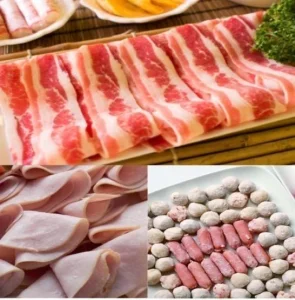
Kenya stands as the economic, financial, and logistical hub of East Africa. Its rapidly expanding urban population in cities like Nairobi, Mombasa, Kisumu, and Nakuru is driving a structural shift in dietary habits. The demand for processed meats—such as beef sausages, polonies, hams, bacon, and processed poultry products—is at an all-time high.

However, Kenyan meat processors face distinct regional challenges:

  • Raw Material Price Volatility: The local cost of beef and poultry livestock is highly susceptible to climate shifts, feed cost fluctuations, and regional supply chain pressures.
  • Cold Chain Logistics: Maintaining a strict cold chain from processing plants to rural retail points remains a challenge, demanding superior water-holding capabilities to prevent purge loss (syneresis).
  • Affordable Nutrition: Processors must optimize formulations to deliver high-quality, protein-complete products at price points accessible to the mass consumer market.

By implementing our 9020 Injection-Type Soy Protein Isolate, Kenyan meat manufacturers can achieve injection rates between 20% to 50% without altering the natural muscle texture of beef or chicken. This yields significant cost-in-use benefits while maintaining a high protein level that complies with the Kenya Bureau of Standards (KEBS).

3. Deep Technical Breakdown: Injection Type vs. Dispersion & Emulsion Types

To implement the correct protein system, food engineers must understand the rheological differences between protein classes:

Functional Parameter Injection Type (e.g., 9020) Emulsion Type (e.g., 9500) Dispersion Type (e.g., 9030)
Cold State Viscosity Very Low (flows smoothly) High (thickens quickly) Medium-Low
Solubility in Brine Excellent (>95% hydration) Moderate Rapid Dispersion
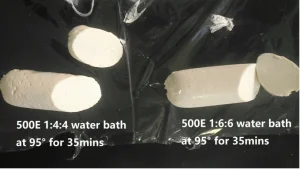
Water Binding Ratio 1:4 to 1:5 (locked within muscle) 1:5 to 1:6 (emulsified fat) N/A (stabilizes beverage suspension)
Primary Application Whole Muscle Hams, Bacon, Poultry Sausages, Polony, Meatballs High-protein drinks, dry mixes

The injection type isolate is modified through controlled enzymatic hydrolysis. This processing step trims the long-chain globulin proteins (7S and 11S fractions) into shorter peptide chains. These shorter units maintain high moisture-binding properties without creating the high cold-viscosity that clogs processing equipment. Once heated to over 75°C, these peptides cross-link with the muscle fibers, sealing the injected brine within the meat structure.

4. Localized Application Scenarios for the East African Market

Our application lab has tailored formulation templates specifically suited to popular Kenyan food processing recipes:

  • Kenyan Style Beef Sausages & Smokies: Injection proteins are prepared as a low-viscosity brine and injected into whole muscle beef blocks prior to fine chopping. This locks in the native juices during cooking, avoiding shrinkage when cooked at high temperatures.
  • Value-Added Poultry Processing (Nairobi/Mombasa chicken lines): Injecting whole chicken breast and drumsticks with a 15-20% injection brine containing Isolated Soy Protein 9020 drastically improves succulence, prevents dryness upon grilling, and improves sliceability.
  • Commercial Buffet Ham & Polony: For industrial deli-meat producers, utilizing a high-yield injection program reduces formula costs by replacing expensive meat cuts with stable water-protein gel matrixes, without compromising chewiness or bite texture.

5. Localized Support, Supply Chain Reliability & Kenyan KEBS Compliance

Importing food ingredients into Kenya requires meeting rigorous compliance standards. Guanxian Ruichang Trading Co., Ltd (under the Xinrui Group umbrella) is highly experienced with East African import processes:

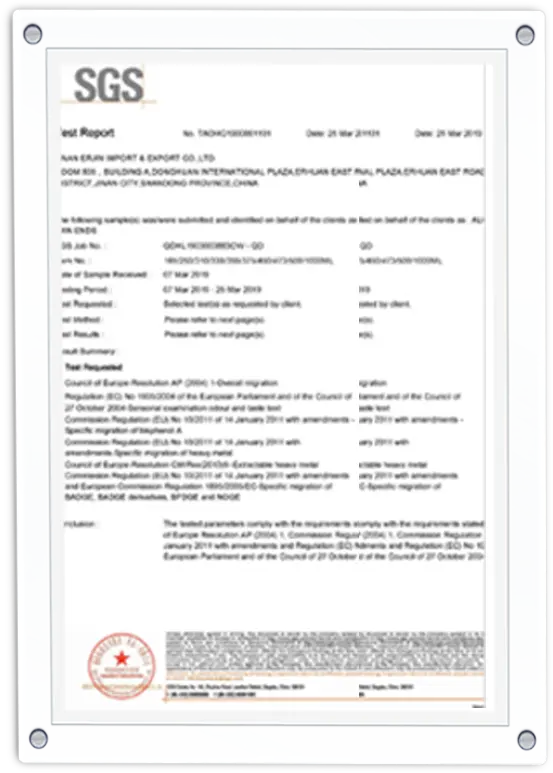
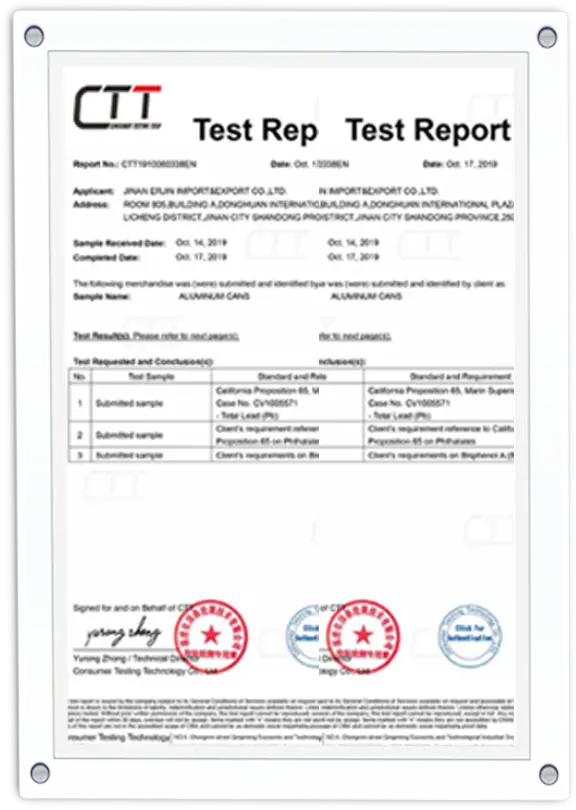
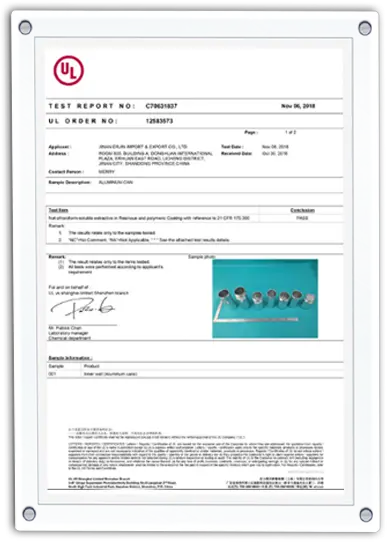
We work directly with verification agencies to issue the Pre-Export Verification of Conformity (PVoC) required for import clearance at the Port of Mombasa. All shipments of Isolated Soy Protein, Vital Wheat Gluten, and Soy Dietary Fiber are accompanied by international certifications, including ISO 9001, ISO 22000, HACCP, Halal, Kosher, and IP-NON GMO documentation. This ensures quick clearance at the port and immediate approval by KEBS inspectors.

6. Technical Roadmap & Future Plant Protein Horizons

As plant-based proteins continue to grow in popularity in East Africa, our research and development team is focused on several upcoming food technologies:

  • Reduced Sodium Processing: Developing functional proteins that gel efficiently even in low-salt brines, helping processors meet modern heart-health guidelines.
  • Synergistic Soy-Wheat Matrixes: Combining Isolated Soy Protein with Vital Wheat Gluten to mimic the chewiness of premium beef cuts in vegetarian-friendly sausages.
  • Eco-Friendly Packaging: Moving towards high-barrier, recyclable paper bags to minimize plastic waste across our global supply chains.

Key Technical Metrics

90%+
Protein Content (Dry Basis) for Premium Gel Strength
1:5
High Hydration Water-Binding Capacity (Non-Purging)
50K
Tons Annual Soy Isolate Capacity at our Shandong Factory
Zero
GMO Contamination Risk (IP-Certified Supply Chain)

Why Choose Xinrui Group?

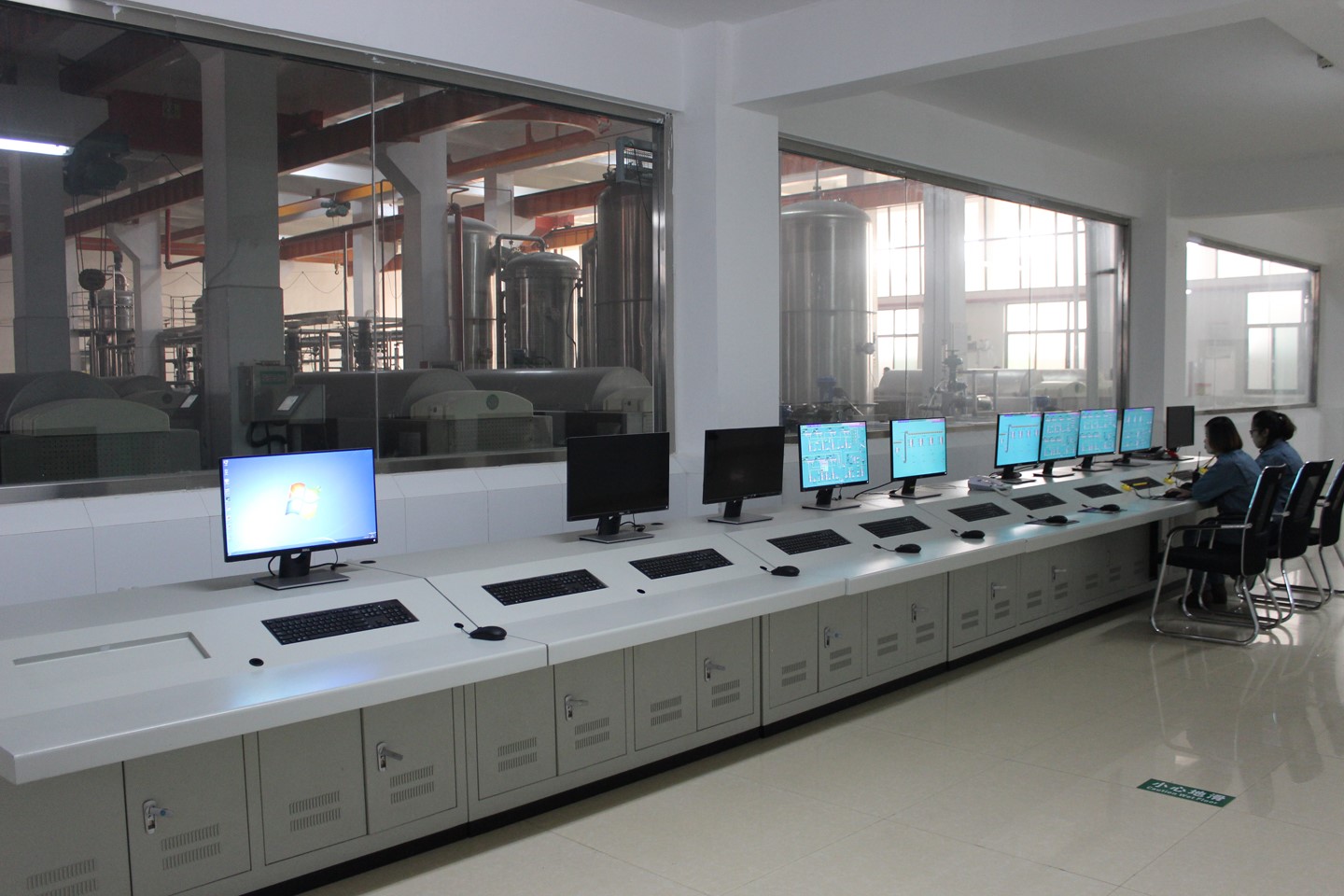
Xinrui Group operates an integrated circular-economy plant processing over 180,000 tons of soybeans and 500,000 tons of wheat flour annually. Our vertical integration guarantees competitive pricing and consistent quality control for food processors in Kenya.

About Xinrui Group & Shandong Kawah Oils

A vertically integrated agriculture circular-economy leader delivering high-purity protein products worldwide.

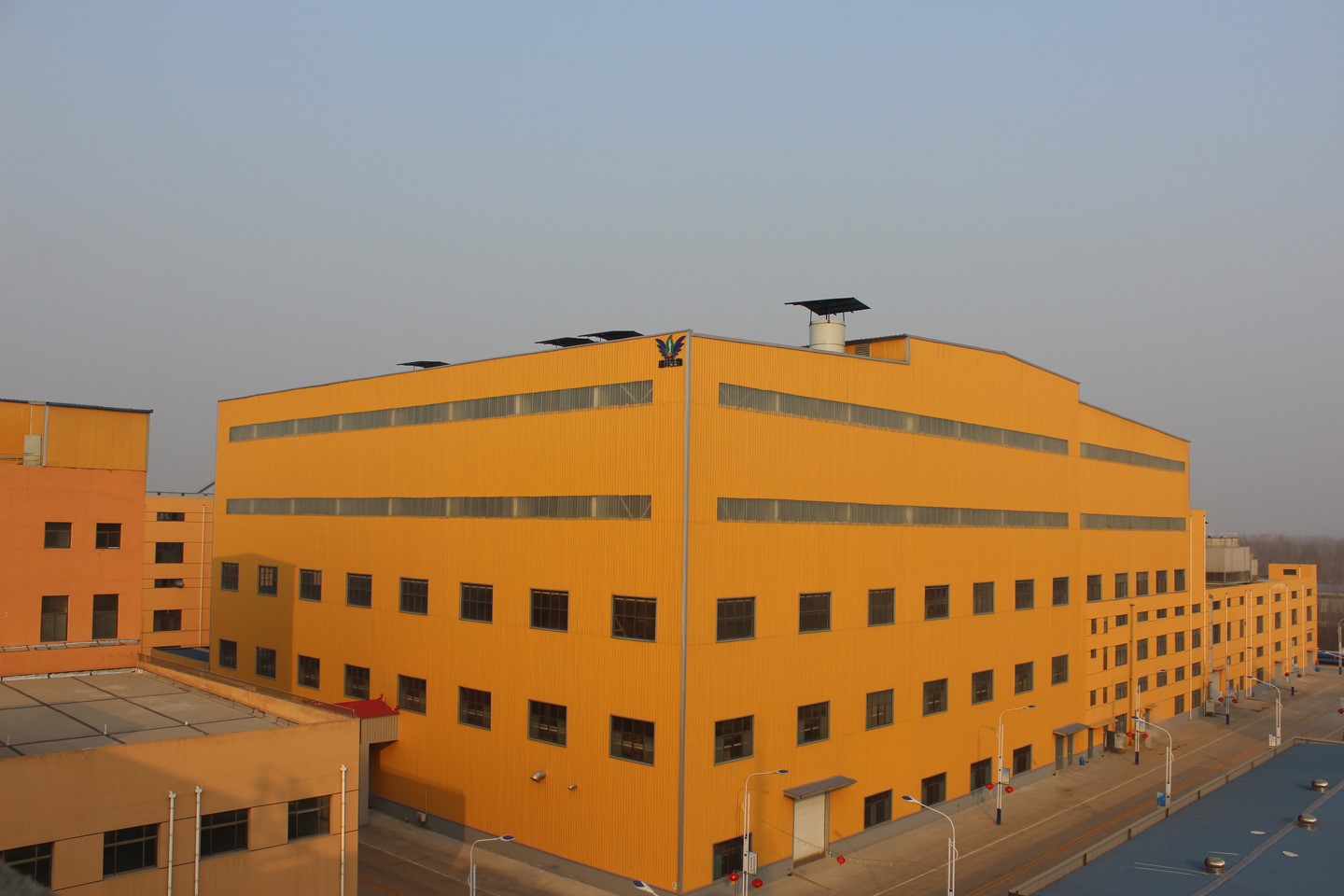
GUANXIAN XINRUI INDUSTRIAL CO., LTD. (formerly known as GUANXIAN RUIXIANG BIOTECHNOLOGY DEVELOPMENT CO., LTD) was established in 2007 with a registered capital of 100 million Yuan. The company processes 500,000 tons of wheat flour annually, extracting wheat gluten, wheat starch A, and wheat starch B. By utilizing starch B and pentosan for alcohol and animal feed production, we run a zero-waste circular processing system. Our production lines use advanced tri-canter separation technology, operating in a clean, enclosed environment that meets top international standards.

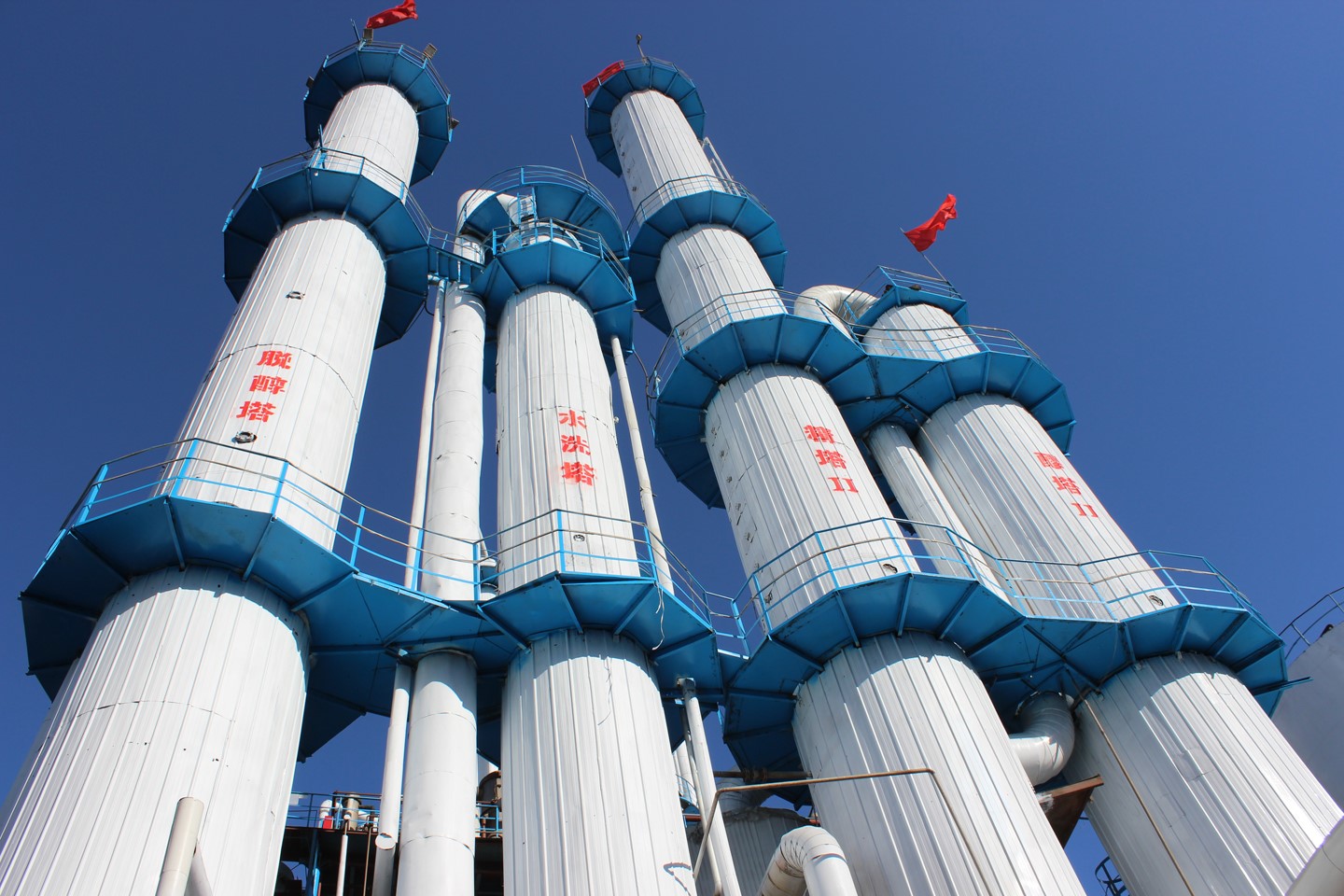
In 2014, the group established SHANDONG KAWAH OILS CO., LTD. with a registered capital of 120 million Yuan. As a provincial leader in agricultural industrialization, the facility processes 180,000 tons of domestic Non-GMO soybeans annually. We extract soy oil, low-temperature food-grade meal, isolated soy protein, and dietary fiber in consecutive stages. The core spray drying tower, sourced from DACHUANYUAN, supports one of the largest single-line soy protein production capacities in China.

GUANXIAN RUICHANG TRADING CO., LTD., founded in 2011 with a registered capital of 6 million Yuan, handles direct export operations for the group. We ship isolated soy protein, vital wheat gluten, soluble dietary fiber, and ethanol directly from our factories to global partners, with export volumes accounting for over 70% of the group's total production capacity.

Xinrui Group Plant Facility
Soy Protein Manufacturing Line
DACHUANYUAN Spray Drying Tower
Xinrui Warehouse

Production Facilities & Process Walkthrough

Video Tour 1: Soy Isolate Production

Video Tour 2: Refining & Quality Lab

Video Tour 3: Packaging & Automated Lines

Video Tour 4: Circular Economy Model

Video Tour 5: Export Cargo Operations

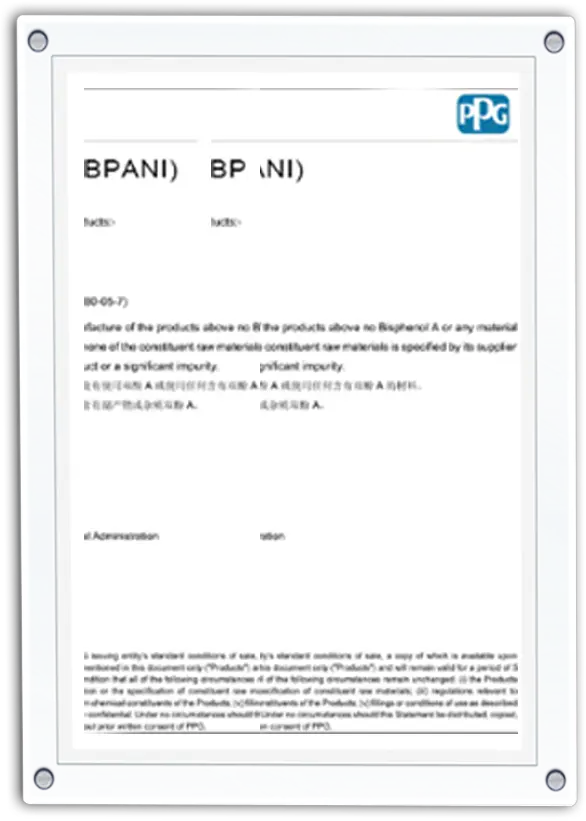
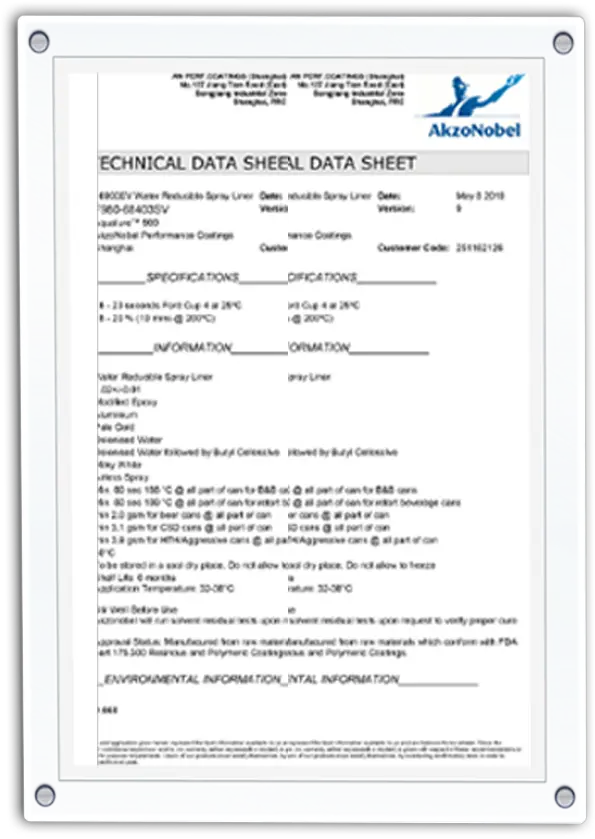
Certified Quality & Safety Standards

Our facilities comply with major global food safety certifications, guaranteeing smooth customs clearance in Kenya.
Xinrui Group Certification

BRC GS Certificate

Xinrui Group Certification

ISO 22000

Xinrui Group Certification

HACCP Certified

Xinrui Group Certification

IP-NON GMO

Xinrui Group Certification

Halal & Kosher

Frequently Asked Questions

Common questions from meat processors and import buyers in Kenya and East Africa.

Is your soy protein isolate certified Non-GMO?
Yes, all our isolated soy proteins are produced from domestic IP-certified Non-GMO soybeans. We provide full traceablity documentation with every shipment, which meets the standard import regulations for Kenya and the wider East African Community (EAC).
Which certifications do you provide for imports to Kenya?
We provide full documentation for KEBS clearance, including HACCP, ISO 9001, ISO 22000, BRC Global Standards, Halal, Kosher, and IP-NON GMO certificates. We also work with local verification partners to issue PVoC certification before shipment.
What is the minimum order quantity (MOQ) for Mombasa port delivery?
Our standard MOQ for direct sea-freight shipments to Mombasa is a 20-foot container (FCL), which holds approximately 12 to 20 metric tons depending on the product's packing density and pallet requirements. Mixed container orders are also available.
How does Injection Type Isolated Soy Protein 9020 compare to emulsion-type proteins?
Our 9020 injection type is processed to maintain a low viscosity under cold brine conditions, allowing it to pass through injector needles without clogging. Emulsion-type proteins, such as our 9500 series, are designed to bind fat and water in chopped meat batters, where they generate a firmer gel matrix under shear.
Are you a manufacturer or a trading company?
We are a fully integrated group operating as Xinrui Group. Shandong Kawah Oils Co., Ltd is our soy protein manufacturing facility, processing 180,000 tons of soybeans annually. Guanxian Xinrui Industrial Co., Ltd is our wheat gluten and wheat starch production plant. Guanxian Ruichang Trading Co., Ltd is our dedicated export division, handling global sales and shipping.

Optimize Your Food Processing Line Today

Contact our technical sales team for custom formulations, volume pricing, and free samples dispatched to your facility in Kenya.

Send Inquiry Now