Discover our leading isolated soy protein grades tailored to meet the strict hydration and structuring demands of Portuguese meat processors and food developers.
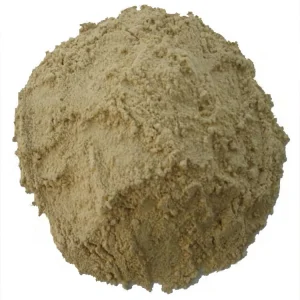
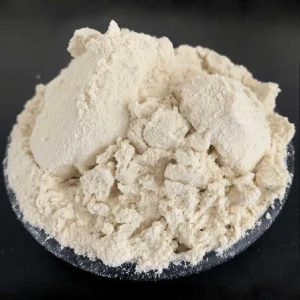
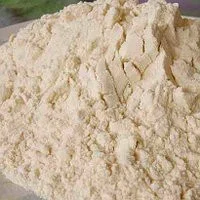
Portugal's food processing sector is undergoing a profound structural evolution. Driven by both European Union green mandates and shift in consumer demographics, Portuguese charcuterie, bakery, and seafood industries are actively redesigning their ingredient matrices. The core challenge? Achieving a reduction in saturated fats and animal-based lipids while maintaining the traditional bite, elasticity, and succulence of heritage Portuguese products like Chouriço, Alheira, and Fiambre.
Food processing complexes from Porto to Faro are balancing two opposing pressures: cost-optimization against skyrocketing raw meat prices, and the clean-label trend prioritizing plant-derived functional binders over synthetic chemical emulsifiers (E-numbers). Historically, chemical phosphates and starch matrices filled this gap. Today, sophisticated plant-based polymers, specifically Gel-Emulsion Type Isolated Soy Proteins, offer the required cohesive structural density without compromising sensory profiles.
This macro trend is further accelerated by the demand for plant-based alternatives. The market for vegetarian and flexitarian products in urban centers like Lisbon and Coimbra is expanding at a double-digit CAGR. Developing plant-based replicates of traditional Iberian foods demands proteins that exhibit a robust gelling threshold, high water-holding capacity (WHC), and reliable oil-holding capacity (OHC) under typical cooking conditions.
Reduces formula costs by replacing expensive lean meat with a highly stable protein-water-fat emulsion (typically 1:5:5 or 1:6:6 ratios), preserving yield during thermal processes.
Fully compliant with strict European food standards. Supported by Identity Preservation (IP) systems ensuring absolute traceability from farm to factory gates.
Maintains integrity and gel strength under high-speed chopping (cutter) processes, retort canning, pasteurization, and deep freezing cycles.
To understand the competitive edge of our 9007B-C Meat & Emulsion Type Isolated Soy Protein, one must look at the macromolecular composition of the soy globulins: Glycinin (11S) and beta-conglycinin (7S). These proteins contain a balance of hydrophilic and hydrophobic amino acid residues. When subjected to shear force during chopping or high-speed blending, these proteins align themselves at the oil-water interface.
The hydrophobic domains align with the fat droplets, while the hydrophilic regions face the continuous aqueous phase. Upon thermal processing (cooking, smoking, or pasteurization), the protein molecules undergo controlled denaturation and subsequent cross-linking via disulfide bonds. This cross-linking builds a rigid, irreversible three-dimensional gel network. This gel locks in water and lipids, preventing fat separation, purge, and shriveling in packaged products.
Unlike standard dispersible proteins, our gel-emulsion types are treated using state-of-the-art thermal flash-hydrolysis during extraction. This ensures that when the protein is introduced to cold water, it hydrates rapidly without forming lumps (referred to as "fish-eyes"). This rapid hydration is critical in industrial operations where cutter time is strictly managed to control temperature rise.
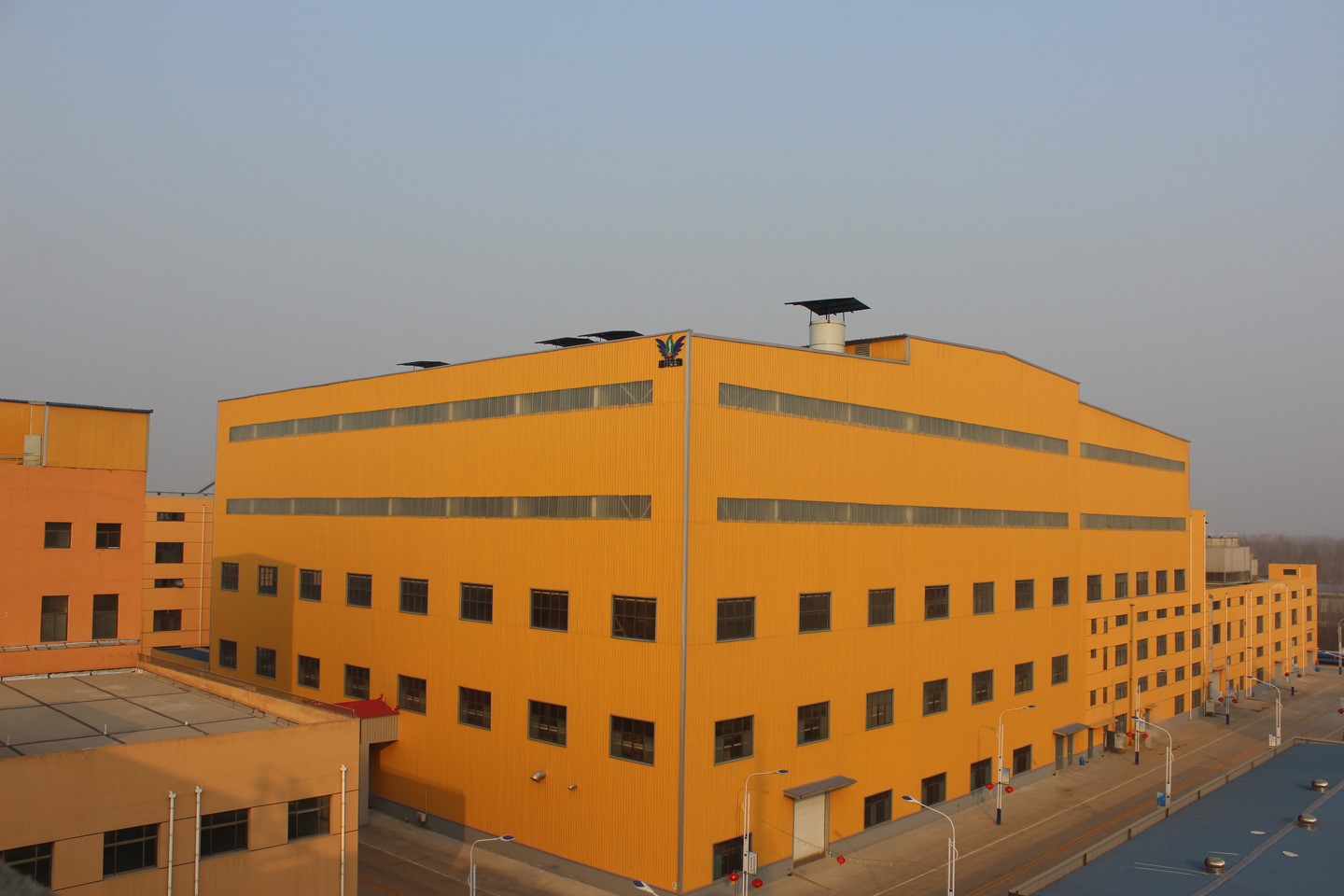
Providing industrial scale, advanced separation technologies, and agricultural supply chain security to European partners.
Established in 2007 with a registered capital of 100 million Yuan, Guanxian Xinrui Industrial Co., Ltd. (formerly known as Guanxian Ruixiang Biotechnology Development Co., Ltd) forms the bedrock of our industrial manufacturing capacity. Processing over 500,000 tons of wheat flour annually, we operate an integrated circular economy production system, utilizing tri-canter separation technology to manufacture high-yield wheat gluten and wheat starch. Starch B and pentosan are recycled into animal feed and bio-ethanol, driving down environmental impact and optimizing processing costs.
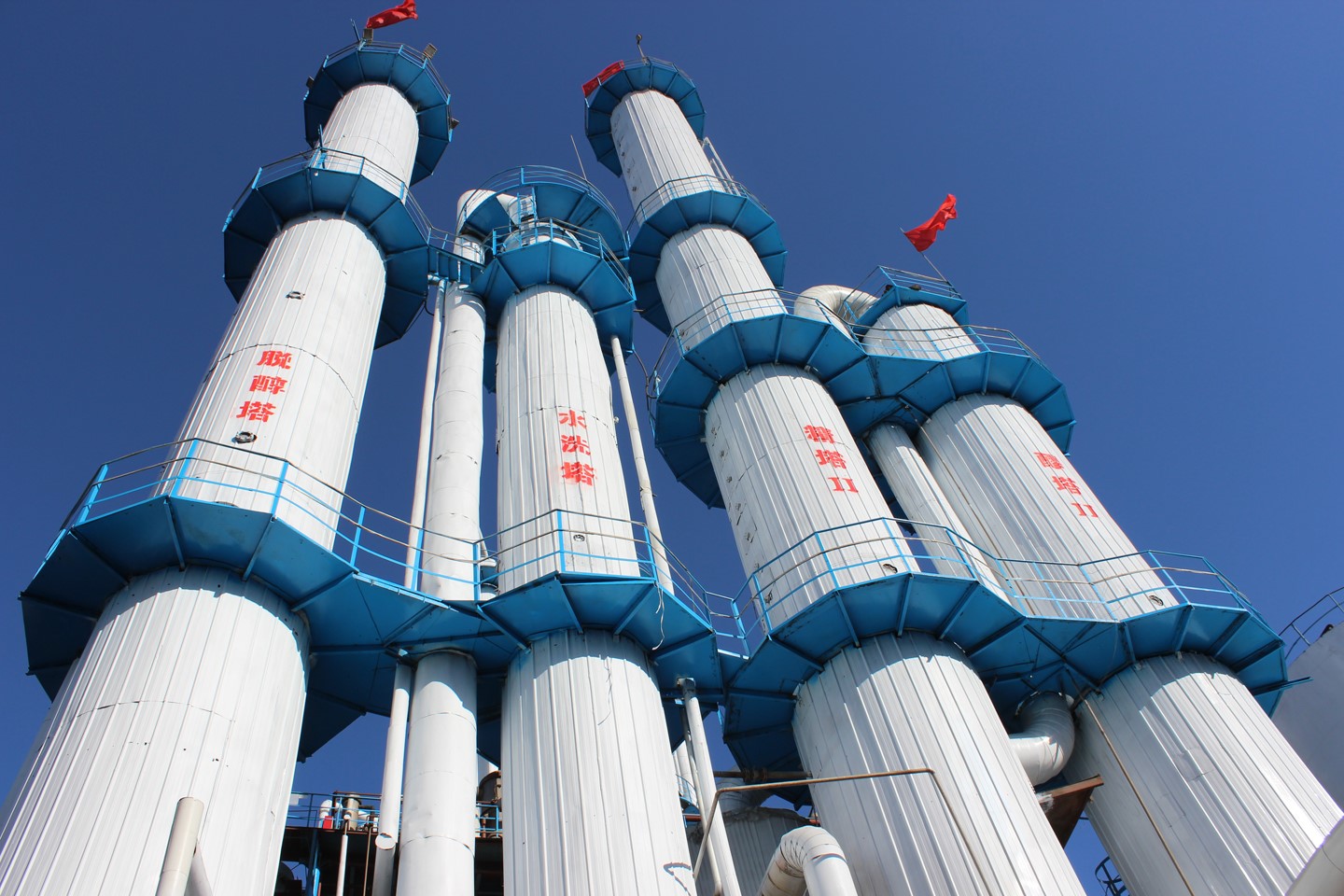
Our soy protein processing arm, Shandong Kawah Oils Co., Ltd. (established in 2014 with 120 million Yuan registered capital), processes 180,000 tons of domestic Non-GMO soybeans annually. Extracting food-grade soybean oil, low-temperature meal, isolated soy proteins, and dietary fiber, the facility features the largest single-line spray drying tower in China (engineered by DACHUANYUAN), ensuring consistent batch-to-batch physical properties and particle size distributions.
Tailoring protein chemistry to the culinary requirements and processing conditions of Portugal.
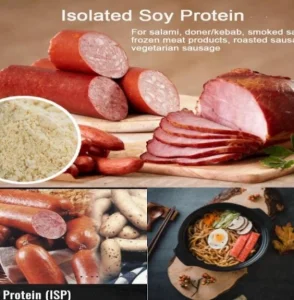
In the processing of traditional *Chouriço*, *Morcela*, and *Alheira*, retaining natural meat juices and fat during the curing and smoking stages is essential to prevent weight loss and casing wrinkling. Our 9001BW and 9002B functional isolates act as binders that bind free water molecules, ensuring that the sausages maintain their plumpness and uniform texture. During the slicing of *Fiambre* (cured ham products), the high elastic modulus of our gel-emulsion soy protein prevents tearing, allowing high-speed slicing operations to run smoothly without product waste.
Portugal is one of the highest consumers of seafood per capita in Europe. Manufacturers of surimi-based products, frozen fish patties, and crab sticks utilize our soy protein isolates to enhance the myofibrillar protein matrix of minced fish. This provides a resilient texture, prevents drip loss during defrosting, and maintains the chewiness expected by local consumers.
As the "Vegan" and "Flexitarian" movements expand across Portuguese cities like Lisbon and Porto, local brands are designing meat alternatives. By blending our high-gel Isolated Soy Proteins (9003B, 9003BA, 9005B) with Vital Wheat Gluten (VWG-P), processors create realistic fibrous textures that replicate the bite and chew of beef, pork, or poultry, delivering clean-label vegan options to the market.

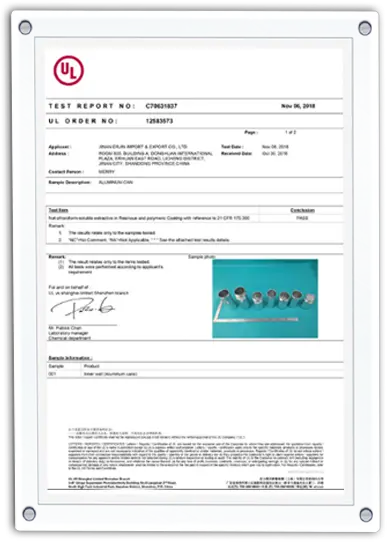
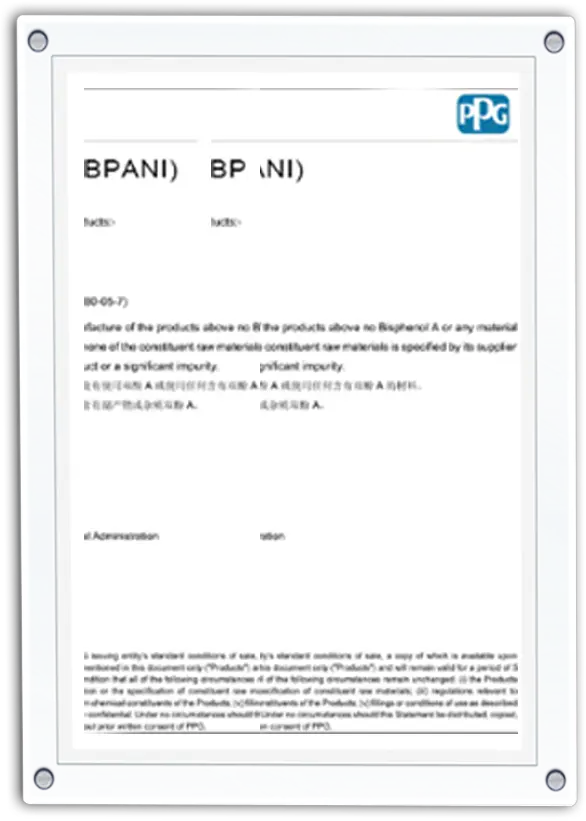
Providing complete safety documentation and compliance verification to satisfy the European Food Safety Authority (EFSA) and DGAV requirements.
Importing agricultural commodities into Portugal and the wider European Union requires meticulous adherence to food contact safety, allergen control, and GMO standards. Our modern production complexes operate under rigorous internationally recognized quality management systems, verified by third-party auditors.
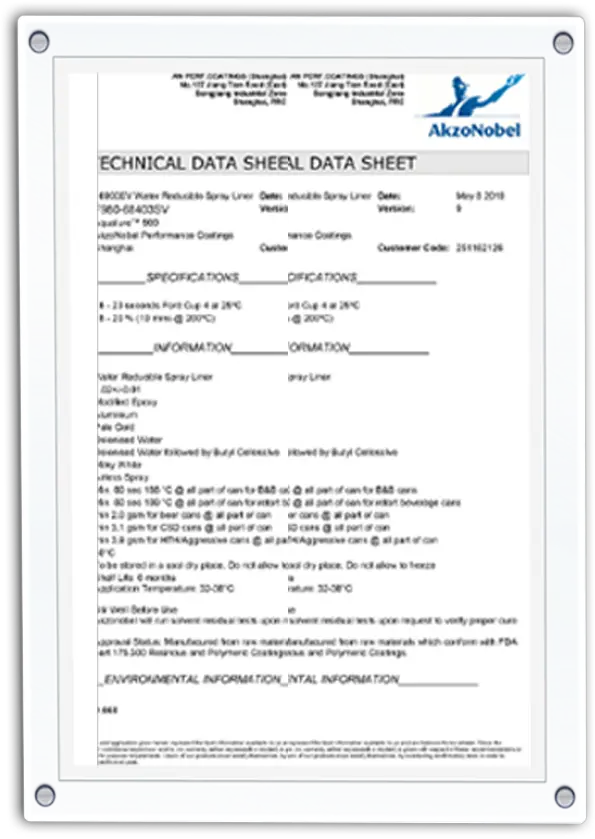
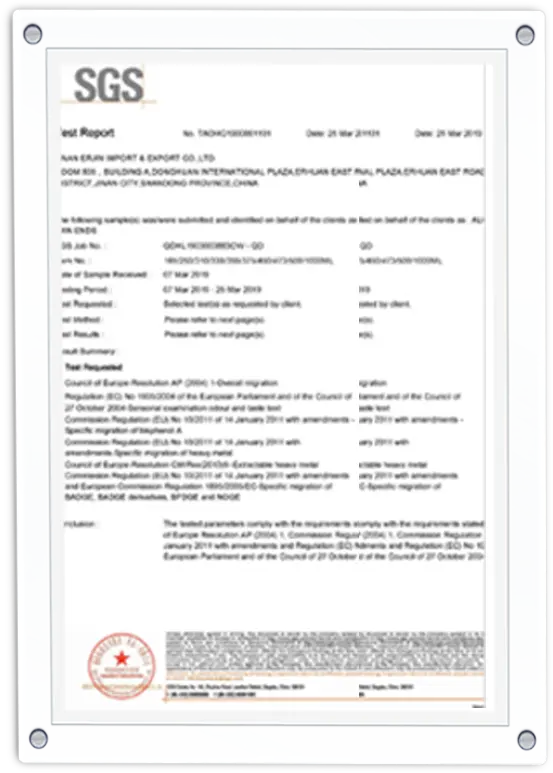
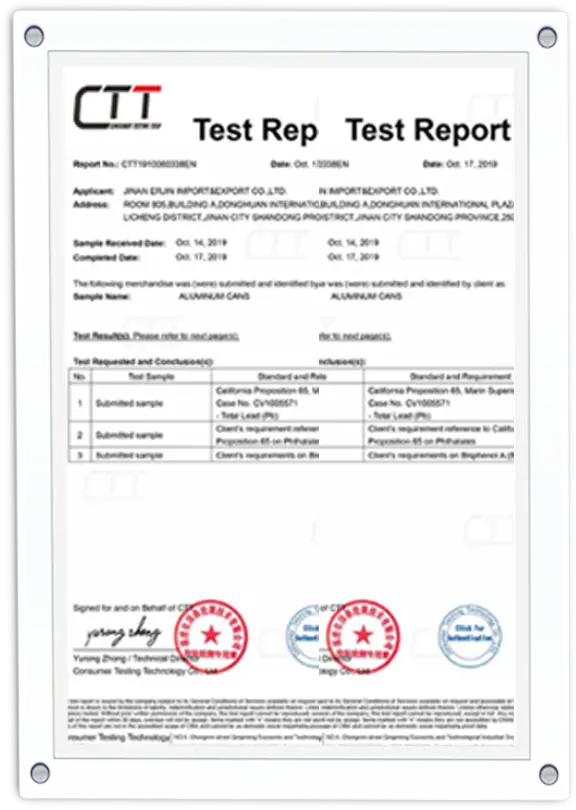
Our logistical frameworks are set up to handle door-to-door delivery to Portuguese food factories, leveraging container shipments entering via the Port of Leixões (Porto) or the Port of Lisbon. We manage customs clearances, veterinary documentation, and trace certificates, removing logistical barriers for procurement managers.
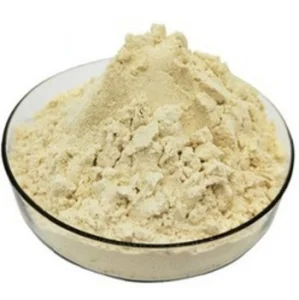
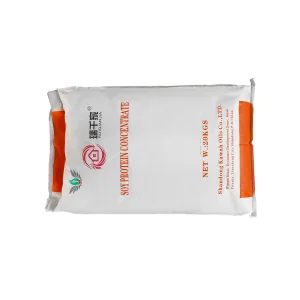
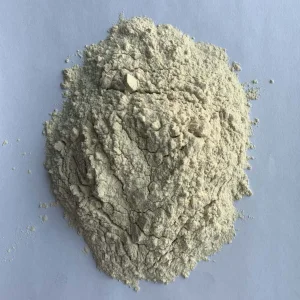
Select from our specialized grades of isolated soy proteins, functional concentrates, wheat gluten, and dietary fiber.
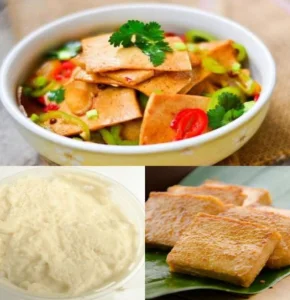
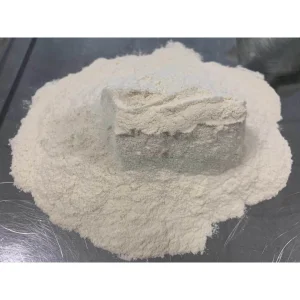
Investing in protein structural modeling to meet the demands of tomorrow's food processing industries.
The next decade of food processing belongs to precision texture design. In our R&D centers, we are currently designing and optimizing our technology roadmap around three major research streams:
Get detailed technical and logistical answers regarding importing our gel-emulsion type protein products to Portugal.
Connect with our technical application team. We offer customized recipe optimization, pilot-batch testing samples, and comprehensive compliance support for food manufacturers across Portugal.
 Xinrui Group