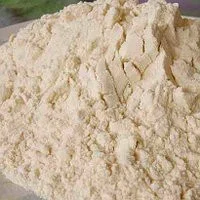
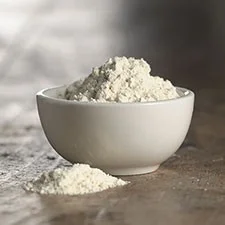
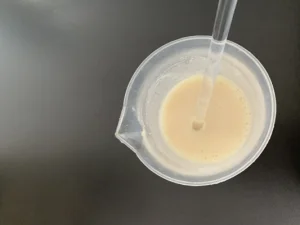
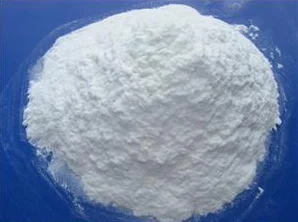
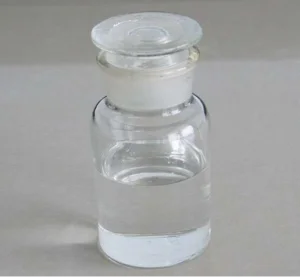
High-purity dispersion & injection formulas designed to withstand shear, maintain stable suspension, and optimize viscosity parameters in modern commercial production runs.
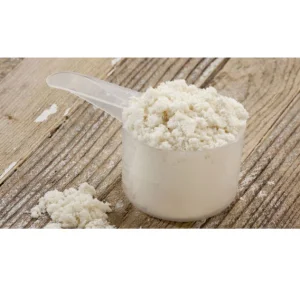
Engineered specifically for low-viscosity brine formulations, maximizing absorption and yield in whole-muscle cured meats.
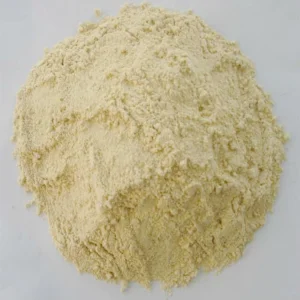
Designed for high-shear beverage processing, dairy alternatives, and powder blending with zero grittiness.
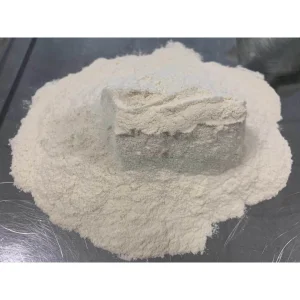
Enhances crumb structure, water retention, and dietary profile in industrial bakery operations.
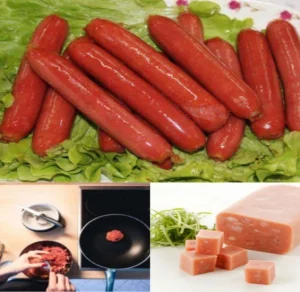
Premium gelling systems for sausages, cold cuts, and plant-based meat analogues requiring structural bite.
For New York's sophisticated food manufacturing landscape—ranging from artisanal dairy-alternative start-ups in Brooklyn to massive processed meat facilities in Western New York—optimizing ingredient interactions is key. High-performance Isolated Soy Protein (ISP) is classified by its hydration dynamics: primarily **Dispersion (hydrophilic suspension)** and **Injection (low-viscosity hydration)** systems.
A true dispersion-type ISP (such as the 9030 series) must exhibit a Nitrogen Solubility Index (NSI) exceeding 85%. This index determines how much of the plant-based nitrogenous protein remains suspended in aqueous conditions. Under high mechanical shear, dispersion-type soy protein forms stable colloidal structures that resist precipitation, making them ideal for high-throughput pasteurized beverage runs where separation or sedimentation ruins shelf-life.
Injection proteins (like the 9020 series) target a completely different physical-chemical paradigm. These proteins must dissolve fully in brines containing salt, phosphates, and flavorings without prematurely thickening (viscosity buildup) inside the injector needles. Premature gelling causes needle clogging, uneven brine distribution, and product variation.
Once injected into the meat muscle structure (e.g., hams, poultry breasts), these proteins undergo thermal denaturation during cooking. They bind free water, cross-link with meat myofibrillar proteins, and build a strong heat-induced elastic gel. This mechanism reduces purge loss, increases final cook yield by up to 25%, and yields a tender, sliceable texture.
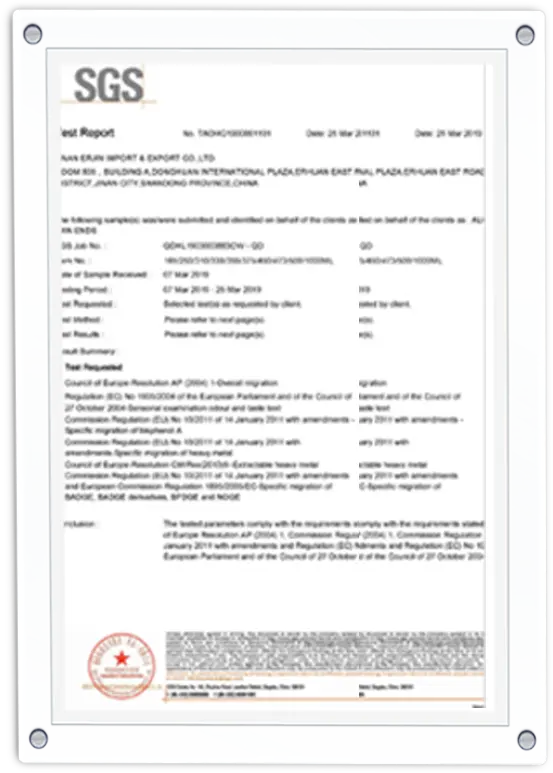
New York is a critical point for clean-label food distribution. As consumer preferences shift away from synthetic binders, natural emulsifiers like Non-GMO Isolated Soy Protein have become crucial. The state's food manufacturing economy requires ingredients that are not only high-performing but also meet demanding certifications: Kosher, Halal, Non-GMO Project Verification, and BRCGS global food safety standards.
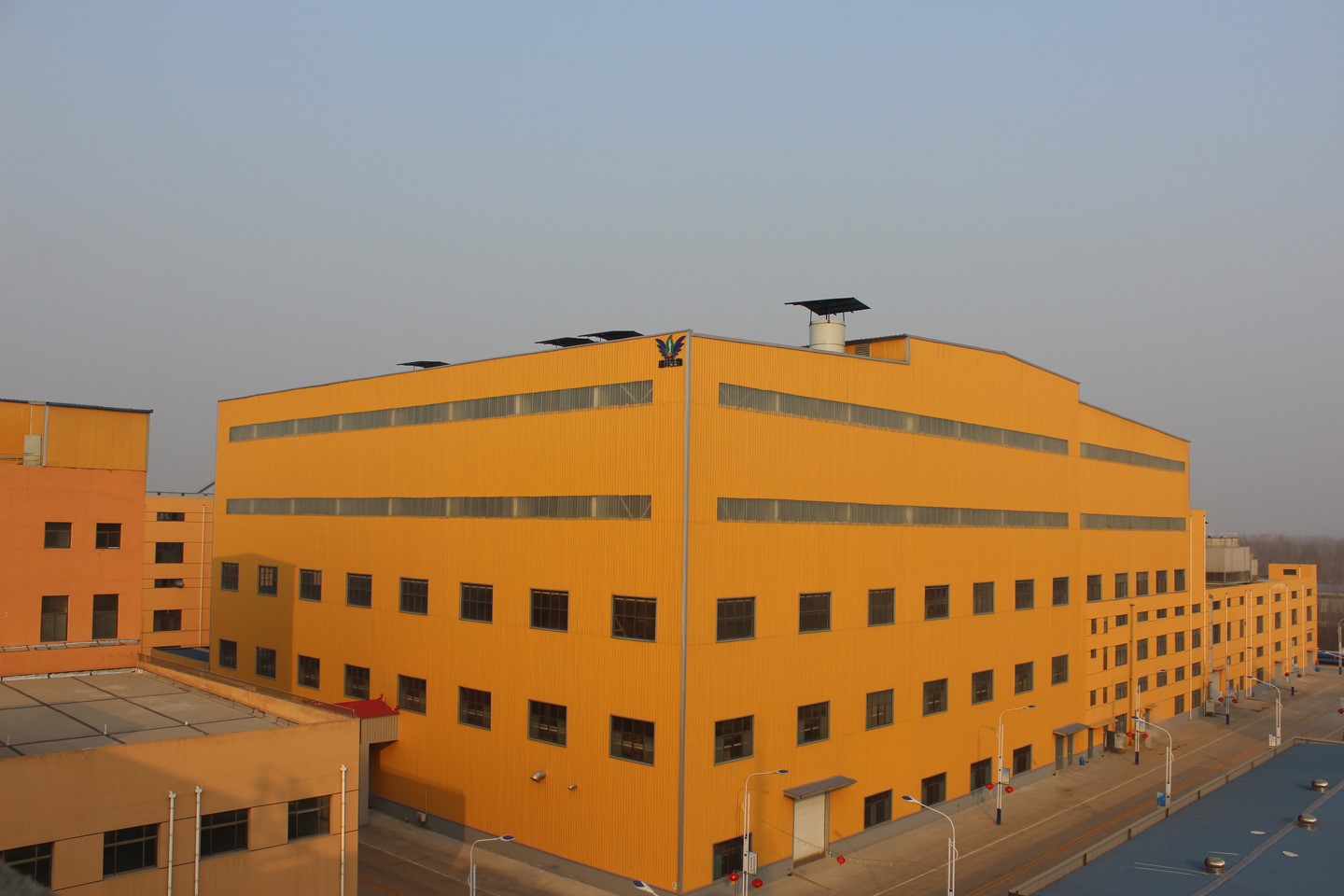
With our production base at Shandong Kawah Oils Co., Ltd. (processing 180,000 tons of Non-GMO soybeans annually) and Guanxian Xinrui Industrial Co., Ltd. (processing 500,000 tons of wheat flour annually), we have built a vertically integrated raw material stream. We cultivate, harvest, and extract plant proteins under strict identity-preserved (IP) non-GMO controls, ensuring that New York food brands receive reliable quality unaffected by volatile agricultural spot markets.
Our raw material supply chain ensures trace-back security from raw soybean fields to the finished bag, complying with USA FDA food labeling requirements.
Utilizing high-speed German tri-canter separation lines to guarantee high protein yields and low mineral ash residues.
Equipped with state-of-the-art Dachuanyuan spray towers, creating controlled particle sizes for rapid hydration in industrial tanks.
Modern sustainability mandates require food companies to prove carbon reduction footprints. Our circular processing model represents a modern industrial ecology approach: we utilize every fraction of the wheat kernel and soybean.

From wheat flour, we separate Vital Wheat Gluten and Wheat Starch A. The secondary stream (Starch B) and pentosan fractions are routed directly to our integrated bio-ethanol distillation facility, producing superior-grade ethyl alcohol. Solid residues are processed into high-value animal feed. By avoiding waste-water discharge costs and capitalizing on cogeneration heating, we keep our production costs stable and minimize carbon intensity.
We are currently developing next-generation enzymatically modified, low-allergen soy proteins. These products aim to match dairy caseinates in high-acid environments (pH < 4.5), paving the way for protein-fortified plant-based yogurt and RTD carbonated protein drinks.
Walk through our high-performance manufacturing lines, spray drying towers, and quality assurance laboratories.
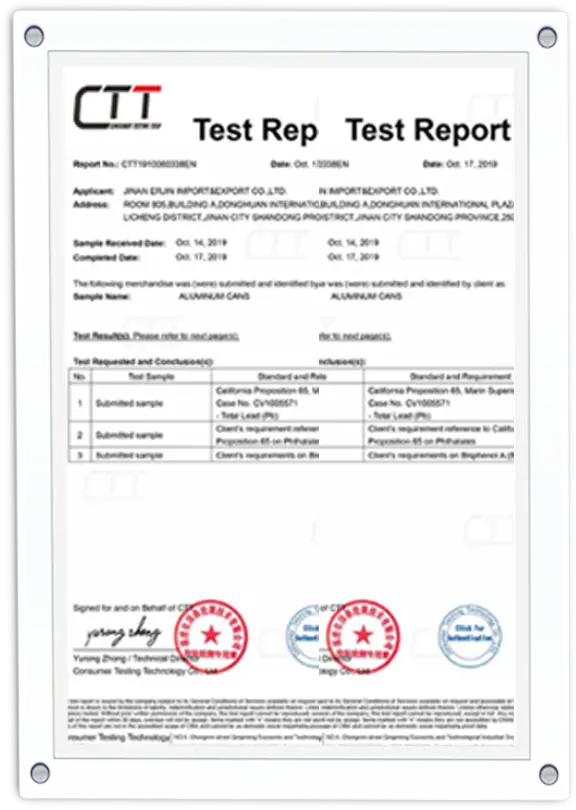
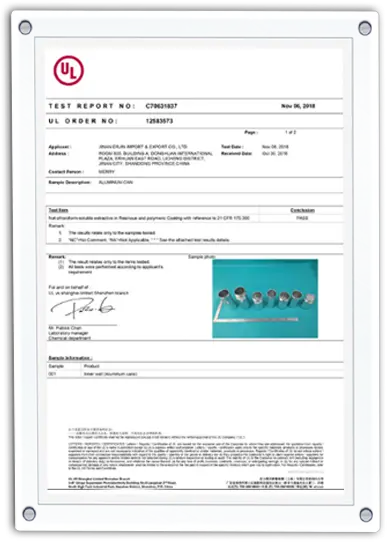
We comply with international food production guidelines to guarantee seamless custom clearance at New York ports.
Explore our complete range of soy proteins, wheat derivatives, and specialized industrial starches.
Address critical development concerns with direct insights from our food scientists and application engineers.
Talk directly with our food technicians and logisticians. Get free material samples, custom brine formulations, or port-delivery price quotes for New York.
Send Inquiry Now Xinrui Group