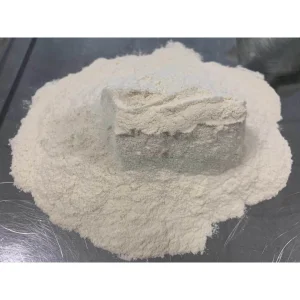
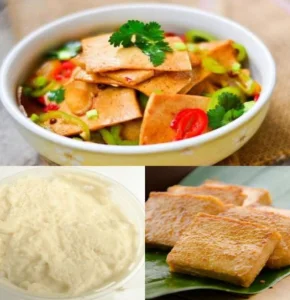
Premium non-GMO functional ingredients optimized for solubility, stability, and formulation performance in Switzerland's demanding market.
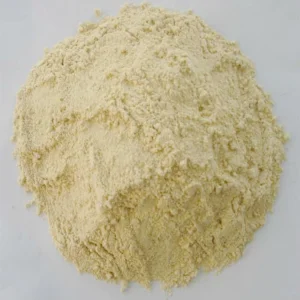
In the highly competitive Swiss food processing sector, structural stability, nutritional preservation, and clean-label compliance are the cornerstones of success. As consumer preferences shift away from synthetic stabilizers towards plant-derived macro-compounds, food engineers and product developers in major Swiss cities like Zurich, Basel, and Geneva are increasingly relying on advanced plant-derived macromolecules. Among these, Dispersion Type Isolated Soy Protein (such as the 9030 and 9032 models) stands out as a critical ingredient due to its unique physiological properties and exceptional industrial performance.
Switzerland is internationally recognized for its highly sophisticated food industry, driven by global players and specialized boutique manufacturers. Swiss food law (L食品) and strict consumer preferences demand clean labels, GMO-free status, and minimal artificial additives. In applications such as liquid nutritional formulas, plant-based milk alternatives, functional sports drinks, and infant formulas, standard soy proteins often fail to meet expectations. They tend to precipitate, forming grittiness or phase separation under pasteurization temperatures.
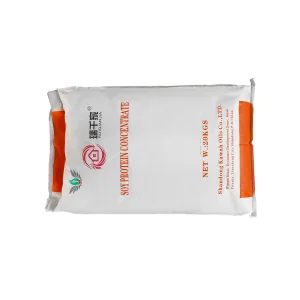
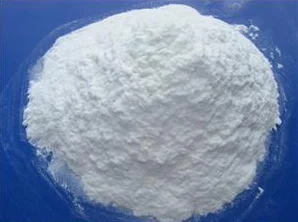
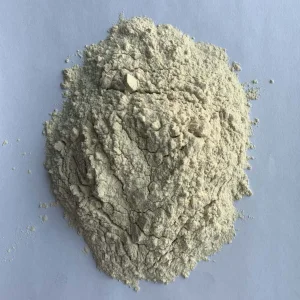
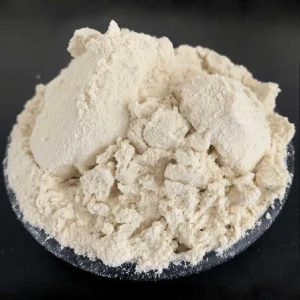
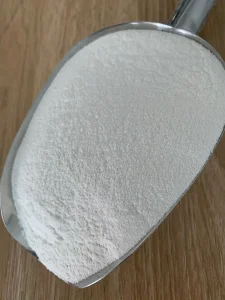
This is where the Dispersion Type (9030/9032 series) excels. Developed specifically for fluid matrices, dispersion soy protein isolate features an engineered molecular profile designed to hydrate rapidly in water, resisting aggregation even under high-temperature pasteurization. The result is a smooth mouthfeel and highly stable suspension, which aligns perfectly with Swiss premium standards for dairy-free alternatives.
Guanxian Xinrui Industrial Co., Ltd. (along with its specialized export vehicle, Guanxian Ruichang Trading Co., Ltd.) offers macro-level industrial solutions designed to integrate plant proteins into complex fluid and semi-fluid food matrices:
“Our technological approach relies on state-of-the-art tri-canter separation and high-efficiency DACHUANYUAN spray drying towers. By carefully controlling shear forces and drying temperatures, we produce protein matrices with optimized surface charge density, ensuring maximum solubility and stability in Swiss food formulations.”
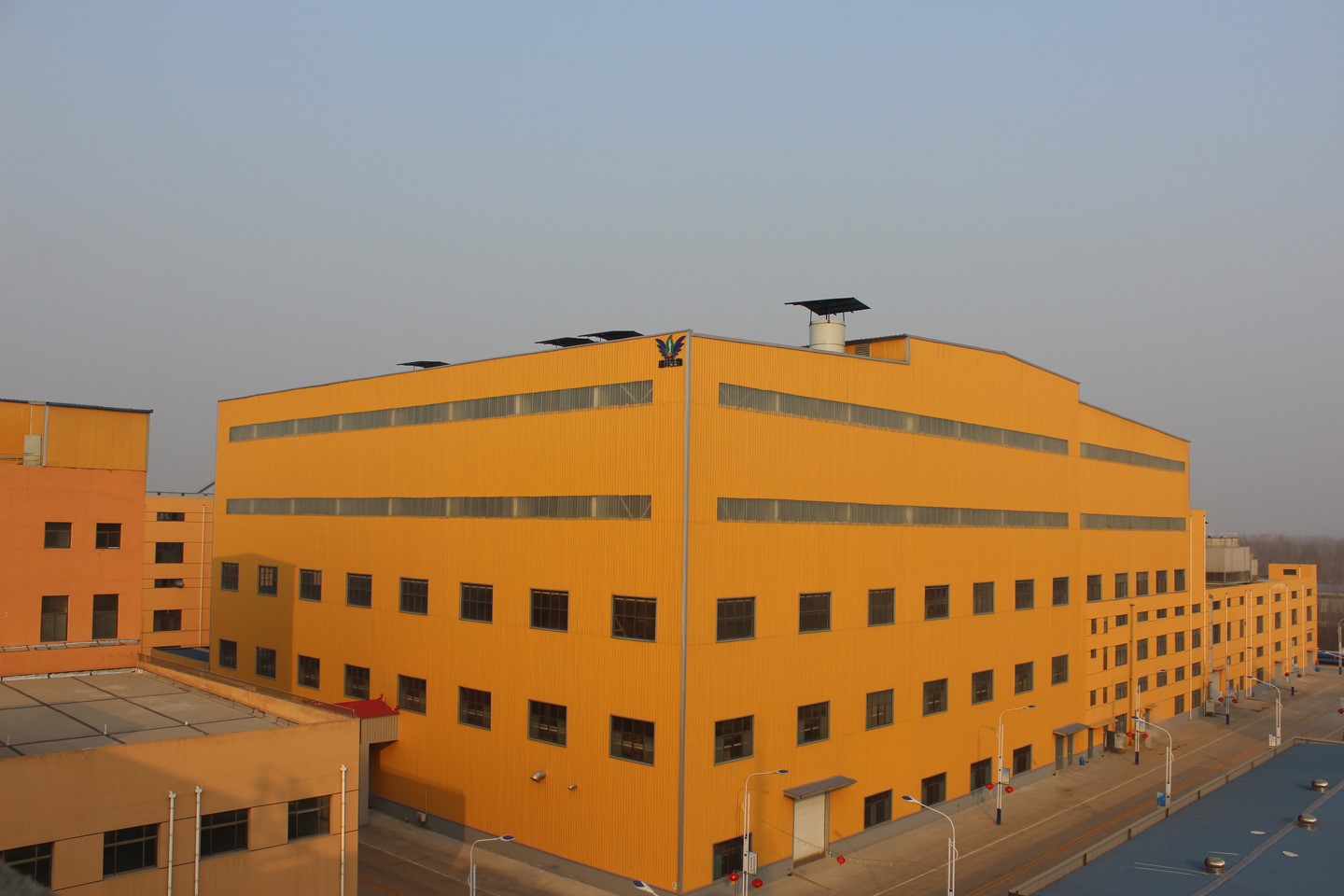
Under the banner of the Xinrui Group (established in 2003, occupying over 1,000 mu, with an annual output value of 2.8 billion Yuan), we run a highly optimized, vertical agricultural industrialization chain:
Our raw material control begins at our dedicated wheat and non-GMO soybean planting bases. Our subsidiary, Shandong Kawah Oils Co., Ltd (established in 2014, with a registered capital of 120 million Yuan), processes 180,000 tons of domestic Non-GMO soybeans annually. We use a step-by-step extraction process to refine high-grade soybean oil, low-temperature food-grade meal, isolated soy protein, and soy dietary fiber. This single-line capacity is one of the largest in China, ensuring consistent quality and volume.
On the wheat processing side, Guanxian Xinrui Industrial Co., Ltd processes 500,000 tons of wheat flour per year. Using advanced tri-canter separation technology, we produce vital wheat gluten, premium wheat starch A, and wheat starch B. Any remaining starch B and pentosan are recycled for ethanol and animal feed production. This circular economy model minimizes waste, lowers production costs, and reduces the carbon footprint, which is a major priority for Swiss companies looking to optimize their supply chain sustainability.
To help formulation chemists select the appropriate protein isolate, the table below compares our primary product lines:
| Parameters | 9030 Dispersion Type | 9007B-C Meat & Emulsion | 9005B Vegetarian / Tofu |
|---|---|---|---|
| Protein Content (dry basis) | ≥ 90.0% | ≥ 90.0% | ≥ 90.0% |
| Moisture | ≤ 7.0% | ≤ 7.0% | ≤ 7.0% |
| Viscosity (1:6 solution) | Low (under 150 cP) | High (over 800 cP) | Medium (300-500 cP) |
| NSI (Nitrogen Solubility Index) | ≥ 85% | 30% - 50% | 50% - 70% |
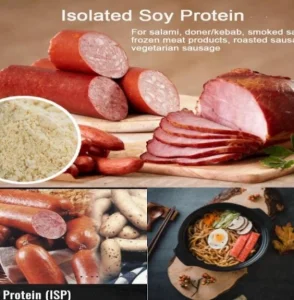
| Primary Application | Beverages, Dairy, Infant Formula | Sausages, Prepared Meats | Tofu, Surimi, Analogs |
Swiss food standards are among the most stringent in the world. We offer comprehensive international certifications to guarantee compliance, including HACCP, ISO 9001, ISO 22000, BRC (Global Standard for Food Safety), HALAL, KOSHER, and IP Non-GMO (Identity Preserved). This certification suite ensures that our isolated soy proteins, wheat starch, and wheat gluten powder meet all regulatory requirements for import, traceability, and allergen declarations in Switzerland and the wider EU.
Looking ahead, we are focused on developing functional proteins with improved sensory characteristics and lower allergen profiles. By utilizing targeted enzymatic hydrolysis, we aim to modify specific peptide chains to further improve solubility in acidic environments, such as protein-enriched fruit juices. Additionally, we are working to optimize our spray drying parameters to increase the bulk density of our dispersion types. This will improve powder handling and reduce dusting during bulk manufacturing in Swiss factories.
Get in touch with our technical team to request free product samples, custom formulation assistance, or a competitive quote tailored to your local logistics network.
Send Inquiry NowTake a virtual look at our advanced production facilities, heavy spray drying towers, and fully automated packaging lines.

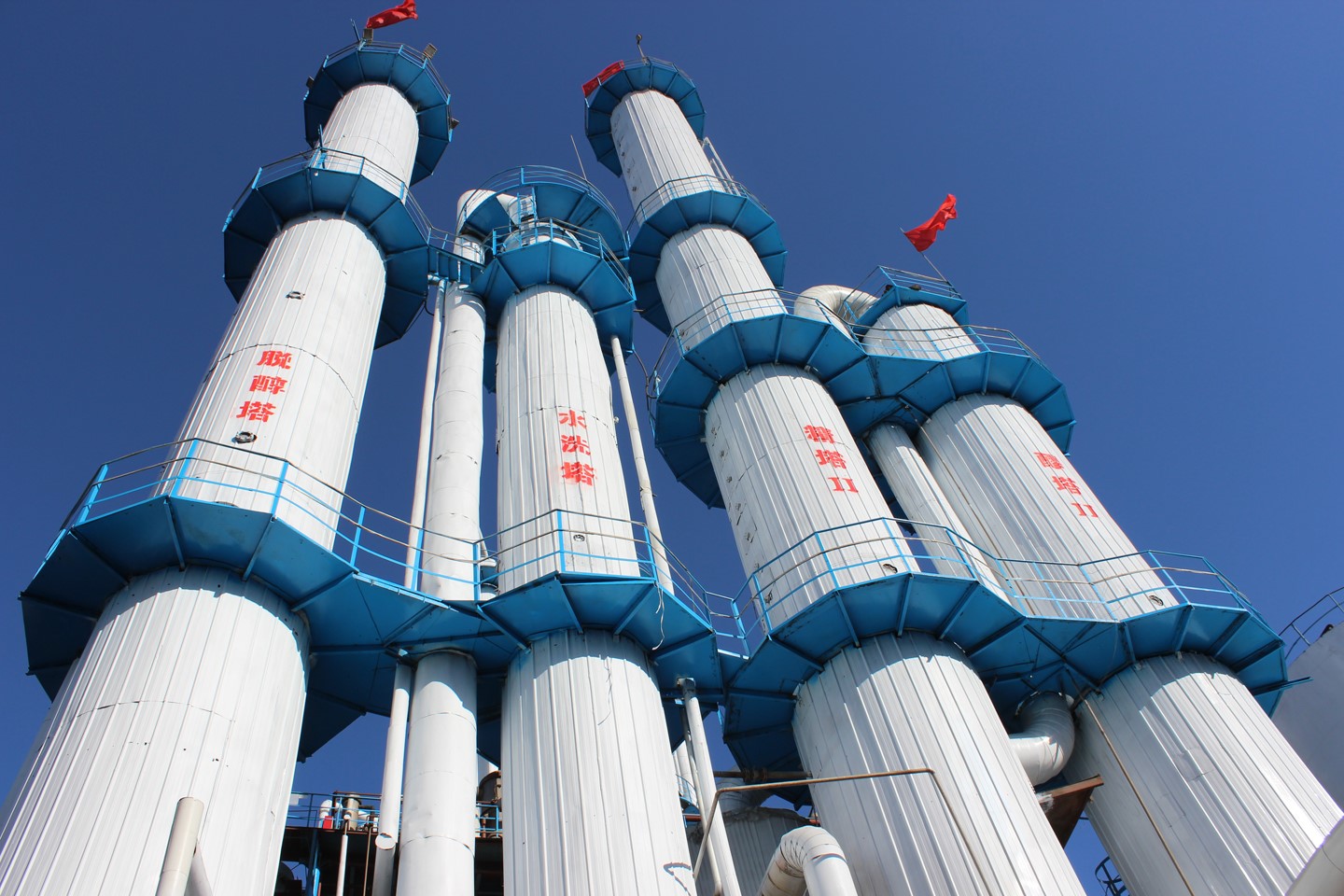
A comprehensive catalog of functional proteins, fibers, and starches designed for emulsified meats, vegetarian foods, and bakery applications.
Find quick answers to common questions about our products, production capacity, certifications, and global shipping policies.
Partner with a reliable global supplier committed to sustainability, Non-GMO safety, and high-performance food ingredients.
Send Inquiry Now Xinrui Group