Providing certified food-grade wheat starch, isolated soy protein models, and texturized plant proteins direct from our automated refining facilities.
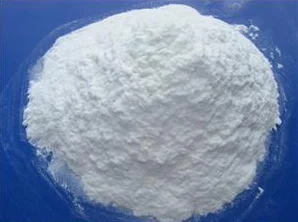
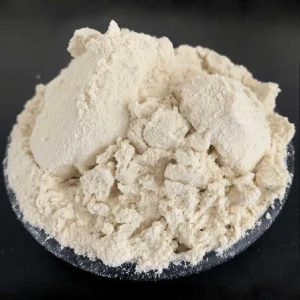
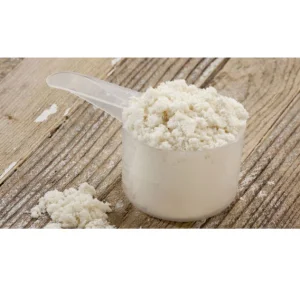
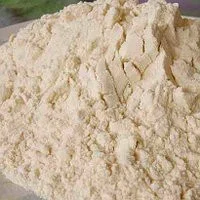
Vital Wheat Gluten (VWG), commercially isolated from premium wheat flour, is a natural, insoluble plant protein characterized by its remarkable viscoelasticity, binding strength, and water-holding capacities. The technological function of VWG depends fundamentally on the balanced interaction of its primary storage proteins: Gliadin, which facilitates viscosity, extensibility, and dough flow dynamics; and Glutenin, which forms the elastic cross-linked disulfide networks providing structural tenacity and bite-force resistance.
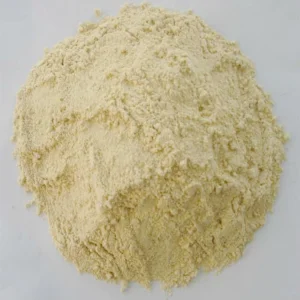
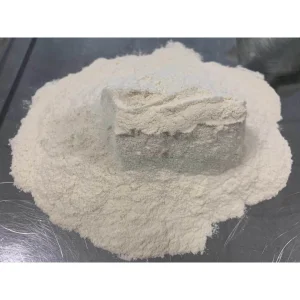
When hydrated, our high-purity vital wheat gluten powder forms a cohesive, three-dimensional viscoelastic matrix. This molecular framework is the foundational structure responsible for gas retention in leavened bakery products, chewiness in authentic wheat noodle recipes, and fibrous texture replication in structural meat analogues (such as seitan).

Integrating multi-billion RMB agricultural facilities, cogeneration energy systems, and high-efficiency raw material extraction.
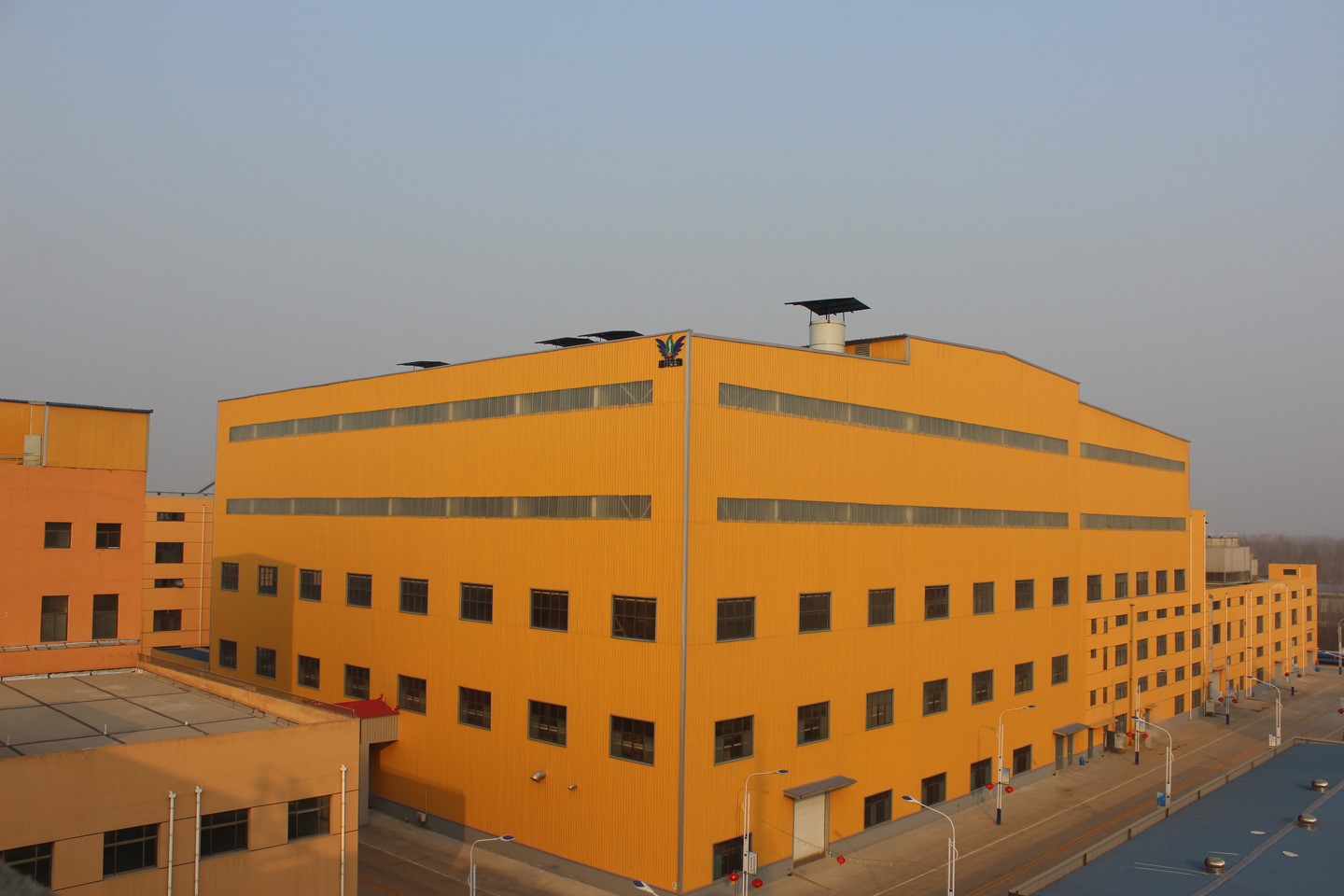
Established in 2007 with a registered capital of 100 million Yuan, GUANXIAN XINRUI INDUSTRIAL CO., LTD. (formerly known as GUANXIAN RUIXIANG BIOTECHNOLOGY DEVELOPMENT CO., LTD) operates one of China's most advanced circular economy agricultural complexes. The plant processes 500,000 tons of wheat flour annually, deploying state-of-the-art tri-canter separation technology imported from leading European suppliers. This completely closed, sterile refining line separates raw wheat into high-purity vital wheat gluten and high-grade Wheat Starch A/B.
Unlike single-output processors, our facility utilizes starch B and pentosan byproducts to produce food-grade alcohol (ethanol) and protein-rich animal feeds. This integrated industrial cycle keeps production costs low while maintaining unmatched batch-to-batch quality stability.
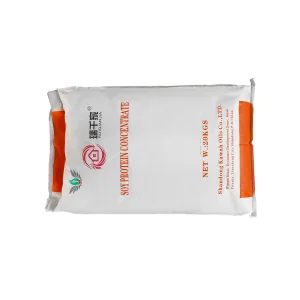
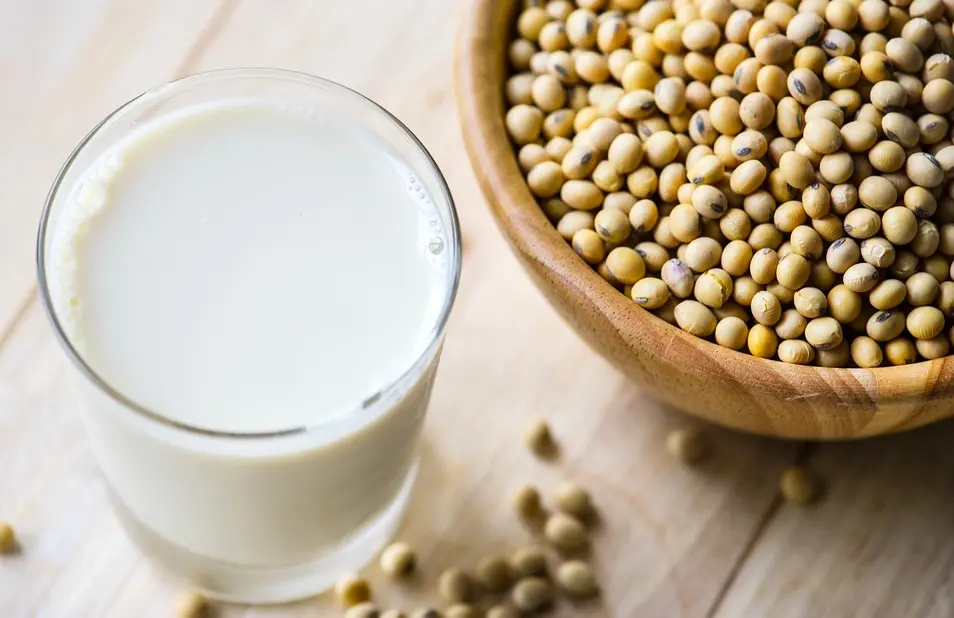
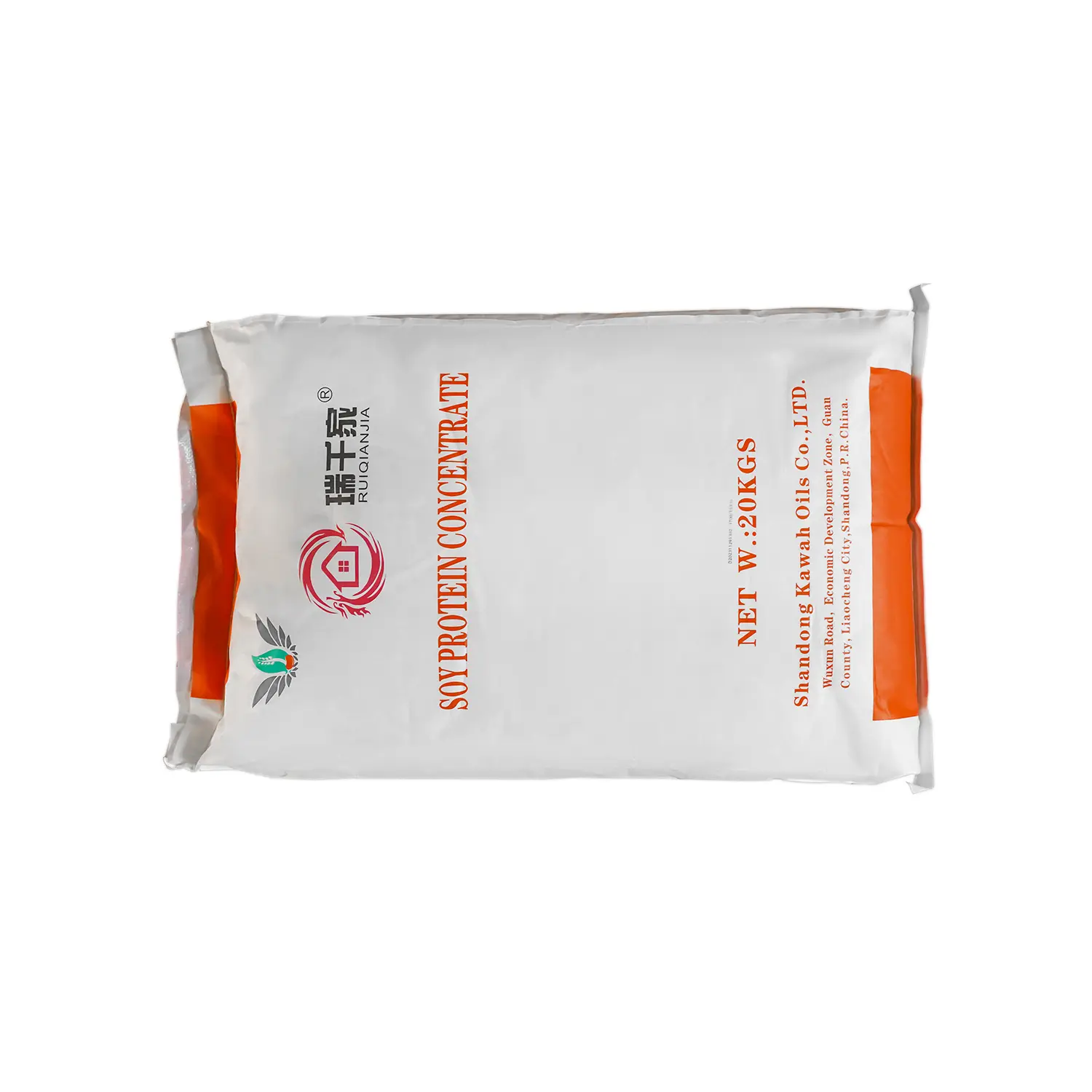
Complementing our wheat operations, SHANDONG KAWAH OILS CO., LTD. (established 2014, registered capital 120 million Yuan) processes 180,000 tons of locally sourced, verified Non-GMO soybeans annually. It deploys advanced DACHUANYUAN spray drying towers—representing the largest single production line in China—to manufacture isolated soy protein, non-GMO soy oils, and soluble dietary fiber (SDF).
A look at the numbers driving the global supply chains of the Xinrui Group.
Formed in May 2003, XINRUI GROUP has expanded to cover over 1,000 mu. The group ensures operational resilience through its own cogeneration facilities, municipal heating, gas supply networks, and dedicated wheat/soybean planting bases. Export logistics are directly managed by our specialized entity, GUANXIAN RUICHANG TRADING CO., LTD. (established 2011), offering seamless integration of manufacturing and international shipping to more than 60 countries.
How food scientists customize gluten rheology for bakery, meat alternative, and aquaculture applications.
In automated bakery plants, vital wheat gluten is used to fortify low-protein flours. It improves dough mixing tolerance, gas retention capacity, and final loaf volume. For toast, sourdough, and baguettes, adding 1% to 3% VWG (flour basis) increases crumb softness, crust crispness, and extends shelf life by retarding starch retrogradation (staling).
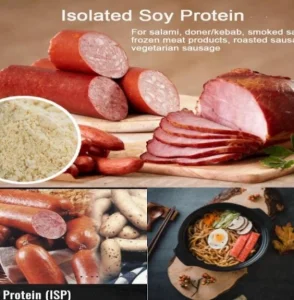
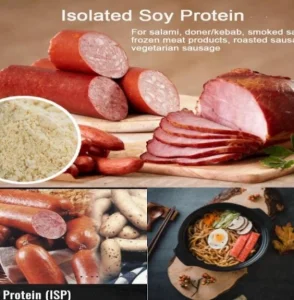
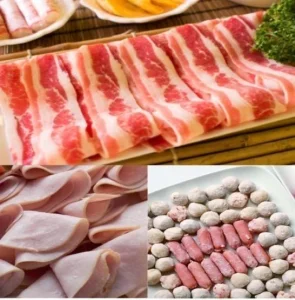
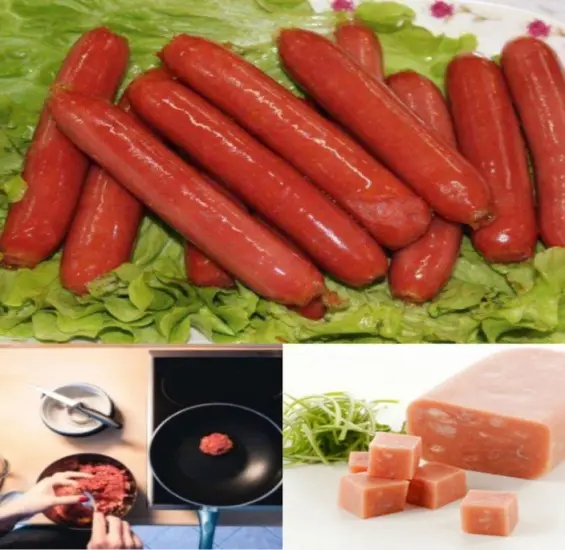
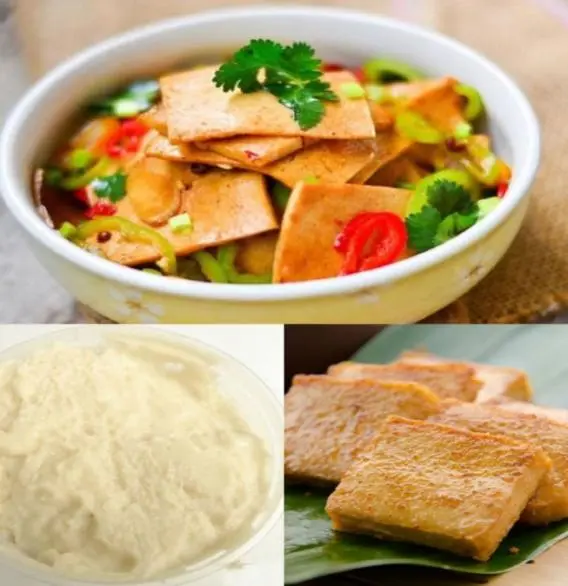
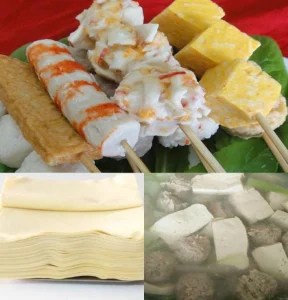
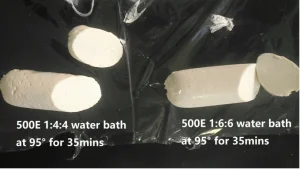
For vegetarian sausages, patties, and seitan, vital wheat gluten acts as the primary protein binder and structural base. Under mechanical hydration and shear, the gluten proteins cross-link to form long, fibrous bundles that mimic animal muscle tissue. It is often formulated alongside isolated soy protein (ISP 9005B/9003B) to achieve a balanced chewiness, moisture hold, and bite-force profile.
In instant, fresh, and dried noodles, adding 1% to 2% VWG prevents breakage during high-speed production and drying. It increases noodle elasticity (tensile strength), reduces cooking loss (keeping cooking water clear), and delivers the clean, springy, "al dente" texture demanded by end consumers.
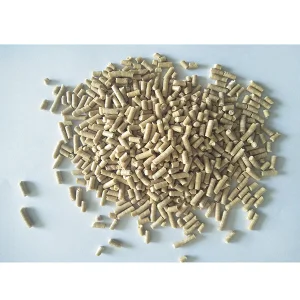
As a highly digestible protein source (typically exceeding 90% in aquaculture feed), vital wheat gluten is an excellent binder for premium fish and shrimp feeds. The natural adhesive properties of hydrated gluten prevent pellet disintegration in water, reducing waste and nutrient run-off in marine farming environments.
A visual tour of our raw material processing bases and integrated logistics hubs.
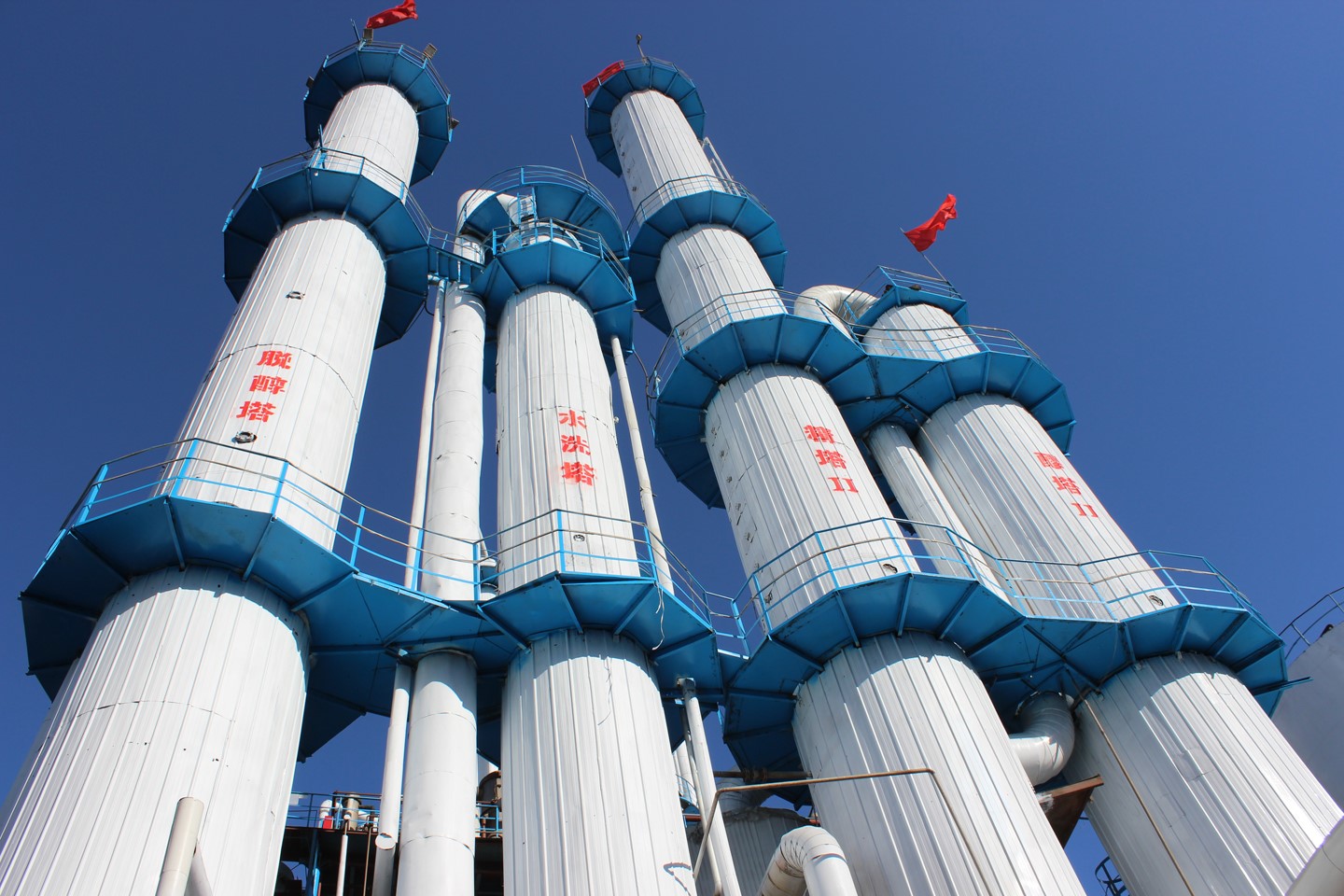
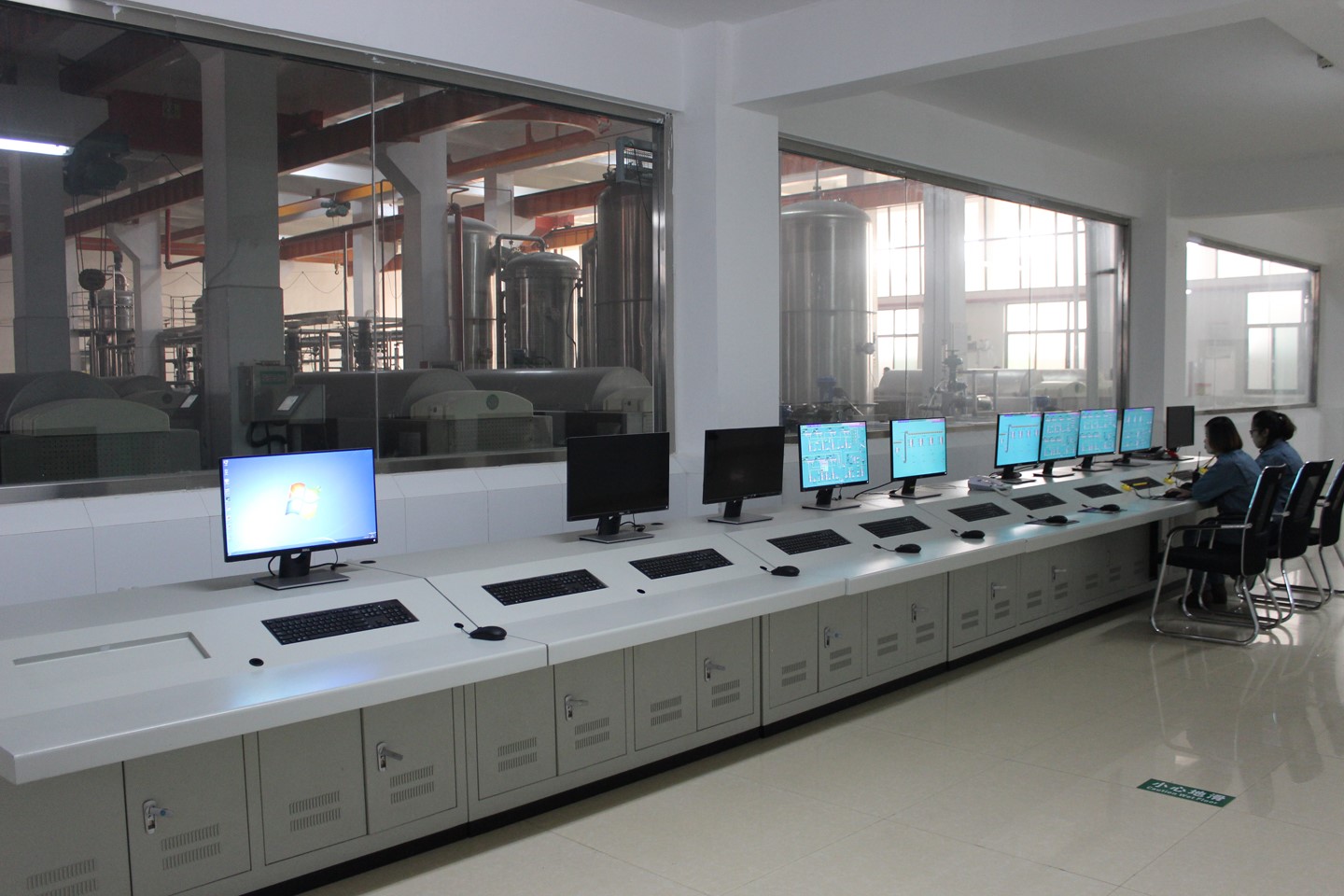
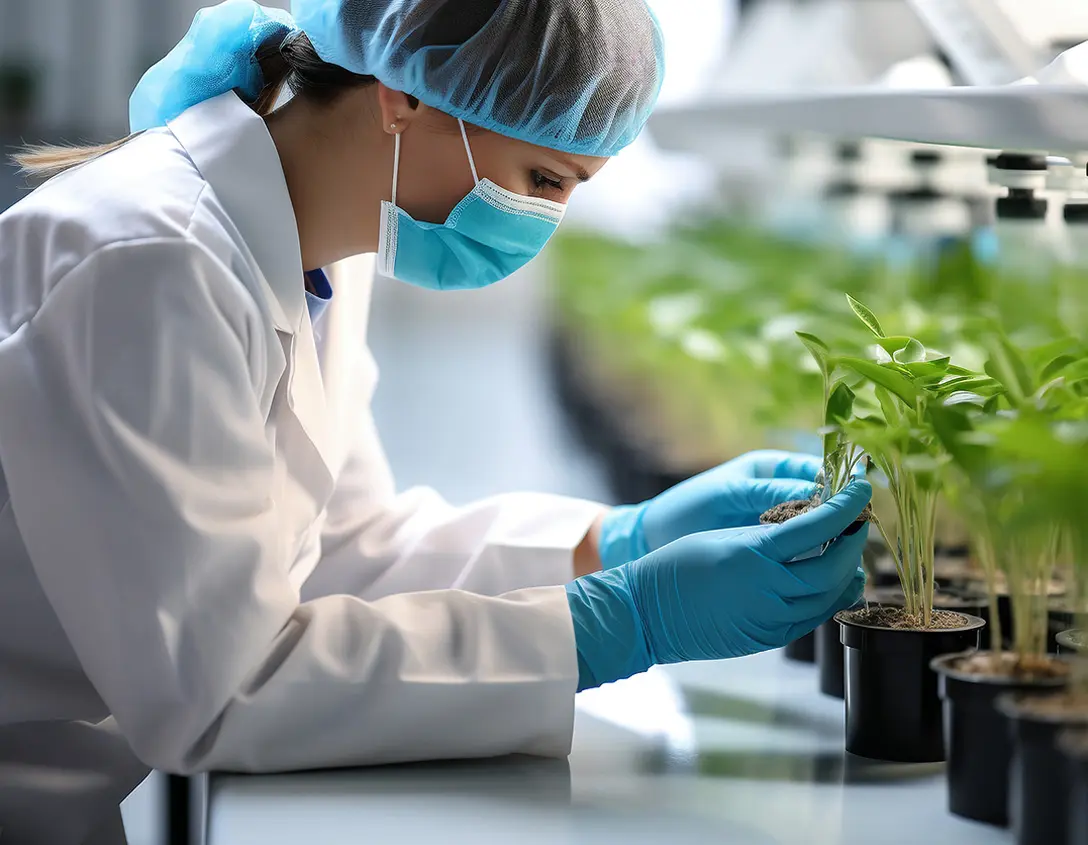
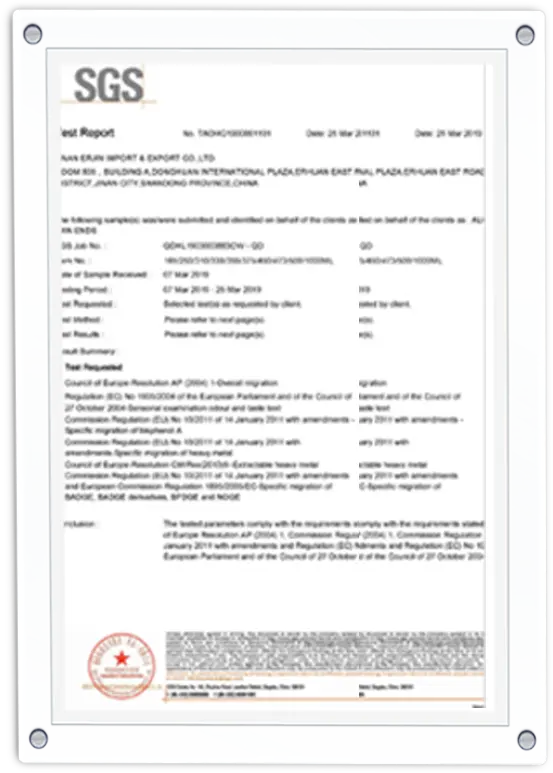
Industrial food brands require supply chain traceability, biological safety, and chemical purity. Our factory-direct operations provide a comprehensive suite of international quality certifications to streamline compliance for B2B buyers.
We enforce strict Quality Management Systems (QMS) across our raw material cultivation bases, flour processing facilities, and trading structures. All batches undergo rigorous testing for gluten index, water absorption, moisture, ash content, microbial counts, and heavy metal concentrations.
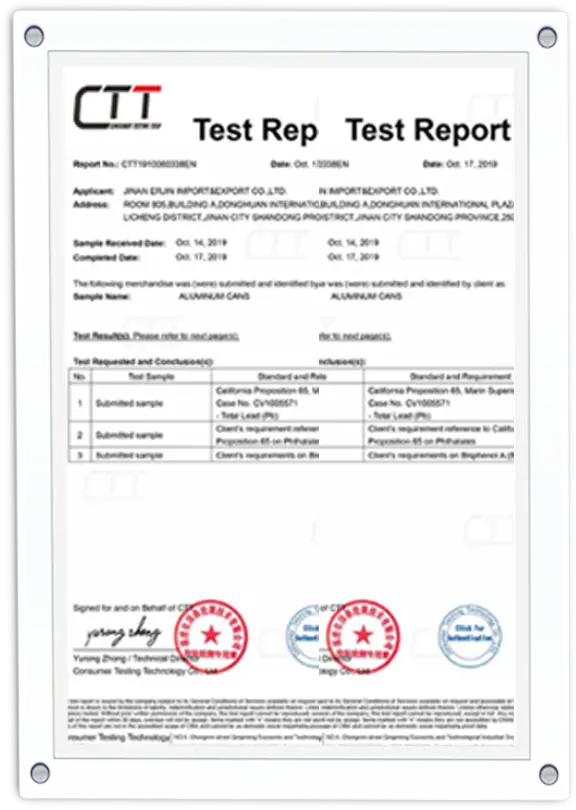
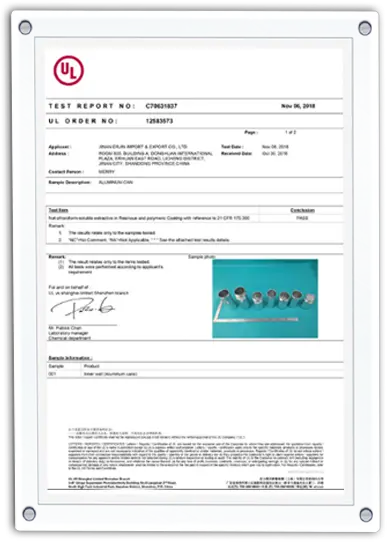
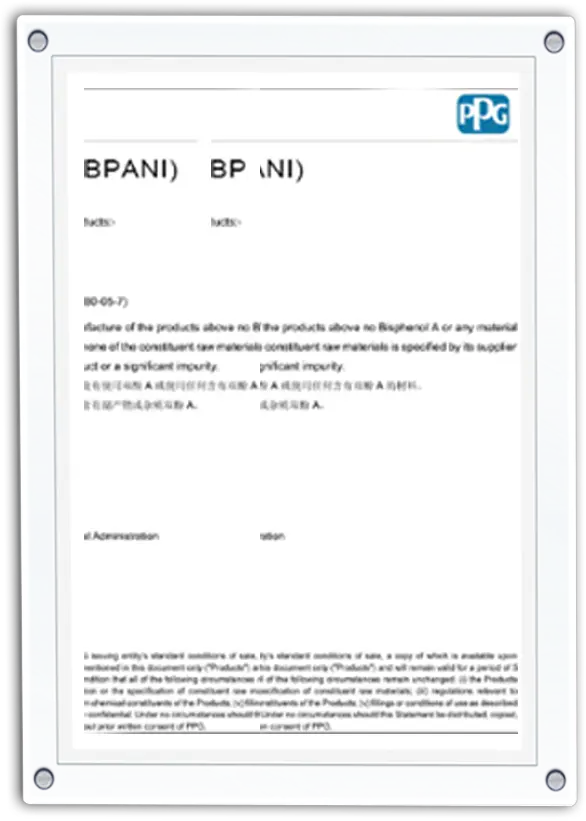
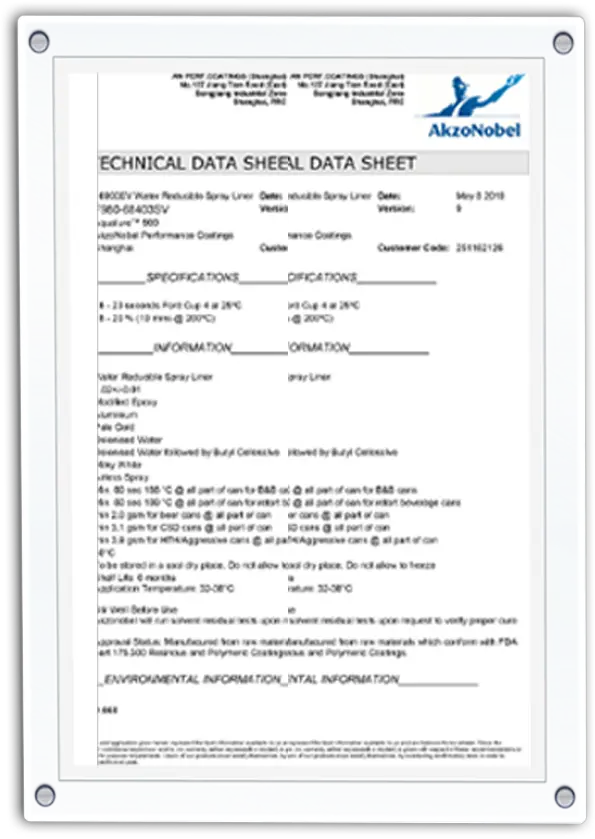
Discover the full scope of our factory-direct wheat starches, functional soy isolates, and wheat proteins.
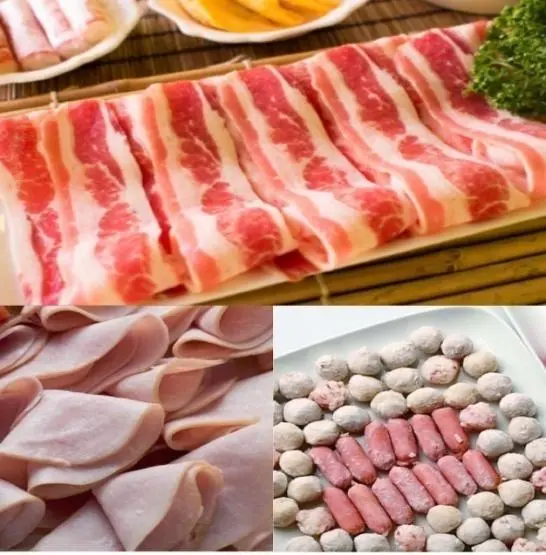
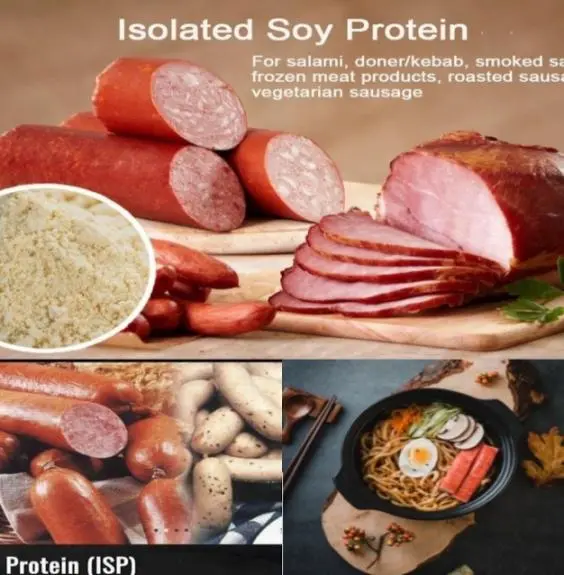
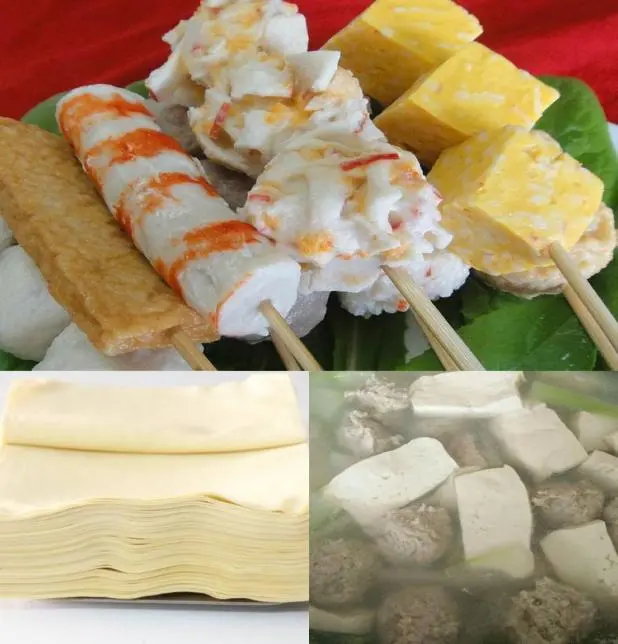
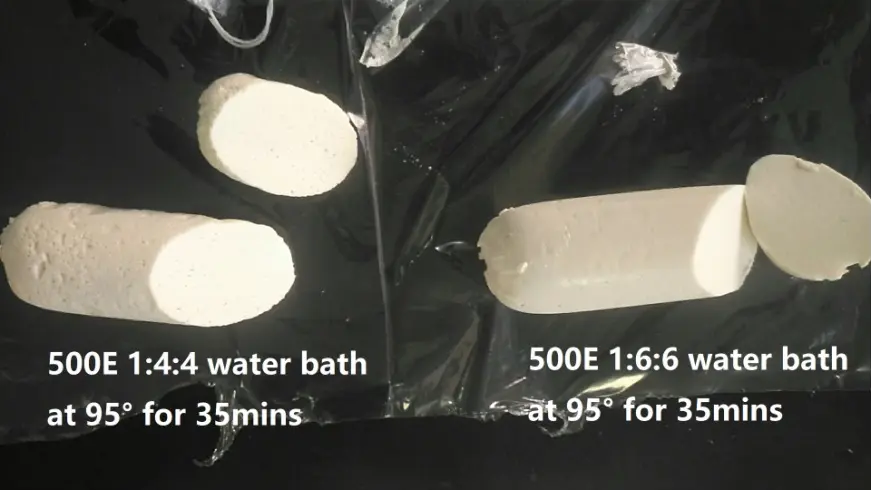
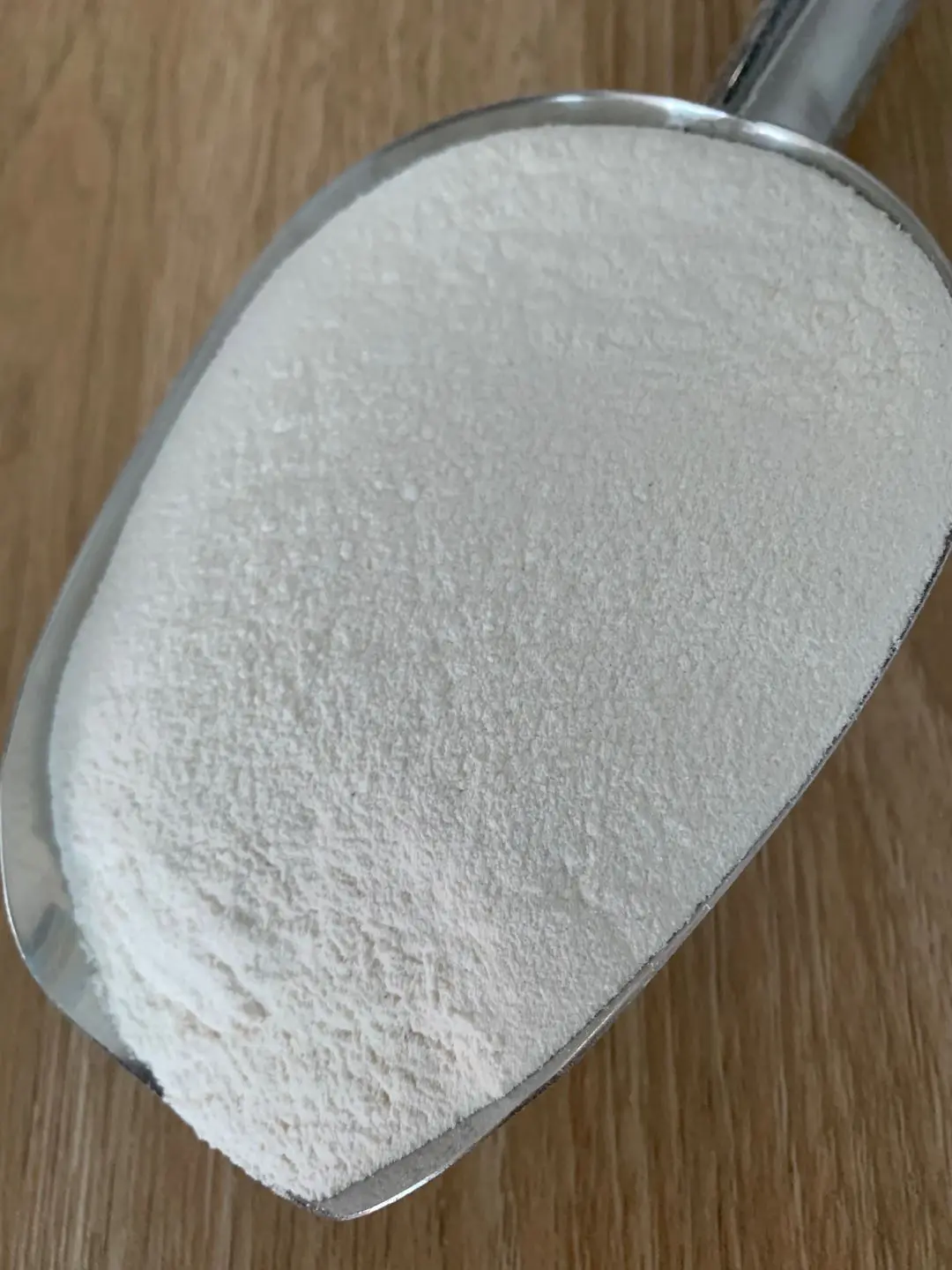
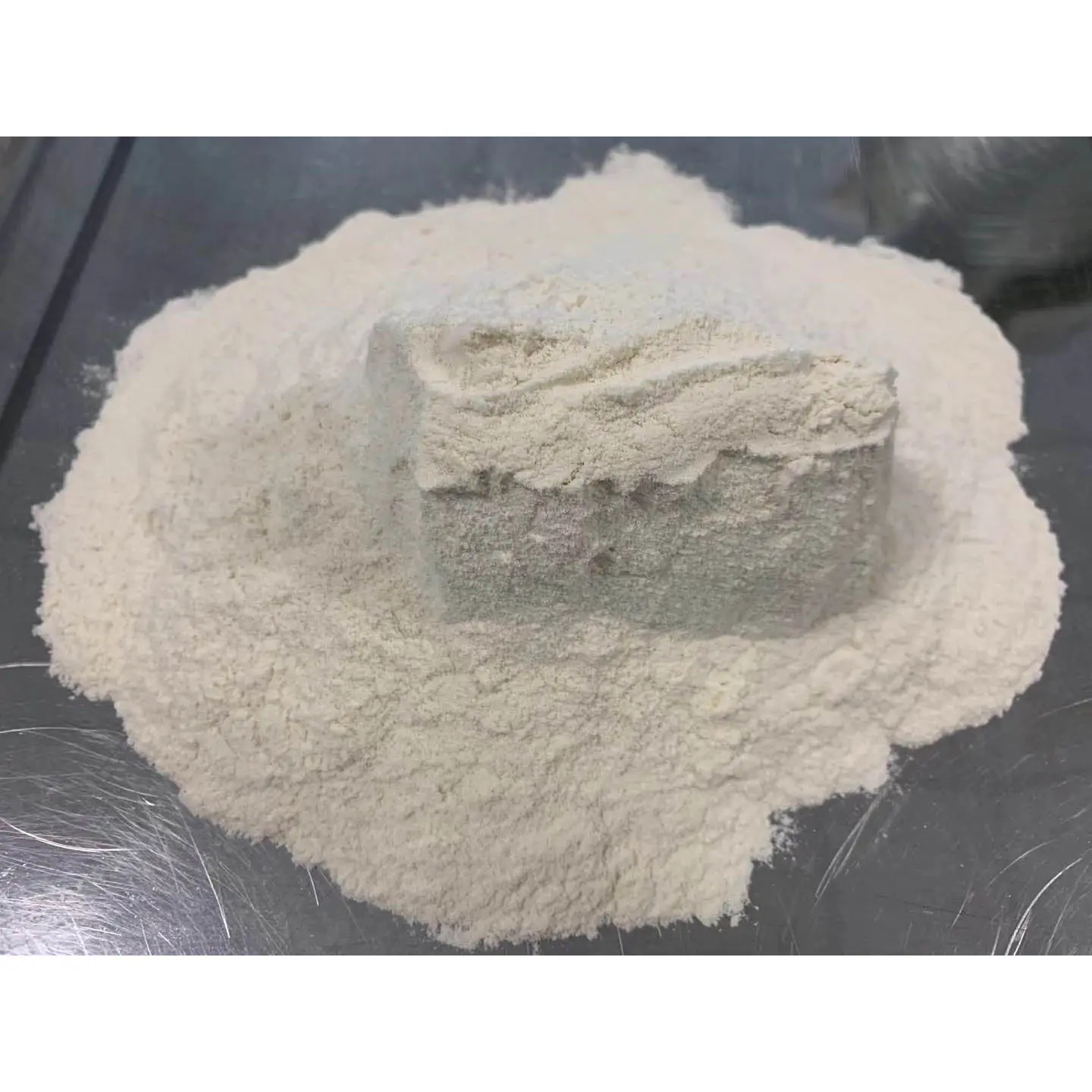
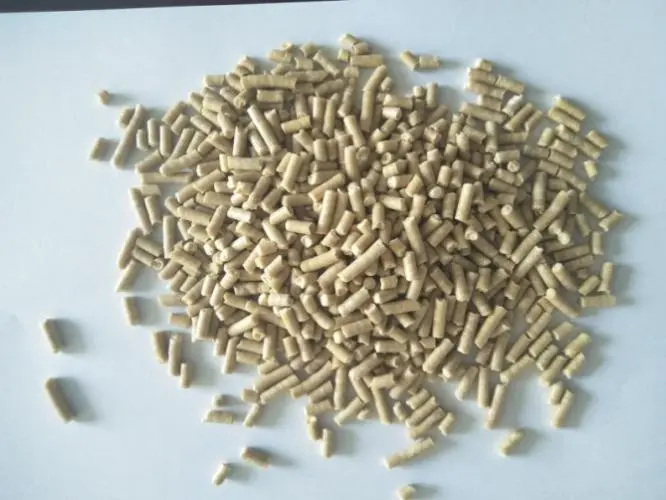
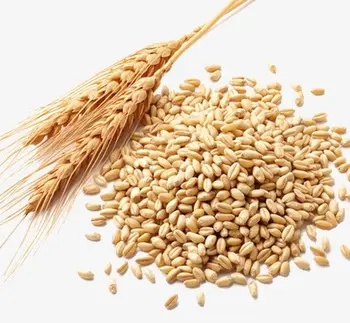
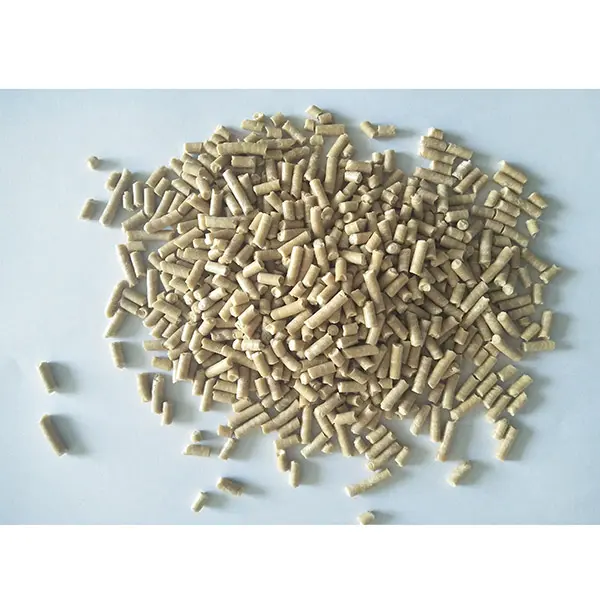
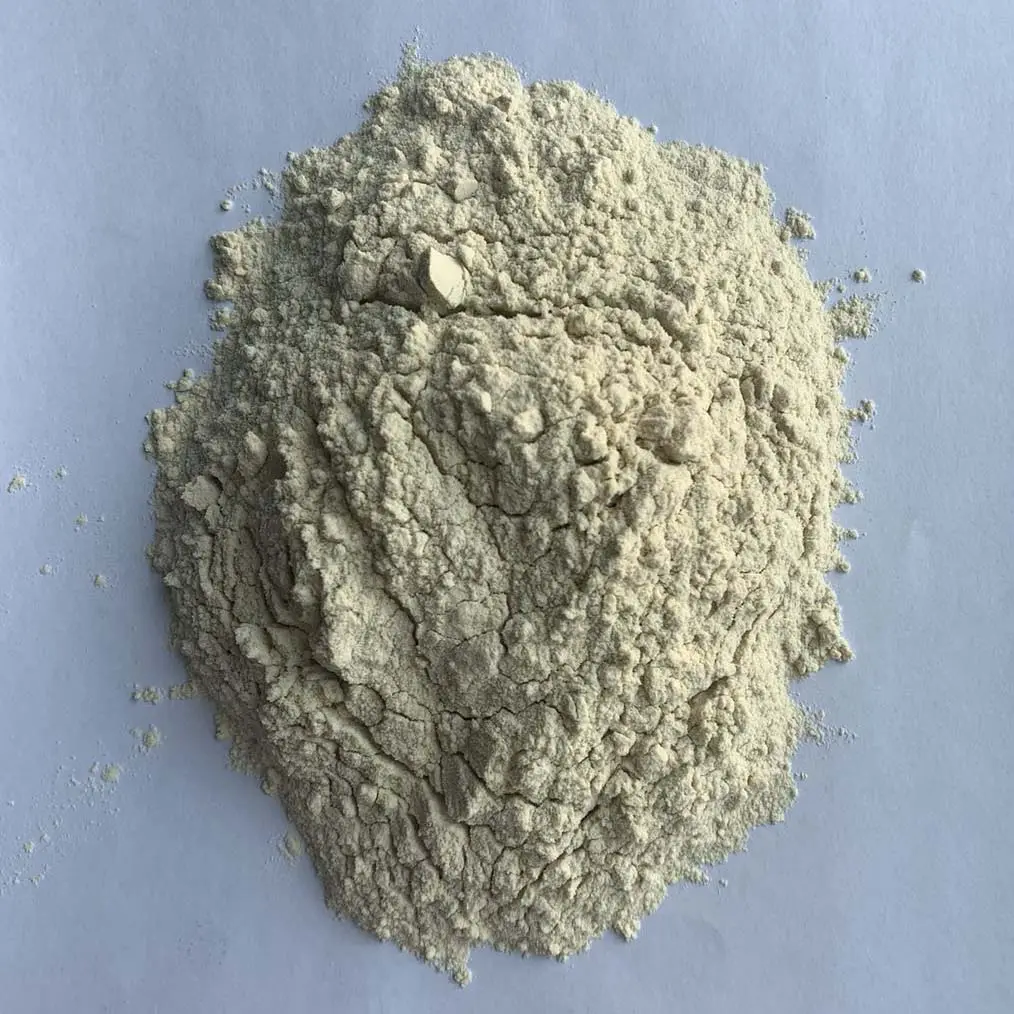
Analyzing global consumer transitions towards clean label food systems and high-density protein formulations.
The global food industry is undergoing a structural shift driven by sustainability, resource optimization, and clean labels. Vital Wheat Gluten serves as a critical agent in this macro-transition. As synthetic food gums and chemical texturizers face regulatory pressures and consumer skepticism, natural plant-derived binders like VWG are increasingly chosen for clean-label applications.
Furthermore, the expansion of high-protein, keto-friendly, and carbohydrate-reduced baked goods has shifted VWG from a simple dough conditioner to a primary macro-ingredient. By replacing starch fractions with active wheat gluten networks, commercial bakers can lower the glycemic index of retail breads while maintaining structure and crumb texture.
From a logistics standpoint, global enterprises are focusing on supply chain diversification. Relying on single-country protein sources introduces risk. China's mature wheat processing infrastructure—supported by integrated logistics and advanced separation technology—offers a reliable, large-scale supply option for multinational food companies.
We address these trends by offering customizable physical parameters:
Inside look at our automated production facilities, spray drying towers, and shipping hubs.
Frequently asked questions regarding specifications, shipping logistics, and formulation matching.
Explore our full line of functional plant proteins, fiber concentrates, and ethanol solutions.
 Xinrui Group