Premium functional proteins & dietary fibers developed for diverse commercial applications
An in-depth analysis of processing science, industrial performance parameters, and global supply stability
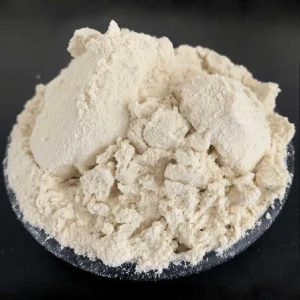
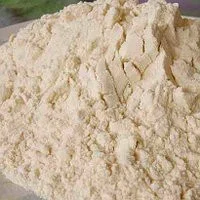
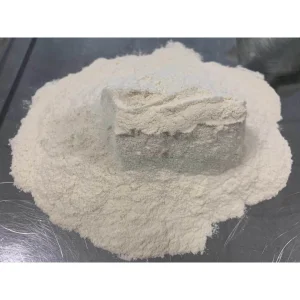
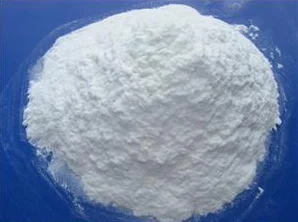
Vital Wheat Gluten (VWG) is a natural, insoluble functional protein extracted from high-quality wheat. Renowned for its unique viscoelastic properties, it forms a cohesive network when hydrated, acting as the structural backbone for various food formulations. In industrial baking, meat processing, and vegan meat alternative manufacturing, it serves not only as a nutritional fortifier but as a crucial texturizer, binder, and moisture-retention agent.
As consumer interest shifts toward clean-label products and plant-derived proteins, understanding the physical chemistry of gluten is paramount. The interplay between gliadin (responsible for viscosity and extensibility) and glutenin (providing elasticity and strength) dictates the final structural qualities of baked goods and meat analogues. Direct manufacturer control over these ratios prevents batch inconsistency, a primary concern for automated industrial bakeries.
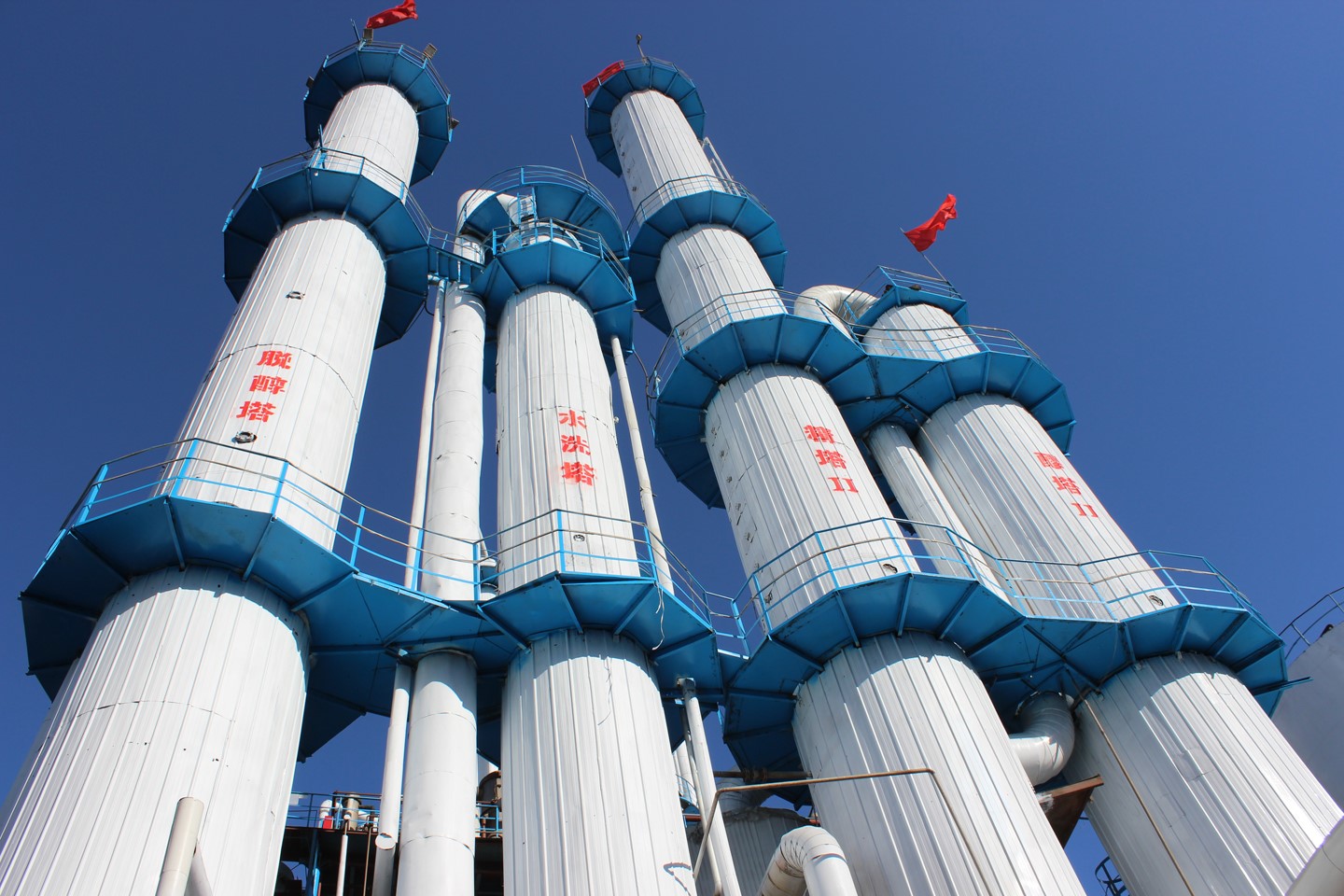
Traditional wheat gluten separation processes often led to denatured proteins and high wastewater volume. Our state-of-the-art facility integrates advanced tri-canter separation technology. This closed-loop system separates wet wheat flour dough into three distinct fractions: high-density starch A, functional vital wheat gluten, and low-density starch B/pentosans.
This physical separation is maintained under precise, low-temperature conditions. It ensures the natural protein remains undenatured, retaining its full water absorption capacity (minimum 150-200% relative to dry weight) and viscoelastic strength. By operating a clean, fully enclosed processing system, we eliminate atmospheric contaminants, meeting international microbiological standards.
Quantifiable infrastructure parameters establishing our leadership in plant-based proteins
Large-scale food manufacturing enterprises operate within strict quality boundaries. Procurement teams require more than just competitive pricing; they require technical compliance, traceability, and batch homogeneity. High-volume production lines cannot tolerate changes in water absorption index or gluten stretch limits, which cause equipment downtime or product deformities.
To address these issues, Guanxian Xinrui implements advanced rheological testing on every batch. Our quality testing parameters evaluate:
By maintaining deep technical oversight, we ensure our global partners in North America, Europe, Southeast Asia, and South America receive reliable raw materials for continuous-mix bakeries and high-pressure extrusion lines.
Navigating cross-border regulatory frameworks is one of the most critical aspects of global food ingredient sourcing. Guanxian Ruichang Trading Co., Ltd. (our dedicated export division established in 2011) coordinates with regional distribution hubs to manage customs clearance, regulatory paperwork, and certificates of analysis.
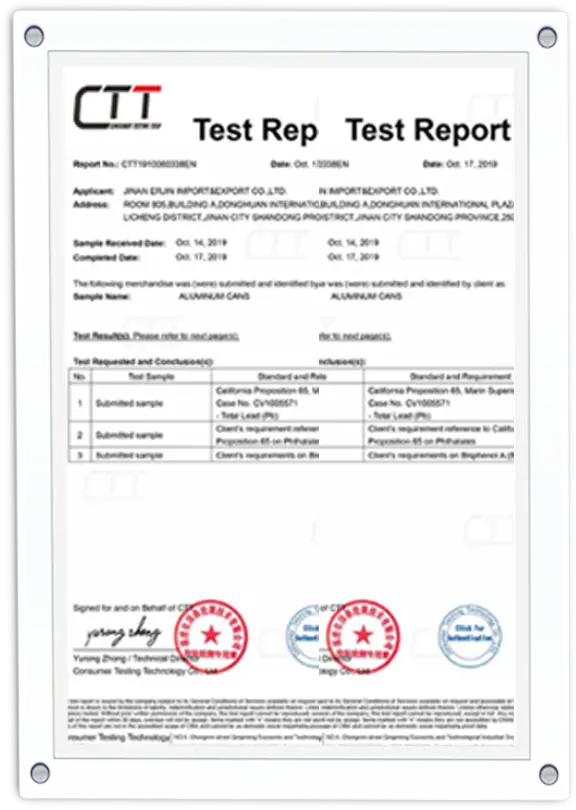
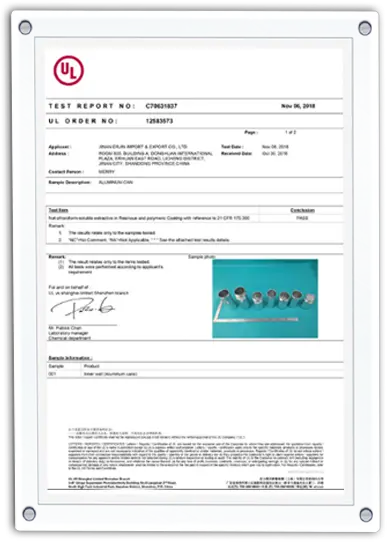
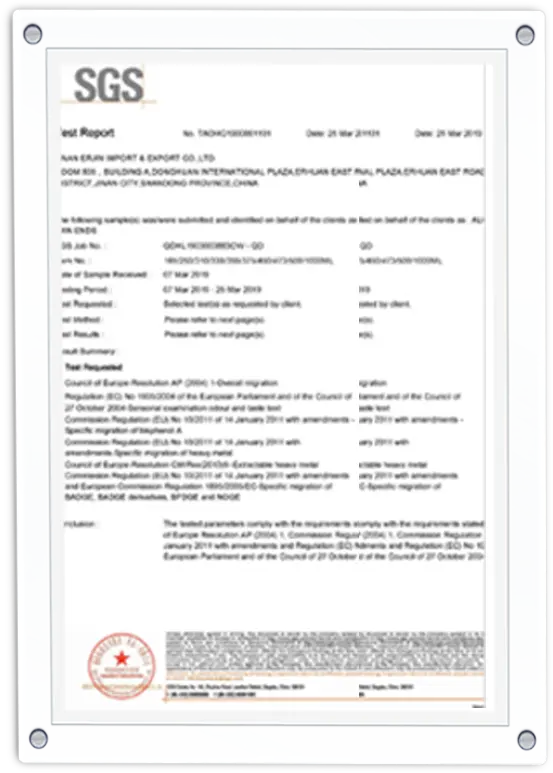
Our facility meets world-class quality management standards, as evidenced by our certification portfolio:
Whether your destination market requires specific allergen documentation, customized labeling, or compliance with Halal or Kosher standards, our logistics team ensures complete compliance at the port of entry.
Guanxian Xinrui Industrial operates within a highly integrated circular industrial park in Shandong, China. This regional configuration creates distinct competitive advantages:
The global vital wheat gluten market is experiencing a significant transformation, driven by three major macro-trends:
As consumers seek to avoid chemical conditioners and synthetic emulsifiers, industrial bakers are turning to vital wheat gluten to naturally modify flour properties. Adding 1-2% vital wheat gluten to standard flour increases dough strength, gas retention, and structural integrity, resulting in larger bread volume and extended shelf-life without chemical additives.
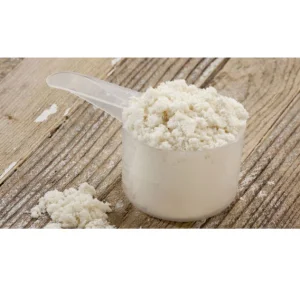
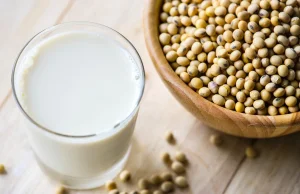
The demand for fibrous plant proteins is expanding beyond simple burgers to structured, whole-muscle alternatives. When subjected to high-moisture extrusion processing, vital wheat gluten works in tandem with isolated soy proteins (such as Kawah Oils' 9007B-C series) to mimic the chewiness, bite, and mouthfeel of poultry and beef products.
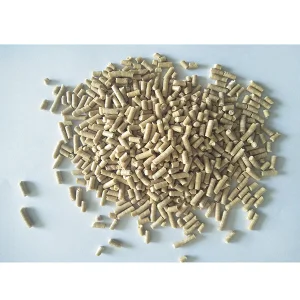
High-density aquaculture operations require durable, water-stable feed pellets. The binding capabilities of food-grade vital wheat gluten (often sourced as VWG-PS pellets or fine VWG-P powder) prevent feed disintegration, reducing water pollution and improving nutrient absorption in high-value shrimp and fish species.
How technical wheat protein improves texture, yield, and consistency across food sectors
Fortifies low-protein flours, improves dough elasticity, and enhances gas retention during fermentation. Ideal for high-fiber, whole-grain, and rye breads that need structural support.
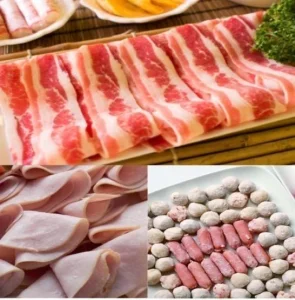
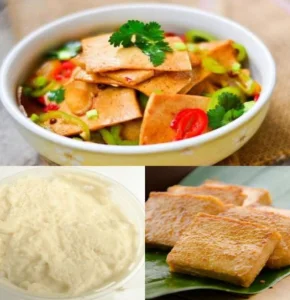
Acts as an effective binder in sausage and meat patty formulations. In vegetarian applications, it creates the essential fibrous structure that replicates traditional meat textures.
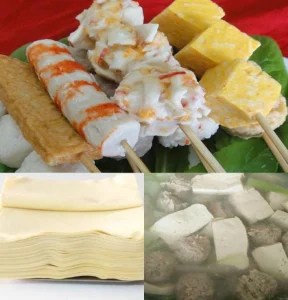
Reduces cooking loss, increases firmness, and prevents sogginess in steam-table or packaged noodle applications by reinforcing the internal gluten matrix.
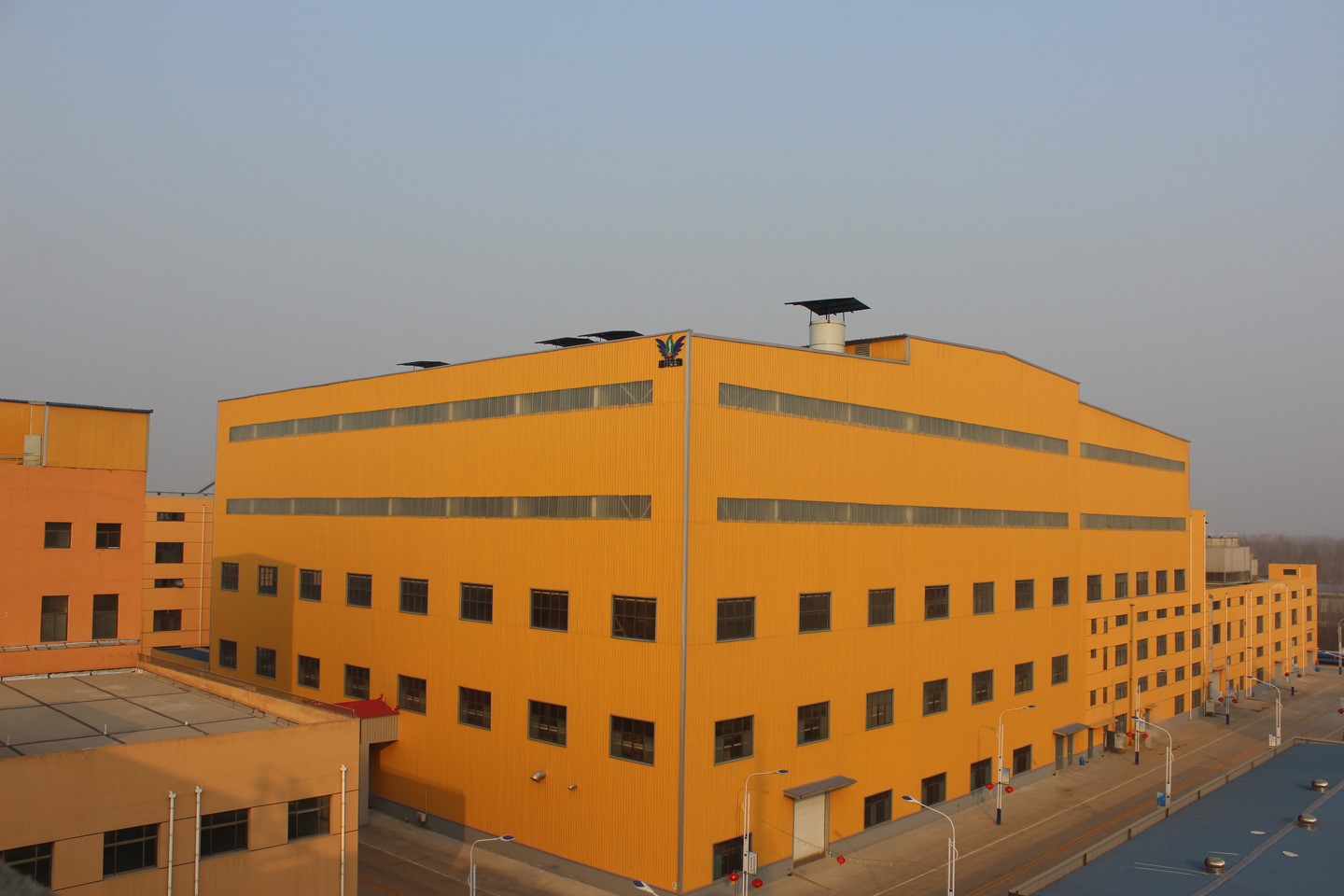
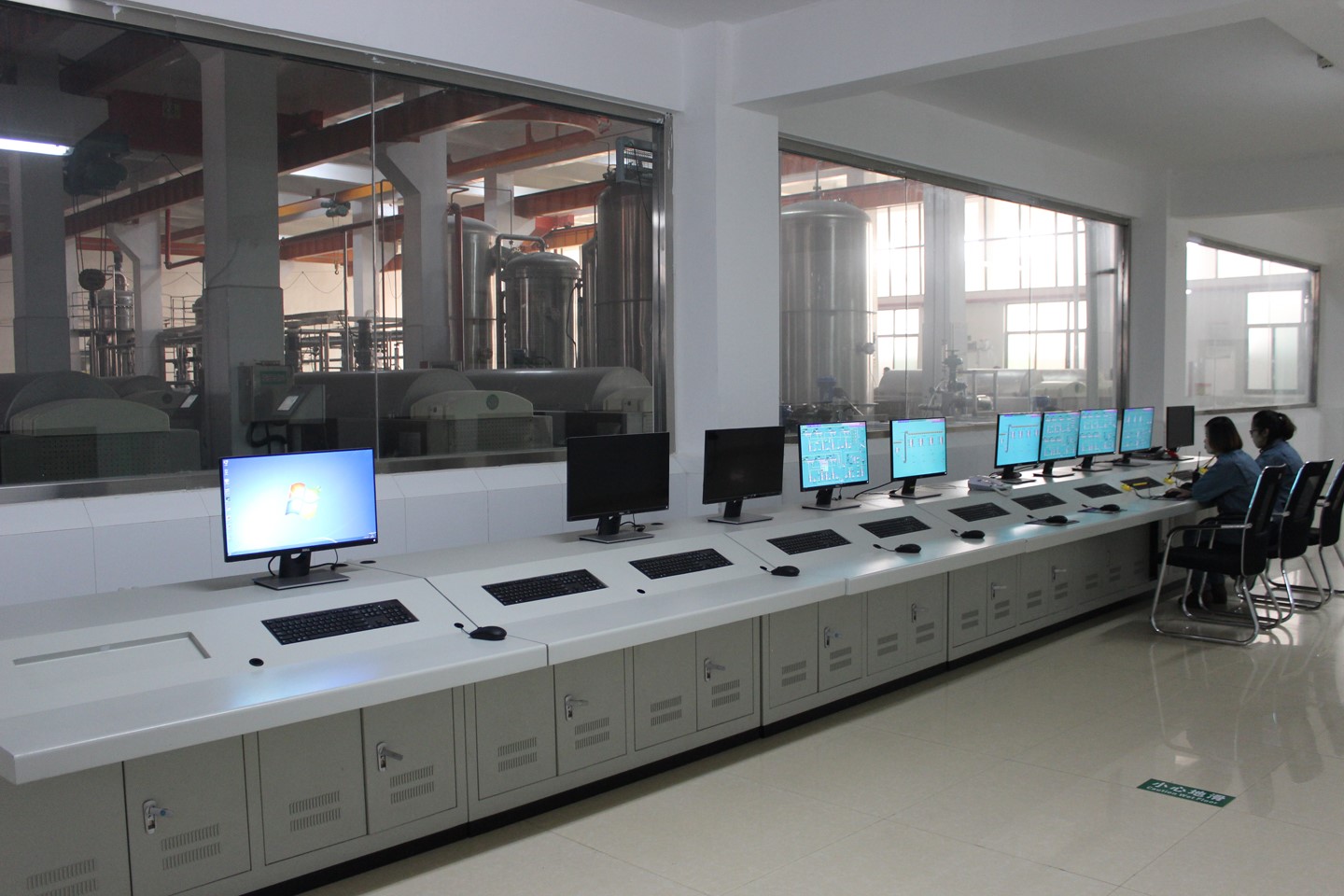
Take a virtual look inside Guanxian Xinrui Industrial’s modern processing lines
Our clean, closed-loop processing plant handles 500,000 tons of raw wheat flour annually.
Shandong Kawah Oils' advanced DACHUANYUAN spray drying facility produces non-GMO isolated soy protein.

Clear, direct technical answers for global buyers and procurement managers
Explore our full selection of starch, gluten, soy proteins, and functional fibers
 Xinrui Group