Premium functional proteins engineered for meat alternatives, high-solubility beverages, nutritional supplements, and high-yield emulsifications.
The global demand for plant-based, vegan proteins has transitioned from a niche consumer trend to an industrial manufacturing baseline. As food systems adapt to sustainability goals, international purchasing managers face the double challenge of finding plant proteins that meet strict clean-label standards while maintaining high functional performance. Shandong Kawah Oils and Guanxian Xinrui Industrial, subsidiaries of the Xinrui Group, offer a solution by providing vertically integrated processing capabilities that guarantee raw material traceability and consistent protein functionality.
By controlling the entire process from crop seed genetics to dry powder isolation, we address critical parameters like water binding, emulsification, and solubility profiles. This whitepaper explains our manufacturing approach, technological setup, and clean-loop systems designed to meet global supply chain requirements.
Established in May 2003, Xinrui Group has grown into a diversified industrial group with over 1,000 mu of facilities. The company operates across multiple sectors, including cogeneration power, gas supply, urban heating, wheat processing, and soybean crushing. Our integrated model allows us to control energy and production inputs directly, reducing environmental impact and insulating our manufacturing lines from external market shocks.
Our raw materials are sourced from our wheat and Non-GMO soybean planting bases, ensuring full traceability from the field to the finished product. Through our specialized companies—Guanxian Xinrui Industrial Co., Ltd. (flour, vital wheat gluten, starch), Shandong Kawah Oils Co., Ltd. (soybean crushing, low-temperature meal, isolated soy protein, soy fiber), and Guanxian Ruichang Trading Co., Ltd. (direct international export handling)—we offer global buyers direct access to factory-grade ingredients with reliable logistics support.

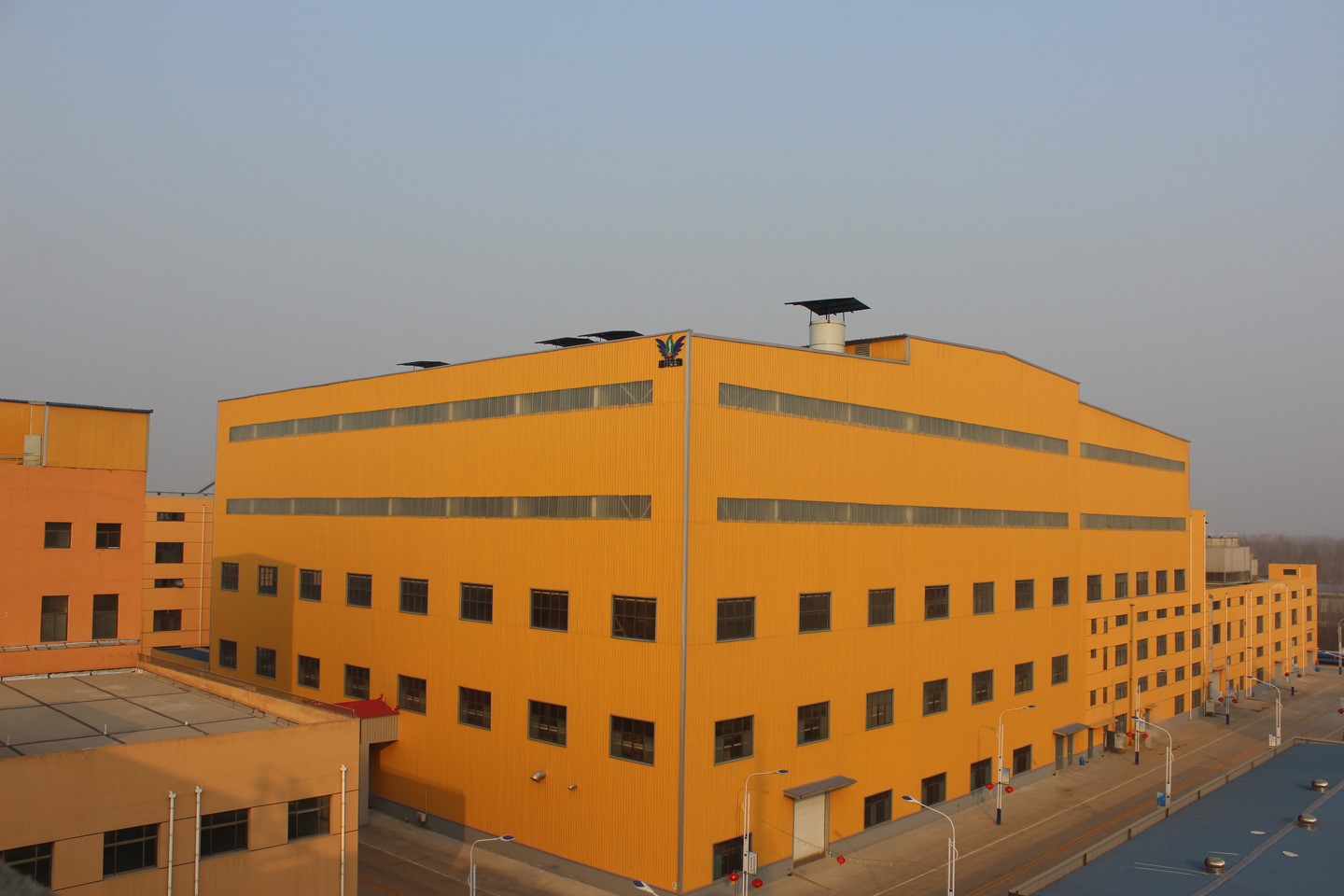
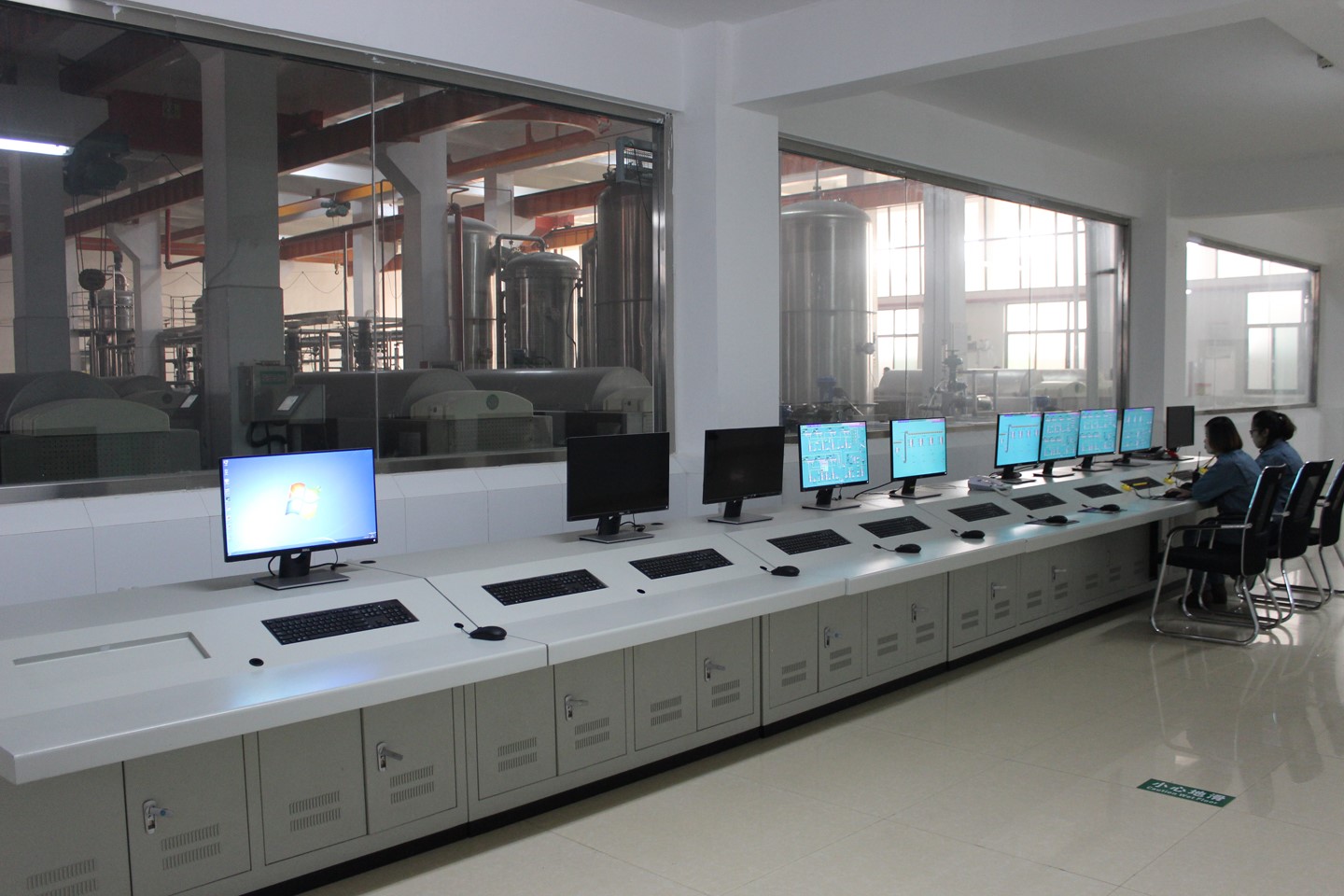
Established in 2014 with 120 million Yuan in registered capital, Shandong Kawah Oils Co., Ltd. is a key agricultural industrialization enterprise in Shandong Province. The facility processes 180,000 tons of domestic Non-GMO soybeans annually using a step-by-step extraction process that yields food-grade low-temperature meal, isolated soy proteins (ISP), and dietary fiber.
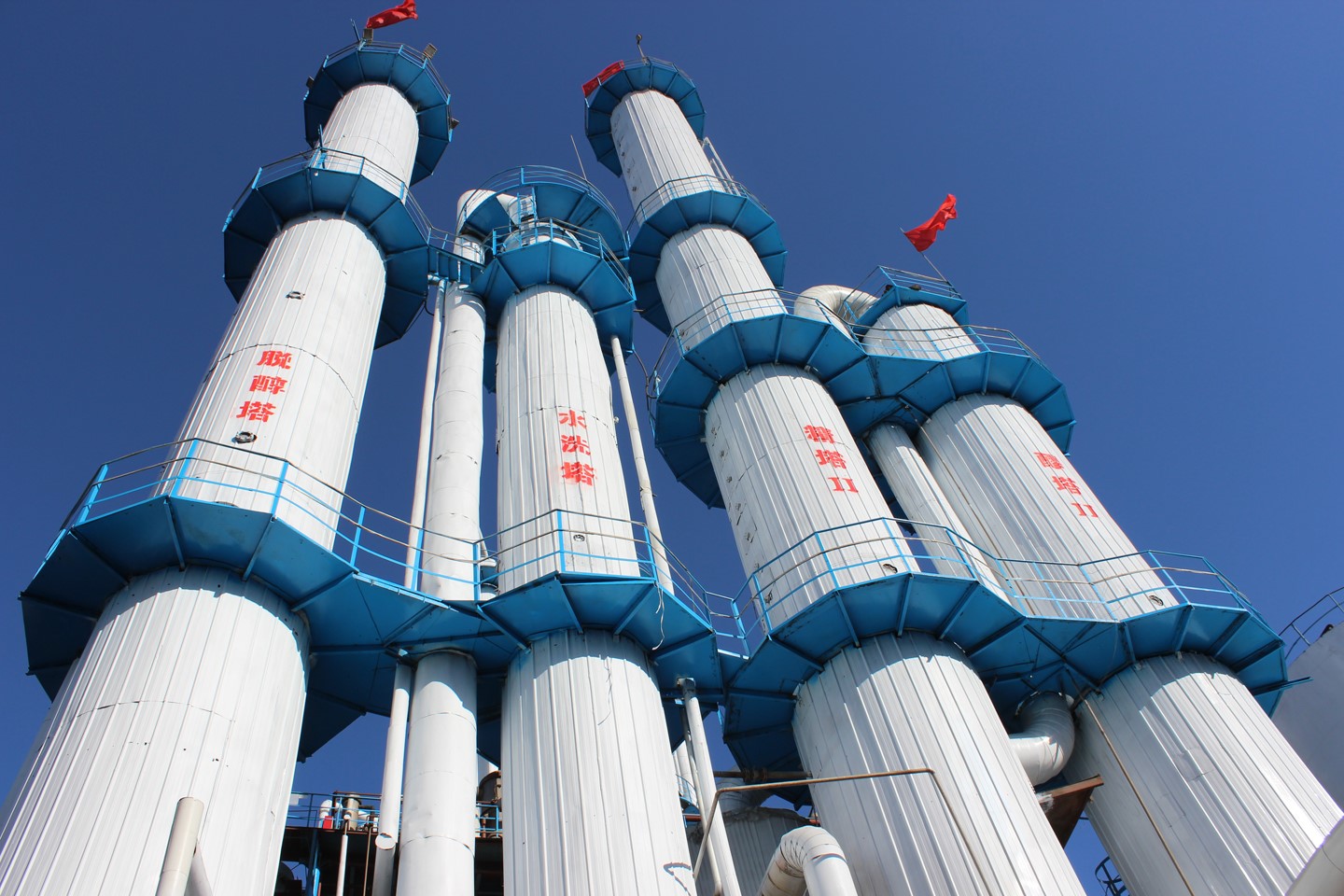
The facility features a large spray drying tower developed by Dachuanyuan, which serves as the hub of our isolated soy protein line. This system maintains consistent particle size distributions and prevents thermal degradation during production, ensuring the protein maintains its functional properties in water absorption, gel strength, and emulsion stability.
How our closed-loop production systems, tri-canter separation, and cogeneration plants provide stable, cost-efficient, and sustainable ingredients to global buyers.
We imported tri-canter separation technology for our wheat gluten production lines. This process separates wheat flour into A-starch, B-starch, and vital wheat gluten within a closed, automated system, reducing microbiological contamination risks and optimizing protein extraction yields.
Our circular economic model recovers secondary product streams. Pentosans and B-starch are directed into our integrated distillation plant for industrial-grade ethanol and animal feed production. This system minimizes waste, helps manage environmental impact, and lowers net production costs.
The Group's cogeneration facility supplies high-pressure steam and electrical power directly to our extraction and drying operations. This independent energy supply protects our production schedules from grid disruptions and keeps energy costs predictable.
Founded in 2011 with a registered capital of 6 million Yuan, Guanxian Ruichang Trading Co., Ltd. serves as the export division for the Xinrui Group. It exports isolated soy protein, vital wheat gluten, soluble dietary fiber, vermicelli, and ethanol directly to international clients.
With exports accounting for over 60% to 70% of the Group's production capacity, Ruichang Trading coordinates manufacturing schedules with international shipping, helping to manage customs requirements, ocean logistics, and product documentation for our clients overseas.
A detailed look at the functional profiles of our soy and wheat protein ingredients across different food matrix applications.
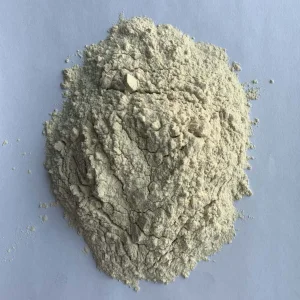
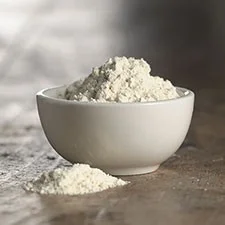
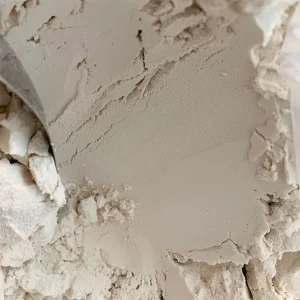
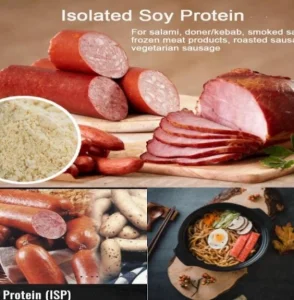
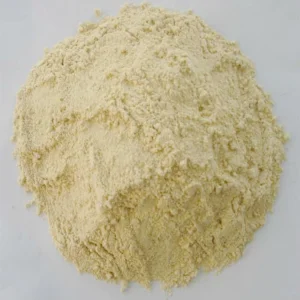
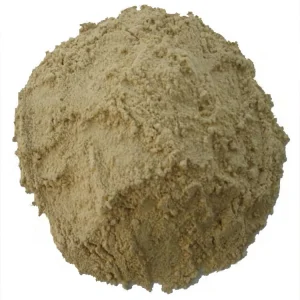
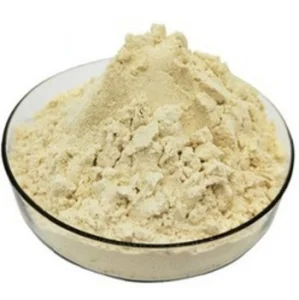
Our isolated soy proteins are processed from domestic Non-GMO soybeans to achieve a minimum dry basis protein content of 90%. They are categorized by functional type to match specific production requirements:
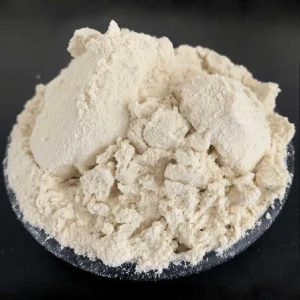
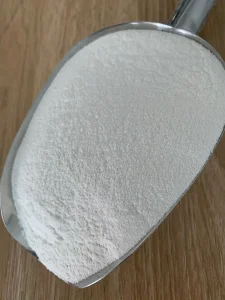
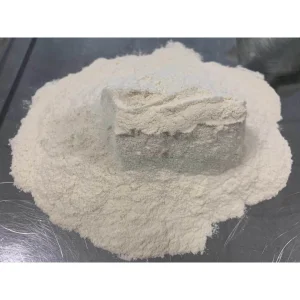
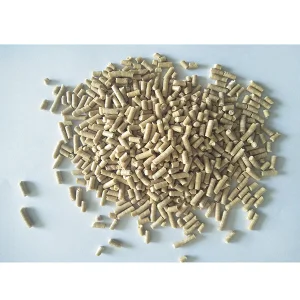
Our Vital Wheat Gluten is available in both powder (VWG-P) and pelletized (VWG-PS) forms. With its high viscoelastic properties, it helps improve gas retention, dough volume, and crumb structure in baking applications, and provides texture in meat analogues.
Our Soy Dietary Fiber is derived from the cell wall material of Non-GMO soybean cotyledons. It combines high water-binding capacity with dietary fiber enrichment, making it suitable for moisture retention in baked goods and texture improvement in ground meats.
Produced from Non-GMO soy meal, our Functional Soy Protein Concentrate offers high water retention and structural support, serving as a cost-effective texturizer and protein booster for meat products, bakery fillings, and pet food applications.
Complementing our proteins, our native wheat starch is used as a binder and thickener. Our fermentation facility also produces high-purity neutral ethyl alcohol (ethanol 95% - 96% superior grade) for food, beverage, and industrial uses.
Our production facilities operate under international quality management systems to meet global regulatory and religious food safety requirements.
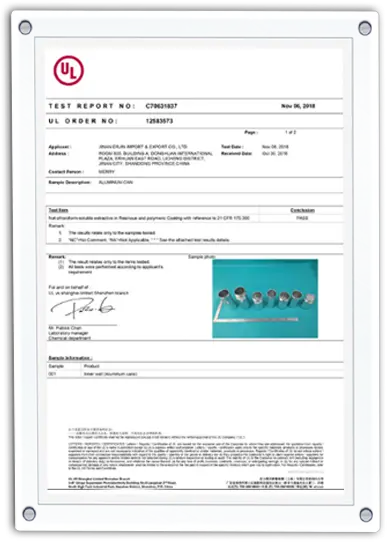
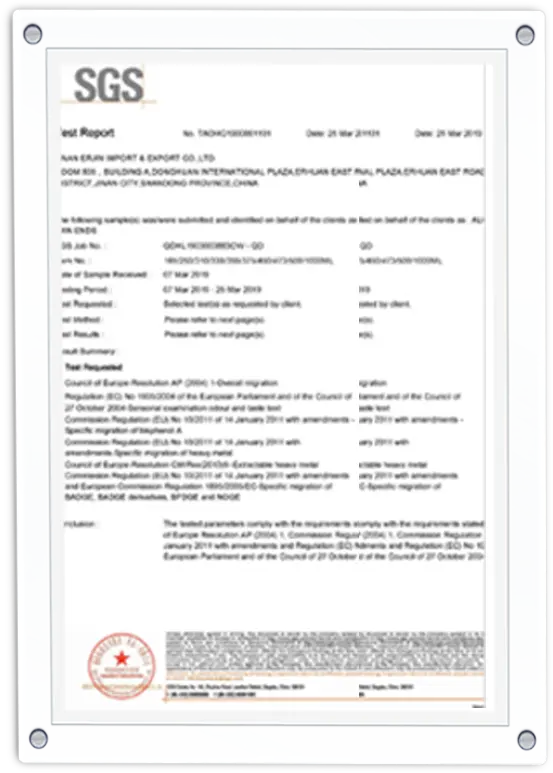
Watch our step-by-step manufacturing process, advanced spray-drying systems, and packaging lines in action.
Applying plant proteins effectively in food formulations requires an understanding of how processing conditions affect protein behavior. For example, in high-shear emulsified systems, isolated soy proteins must unfold at the oil-water interface to create a stable network that prevents lipid coalescence and water loss. Our emulsifying grade proteins (such as the 9007B-C) are processed to maintain their surface-active properties, allowing them to remain stable through high-shear chopping and autoclaving cycles.
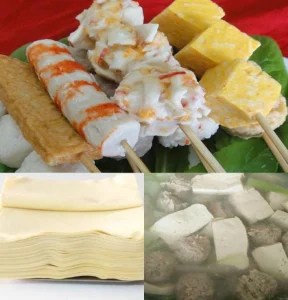
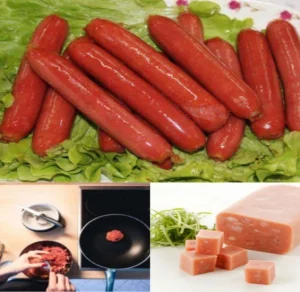
In meat analogues like burger patties and plant-based sausages, vital wheat gluten and isolated soy protein are often used together to create realistic textures. The gluten provides a chewy, fibrous structure that mimics meat fibers, while the soy protein isolate creates a cohesive gel matrix that holds water and fat. This combination helps maintain texture and succulence during cooking, preventing dry or crumbly results.
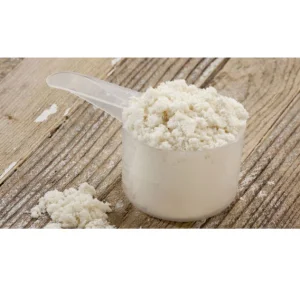
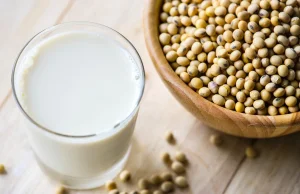
In liquid formulations, such as ready-to-drink (RTD) protein shakes and dairy alternatives, stability is primarily determined by the protein's solubility and ionic behavior. Standard soy proteins can aggregate at acidic or neutral pH levels, causing sedimentation and a gritty mouthfeel. To prevent this, our beverage-grade isolates (9030 and 9032) undergo controlled enzymatic hydrolysis to lower their molecular weight and modify their charge profile. This processing keeps the proteins dispersed in suspension, maintaining a smooth texture without requiring high levels of stabilizers or hydrocolloids.
For international procurement managers, sourcing plant proteins involves evaluating logistics reliability and regulatory compliance alongside price. Operating out of Guanxian, Shandong, we benefit from established regional transport links to Qingdao Port. This proximity helps us maintain efficient shipping schedules to major global markets in Europe, North America, Southeast Asia, and Latin America. Additionally, our dedicated trading division handles customs clearance, phytosanitary certificates, and GMO testing documentation directly, reducing administrative delays for our clients.
Detailed technical and commercial answers to help procurement managers and product developers with the sourcing process.
We are an integrated group company named Xinrui Group that combines manufacturing and exporting. The manufacturer of our isolated soy protein is Shandong Kawah Oils Co., Ltd., which produces 50,000 tons of isolated soy protein annually. The manufacturer of our wheat gluten is Guanxian Xinrui Industrial Co., Ltd. (formerly known as Guanxian Ruixiang Biotechnology Development Co., Ltd), which produces 30,000 tons of vital wheat gluten annually. All direct export transactions are managed by our subsidiary trading arm, Guanxian Ruichang Trading Co., Ltd.
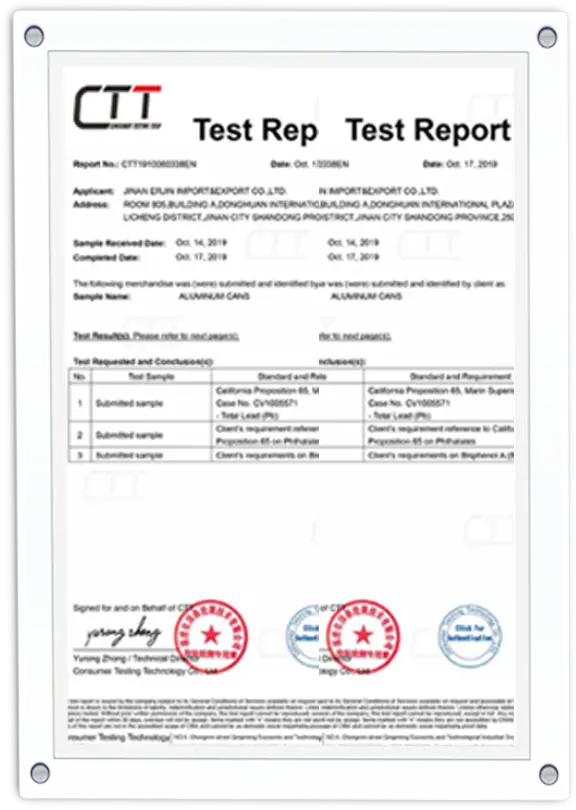
Our production facilities are certified under HACCP, ISO 9001, ISO 22000, and BRC Global Standards. We also hold HALAL, KOSHER, and IP Non-GMO certifications. Additional certifications and third-party laboratory reports (such as SGS) are available upon request to meet specific regional requirements.
We use an Identity Preservation (IP) system to trace our soybeans from seed selection and planting bases through harvesting, crushing, and protein isolation. Every batch of raw materials is tested using PCR (Polymerase Chain Reaction) methods to ensure we meet non-GMO standards before the crops enter our processing lines.
VWG-P is a fine, free-flowing vital wheat gluten powder commonly used in baking, milling, and meat analogue formulations for quick hydration and gluten network development. VWG-PS is a pelletized form designed to reduce dust during transport and storage, and is frequently used in animal feed, aquaculture feed, and processing setups that utilize pneumatic conveying systems.
For emulsified meats subjected to high thermal processing (such as sterilizing at temperatures above 121°C), we recommend our Meat & Emulsion Type isolated soy proteins (e.g., 9007B-C or 9001BH). These grades are formulated to maintain water-binding and fat-emulsification properties under thermal stress, helping to prevent structural collapse and water separation during cooking.
Our isolated soy proteins and vital wheat glutens have a shelf life of 12 to 24 months from the date of manufacture when stored in their original, unopened packaging. They should be kept in cool, dry warehouse conditions (temperature below 25°C, relative humidity under 60%) and away from strong odors or direct sunlight.
Our vital wheat gluten is processed using automated tri-canter separation and flash drying systems. The entire system is enclosed, and dry air streams carry the powder through dust collectors and baghouse filters. This design minimizes product loss, reduces airborne dust in the facility, and helps prevent cross-contamination.
Our standard packaging for protein powders is 20kg or 25kg multi-layer kraft paper bags with an inner polyethylene liner. For large-volume buyers, we also offer 800kg or 1,000kg super sacks (jumbo bags) on pallets. Custom packaging configurations can be arranged for contract orders.
Explore our full range of pelletized glutens, emulsifying soy proteins, and high-dispersibility isolates.
 Xinrui Group