Executive Summary: The Strategic Value of Vital Wheat Gluten in Global Food Science
In the modern landscape of functional ingredients, Vital Wheat Gluten (VWG) stands out as a highly specialized plant-derived protein polymer. Derived through the gentle, aqueous extraction of high-quality wheat flour, Vital Wheat Gluten represents the insoluble visco-elastic protein matrix consisting primarily of gliadin and glutenin fractions. This unique molecular architecture makes VWG an irreplaceable component in industrial baking, milling, plant-based meat texturization, aquaculture, and animal nutrition.
As global food chains align with sustainability goals and clean-label declarations, procurement and R&D teams are shifting away from synthetic stabilizers and towards natural, plant-based binders. To capture this growth, food manufacturers must align with vertically integrated suppliers capable of offering not just raw volume, but physical and chemical consistency, traceability, and technological innovation.
Key Industrial Advantage
Our imported advanced tri-canter separation technology extracts wheat gluten under low thermal stress, fully preserving the native visco-elasticity and hydration capacity (minimum 150-200% water absorption index) of the protein structure.
Global Commercial & Industrial Status: Supply & Demand Dynamics
The global market for Vital Wheat Gluten is undergoing a significant structurally-driven expansion. Valued at over USD 2.5 Billion, the market is projected to grow at a CAGR of 4.8% through 2030. The major drivers behind this growth include:
Plant-Based Analog Expansion: The massive rise of high-moisture meat analogs (HMMA) and textured vegetable proteins (TVP) requires gluten to mimic the long, fibrous chewiness of meat.
Flour Standardization and Enrichment: As weather variations impact global wheat crops, regional millers face fluctuating protein profiles in native grains. Vital Wheat Gluten serves as a direct corrective additive to standardize industrial baking flours.
High-Performance Feed Applications: In aquaculture (particularly shrimp and salmon feeds), VWG acts as an eco-friendly binder that enhances pellet durability, preventing early leaching and preserving water quality.
China Factory 4.0: Supply Chain Resilience & Efficiency Advantages
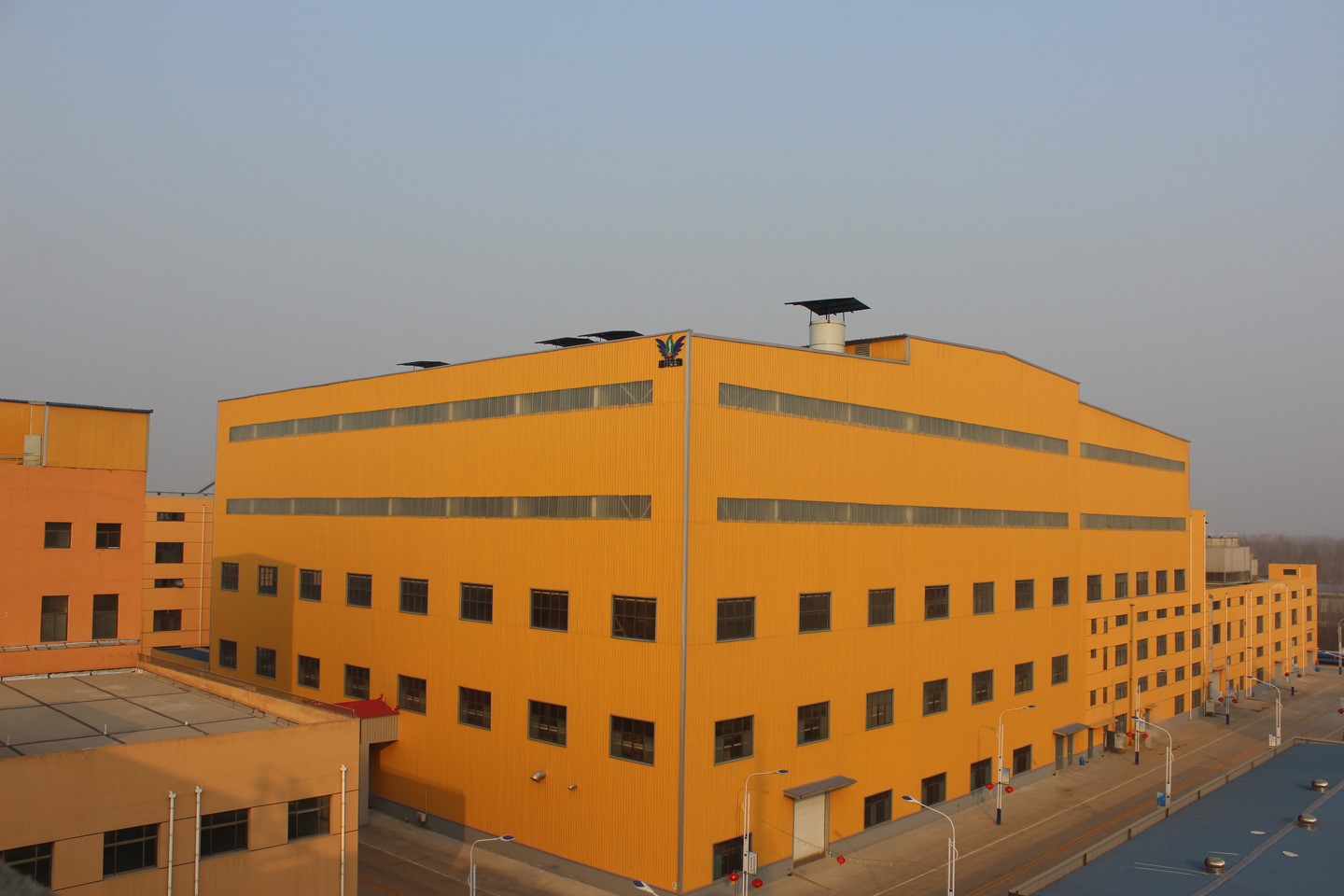
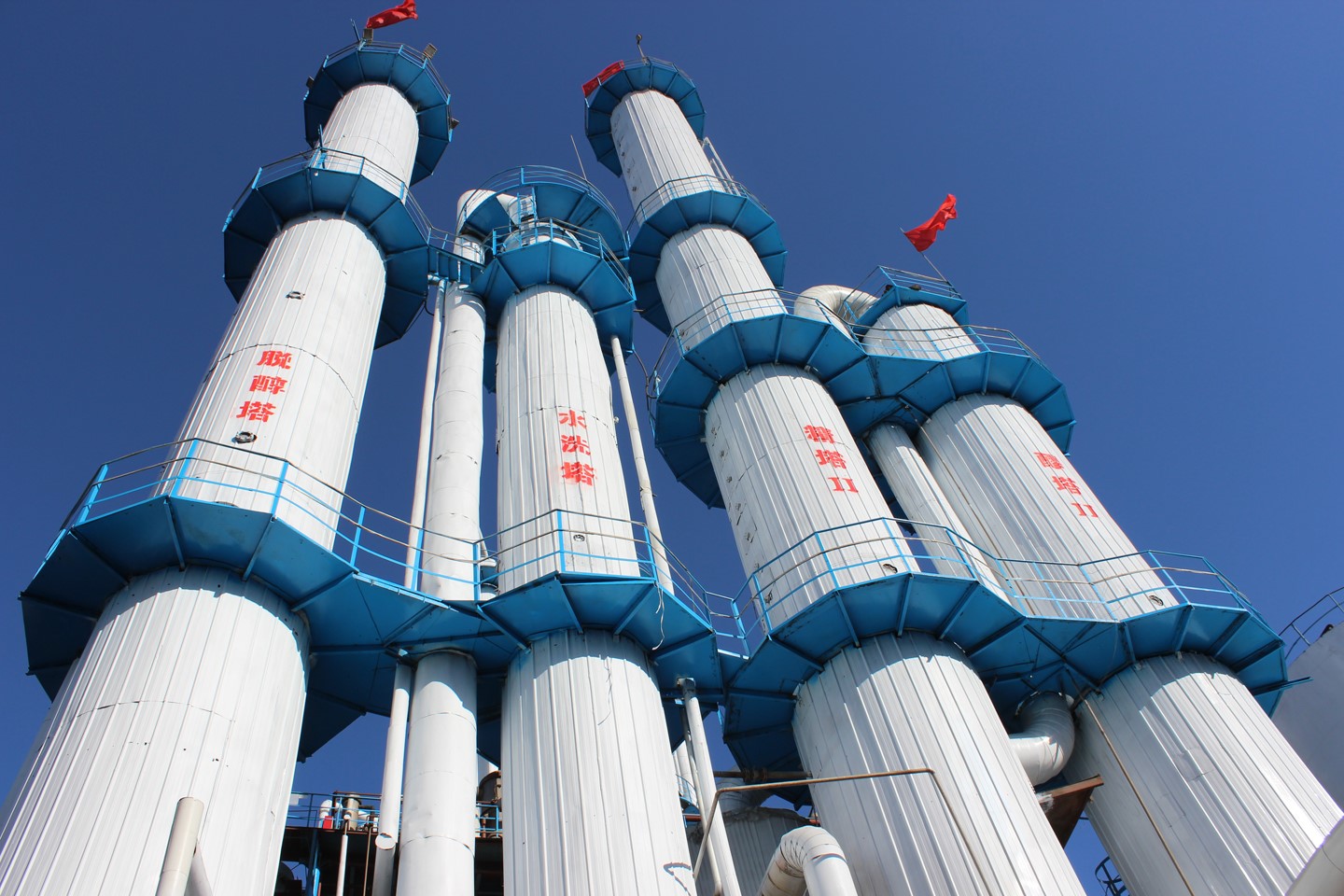
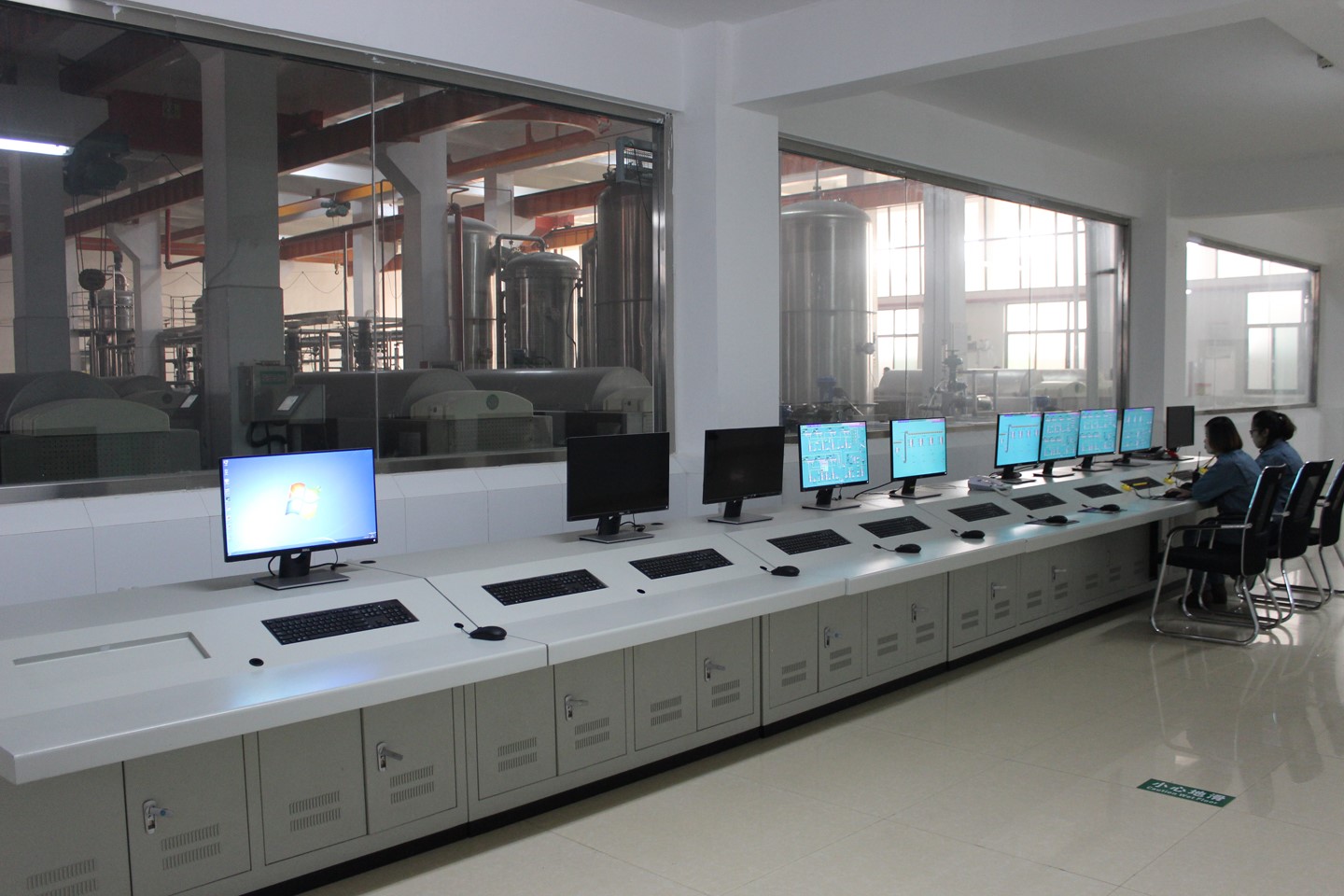
At the heart of Guanxian Xinrui Industrial Co., Ltd.'s market leadership is our commitment to Industrial Automation and the Circular Economy. With a processing capacity of 500,000 tons of wheat flour per year, we have built a closed-loop system where nothing is wasted.
Wheat grains are split systematically: high-grade wheat starch A and wheat gluten are isolated using the world's most advanced tri-canter separation technology. Low-grade Starch B and pentosans are not discarded; they are dynamically routed to our own facilities for ethanol fermentation and animal feed production. Supported by our own cogeneration plant (providing urban heating, electricity, and gas supply), our factory operations are insulated from standard public utility power spikes and costs. This results in stable pricing and guaranteed delivery for our overseas clients, even during volatile energy periods.
Our products serve several key industrial sectors worldwide, optimized for specific formulations:
1. Baking, Milling, and Flour Standardization
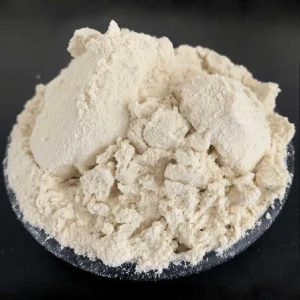
By incorporating 1% to 3% of our high-quality VWG-P Wheat Gluten Powder into weak flours, commercial bakeries can optimize dough gas-retention properties, increase loaf volume, and achieve a consistent crumb structure. This is critical for automated sandwich bread and bun lines.
2. Textured Vegetable Protein (TVP) & Plant-Based Meats
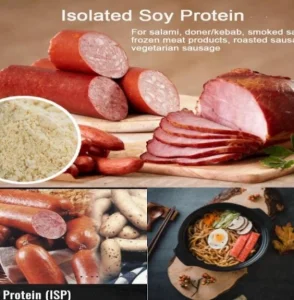
By blending Isolated Soy Protein (such as our 9005B or 9007B-C) with Vital Wheat Gluten, food scientists can manipulate the protein-crosslinking reactions during extrusion cooking. This synergy creates highly realistic vegan burger patties, nuggets, and chunks with an authentic bite profile.
3. Aquaculture Feed (VWG-PS Pellets)
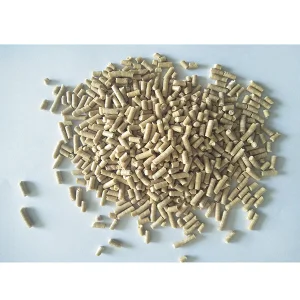
For feed millers, our VWG-PS Wheat Gluten Pellets offer exceptional water stability. Because shrimp consume food slowly, the feed pellet must remain structurally intact in sea water for hours. Our pellets provide the viscoelastic binding strength required to minimize waste and maximize feed conversion ratios.
Xinrui Group Profile
Established in May 2003, Xinrui Group spans an area of more than 1,000 mu, with diversified assets in protein chemistry, green energy cogeneration, and global commerce.
500k
Tons Annual Wheat Capacity
180k
Tons Non-GMO Soy Capacity
70%+
Export Ratio directly to Global Markets
Our Structural Entities:
Guanxian Xinrui Industrial Co., Ltd: Core manufacturing plant for wheat processing and starch & gluten production.
Shandong Kawah Oils Co., Ltd: Integrates NON-GMO soy planting, low-temp soybean meal, and soy protein isolate production.
Guanxian Ruichang Trading Co., Ltd: Direct exporting division ensuring streamlined custom clearances and commercial transactions.
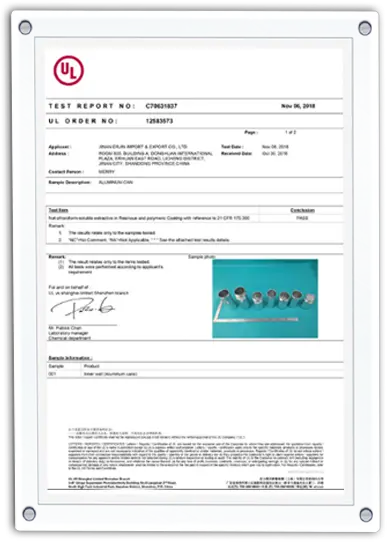
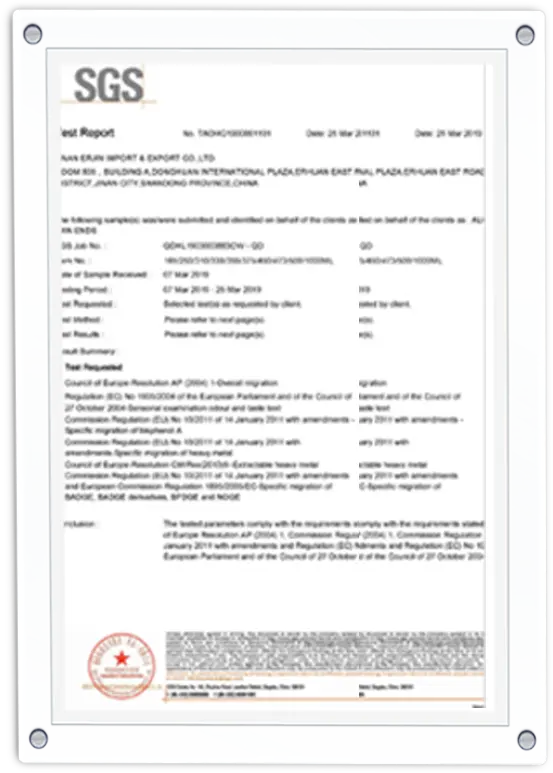
Factory Verification & Certification
Transparent production lines and global food safety compliance verified by top certification bodies.
Xinrui Group Certification (1)
Xinrui Group Certification (2)
Xinrui Group Certification (3)
Xinrui Group Certification (4)
Xinrui Group Certification (5)
Technical & Commercial FAQ
Clear answers to crucial procurement, chemical properties, and supply chain queries.
Are you a trader or manufacturer?
We are a fully integrated group company named Xinrui Group. The manufacturer of soy protein isolate is Shandong Kawah Oils Co., Ltd, which has a production capacity of 50,000 tons per year. The manufacturer of wheat gluten is Guanxian Xinrui Industrial Co., Ltd. (formerly Guanxian Ruixiang Biotechnology Development Co., Ltd), producing 30,000 tons of vital wheat gluten annually. The exporting operations are managed directly under Guanxian Ruichang Trading Co., Ltd.
What quality and food safety certifications do you hold?
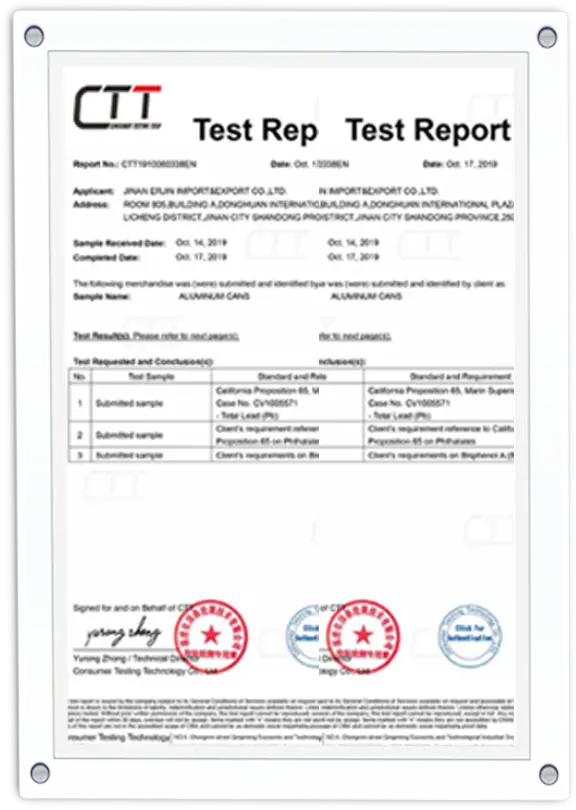
Our facilities are fully certified under HACCP, ISO9001, ISO22000, BRC, HALAL, KOSHER, and IP-NON GMO (Non-Genetically Modified Identity Preservation) verified by SGS. We are ready to provide custom audit packages and specific documentation to match regional import mandates.
What is the difference between VWG-P (Powder) and VWG-PS (Pellets)?
VWG-P is our standard Vital Wheat Gluten powder with high water absorption index and visco-elasticity, used primarily in baking, milling, and meat analogs. VWG-PS is compacted pelletized wheat gluten, designed specifically for clean handling in bulk handling systems, preventing dust contamination and improving storage stability in animal feed and aquaculture production facilities.
How does your circular economy reduce supply chain risk?
Because we own our own cogeneration plant (producing heating, electricity, and gas) and reuse starch by-products for ethanol fermentation, we are largely insulated from utility price shocks. Our integrated planting bases also stabilize raw grain costs, which enables us to offer predictable pricing and long-term contracts.
What is the shelf life and storage recommendation for Vital Wheat Gluten?
Stored in dry, cool conditions below 25°C and with relative humidity below 60%, our Vital Wheat Gluten maintains its functional and chemical performance profile for 24 months from the date of manufacture.
Complete Product Catalog
Explore additional specialized plant protein types and custom formulations for your processing operations.

 Xinrui Group